Inbreeding in deer populations happens when closely related deer breed often enough that genetic diversity declines. It is most likely to become a concern in small, isolated, fenced, or heavily fragmented populations where deer have fewer unrelated mates. In large connected wild populations, natural movement usually helps maintain more genetic exchange.
The practical takeaway for hunters and land managers is this: inbreeding is not something you can judge from one odd-looking deer. It is a population-level genetics issue that requires data, habitat context, and wildlife-biologist input. Habitat connectivity, responsible harvest goals, disease monitoring, and cooperation across property boundaries are usually more useful than guessing from appearance alone.
Table of contents
Quick Answer
Inbreeding can reduce genetic diversity in deer when related animals breed repeatedly in a small or isolated population. The concern is not one individual deer; it is whether the herd has enough genetic exchange to stay healthy and adaptable over time. Wildlife agencies and researchers evaluate this through population data, movement patterns, harvest information, disease monitoring, and sometimes genetic testing.
Hunters can help by following regulations, reporting unusual disease or deformity concerns to the proper agency, supporting habitat connectivity, and avoiding rumor-based conclusions. A deer with an unusual rack or body condition is not automatic proof of inbreeding.
What Inbreeding Means
Inbreeding means mating between related animals. In any wildlife population, some relatedness exists. The problem grows when a small group has limited movement and repeats close breeding over generations. That can reduce genetic variation and make harmful recessive traits more likely to show.
Genetic Diversity
Genetic diversity gives a population more options for adapting to disease, environmental change, climate stress, and habitat pressure. The U.S. Geological Survey discusses wildlife genetics and conservation as part of broader species-management research; their wildlife genetics resources are a useful starting point.
Inbreeding Depression
Inbreeding depression is the reduced fitness that can happen when close breeding increases harmful genetic effects. In wildlife, this may show up as lower survival, lower fertility, weaker disease resistance, or reduced adaptability. It is not always easy to detect without research.
Why Deer Populations Become Isolated
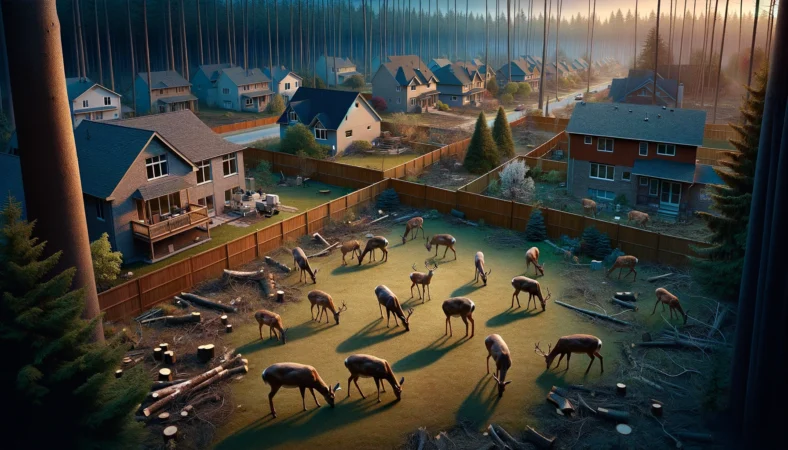
Deer are mobile animals, but landscapes can still isolate groups. Roads, fencing, urban development, rivers, mountains, agriculture, and fragmented habitat can limit movement. In some places, management units or fenced properties can also reduce natural dispersal.
Habitat Fragmentation
Habitat fragmentation breaks large connected habitat into smaller patches. Deer may still live in those patches, but movement between them may be harder or more dangerous. Over time, that can reduce gene flow. The U.S. Forest Service research database includes work on habitat, forests, and wildlife connectivity; it is a useful resource for deeper reading on landscape-level effects.
Small Population Size
Small populations are more vulnerable because there are fewer potential mates. A small isolated herd can lose genetic variation simply through chance over time. This is one reason wildlife managers think beyond one property and look at regional connectivity.
Possible Effects of Low Genetic Diversity
Low genetic diversity does not always create visible problems immediately, but it can reduce a population’s resilience. Effects may be subtle and may overlap with nutrition, disease, age, weather, and habitat quality.
Health and Survival
Potential concerns include lower fawn survival, reduced fertility, increased vulnerability to disease, and physical abnormalities. However, those signs can have many causes. Poor nutrition, injury, parasites, disease, or environmental stress may look similar from the field.
Adaptability
A genetically diverse herd may have more ability to cope with changing conditions. A narrow gene pool can make a population less flexible when disease, severe weather, or habitat change creates new pressure.
What Hunters Can and Cannot See
Hunters often notice unusual antlers, body size, coloration, or behavior. Those observations are useful, but they do not prove inbreeding by themselves. Antler abnormalities can come from injury, age, nutrition, hormones, or genetics. Body condition can reflect food, disease, age, parasites, or winter stress.
Report, Do Not Diagnose
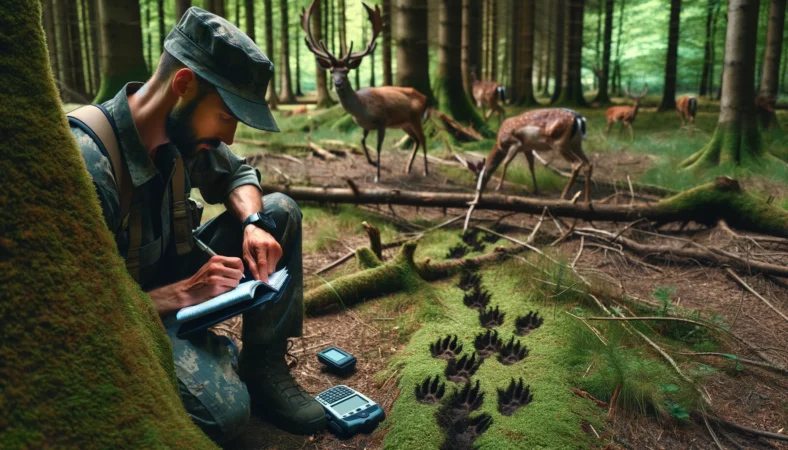
If you see multiple sick, deformed, or abnormal deer in one area, report it to your state wildlife agency. Photos, location, date, and behavior notes can help. Avoid spreading unsupported claims that a herd is inbred without evidence.
Use Harvest Data Carefully
Harvest age, weight, lactation status, antler measurements, and disease test results can help agencies understand herd condition. Accurate reporting is more valuable than guesswork. Our managing deer populations guide explains how different data points fit into management decisions.
Management Options
Managing inbreeding risk usually means improving population connectivity and herd health, not making random changes to harvest rules. Wildlife biologists may look at habitat corridors, road crossings, harvest balance, translocation in special cases, disease rules, and long-term monitoring.
Habitat Connectivity
Connecting habitat allows young deer to disperse and unrelated deer to mix. Wildlife corridors, protected travel cover, safe crossings, and cooperative land management can all support gene flow. These actions often help other wildlife too.
Balanced Harvest
Harvest rules should match agency goals. In some areas, antlerless harvest helps balance deer density with habitat. In other areas, managers may protect a small population. Hunters should follow local regulations rather than assuming one strategy fits every herd.
Disease, Genetics, and Herd Health
Genetics and disease can overlap in herd-health discussions, but they are not the same thing. A disease issue does not automatically mean inbreeding, and inbreeding does not automatically mean disease is present. Managers look at both when assessing long-term health.
Chronic Wasting Disease
Chronic wasting disease is one of the major deer-health issues in North America. The CDC chronic wasting disease overview explains basic public-health guidance and why testing and carcass rules matter in affected areas.
Follow Agency Guidance
Testing recommendations, carcass transport rules, feeding or baiting restrictions, and disposal rules vary by state and disease zone. Hunters should use their state wildlife agency as the authority.
Ethical Hunter and Landowner Role
Hunters and landowners cannot solve genetics alone, but they can support good management. Follow seasons and tags, report harvest accurately, cooperate with neighbors, protect habitat, and avoid spreading misinformation.
Think Beyond One Season
Healthy deer management is long-term work. A single season’s observation may be interesting, but trends matter more. Keep notes, share useful information with biologists when asked, and support science-based management.
Ethics Still Matter
If you encounter an unhealthy or abnormal deer, follow the law and use good judgment. Do not take unsafe shots or make wasteful decisions. Our ethical hunting practices guide covers the field side of responsible decisions.
FAQ
Is inbreeding common in wild deer?
Some related breeding can happen in any wildlife population, but serious inbreeding risk is more likely in small, isolated, fenced, or fragmented populations with limited movement.
Can you identify inbreeding by looking at one deer?
No. Unusual antlers, size, color, or behavior can have many causes. Inbreeding is a population-level genetics issue that usually requires data to evaluate.
What causes inbreeding in deer populations?
Common causes include habitat fragmentation, barriers to movement, small population size, isolation, and limited gene flow between groups of deer.
How can managers reduce inbreeding risk?
Managers may improve habitat connectivity, protect movement corridors, monitor herd health, encourage accurate harvest reporting, and use science-based population goals.
Should hunters report abnormal deer?
Yes, especially if several abnormal or sick deer are seen in one area. Report clear photos, location, date, and behavior to the state wildlife agency rather than guessing the cause.
Final Thoughts
Inbreeding in deer populations is a real conservation topic, but it should be handled with evidence, not assumptions. Hunters can help by supporting habitat connectivity, following regulations, reporting accurately, and respecting science-based management. A healthy deer herd depends on more than numbers; it depends on movement, habitat, genetics, disease awareness, and long-term stewardship.