


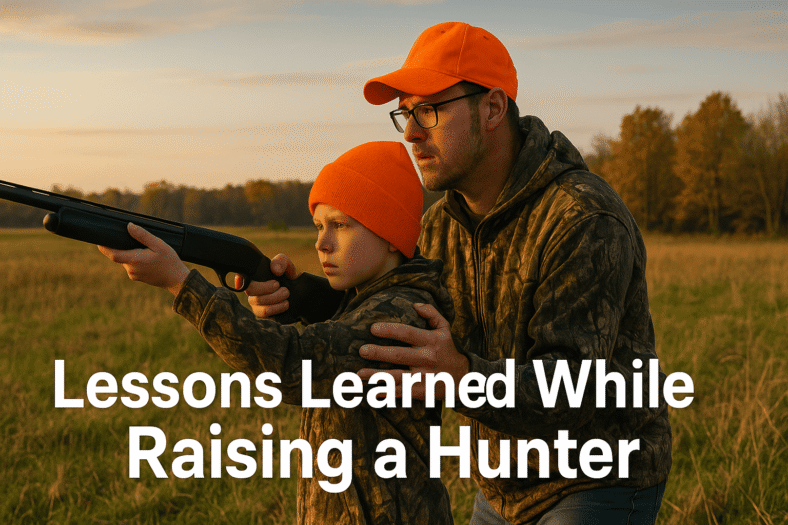
Raising a hunter is not really about teaching a child to fill a tag. It is about building patience, safety habits, respect for wildlife, and enough judgment to know when not to take a shot. The best lessons happen slowly, through small routines repeated before, during, and after each season.
This guide is for parents, relatives, and mentors who want to introduce a young person to hunting responsibly. It focuses on safety, confidence, field behavior, and realistic expectations rather than trophy pressure or gear obsession.
Table of contents
Quick Answer
The biggest lessons from raising a hunter are simple: start with safety, keep early trips short, practice before the season, teach respect for land and wildlife, and make the experience bigger than the harvest. A young hunter who feels safe, included, and unpressured is more likely to build good habits for life.
Do not rush responsibility. Match every step to the young person’s maturity, attention span, legal requirements, and comfort level. The goal is not to create a perfect hunter in one season. The goal is to build a responsible outdoorsperson over time.
A good mentor also watches for fatigue, cold, hunger, frustration, and nervousness. Those small signals matter. When a young hunter feels heard, they are more likely to ask questions, admit uncertainty, and speak up when something feels unsafe.
Safety Comes Before Success
Safety is the first lesson and the lesson that never ends. Before a youth hunt, review safe direction, trigger discipline, clear communication, firearm or bow handling, and what to do when anyone feels unsure. Keep the rules short enough to remember and repeat them often enough that they become normal.
The NSSF firearm safety rules are a useful baseline for any firearm-related activity. For hunter education, Hunter Ed can help families find state-approved course information and safety training resources.
If the hunt involves archery, the same mindset applies: controlled direction, safe broadhead handling, checked equipment, and clear communication. Young hunters should understand that safety rules apply even when the animal is close, the group is excited, or the moment feels urgent.
Patience Is The First Real Skill
Adults often remember the harvest. Young hunters often remember the walk in, the snack break, the cold toes, the quiet whispering, and whether the adult beside them stayed calm. Patience is easier to learn when the mentor models it.
Short early sits can be better than long miserable ones. A one-hour hunt that ends with curiosity can be more valuable than a full day that ends with frustration. Build attention span gradually and celebrate small wins: finding tracks, identifying birds, noticing wind, or staying quiet for ten more minutes.
Bring enough flexibility to leave before the experience turns sour. A young hunter who asks to go home is not failing. They may be cold, tired, overstimulated, or simply done learning for the day. Ending on a calm note keeps the door open for the next trip.
Practice Should Feel Calm And Repeatable
Practice should not feel like a test every time. Young hunters need calm repetition, clear feedback, and enough breaks to stay focused. Keep range sessions short, safe, and specific. Work on one skill at a time: safe handling, a stable position, smooth trigger control, bow form, or target identification.
Practice should also include what happens before and after the shot. Talk through when not to shoot, how to recognize an unsafe backstop, how to wait for a better angle, and how to tell an adult immediately if something feels wrong. Our gun safety course benefits guide explains why formal instruction can support family teaching.
Ethics Matter More Than The Harvest
Ethics are learned by watching. A young hunter notices how adults talk about animals, landowners, missed chances, wounded game, other hunters, and rules. If adults treat hunting as a responsibility, young hunters are more likely to do the same.
- Only take shots that match the hunter’s practiced ability.
- Respect property boundaries and landowner rules.
- Follow current regulations, tags, seasons, and reporting requirements.
- Recover game carefully and use as much of the animal as possible.
- Leave gates, blinds, trails, and camps better than you found them.
These lessons can matter more than any single animal. They shape how a young person sees hunting, conservation, and responsibility.
Keep Gear Simple And Comfortable
Young hunters do not need complicated gear to learn well. They need clothing that keeps them reasonably warm and dry, hearing and eye protection when appropriate, a safe firearm or bow setup that fits them, and a mentor who pays attention before discomfort becomes a problem.
Fit matters. Oversized packs, heavy layers, loud clothing, hard-to-use gloves, and poorly fitted equipment can make a young hunter feel clumsy or discouraged. For day trips, use a simple checklist and pack only what the hunt requires. Our day hunting packing checklist is a helpful starting point.
Comfort is not softness; it is part of learning. A young hunter who can stay warm, hear instructions, see clearly, and move safely has more attention left for the important lessons.
Field Lessons Young Hunters Remember
Slow Down Before Every Decision
The field rewards calm decisions. Teach young hunters to pause, breathe, identify clearly, check the background, and listen before acting. Slowing down helps prevent unsafe choices and builds confidence.
Notice Sign, Weather, And Wind
Tracks, droppings, rubs, feathers, feeding areas, wind direction, and changing weather all make the day more interesting. When there is no harvest, these observations still give the young hunter something real to learn.
Let The Young Hunter Own Small Jobs
Small jobs build investment. Let them carry a light item, check the list, mark the wind, help glass a field, or choose the snack stop. Responsibility should grow in steps, not all at once.
Talk After The Hunt
A calm after-hunt conversation can teach more than a lecture. Ask what they noticed, what felt hard, what felt fun, and what they want to practice next. This keeps the experience collaborative instead of pressured.
For broader mindset and field habits, see our guide on the key to success in hunting.
FAQ
What is the best age to start teaching a child about hunting?
There is no single age that fits every child. Start with nature walks, safety language, animal identification, and respect for rules. Actual hunting should wait until the child meets legal requirements and shows the maturity to follow instructions consistently.
How long should a first youth hunt be?
Short is usually better. A positive one- or two-hour sit can build more enthusiasm than an all-day hunt that feels cold, boring, or stressful. Increase time gradually.
How should I handle a missed shot?
Stay calm. Check safety first, then talk through what happened without shame. A missed shot can teach range judgment, breathing, patience, and the importance of practice.
How do I keep hunting from becoming too much pressure?
Measure the day by learning, safety, and time together. Do not make the harvest the only success. Young hunters are more likely to stay interested when the experience feels meaningful even without a filled tag.
Final Takeaway
The best lessons from raising a hunter are safety, patience, ethics, practice, and respect. A young hunter who learns to slow down, follow rules, care about wildlife, and enjoy the whole experience is already succeeding, even before the first harvest happens.