
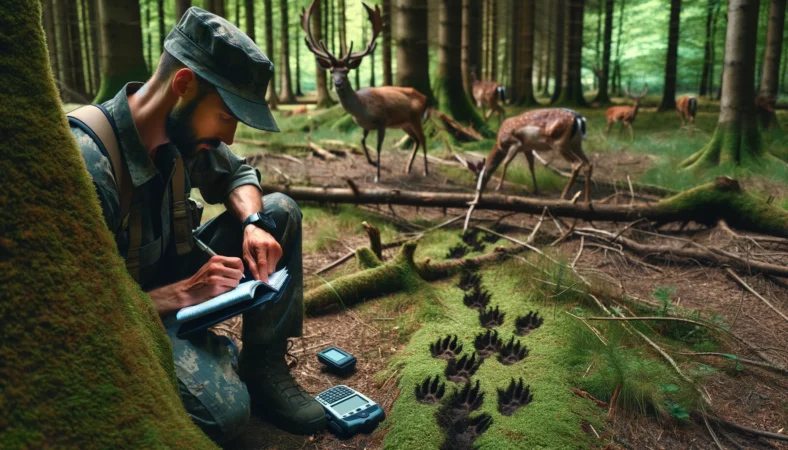
Inbreeding in Deer Populations: Genetics, Habitat Fragmentation, and Herd Health

Inbreeding in deer populations happens when closely related deer breed often enough that genetic diversity declines. It is most likely to become a concern in small, isolated, fenced, or heavily fragmented populations where deer have fewer unrelated mates. In large connected wild populations, natural movement usually helps maintain more genetic exchange.

The practical takeaway for hunters and land managers is this: inbreeding is not something you can judge from one odd-looking deer. It is a population-level genetics issue that requires data, habitat context, and wildlife-biologist input. Habitat connectivity, responsible harvest goals, disease monitoring, and cooperation across property boundaries are usually more useful than guessing from appearance alone.

Table of contents

Quick Answer

Inbreeding can reduce genetic diversity in deer when related animals breed repeatedly in a small or isolated population. The concern is not one individual deer; it is whether the herd has enough genetic exchange to stay healthy and adaptable over time. Wildlife agencies and researchers evaluate this through population data, movement patterns, harvest information, disease monitoring, and sometimes genetic testing.

Hunters can help by following regulations, reporting unusual disease or deformity concerns to the proper agency, supporting habitat connectivity, and avoiding rumor-based conclusions. A deer with an unusual rack or body condition is not automatic proof of inbreeding.

What Inbreeding Means

Inbreeding means mating between related animals. In any wildlife population, some relatedness exists. The problem grows when a small group has limited movement and repeats close breeding over generations. That can reduce genetic variation and make harmful recessive traits more likely to show.

Genetic Diversity

Genetic diversity gives a population more options for adapting to disease, environmental change, climate stress, and habitat pressure. The U.S. Geological Survey discusses wildlife genetics and conservation as part of broader species-management research; their wildlife genetics resources are a useful starting point.

Inbreeding Depression

Inbreeding depression is the reduced fitness that can happen when close breeding increases harmful genetic effects. In wildlife, this may show up as lower survival, lower fertility, weaker disease resistance, or reduced adaptability. It is not always easy to detect without research.

Why Deer Populations Become Isolated

Deer are mobile animals, but landscapes can still isolate groups. Roads, fencing, urban development, rivers, mountains, agriculture, and fragmented habitat can limit movement. In some places, management units or fenced properties can also reduce natural dispersal.

Habitat Fragmentation

Habitat fragmentation breaks large connected habitat into smaller patches. Deer may still live in those patches, but movement between them may be harder or more dangerous. Over time, that can reduce gene flow. The U.S. Forest Service research database includes work on habitat, forests, and wildlife connectivity; it is a useful resource for deeper reading on landscape-level effects.

Small Population Size

Small populations are more vulnerable because there are fewer potential mates. A small isolated herd can lose genetic variation simply through chance over time. This is one reason wildlife managers think beyond one property and look at regional connectivity.

Possible Effects of Low Genetic Diversity

Low genetic diversity does not always create visible problems immediately, but it can reduce a population’s resilience. Effects may be subtle and may overlap with nutrition, disease, age, weather, and habitat quality.

Health and Survival

Potential concerns include lower fawn survival, reduced fertility, increased vulnerability to disease, and physical abnormalities. However, those signs can have many causes. Poor nutrition, injury, parasites, disease, or environmental stress may look similar from the field.

Adaptability

A genetically diverse herd may have more ability to cope with changing conditions. A narrow gene pool can make a population less flexible when disease, severe weather, or habitat change creates new pressure.

What Hunters Can and Cannot See

Hunters often notice unusual antlers, body size, coloration, or behavior. Those observations are useful, but they do not prove inbreeding by themselves. Antler abnormalities can come from injury, age, nutrition, hormones, or genetics. Body condition can reflect food, disease, age, parasites, or winter stress.

Report, Do Not Diagnose

If you see multiple sick, deformed, or abnormal deer in one area, report it to your state wildlife agency. Photos, location, date, and behavior notes can help. Avoid spreading unsupported claims that a herd is inbred without evidence.

Use Harvest Data Carefully

Harvest age, weight, lactation status, antler measurements, and disease test results can help agencies understand herd condition. Accurate reporting is more valuable than guesswork. Our managing deer populations guide explains how different data points fit into management decisions.

Management Options

Managing inbreeding risk usually means improving population connectivity and herd health, not making random changes to harvest rules. Wildlife biologists may look at habitat corridors, road crossings, harvest balance, translocation in special cases, disease rules, and long-term monitoring.

Habitat Connectivity

Connecting habitat allows young deer to disperse and unrelated deer to mix. Wildlife corridors, protected travel cover, safe crossings, and cooperative land management can all support gene flow. These actions often help other wildlife too.

Balanced Harvest

Harvest rules should match agency goals. In some areas, antlerless harvest helps balance deer density with habitat. In other areas, managers may protect a small population. Hunters should follow local regulations rather than assuming one strategy fits every herd.

Disease, Genetics, and Herd Health

Genetics and disease can overlap in herd-health discussions, but they are not the same thing. A disease issue does not automatically mean inbreeding, and inbreeding does not automatically mean disease is present. Managers look at both when assessing long-term health.

Chronic Wasting Disease

Chronic wasting disease is one of the major deer-health issues in North America. The CDC chronic wasting disease overview explains basic public-health guidance and why testing and carcass rules matter in affected areas.

Follow Agency Guidance

Testing recommendations, carcass transport rules, feeding or baiting restrictions, and disposal rules vary by state and disease zone. Hunters should use their state wildlife agency as the authority.

Ethical Hunter and Landowner Role

Hunters and landowners cannot solve genetics alone, but they can support good management. Follow seasons and tags, report harvest accurately, cooperate with neighbors, protect habitat, and avoid spreading misinformation.

Think Beyond One Season

Healthy deer management is long-term work. A single season’s observation may be interesting, but trends matter more. Keep notes, share useful information with biologists when asked, and support science-based management.

Ethics Still Matter

If you encounter an unhealthy or abnormal deer, follow the law and use good judgment. Do not take unsafe shots or make wasteful decisions. Our ethical hunting practices guide covers the field side of responsible decisions.

FAQ

Is inbreeding common in wild deer?

Some related breeding can happen in any wildlife population, but serious inbreeding risk is more likely in small, isolated, fenced, or fragmented populations with limited movement.

Can you identify inbreeding by looking at one deer?

No. Unusual antlers, size, color, or behavior can have many causes. Inbreeding is a population-level genetics issue that usually requires data to evaluate.

What causes inbreeding in deer populations?

Common causes include habitat fragmentation, barriers to movement, small population size, isolation, and limited gene flow between groups of deer.

How can managers reduce inbreeding risk?

Managers may improve habitat connectivity, protect movement corridors, monitor herd health, encourage accurate harvest reporting, and use science-based population goals.

Should hunters report abnormal deer?

Yes, especially if several abnormal or sick deer are seen in one area. Report clear photos, location, date, and behavior to the state wildlife agency rather than guessing the cause.

Final Thoughts

Inbreeding in deer populations is a real conservation topic, but it should be handled with evidence, not assumptions. Hunters can help by supporting habitat connectivity, following regulations, reporting accurately, and respecting science-based management. A healthy deer herd depends on more than numbers; it depends on movement, habitat, genetics, disease awareness, and long-term stewardship.
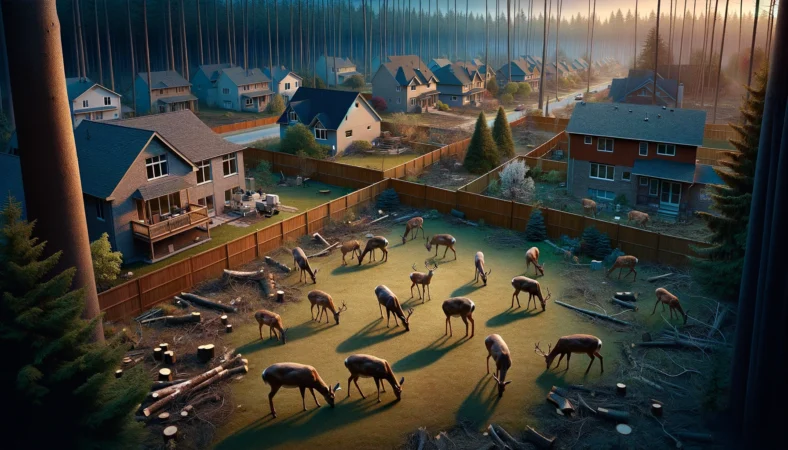
Managing Deer Populations: Habitat, Hunting, Disease, and Conservation Balance

Managing deer populations is difficult because deer live across mixed private land, public land, suburbs, farms, forests, and road systems. Wildlife managers have to balance habitat health, crop damage, vehicle collisions, disease risk, hunting opportunity, public opinion, and local laws. A deer herd can look healthy to one group while creating serious ecological or safety problems for another.

The short answer: deer management is not only about having more or fewer deer. It is about keeping deer numbers, habitat quality, human safety, and long-term herd health in balance. Hunting can be one important tool, but it works best when combined with habitat data, harvest data, public cooperation, and realistic goals set by wildlife agencies.

Table of contents

Quick Answer

Deer populations are managed through regulated hunting seasons, antlerless harvest goals, habitat work, disease monitoring, road-safety planning, public education, and property-level cooperation. State wildlife agencies usually set the framework, while hunters, landowners, municipalities, and conservation groups help carry it out.

Good management does not mean removing deer everywhere. It means matching the herd to the land and community. In some places, managers may want more deer. In others, they may need fewer deer because browse pressure, crop damage, collisions, or disease risk is too high.

Why Deer Management Matters

Deer are valuable wildlife, but high deer density can affect forests, farms, gardens, roads, and other wildlife. Too many deer can overbrowse seedlings and native plants, reduce forest regeneration, and change habitat for birds and small mammals. Too few deer can reduce hunting opportunity and cultural value.

Ecological Balance

When deer heavily browse young trees and understory plants, forest structure can change over time. The U.S. Forest Service has discussed how deer browsing can affect forest regeneration and plant communities. Their research database is a useful starting point for forestry and wildlife browsing research.

Human Safety and Property Damage

High deer numbers near roads and neighborhoods can increase vehicle collisions, landscape damage, and conflicts over gardens or crops. Management decisions often become harder in these areas because hunting access may be limited and public opinion may be divided.

Habitat and Food Pressure

Habitat quality controls how many deer an area can support without damage. Food, cover, water, winter severity, predators, hunting pressure, and human development all shape carrying capacity. When deer exceed what the habitat can support comfortably, health and habitat both suffer.

Browse Pressure

Browse pressure is one of the clearest habitat clues. If deer eat young trees, shrubs, and native plants faster than they can recover, the forest can lose future mast, cover, and plant diversity. Managers may use vegetation surveys along with deer data to understand this pressure.

Food Sources Change Seasonally

Acorns, crops, browse, food plots, clear-cuts, and suburban landscaping all influence deer movement. Hunters who understand food patterns can support management goals by targeting the right areas and seasons. Our public land deer hunting guide explains how food, access, and pressure shape deer behavior.

Suburban and Fragmented Landscapes

Suburban deer management is especially difficult. Deer may have abundant ornamental food, few predators, limited hunting access, and many small parcels with different owners. A herd can grow even where traditional hunting is hard to use safely.

Access Problems

Wildlife agencies may set harvest goals, but hunters still need legal access. Small parcels, safety zones, local ordinances, and landowner concerns can limit effective harvest. This is why landowner cooperation and community education matter.

Mixed Public Opinion

Some residents want fewer deer because of collisions and property damage. Others oppose lethal management. Managers must work inside laws, budgets, safety limits, and public trust. That makes simple answers rare.

The Hunter’s Role

Hunters are one of the most important tools in deer management. License dollars fund conservation, harvest reports provide data, and legal hunting can help control local deer numbers. The U.S. Fish and Wildlife Service Wildlife and Sport Fish Restoration Program explains how hunting and angling dollars support conservation work.

Antlerless Harvest

In many areas, doe harvest has more effect on population growth than buck harvest. Managers may adjust antlerless permits, season length, or special hunts to meet population goals. Hunters who only focus on antlers may miss their role in herd balance.

Accurate Reporting

Harvest reporting helps agencies understand population trends. If hunters fail to report accurately, management decisions become weaker. Report harvests as required and participate in surveys when possible.

Disease and Herd Health

Disease can make deer management more complex. Chronic wasting disease, hemorrhagic disease, parasites, and other health issues may influence harvest rules, carcass movement, testing, and surveillance. Hunters should follow state agency guidance in their hunting area.

Chronic Wasting Disease

Chronic wasting disease, often called CWD, is a major concern in many deer-management discussions. The CDC overview of chronic wasting disease explains basic public-health guidance and why testing and carcass rules matter in affected areas.

Follow Local Rules

Rules may include testing recommendations, baiting restrictions, carcass transport limits, or disposal requirements. These rules vary by state and disease zone, so use the state wildlife agency as the authority.

Data Managers Use

Wildlife managers rarely rely on one number. They may look at harvest reports, hunter observations, deer-vehicle collisions, crop damage reports, browse surveys, winter severity, disease testing, fawn recruitment, age structure, and public feedback.

Why Counts Are Hard

Counting deer perfectly is not realistic across large landscapes. Instead, managers use trends and indicators. Aerial surveys, camera surveys, spotlight surveys, and harvest data can all help, but each method has limits.

Local Conditions Matter

A county-wide deer goal may not fit every property. One farm may have heavy damage while a nearby forest has low deer use. This is why property-level scouting and regional data both matter.

Public Conflict and Access

Deer management becomes harder when people disagree about methods. Some communities prefer sharpshooting, fertility control, fencing, regulated archery hunts, habitat change, or no action. Each option has costs, limits, and public concerns.

Access Is Management

Allowing safe, legal access can make regulated hunting more effective. Blocking all access can push deer into unmanaged pockets. Landowners who want better deer balance should talk with local agencies and responsible hunters before the season.

Communication Helps

Clear communication about goals, safety rules, reporting, and expected outcomes builds trust. Poor communication turns deer management into a public-relations problem even when the biology is sound.

Ethical Management Choices

Ethical deer management respects wildlife, law, safety, landowners, hunters, and non-hunters. It also accepts that management can involve hard decisions. Doing nothing is still a decision, and it may have ecological or safety costs.

Ethical Harvest

Hunters should take only legal and responsible shots, recover game carefully, and use the meat. Our ethical hunting practices guide covers those field responsibilities in more detail.

Long-Term Thinking

Good management looks beyond one season. The goal is a healthy herd, healthy habitat, safe communities, and hunting opportunity that can continue. Short-term frustration should not override long-term stewardship.

FAQ

Why do deer populations need management?

Deer populations need management because deer affect habitat, crops, roads, disease risk, and hunting opportunity. Management tries to keep deer numbers in balance with the land and community.

Does hunting help manage deer populations?

Yes, regulated hunting is one of the main deer-management tools in many areas. It is most effective when seasons, permits, reporting, and access match local population goals.

Why is suburban deer management difficult?

Suburban areas often have small parcels, limited hunting access, safety zones, abundant food, and divided public opinion. Those factors make traditional management tools harder to use.

What is antlerless harvest?

Antlerless harvest usually means harvesting does or deer without antlers according to local rules. It can strongly influence population growth because it affects reproduction.

Who decides deer-management rules?

State wildlife agencies usually set seasons, tags, harvest goals, and disease rules. Local governments, landowners, and public-land managers may add property-specific rules.

Final Thoughts

Managing deer populations is a balance of biology, access, public safety, habitat, hunting tradition, and community trust. Hunters can help by following regulations, reporting accurately, taking ethical shots, supporting habitat health, and understanding that good management is about the whole herd, not only the next hunt.

Exit mobile version