


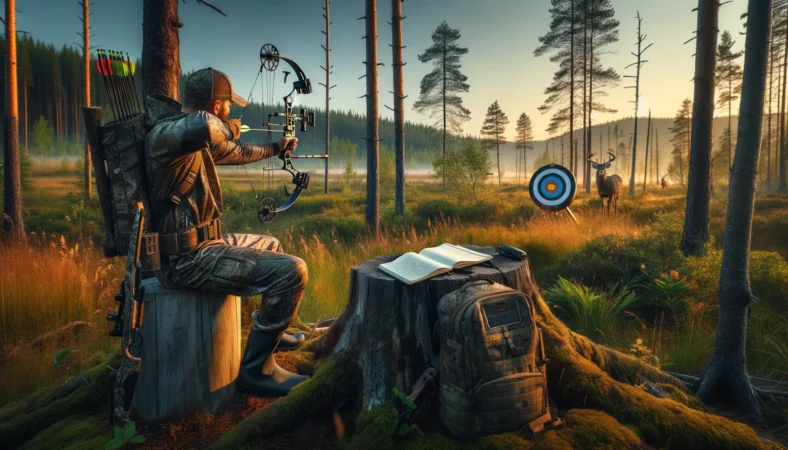
Becoming a better hunter is mostly about safer habits, sharper observation, better preparation, and more ethical decision-making. Better hunters do not just buy more gear or chase harder tactics. They learn the rules, practice with their equipment, scout with patience, understand animal behavior, respect property and seasons, and know when not to take a shot. This guide gives a practical skill path for hunters who want to improve without cutting corners.
Table of contents
Quick Answer
To become a better hunter, focus on repeatable fundamentals: take hunter education seriously, know current rules, practice realistic shots, scout before the season, learn wind and terrain, keep notes, maintain your gear, and make conservative shot decisions. Those habits improve success while also making the hunt safer and more respectful.
Formal hunter education is one of the best starting points. Resources such as Hunter-ed.com and the International Hunter Education Association can help hunters find training and safety context, but always follow your own state wildlife agency’s current rules.
Start With Safety and Legal Responsibility
Skill does not matter if safety is weak. Know your firearm or bow, identify your target and what is beyond it, control your muzzle or arrow direction, and keep your finger off the trigger until ready to shoot. Wear blaze orange where required, use a harness in elevated stands, and never assume rules from one state or season apply to another.
Before every season, confirm licenses, tags, legal equipment, shooting hours, public-land rules, transportation rules, and reporting requirements. Better hunters make decisions from current regulations, not memory.
Practice With Your Actual Hunting Setup
Range practice should match field reality. Practice from the positions you expect to use: kneeling, seated, standing with support, from a blind chair, or from a treestand-safe position where legal and appropriate. Bowhunters should practice with the same draw weight, release, arrows, and broadhead setup they plan to hunt with.
Define your honest effective range
Your ethical range is the distance where you can place shots consistently under hunting conditions, not the farthest distance you hit once. Weather, nerves, animal angle, low light, and awkward positions all shrink that range. Keep it conservative.
Maintain the setup
Check zero, broadhead flight, arrow condition, scope mounts, sling, release aid, and any rangefinder or optic batteries before the season. For archery work, our arrow setup guide and bow tuning guide can help you think through setup consistency.
Scout More Carefully
Scouting is not just finding tracks and guessing. Pay attention to food, water, bedding cover, travel routes, pressure, wind direction, access, and where other hunters are likely to move. The goal is to understand patterns without disturbing the area more than necessary.
Use maps before walking
Study terrain, access points, field edges, benches, funnels, creek crossings, and likely bedding cover before you enter. A map plan keeps scouting efficient and reduces wasted pressure.
Read sign in context
Tracks, rubs, droppings, beds, feathers, trails, and feeding sign matter most when tied to timing and terrain. One sign by itself is only a clue. Multiple clues that fit the wind, cover, and season tell a better story.
Build Woodsmanship Skills
Woodsmanship is the ability to move, observe, and make good decisions outside. It includes reading wind, staying quiet, noticing small changes, navigating confidently, and understanding how weather affects animals. These skills grow through time outdoors, not shortcuts.
Practice sitting still, glassing slowly, identifying common tracks, and moving with the wind in mind. Our animal tracking guide is a good companion for this skill set.
Improve Shot Discipline
Good hunters pass shots that are too far, rushed, obstructed, poorly angled, or uncertain. Shot discipline protects the animal, the hunter, and the reputation of the sport. Decide your limits before the moment arrives so excitement does not make the decision for you.
- Wait for a clear vital-zone angle.
- Do not shoot through brush you cannot clearly read.
- Know what lies beyond the target.
- Do not stretch range because the hunt has been slow.
- Follow up carefully and legally after the shot.
Keep Better Field Notes
A hunting journal turns scattered memories into useful patterns. Record date, temperature, wind, moon if you track it, access route, sightings, sign, pressure, food sources, shot opportunities, and what you would change next time. Over a season or two, those notes become one of your best scouting tools.
Prepare Your Body and Gear
You do not need to be an athlete to hunt well, but fatigue causes mistakes. Walk with your pack, practice safe treestand climbing if you use stands, break in boots, check rain gear, and know how far you can realistically pack gear or game. Physical preparation is also safety preparation.
Build a simple checklist for each trip: license, tags, navigation, water, food, first aid, headlamp, layers, knife, field dressing supplies, game bags if needed, and communication plan. Our hunting trip kit guide covers the broader packing side.
Hunt Ethically and Keep Learning
Ethical hunting means following the law, respecting landowners and other hunters, recovering game carefully, using as much meat as practical, and being honest about your limits. It also means learning from unsuccessful days instead of treating every hunt as a gear problem.
Seek mentorship when possible. A good mentor can shorten the learning curve on scouting, field care, safety, and local conditions. If you mentor someone else, model patience and safety first.
After each hunt, review the day while it is still fresh. Ask what you learned about wind, access, animal movement, noise, gear, timing, and your own decision-making. A missed opportunity, an empty sit, or a blown stalk can still be valuable if it teaches you what to adjust next time. Write down one thing to repeat and one thing to change before the next hunt.
Frequently Asked Questions
What is the fastest way to become a better hunter?
The fastest reliable path is to improve fundamentals: hunter education, realistic practice, scouting, wind awareness, gear maintenance, and conservative shot decisions. There is no shortcut that replaces time outdoors.
How much should I practice before hunting season?
Practice enough that your setup and shot process feel repeatable from realistic field positions. If you only practice from a perfect bench or flat range stance, add practice that matches how you actually hunt.
Do better hunters always see more animals?
Not always, but they usually make better decisions from the sign, weather, pressure, and access they have. Some days are slow for everyone. Better hunters learn from those days instead of forcing poor choices.
Is gear the main thing that improves hunting success?
Good gear helps, but skill matters more. A hunter who understands wind, sign, safety, and shot limits will usually benefit more from practice and scouting than from buying another piece of gear.
Final Takeaway
Becoming a better hunter is a steady process. Learn the rules, practice realistically, scout with purpose, understand wind and sign, maintain your equipment, keep notes, and make ethical decisions even when the hunt is hard. Those habits build skill, safety, and confidence season after season.