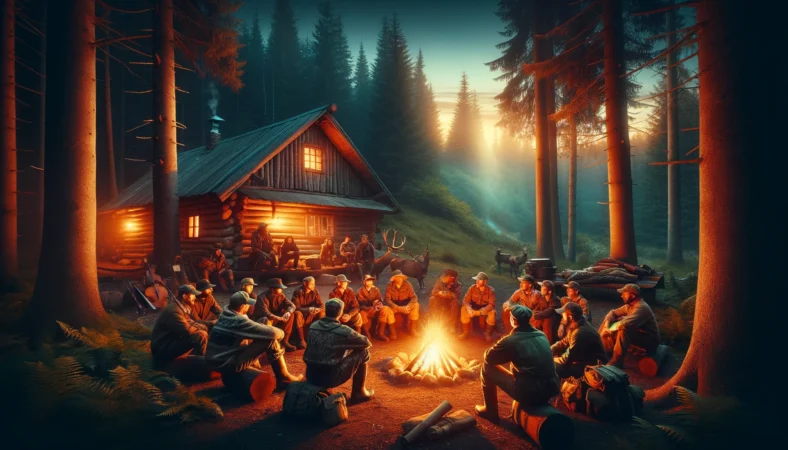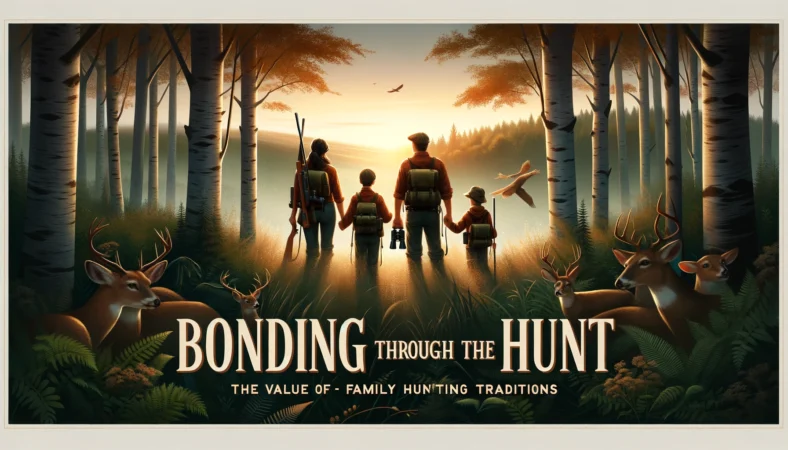
Family hunting traditions are valuable when they teach safety, patience, conservation, responsibility, and respect for wildlife. The best family hunts are not measured only by filled tags. They are measured by how well older hunters mentor younger hunters, follow the law, make ethical decisions, and create memories without rushing the learning process.
A healthy family hunting tradition should be safety-first, age-appropriate, and grounded in current regulations. It should also leave room for family members who enjoy scouting, cooking, camping, photography, tracking, or wildlife watching more than pulling the trigger. The point is shared time outdoors, not pressure.
Table of contents
Quick Answer
The value of family hunting is in mentorship, safety, outdoor knowledge, conservation awareness, and time together. A good family hunting tradition teaches young or new hunters how to handle equipment responsibly, follow regulations, identify wildlife, respect private and public land, make ethical shot decisions, and appreciate the full outdoor experience.
To keep it positive, start slow. Use hunter education, range practice, scouting trips, short sits, simple meals, and clear safety rules before expecting anyone to perform on a real hunt.
Why Family Hunting Matters
Hunting can become a shared language inside a family. Parents, grandparents, uncles, aunts, siblings, and friends pass down stories, local knowledge, land ethics, and practical field skills. Those lessons often stay with people long after a season ends.
Family hunting also slows people down. A quiet morning in a blind, a careful walk through sign, or an evening spent glassing a field creates space for conversation that does not always happen at home. The hunt gives the family a reason to prepare, travel, wait, observe, and solve problems together.
Safety Comes First
No family tradition is worth unsafe behavior. Every new hunter should learn firearm or archery safety, local laws, blaze-orange requirements where applicable, safe zones of fire, target identification, and how to communicate in the field. Adults should model those habits every time, because young hunters learn more from what they see than what they are told.
Use official hunter education and state wildlife-agency materials before the season. Online articles can help with preparation, but they do not replace required training or local regulations. For broader outdoor preparation, our day hunting field checklist can help families pack with safety in mind.
Mentoring Young Hunters
Teach Before The Hunt
Mentoring should start before opening morning. Practice safe handling, range basics, equipment checks, animal identification, and what to do if a shot does not feel right. The goal is confidence, not pressure.
Keep First Hunts Short
A young hunter’s first sit does not need to be all day. Short, comfortable trips are easier to enjoy and remember. Warm layers, snacks, quiet observation, and a clear end time can make the experience better than a long, cold, uncomfortable hunt.
Praise Good Decisions
Celebrate safe muzzle control, patient waiting, good identification, and passing on questionable shots. Those decisions matter as much as success photos.
Conservation And Stewardship
Family hunting can teach the connection between hunters, wildlife management, habitat, and conservation funding. In the United States, hunting and shooting equipment excise taxes help support wildlife restoration through the Wildlife and Sport Fish Restoration program. The U.S. Fish & Wildlife Service explains this work through its Wildlife and Sport Fish Restoration program.
That conservation connection should be taught honestly. Hunters have responsibilities, not only rights. Families can reinforce that by picking up trash, respecting habitat, reporting violations, obeying limits, and learning why seasons and bag limits exist.
Ethics And Respect For Wildlife
Ethical hunting means following the law and using restraint even when the law allows more. It means knowing your effective range, identifying the animal, understanding the background, avoiding rushed shots, recovering game carefully, and using as much of the animal as practical.
Families should talk about these decisions openly. A passed shot can be one of the best lessons in the field. It shows that the hunt is not only about taking an animal; it is about judgment. For more field decision context, our guide to tracking animals and reading signs pairs well with this topic.
Creating Memories Without Pressure
Not every family hunt needs to be intense. Some of the best memories come from hot coffee, a missed opportunity, a funny mistake, seeing wildlife, or watching the sunrise together. If a young hunter feels pressured to succeed, the tradition can become stressful instead of meaningful.
Build the day around shared experience. Let new hunters ask questions. Let them carry binoculars, help with calls, mark a trail, pack snacks, or record observations. The more ownership they have, the more likely they are to value the tradition.
Planning A Family Hunt
- Check current licenses, tags, seasons, legal methods, and hunter education rules.
- Choose a location with safe access and realistic expectations.
- Plan around weather, comfort, food, water, and bathroom needs.
- Review firearm or archery safety before leaving home.
- Assign roles so everyone knows where to sit, walk, watch, and communicate.
- Keep the first trips shorter than adult-only hunts.
- End on a positive note, even if no animal is taken.
Roles For Non-Hunters
Family hunting does not have to mean every person hunts. Some family members may enjoy scouting, cooking camp meals, photographing wildlife, learning plants, watching birds, tracking weather, or helping process meat. Those roles still connect people to the tradition.
This matters because forcing everyone into the same role can push people away. A healthy tradition gives each person a place to participate safely and comfortably.
Common Mistakes
Putting Too Much Pressure On Kids
A young hunter should not feel that the whole trip depends on them taking an animal. Praise preparation, patience, and safe decisions.
Skipping Hunter Education
Hunter education is not a formality. It gives families a common safety language and helps new hunters understand legal and ethical responsibilities.
Ignoring Comfort
Cold feet, hunger, boredom, and confusion can ruin an early hunt. Match the trip length and gear to the newest hunter, not the most experienced one.
Forgetting Regulations Change
Never rely on last year’s memory. Check current regulations every season and every location, especially for youth hunts, mentor hunts, weapon rules, and tag requirements.
FAQ
What is the best age to introduce kids to hunting?
There is no single best age. It depends on maturity, interest, local law, hunter education requirements, and supervision. Many families start with scouting, wildlife watching, range safety, and short sits before any real hunt.
How do you make family hunting safer?
Use hunter education, clear roles, safe zones of fire, visible clothing where required, careful equipment checks, and close supervision. Review safety rules before every hunt.
Can non-hunting family members still be involved?
Yes. Scouting, photography, cooking, camping, wildlife watching, packing, navigation, and storytelling can all be part of the tradition.
How does hunting connect to conservation?
Regulated hunting can support conservation through license revenue, habitat funding, wildlife management, and excise taxes on hunting and shooting equipment. Families should pair that funding story with respect for habitat and legal limits.
Final Takeaway
The value of family hunting is not only the hunt itself. It is the way families teach safety, patience, ethical judgment, conservation, and care for wild places. Build the tradition slowly, keep it safe, respect each person’s comfort level, and let the memories matter as much as the outcome.