Bow Stabilization for Target Shooting

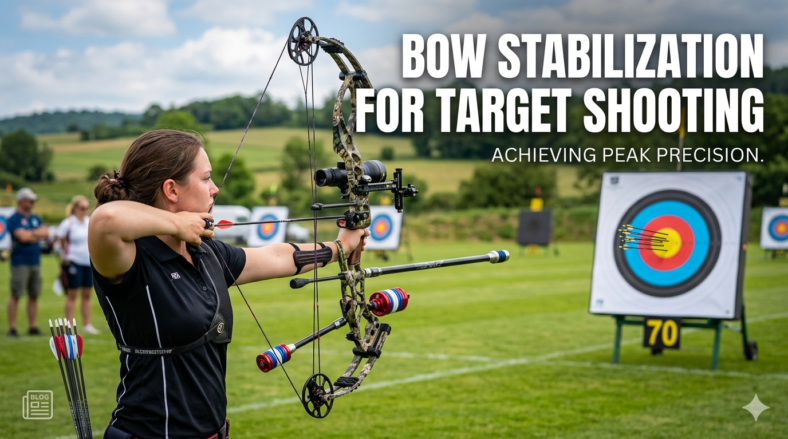
Bow stabilization for target shooting means using front bars, side bars, and weights to change how a bow balances, aims, and settles during the shot. A stabilizer setup can shift the bow’s center of balance, dampen vibration, and change aiming feel, but it is not a universal accuracy shortcut.

The best stabilizer setup depends on the archer, bow, strength, shooting style, and competition rules. Adjust in small steps, test safely, and check the current rulebook for your class before competing.

What Bow Stabilization Does

Bow stabilization changes how a bow balances, how it absorbs vibration, and how it behaves before and after the shot. By adding mass and extending it away from the riser, stabilizers can alter the bow’s center of balance and the way the sight pin moves while aiming.

Stabilization is a feel-and-balance adjustment, not a guaranteed performance upgrade. It may make a bow feel more settled for one archer and less comfortable for another. Beginner-friendly archery education sources such as Archery 360 are useful for building general context before changing equipment.

Front Bars, Side Bars, and Weight Placement

Front bars, side bars, and weights are the main parts that determine how a stabilizer setup balances a bow. Each piece affects feel differently, so it helps to understand the job of each one.

PartWhat It Usually DoesBeginner Check
Front barAdds weight forward of the riserDoes it feel steadier without tiring your shoulder?
Side/back barOffsets side-to-side or rear balanceDoes the bow sit more level in your hand?
WeightsFine-tune how much mass sits at each pointCan you hold the setup through a full session?

How front weight changes aiming feel

Adding weight to the front bar extends mass forward of the riser. Many archers feel this as a steadier hold or a different sight movement while aiming. Too much weight can also create fatigue, so change front weight in small increments and judge comfort over a full practice session.

Side bars and back bars add weight off to the side and rear. They can help counter how the bow wants to tip or twist in the hand. Adjust side-bar angle and weight one change at a time so you can tell what each change actually did.

Target Setup vs Hunting Setup

Target and hunting stabilizer setups often differ because the priorities are different. Target setups can be longer and heavier because the archer is usually shooting from known positions. Hunting setups usually need to stay shorter, lighter, and easier to carry.

Neither style is automatically better. A long target setup that feels steady on a range may be awkward in the field, while a compact hunting setup may not feel as settled during target practice. Match the setup to how you actually shoot.

How to Test Balance Safely

Testing a stabilizer setup safely means changing one variable at a time and stopping if the setup causes strain or makes the bow hard to control. The goal is repeatable control, not maximum length or maximum weight.

  • Change one variable at a time, such as front weight, side weight, or side-bar angle.
  • Shoot a consistent practice set and note hold, comfort, sight movement, and fatigue.
  • Reduce weight or length if the bow feels awkward or strains your shoulder, arm, or back.
  • Keep notes so you can return to a setup that felt stable.

If you are still learning bow setup basics, review broader setup and tuning steps before changing stabilizer weight. The guides on setting up your bow and bow tuning for beginners are useful companion reads.

Rules and Class Checks

Competition divisions can restrict stabilizer length, weight, attachments, and overall equipment configuration. These rules vary by organization and event, so check the current rulebook for your class before competing.

Useful places to start include the World Archery rulebook, USA Archery, NFAA, and the Archery Shooters Association. Local clubs may also add event-specific instructions.

Frequently Asked Questions

Do stabilizers make you more accurate?

Stabilizers can change how steady a bow feels and how it settles, but they do not automatically create tighter groups. The effect depends on the archer, bow, and setup.

How long should a target stabilizer be?

There is no single correct length. Target setups often run longer than hunting setups, but the right setup depends on your body, bow, shooting style, and competition rules.

What is the difference between a front bar and a side bar?

A front bar extends weight forward from the riser, while a side or back bar adds weight off to the side or rear. Full target setups may use both to tune front-back and left-right balance.

Will a target stabilizer setup work for hunting?

Often not directly. Target setups can be long and heavy, while hunting setups usually need to stay compact and easier to carry. Match the stabilizer to how and where you shoot.

Are there rules about stabilizers in competition?

Yes. Many competition divisions restrict stabilizer length, weight, attachments, or configuration. Always check the current rules for your organization, class, and event.

Final Stabilizer Takeaway

Bow stabilization is a tuning tool for balance, aiming feel, and shot reaction. Start small, change one variable at a time, watch for strain, and verify current competition rules before relying on any setup.

Bow Stabilizers Explained: How They Work and How to Choose

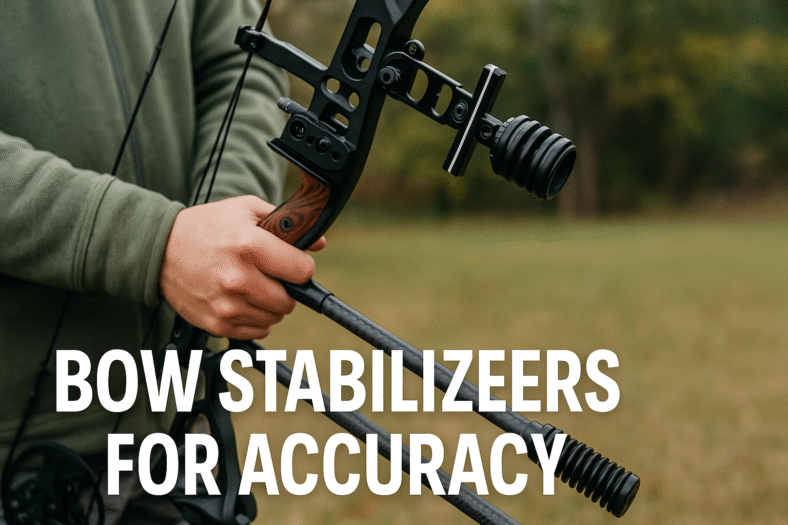
A bow stabilizer is a weighted rod, or a set of rods, that attaches to a bow to influence balance, steady the aiming feel, and help manage vibration after the shot. A stabilizer does not guarantee accuracy by itself. It can make a bow easier to hold steady, but good shooting still depends on fit, form, tuning, and practice.

This guide explains what bow stabilizers do, the common types, how hunting and target setups differ, and how to think about balance without chasing unnecessary weight. It is an educational setup guide, not a product ranking or brand recommendation.

Table of Contents
  1. What a Bow Stabilizer Actually Does
  2. Common Types of Bow Stabilizers
  3. How to Fit a Stabilizer to Your Bow
  4. Hunting vs Target Setup Tradeoffs
  5. Setting Balance and Weight
  6. Common Mistakes to Avoid
  7. Related Archery Setup Guides
  8. Frequently Asked Questions

What a Bow Stabilizer Actually Does

A stabilizer adds weight away from the bow’s center. That changes how the bow balances and how it reacts while you aim and after you release. The common goals are steadier holding, better front-to-back balance, less hand shock, and a calmer feel during the shot cycle.

Archery stabilizers are common enough to have their own equipment category in references such as archery stabilizer descriptions, but the important point is practical: a stabilizer is a tuning aid. It helps the bow feel better matched to the archer. It does not replace a repeatable anchor, clean release, correct arrow setup, or practice.

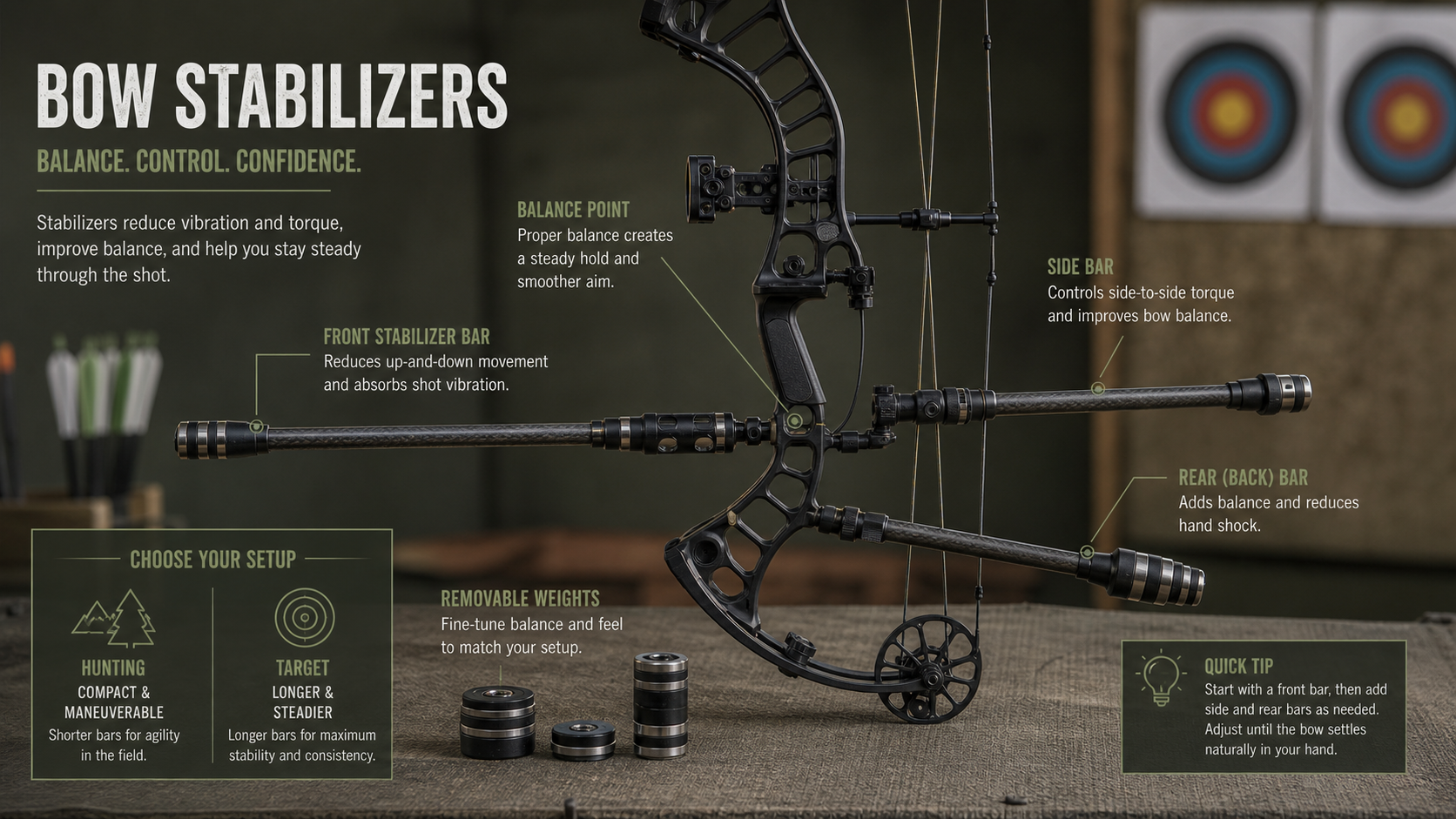
A stabilizer setup can include a front bar, side bar, rear bar, removable weights, and a balance point that matches the archer.

Common Types of Bow Stabilizers

Stabilizers are usually described by where they mount and what role they play. The exact names vary by brand and bow type, but the main categories are consistent enough to understand before you shop or adjust your own bow.

Front Stabilizer Bar

The front bar mounts to the front of the riser and is the stabilizer most archers notice first. A longer front bar increases leverage and can make the bow feel steadier on aim. A shorter front bar is easier to carry and move through cover, which is why compact versions are common on hunting bows.

Side Bar and Rear Bar

Side and rear bars help fine-tune left-right and front-back balance. Target archers often use them to settle the bow more precisely. Hunters may skip them or use a smaller setup if weight, noise, and maneuverability matter more than fine balance control.

Weights and Dampeners

Removable weights let you adjust how the bow holds. Dampening components can change the feel of vibration after the shot. Add weight gradually, shoot groups, and pay attention to fatigue. A setup that feels excellent for three arrows may not feel as good after a full practice session or a long day in the field.

How to Fit a Stabilizer to Your Bow

Most modern compound bows have an accessory bushing for a front stabilizer, but fit still matters. Check your bow manual and stabilizer specifications for thread compatibility, weight guidance, and any installation limits. If you use side or rear bars, confirm that the mount works with your riser, sight, quiver, and rest setup.

Fit is not only about hardware. It also includes how much weight you can hold comfortably, how you carry the bow, whether you shoot from a stand or blind, and whether you compete under rules that limit stabilizer length or configuration. Competition rules can change, so use current rulebooks such as the World Archery rulebook when equipment class matters.

Hunting vs Target Setup Tradeoffs

Hunting and target setups often look different because they solve different problems. A target archer may accept a longer, heavier setup because the bow is used on a range or course. A hunter may choose a shorter stabilizer because the bow needs to move through trees, blinds, treestands, packs, and uneven terrain.

Setup factorHunting tendencyTarget tendency
LengthShorter and easier to maneuverLonger for steadier aim
WeightLighter for carrying and quick handlingHeavier for balance and hold feel
PriorityQuiet, compact, practical in coverMaximum steadiness and repeatability
Side barsOften minimal or skippedCommon for fine balance
EnvironmentStands, blinds, woods, 3D practiceKnown line, target range, tournament setup

These are tendencies, not rules. A hunter who shoots 3D archery may like a longer setup for practice. A target archer may prefer less weight for comfort. The best stabilizer is the one that helps your bow settle without making the whole setup harder to shoot well.

Setting Balance and Weight

The goal is a bow that holds naturally and returns calmly after the shot. Start with a simple front stabilizer, shoot enough arrows to feel the difference, then add or remove weight in small steps. If the bow wants to dip, roll, or fight your hand, balance may need adjustment.

Do Not Chase the Heaviest Setup

More weight can feel steady at first, but too much weight creates fatigue. Fatigue usually hurts form, and poor form can erase the benefit of any stabilizer. If you hunt, also think about carry weight, noise, and how the bow handles when you are wearing layers or moving in tight cover.

Change One Thing at a Time

Adjust stabilizer weight, bar length, or side-bar position one change at a time. Shoot enough arrows to know what changed. If you change the stabilizer, sight, arrow setup, and release routine all at once, you will not know which change helped or hurt.

Common Mistakes to Avoid

  • Expecting a stabilizer to fix weak form or poor tuning.
  • Adding too much weight and creating fatigue.
  • Buying a long target-style bar for tight hunting setups without considering maneuverability.
  • Ignoring thread compatibility, mount clearance, or class rules.
  • Changing too many setup variables at once.

Stabilizers are only one part of a complete setup. For broader practice structure, read the 3D archery setup guide. For other tuning components, see the arrow rest guide and the arrow spine guide. If you are building strength carefully, the guide on increasing draw weight safely is a useful next step.

Frequently Asked Questions

Do bow stabilizers really improve accuracy?

They can support more consistent shooting by improving balance and making the bow easier to hold steady. They do not guarantee accuracy. Form, tuning, fit, and practice are still the foundation.

What length stabilizer should I use?

There is no single correct length. Hunters often prefer shorter stabilizers for easier carrying and movement. Target archers often use longer bars for steadier aiming. Choose based on use, comfort, and any class rules.

Do I need a side bar or back bar?

Not always. A side or rear bar helps fine-tune balance, especially in target setups. Many hunting bows work well with a single compact front stabilizer.

Can I use the same stabilizer for hunting and target archery?

You can, but the ideal setup may differ. A moderate front stabilizer can work for both, while specialized target setups may feel too long or heavy for hunting.

Are stabilizers allowed in competition?

It depends on the organization, class, and current rulebook. Check the rules for the specific event before competing, especially if you use long bars, side bars, or unusual weight setups.

Exit mobile version