Hunting regulations change by state, species, zone, weapon type, land type, and season. The safest rule is simple: before every hunt, verify the current regulation from the official state wildlife agency or the federal land/refuge manager for the exact place and species you plan to hunt. Keep that habit every season.
This guide is an evergreen checklist, not legal advice and not a substitute for your current rulebook. Use it to know what to check before you buy tags, pack gear, or step into the field.
Table of Contents
Quick Answer
Before hunting, confirm five things from official sources: the open season date, the legal species and zone, the license or tag requirement, the legal hunting method, and any reporting or check-in rule. If any one of those is unclear, do not hunt until you verify it.

Hunting Regulations Checklist
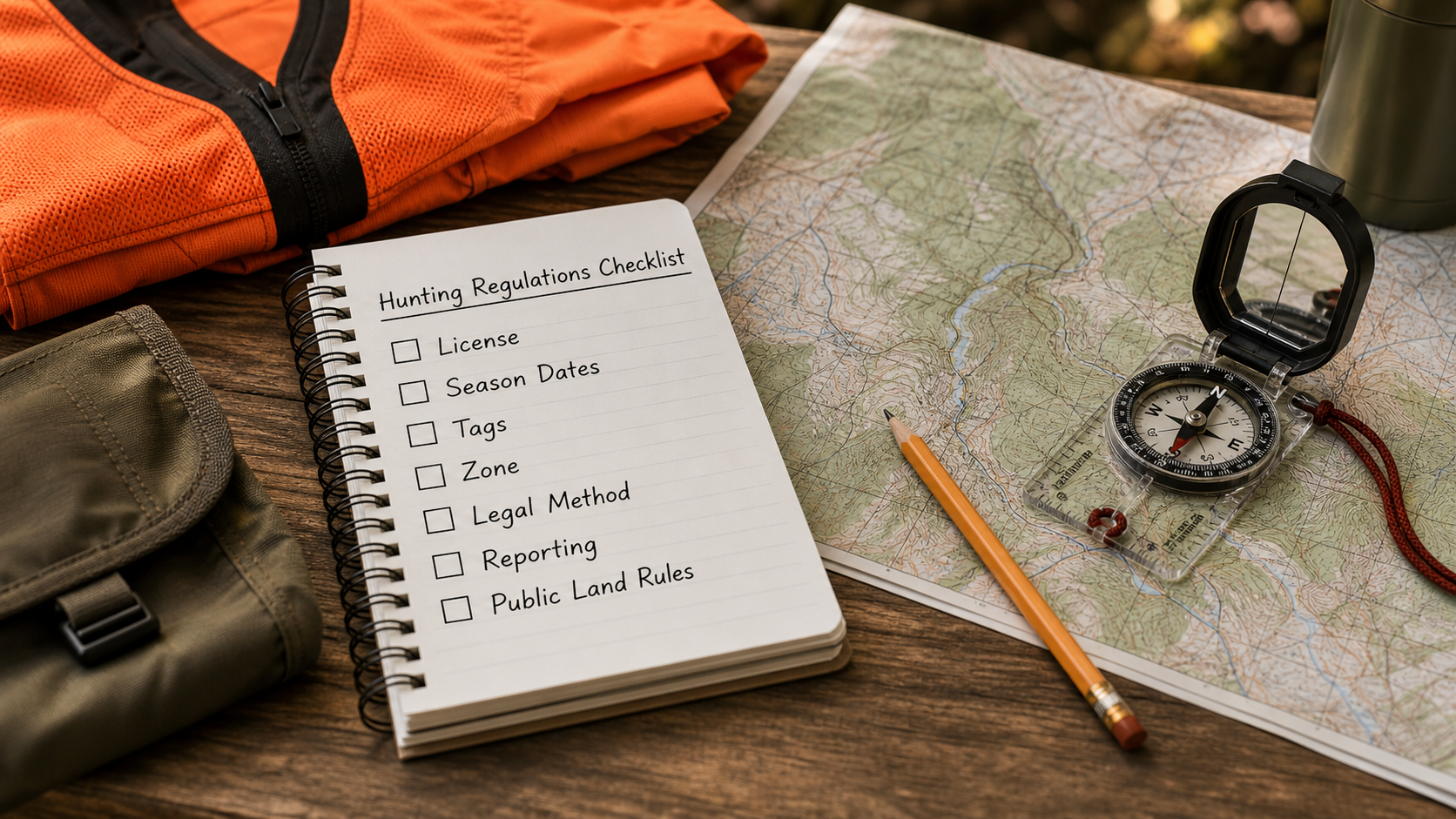
A good regulation check starts before you buy gear. Work through this list for the exact hunt you are planning, not for a general state or species page you read weeks earlier.
- Species: Confirm the exact animal, sex, age class, and any antler or size rule.
- Season: Check opening and closing dates, including youth, archery, muzzleloader, firearm, and special seasons.
- Zone: Verify the unit, county, zone, wildlife management area, or refuge boundary.
- License and tags: Confirm what you need before hunting and whether tags are limited, draw-only, over-the-counter, or landowner-specific.
- Method: Check legal weapons, ammunition, broadheads, draw weights, magazine restrictions, baiting, dogs, lights, calls, and electronic devices.
- Reporting: Know whether harvest reporting, check stations, tagging, telecheck, or biological sampling is required.
- Land rules: Separate statewide rules from public-land, private-land, federal refuge, and local access rules.
Where to Verify Rules
Your state fish and wildlife agency should be the first source for seasons, bag limits, licenses, and harvest reporting. Federal lands may add separate rules, so check the managing agency for national wildlife refuges, national forests, military lands, and other special areas. The U.S. Fish and Wildlife Service hunting page is a useful starting point for refuge-related hunting information.
Do Not Rely on Old Screenshots
Regulation screenshots, social media posts, forum comments, and old PDF downloads can be outdated. Save the current official PDF or page for your hunt, but also check for emergency changes, closures, disease-related rules, fire restrictions, and access updates before you leave.
Call When a Rule Is Unclear
If a rule is confusing, contact the agency or local conservation officer before hunting. A quick call is better than guessing. This matters most for boundary questions, weapon rules, public-land access, baiting, night hunting, transport rules, and special permits.
Season Dates and Zones
Season dates can change between species, zones, and weapon types. A deer archery season may not match firearm season. A turkey spring season may have different dates from fall. Waterfowl seasons may be split by zone or flyway. Small-game seasons can also have exceptions by land type.
Pay attention to the map. A county line, river, highway, or refuge boundary can change what is legal. If you use a mapping app, confirm that its boundary data matches the official agency map for the current season.
Licenses, Tags, and Reporting
A license alone may not be enough. Many hunts require a species tag, permit, stamp, draw result, habitat validation, hunter education proof, or land access permit. Some states also require immediate tagging or electronic harvest reporting within a set time.
Keep Proof With You
Carry the proof required by your state, whether that is a paper license, mobile app, tag, permit, or confirmation number. If your phone is your proof, consider battery life and service. Some areas have poor reception, and you still need to follow the reporting rule.
Legal Methods and Equipment
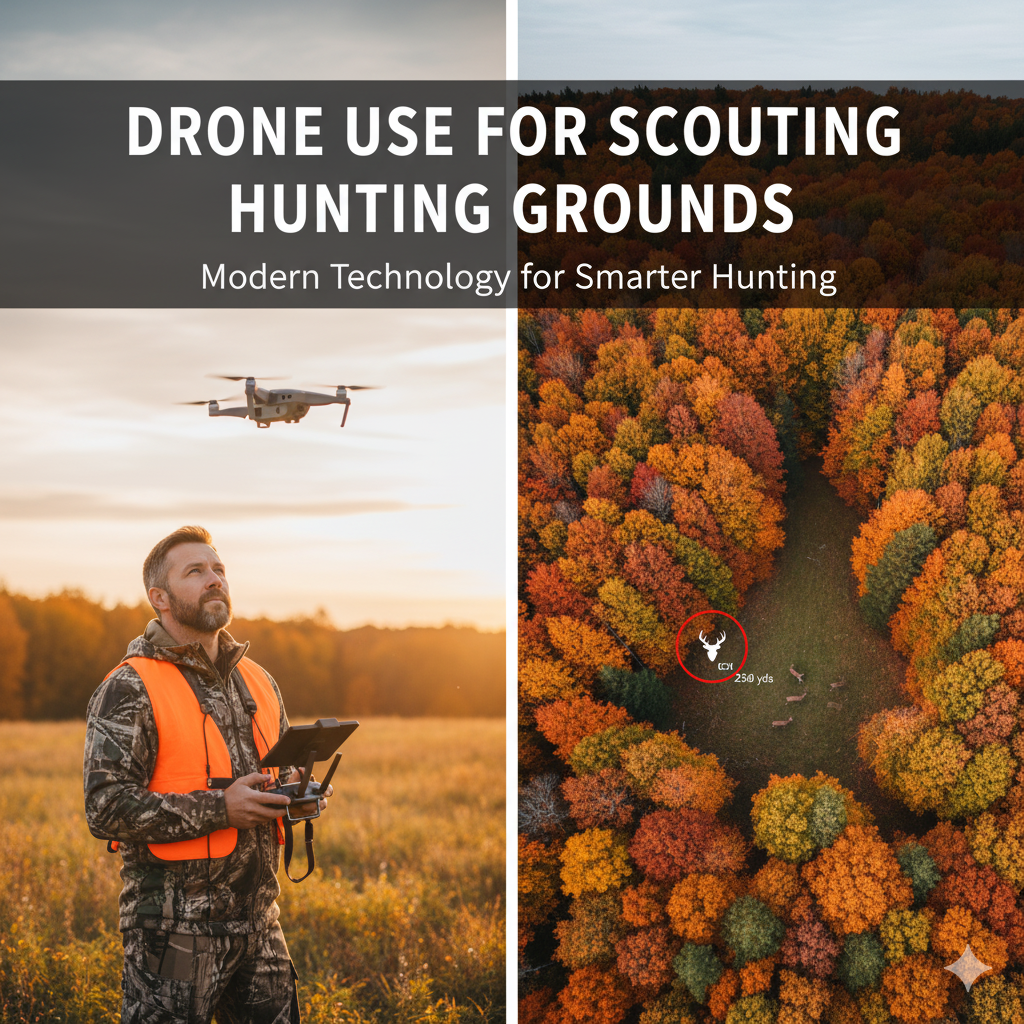
Legal methods can include weapon type, caliber or gauge limits, archery equipment rules, crossbow rules, broadhead requirements, ammunition restrictions, suppressor rules, magazine limits, blaze orange, baiting, dogs, calls, drones, thermal devices, and night-hunting rules. Do not assume that legal gear in one state is legal in another.
General safety rules still apply even when the method is legal. Review the NSSF firearm safety rules for firearm hunts and complete the hunter education required by your state before going afield.
Public Land vs. Private Land
Public land may have special access hours, parking rules, quota permits, weapon restrictions, check-in requirements, closed areas, or species-specific rules. Private land may require written permission, landowner tags, or different access rules. Do not treat a statewide season as permission to hunt any property.
Ethical hunting includes legal access, safe shot selection, respect for other users, and a plan for recovery. Hunter education resources such as Hunter Ed can help newer hunters think beyond the minimum rulebook and prepare responsibly.
Day-Before Verification
Regulation checks should not happen only once at the start of the season. The day before a hunt, confirm the official page still shows the same season, boundary, access, and reporting information. Check for emergency closures, wildfire restrictions, flooding, road closures, disease-control zones, refuge notices, quota updates, and weather-related access changes.
If you hunt with a group, make sure every person has the same current information. One hunter using last year’s map or an old screenshot can create problems for everyone. Save the official page or PDF for reference, but treat the live agency notice as the stronger source when it has been updated.
Common Regulation Mistakes
The most common mistakes are preventable. Hunters often read last year’s rules, hunt the wrong zone, forget a tag, miss a reporting deadline, rely on a non-official app, or assume a weapon rule applies statewide. Another common mistake is checking rules at home but not checking local closures or access notices the day before the hunt.
Build a pre-hunt habit: official rulebook, official map, license and tags, legal method, land access, reporting requirement, and emergency changes. If the hunt involves another state, new public land, a new species, or a new weapon type, slow down and verify everything twice.
FAQ
Where can I find current hunting regulations?
Start with your official state fish and wildlife agency. For federal refuges or special public lands, also check the managing agency page for that property.
Do hunting regulations change every year?
They can. Dates, zones, bag limits, reporting rules, disease restrictions, and weapon rules may change. Check the current season before each hunt.
Can I trust hunting apps for regulations?
Use apps as planning tools, not final legal authority. Verify regulations, boundaries, and access rules with official agency sources before hunting.
What if the regulation book is confusing?
Contact the state wildlife agency, local conservation officer, or property manager before hunting. Do not guess when a rule affects legality or safety.
Final Takeaway
The best regulation habit is boring and reliable: check the official source, match the rule to your exact species and location, carry the required proof, and verify changes before you hunt. That protects you, the resource, and the future of legal hunting access.