Yes, a 3-9x rifle scope is still a very practical choice for deer hunting when your shots are close to moderate range and you want a simple, familiar optic. It gives enough magnification for many woods, field-edge, and stand-hunting situations without the weight and complexity of larger scopes.
The honest answer depends on your terrain. A 3-9x scope makes sense for many deer hunters, but it is not the best optic for every hunt. Open-country shots, very low light, or precision work at longer ranges may call for a different magnification range or better glass.
Table of Contents
Quick Verdict
A 3-9x rifle scope is still good for deer hunting because it covers the most common field needs: low magnification for closer shots, higher magnification for more careful aiming, manageable size, and a simple setup that many hunters already understand. It is a balanced choice, not a magic answer.

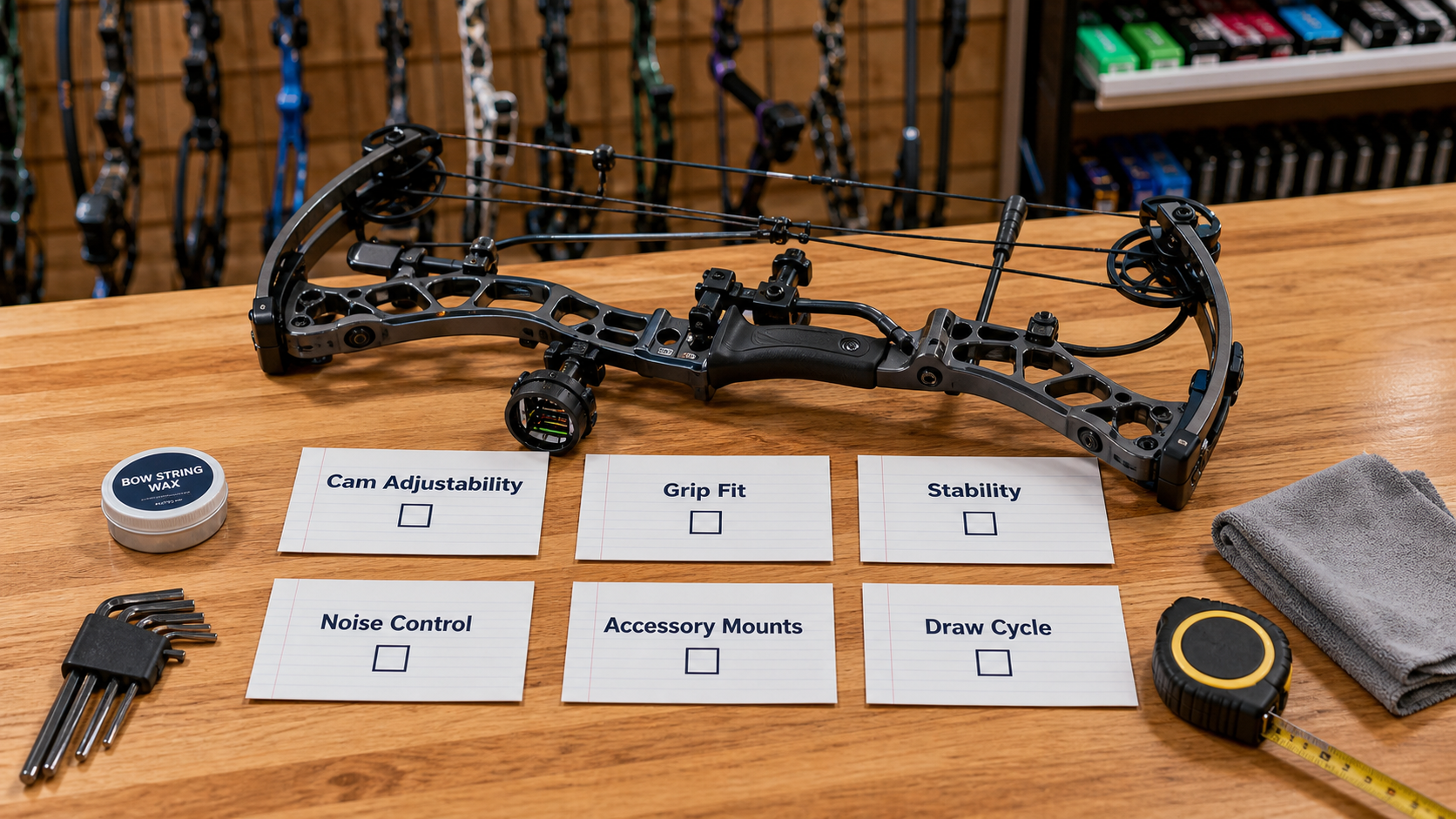
3-9x Deer Scope Decision Checklist
Use this checklist before deciding whether a 3-9x is enough for your rifle. The goal is to match the optic to the hunt, not to chase a spec sheet.
- Typical distance: Most shots are close to moderate rather than extreme range.
- Terrain: You hunt timber, field edges, food plots, or mixed cover.
- Light: You need useful dawn/dusk performance but not maximum detail at very high power.
- Weight: You prefer a scope that does not make the rifle feel top-heavy.
- Simplicity: You want a familiar optic with fewer settings to manage under pressure.
- Ethical shot limit: You are willing to pass shots when the target is not clear enough.
What 3-9x Means
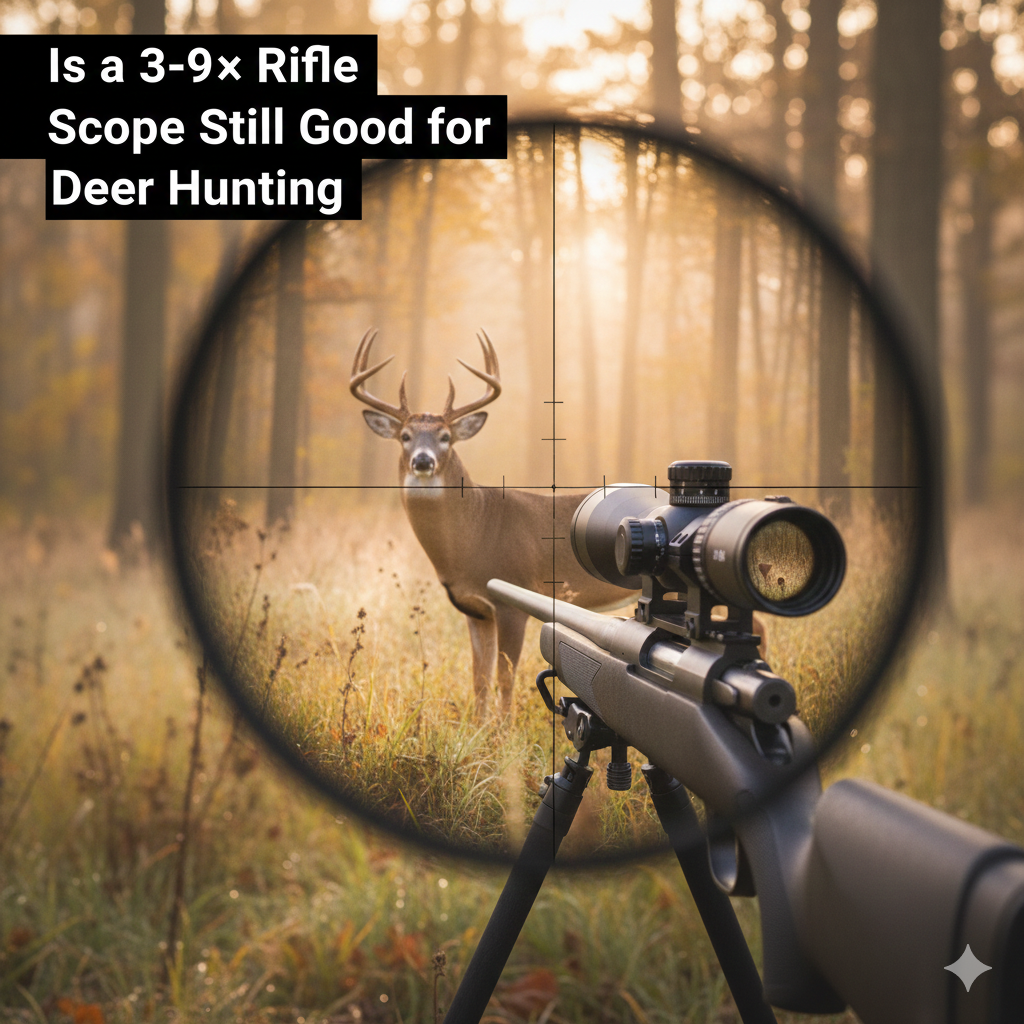
A 3-9x scope adjusts from 3x to 9x magnification. At 3x, it gives a wider field of view and is easier to use at closer distances. At 9x, it gives more target detail for careful aiming. For general background on scope design, this telescopic sight overview explains the basic concept of optical sights.
Why Hunters Like the Range
The range is useful because deer hunting rarely happens at one fixed distance. A deer may step out close in timber or appear farther across a field edge. A 3-9x scope lets you keep the scope low while scanning and turn it up only when the shot requires more detail.
Where a 3-9x Scope Works Well
A 3-9x scope is strongest in mixed terrain. It is at home in eastern hardwoods, farm country, food plots, ladder stands, box blinds, and general rifle setups where shots are usually reasonable and the hunter wants speed plus enough magnification for shot placement.
Woods and Field Edges
In woods, lower magnification helps you find the deer faster in the scope. On field edges, 6x to 9x may give enough detail for a more deliberate shot. The exact setting should follow the distance, light, and how clearly you can identify the target and what is beyond it.
Lightweight Rifle Setups
Many 3-9x scopes are lighter and simpler than larger long-range optics. That can help a rifle carry better and shoulder more naturally. Weight matters most for still-hunting, long walks, steep terrain, and hunters who do not want a bulky optic on a compact rifle.
Low-Light Strengths and Limits
Low-light performance is not only about magnification. Glass quality, coatings, objective size, exit pupil, reticle visibility, and your eye position all matter. A good 3-9x hunting scope can be very usable at dawn and dusk, but a cheap scope at 9x may look dim or fuzzy.
The safety rule is simple: if you cannot clearly identify the deer and what is beyond it, do not shoot. The NSSF firearm safety rules are a useful reminder that every optics choice still sits under basic target-identification and backstop responsibility.
Where It Falls Short
A 3-9x scope may not be ideal for hunters who regularly shoot across large open country, need detailed antler evaluation at distance, or want exposed turrets and reticles built for dialing. It may also be less flexible than a lower-power optic for very close, fast shots in thick cover.
That does not make the 3-9x outdated. It means the scope should match the hunt. A western rifle, a thick-woods carbine, and a farm-country deer rifle may all benefit from different optics.
Setup Matters More Than Hype
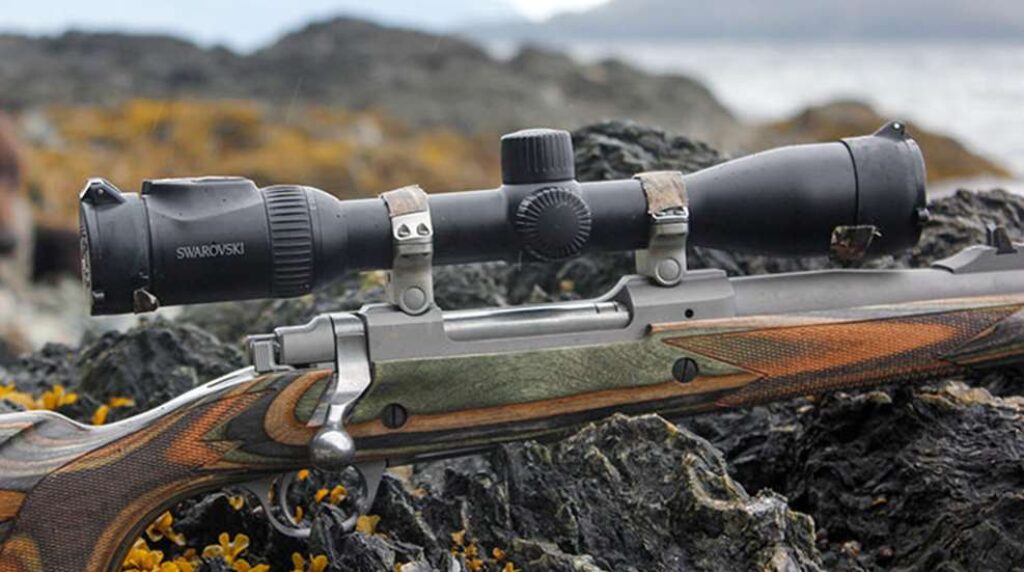
A well-mounted, properly zeroed 3-9x scope beats a poorly mounted expensive optic. Ring height, eye relief, level reticle, torque, bore-sighting, zero confirmation, and real practice all matter. If the scope does not come to your eye naturally, fix the setup before blaming the magnification range.
Practice at Realistic Distances
Practice at the distances and positions you expect to hunt from. A 3-9x scope can feel easy from a bench and different from a stand, kneeling position, or field rest. Confirm your zero and know where your confidence ends before the hunt.
Ethical Shot Fit
The right scope is the one that helps you identify the animal, pick a clean aiming point, and understand the background before the shot. A 3-9x scope may be plenty for a short field lane, but it may not give enough detail across a wide cutover or open hillside. If magnification, light, or reticle clarity leaves doubt, pass the shot.
Optics do not replace hunting judgment. Hunter education resources such as Hunter Ed emphasize preparation, safe decisions, and knowing your target. Treat the scope as one part of that system, along with rifle fit, ammunition, zero, shooting position, local laws, and the hunter’s real skill.
FAQ
Is a 3-9x scope enough for deer hunting?
Yes, for many deer hunters. It is especially useful in woods, food plots, and mixed terrain where shots are close to moderate range.
Is a 3-9x scope outdated?
No. Newer optics offer more choices, but a clear, reliable 3-9x scope still fits many deer rifles very well.
What magnification should I use in the woods?
Keep it on the low end, often around 3x, so you can find the deer quickly. Turn it up only when distance and time allow.
Should I buy more than 9x for deer?
Consider more magnification if you hunt open country or need more detail at distance. For many common deer setups, 9x is still enough when the shot is ethical and clear.
Final Takeaway
A 3-9x rifle scope is still a smart deer-hunting optic when your terrain and shot distances fit it. Choose clear glass, mount it correctly, practice at real hunting distances, and pass shots when the target is not clear enough. That matters more than chasing a bigger magnification number.