


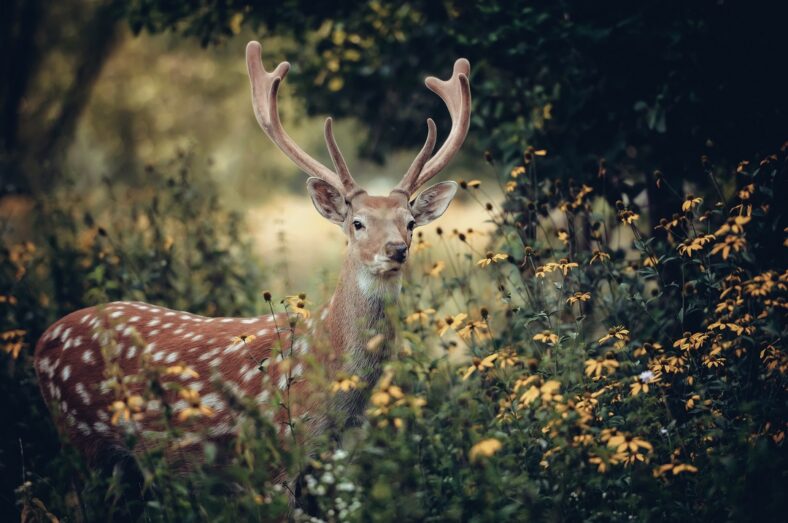
The most useful first step in deer hunting is not buying gear. It is completing hunter education, learning safe firearm or bow handling, checking your state’s current rules, and understanding when not to shoot. This guide walks new hunters through the basics that matter in a first season: safety, scouting, a simple setup, reading wind and movement, and avoiding the mistakes beginners most often make.
This is a starting point, not a promise of a filled tag, and it does not replace your state wildlife agency’s current regulations.
Table of Contents
Quick Beginner Checklist
Before opening day, work through this short list. Each item is expanded below.
- Complete any required hunter education course for your state.
- Read your state wildlife agency’s current deer regulations, seasons, and tag rules.
- Learn and practice basic firearm or bow safety rules.
- Scout your area and confirm you have legal permission to hunt it.
- Choose a simple, legal, properly set up weapon and a small kit of essentials.
- Wear blaze orange where it is required, and tell someone your plan and return time.
- Pass on any shot you are not fully confident in.

Start With Hunter Education and Local Rules
Hunter education is the foundation, and many states require it before you can buy a license. Courses teach safe firearm handling, ethical hunting, and field rules that keep everyone safer. Programs like IHEA-USA maintain national hunter education standards, and you can find a state-approved course through the IHEA-USA course finder.
Even where a course is not required, taking one is one of the best things a beginner can do. Rules vary widely, so always confirm current season dates, license and tag requirements, legal weapons, hours, blaze-orange requirements, and reporting rules with your own state wildlife agency before you go.
Understand Basic Firearm or Bow Safety
Safe handling is non-negotiable. Hunter education programs teach the primary firearm safety rules: always point the muzzle in a safe direction, treat every firearm as if it is loaded, be sure of your target and what is beyond it, and keep your finger outside the trigger guard until you are ready to shoot. The Hunter-Ed firearm safety guide explains those rules in detail.
The same mindset applies to crossbows and vertical bows: control the direction, respect the equipment, and know your target and what is beyond it. If you hunt from an elevated stand, use a full-body harness and follow the stand manufacturer’s instructions.
Scout Before the Season
Scouting is where beginners gain the most ground. Spend time before the season learning the land: where deer feed, bed, and travel, and where trails, rubs, tracks, creek crossings, and natural funnels appear.
Look for routes between bedding and feeding areas, then plan entry and exit paths that do not walk through the sign you are trying to hunt. Trail cameras, where legal, and simple boots-on-the-ground observation can both help. Confirm you have legal, permitted access to anywhere you plan to hunt.
Choose a Simple First Setup
Keep your first setup simple, legal, and well practiced. A weapon you can shoot accurately and safely at honest distances matters far more than the newest gear. Whatever you carry, sight it in and practice with it well before opening day so the equipment is familiar and reliable.
If you are still building out your kit, use gear guides carefully and only after the safety, licensing, and practice basics are handled. For crossbow hunters, our guide to crossbow bolts for deer hunting can help with one specific gear decision, but this beginner guide should stay safety-first rather than gear-first.
Pay Attention to Wind, Noise, and Movement
Deer rely heavily on scent, so wind direction often decides the hunt. Try to keep the wind in your face or crossing, so your scent blows away from where you expect deer to appear.
Move slowly and quietly, choose quiet clothing, and minimize sudden motion once you are set. Plan your approach so you enter and leave your spot without walking through bedding areas or crossing the trails you are watching.
Know When Not to Shoot
The most ethical and safe skill a beginner can develop is passing on a bad shot. Only take a shot when you are certain of your target and what is beyond it, the distance is within your practiced range, and the angle gives you a clean, ethical opportunity.
Knowing your personal limits is part of fair chase, the ethic of pursuing free-ranging game lawfully and without improper advantage, as described in the Boone and Crockett Club Fair Chase Statement. When in doubt, do not shoot. A passed opportunity is always better than a wounded animal or an unsafe shot.
Pack Basic Safety and Comfort Gear
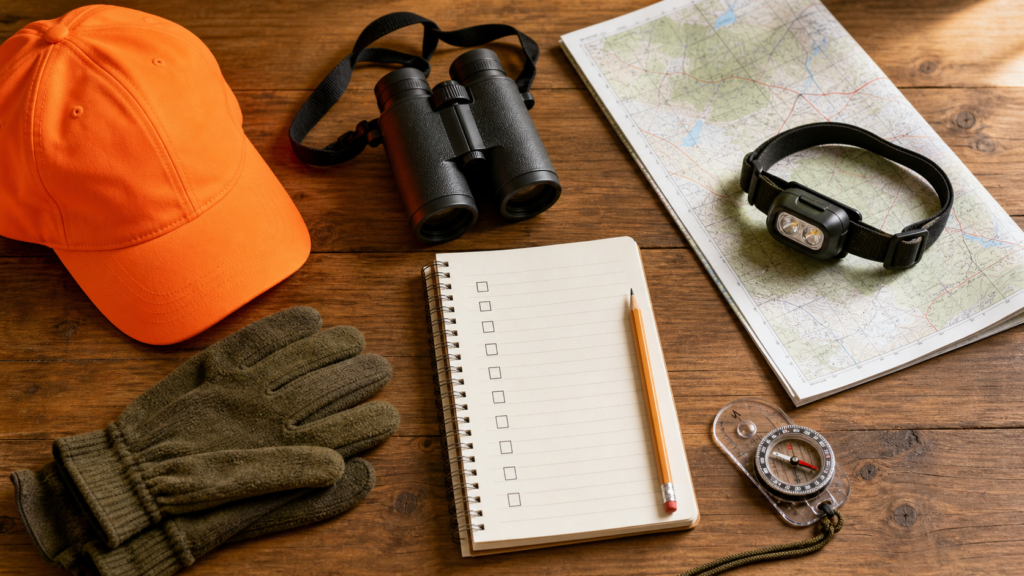
A small, well-chosen kit keeps you safer and more comfortable. Carry your license and tags, weather-appropriate layers, blaze orange where required, a light or headlamp, a map or GPS, water, and a basic first-aid kit.
Add a knife only if you are legally and practically prepared to use it for field work. Tell someone where you will be and when you plan to return, and know how to contact help if something goes wrong. Keep the load light enough that you can move and sit comfortably for hours.
What Beginners Usually Get Wrong
New hunters tend to make a predictable set of mistakes. They skip or rush scouting, ignore the wind, move too much and too loudly, and buy gear before they can shoot well.
Many push their distance and take low-confidence shots instead of waiting. Some forget simple safety habits under the excitement of seeing a deer, which is exactly when muzzle control and target identification matter most. And many treat online tips as a substitute for their state’s current regulations. Slowing down and mastering the basics fixes most of these problems.
Frequently Asked Questions
Do I need to take a hunter education course to hunt deer?
In many states, yes, hunter education is required before you can buy a hunting license, and requirements vary by state and age. Check your state wildlife agency, and consider a course even where it is optional. You can find approved courses through IHEA-USA.
What is the most important safety rule for a new deer hunter?
Always control your muzzle direction and be certain of your target and what is beyond it before you shoot. Treat every firearm as loaded and keep your finger off the trigger until you are ready. These habits prevent many of the most serious hunting mistakes.
How much gear do I really need for my first deer hunt?
Less than most beginners think. A legal, properly sighted-in weapon you can shoot well, your license and tags, weather-appropriate clothing, blaze orange where required, and basic safety items will cover a first season. Add specialized gear as you gain experience.
How do I know if a shot is ethical to take?
Take a shot only when you are sure of your target and what is beyond it, the deer is within your practiced range, and the angle offers a clean opportunity. If anything is uncertain, pass.
Where do I find the deer hunting rules for my state?
Your state wildlife agency publishes current season dates, license and tag rules, legal weapons, and reporting requirements. Always use that official source, since rules change each year and differ from state to state.
Final Beginner Recommendation
Start with education and safety, scout your area, keep your gear and your shots simple, and let ethics guide every decision in the field. If you complete hunter education, follow your state’s rules, handle your equipment safely, and pass on shots you are not sure of, you will already be building the right foundation. The deer will come with time and patience.

