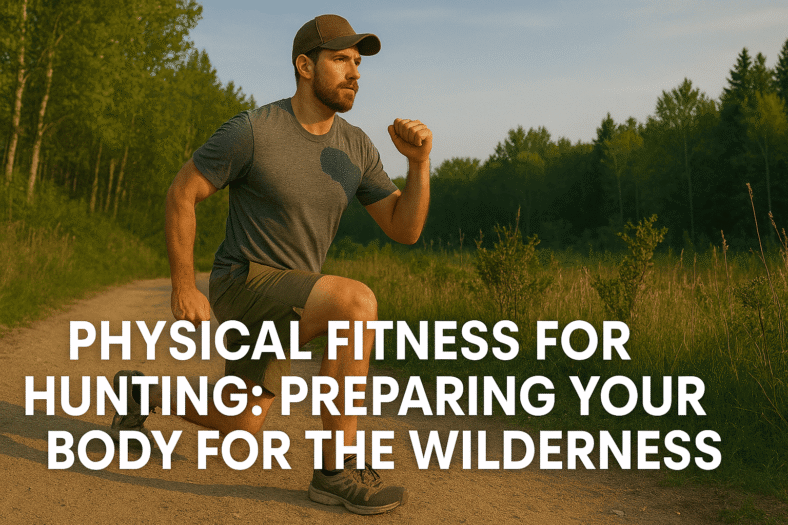
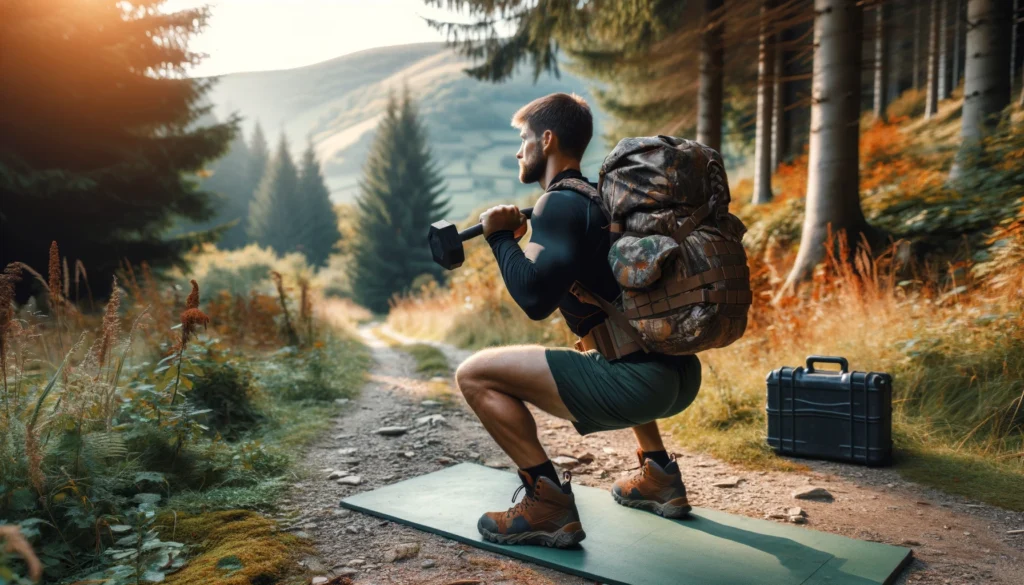
Physical Fitness for Hunting: Preparing Your Body for the Wilderness

Introduction

Hunting is a physically demanding activity that requires strength, endurance, and agility. Being physically fit enhances your hunting experience by improving your performance, safety, and overall enjoyment. This guide will provide a comprehensive approach to developing the physical fitness needed for hunting, including exercises, nutrition, and practical tips.


1. Understanding the Physical Demands of Hunting

1.1 Terrain Navigation

  • Uneven Ground: Hunting often involves traversing uneven and challenging terrain, requiring strong legs and good balance.
  • Carrying Gear: Hunters need to carry gear, weapons, and sometimes the game itself, demanding upper body strength and stamina.

1.2 Weather Conditions

  • Adverse Weather: Hunting in various weather conditions requires a resilient body capable of maintaining performance in cold, heat, or wet conditions.

1.3 Extended Periods of Activity

  • Endurance: Hunts can last for several hours or even days, necessitating sustained physical and mental endurance.

2. Essential Exercises for Hunters

2.1 Cardiovascular Fitness

  • Running and Hiking: Engage in regular running or hiking to build cardiovascular endurance. Aim for at least 30 minutes of moderate to vigorous activity, 3-4 times a week.
  • Interval Training: Incorporate interval training to enhance stamina and improve recovery times between bursts of intense activity.

2.2 Strength Training

  • Leg Strength: Focus on exercises like squats, lunges, and step-ups to strengthen the legs and improve stability.
  • Upper Body Strength: Perform push-ups, pull-ups, and rows to build the upper body strength necessary for carrying gear and handling weapons.
  • Core Stability: Strengthen your core with planks, sit-ups, and rotational exercises to improve balance and reduce the risk of injury.

2.3 Flexibility and Mobility

  • Stretching: Incorporate daily stretching routines to enhance flexibility and prevent injuries.
  • Yoga: Practice yoga to improve overall body flexibility, balance, and mental focus.

3. Practical Fitness Routines

3.1 Sample Weekly Workout Plan

  • Monday: 30-minute run followed by upper body strength training (push-ups, pull-ups, rows).
  • Tuesday: Hiking with a weighted pack, focusing on leg strength and endurance.
  • Wednesday: Rest or light activity such as walking or yoga.
  • Thursday: Interval training (running sprints) and core exercises (planks, sit-ups).
  • Friday: Full-body strength training, including squats, lunges, and step-ups.
  • Saturday: Outdoor activity such as hiking or a long run.
  • Sunday: Rest and recovery, including stretching and foam rolling.

4. Nutrition for Hunters

4.1 Balanced Diet

  • Macronutrients: Ensure a balanced intake of carbohydrates, proteins, and fats to fuel your body for intense physical activity.
  • Hydration: Stay well-hydrated, especially during long hunts. Carry enough water and electrolyte-replenishing drinks.

4.2 Pre-Hunt Nutrition

  • Energy-Rich Foods: Consume complex carbohydrates and lean proteins before a hunt to maintain energy levels.

4.3 During the Hunt

  • Snacks and Meals: Carry high-energy snacks like nuts, dried fruits, and energy bars. Plan for meals that are easy to prepare and provide sustained energy.

5. Mental Preparation

5.1 Focus and Concentration

  • Mindfulness and Meditation: Practice mindfulness and meditation to improve mental clarity and focus during hunts.

5.2 Stress Management

  • Relaxation Techniques: Use deep breathing exercises and other relaxation techniques to manage stress and maintain composure in challenging situations.

6. Safety Considerations

6.1 Injury Prevention

  • Warm-Up and Cool-Down: Always warm up before physical activity and cool down afterward to prevent injuries.
  • Proper Technique: Use proper techniques for lifting and carrying heavy loads to avoid strains and sprains.

6.2 First Aid Knowledge

  • Emergency Preparedness: Carry a first aid kit and know basic first aid procedures to handle injuries that may occur in the field.

7. Tracking Progress and Adjusting Plans

7.1 Setting Goals

  • Short and Long-Term Goals: Set realistic fitness goals and track your progress. Adjust your fitness plan as needed to meet these goals.

7.2 Regular Assessments

  • Physical Assessments: Regularly assess your physical fitness levels through timed runs, strength tests, and flexibility measurements to ensure you are on track.

8. Adaptations for Different Types of Hunting

8.1 Bowhunting

  • Upper Body Strength: Bowhunting requires significant upper body strength and endurance. Focus on exercises like resistance band pulls, shoulder presses, and rows.
  • Stability and Precision: Enhance stability and precision with core-strengthening exercises and balance training, such as standing on one leg or using a balance board.

8.2 Rifle Hunting

  • Steady Aim: Develop a steady aim through exercises that strengthen your arms, shoulders, and core. Practice holding weights at arm’s length to simulate holding a rifle.
  • Cardiovascular Endurance: Long treks in rugged terrain are common in rifle hunting, so prioritize cardiovascular exercises such as hiking, running, and interval training.

8.3 Waterfowl Hunting

  • Quick Movements: Improve agility and reaction time with plyometric exercises and agility drills.
  • Cold Weather Preparedness: Train in cold conditions when possible to acclimate your body to the challenges of waterfowl hunting environments.

8.4 Big Game Hunting

  • Endurance and Strength: Big game hunting often involves long hikes with heavy packs. Combine cardiovascular endurance training with strength training focused on your legs, back, and core.
  • Flexibility: Maintain flexibility with regular stretching and yoga to handle the varied terrain and movements required.

9. Seasonal Adjustments

9.1 Off-Season Training

  • Building a Base: Use the off-season to build a strong fitness base. Focus on overall strength, endurance, and flexibility.
  • Skill Practice: Continue practicing hunting skills, such as shooting, tracking, and navigation, to keep your abilities sharp.

9.2 Pre-Season Ramp-Up

  • Intensifying Workouts: Gradually increase the intensity and frequency of your workouts as the hunting season approaches.
  • Simulation Exercises: Engage in activities that simulate hunting conditions, such as carrying a weighted pack on hikes or practicing shooting after physical exertion.

10. Practical Tips for Maintaining Fitness During Hunting Season

10.1 Short, Effective Workouts

  • Time Management: During hunting season, time may be limited. Focus on short, high-intensity workouts to maintain fitness without taking too much time away from hunting.

10.2 Active Recovery

  • Stay Active: Use rest days for active recovery activities such as light hiking, stretching, or yoga to keep your body moving and reduce soreness.

10.3 Nutrition and Hydration on the Go

  • Healthy Snacks: Pack nutritious snacks like protein bars, nuts, and dried fruit to keep your energy levels up during long hunts.
  • Hydration: Stay hydrated by carrying enough water and electrolyte-replenishing drinks, especially during physically demanding hunts.

11. Engaging with the Hunting Community

11.1 Group Workouts

  • Motivation: Join group workouts with fellow hunters to stay motivated and share fitness tips.
  • Accountability: Working out with a group can provide accountability and make training more enjoyable.

11.2 Learning from Experienced Hunters

  • Mentorship: Seek advice from experienced hunters on how they maintain their fitness and prepare for the season.
  • Community Events: Participate in community events and hunting expos to learn about new fitness techniques and gear.

Conclusion

Physical fitness is a crucial component of successful and enjoyable hunting. By following a structured fitness plan, maintaining a balanced diet, and preparing mentally, you can enhance your performance in the field and ensure your safety. Embrace the physical demands of hunting as an opportunity to improve your overall health and well-being.


Frequently Asked Questions (FAQs)

How long before hunting season should I start training?

  • Preparation Time: Ideally, start your fitness training at least 3-6 months before the hunting season to ensure you are adequately prepared.

Can older adults or those with physical limitations still enjoy hunting?

  • Adapted Plans: Yes, hunting can be enjoyed by people of all ages and abilities. Tailor your fitness plan to your specific needs and capabilities, and consider less physically demanding hunting methods if necessary.

How can I prevent injuries while training for hunting?

  • Injury Prevention: Always warm up before workouts and cool down afterward. Focus on proper form and technique during exercises. Gradually increase intensity and volume to avoid overuse injuries.

What should I do if I encounter an injury during the hunting season?

  • Handling Injuries: If you sustain an injury, rest and seek medical attention if necessary. Engage in low-impact activities that do not exacerbate the injury, and focus on recovery exercises recommended by a healthcare professional.

How can I maintain my fitness if I can’t access a gym?

  • Home Workouts: Utilize bodyweight exercises, resistance bands, and household items for strength training. Engage in outdoor activities like hiking, running, and climbing to build cardiovascular endurance.

Is it important to involve children in physical fitness for hunting?

  • Youth Fitness: Introducing children to physical fitness for hunting can instill healthy habits and prepare them for future hunting activities. Focus on fun, age-appropriate exercises and activities that develop strength, coordination, and endurance.

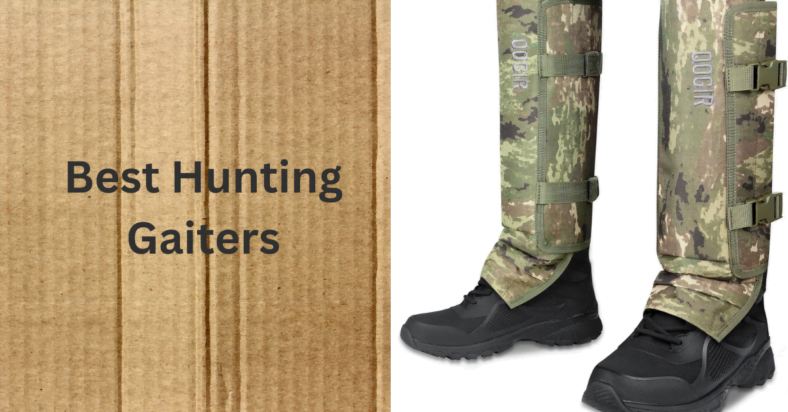
Best Hunting Gaiters: Ultimate Guide for Outdoor Enthusiasts

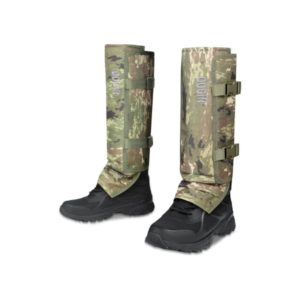
Welcome to the ultimate guide on choosing the best hunting gaiters for your outdoor adventures! Whether you’re trekking through wet marshlands, navigating rocky terrains, or just looking for extra protection in the wild, hunting gaiters are an essential piece of gear for any outdoor enthusiast.

In this comprehensive article, we’ll dive deep into everything you need to know about hunting gaiters, from their fundamental benefits to detailed reviews of the top products on the market.

What are Hunting Gaiters?

Hunting gaiters are protective coverings worn over the lower pants legs and shoes. They serve as a barrier against the elements keeping snow, mud, water, and debris out of your boots. Depending on the design, they can be made from various materials including nylon, neoprene, and Gore-Tex, each offering different levels of protection and breathability.

Types of Hunting Gaiters

  • Full-length Gaiters: Best for deep snow and boggy conditions.
  • Ankle Gaiters: Ideal for dry, less intense terrain.
  • Snake-proof Gaiters: A must-have in snake-prone areas, made with puncture-resistant materials.

Why You Need Hunting Gaiters

Imagine walking through a forest, and with each step, you’re protected from thorns, snakes, and extreme weather conditions. Here’s why hunting gaiters are indispensable:

  • Protection from Elements: They provide a seal that keeps out water, snow, and mud, ensuring your legs and feet stay dry.
  • Safety Features: High-quality gaiters can offer protection from snake bites and sharp objects.
  • Comfort and Mobility: Gaiters help keep debris out of your boots, which can lead to a more comfortable hike, especially in rugged conditions.

Key Features to Consider When Choosing Hunting Gaiters

When shopping for the best hunting gaiters, consider the following key features:

  • Water Resistance and Breathability: Look for waterproof yet breathable materials like Gore-Tex to maintain comfort.
  • Durability: Choose materials that can withstand rough terrain and harsh conditions.
  • Fit and Comfort: Ensure they fit snugly over your boots but are not too tight to hinder circulation.
  • Ease of Use: Consider gaiters that are easy to put on and take off, especially in cold weather.
  • Compatibility: Make sure the gaiters fit well with your existing outdoor footwear.

The Top 5 Best Hunting Gaiters Reviewed

After extensive research and testing, here are the top 5 hunting gaiters that stand out in the market:

1.Frelaxy Leg Gaiters – Ultimate Waterproof Protection for Hunters and Hikers

Key Features:

The Frelaxy Leg Gaiters are a premium choice for outdoor enthusiasts who need robust protection against the elements. Here’s a detailed look at the key features that make these gaiters a must-have for hiking, hunting, and other outdoor adventures:

  • Material and Construction: Made from 900D Anti-Tear Waterproof coated Oxford Fabric, these gaiters are designed to offer ultimate durability and waterproofing capabilities. The material is rigorously tested to be 100% waterproof, ensuring your legs stay dry even in extreme conditions.
  • Design and Comfort: The gaiters feature an adjustable top drawstring, an elastic band in the middle and lower areas, and a 2-inch wide Velcro opening that runs the full length of the gaiter. This design provides a snug, customizable fit that adapts to different leg sizes and shapes, enhancing comfort and protection.
  • Lightweight and User-Friendly: Weighing just 0.48 pounds, these gaiters are lightweight enough to carry on any trip without adding significant weight. The buckle closure type further simplifies the process of wearing and removing the gaiters.

Pros

  • Enhanced Durability
  • Superior Protection

Cons

  • Potential Bulkiness

Overall, the Frelaxy Leg Gaiters offer exceptional performance and protection for outdoor activities, making them a valuable addition to any adventurer’s gear list. Whether you’re trekking through wet conditions or rugged terrains, these gaiters provide the necessary shield to keep you moving comfortably and securely.

2. NatureBlend Snake Guard Snake Chaps, Waterproof Snake Gaiters for Hunting

Key Features:

NatureBlend Snake Chaps offer an innovative solution for outdoor enthusiasts who need reliable protection against snake bites and harsh terrains. Here are the standout features of these high-quality snake gaiters:

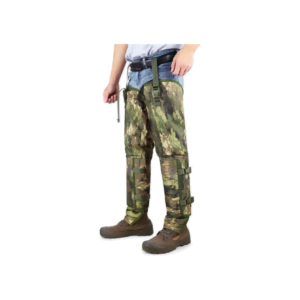
  • Tailored Fit with Adjustable Comfort: These chaps feature two adjustable, quick-release buckle closures and straps, providing a tailored fit that can be easily adjusted to accommodate various inseams. The design ensures compatibility over boots and pants for a comfortable fit that suits both men and women.
  • Premium Snake Defense: Engineered specifically as snake gaiters, the NatureBlend Chaps offer robust protection against venomous North American snakes like copperheads and cottonmouths. They provide peace of mind for adventurers navigating snake-prone areas.
  • Lightweight and Durable: Weighing just 6 ounces, the fabric used in these chaps is one-third the weight of traditional snake protection gear, making them exceptionally light without compromising on strength. They are tested and proven to repel large rattlesnakes, providing vital protection while maintaining flexibility.

Pros

  • Superior Protection
  • Ultra-Lightweight

Cons

  • Limited Style Options

The NatureBlend Snake Chaps stand out as a superior choice for anyone seeking reliable and comfortable protection from snake bites and rough terrain during outdoor activities. Whether for professional use or leisure adventures, they provide essential safety features tailored to the needs of outdoor enthusiasts.

3. Kenetrek Hunting Gaiters

Key Features:

Kenetrek Hunting Gaiters are designed for serious hunters and outdoor enthusiasts who demand durability and effective weather protection. Below are the key features that make these gaiters a popular choice:

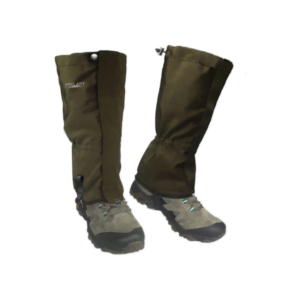
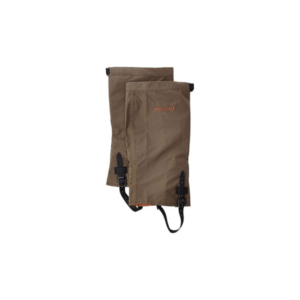
  • Material and Construction: Made from 100% nylon, these gaiters are designed to withstand rugged outdoor use. The durable nylon exterior is nearly indestructible, promising longevity and resistance against harsh elements.
  • Waterproof and Breathable: Featuring a waterproof breathable Stormblocker membrane, the gaiters ensure your legs stay dry without sacrificing comfort. This membrane allows for moisture to escape while blocking water from entering, keeping you comfortable even in wet conditions.
  • Secure Weather Protection: The gaiters are equipped with Hypalon rubber straps at the bottom. These straps are designed not to collect snow and ice, reducing the need for constant readjustments throughout the day. This feature is particularly beneficial in snowy environments.

Pros

  • Robust Construction
  • Effective Waterproofing

Cons

  • Limited Flexibility

Overall, the Kenetrek Hunting Gaiters are a solid choice for anyone in need of reliable, durable protection from the elements while engaging in outdoor activities. Their construction and features are designed to offer superior protection and ease of use, making them a valuable addition to any outdoor gear collection.

4. Pike Trail Leg Gaiters Waterproof Adjustable Snow Boot Gaiters for Hiking

Key Features:

Pike Trail Leg Gaiters are designed to offer robust protection for outdoor enthusiasts engaged in hiking, walking, hunting, mountain climbing, and snowshoeing. Here are the prominent features of these versatile gaiters:

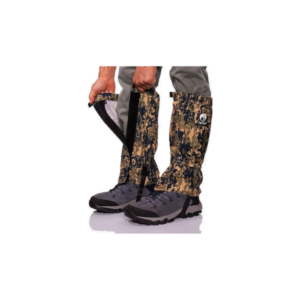
  • Material and Durability: Crafted from honeycomb ripstop polyester, these gaiters are designed to resist tearing and withstand harsh outdoor conditions. The material’s strength is enhanced with reinforced stitching to prevent leaks, ensuring long-lasting use.
  • Waterproof and Protective: Specifically engineered to prevent water, mud, debris, and snow from entering your boots, these gaiters provide excellent coverage from your heel to just under your knee. The waterproof capability is crucial for maintaining dry and comfortable footwear in wet conditions.
  • Adjustability and Fit: Pike Trail Gaiters feature a wide Velcro tab that allows for easy adjustment around the leg, ensuring a customizable and secure fit. Additional adjustments include an adjustable boot buckle and three different press stud gauges at the bottom and top closures.

Pros

  • Superior Protection
  • Highly Durable

Cons

  • Bulk and Weight

Overall, Pike Trail Leg Gaiters stand out as a highly effective and durable option for those needing reliable protection in diverse and challenging outdoor settings. Their thoughtful design and robust construction make them a worthwhile investment for serious adventurers and professionals alike.

5.QOGIR Snake Gaiters for Hunting

Key Features:

QOGIR Snake Gaiters are meticulously designed to offer high-level protection against snake bites and other outdoor hazards. Here’s a breakdown of their key features:

  • Material and Build: These snake gaiters are crafted from robust 1000D Oxford fabric reinforced with Polypropylene panels, providing durability, waterproofing, and breathability. This combination ensures both weather resistance and long-lasting use.
  • Lightweight and Portable: Each gaiter weighs only 11 ounces and can be folded into a compact size for easy storage and transport. This lightweight design does not compromise protection, allowing for ease of movement and convenience.

Pros

  • Versatile and Adjustable
  • Durable Materials

Cons

  • Breathability Concerns

Overall, the QOGIR Snake Gaiters are an excellent choice for outdoor enthusiasts who require reliable protection from snake bites and other natural threats. Their robust construction, coupled with thoughtful features like adjustability and portability, make them a valuable addition to any outdoor gear collection.

How to Properly Use and Maintain Hunting Gaiters

To get the most out of your hunting gaiters, follow these tips:

  • Wearing Your Gaiters: Start by placing the gaiter over the boot, then wrap it around your leg and secure all straps and closures.
  • Maintenance Tips: After each use, clean your gaiters with mild soap and water. Check for any damage or wear regularly.
  • Storage: Hang them up in a dry, cool place away from direct sunlight to prevent material degradation.

Hunting Gaiters for Different Environments

Choosing the right gaiter can depend heavily on the environment you plan to explore:

  • Cold and Wet: Opt for full-length, waterproof gaiters.
  • Dry and Rocky: Lighter, more breathable materials work best.
  • Snake-Heavy: Never compromise on a snake-proof design.

Conclusion

Investing in a good pair of hunting gaiters can significantly enhance your outdoor experience. With the right pair, you can protect yourself from various natural elements and focus more on the hunt itself.

We hope this guide helps you find the perfect hunting gaiters that suit your needs. Stay protected and happy hunting.

Inbreeding in Deer Populations: Genetics, Habitat Fragmentation, and Herd Health

Inbreeding in deer populations happens when closely related deer breed often enough that genetic diversity declines. It is most likely to become a concern in small, isolated, fenced, or heavily fragmented populations where deer have fewer unrelated mates. In large connected wild populations, natural movement usually helps maintain more genetic exchange.

The practical takeaway for hunters and land managers is this: inbreeding is not something you can judge from one odd-looking deer. It is a population-level genetics issue that requires data, habitat context, and wildlife-biologist input. Habitat connectivity, responsible harvest goals, disease monitoring, and cooperation across property boundaries are usually more useful than guessing from appearance alone.

Table of contents

Quick Answer

Inbreeding can reduce genetic diversity in deer when related animals breed repeatedly in a small or isolated population. The concern is not one individual deer; it is whether the herd has enough genetic exchange to stay healthy and adaptable over time. Wildlife agencies and researchers evaluate this through population data, movement patterns, harvest information, disease monitoring, and sometimes genetic testing.

Hunters can help by following regulations, reporting unusual disease or deformity concerns to the proper agency, supporting habitat connectivity, and avoiding rumor-based conclusions. A deer with an unusual rack or body condition is not automatic proof of inbreeding.

What Inbreeding Means

Inbreeding means mating between related animals. In any wildlife population, some relatedness exists. The problem grows when a small group has limited movement and repeats close breeding over generations. That can reduce genetic variation and make harmful recessive traits more likely to show.

Genetic Diversity

Genetic diversity gives a population more options for adapting to disease, environmental change, climate stress, and habitat pressure. The U.S. Geological Survey discusses wildlife genetics and conservation as part of broader species-management research; their wildlife genetics resources are a useful starting point.

Inbreeding Depression

Inbreeding depression is the reduced fitness that can happen when close breeding increases harmful genetic effects. In wildlife, this may show up as lower survival, lower fertility, weaker disease resistance, or reduced adaptability. It is not always easy to detect without research.

Why Deer Populations Become Isolated

Deer are mobile animals, but landscapes can still isolate groups. Roads, fencing, urban development, rivers, mountains, agriculture, and fragmented habitat can limit movement. In some places, management units or fenced properties can also reduce natural dispersal.

Habitat Fragmentation

Habitat fragmentation breaks large connected habitat into smaller patches. Deer may still live in those patches, but movement between them may be harder or more dangerous. Over time, that can reduce gene flow. The U.S. Forest Service research database includes work on habitat, forests, and wildlife connectivity; it is a useful resource for deeper reading on landscape-level effects.

Small Population Size

Small populations are more vulnerable because there are fewer potential mates. A small isolated herd can lose genetic variation simply through chance over time. This is one reason wildlife managers think beyond one property and look at regional connectivity.

Possible Effects of Low Genetic Diversity

Low genetic diversity does not always create visible problems immediately, but it can reduce a population’s resilience. Effects may be subtle and may overlap with nutrition, disease, age, weather, and habitat quality.

Health and Survival

Potential concerns include lower fawn survival, reduced fertility, increased vulnerability to disease, and physical abnormalities. However, those signs can have many causes. Poor nutrition, injury, parasites, disease, or environmental stress may look similar from the field.

Adaptability

A genetically diverse herd may have more ability to cope with changing conditions. A narrow gene pool can make a population less flexible when disease, severe weather, or habitat change creates new pressure.

What Hunters Can and Cannot See

Hunters often notice unusual antlers, body size, coloration, or behavior. Those observations are useful, but they do not prove inbreeding by themselves. Antler abnormalities can come from injury, age, nutrition, hormones, or genetics. Body condition can reflect food, disease, age, parasites, or winter stress.

Report, Do Not Diagnose

If you see multiple sick, deformed, or abnormal deer in one area, report it to your state wildlife agency. Photos, location, date, and behavior notes can help. Avoid spreading unsupported claims that a herd is inbred without evidence.

Use Harvest Data Carefully

Harvest age, weight, lactation status, antler measurements, and disease test results can help agencies understand herd condition. Accurate reporting is more valuable than guesswork. Our managing deer populations guide explains how different data points fit into management decisions.

Management Options

Managing inbreeding risk usually means improving population connectivity and herd health, not making random changes to harvest rules. Wildlife biologists may look at habitat corridors, road crossings, harvest balance, translocation in special cases, disease rules, and long-term monitoring.

Habitat Connectivity

Connecting habitat allows young deer to disperse and unrelated deer to mix. Wildlife corridors, protected travel cover, safe crossings, and cooperative land management can all support gene flow. These actions often help other wildlife too.

Balanced Harvest

Harvest rules should match agency goals. In some areas, antlerless harvest helps balance deer density with habitat. In other areas, managers may protect a small population. Hunters should follow local regulations rather than assuming one strategy fits every herd.

Disease, Genetics, and Herd Health

Genetics and disease can overlap in herd-health discussions, but they are not the same thing. A disease issue does not automatically mean inbreeding, and inbreeding does not automatically mean disease is present. Managers look at both when assessing long-term health.

Chronic Wasting Disease

Chronic wasting disease is one of the major deer-health issues in North America. The CDC chronic wasting disease overview explains basic public-health guidance and why testing and carcass rules matter in affected areas.

Follow Agency Guidance

Testing recommendations, carcass transport rules, feeding or baiting restrictions, and disposal rules vary by state and disease zone. Hunters should use their state wildlife agency as the authority.

Ethical Hunter and Landowner Role

Hunters and landowners cannot solve genetics alone, but they can support good management. Follow seasons and tags, report harvest accurately, cooperate with neighbors, protect habitat, and avoid spreading misinformation.

Think Beyond One Season

Healthy deer management is long-term work. A single season’s observation may be interesting, but trends matter more. Keep notes, share useful information with biologists when asked, and support science-based management.

Ethics Still Matter

If you encounter an unhealthy or abnormal deer, follow the law and use good judgment. Do not take unsafe shots or make wasteful decisions. Our ethical hunting practices guide covers the field side of responsible decisions.

FAQ

Is inbreeding common in wild deer?

Some related breeding can happen in any wildlife population, but serious inbreeding risk is more likely in small, isolated, fenced, or fragmented populations with limited movement.

Can you identify inbreeding by looking at one deer?

No. Unusual antlers, size, color, or behavior can have many causes. Inbreeding is a population-level genetics issue that usually requires data to evaluate.

What causes inbreeding in deer populations?

Common causes include habitat fragmentation, barriers to movement, small population size, isolation, and limited gene flow between groups of deer.

How can managers reduce inbreeding risk?

Managers may improve habitat connectivity, protect movement corridors, monitor herd health, encourage accurate harvest reporting, and use science-based population goals.

Should hunters report abnormal deer?

Yes, especially if several abnormal or sick deer are seen in one area. Report clear photos, location, date, and behavior to the state wildlife agency rather than guessing the cause.

Final Thoughts

Inbreeding in deer populations is a real conservation topic, but it should be handled with evidence, not assumptions. Hunters can help by supporting habitat connectivity, following regulations, reporting accurately, and respecting science-based management. A healthy deer herd depends on more than numbers; it depends on movement, habitat, genetics, disease awareness, and long-term stewardship.

Saddle Hunting: 9 Safety Checks Before You Hunt From a Tree

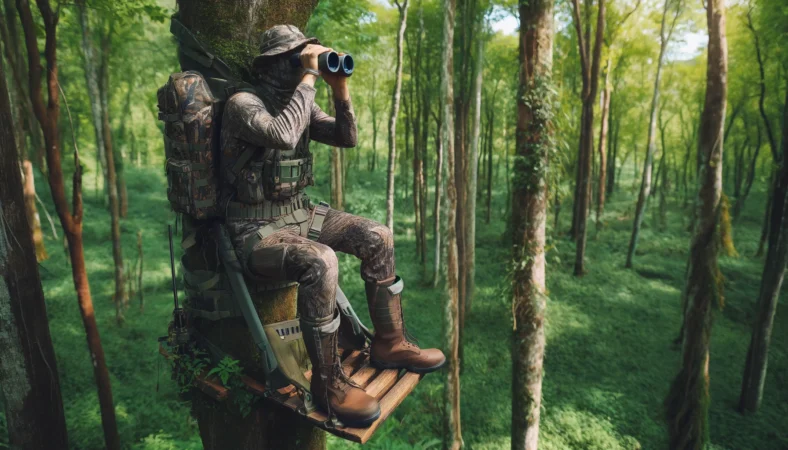
Saddle hunting can be useful for mobile deer hunters, but it is not automatically safer, cheaper, or better than a ladder stand, hang-on stand, or ground setup. The right question is whether you can use the saddle, tether, lineman’s belt, platform, climbing method, and weapon safely every time you leave the ground.

This guide helps you decide if saddle hunting fits your body, terrain, budget, and safety habits. It is not a product roundup, medical advice, legal advice, or a replacement for hands-on training and the manuals for your saddle, platform, climbing sticks, ropes, and fall-arrest gear.

Table of contents

Should You Be Saddle Hunting? Quick Answer

You should consider saddle hunting if you need a mobile elevated setup, are willing to practice low and slow, can inspect ropes and hardware, and can stay attached to the tree during climbing, hunting, and descending. You should wait if you dislike heights, skip safety steps, have balance or mobility limits, or cannot practice before the season.

Do not treat a saddle as a shortcut

A saddle can reduce bulk, but it adds rope work, climbing choices, platform setup, tether management, and shooting-angle practice. Those steps need training and repetition.

Safety is the first decision

Tree stand and elevated hunting injuries are serious. Hunter education guidance on tree stand safety is a good baseline even if you use a saddle instead of a traditional stand.

Keep it support-only

This article explains fit and safety. It does not recommend a specific saddle brand, platform, rope, or climbing stick because those choices need current product data and manual verification.

What Saddle Hunting Is

Saddle hunting uses a wearable saddle, tether, bridge, lineman’s belt, platform or steps, and a climbing method to hunt from an elevated position. The hunter usually leans or sits against the saddle while connected to the tree.

How it differs from a stand

A hang-on or ladder stand gives you a larger platform. A saddle often packs smaller and lets you move around the tree, but it depends more on rope position, body angle, and a small foot platform.

Why hunters like it

Hunters often choose saddle setups for public land mobility, smaller pack weight, flexible tree choice, and the ability to hide behind the tree trunk.

Why some hunters dislike it

Some hunters find saddles uncomfortable, slow to learn, expensive after accessories, or awkward for certain shot angles. It is normal to prefer a ground blind, ladder stand, or hang-on stand.

Fall-Safety Checks

The safety question is not whether saddle hunting is safer in theory. The question is whether your exact setup keeps you connected, controlled, and within manufacturer instructions from the ground up and back down.

Stay connected during climbing

Use the climbing method and lineman’s belt as directed by the manufacturer. Do not climb above your connection or unclip casually to move faster.

Inspect ropes and hardware

Before each hunt, inspect the tether, bridge, lineman’s belt, carabiners, prusik or mechanical adjusters, stitching, knots, platform, steps, and climbing sticks. Retire damaged gear instead of trying to stretch one more hunt from it.

Use rated equipment only

Do not mix random hardware-store rope, unknown carabiners, or homemade parts into a life-support system. Use equipment rated and intended for the job, and follow the manufacturer instructions.

Who Saddle Hunting Fits

Saddle hunting usually fits hunters who value mobility and are comfortable learning a methodical setup routine.

Mobile public-land hunters

If you move often, scout fresh sign, and avoid leaving stands in the woods, a saddle can reduce bulk compared with some fixed stand setups.

Hunters with many tree options

A saddle can work in more tree shapes than some stands, but it still needs a safe trunk, legal access, and enough room for climbing and shooting.

Patient gear testers

Careful saddle users usually test bridge length, tether height, platform angle, knee pads, pack layout, and weapon handling long before opening day.

Who Should Wait

Not every hunter should rush into saddle hunting. Waiting is a good choice when safety, comfort, or practice time is not ready.

New hunters without elevated experience

If you are still learning basic hunting and weapon safety, start with the simplest legal setup that lets you stay safe and focused. Add elevated methods after you have help and practice.

Hunters with height or balance concerns

If heights, vertigo, joint pain, back pain, or limited mobility make climbing difficult, talk with a qualified professional and choose a safer setup for your situation.

Hunters who cannot practice

Do not learn a saddle in the dark on opening morning. If you cannot practice close to the ground before the season, wait.

Core Gear

A saddle setup is a system. Changing one part can affect comfort and safety, so confirm compatibility before mixing gear.

Saddle and bridge

The saddle supports your body and the bridge connects to the tether. Fit, bridge adjustment, and pressure points matter more than marketing claims.

Tether and lineman’s belt

The tether supports your hunting position, while the lineman’s belt helps during climbing and setup. Both should be inspected and used exactly as directed.

Platform or steps

A platform gives your feet a place to stand and pivot. Steps can work too, but the choice changes comfort, shot angles, pack weight, and setup time.

Practice Plan

Practice should start low enough that a mistake does not become a fall. Build routine before height.

Start at ground level

Practice putting on the saddle, setting the tether, adjusting bridge pressure, stepping onto the platform, and getting down without rushing.

Add weapon handling later

Only add bow, crossbow, or firearm handling after the saddle routine is controlled. Use unloaded equipment during dry practice and keep the muzzle or broadhead direction safe.

Practice the weak-side shot

Some saddle shots feel natural, while others require foot movement or body rotation. Practice both sides and set personal limits for angles that feel unstable.

Field Use

In the field, saddle hunting rewards a quiet routine and honest tree selection. Do not force a tree just because the sign looks good.

Choose the tree carefully

A safe tree should be alive, sturdy, legal to use, and suitable for your climbing method. Avoid dead trees, slick bark, loose bark, weak limbs, and trees that do not allow safe attachment.

Plan the shot before the deer arrives

Set your platform and tether so your likely shooting lanes are realistic. If a lane requires twisting, leaning too far, or stepping awkwardly, treat it as a no-shot lane.

Descend with the same discipline

Many mistakes happen at the end of a hunt. Stay connected, move slowly, lower gear safely, and do not rush because you are cold, tired, or excited.

Common Mistakes

The common saddle mistakes are not glamorous. They are usually skipped practice, poor tree choice, and casual gear inspection.

Buying before trying

Borrowing, taking a class, or trying a setup at ground level can prevent wasted money and unsafe frustration.

Ignoring the manual

Every saddle, rope, platform, and stick can have different limits and instructions. Read them before combining parts.

Assuming lighter means better

Lighter gear is helpful only if it is safe, comfortable, quiet, and compatible with your hunting style.

For broader field safety, read our hunting safety tips. For beginner planning, see the first-time hunting guide. If you are comparing elevated setups, also review advanced hunting gear checks.

FAQ

Is saddle hunting safer than a tree stand?

Not automatically. A saddle can keep you connected when used correctly, but safety depends on rated gear, correct setup, inspection, practice, and staying attached during climbing and descent.

Is saddle hunting good for beginners?

It can be too complex for some beginners. New hunters should learn basic hunting safety first and try saddle practice close to the ground with experienced help.

Can you saddle hunt from any tree?

No. The tree must be legal, alive, sturdy, and suitable for your climbing method, tether height, platform, and shooting lanes.

What should I practice before hunting from a saddle?

Practice putting on the saddle, climbing, staying connected, setting the tether, standing on the platform, rotating for shots, lowering gear, and descending safely.

Is saddle hunting worth the cost?

It can be worth it for mobile hunters who will practice and use the system often. It may not be worth it if you hunt fixed locations, dislike heights, or prefer simpler ground setups.

Best Hunting Boots for Men: Ultimate Guide 2025

When it comes to hunting, having the right gear is essential, and nothing spells comfort and efficiency quite like the perfect pair of hunting boots. But with so many options on the market, how do you choose the right one?

This guide is designed to help you navigate through the best hunting boots for men in 2024, ensuring you step into nature with confidence and the right support.

Why Quality Hunting Boots Matter

Imagine walking miles in wet, cold conditions only to find that your feet are sore and damp. Not the best way to enjoy a hunting trip, right? Quality hunting boots are more than just footwear, they are a crucial component of your hunting attire that provides comfort, durability, and protection.

Whether you’re stalking deer in the backwoods or setting up camp in a swampy area, the right boots will make all the difference.

Features to Consider Before Buying Hunting Boots

Material and Build

Leather vs. Synthetic: Leather boots are praised for their durability and ability to mold to your feet, whereas synthetic boots are lighter and generally quicker to break in.

Both materials offer unique benefits, but the choice often comes down to personal preference and specific hunting environments.

Waterproof and Breathable: Nothing ruins a hunt like wet feet. Look for boots that offer waterproof protection without sacrificing breathability. Technologies like GORE-TEX are ideal for keeping feet dry from external water and sweaty moisture.

Fit and Comfort

A good fit is paramount to avoid discomfort and injuries. Boots should allow enough room to wiggle your toes but hold your foot securely to avoid blisters. Look for features like padded collars, cushioned insoles, and supportive arches that enhance comfort for long treks.

Traction and Stability

The outsole of your hunting boots should be suited to the terrain. From deep lugs for muddy conditions to stiff soles for rocky terrains, the right traction can prevent slips and falls, ensuring stable and secure footing.

Insulation

For hunting in colder climates, insulated boots are a must. They help maintain warmth, keeping the cold at bay, which is vital for those dawn and dusk hunts when temperatures drop the most.

Top 10 Best Hunting Boots for Men in 2024

1.HISEA’s Adjustable Calf Waterproof Rubber Hunting Boots for Men

Key Features Overview

  • More Stability: Features lightweight, cushioning EVA midsoles that support the arch and soften every step. The durable molded outsoles offer excellent stability on uneven terrain and are slip-resistant and self-cleaning.
  • Breathable: Equipped with a breathable mesh lining that wicks moisture and sweat, ensuring feet stay dryer than traditional boots.
  • Lightweight Design: Incorporates waterproof CR flex-foam booties with four-way stretch nylon that seals out water and improves fit.
  • Adjustable Fit: Includes back gussets with cinch buckles for a secure, custom fit, and stretch-fit topline bindings that snug the calves to keep warmth in and cold out.

Pros

  • Excellent Waterproofing
  • Superior Insulation
  • Enhanced Comfort

Cons

  • Temperature Limitations

These boots are designed to provide an optimal balance of comfort, durability, and protection for outdoor enthusiasts, particularly in challenging weather conditions. However, attention to sizing and the potential bulk due to its robust construction are important factors to consider before purchasing.

2. LaCrosse Men’s Alphaburly Pro 18” 1600G Hunting Boot

Key Features Overview:

  • Thermal Insulation: The boot features 1600G insulation, providing excellent warmth in extremely cold environments, suitable for long hours in stationary hunting situations.
  • Embossed Liner: Increases air circulation within the boot, aids in moisture wicking, and is quick-drying, enhancing comfort during extended use.
  • Active Fit Design: Includes an adjustable neoprene gusset for easy on/off access and a secure fit that stays comfortable on the foot, reducing the chances of blisters or foot slippage.
  • Durability Enhancements: Multilayer rubber reinforcement at the toe and heel, along with a double-layer vamp, adds support and extends the boot’s durability under tough conditions.

Pros

  • Superior Weather Resistance
  • High Durability
  • Odor Management:

Cons

  • Warmth Overload
  • Fit Precision

LaCrosse Men’s Alphaburly Pro 18” 1600G Hunting Boots are crafted with a focus on durability, comfort, and protection against the elements, making them a top choice for serious hunters facing cold and challenging environments.

However, their specialized features mean they may not be the best choice for all conditions or every hunter’s needs.

3. TIDEWE’s 16″ Insulated Waterproof Hunting Boots for Men

Key Features Overview

  • Waterproof CR Flex-Foam: The boots are made from 100% waterproof CR Flex-Foam that not only absorbs impacts but also retains heat and flexes with your feet as you move, providing excellent protection and comfort in wet conditions.
  • Insulation: Equipped with 400g insulation, these boots keep your feet warm by preventing radiated body heat from escaping and returning up to 90% of your body’s warmth. They are comfort rated for temperatures from -22°F/-30°C to 41°F/5°C, making them suitable for a wide range of cold environments.
  • Durability and Comfort: The neoprene upper and rubber lower construction provide a durable yet comfortable fit, which is crucial for long periods of use in harsh outdoor settings.

Pros

  • Superior Weather Protection
  • Comfort and Flexibility
  • Effective Insulation

Cons

  • Size Fitting Issues
  • Temperature Limitations

The TIDEWE Hunting Boot for Men is designed to provide excellent protection and comfort for hunters facing cold and wet environments.

While they excel in insulation and waterproofing, attention should be given to sizing and the specific climate conditions expected during use to ensure they meet the hunter’s needs

4. HISEA Excursion Pro Men’s Ankle Rain Boots

Key Features Overview

  • Waterproof and Insulated: The boots are crafted from 5mm neoprene that provides comfort, flexibility, shock absorption, and heat retention. The natural rubber layers enhance waterproof capabilities, making them ideal for wet and muddy conditions.
  • Breathable and Comfortable: Features a breathable mesh lining that pulls moisture away from the skin, keeping feet cool and dry. The lightweight EVA midsoles offer cushioning for all-day comfort, while a comfort massage memory foam insole provides extra arch support.
  • Anti-Slip and Ice Snow Grips Traction: The durable molded outsoles offer excellent stability and solid traction on various terrains, including ice and snow, enhancing slip resistance and self-cleaning properties.

Pros

  • Robust Weather Protection
  • Superior Traction

Cons

  • Potential Overheating
  • Bulk and Weight

The HISEA Excursion Pro Men’s Rain Boots offer a solid choice for those needing durable, versatile footwear for outdoor activities. While they excel in providing protection and comfort, prospective buyers should consider the boots’ suitability based on their specific climate needs and activity types.

5. DRYCODE Work Boots for Men

Key Features Overview:

  • Waterproof and Non-slip: Made from 100% waterproof rubber and neoprene material, these boots are designed to keep feet dry and comfortable in wet conditions. The rubber soles feature deep treads that provide excellent traction across various terrains, reducing the risk of slips and falls.
  • Comfortable and Breathable: The neoprene upper is flexible, moving with the foot for better comfort. A breathable mesh lining is incorporated to wick away moisture, keeping feet drier and more comfortable than traditional rubber boots.
  • User-Friendly Design: Includes steel shanks that add stability and support, crucial for tough working conditions. The boots also feature a reinforced rubber shell that protects the toes and heels from impact and abrasion. A sturdy pull tab ensures easy on and off.

Pros

  • Robust Waterproofing
  • Durability
  • Versatility

Cons

  • Breathability Limitations

The DRYCODE Work Boots for Men are designed to offer reliable performance in wet and muddy conditions, with added features for stability and durability.

While they excel in waterproofing and protection, considerations regarding breathability and flexibility should be taken into account when choosing these boots for specific activities and climates.

Maintenance Tips for Hunting Boots

To ensure your hunting boots last through many seasons, proper maintenance is key. Begin by cleaning your boots after each use, removing mud, dirt, and debris with a soft brush or damp cloth.

For leather boots, apply a conditioner or waterproofing treatment regularly to keep the material supple and resistant to water damage. If your boots get wet, let them dry naturally away from direct heat sources, which can cause the material to crack or warp.

For boots with removable insoles, take them out to air after use to prevent odors and moisture buildup. Storing your boots in a cool, dry place with good air circulation will also help preserve their condition.

By following these simple steps, you can extend the lifespan of your hunting boots and ensure they remain comfortable and protective on your outdoor adventures.

Common Mistakes to Avoid When Choosing Hunting Boots

Never underestimate the importance of the right fit or ignore the specific requirements of your hunting terrain. Every detail from waterproofing to insulation can have a significant impact on your experience and safety.

When selecting the perfect hunting boots, it’s easy to get caught up in aesthetics or brand names, but overlooking practical considerations can lead to discomfort and disappointment.

One common error is neglecting proper sizing; always remember that hunting boots should have enough space to accommodate thicker socks without compromising on a snug fit that prevents blisters. Another mistake is underestimating the importance of the environment-specific features needed for your hunting terrain.

For instance, choosing non-waterproof boots for wet areas or opting for heavy insulation in warmer climates can hinder your mobility and comfort.

Additionally, many hunters ignore the break-in period of their boots, leading to unexpected discomfort during a long hunt. Ensuring your boots are well-suited for the specific demands of your hunting activities will enhance your overall experience and effectiveness in the field.

Conclusion

Selecting the best hunting boots is about understanding your needs, the environment, and ensuring they align with your hunting style. The right pair will enhance your comfort, performance, and enjoyment of the hunt.

First Hunting Experience: 10 Safety Checks for New Hunters

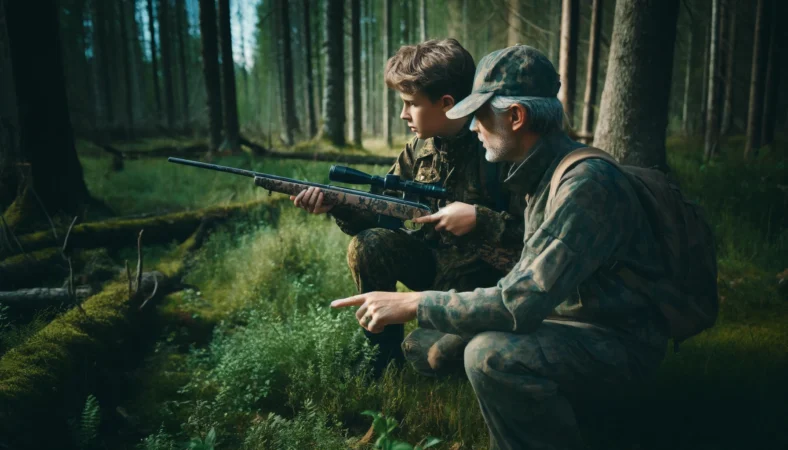
A first hunting experience should start with safety, legal preparation, and realistic expectations. Before the hunt, complete hunter education where required, confirm licenses and season rules, practice with your equipment, plan your route, and hunt with an experienced mentor if possible.

This guide is for new hunters preparing for a first legal hunt. It is support content, not a product roundup, and it is not a substitute for hunter education, state regulations, landowner permission, or hands-on instruction.

Table of contents

First Hunting Experience: Quick Answer

For a first hunting experience, focus on legal compliance, firearm or bow safety, weather, navigation, shot discipline, and recovery planning. Success is not only harvesting game. A safe hunt, a legal hunt, and a clear lesson learned are already good outcomes.

Start with the rules

Check your state wildlife agency for license, tag, season, weapon, land-access, orange clothing, and reporting rules. Do not rely on old advice or another hunter’s memory.

Keep the first hunt simple

Choose a legal species, familiar land, reasonable weather, and a short plan. A simple sit with a mentor is often better than trying to do everything at once.

Plan to pass shots

A new hunter should be ready to pass on poor angles, long distance, unclear targets, unsafe backstops, and rushed opportunities. Passing is part of ethical hunting.

Every first hunt starts with legal details. Regulations vary by state, species, weapon, age, public land, and season.

License and tags

Confirm the exact license, tag, stamp, permit, or harvest authorization you need. Some hunts require species-specific tags or zone-specific permissions.

Season and weapon rules

Archery, crossbow, muzzleloader, shotgun, rifle, and youth seasons can have different dates and equipment limits. Read the current regulation digest before the hunt.

Land access

Public land may have special rules. Private land requires permission. The U.S. Fish and Wildlife Service’s hunting information is a useful federal starting point, but state and property rules still control your hunt.

Hunter Education

Hunter education builds the safety base a beginner needs before carrying a weapon in the field.

Learn the safety rules

Review firearm or bow safety before the hunt. The NSSF firearm safety rules are a clear starting point for muzzle control, target identification, and safe handling.

Know your target and beyond

Never shoot at sound, movement, color, or a partial shape. Identify the animal, confirm it is legal, and confirm what is beyond it.

Understand local ethics

Ethical hunting means staying within your skill, following rules, recovering game responsibly, and respecting other land users.

Mentor and Plan

A mentor can help a first hunter avoid rushed decisions. Choose someone calm, legal-minded, and patient.

Set expectations

Talk before the hunt about what species is legal, which shots are acceptable, when you will leave, and what to do if the weather changes.

Share the route

Tell someone where you are going, where you will park, and when you expect to return. Carry a charged phone, map, compass, or GPS as appropriate.

Use a short first hunt

A first hunt does not need to be all day. Shorter hunts can reduce fatigue, poor decisions, and unsafe handling.

Agree on stop rules

Before leaving, decide what will end the hunt: unsafe weather, poor visibility, a tired hunter, unclear property lines, or equipment trouble. Stop rules make it easier to leave before a small issue becomes a serious one.

Gear Without Overbuying

New hunters often buy too much gear before learning what they actually need. Start with safety and legal essentials.

Core items

Depending on the hunt, core items may include legal weapon, ammunition or arrows, required orange, license, tags, knife, water, food, light, first aid, weather layers, and navigation.

Fit and comfort

Boots, pack weight, and clothing matter because discomfort can lead to shortcuts. Test gear before the hunt.

Skip unnecessary gadgets

Trail cameras, rangefinders, apps, blinds, calls, and scent products can help later, but they should not distract from safety, scouting, and legal basics.

Pack for the walk out

Many beginners plan for the sit and forget the walk back. Keep a headlamp, spare batteries, warm layer, water, and a simple way to mark your route.

Practice Before the Hunt

Practice should match the hunt. A benchrest group alone does not prove you are ready for field conditions.

Practice realistic positions

Practice from safe, legal positions similar to the hunt: seated, kneeling, standing, from a rest, from a blind window, or from an elevated setup if you will use one.

Know your limit

Set a maximum distance based on repeatable practice, not a best-case shot. Stay inside that limit during the hunt.

Practice loading and unloading

Know how to load, unload, clear, and make your equipment safe before entering the field. Ask a qualified instructor if any step is uncertain.

Practice the no-shot decision

During range or dry practice, call out situations where you would not shoot: animal partly hidden, unsafe backstop, wrong species, too far, hunter movement nearby, or shaky rest. Practicing no-shot decisions makes it easier to stay calm when adrenaline rises.

First Day in the Field

The first day should be slow and deliberate. Arrive early, move quietly, and keep the plan simple.

Check weather and visibility

Use current forecasts and alerts before leaving. The National Weather Service weather safety guidance is useful when wind, lightning, cold, or flooding may affect a hunt.

Control movement

Move with muzzle or broadhead safety in mind. Do not climb fences, cross ditches, or enter stands with a loaded firearm in hand.

Stay patient

Most hunts involve waiting, watching, and learning. Use the time to study wind, sign, access, and animal behavior.

If You Take a Shot

A first harvest adds responsibility. Slow down and follow your mentor, local rules, and safety plan.

Mark the location

Note where the animal stood, the direction it traveled, and the last place you saw it. Avoid rushing into the recovery.

Follow recovery rules

Some states have rules for tagging, reporting, tracking, property boundaries, nighttime recovery, and transport. Confirm those before the hunt.

Learn field dressing safely

Use a sharp knife carefully, wear gloves if appropriate, and ask an experienced hunter for help. Food safety matters from the first cut onward.

Handle the end of the day

Unload or unstring equipment according to the manual and local rules, confirm tags and reporting if there was a harvest, and check that no gear, trash, or personal items are left behind.

Common Beginner Mistakes

Most first-hunt problems come from rushing or trying to do too much.

Skipping the regulation check

Rules change. Check the current season, tag, weapon, and land rules before every hunt.

Overpacking

A heavy pack can make a short hunt harder than needed. Carry essentials and leave nonessential gear at home.

Forcing the shot

If the target, backstop, angle, distance, or legal status is unclear, do not shoot. A safe pass is a successful decision.

Skipping the review

After the hunt, write down what went well, what felt unsafe, what gear stayed unused, and what you need to practice next. A simple written review, done honestly, turns the first hunt into a better second hunt.

For a broader beginner checklist, read our first-time hunting guide. For safety habits, review hunting safety tips. For range behavior, see shooting range safety rules.

FAQ

What should a beginner do before a first hunt?

Complete required hunter education, check current regulations, practice with the equipment, plan the route, and hunt with a responsible mentor if possible.

Does a first hunt need to end with a harvest?

No. A safe, legal hunt where you learn the land and make good decisions is a good first experience.

What gear should a first hunter buy first?

Start with legal requirements, safety gear, weather-appropriate clothing, water, navigation, first aid, and equipment you have practiced with. Avoid buying gadgets before the basics are covered.

How can a beginner hunt ethically?

Stay within your skill limit, identify the target clearly, know what is beyond it, follow regulations, avoid risky shots, and recover game responsibly.

Should a beginner hunt alone?

It is usually better to hunt with an experienced, safety-minded mentor at first. If you hunt alone where legal, share your plan and keep the hunt simple.

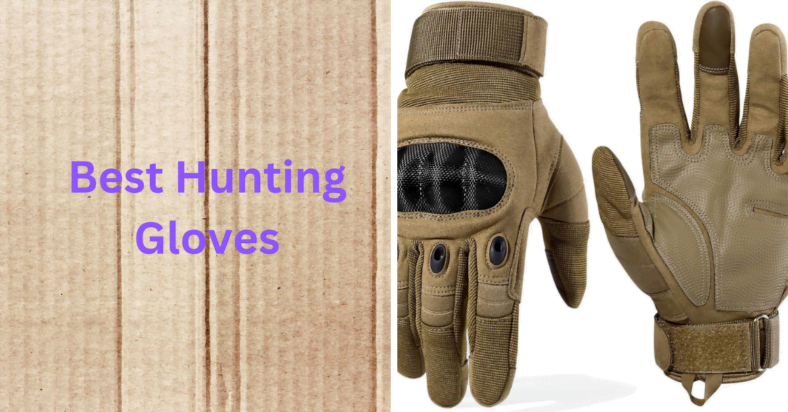
Choosing the Best Hunting Gloves: A Complete Buyer’s Guide

Whether you’re perched in a tree stand in the brisk fall air or stalking game in the early spring, the right hunting gloves can make a significant difference. Not only do they protect your hands from harsh conditions, but they also enhance your grip and improve the overall hunting experience.

In this guide, we’ll explore the essential aspects of hunting gloves, from types and features to the best products on the market.

Importance of Hunting Gloves

Protection Against Elements

Hunting often exposes you to a variety of environmental factors, including extreme cold, rain, and rough terrain. Gloves shield your hands from injuries like scratches and provide a barrier against the cold, keeping you in the field longer.

Enhanced Performance

The right pair of gloves can significantly improve your handling of hunting gear. A good grip is crucial when handling firearms or bows, and gloves can prevent slippage, enhancing both safety and accuracy.

Comfort and Endurance

Long hours in the outdoors require comfort and endurance, which are greatly enhanced by wearing the right gloves. They help prevent blisters and reduce fatigue, allowing you to concentrate on the hunt rather than discomfort.

Types of Hunting Gloves

Insulated Gloves

These are a must-have for cold weather hunts, designed with materials that trap heat effectively while remaining breathable. Brands like Under Armour and Sitka offer models that balance insulation with dexterity.

Lightweight Gloves

Ideal for warmer conditions, these gloves are less about warmth and more about protection and grip. They’re typically made from thinner materials that maintain sensitivity and dexterity.

Specialized Gloves

Specific types of hunting call for specialized gloves. For example, camouflage gloves are essential for remaining undetected in the wilderness, while water-resistant gloves are indispensable for duck hunting.

Key Features to Consider When Buying Hunting Gloves

Material and Build

The durability and flexibility of hunting gloves depend greatly on their materials. Leather gloves are renowned for their durability, while synthetic gloves offer excellent flexibility and are generally quicker to dry.

Weather Suitability

Choosing the right gloves for the weather conditions you’ll face is crucial. Look for waterproof features for wet climates and breathable fabrics to prevent excessive sweating.

Fit and Comfort

Gloves should fit snugly without restricting movement. Many models come with adjustable cuffs or elastic materials that enhance fit and ensure comfort.

How to Choose the Right Hunting Gloves

Choosing the right hunting gloves is crucial for any hunter, as they not only protect your hands but also enhance your performance in the field.

Whether you’re facing cold weather, navigating rugged terrain, or needing better grip on your equipment, the right gloves can make a significant difference. Here’s a detailed guide on how to select the best hunting gloves that meet your specific needs.

Consider the Hunting Environment

Start by assessing the typical conditions you hunt in. Your environment will dictate the type of gloves you need:

  • Cold Weather: Look for insulated gloves that provide warmth without sacrificing dexterity. Materials like Thinsulate or Primaloft are excellent for insulation.
  • Wet Conditions: Waterproof or water-resistant gloves are essential if you hunt in rainy areas or wetlands. Gloves with a Gore-Tex layer can be particularly effective.
  • Warm Climates: In warmer conditions, choose lightweight and breathable gloves. These should offer protection and better weapon control without causing overheating.

Determine the Glove Type

There are several types of hunting gloves to consider, each serving different purposes:

  • Full-Finger Gloves: Offer complete protection and warmth. Best for cold weather hunting.
  • Fingerless Gloves: Provide better finger dexterity, suitable for intricate tasks like setting up equipment.
  • Mittens: Excellent for extreme cold. Some models convert to fingerless gloves for flexibility.
  • Camouflage Gloves: Essential for staying undetected in environments where concealment is crucial.

Assess Key Features

When selecting hunting gloves, pay attention to several important features:

  • Material: Durability and functionality depend on the material. Leather is tough and offers excellent protection, while synthetic materials might offer better waterproofing and breathability.
  • Fit and Mobility: Gloves should fit snugly but not restrict movement. Your fingers should move freely for shooting and handling gear.
  • Sensitivity: If you need to operate triggers or touch screens, look for gloves that offer tactile sensitivity.
  • Grip: Enhanced grip features help handle weapons safely, especially in wet conditions.

Top hunting sport gloves for 2024

Here are the top five hunting gloves for 2024, each excelling in specific conditions and uses:

1.The WTACTFUL Tactical Gloves

Key Features:

  • Microfiber Material: The gloves are constructed from durable microfiber, which provides a wear-resistant, lightweight, and fast-drying fabric. This material choice enhances the glove’s longevity and comfort during active use.
  • Touchscreen Compatibility: Equipped with specialized fingertips on the thumb and middle finger, these gloves allow users to operate touchscreen devices sensitively without needing to remove the gloves, making them convenient for modern technological needs.
  • Reinforced Protection: The palm area is reinforced, and the gloves include double stitching, features that offer robust protection against abrasion and ensure the gloves can withstand heavy-duty usage.

Pros

  • Protection
  • Comfort
  • Touchscreen Compatible

Cons

  • Size Limitation

2. KEMIMOTO Tactical Gloves for Men

Key Features:

  • Impact Resistant Material: The gloves are reinforced with durable microfiber, providing a strong protective barrier against abrasions and sharp objects, ideal for rough and tactical use.
  • Three-Finger Touchscreen Functionality: Equipped with touchscreen-capable material on the thumb, index, and middle fingers, allowing users to handle touchscreen devices without removing the gloves.
  • Enhanced Grip and Durability: Features double-stitched seams for longevity and reinforced double-layer synthetic leather palms with anti-slip mesh, offering improved grip and additional palm protection.

Pros

  • Impact Resistance
  • Touchscreen Compatibility

Cons

  • Limited Color and Style Options

3. EAmber Camouflage Hunting Gloves

Key Features:

  • Material: Constructed from soft polyester and thin fleece, these gloves offer a comfortable fit while ensuring hand warmth and flexibility.
  • Design: Features a fingerless design for the thumb and index finger, enhancing dexterity and ease of movement for precise tasks without needing to remove the gloves.
  • Anti-Slip: The palms and fingers are equipped with mesh anti-slip silicone, providing a firmer grip and making it easier to hold equipment securely.

Pros

  • Comfortable and Breathable
  • Enhanced Flexibility

Cons

  • Limited Cold Protection

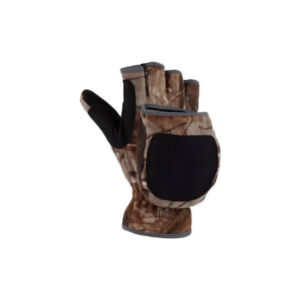
4. Carhartt Men’s Hunt Fleece Camo Flip Mitten

Key Features:

  • Material: The mittens feature a Mossy Oak camo fleece shell with a synthetic palm and polyester lining, combining durability with comfort.
  • Design: Innovative flip mitt construction allows for the conversion between mitten and fingerless gloves, offering flexibility in how they are worn.
  • Grip and Durability: The palm and thumb areas are reinforced with synthetic material, enhancing grip and increasing durability.

Pros

  • Versatility
  • Comfort and Fit

Cons

  • Limited Dexterity When Covered
  • Thermal Insulation

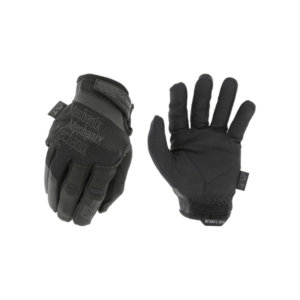
5. Mechanix Wear Tactical Specialty Gloves

Key Features:

  • Material: Constructed with 0.5mm AX-Suede, offering a balance between durability and dexterity.
  • Design: Anatomically designed for a precision fit that conforms to the natural curvature of the hand, enhancing comfort and control.
  • Breathability: Features TrekDry material on the back of the hand for evaporative cooling, keeping hands cool and comfortable during extended use.

Pros

  • Machine Washable
  • Secure Fit

Cons

  • Durability Concerns

Conclusion

Selecting the right hunting gloves is essential for any serious hunter. They not only enhance your comfort and protection but also improve your performance. Consider your needs carefully and invest in gloves that will enhance your hunting experience.
Best Hunting Boots for Women in 2025

Selecting the right hunting boots is crucial, especially for women who brave the rugged outdoors. Not only must these boots be durable and capable of confronting various weather conditions and terrains, but they also need to provide the comfort and fit tailored to women’s specific physiological needs.

This guide explores key features, reviews top models, and offers essential tips to help you find the perfect pair of women’s hunting boots for your next adventure.

Why Choosing the Right Hunting Boots Matters

Comfort on the Trail

The correct pair of hunting boots is your best ally against the rugged terrain. Well-designed boots help prevent foot fatigue and blisters, ensuring that long hours on the trail don’t take a toll on your feet. A good fit means better support, reducing the risk of ankle injuries and other foot-related ailments.

Weather and Environmental Adaptability

Whether you’re traversing wet marshlands or dry, rocky mountains, the right boots will handle it all. High-quality hunting boots are designed to provide protection against harsh elements, ensuring that your feet stay dry and comfortable regardless of the weather conditions.

Enhanced Performance and Safety

A sturdy pair of boots enhances your stability and grip on slippery or uneven surfaces, crucial for maintaining balance and precision during a hunt. The right boots not only improve your mobility but also contribute significantly to your safety outdoors.

Key Features to Look for in Women’s Hunting Boots

Material and Build Quality

The best hunting boots are typically made from high-quality materials such as full-grain leather, nylon, and advanced synthetic fabrics. These materials offer a great balance of durability, water resistance, and breathability, making them ideal for hunting footwear.

Waterproofing

Waterproof boots are essential, especially in environments where you might encounter dew, rain, or crossing water bodies. Look for boots with a reliable waterproof barrier like Gore-Tex, which provides excellent protection while allowing your feet to breathe.

Insulation

If you’re planning to hunt in colder climates, insulation is key. Insulated boots will help retain heat and keep your feet warm in freezing temperatures, enhancing comfort and focus.

Fit and Comfort

Women’s hunting boots should offer a snug fit that doesn’t compromise on space for movement. Look for boots with adjustable features, such as lacing systems that enhance fit and support. Padded insoles and cushioned footbeds can also contribute greatly to the overall comfort of the boot.

Top Women’s Hunting Boots for 2024

1.Manfen Women’s Hiking Boots

Manfen’s Thermator Women’s Hiking Boots are designed specifically for female outdoor enthusiasts who need lightweight, durable, and stylish footwear. Here’s a comprehensive breakdown of the key features, pros, and cons of this product.

Key Features of Manfen Women’s Hiking Boots

  • Material & Build: The boots are crafted with a rubber sole and feature a variety of color options including Black, Gray, Camouflage, and Gray/Sky Blue.
  • Insulation: Equipped with 200 Grams Thinsulate Insulation, these boots are rated for temperatures as low as -13°F, making them suitable for cold weather conditions.
  • Waterproof Technology: The boots incorporate X-DRY Membrane and a waterproof mesh upper paired with a moisture-wicking mesh lining, ensuring that your feet remain dry and warm.

Pros

  • Enhanced Comfort
  • High Traction Grip
  • Effective Waterproofing

Cons

  • Size Issues
  • Warmth Overload

The Manfen Women’s Hiking Boots, model Thermator, provide an excellent option for women seeking reliable, protective, and comfortable footwear for various outdoor adventures. The boots are particularly suited for cold and wet conditions.

However, potential buyers should be aware of sizing issues and consider their specific climate needs when selecting these boots. Overall, these boots are a solid investment for serious hikers and outdoor enthusiasts looking for high-performance footwear tailored to women’s needs.

2.XPETI Women’s Thermator Mid High-Top Waterproof Outdoor Hiking Boot

The XPETI Women’s Thermator Mid High-Top Waterproof Outdoor Hiking Boot is crafted for women who engage in a variety of outdoor activities.

This boot combines durable construction with advanced technology to ensure comfort, protection, and traction in diverse environments. Below, we delve into the key features, pros, and cons of this hiking boot.

Key Features of XPETI Women’s Thermator Hiking Boot

  • Material & Build: The sole is made from a combination of Ethylene Vinyl Acetate (EVA) and rubber, while the outer material is rubber, designed to withstand rough terrains.
  • Waterproof & Insulation: Features Hydroshield Membrane waterproof technology along with a waterproof mesh upper, making these boots highly resistant to water ingress. They also include 200 grams of Thinsulate insulation for cold weather, rated for temperatures as low as -13°F.
  • Durable Construction: Includes a molded TPU heel stabilizer that enhances the boot’s stability and longevity, providing a supportive fit for rigorous outdoor activities.

Pros

  • Robust Waterproofing
  • Cold Weather Suitability

Cons

  • Sizing Issues

The XPETI Women’s Thermator Mid High-Top Waterproof Outdoor Hiking Boot offers a robust set of features that cater to serious hikers looking for a durable, protective, and comfortable boot.

Suitable for a range of activities and weather conditions, these boots are particularly advantageous for adventurers who encounter cold and wet environments. However, buyers should be mindful of sizing and the potential for overheating in milder conditions to ensure the best fit and comfort.

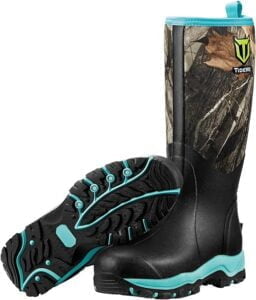
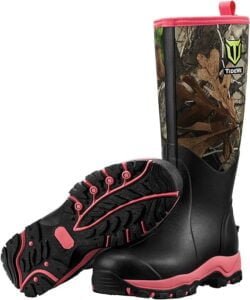
3.TIDEWE Waterproof Sturdy Women’s Hunting Boot

The TIDEWE Hunting Boot for Women combines functionality and innovative features designed specifically for the outdoor enthusiast. Engineered for performance in tough environments, this boot provides comfort, durability, and protection.

Let’s delve into the key features, along with the pros and cons, to better understand how these boots might perform in the field.

Key Features of TIDEWE Hunting Boot for Women

  • Material & Construction: Utilizes 6mm Neoprene uppers, which provide exceptional toughness, shock absorption, and heat retention, ensuring 100% waterproof capabilities.
  • Flexibility & Temperature Regulation: Features flexible Neoprene with a breathable mesh, allowing for better air circulation inside the boot. The design also permits the boot to be rolled down to cool the feet or dry more quickly.
  • Anti-Slip & Protection: The boot is equipped with a self-cleaning ribbed outsole that wraps around the perimeter, providing maximum stability and effective performance in mud and snow. The protective rubber exterior also resists punctures while offering flexibility.

Pros

  • Enhanced Waterproof and Warmth
  • Stable and Secure Traction

Cons

  • Limited Breathability
  • Stiffness

The TIDEWE Hunting Boot for Women is specifically designed to meet the demands of female hunters seeking a reliable, warm, and waterproof boot for various outdoor activities.

The innovative features such as the roll-down flexibility, lightweight design, and exceptional traction make it a strong contender in its category. However, prospective buyers should consider the potential for limited breathability and the need for a break-in period.

Overall, these boots are a solid choice for those who need sturdy, all-weather boots for hunting and other outdoor adventures.

4.TIDEWE Hunting Boot for Women

The TIDEWE Hunting Boot for Women is designed to offer comfort, flexibility, and protection for hunters and outdoor enthusiasts. Below, I detail the key features, advantages, and potential drawbacks of this product to help you make an informed purchasing decision.

Key Features of TIDEWE Hunting Boot for Women

  • Waterproof & Warm: Constructed with 6mm Neoprene uppers, these boots ensure complete waterproofing, excellent shock absorption, and superior heat retention properties, making them suitable for cold weather conditions ranging from -4°F/-20°C to 50°F/ 10°C.
  • Comfort & Flexibility: The boots feature flexible Neoprene integrated with a breathable mesh for enhanced air circulation and temperature regulation within the boot. This design allows the wearer to roll down the boot to cool off or dry faster, adapting to changing environmental temperatures.
  • Strong Yet Lightweight: These boots leverage a durable and insulating polyurethane design rather than a traditional heavy rubber shell, offering a lightweight alternative that does not compromise on strength or insulation.

Pros

  • Versatile Weather Protection
  • Enhanced User Comfort

Cons

  • Limited Breathability in Warmer Conditions

The TIDEWE Hunting Boot for Women is an excellent choice for outdoor enthusiasts looking for a durable, versatile, and cost-effective solution for their footwear needs.

It offers comprehensive protection from the elements, comfort for long wears, and a set of features that enhance its usability in diverse terrains and conditions.

While considering these boots, potential buyers should be mindful of sizing and the specific climate they plan to use them in to ensure they meet their personal needs and preferences.

5.TIDEWE Rubber Boots for Women

TIDEWE Rubber Boots for Women are designed for versatile outdoor use, from rainy seasons to muddy terrains, ensuring durability and comfort. Here’s an in-depth look at their features, advantages, and potential disadvantages.

Key Features of TIDEWE Rubber Boots for Women

  • Waterproof & Anti-Slip: The boots are crafted with 6mm neoprene uppers and natural rubber, creating a robust 100% waterproof design. A deep tread in the rubber soles offers excellent non-slip traction, suitable for diverse and rough terrains.
  • Comfort & Flexibility: The neoprene uppers are not only durable but also flexible, allowing the boot to flex with the foot’s movements. Combined with a breathable mesh, these boots promote superior air circulation and temperature regulation.
  • Multi-Use Functionality: These boots are ideal for a variety of conditions, including flooded areas, snow, and mud. They are versatile for activities such as working, hunting, fishing, camping, or playing in the rain. They are comfort rated for temperatures ranging from -4°F to 68°F (-20°C to 20°C).

Pros

  • Versatile Weather Protection
  • Enhanced Safety Features

Cons

  • Potential for Overheating

TIDEWE Rubber Boots for Women are a solid choice for those needing reliable, multi-season outdoor footwear. They offer excellent protection, versatility, and comfort for a variety of outdoor settings and weather conditions.

While they excel in functionality, potential buyers should consider the fit and seasonal appropriateness of the boots to fully benefit from their features. These boots blend practicality with style, making them a great addition to an outdoor enthusiast’s wardrobe.

Conclusion

Choosing the best hunting boots for women involves balancing functionality, comfort, and durability. By considering the specific features and recommendations outlined, you’re well on your way to finding a pair that will enhance your hunting experience, keeping you safe and comfortable in any environment.

Ultimate Guide to the Best Wind Meters for Shooting

Accuracy in shooting isn’t just about skill and precision instruments; it’s also heavily influenced by natural elements, particularly the wind. Understanding and adapting to wind conditions can significantly enhance your shooting accuracy.

This guide will explore the best wind meters for shooting, crucial tools for any marksman aiming to improve their performance. Here, we’ll delve into what makes a great wind meter and review some of the top models on the market in 2024.

What is a Wind Meter and Why is it Essential for Shooting?

A wind meter, also known as an anemometer, is a device that measures wind speed and direction. For shooters, wind is a critical factor as it affects the bullet’s trajectory over long distances.

A reliable wind meter provides essential data that can help shooters make accurate adjustments to their aim, ensuring that wind conditions don’t hinder their shot’s precision.

Top Features to Look for in a Wind Meter for Shooting

Accuracy and Sensitivity

The primary attribute of a wind meter is its accuracy. Precision in wind measurement is vital because even the slightest breeze can alter a bullet’s path. Look for a meter that offers high sensitivity to detect minimal wind speeds and provides readings in real-time.
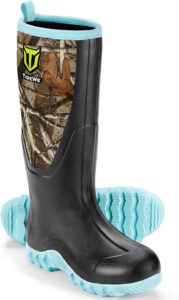
Durability and Build

Since shooting often occurs outdoors, the wind meter must withstand various environmental conditions. A durable, weather-resistant design ensures longevity and consistent performance, regardless of weather conditions.
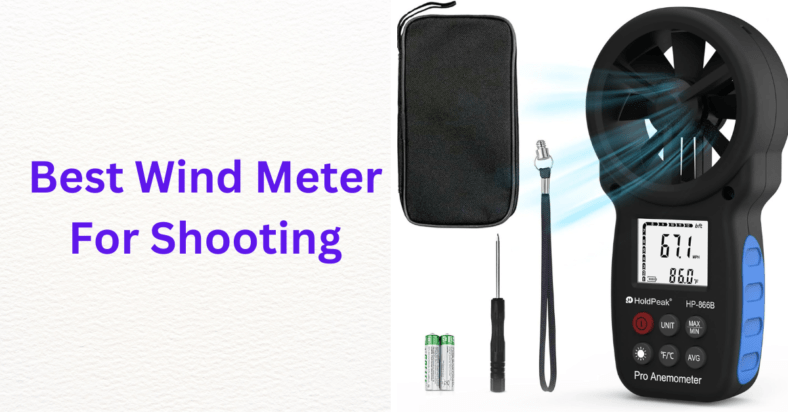
Portability

A compact and lightweight wind meter is advantageous for shooters who travel or need to carry multiple pieces of equipment. Portability ensures that the device can be easily transported and set up quickly when needed.

Ease of Use

The best wind meters have user-friendly interfaces that allow shooters to obtain and interpret data without complications. Quick setup and clear displays are essential for effective use in the field.

Connectivity Options

Modern wind meters often feature connectivity options such as Bluetooth, enabling data transfer to other devices like smartphones or ballistic calculators, enhancing the shooting experience and accuracy.

Review of the Top 5 Wind Meters for Shooting in 2024

1. HoldPeak 866B Digital Anemometer Review

The HoldPeak 866B Digital Anemometer is a versatile tool designed for those who need accurate weather readings in a portable format. This device stands out for its precision in measuring wind speed, temperature, and wind chill.

Equipped with sensitive dual temperature sensors, an 8-vane system, and a smooth fan shaft, it promises a wind speed measurement range of 0.67 to 67.1 mph with an accuracy of +/- 2% of readings, making it a reliable companion for various outdoor activities.

Pros

  • Highly Accurate Measurements
  • Multifunctional Capabilities
  • User-Friendly Design

Cons

  • Accuracy Limitations at Very Low Speeds

The HoldPeak 866B Digital Anemometer is an excellent tool for anyone engaged in outdoor activities or needing precise weather measurements. Its design caters to both amateurs and professionals, making it a valuable investment for various environmental assessments.

However, potential users should be aware of its complexity and battery reliance, which could impact its convenience and usage duration.

2. TopTes TS-301 Digital Anemometer Review

The TopTes TS-301 Digital Anemometer is a compact and versatile tool designed for both outdoor enthusiasts and professionals needing to measure wind velocity, humidity, and temperature. Launched in mid-2022, this device has quickly become a reliable instrument for a range of activities from sailing to HVAC assessments.

Pros

  • Clear Display
  • Versatile Measurement Units
  • Energy Efficient

Cons

  • Sensor Adjustment Time Long

The TopTes TS-301 Digital Anemometer is a commendable tool for measuring wind speed, humidity, and temperature across a variety of settings. Its design and functionality cater well to both hobbyists and professionals.

However, prospective users should be aware of its sensor adjustment requirements and the slight compromises in humidity accuracy. Overall, its benefits, like the clear LCD screen and energy-saving features, provide substantial value, reinforced by a 3-year warranty and lifetime technical support.

3. BTMETER BT-100 Handheld Anemometer Review

The BTMETER BT-100 is a robust and versatile handheld anemometer designed for a variety of outdoor and industrial applications, from HVAC monitoring to recreational use like drone flying and shooting.

This digital wind speed gauge offers a combination of precision, ease of use, and portability, making it a suitable choice for professionals and hobbyists alike.

Pros

  • User-Friendly Features

Cons

  • Compact and Lightweight

The BTMETER BT-100 stands out for its accuracy, ease of use, and adaptability to a range of environmental measurements. It’s well-suited for anyone needing reliable wind measurements in field conditions.

However, potential users should consider the environmental limitations and the physical durability of the device based on their specific needs.

This anemometer offers excellent value for its price, making it a practical choice for both amateur and professional purposes.

4. AOPUTTRIVER AP-816B Handheld Anemometer Review

The AOPUTTRIVER AP-816B is a compact handheld anemometer that caters to a variety of applications, from recreational outdoor activities such as sailing and mountain climbing to more technical uses like HVAC system testing.

Its small size and high precision make it an appealing choice for those needing a portable device to measure wind speed and temperature accurately.

Pros

  • High Precision Measurements
  • Versatile Measurement Modes
  • User-Friendly Features

Cons

  • Limited Temperature Range

The AOPUTTRIVER AP-816B offers a blend of accuracy, portability, and user-friendly features, making it suitable for both leisurely and technical applications.

It provides valuable data for various outdoor and industrial scenarios, though potential buyers should consider the environmental and physical limitations of the device based on their specific needs.

5. Review of the AOPUTTRIVER AP-816B High Precision Mini Anemometer

The AOPUTTRIVER AP-816B is a highly functional and portable anemometer designed to provide precise measurements of wind speed, temperature, and wind chill.

Tailored for both outdoor enthusiasts and professionals, it offers a range of features that enhance its utility for activities such as windsurfing, sailing, fishing, and even technical applications like HVAC assessments.

Pros

  • High Precision Measurement
  • Compact and Portable Design

Cons

  • Constructed primarily of plastic

The AOPUTTRIVER AP-816B anemometer is a valuable tool for anyone needing accurate and real-time data on wind conditions. It suits a variety of applications, from recreational activities to professional settings, offering precision and ease of use in a compact package.

However, users should consider the potential limitations related to material durability and environmental adaptability based on their specific needs.

How to Use a Wind Meter Effectively While Shooting

To maximize the effectiveness of a wind meter, start by placing it in a location that accurately represents the wind conditions affecting your shooting line.

Always calibrate the device according to the manufacturer’s instructions before use. Interpret the data focusing on both wind speed and direction, and adjust your aim based on these measurements to counteract wind effects accurately.

The Impact of Wind Meters on Shooting Sports

Wind meters have become indispensable in many shooting sports, particularly those involving long-range targets. Professional shooters rely heavily on these devices to provide real-time, accurate environmental data, greatly enhancing their performance in competitions.

Conclusion

Choosing the right wind meter is essential for anyone serious about improving their shooting accuracy. By considering features like accuracy, durability, and ease of use, you can select a device that not only fits your needs but also enhances your shooting skills.

Whether you’re a competitive shooter or a recreational enthusiast, the right wind meter can make a significant difference in your performance.

Ultimate Guide to the Best Muck Boots for Hunting

When you’re out hunting, the last thing you want to worry about is your feet. That’s where muck boots come in. Ideal for navigating wet, muddy terrains, muck boots provide the comfort and protection essential for a successful hunt.

In this guide, we will explore various options, key features, and tips for selecting the best muck boots tailored to your hunting needs.

What Are Muck Boots?

Muck boots are a type of waterproof boot designed specifically for rough, wet conditions. Unlike standard boots, they are made from a combination of rubber, neoprene, and other materials that provide exceptional water resistance and insulation.

Originally developed for agricultural use, muck boots have gained popularity among hunters for their durability and comfort in harsh environments.

Why Use Muck Boots for Hunting?

Protection and Comfort: Muck boots are essential for keeping your feet dry and comfortable throughout the day. Their unique design protects against water, mud, and even snow, making them ideal for use in diverse hunting environments.

Versatility: Whether you’re in a marshy swamp or a dense forest, muck boots offer the traction and stability needed to move confidently across different terrains.

Key Features to Consider When Choosing Muck Boots

Waterproofing

The primary reason to choose muck boots is their waterproof capabilities. Look for boots that feature a seamless design and are made from high-grade rubber to ensure maximum protection against water.

Insulation

Depending on when and where you hunt, the insulation level of your boots can be critical. Boots with neoprene layers can provide warmth in cold conditions without adding excessive weight.

Comfort and Fit

An often overlooked aspect of choosing hunting boots is the fit. Muck boots that fit well will not only be more comfortable but will also prevent blisters and foot fatigue during long hunts.

Durability and Material

High-quality muck boots are made from durable materials that can withstand punctures and tears. Investing in a robust pair means they will serve you well for many hunting seasons.

Traction and Stability

The outsole of muck boots should have deep treads for stability on slippery surfaces. This is crucial for maintaining balance and safety while navigating challenging terrains.

Top 5 Best Muck Boots for Hunting in 2024

1.Muck Wetland Rubber Premium Men’s Field Boots

The Muck Wetland Rubber Premium Men’s Field Boots are designed for the ultimate outdoor enthusiast. Crafted from durable rubber and meticulously designed to offer unbeatable waterproof protection, these knee-high boots are perfect for navigating through wet, windy, and muddy conditions.

With all seams cemented, stitched, and sealed with rubber tape, these boots ensure your feet stay dry no matter the weather. The robust rubber cupsole offers exceptional durability and traction, making these boots a reliable choice for any outdoor adventure.

Pros

  • Superior Waterproofing
  • Excellent Traction

Cons

  • Boots might feel heavy

These boots are an excellent choice for those who need reliable, heavy-duty footwear for challenging outdoor conditions. They combine practical features with high-grade materials to keep you protected and comfortable in the great outdoors.

2.Muck Boot Men’s Fieldblazer Classic Industrial Boot

The Muck Boot Men’s Fieldblazer Classic Industrial Boot is crafted for the modern outdoorsman who values performance and durability. Combining a mid-calf design with a man-made sole and versatile outer materials, these boots are designed with functionality and user comfort in mind.

They are tested to perform excellently in real-world environments, ensuring they meet the demands of various outdoor activities. The user-friendly style and design make them a practical choice for those who need reliable footwear in industrial or rugged settings.

Pros

  • Optimized for Performance
  • Quality Assurance
  • Lightweight

Cons

  • Limited Insulation

Ideal for those who require dependable boots that offer protection and performance in industrial settings or rugged landscapes, the Muck Boot Men’s Fieldblazer Classic Industrial Boot blends innovation with practical design to suit a variety of outdoor needs.

3.Muck Boot Woody Max Rubber Insulated Men’s Hunting Boot

The Muck Boot Woody Max Rubber Insulated Men’s Hunting Boot is engineered to provide top-notch performance in harsh outdoor conditions.

Made in the USA or imported, these boots feature a 5mm CR Flex-Foam neoprene liner that ensures 100% waterproof protection while offering superior comfort, flexibility, and heat retention.

The boots are designed to adapt to the contours of your foot, preventing blisters and chafing. Additionally, a stretch-fit comfort topline binding helps seal in warmth and keeps out cold and debris, and a 2mm thermal foam under the footbed adds extra insulation for colder environments.

Pros

  • Excellent Insulation
  • Superior Waterproof and Warmth

Cons

  • Heavier than standard hunting boots

These boots are well-suited for hunters who face cold, wet conditions and need reliable, insulated footwear that offers both protection and comfort in the outdoors.

4.Muck Boot Men’s Excursion Pro Mid Snow Boot

The Muck Boot Men’s Excursion Pro Mid Snow Boot combines durability and comfort for versatile use in various climates. Made in the USA or imported, this boot is crafted entirely from rubber, providing excellent waterproofing and heat retention properties.

The 4 mm CR Flex-Foam adjusts to the shape of your foot, minimizing blisters and chafing. It features an XpressCool lining that wicks moisture away, keeping your feet cool and dry in warmer weather.

The boots are comfort rated from 40 °F to 95 °F (4 °C to 35 °C) and include an EVA midsole for lightweight support and cushioning, complemented by an etc® Sockliner that reduces friction and heat build-up.

Pros

  • Optimal Comfort and Flexibility
  • Effective Moisture Management

Cons

  • Durability Concerns

These boots are ideal for individuals who need reliable, moisture-wicking footwear capable of handling diverse weather conditions, particularly in transitional seasons or milder winter climates.

5.Muck Boot Men’s Arctic Pro Snow Boot

The Muck Boot Men’s Arctic Pro Snow Boot is engineered to tackle the most extreme winter conditions. Made in the USA or imported, these boots boast a robust design featuring a thick 8 mm neoprene fabric that contours to your foot for excellent heat retention and comfort.

They are equipped with 2 mm of thermal foam under the footbed for superior warmth, making them the warmest boots in the Muck lineup, with a comfort range of -60 °F/-50 °C to 30 °F/-1 °C. Fleece linings add extra insulation while the stretch-fit Comfort Topline keeps the cold out and the heat in.

The boots also feature lightweight EVA insoles for cushioning and Bob-Tracker outsoles for durable performance in icy conditions.

Pros

  • Exceptional Warmth
  • Enhanced Support and Comfort

Cons

  • Robust construction can feel bulky

The Muck Boot Men’s Arctic Pro Snow Boot is ideal for hunters, ice fishermen, and outdoor enthusiasts who require the utmost in warmth and protection during the coldest winter months.

How to Care for Your Muck Boots

To ensure your muck boots last many hunting seasons, follow these care tips:

  • Cleaning: Rinse boots with water after each use to remove dirt and debris.
  • Storage: Store in a cool, dry place away from direct sunlight.
  • Conditioning: Occasionally apply a rubber conditioner to maintain flexibility and prevent cracking.

Conclusion

Choosing the right pair of muck boots can significantly enhance your hunting experience. By considering the factors outlined above, you can select boots that offer the best combination of protection, comfort, and durability.

Exit mobile version