First Hunting Experience: 10 Safety Checks for New Hunters

A first hunting experience should start with safety, legal preparation, and realistic expectations. Before the hunt, complete hunter education where required, confirm licenses and season rules, practice with your equipment, plan your route, and hunt with an experienced mentor if possible.

This guide is for new hunters preparing for a first legal hunt. It is support content, not a product roundup, and it is not a substitute for hunter education, state regulations, landowner permission, or hands-on instruction.

Table of contents

First Hunting Experience: Quick Answer

For a first hunting experience, focus on legal compliance, firearm or bow safety, weather, navigation, shot discipline, and recovery planning. Success is not only harvesting game. A safe hunt, a legal hunt, and a clear lesson learned are already good outcomes.

Start with the rules

Check your state wildlife agency for license, tag, season, weapon, land-access, orange clothing, and reporting rules. Do not rely on old advice or another hunter’s memory.

Keep the first hunt simple

Choose a legal species, familiar land, reasonable weather, and a short plan. A simple sit with a mentor is often better than trying to do everything at once.

Plan to pass shots

A new hunter should be ready to pass on poor angles, long distance, unclear targets, unsafe backstops, and rushed opportunities. Passing is part of ethical hunting.

Every first hunt starts with legal details. Regulations vary by state, species, weapon, age, public land, and season.

License and tags

Confirm the exact license, tag, stamp, permit, or harvest authorization you need. Some hunts require species-specific tags or zone-specific permissions.

Season and weapon rules

Archery, crossbow, muzzleloader, shotgun, rifle, and youth seasons can have different dates and equipment limits. Read the current regulation digest before the hunt.

Land access

Public land may have special rules. Private land requires permission. The U.S. Fish and Wildlife Service’s hunting information is a useful federal starting point, but state and property rules still control your hunt.

Hunter Education

Hunter education builds the safety base a beginner needs before carrying a weapon in the field.

Learn the safety rules

Review firearm or bow safety before the hunt. The NSSF firearm safety rules are a clear starting point for muzzle control, target identification, and safe handling.

Know your target and beyond

Never shoot at sound, movement, color, or a partial shape. Identify the animal, confirm it is legal, and confirm what is beyond it.

Understand local ethics

Ethical hunting means staying within your skill, following rules, recovering game responsibly, and respecting other land users.

Mentor and Plan

A mentor can help a first hunter avoid rushed decisions. Choose someone calm, legal-minded, and patient.

Set expectations

Talk before the hunt about what species is legal, which shots are acceptable, when you will leave, and what to do if the weather changes.

Share the route

Tell someone where you are going, where you will park, and when you expect to return. Carry a charged phone, map, compass, or GPS as appropriate.

Use a short first hunt

A first hunt does not need to be all day. Shorter hunts can reduce fatigue, poor decisions, and unsafe handling.

Agree on stop rules

Before leaving, decide what will end the hunt: unsafe weather, poor visibility, a tired hunter, unclear property lines, or equipment trouble. Stop rules make it easier to leave before a small issue becomes a serious one.

Gear Without Overbuying

New hunters often buy too much gear before learning what they actually need. Start with safety and legal essentials.

Core items

Depending on the hunt, core items may include legal weapon, ammunition or arrows, required orange, license, tags, knife, water, food, light, first aid, weather layers, and navigation.

Fit and comfort

Boots, pack weight, and clothing matter because discomfort can lead to shortcuts. Test gear before the hunt.

Skip unnecessary gadgets

Trail cameras, rangefinders, apps, blinds, calls, and scent products can help later, but they should not distract from safety, scouting, and legal basics.

Pack for the walk out

Many beginners plan for the sit and forget the walk back. Keep a headlamp, spare batteries, warm layer, water, and a simple way to mark your route.

Practice Before the Hunt

Practice should match the hunt. A benchrest group alone does not prove you are ready for field conditions.

Practice realistic positions

Practice from safe, legal positions similar to the hunt: seated, kneeling, standing, from a rest, from a blind window, or from an elevated setup if you will use one.

Know your limit

Set a maximum distance based on repeatable practice, not a best-case shot. Stay inside that limit during the hunt.

Practice loading and unloading

Know how to load, unload, clear, and make your equipment safe before entering the field. Ask a qualified instructor if any step is uncertain.

Practice the no-shot decision

During range or dry practice, call out situations where you would not shoot: animal partly hidden, unsafe backstop, wrong species, too far, hunter movement nearby, or shaky rest. Practicing no-shot decisions makes it easier to stay calm when adrenaline rises.

First Day in the Field

The first day should be slow and deliberate. Arrive early, move quietly, and keep the plan simple.

Check weather and visibility

Use current forecasts and alerts before leaving. The National Weather Service weather safety guidance is useful when wind, lightning, cold, or flooding may affect a hunt.

Control movement

Move with muzzle or broadhead safety in mind. Do not climb fences, cross ditches, or enter stands with a loaded firearm in hand.

Stay patient

Most hunts involve waiting, watching, and learning. Use the time to study wind, sign, access, and animal behavior.

If You Take a Shot

A first harvest adds responsibility. Slow down and follow your mentor, local rules, and safety plan.

Mark the location

Note where the animal stood, the direction it traveled, and the last place you saw it. Avoid rushing into the recovery.

Follow recovery rules

Some states have rules for tagging, reporting, tracking, property boundaries, nighttime recovery, and transport. Confirm those before the hunt.

Learn field dressing safely

Use a sharp knife carefully, wear gloves if appropriate, and ask an experienced hunter for help. Food safety matters from the first cut onward.

Handle the end of the day

Unload or unstring equipment according to the manual and local rules, confirm tags and reporting if there was a harvest, and check that no gear, trash, or personal items are left behind.

Common Beginner Mistakes

Most first-hunt problems come from rushing or trying to do too much.

Skipping the regulation check

Rules change. Check the current season, tag, weapon, and land rules before every hunt.

Overpacking

A heavy pack can make a short hunt harder than needed. Carry essentials and leave nonessential gear at home.

Forcing the shot

If the target, backstop, angle, distance, or legal status is unclear, do not shoot. A safe pass is a successful decision.

Skipping the review

After the hunt, write down what went well, what felt unsafe, what gear stayed unused, and what you need to practice next. A simple written review, done honestly, turns the first hunt into a better second hunt.

For a broader beginner checklist, read our first-time hunting guide. For safety habits, review hunting safety tips. For range behavior, see shooting range safety rules.

FAQ

What should a beginner do before a first hunt?

Complete required hunter education, check current regulations, practice with the equipment, plan the route, and hunt with a responsible mentor if possible.

Does a first hunt need to end with a harvest?

No. A safe, legal hunt where you learn the land and make good decisions is a good first experience.

What gear should a first hunter buy first?

Start with legal requirements, safety gear, weather-appropriate clothing, water, navigation, first aid, and equipment you have practiced with. Avoid buying gadgets before the basics are covered.

How can a beginner hunt ethically?

Stay within your skill limit, identify the target clearly, know what is beyond it, follow regulations, avoid risky shots, and recover game responsibly.

Should a beginner hunt alone?

It is usually better to hunt with an experienced, safety-minded mentor at first. If you hunt alone where legal, share your plan and keep the hunt simple.
Outdoor Adventure Hunting: 10 Safety Checks Before a Field Trip

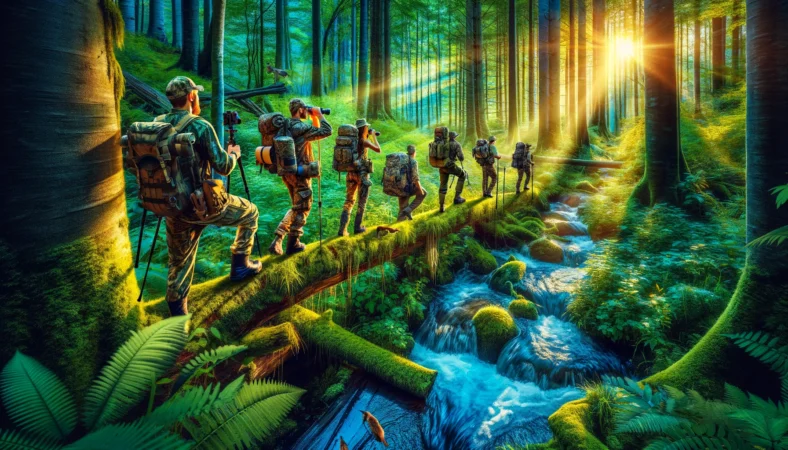
Outdoor adventure hunting is safest when the trip is planned before anyone leaves the driveway. Start with the legal season, land access, weather, route, communication plan, first-aid kit, and a clear rule for when the group turns around. A good hunt is not only about finding game; it is about getting everyone home with the land, other hunters, and wildlife respected.

This guide is for hunters planning a day hunt, scouting trip, shed walk, or mixed outdoor trip with family or friends. Use it as a field-planning checklist, then check your state wildlife rules and local land manager requirements before the trip.

Table of contents

Outdoor Adventure Hunting: Quick Trip Plan

Before the trip, write down where you are going, who is going, when you expect to return, and what you will do if weather, injury, road closures, or low light change the plan. Share that plan with someone who is not going on the trip.

Pick one clear purpose

A scouting walk, a youth learning trip, a deer hunt, and a long backcountry hike all need different pacing. Decide the main purpose first so the route, gear, and expectations match the people in the group.

Set a turn-around time

Many outdoor problems start when a group keeps pushing after daylight, energy, or weather has changed. Set a return time before the trip starts and treat it as part of the plan.

Match the trip to the least experienced person

If a new hunter or child is with you, plan around their pace, clothing, food, and attention span. A shorter safe trip teaches more than a long trip that becomes cold, rushed, or frustrating.

Rules, Access, and Permission

Legal access comes first. Check season dates, license requirements, weapon rules, blaze-orange requirements, tagging rules, public-land boundaries, and local closures before the trip.

Check state hunting regulations

State wildlife agencies set many of the rules hunters must follow. The U.S. Fish and Wildlife Service hunting page is a useful federal starting point, but your state agency and the specific property rules are the final reference for most hunts.

Confirm land access

Do not assume a gate, trail, field edge, or old family route is open. Confirm public boundaries or written private-land permission before entering. If the property uses check-in stations, permits, or parking rules, handle those before the morning of the hunt.

Know firearm and bow transport rules

Loaded-status rules can vary by state, vehicle, public land, and equipment type. Check the current rules for firearms, bows, crossbows, muzzleloaders, and ammunition before traveling.

Route, Weather, and Timing

Weather and daylight control the trip more than enthusiasm does. A route that looks simple in fair weather can become slow or unsafe with wind, snow, mud, heat, or high water.

Read the forecast before leaving

Use the National Weather Service forecast for the hunting area, not only your home address. The NWS weather safety page is a practical reference for storms, cold, heat, flooding, and other field risks.

Carry a paper backup

Phone maps are helpful, but batteries die and coverage drops. Carry a paper map, compass, or offline navigation backup for unfamiliar land. If using GPS, save the route before leaving service.

Plan for low light

Morning setup and evening recovery often happen near darkness. Bring a headlamp, spare batteries, and reflective markers where legal and appropriate. Do not rely on a phone light as the only light source.

Gear That Matters

Good gear supports the plan. It should help with safety, weather, navigation, hydration, meat care, and communication before it adds weight or distraction.

Start with clothing and footwear

Choose boots and layers for the terrain and temperature. Wet cotton, poor socks, and stiff new boots can make a short hunt miserable. Break in footwear before a longer trip.

Pack first aid and emergency basics

Carry a small first-aid kit, blister care, a tourniquet if you are trained to use one, fire starter, whistle, emergency blanket, water, snacks, and any personal medication. The Ready.gov emergency kit guide is a useful baseline for thinking through emergency supplies.

Keep the pack simple

A heavy pack can slow the group and create fatigue. Pack what the trip needs, then remove items that do not support safety, legal compliance, navigation, weather protection, or game care.

Group Safety

When more than one person is hunting or scouting, communication matters. Everyone should know the safe direction of fire, where others are located, and when the group is moving.

Use clear zones of fire

Before anyone loads or nocks an arrow, agree on safe shooting lanes and no-shoot directions. A missed animal, ricochet, or unseen person beyond the target can turn a trip dangerous quickly.

Make visibility part of the plan

Wear required blaze orange or pink where the law requires it. Even where not required, visibility can help during group movement, public-land hunting, and low-light pack-out.

Check in during the trip

If the group separates, set check-in times and a meeting point. Do not rely only on texting if coverage is weak. Radios, satellite messengers, or a simple route card can help on larger properties.

Land and Wildlife Respect

Outdoor adventure hunting should leave the area in good shape. Respecting land, water, other users, and wildlife keeps access open and makes the trip better for the next hunter.

Follow Leave No Trace basics

Pack out trash, avoid damaging vegetation, use existing trails where appropriate, and keep camps or rest stops clean. The Leave No Trace 7 Principles are a simple outside reference for low-impact outdoor travel.

Handle game responsibly

If hunting, plan for the recovery and pack-out before the shot. Know how far the animal may need to be moved, how meat will be cooled, and who can help if the terrain is difficult.

Respect other users

Public land may include hikers, bird hunters, anglers, land managers, horseback riders, and other deer hunters. Keep interactions calm, avoid crowding, and do not interfere with someone else’s legal use of the land.

Family and Beginner Trips

A beginner trip should build confidence, not prove toughness. Keep the plan short, warm, dry, and easy to end early if needed.

Teach one skill at a time

Navigation, track reading, quiet walking, safe firearm handling, and field dressing are all separate lessons. Pick one or two skills for the day instead of trying to teach everything at once.

Keep food, water, and breaks easy

Hungry or cold beginners stop learning. Pack extra snacks, water, gloves, and a simple place to sit. A good break can save the trip.

End on a good note

Leaving while everyone is still comfortable makes people want to come back. Success may be a track found, a safe shot passed, a bird watched, or a map lesson learned.

Common Mistakes

Most hunting-trip problems come from weak planning, overconfidence, or guessing about rules.

Trusting one app too much

Mapping apps are helpful, but they can be wrong or unavailable offline. Confirm boundaries, carry a backup, and do not cross private land because a screen looked unclear.

Packing gear without a plan

Gear does not replace decision-making. A good pack supports a clear route, weather plan, communication plan, and legal hunt.

Ignoring the exit route

Walking downhill in daylight may feel easy. Coming back uphill in rain, snow, darkness, or with meat can be much slower. Plan the exit before choosing the farthest spot.

Outdoor Hunting Checklist

Use this checklist before a scouting walk, family hunt, or day hunt. Add local requirements for your state, property, season, and equipment.

  1. License, tags, season dates, and property rules checked.
  2. Land access or private permission confirmed.
  3. Route, parking, meeting point, and turn-around time written down.
  4. Weather, daylight, and road conditions checked.
  5. Someone at home has the trip plan and return time.
  6. Navigation backup packed: paper map, compass, or offline map.
  7. First aid, water, snacks, light, and emergency layer packed.
  8. Weapon, ammunition, arrows, or muzzleloader components checked safely.
  9. Blaze-orange or visibility rules handled.
  10. Game recovery, meat care, and exit route planned.

For more field planning, read our first-time hunting guide, tips for hunting in different terrains, and shooting range safety rules.

FAQ

What is outdoor adventure hunting?

It is a hunting or scouting trip planned around outdoor travel, learning, and field experience. It may be a day hunt, shed walk, youth outing, or scouting trip, but it still needs legal access and safety planning.

What should beginners bring on a hunting trip?

Beginners should bring legal documents, weather-appropriate clothing, broken-in footwear, water, snacks, a headlamp, first aid, navigation backup, and any required safety colors or gear.

How do I make a hunting trip safer for kids?

Keep the trip short, choose easy terrain, bring extra layers and food, teach one skill at a time, and set clear safety rules before anyone handles hunting equipment.

Do I need a GPS for a short hunt?

A GPS or mapping app helps, but it should not be the only navigation tool. Carry an offline map or paper backup when land boundaries, weather, or weak cell service could be a problem.

How can hunters reduce impact on public land?

Stay within legal access, pack out trash, avoid damaging habitat, respect other users, follow posted rules, and use low-impact travel habits from established outdoor ethics guidance.

Beginner Hunting Trip Planning: Safety, Gear, Licenses, Scouting, and Recovery

A first hunting trip should be planned around safety, legal access, simple gear, realistic expectations, and a clear recovery plan. Beginners do not need a complicated expedition. They need the right license, the right season, safe firearm or bow handling, weather-appropriate clothing, navigation, a mentor when possible, and a plan for what happens after a successful shot.

The best beginner hunting trip is usually close to home, short enough to stay manageable, and focused on learning rather than chasing a trophy. Choose one species, one legal area, one method, and one simple plan. When the basics are handled well, the trip becomes safer, calmer, and much more enjoyable.

Table of contents

Quick Answer

For a beginner hunting trip, start by choosing one legal species and one accessible hunting area. Complete hunter education if required, buy the correct license and tag, learn the local rules, confirm land access, practice safely with your equipment, pack essential safety gear, and plan how you will recover, tag, transport, and process game if the hunt is successful.

Do not make the first trip too complicated. A half-day or one-day hunt close to home can teach more than a rushed multi-day trip with too much gear and too many unknowns. The goal is to return safely with better field judgment, whether or not you fill a tag.

Choose the Right First Hunt

The right first hunt is legal, realistic, and forgiving. Small game, turkey, upland birds, or a simple deer hunt with an experienced mentor can be good options depending on your state and season. Avoid starting with a remote, physically demanding, gear-heavy hunt unless you already have strong outdoor skills and trustworthy help.

Pick One Species

Trying to learn deer, ducks, coyotes, and turkeys at the same time creates confusion. Pick one species, study its season and habitat, and build the trip around that animal. This makes gear, scouting, legal rules, and shot decisions much easier.

Keep Travel Simple

A nearby public area or private property with clear permission is better than an ambitious trip you cannot scout. Close-to-home hunts let you learn without high travel cost, complicated lodging, or pressure to force a bad decision because you came a long way.

License, Tags, and Regulations

Before buying gear, confirm the legal requirements. Most hunters need a hunting license, and many species require tags, permits, stamps, hunter education, or special area access. Rules can change by state, county, season, weapon type, age, and land ownership.

Use Official Sources

Use your state wildlife agency as the authority for regulations. National resources such as Hunter-ed can help explain hunter education and safety basics, but your state agency controls the exact rules for your hunt. Save the regulation PDF or web page offline in case service is poor in the field.

Check Property-Specific Rules

Public land, wildlife management areas, refuges, and private leases may have special rules. Some require check-in, quota permits, stand removal, non-toxic shot, parking limits, or specific legal weapons. If you are planning a deer hunt on public land, our public land deer hunting guide is a useful next read.

Safety Planning

Safety is the foundation of a good hunting trip. Firearm or bow safety, navigation, weather, communication, first aid, and physical limits all matter. A beginner should never treat safety as something to figure out after arriving.

Firearm and Bow Safety

Know how to load, unload, carry, and make your equipment safe before the trip. Keep the muzzle pointed in a safe direction, keep your finger off the trigger until ready to shoot, identify your target and what is beyond it, and follow all range and field rules. The NSSF firearm safety rules are a strong refresher for hunters using firearms.

Tell Someone Your Plan

Give a trusted person your hunting location, parking area, expected return time, and emergency contact plan. Carry a charged phone, power bank, map, compass or GPS, headlamp, water, and basic first aid. If you hunt where cell service is unreliable, plan accordingly.

Scouting and Location Planning

Scouting helps you avoid wandering randomly. For beginners, scouting is partly about finding game sign and partly about understanding access, terrain, wind, parking, property boundaries, and safe shot directions. A simple map review before the trip can prevent many mistakes.

Digital Scouting

Mark parking areas, legal boundaries, trails, water, food sources, terrain funnels, open fields, thick cover, and likely bedding areas. Also mark places to avoid, such as homes, roads, livestock, trails used by hikers, or unclear boundaries.

Boots-On-Ground Scouting

If legal and practical, visit before the hunt. Look for tracks, droppings, trails, feeding sign, rubs, feathers, beds, or fresh movement. Also look for other hunters’ sign, unsafe shooting directions, and quiet entry routes.

Beginner Hunting Gear

Beginner gear should be reliable, legal, and simple. Do not overpack, but do not skip safety essentials. Build your list around the species, season, weather, terrain, and distance from the vehicle.

Core Checklist

Bring license and tags, legal weapon and ammunition or arrows, eye and ear protection for practice or range confirmation, blaze orange if required, knife, gloves, headlamp, water, snacks, first aid, navigation, weather layers, game bags or drag, and a way to contact help. Our essential range gear checklist can help beginners build good safety habits before field season.

Avoid Gear Overload

More gear does not automatically make you more prepared. Heavy packs make beginners noisy and tired. Carry what the hunt requires, then add only what solves a real problem. If you cannot explain why an item is in your pack, it may not need to come.

Weather and Clothing

Weather can make or break a beginner hunt. Dress in layers, avoid cotton in wet or cold conditions, bring rain protection when needed, and match boots to terrain. Being cold, soaked, overheated, or blistered leads to rushed decisions.

Layering Basics

Use a moisture-managing base layer, insulating layer, and weather-resistant outer layer when conditions call for it. Gloves, socks, and a warm hat can matter as much as a jacket. In warm weather, prioritize hydration, sun protection, and meat-care planning.

Visibility and Camouflage

Camouflage can help in some hunts, but legal safety colors come first. If blaze orange or pink is required, wear it correctly. Do not trade visibility to other hunters for a small concealment advantage.

Opening-Day Plan

Create a simple schedule before the hunt. Decide when to leave, where to park, how to enter, where to sit or walk, when to stop, and what backup plan to use if the first location is crowded or the wind is wrong.

Arrive Early, Move Slowly

Give yourself extra time. Rushing in the dark leads to noise, boundary mistakes, and unsafe handling. Move slowly, check wind, and avoid crossing through bedding or feeding areas unless your plan requires it.

Know When to Quit or Adjust

If the weather becomes unsafe, the area is too crowded, or you are unsure about boundaries, back out and reset. A smart retreat is better than a forced hunt. Beginners build skill by making good decisions, not by staying stubborn.

After-The-Shot Planning

Beginners often plan the hunt but forget the recovery. Before taking a shot, know what you will do next. Watch where the animal goes, mark the shot location, wait when appropriate, follow sign carefully, and get help if needed. If your trip involves deer on shared ground, review our public land deer hunting guide before choosing access and recovery routes.

Tagging and Reporting

Follow your state’s tagging and reporting rules exactly. Some states require immediate tagging, electronic reporting, harvest checks, or specific transport evidence. Know this before the hunt.

Meat Care

Meat care is an ethical responsibility. Field dress and cool the animal as conditions require. Have a plan for dragging, packing, processing, storage, and disposal of remains. Our guide to ethical hunting practices explains why recovery and meat care matter.

FAQ

What should a beginner do before their first hunting trip?

Complete hunter education if required, choose one species, learn the regulations, confirm land access, practice safely with your equipment, pack essential safety gear, and tell someone your plan.

What is the easiest hunt for a beginner?

The easiest hunt depends on your state, season, access, and mentor support. Small game or a simple local deer hunt can be good beginner options because they teach scouting, safety, patience, and field movement without requiring an expensive trip.

How much gear does a beginner hunter need?

A beginner needs legal equipment, safety gear, weather-appropriate clothing, navigation, water, first aid, license and tags, and a recovery plan. Start simple and add gear only when it solves a real field problem.

Should beginners hunt alone?

A beginner can hunt alone where legal, but going with a safe mentor is usually better. If you do hunt alone, choose an easy-access area, share your plan, carry communication, and avoid risky terrain or marginal shots.

What is the biggest beginner hunting mistake?

The biggest mistake is rushing: rushing the plan, rushing the shot, rushing recovery, or rushing through safety checks. Slow, legal, thoughtful decisions make the first trip much better.

Final Thoughts

A beginner hunting trip does not need to be dramatic to be successful. Choose a realistic hunt, follow the rules, practice safely, pack the essentials, respect the land, and plan for recovery before you ever take a shot. If you come home safe, smarter, and more prepared for the next trip, the hunt did its job.

Hunting Techniques for Beginners: Wind, Sign, Setup, Safety, and Recovery

Good hunting techniques start before you see an animal. You need a legal plan, safe firearm or bow handling, quiet movement, wind awareness, patience, and a clear idea of when to pass a shot. Skill in the field is not about tricks. It is about making better decisions with the conditions in front of you.

This guide covers beginner-friendly hunting techniques for deer and other common game. Always check your state regulations, land access rules, weapon rules, and season dates before hunting.

Table of contents

Quick Answer: What Hunting Techniques Matter Most?

The most useful hunting techniques are scouting, playing the wind, moving quietly, setting up with cover, staying patient, identifying the animal clearly, choosing ethical shot angles, and following up carefully after the shot. These basics help more than chasing shortcuts.

Best beginner focus

Pick one species and one local area. Learn its tracks, food, bedding cover, travel routes, legal season, and common wind patterns before trying advanced tactics.

What matters less than people think

Calls, scents, decoys, and special gear can help in some situations, but they do not replace safe handling, good access, wind discipline, and patience.

Technique does not matter if the hunt is not legal. Confirm your license, tag, season, unit, weapon rules, public-land rules, and private-land permission before you scout or sit. If you need a checklist, start with our guide on how to obtain a hunting license.

Know the species and season

Rules can change by species, sex, age class, weapon type, county, zone, or public-land area. Do not rely on last season’s memory.

Check access rules

Private land requires permission. Public land may have parking rules, stand limits, check-in systems, closed areas, and removal dates for blinds or stands.

Make Safety the First Technique

Safe hunters make better decisions because they do not rush. Keep the muzzle pointed in a safe direction, keep your finger off the trigger until ready to shoot, identify the target and what is beyond it, and treat every firearm with care. The NSSF firearm safety rules are a useful refresher before any hunt.

Use hunter education habits

State-approved hunter education teaches safe handling, legal basics, field conduct, and responsibility. Providers such as Hunter-ed.com can help you find state-approved course paths, but your state wildlife agency is the final authority.

Plan partner communication

If you hunt with others, agree on locations, safe shooting lanes, retrieval plans, and check-in times. No animal is worth an unsafe shot toward a partner, road, house, trail, or skyline.

Use Wind and Scent Control Honestly

Wind direction affects how animals smell you. Scent sprays and clean clothing may reduce odor, but they do not erase bad wind. Plan your route and setup so your scent drifts away from likely animal movement.

Check wind before entering

Check wind at the truck, on the walk in, and at the setup. Terrain can swirl wind in draws, timber, ridges, and field edges.

Protect the entry route

Many hunts fail before the sit starts. Avoid walking through bedding areas, feeding areas, or the trail you expect animals to use.

Move Quietly and Slowly

Quiet movement is not just about soft boots. It is also about pacing, timing, and avoiding unnecessary gear noise.

Pause more than you walk

When still-hunting, take a few quiet steps, then pause and scan. Animals often spot constant movement faster than slow, broken movement.

Control gear noise

Loose buckles, metal zippers, rattling tools, and noisy packs can ruin a careful approach. Our guide on how to organize your backpack can help you quiet your kit.

Read Animal Sign

Tracks, droppings, beds, rubs, scrapes, feathers, trails, feeding sign, and water use all help you understand animal movement. Fresh sign matters more than old sign.

Separate fresh sign from old sign

Sharp tracks, wet droppings, fresh rub shavings, recently disturbed leaves, and strong trails can point to current activity. Old sign can still teach you about the area, but it may not tell you where to sit today.

Connect food, cover, and travel

Animals move between food, bedding cover, water, and escape cover. Our forest hunting guide explains how cover and travel routes fit together.

Choose a Smart Setup

A good setup gives you cover, visibility, a safe shot direction, and a clean entry route. It also fits the weapon you are using.

Use cover without hiding your view

Sit or stand where your outline is broken up, but do not bury yourself so deeply that you cannot see or move carefully.

Match setup to weapon range

Bow, crossbow, shotgun, muzzleloader, and rifle setups all have different range and lane needs. Build the setup around your real ability, not the farthest distance you wish you could shoot.

Know When to Pass a Shot

Passing a poor shot is a mark of skill. If you cannot identify the animal, confirm the legal status, see a safe backstop, or make the shot cleanly, do not shoot.

Wait for a clear angle

Shot angle matters. Quartering, frontal, steep, or obstructed shots can reduce the chance of a clean hit. Know your weapon and your own limits.

Respect ethical limits

Ethical hunting means taking shots you can make responsibly and doing everything possible to recover game. Read our guide on ethical hunting practices for more on fair chase and recovery.

Track and Recover With Care

After the shot, watch and listen. Mark where the animal stood and where it went. Give the animal appropriate time based on the hit, weapon, and conditions, then follow sign carefully.

Mark the last known point

Use a tree, rock, app pin, or piece of tape where legal. Do not wander and erase sign before you understand what happened.

Ask for help when needed

If recovery is difficult, use legal tracking help where allowed. Some states have specific rules for dogs, lights, weapon carry, or overnight recovery.

Beginner Hunting Techniques Checklist

  • License, tag, season, and land rules checked.
  • Hunter education and safe handling habits reviewed.
  • Wind direction checked before entering the area.
  • Entry route avoids bedding, feeding, and main travel routes.
  • Gear is quiet and organized.
  • Fresh sign is separated from old sign.
  • Setup has cover, visibility, and a safe backstop.
  • Shot limits are decided before the animal appears.
  • Recovery plan is ready before the hunt starts.

If you are new to the field, pair this with our first-time hunting guide so the license, safety, gear, and ethics pieces fit together.

FAQ

What is the best hunting technique for beginners?

The best beginner technique is to scout one area carefully, hunt the wind, move slowly, and wait for clear, ethical shot opportunities instead of trying too many tactics at once.

How do hunters stay quiet in the woods?

Hunters stay quiet by moving slowly, pausing often, avoiding dry sticks and noisy brush, securing loose gear, and choosing entry routes that do not force rushed movement.

Why is wind important in hunting?

Wind carries scent. If your scent blows toward the animal or its likely travel route, the animal may detect you before you ever see it.

Should I use calls or scents as a beginner?

You can, but start with scouting, wind, and setup first. Calls and scents work best when they match the species, season, and local behavior.

What makes a shot ethical?

An ethical shot is legal, within your practiced range, taken at a clear angle, aimed at the right vital area, backed by a safe background, and followed by a serious recovery effort.

Bottom Line

Good hunting techniques are built on preparation, safety, patience, and honest limits. Learn the rules, scout fresh sign, protect the wind, move quietly, set up with a safe shot direction, and pass shots that do not feel right.

First-Time Hunting Guide: Licenses, Safety, Gear, Ethics, and Field Plan

Your first hunt should start long before opening morning. The safest path is to complete hunter education, read the current state regulations, choose a beginner-friendly species, practice with legal equipment, plan the trip, and go with an experienced mentor if possible. Hunting is not just finding an animal. It is law, safety, ethics, weather, navigation, shot discipline, recovery, and respect for the land.

This beginner guide keeps the focus where it belongs: getting ready the right way. Regulations change by state, species, season, weapon type, public land unit, and private-land permission, so treat this article as a planning framework and verify the current rules with your state wildlife agency before you buy tags or step into the field.

Table of contents

First-Time Hunting Quick Start Checklist

If you are brand new, keep the first hunt simple. Pick one legal species, one legal weapon, one hunting area, and one realistic plan. A small-game hunt, mentored deer hunt, or supervised public-land opportunity is usually easier to learn from than a complicated out-of-state trip.

  • Complete hunter education if your state requires it.
  • Buy the correct license, tag, stamp, or permit before the season.
  • Read the current regulation book for species, dates, weapon rules, and land access.
  • Practice safely with your firearm, bow, or crossbow before the hunt.
  • Pack navigation, first aid, water, light, layers, and emergency communication.
  • Confirm permission for private land or the exact boundary for public land.
  • Set a conservative shot-distance limit and stick to it.
  • Plan how you will recover, cool, and transport game if successful.

The Best First Hunt Is Usually Simple

A simple first hunt gives you room to learn. You do not need the hardest terrain, the biggest animal, or the most expensive gear. You need a legal plan, safe handling, good boots, enough daylight, and someone who can help you make good decisions.

Start With Hunter Education, Licenses, and Regulations

Most new hunters should start with a hunter education course. Many states require it before buying a license, especially for hunters born after a certain date. Even when it is not required, hunter education gives you the foundation for firearm safety, wildlife identification, ethical decisions, survival basics, and field responsibility.

Use official sources first. The Hunter-ed course portal can help you find approved training options, and your state wildlife agency is the final authority for licensing, season dates, legal equipment, and tag rules. The U.S. Fish and Wildlife Service refuge hunting page can also help you understand public-land opportunities and restrictions on national wildlife refuges.

License Rules Are Not Optional

Do not guess on licensing. Check whether you need a base license, species tag, harvest report, habitat stamp, federal duck stamp, hunter education number, archery endorsement, muzzleloader permit, or public-land reservation. Keep digital and paper proof with you if your state recommends it.

Choose the Right First Species

New hunters often think first about deer, but deer are not the only good beginner option. Small game, upland birds, waterfowl with a mentor, turkey, and local doe-management hunts can all teach useful skills. The right first species depends on local access, season timing, equipment, physical ability, and whether you have someone experienced to help.

Small game can be excellent for learning because it usually involves more movement, more field observation, and less pressure than a once-a-year big-game tag. Deer can also be a good first hunt when you have a mentor, a clear legal setup, and a realistic plan for shot distance and meat care.

Match the Species to Your Real Skill Level

Be honest about your experience. If you have never tracked, field dressed, navigated public land, or shot from field positions, choose a hunt that lets you learn safely. A beginner-friendly hunt is not a lesser hunt. It is a better classroom.

Find a Mentor, Class, or Guided First Hunt

A mentor can shorten the learning curve more than any piece of gear. A good mentor helps you read regulations, choose legal land, understand wind and animal sign, practice safely, make ethical shot decisions, recover game, and handle meat properly. Look for someone patient, safety-first, and willing to explain why decisions matter.

If you do not know a hunter, check state wildlife agency learn-to-hunt programs, local conservation groups, shooting clubs, archery clubs, public-land workshops, and licensed guides. Some states run mentored hunter programs specifically for adults or youth who are new to hunting.

What a Mentor Should Help You With

  • Reading the regulation book and confirming legal equipment.
  • Practicing safe firearm, bow, or crossbow handling.
  • Choosing realistic shot distances.
  • Understanding wind, access routes, and animal sign.
  • Knowing when to pass on a shot.
  • Recovering, tagging, field dressing, cooling, and transporting game.

Beginner Hunting Gear: What You Actually Need

Beginner gear should solve real problems: safety, navigation, comfort, visibility, weather, and legal harvest. You do not need every gadget. You need reliable equipment you know how to use. For most first hunts, spend more attention on boots, layers, blaze orange where required, a light, map, water, snacks, first aid, tick prevention, and a safe weapon setup than on expensive accessories.

Your exact gear depends on the season and weapon. A shotgun squirrel hunt, rifle deer hunt, archery turkey hunt, and waterfowl hunt have different needs. If you want a broader packing framework, our beginner hunting trip planning guide pairs well with this article.

For warm-weather or brush-heavy hunts, review the CDC tick bite prevention guidance before the season. It is not hunting-specific, but it is useful field-safety information for anyone walking through grass, brush, and wooded habitat.

Core First-Hunt Gear List

  • License, tags, permits, and regulation notes.
  • Legal firearm, bow, or crossbow that has been practiced and checked.
  • Proper ammunition, arrows, or bolts for the species and season.
  • Blaze orange or other required visibility clothing.
  • Weather layers, rain shell, gloves, and comfortable boots.
  • Headlamp, backup light, map, compass, GPS or phone map, and power bank.
  • First aid kit, whistle, fire starter, water, food, and emergency contact plan.
  • Knife, gloves, game bags, and cooler plan if you may harvest game.

Safety Rules Before the Hunt

Safety is the first standard. Before hunting, know the basic firearm safety rules, your state’s transport rules, tree-stand safety if applicable, and what to do if you become lost or injured. Do not learn these lessons in the dark, in bad weather, or with a loaded firearm in your hands.

Project ChildSafe’s Hunt S.A.F.E. guidance offers practical safety and storage reminders, and hunter education programs reinforce safe handling in the field. If firearms are part of your hunt, review secure storage at home, safe transport, muzzle control, trigger discipline, target identification, and what lies beyond the target. For more detail, see our shooting range safety rules guide.

Never Skip Target Identification

Do not shoot at movement, sound, color, or a partial shape. Identify the animal, confirm it is legal, confirm the background is safe, and confirm the shot angle is ethical. Passing a shot is part of hunting well.

Scouting, Land Access, and Legal Boundaries

Before the hunt, learn where you can legally go. Public land can have closed areas, weapon restrictions, parking rules, access hours, lottery permits, and property boundaries. Private land requires permission. A mapping app is useful, but it should not replace official maps, posted signs, and landowner communication.

Scout for safe access routes, wind direction, sign, water, food sources, bedding or cover, and places to sit without disturbing other hunters. Also scout your exit route. If you harvest an animal, the trip out may be much harder than the walk in.

Leave No Trace Still Applies

Hunting does not cancel outdoor ethics. Pack out trash, respect other users, avoid damaging habitat, and be careful with fires and camps. The Leave No Trace Seven Principles are a useful reminder for any public-land trip.

Your Opening-Day Plan

Your first hunting day should have a written plan. Share where you are going, when you expect to return, who is with you, and what to do if you miss check-in. Check weather, sunrise and sunset, legal shooting hours, parking, access route, and emergency coverage before you leave.

Arrive early enough to move slowly. Keep your phone quiet, your light controlled, and your safety process consistent. If you are hunting with another person, agree on zones of fire, communication signals, meeting points, and what happens if one person sees game.

Set a Conservative Shot Limit

Decide your maximum shot distance before you see an animal. That distance should be based on your practice from field positions, not your best shot from a bench. New hunters should usually choose closer, clearer, calmer shots and pass anything uncertain.

After the Shot: Recovery, Tagging, and Meat Care

If you shoot, pause and observe. Mark where the animal stood, where it went, and the last place you saw it. Follow your state’s tagging and reporting rules exactly. If you are unsure about the hit, ask your mentor for help and avoid pushing the animal too soon.

Meat care is part of ethical hunting. Learn field dressing before the hunt, bring the right tools, keep the meat clean, cool it quickly, and know local rules for evidence of sex, transport, chronic wasting disease zones, and carcass disposal. When in doubt, contact your state wildlife agency or a local processor before the season.

Success Is Not Only Filling a Tag

A first hunt can be successful even if you do not harvest anything. Learning access, seeing sign, staying safe, passing a bad shot, and understanding what to improve are all real wins. Hunting is a long apprenticeship, not a one-day test.

FAQ

What is the easiest animal to hunt for the first time?

It depends on your state and access, but small game is often beginner-friendly because it teaches movement, observation, safety, and field skills without the pressure of a single big-game tag. A mentored deer hunt can also be a good first option.

Do I need hunter education before my first hunt?

Many states require hunter education for certain hunters, and it is a smart starting point even when not required. Check your state wildlife agency for the exact rule.

Should I hunt alone the first time?

It is better to go with an experienced mentor, guide, or supervised program if you can. If you must go alone, choose a simple legal hunt, tell someone your plan, stay conservative, and avoid risky terrain or weather.

How much gear does a beginner hunter need?

Less than most people think. Start with legal equipment, safety items, weather layers, navigation, water, light, first aid, and a meat-care plan. Add specialized gear after you know what kind of hunting you enjoy.

What is fair chase in hunting?

Fair chase is an ethical hunting idea that gives game a reasonable chance to escape and keeps the hunt from becoming an unfair or artificial guarantee. The Boone and Crockett Club fair chase statement is a useful starting point.

What should I do if I make a bad shot?

Stay calm, mark the location, wait if appropriate, and get help from an experienced hunter. Follow your state rules and make every reasonable effort to recover the animal safely and legally.

Final Thoughts

Going hunting for the first time is easier when you treat it as preparation, not impulse. Take hunter education, read the rules, practice safely, go with a mentor, pack for weather and emergencies, and keep your first hunt simple. If you finish the day safe, legal, more skilled, and more respectful of wildlife than when you started, you are already on the right path.

Exit mobile version