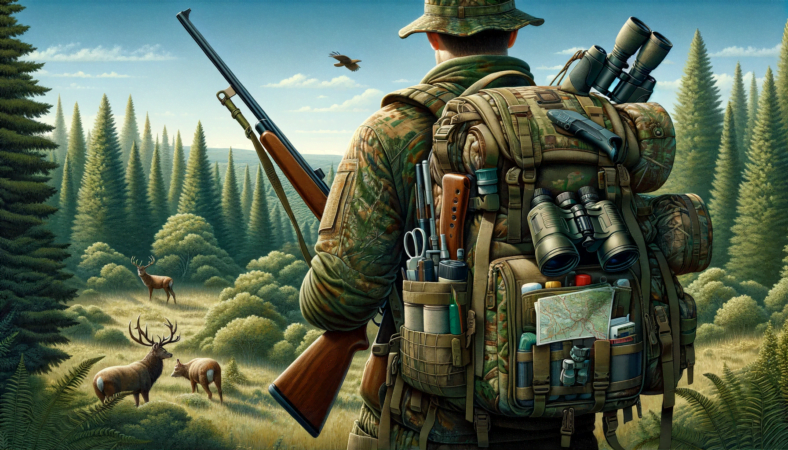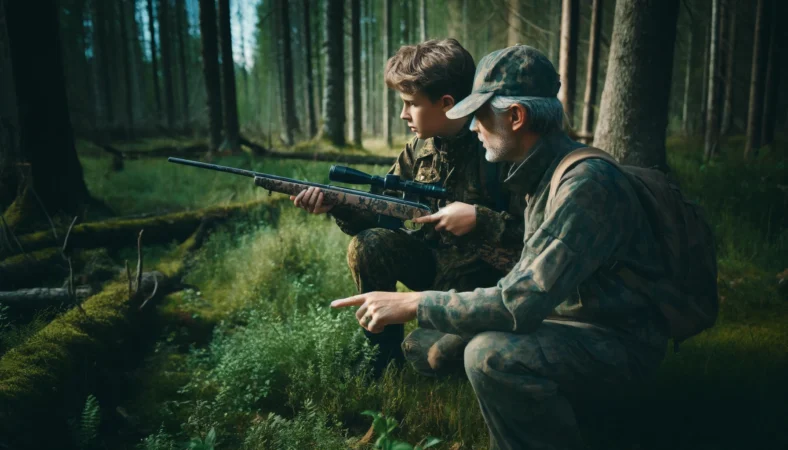
A first hunting experience should start with safety, legal preparation, and realistic expectations. Before the hunt, complete hunter education where required, confirm licenses and season rules, practice with your equipment, plan your route, and hunt with an experienced mentor if possible.
This guide is for new hunters preparing for a first legal hunt. It is support content, not a product roundup, and it is not a substitute for hunter education, state regulations, landowner permission, or hands-on instruction.
Table of contents
First Hunting Experience: Quick Answer
For a first hunting experience, focus on legal compliance, firearm or bow safety, weather, navigation, shot discipline, and recovery planning. Success is not only harvesting game. A safe hunt, a legal hunt, and a clear lesson learned are already good outcomes.
Start with the rules
Check your state wildlife agency for license, tag, season, weapon, land-access, orange clothing, and reporting rules. Do not rely on old advice or another hunter’s memory.
Keep the first hunt simple
Choose a legal species, familiar land, reasonable weather, and a short plan. A simple sit with a mentor is often better than trying to do everything at once.
Plan to pass shots
A new hunter should be ready to pass on poor angles, long distance, unclear targets, unsafe backstops, and rushed opportunities. Passing is part of ethical hunting.
Legal Requirements
Every first hunt starts with legal details. Regulations vary by state, species, weapon, age, public land, and season.
License and tags
Confirm the exact license, tag, stamp, permit, or harvest authorization you need. Some hunts require species-specific tags or zone-specific permissions.
Season and weapon rules
Archery, crossbow, muzzleloader, shotgun, rifle, and youth seasons can have different dates and equipment limits. Read the current regulation digest before the hunt.
Land access
Public land may have special rules. Private land requires permission. The U.S. Fish and Wildlife Service’s hunting information is a useful federal starting point, but state and property rules still control your hunt.
Hunter Education
Hunter education builds the safety base a beginner needs before carrying a weapon in the field.
Learn the safety rules
Review firearm or bow safety before the hunt. The NSSF firearm safety rules are a clear starting point for muzzle control, target identification, and safe handling.
Know your target and beyond
Never shoot at sound, movement, color, or a partial shape. Identify the animal, confirm it is legal, and confirm what is beyond it.
Understand local ethics
Ethical hunting means staying within your skill, following rules, recovering game responsibly, and respecting other land users.
Mentor and Plan
A mentor can help a first hunter avoid rushed decisions. Choose someone calm, legal-minded, and patient.
Set expectations
Talk before the hunt about what species is legal, which shots are acceptable, when you will leave, and what to do if the weather changes.
Share the route
Tell someone where you are going, where you will park, and when you expect to return. Carry a charged phone, map, compass, or GPS as appropriate.
Use a short first hunt
A first hunt does not need to be all day. Shorter hunts can reduce fatigue, poor decisions, and unsafe handling.
Agree on stop rules
Before leaving, decide what will end the hunt: unsafe weather, poor visibility, a tired hunter, unclear property lines, or equipment trouble. Stop rules make it easier to leave before a small issue becomes a serious one.
Gear Without Overbuying
New hunters often buy too much gear before learning what they actually need. Start with safety and legal essentials.
Core items
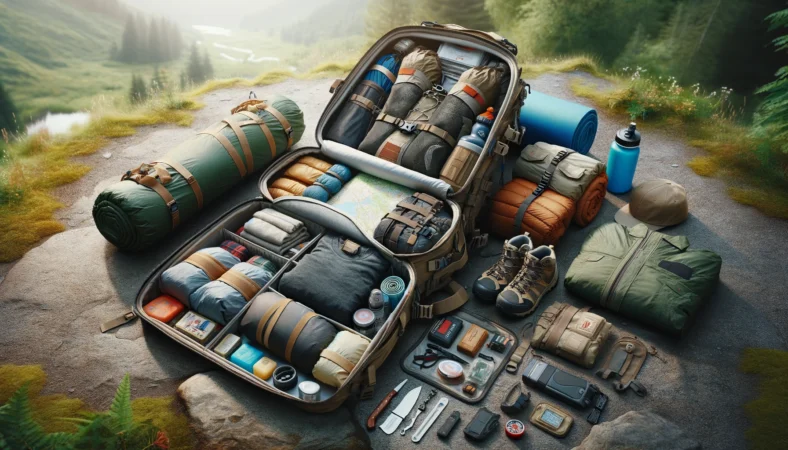
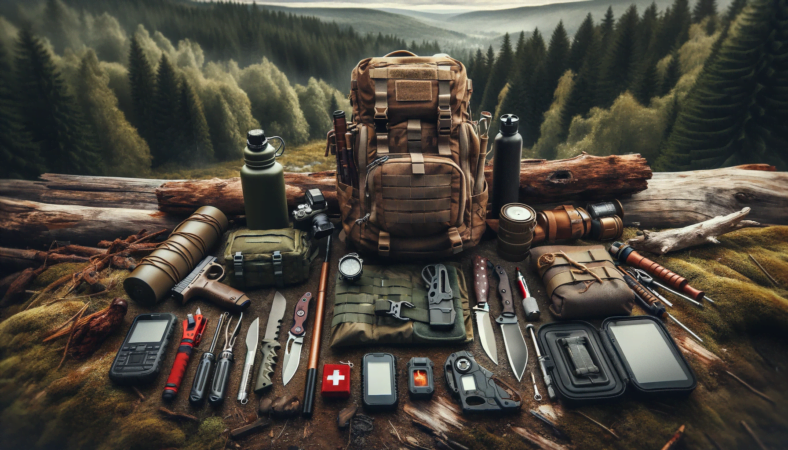
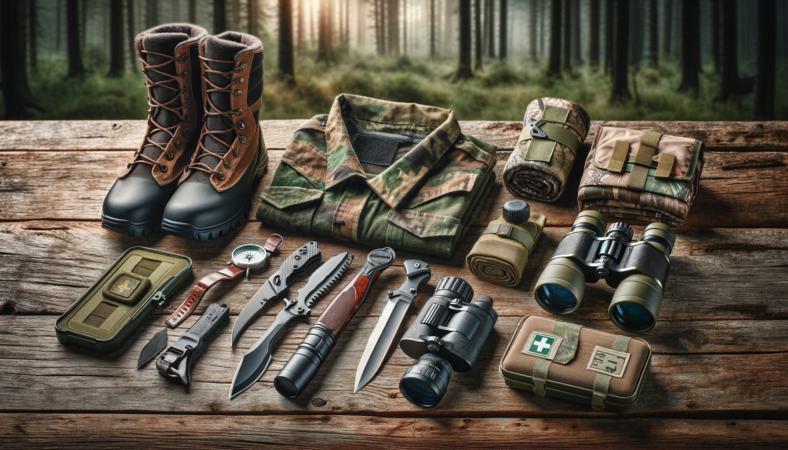
Depending on the hunt, core items may include legal weapon, ammunition or arrows, required orange, license, tags, knife, water, food, light, first aid, weather layers, and navigation.
Fit and comfort
Boots, pack weight, and clothing matter because discomfort can lead to shortcuts. Test gear before the hunt.
Skip unnecessary gadgets
Trail cameras, rangefinders, apps, blinds, calls, and scent products can help later, but they should not distract from safety, scouting, and legal basics.
Pack for the walk out
Many beginners plan for the sit and forget the walk back. Keep a headlamp, spare batteries, warm layer, water, and a simple way to mark your route.
Practice Before the Hunt
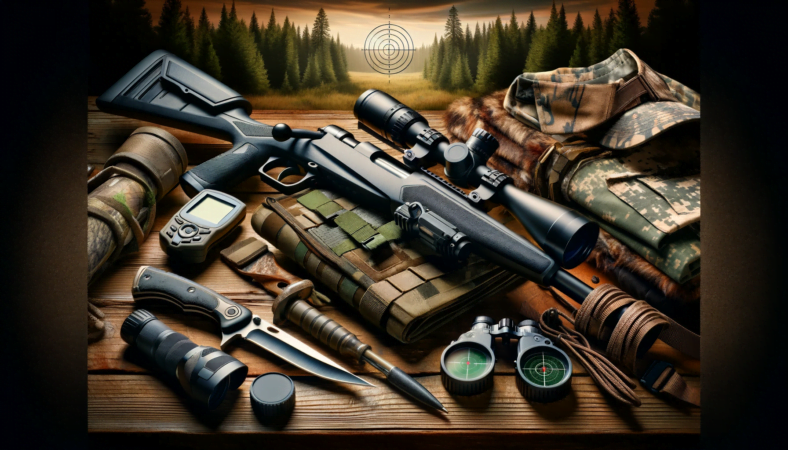
Practice should match the hunt. A benchrest group alone does not prove you are ready for field conditions.
Practice realistic positions
Practice from safe, legal positions similar to the hunt: seated, kneeling, standing, from a rest, from a blind window, or from an elevated setup if you will use one.
Know your limit
Set a maximum distance based on repeatable practice, not a best-case shot. Stay inside that limit during the hunt.
Practice loading and unloading
Know how to load, unload, clear, and make your equipment safe before entering the field. Ask a qualified instructor if any step is uncertain.
Practice the no-shot decision
During range or dry practice, call out situations where you would not shoot: animal partly hidden, unsafe backstop, wrong species, too far, hunter movement nearby, or shaky rest. Practicing no-shot decisions makes it easier to stay calm when adrenaline rises.
First Day in the Field
The first day should be slow and deliberate. Arrive early, move quietly, and keep the plan simple.
Check weather and visibility
Use current forecasts and alerts before leaving. The National Weather Service weather safety guidance is useful when wind, lightning, cold, or flooding may affect a hunt.
Control movement
Move with muzzle or broadhead safety in mind. Do not climb fences, cross ditches, or enter stands with a loaded firearm in hand.
Stay patient
Most hunts involve waiting, watching, and learning. Use the time to study wind, sign, access, and animal behavior.
If You Take a Shot
A first harvest adds responsibility. Slow down and follow your mentor, local rules, and safety plan.
Mark the location
Note where the animal stood, the direction it traveled, and the last place you saw it. Avoid rushing into the recovery.
Follow recovery rules
Some states have rules for tagging, reporting, tracking, property boundaries, nighttime recovery, and transport. Confirm those before the hunt.
Learn field dressing safely
Use a sharp knife carefully, wear gloves if appropriate, and ask an experienced hunter for help. Food safety matters from the first cut onward.
Handle the end of the day
Unload or unstring equipment according to the manual and local rules, confirm tags and reporting if there was a harvest, and check that no gear, trash, or personal items are left behind.
Common Beginner Mistakes
Most first-hunt problems come from rushing or trying to do too much.
Skipping the regulation check
Rules change. Check the current season, tag, weapon, and land rules before every hunt.
Overpacking
A heavy pack can make a short hunt harder than needed. Carry essentials and leave nonessential gear at home.
Forcing the shot
If the target, backstop, angle, distance, or legal status is unclear, do not shoot. A safe pass is a successful decision.
Skipping the review
After the hunt, write down what went well, what felt unsafe, what gear stayed unused, and what you need to practice next. A simple written review, done honestly, turns the first hunt into a better second hunt.
Related Guides
For a broader beginner checklist, read our first-time hunting guide. For safety habits, review hunting safety tips. For range behavior, see shooting range safety rules.
FAQ
What should a beginner do before a first hunt?
Complete required hunter education, check current regulations, practice with the equipment, plan the route, and hunt with a responsible mentor if possible.
Does a first hunt need to end with a harvest?
No. A safe, legal hunt where you learn the land and make good decisions is a good first experience.
What gear should a first hunter buy first?
Start with legal requirements, safety gear, weather-appropriate clothing, water, navigation, first aid, and equipment you have practiced with. Avoid buying gadgets before the basics are covered.
How can a beginner hunt ethically?
Stay within your skill limit, identify the target clearly, know what is beyond it, follow regulations, avoid risky shots, and recover game responsibly.
Should a beginner hunt alone?
It is usually better to hunt with an experienced, safety-minded mentor at first. If you hunt alone where legal, share your plan and keep the hunt simple.