


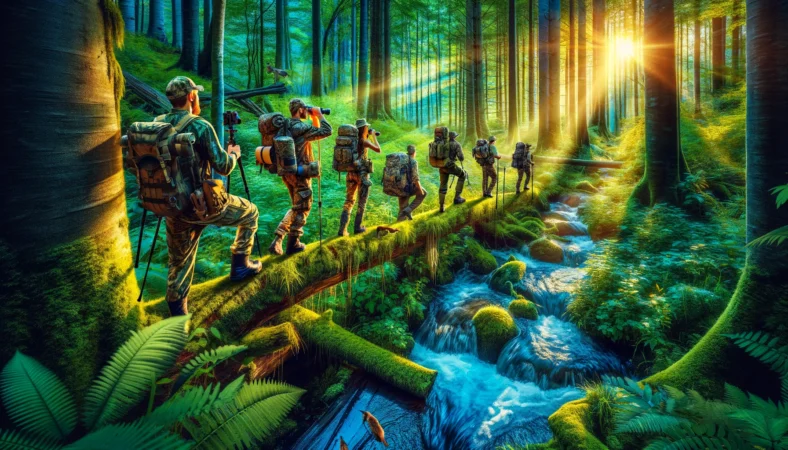
Outdoor adventure hunting is safest when the trip is planned before anyone leaves the driveway. Start with the legal season, land access, weather, route, communication plan, first-aid kit, and a clear rule for when the group turns around. A good hunt is not only about finding game; it is about getting everyone home with the land, other hunters, and wildlife respected.
This guide is for hunters planning a day hunt, scouting trip, shed walk, or mixed outdoor trip with family or friends. Use it as a field-planning checklist, then check your state wildlife rules and local land manager requirements before the trip.
Table of contents
Outdoor Adventure Hunting: Quick Trip Plan
Before the trip, write down where you are going, who is going, when you expect to return, and what you will do if weather, injury, road closures, or low light change the plan. Share that plan with someone who is not going on the trip.
Pick one clear purpose
A scouting walk, a youth learning trip, a deer hunt, and a long backcountry hike all need different pacing. Decide the main purpose first so the route, gear, and expectations match the people in the group.
Set a turn-around time
Many outdoor problems start when a group keeps pushing after daylight, energy, or weather has changed. Set a return time before the trip starts and treat it as part of the plan.
Match the trip to the least experienced person
If a new hunter or child is with you, plan around their pace, clothing, food, and attention span. A shorter safe trip teaches more than a long trip that becomes cold, rushed, or frustrating.
Rules, Access, and Permission
Legal access comes first. Check season dates, license requirements, weapon rules, blaze-orange requirements, tagging rules, public-land boundaries, and local closures before the trip.
Check state hunting regulations
State wildlife agencies set many of the rules hunters must follow. The U.S. Fish and Wildlife Service hunting page is a useful federal starting point, but your state agency and the specific property rules are the final reference for most hunts.
Confirm land access
Do not assume a gate, trail, field edge, or old family route is open. Confirm public boundaries or written private-land permission before entering. If the property uses check-in stations, permits, or parking rules, handle those before the morning of the hunt.
Know firearm and bow transport rules
Loaded-status rules can vary by state, vehicle, public land, and equipment type. Check the current rules for firearms, bows, crossbows, muzzleloaders, and ammunition before traveling.
Route, Weather, and Timing
Weather and daylight control the trip more than enthusiasm does. A route that looks simple in fair weather can become slow or unsafe with wind, snow, mud, heat, or high water.
Read the forecast before leaving
Use the National Weather Service forecast for the hunting area, not only your home address. The NWS weather safety page is a practical reference for storms, cold, heat, flooding, and other field risks.
Carry a paper backup
Phone maps are helpful, but batteries die and coverage drops. Carry a paper map, compass, or offline navigation backup for unfamiliar land. If using GPS, save the route before leaving service.
Plan for low light
Morning setup and evening recovery often happen near darkness. Bring a headlamp, spare batteries, and reflective markers where legal and appropriate. Do not rely on a phone light as the only light source.
Gear That Matters
Good gear supports the plan. It should help with safety, weather, navigation, hydration, meat care, and communication before it adds weight or distraction.
Start with clothing and footwear
Choose boots and layers for the terrain and temperature. Wet cotton, poor socks, and stiff new boots can make a short hunt miserable. Break in footwear before a longer trip.
Pack first aid and emergency basics
Carry a small first-aid kit, blister care, a tourniquet if you are trained to use one, fire starter, whistle, emergency blanket, water, snacks, and any personal medication. The Ready.gov emergency kit guide is a useful baseline for thinking through emergency supplies.
Keep the pack simple
A heavy pack can slow the group and create fatigue. Pack what the trip needs, then remove items that do not support safety, legal compliance, navigation, weather protection, or game care.
Group Safety
When more than one person is hunting or scouting, communication matters. Everyone should know the safe direction of fire, where others are located, and when the group is moving.
Use clear zones of fire
Before anyone loads or nocks an arrow, agree on safe shooting lanes and no-shoot directions. A missed animal, ricochet, or unseen person beyond the target can turn a trip dangerous quickly.
Make visibility part of the plan
Wear required blaze orange or pink where the law requires it. Even where not required, visibility can help during group movement, public-land hunting, and low-light pack-out.
Check in during the trip
If the group separates, set check-in times and a meeting point. Do not rely only on texting if coverage is weak. Radios, satellite messengers, or a simple route card can help on larger properties.
Land and Wildlife Respect
Outdoor adventure hunting should leave the area in good shape. Respecting land, water, other users, and wildlife keeps access open and makes the trip better for the next hunter.
Follow Leave No Trace basics
Pack out trash, avoid damaging vegetation, use existing trails where appropriate, and keep camps or rest stops clean. The Leave No Trace 7 Principles are a simple outside reference for low-impact outdoor travel.
Handle game responsibly
If hunting, plan for the recovery and pack-out before the shot. Know how far the animal may need to be moved, how meat will be cooled, and who can help if the terrain is difficult.
Respect other users
Public land may include hikers, bird hunters, anglers, land managers, horseback riders, and other deer hunters. Keep interactions calm, avoid crowding, and do not interfere with someone else’s legal use of the land.
Family and Beginner Trips
A beginner trip should build confidence, not prove toughness. Keep the plan short, warm, dry, and easy to end early if needed.
Teach one skill at a time
Navigation, track reading, quiet walking, safe firearm handling, and field dressing are all separate lessons. Pick one or two skills for the day instead of trying to teach everything at once.
Keep food, water, and breaks easy
Hungry or cold beginners stop learning. Pack extra snacks, water, gloves, and a simple place to sit. A good break can save the trip.
End on a good note
Leaving while everyone is still comfortable makes people want to come back. Success may be a track found, a safe shot passed, a bird watched, or a map lesson learned.
Common Mistakes
Most hunting-trip problems come from weak planning, overconfidence, or guessing about rules.
Trusting one app too much
Mapping apps are helpful, but they can be wrong or unavailable offline. Confirm boundaries, carry a backup, and do not cross private land because a screen looked unclear.
Packing gear without a plan
Gear does not replace decision-making. A good pack supports a clear route, weather plan, communication plan, and legal hunt.
Ignoring the exit route
Walking downhill in daylight may feel easy. Coming back uphill in rain, snow, darkness, or with meat can be much slower. Plan the exit before choosing the farthest spot.
Outdoor Hunting Checklist
Use this checklist before a scouting walk, family hunt, or day hunt. Add local requirements for your state, property, season, and equipment.
- License, tags, season dates, and property rules checked.
- Land access or private permission confirmed.
- Route, parking, meeting point, and turn-around time written down.
- Weather, daylight, and road conditions checked.
- Someone at home has the trip plan and return time.
- Navigation backup packed: paper map, compass, or offline map.
- First aid, water, snacks, light, and emergency layer packed.
- Weapon, ammunition, arrows, or muzzleloader components checked safely.
- Blaze-orange or visibility rules handled.
- Game recovery, meat care, and exit route planned.
Related Guides
For more field planning, read our first-time hunting guide, tips for hunting in different terrains, and shooting range safety rules.
FAQ
What is outdoor adventure hunting?
It is a hunting or scouting trip planned around outdoor travel, learning, and field experience. It may be a day hunt, shed walk, youth outing, or scouting trip, but it still needs legal access and safety planning.
What should beginners bring on a hunting trip?
Beginners should bring legal documents, weather-appropriate clothing, broken-in footwear, water, snacks, a headlamp, first aid, navigation backup, and any required safety colors or gear.
How do I make a hunting trip safer for kids?
Keep the trip short, choose easy terrain, bring extra layers and food, teach one skill at a time, and set clear safety rules before anyone handles hunting equipment.
Do I need a GPS for a short hunt?
A GPS or mapping app helps, but it should not be the only navigation tool. Carry an offline map or paper backup when land boundaries, weather, or weak cell service could be a problem.
How can hunters reduce impact on public land?
Stay within legal access, pack out trash, avoid damaging habitat, respect other users, follow posted rules, and use low-impact travel habits from established outdoor ethics guidance.