


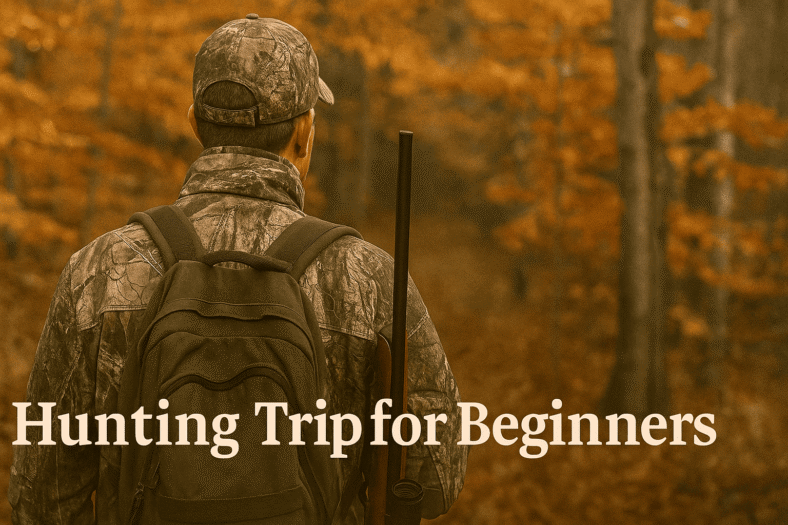
A first hunting trip should be planned around safety, legal access, simple gear, realistic expectations, and a clear recovery plan. Beginners do not need a complicated expedition. They need the right license, the right season, safe firearm or bow handling, weather-appropriate clothing, navigation, a mentor when possible, and a plan for what happens after a successful shot.
The best beginner hunting trip is usually close to home, short enough to stay manageable, and focused on learning rather than chasing a trophy. Choose one species, one legal area, one method, and one simple plan. When the basics are handled well, the trip becomes safer, calmer, and much more enjoyable.
Table of contents
Quick Answer
For a beginner hunting trip, start by choosing one legal species and one accessible hunting area. Complete hunter education if required, buy the correct license and tag, learn the local rules, confirm land access, practice safely with your equipment, pack essential safety gear, and plan how you will recover, tag, transport, and process game if the hunt is successful.
Do not make the first trip too complicated. A half-day or one-day hunt close to home can teach more than a rushed multi-day trip with too much gear and too many unknowns. The goal is to return safely with better field judgment, whether or not you fill a tag.
Choose the Right First Hunt
The right first hunt is legal, realistic, and forgiving. Small game, turkey, upland birds, or a simple deer hunt with an experienced mentor can be good options depending on your state and season. Avoid starting with a remote, physically demanding, gear-heavy hunt unless you already have strong outdoor skills and trustworthy help.
Pick One Species
Trying to learn deer, ducks, coyotes, and turkeys at the same time creates confusion. Pick one species, study its season and habitat, and build the trip around that animal. This makes gear, scouting, legal rules, and shot decisions much easier.
Keep Travel Simple
A nearby public area or private property with clear permission is better than an ambitious trip you cannot scout. Close-to-home hunts let you learn without high travel cost, complicated lodging, or pressure to force a bad decision because you came a long way.
License, Tags, and Regulations
Before buying gear, confirm the legal requirements. Most hunters need a hunting license, and many species require tags, permits, stamps, hunter education, or special area access. Rules can change by state, county, season, weapon type, age, and land ownership.
Use Official Sources
Use your state wildlife agency as the authority for regulations. National resources such as Hunter-ed can help explain hunter education and safety basics, but your state agency controls the exact rules for your hunt. Save the regulation PDF or web page offline in case service is poor in the field.
Check Property-Specific Rules
Public land, wildlife management areas, refuges, and private leases may have special rules. Some require check-in, quota permits, stand removal, non-toxic shot, parking limits, or specific legal weapons. If you are planning a deer hunt on public land, our public land deer hunting guide is a useful next read.
Safety Planning
Safety is the foundation of a good hunting trip. Firearm or bow safety, navigation, weather, communication, first aid, and physical limits all matter. A beginner should never treat safety as something to figure out after arriving.
Firearm and Bow Safety
Know how to load, unload, carry, and make your equipment safe before the trip. Keep the muzzle pointed in a safe direction, keep your finger off the trigger until ready to shoot, identify your target and what is beyond it, and follow all range and field rules. The NSSF firearm safety rules are a strong refresher for hunters using firearms.
Tell Someone Your Plan
Give a trusted person your hunting location, parking area, expected return time, and emergency contact plan. Carry a charged phone, power bank, map, compass or GPS, headlamp, water, and basic first aid. If you hunt where cell service is unreliable, plan accordingly.
Scouting and Location Planning
Scouting helps you avoid wandering randomly. For beginners, scouting is partly about finding game sign and partly about understanding access, terrain, wind, parking, property boundaries, and safe shot directions. A simple map review before the trip can prevent many mistakes.
Digital Scouting
Mark parking areas, legal boundaries, trails, water, food sources, terrain funnels, open fields, thick cover, and likely bedding areas. Also mark places to avoid, such as homes, roads, livestock, trails used by hikers, or unclear boundaries.
Boots-On-Ground Scouting
If legal and practical, visit before the hunt. Look for tracks, droppings, trails, feeding sign, rubs, feathers, beds, or fresh movement. Also look for other hunters’ sign, unsafe shooting directions, and quiet entry routes.
Beginner Hunting Gear
Beginner gear should be reliable, legal, and simple. Do not overpack, but do not skip safety essentials. Build your list around the species, season, weather, terrain, and distance from the vehicle.
Core Checklist
Bring license and tags, legal weapon and ammunition or arrows, eye and ear protection for practice or range confirmation, blaze orange if required, knife, gloves, headlamp, water, snacks, first aid, navigation, weather layers, game bags or drag, and a way to contact help. Our essential range gear checklist can help beginners build good safety habits before field season.
Avoid Gear Overload
More gear does not automatically make you more prepared. Heavy packs make beginners noisy and tired. Carry what the hunt requires, then add only what solves a real problem. If you cannot explain why an item is in your pack, it may not need to come.
Weather and Clothing
Weather can make or break a beginner hunt. Dress in layers, avoid cotton in wet or cold conditions, bring rain protection when needed, and match boots to terrain. Being cold, soaked, overheated, or blistered leads to rushed decisions.
Layering Basics
Use a moisture-managing base layer, insulating layer, and weather-resistant outer layer when conditions call for it. Gloves, socks, and a warm hat can matter as much as a jacket. In warm weather, prioritize hydration, sun protection, and meat-care planning.
Visibility and Camouflage
Camouflage can help in some hunts, but legal safety colors come first. If blaze orange or pink is required, wear it correctly. Do not trade visibility to other hunters for a small concealment advantage.
Opening-Day Plan
Create a simple schedule before the hunt. Decide when to leave, where to park, how to enter, where to sit or walk, when to stop, and what backup plan to use if the first location is crowded or the wind is wrong.
Arrive Early, Move Slowly
Give yourself extra time. Rushing in the dark leads to noise, boundary mistakes, and unsafe handling. Move slowly, check wind, and avoid crossing through bedding or feeding areas unless your plan requires it.
Know When to Quit or Adjust
If the weather becomes unsafe, the area is too crowded, or you are unsure about boundaries, back out and reset. A smart retreat is better than a forced hunt. Beginners build skill by making good decisions, not by staying stubborn.
After-The-Shot Planning
Beginners often plan the hunt but forget the recovery. Before taking a shot, know what you will do next. Watch where the animal goes, mark the shot location, wait when appropriate, follow sign carefully, and get help if needed. If your trip involves deer on shared ground, review our public land deer hunting guide before choosing access and recovery routes.
Tagging and Reporting
Follow your state’s tagging and reporting rules exactly. Some states require immediate tagging, electronic reporting, harvest checks, or specific transport evidence. Know this before the hunt.
Meat Care
Meat care is an ethical responsibility. Field dress and cool the animal as conditions require. Have a plan for dragging, packing, processing, storage, and disposal of remains. Our guide to ethical hunting practices explains why recovery and meat care matter.
FAQ
What should a beginner do before their first hunting trip?
Complete hunter education if required, choose one species, learn the regulations, confirm land access, practice safely with your equipment, pack essential safety gear, and tell someone your plan.
What is the easiest hunt for a beginner?
The easiest hunt depends on your state, season, access, and mentor support. Small game or a simple local deer hunt can be good beginner options because they teach scouting, safety, patience, and field movement without requiring an expensive trip.
How much gear does a beginner hunter need?
A beginner needs legal equipment, safety gear, weather-appropriate clothing, navigation, water, first aid, license and tags, and a recovery plan. Start simple and add gear only when it solves a real field problem.
Should beginners hunt alone?
A beginner can hunt alone where legal, but going with a safe mentor is usually better. If you do hunt alone, choose an easy-access area, share your plan, carry communication, and avoid risky terrain or marginal shots.
What is the biggest beginner hunting mistake?
The biggest mistake is rushing: rushing the plan, rushing the shot, rushing recovery, or rushing through safety checks. Slow, legal, thoughtful decisions make the first trip much better.
Final Thoughts
A beginner hunting trip does not need to be dramatic to be successful. Choose a realistic hunt, follow the rules, practice safely, pack the essentials, respect the land, and plan for recovery before you ever take a shot. If you come home safe, smarter, and more prepared for the next trip, the hunt did its job.