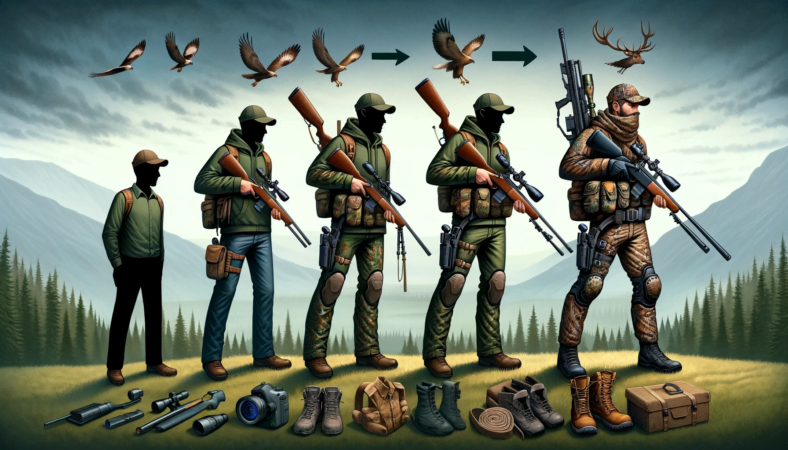
A beginner hunter should upgrade gear slowly, based on safety, fit, practice, and real field problems. Better equipment can help, but it does not replace range time, hunter education, land access knowledge, scouting, patience, or clean shot judgment. The smartest upgrade is the one that fixes a specific problem you have already noticed.
This guide explains a practical beginner hunter gear upgrade plan without ranking products or pushing shopping links. Use it to decide what to practice first, what to borrow, what to upgrade, and what to leave alone until you have more field time.
Table of contents
Beginner Hunter Gear Upgrade: Quick Plan
Start with the gear that affects safety and comfort, then move to accuracy, optics, navigation, and pack organization. Expensive gear should come after you understand your local terrain, season, weapon, and hunting style.
Fix safety gaps first
Before buying advanced gear, confirm safe firearm or bow handling, legal season rules, blaze-color rules, range practice, and a reliable way to communicate if the plan changes.
Upgrade based on problems
If your boots cause blisters, upgrade boots. If you cannot see legal shooting light clearly, review optics. If you keep getting turned around, improve navigation. Do not buy gear just because it looks advanced.
Borrow before buying when possible
Borrowing or renting gear can save money and help you learn what matters. Packs, binoculars, blinds, stands, and layers feel different after several hours in the field.
Safety Comes Before Gear
Gear upgrades should make a hunter safer and more prepared. They should not encourage longer shots, rushed decisions, or shortcuts around training.
Take hunter education seriously
Hunter education and safe handling habits matter more than brand names. Hunter-ed’s firearm safety rules are a good outside reference for the basics every hunter should review.
Know the law for your season
Rules can change by state, species, weapon type, public land, and private land. Check your state wildlife agency before choosing gear such as scopes, lights, broadheads, muzzleloader components, or electronic devices.
Practice before hunting with new gear
Any new rifle, bow, crossbow, optic, pack, boot, or navigation tool should be tested before the hunt. Do not make the first real use happen in low light or poor weather.
Fit and Comfort
Beginner hunters often underestimate fit. Poor fit creates fatigue, noise, missed shots, and bad decisions.
Weapon fit matters
A firearm, bow, or crossbow should match the hunter’s size, strength, and experience. Recoil, draw weight, length of pull, and sight picture all affect comfort and control.
Boots can decide the day
Blisters, wet feet, or cold toes can end a hunt early. Break in boots, match insulation to weather, and choose soles that fit the terrain.
Pack weight should match the trip
A huge pack can tempt a beginner to carry too much. A small day pack with water, food, light, first aid, license, tags, knife, and weather layer is often better for short trips.
Accuracy and Practice
Accuracy is not only about the weapon. It comes from fit, repeatable practice, rest position, breathing, trigger control, range knowledge, and knowing when not to shoot.
Upgrade the rest before the rifle
A stable shooting position, sling, bipod, shooting sticks, or range practice may improve results more than replacing a working rifle.
Know your real range
Your ethical range is the distance where you can repeat clean hits in field conditions, not the longest shot someone else claims. Wind, animal angle, rest quality, and heart rate all matter.
Keep notes from practice
Write down distance, ammunition, group size, wind, rest position, and gear changes. Notes show whether an upgrade helped or just felt new.
Optics and Seeing Better
Optics are often a smart upgrade because they help with identification, safe target decisions, and comfort during long glassing sessions.
Start with usable binoculars
Good binoculars can help you scan without pointing a weapon. Choose enough clarity and brightness for your terrain, but avoid paying for features you do not understand yet.
Match scope to normal distance
A scope should fit the rifle, recoil, terrain, legal shooting light, and likely shot distance. Too much magnification can make close shots and moving animals harder.
Use rangefinders responsibly
A rangefinder can help with distance, but it does not make every shot ethical. It should confirm distance inside your practiced ability, not encourage guessing at the edge of skill.
Navigation and Communication
Navigation upgrades protect time and safety. They are especially useful for public land, thick woods, mountains, marshes, and blood trailing after dark.
Use maps before apps
Mapping apps are useful, but learn the property first. Check access points, boundaries, water, roads, steep areas, private land, and the exit route before the hunt.
Carry a backup
A phone map should have a backup. GPS.gov’s GPS basics page is useful for understanding what GPS can and cannot do.
Share your plan
Tell someone where you are going, where you will park, who is with you, and when you expect to return. A written trip plan is a low-cost safety upgrade.
Clothing, Boots, and Weather
Clothing upgrades should solve weather and movement problems. Comfort keeps a beginner focused and patient.
Layer for movement and sitting
Hunters often sweat while walking and get cold while waiting. Use layers that can be adjusted before moisture becomes a problem.
Prepare for weather changes
The National Weather Service weather safety hub is a useful reference before planning longer hunts, cold-weather sits, or trips during storm risk.
Do not ignore visibility rules
Blaze orange or other visibility clothing may be required by law. Even where it is not required, visibility can help on busy public land and during group movement.
Pack and Field Kit
A better pack is not simply bigger. A good field kit keeps important items easy to reach and protected from weather.
Build a small safety pocket
Keep headlamp, spare batteries, lighter, whistle, water treatment, first-aid items, and emergency blanket in a consistent place.
Use a first-aid kit you understand
The American Red Cross first-aid kit guidance is a practical source for basic kit contents. Add personal medication and training where needed.
Plan for game recovery
If hunting big game, think about gloves, knife, bags, rope, light, water, and help before the shot. A recovery plan can matter more than another gadget.
What to Upgrade First
The right order depends on the hunter, but most beginners should start with safety, comfort, and practice before advanced features.
First upgrades
Consider boots that fit, legal visibility clothing, headlamp, first-aid kit, range time, offline maps, and a simple pack setup.
Second upgrades
After a few trips, review binoculars, shooting rest, better layers, rain gear, water treatment, and communication backup.
Later upgrades
Only after real field experience should most hunters consider advanced optics, specialized packs, premium clothing systems, new rifles, or specialized ammunition.
Common Upgrade Mistakes
Buying gear without a clear reason can waste money and create false confidence.
Buying for status
Gear should solve a field problem. It should not be a shortcut to skill, patience, scouting, or legal knowledge.
Changing too much at once
If you change rifle, scope, ammunition, rest, and pack in one week, you will not know what helped. Change one major item at a time and test it.
Ignoring maintenance
Old boots, dull knives, loose scope rings, dead batteries, and wet gear can cause more problems than a budget item from a reliable brand.
7-Step Beginner Hunter Gear Upgrade Checklist
Use this checklist before spending money on a major upgrade.
- Have I practiced safely with my current setup?
- Do I know the exact problem this upgrade solves?
- Can I borrow or test a similar item first?
- Does the upgrade match my species, terrain, and season?
- Will it make me safer, quieter, warmer, or more accurate?
- Have I checked legal rules for this equipment?
- Can I maintain and use it under field conditions?
Related Guides
For the next steps, read our first-time hunting guide, hunting survival gear checklist, and shooting range safety rules.
FAQ
Can better gear make a beginner hunter more successful?
Better gear can help when it solves a real problem, but skill, safety, scouting, and shot judgment matter more. Gear should support practice, not replace it.
What should a beginner hunter upgrade first?
Start with fit, safety, and comfort: boots, legal visibility clothing, headlamp, first aid, range practice, and a simple navigation backup. Upgrade weapons and advanced optics later if they solve a clear need.
Should a beginner buy an expensive rifle right away?
Usually no. A reliable, legal, well-fitted rifle with practice and safe handling is often a better starting point than a costly rifle the hunter has not learned to use well.
Are premium optics worth it for new hunters?
Clear optics can help with identification and comfort, but beginners should match optics to terrain and normal distances. Good binoculars may be more useful than an oversized scope.
How do I know if an upgrade was worth it?
Track the problem before and after the upgrade. If it improves comfort, safety, navigation, accuracy, or field efficiency in a measurable way, it probably helped.