
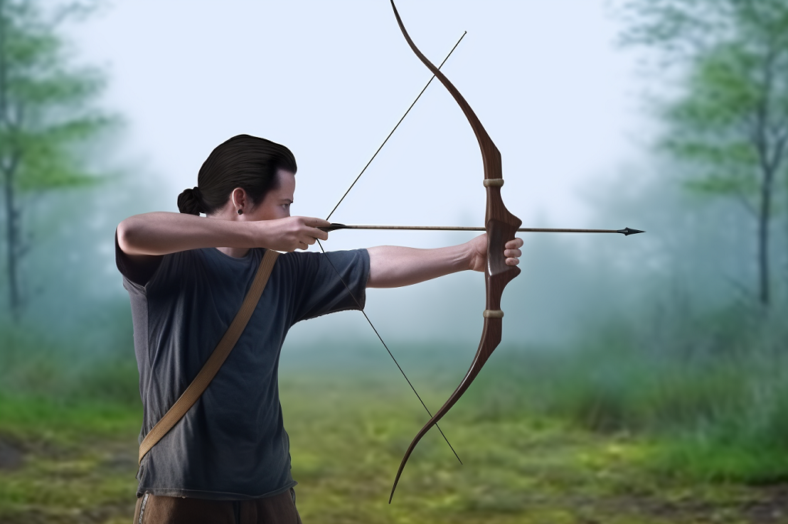
Bow Hunting From The Ground: Setup, Safety, and Field Tips

Bow hunting from the ground means hunting without a tree stand, elevated platform, or permanent blind. You rely on cover, wind, slow movement, and careful shot selection to get close enough for an ethical archery opportunity.

Ground hunting can be simple and effective, but it is also honest. Animals can see movement, catch scent, and pick apart outlines quickly. The hunter has to move less, plan more, and accept shorter shot windows.

Table of contents

Quick Answer

Ground bowhunting works best when you use natural cover, keep the wind in your favor, move only when the animal is not looking, and set up where deer or game animals already travel. A simple ground setup can include camouflage matched to the habitat, a small pack, rangefinder, quiet seat or cushion, and enough discipline to wait for a clean shot.

The biggest advantage is mobility. The biggest challenge is being at eye level with game. That makes movement control and background cover more important than expensive gear.

Ground hunting also teaches feedback quickly. If you sit in the wrong wind, move at the wrong time, or choose a poor background, animals often show you the mistake. That can be frustrating, but it makes the learning curve very clear.

Why Hunt From The Ground?

Ground hunting lets you adapt. If sign changes, wind shifts, or animals avoid a stand, you can move without hauling a heavy setup. It can also be useful on public land, during scouting-heavy hunts, or in places where trees are not suitable for stands.

It is also a good way to learn animal movement. When you are on the ground, you pay more attention to terrain, trails, bedding cover, feeding areas, and wind direction. Those lessons help even if you later hunt from a stand or blind.

Another advantage is access. A ground hunter can explore edges, funnels, creek bottoms, crop transitions, and fresh sign without committing to one fixed tree. That flexibility is useful when pressure changes animal patterns during the season.

Scouting matters because a ground setup usually has fewer shooting lanes than a stand. Look for trails that pass naturally within your comfortable range, then choose a spot where cover hides your draw without blocking the arrow path.

Best Ground Bowhunting Setup

A ground setup should be quiet, light, and realistic. Start with the essentials and avoid carrying gear that creates noise or movement.

  • Bow and arrows: Use a setup you have practiced with from seated, kneeling, and standing positions.
  • Rangefinder: Pre-range landmarks before animals arrive.
  • Camouflage: Match the habitat and use background cover to break up your outline.
  • Seat or cushion: Choose something quiet and low enough to stay hidden.
  • Small pack: Carry only what supports safety, weather, tracking, and legal requirements.
  • Broadhead protection: Keep sharp heads covered and handle arrows carefully.

For gear planning, compare this with our archery accessories checklist for hunters.

Before the season, practice drawing while seated and kneeling with the same jacket, gloves, and pack you expect to wear. Clothing that feels fine while standing can catch the string or restrict the draw when you are tucked into cover.

Movement, Wind, And Cover

Movement is usually the first thing that gives away a ground hunter. Draw the bow only when the animal’s eyes are blocked, head is down, or attention is elsewhere. Practice slow movements before the hunt so you know how much room you need.

Wind matters just as much. Camouflage can hide your outline, but it cannot hide scent. Set up with the wind carrying scent away from expected travel routes. If the wind shifts badly, move or back out rather than forcing the setup.

Cover should be behind and around you, not only in front of you. A tree trunk, brush pile, shaded bank, or clump of grass behind your shoulders can help break up your human outline. Our guide on how camouflage works explains why background and movement matter so much.

Shot Selection From The Ground

Ground shots can be close, fast, and exciting. That is why shot discipline matters. Only take shots you have practiced, at distances you have confirmed, and at angles that give a clear path to the vital area. Brush, grass, and small branches can deflect arrows.

Before drawing, check the animal, the distance, the angle, the background, and your own body position. If you feel rushed or unstable, wait. A passed shot is better than a poor shot.

Pre-ranging helps reduce rushed decisions. Pick a few trees, rocks, openings, or trail bends and remember their distances. When an animal steps into one of those lanes, you already have part of the decision made.

Ground Hunting Safety

Ground hunting has different safety concerns than elevated hunting. Other hunters may be moving at the same level, and your arrow path may be closer to brush, terrain, or unseen obstacles. Know what is beyond the target and never shoot at sound or movement.

Bowhunter education resources such as Bowhunter Ed are useful for reviewing safe shot selection, broadhead handling, and responsible field decisions. Also check your state wildlife agency for current legal rules on seasons, tags, legal equipment, and blaze orange or pink requirements where applicable.

If you hunt public land, make your presence known when appropriate, avoid setting up too close to access trails, and use extra caution during firearms seasons. Safety should decide the setup before convenience does.

Common Ground Bowhunting Mistakes

Moving Too Much

Small movements are easier to see at ground level. Keep hands, face, rangefinder, and bow movement slow and deliberate.

Sitting Without A Background

Open silhouettes stand out. Set up with cover behind you so your outline does not look like a person-shaped object in the open.

Ignoring The Wind

Ground hunters are often close to animal travel routes. A bad wind can end the setup before an animal is in range.

Not Practicing Real Positions

Practice from the positions you will actually use. Kneeling, seated, or twisted shots can feel very different from standing square on a range.

FAQ

Is bow hunting from the ground effective?

Yes, it can be effective when the setup matches wind, cover, travel routes, and shot distance. It usually requires more movement control than hunting from an elevated stand.

Do I need a ground blind?

No. A ground blind can help, but natural cover can work too. The best choice depends on terrain, pressure, wind, and how long you plan to sit.

When should I draw my bow from the ground?

Draw only when the animal is not looking, its view is blocked, or its attention is elsewhere. Practice slow drawing from realistic ground positions before the hunt.

Is ground bowhunting good for beginners?

It can be, especially for learning sign, wind, and terrain. Beginners should keep shots close, hunt with an experienced mentor where possible, and prioritize safety and practice over harvest pressure.

Final Takeaway

Bow hunting from the ground rewards patience, woodsmanship, and quiet movement. Use cover behind you, keep the wind right, pre-range landmarks, practice real shooting positions, and pass any shot that does not feel controlled and ethical.

Archery Safety Rules: Safe Shooting Tips for Beginners

Archery safety starts with one simple habit: control the bow, arrow, and shooting direction before anything else. Whether you are practicing in the backyard, visiting a range, or preparing for a hunt, every shot should happen in a controlled area with a safe target, safe backstop, and clear communication.

This guide covers beginner-friendly archery safety rules. It is not a replacement for local range rules, coaching, bowhunter education, or the manual for your bow and arrows.

Table of contents

Quick Answer

The most important archery safety rules are: point the bow only in a safe direction, never nock an arrow until you are ready to shoot, know what is beyond the target, inspect equipment before shooting, retrieve arrows only when the range is clear, and follow the rules of the range or instructor.

Safe archery is not complicated, but it does require attention. Most problems begin when someone rushes, ignores the backstop, handles arrows carelessly, or shoots damaged equipment.

Good safety also makes archery more enjoyable. When everyone understands the line, the target area, and the retrieval routine, beginners can focus on learning instead of guessing what happens next.

Core Archery Safety Rules

  • Only point a bow and arrow toward a safe target area.
  • Never shoot straight up into the air.
  • Do not nock an arrow until the shooting line is clear and you are ready.
  • Check the target, backstop, and space beyond the target before shooting.
  • Keep people, pets, and bystanders out of the shooting lane.
  • Wait for a clear command before retrieving arrows at a shared range.
  • Inspect arrows and bow components before shooting.
  • Stop immediately if something feels damaged, loose, or unsafe.

Organizations such as USA Archery and Bowhunter Ed provide useful safety education for range shooting and bowhunting contexts.

Range And Backyard Safety

At a formal range, follow posted rules and listen to the range officer, instructor, or coach. Keep arrows pointed downrange, stay behind the shooting line until told otherwise, and do not retrieve arrows while anyone is still shooting.

Common commands may include “range hot,” “range clear,” or local equivalents. Learn the commands before shooting at a new range. If you are unsure what a command means, ask before you step to the line.

Backyard archery needs even more planning because you control the entire setup. Use a proper target, a reliable backstop, and a location where a missed arrow cannot leave the safe area. If you cannot create a safe backstop, do not shoot there.

Remember that arrows can pass through weak targets, skip off hard surfaces, or miss completely. Safety planning should assume mistakes can happen.

Equipment Checks Before Shooting

Before shooting, inspect the bowstring, limbs, cams or wheels if using a compound bow, arrow shafts, nocks, points, rest, and release aid if used. Do not shoot cracked arrows, damaged nocks, loose points, frayed strings, or a bow that looks damaged.

Make inspection part of the routine, not something you do only after a problem. A quick look before each session can catch loose points, damaged fletching, or a string issue before the first arrow is shot.

Arrow fit also matters. Use arrows matched to the bow’s draw weight, draw length, and manufacturer guidance. Our guide on choosing an arrow to match your bow explains why compatibility is part of safe shooting.

Before-You-Shoot Safety Checklist

Use the same short checklist before every practice session. Confirm the target is secure, the backstop is safe, the lane is clear, and everyone knows when shooting starts and stops. Check that arrows are in good condition, the bow feels normal, and the archer can draw smoothly without aiming outside the safe area.

For group shooting, assign one person to control the line. That person should make sure all bows are down before anyone walks forward. Simple routines prevent confusion, especially when beginners, families, or mixed skill levels are shooting together.

If the setup changes, restart the checklist. A new target distance, new shooter, or new lane can introduce a new risk that deserves attention.

Broadhead And Hunting Safety

Broadheads are sharp hunting points and should be handled with extra care. Keep them covered when not in use, use a proper wrench or tool when appropriate, and avoid loose broadheads in pockets or packs. Never let young archers handle broadheads without close adult supervision.

For hunting, safety includes legal equipment, clear target identification, ethical shot angles, and knowing what is beyond the animal. See our ground bowhunting guide for more detail on movement, cover, and shot discipline.

Youth Archery Safety

Young archers should learn safety before distance, speed, or accuracy. Keep lessons short, use appropriate draw weight, and make the rules easy to repeat. A child who cannot consistently follow range commands is not ready to shoot without direct supervision.

Adults should set the tone. No joking with loaded bows, no pointing arrows at people, no rushing to pull arrows, and no stepping past the shooting line until everyone is clear. Good habits formed early tend to last.

Supervision should match the archer, not just the age. A beginner of any age may need close instruction until they can repeat the rules, handle the bow calmly, and stop immediately when asked.

Common Safety Mistakes

Using A Weak Backstop

A target alone is not always enough. Use a safe backstop that can stop missed arrows and prevent arrows from leaving the controlled area.

Shooting Damaged Arrows

Damaged arrows can fail unpredictably. Flex and inspect arrows according to manufacturer guidance, and discard anything cracked, splintered, bent, or questionable.

Walking Downrange Too Soon

At a shared range, wait until the shooting line is called clear. Never assume everyone is finished just because you are done shooting.

Using Too Much Draw Weight

Too much draw weight can make form unstable and unsafe. Use a bow the archer can draw smoothly and control without pointing it away from the safe target area.

FAQ

Is backyard archery safe?

It can be safe only if the target, backstop, shooting lane, and surrounding area are controlled. If an arrow can leave the property or enter a public space, the setup is not safe.

Why is dry firing a bow unsafe?

Dry firing means releasing the string without an arrow. It can damage the bow and may injure the shooter or bystanders. Do not dry fire a bow.

What is the first rule for kids learning archery?

The first rule is control: only point the bow and arrow toward the safe target area, and listen to the adult, coach, or range officer before shooting or retrieving arrows.

Are broadheads safe for practice?

Broadheads can be used only in a controlled setup designed for them, with proper targets and careful handling. Many practice sessions should use field points unless broadhead tuning or hunting preparation is specifically needed.

Final Takeaway

Archery safety is built on direction control, clear range rules, proper equipment checks, a safe target and backstop, and disciplined arrow handling. Keep the setup simple, follow instruction, and stop shooting any time the situation feels uncertain.

Exit mobile version