


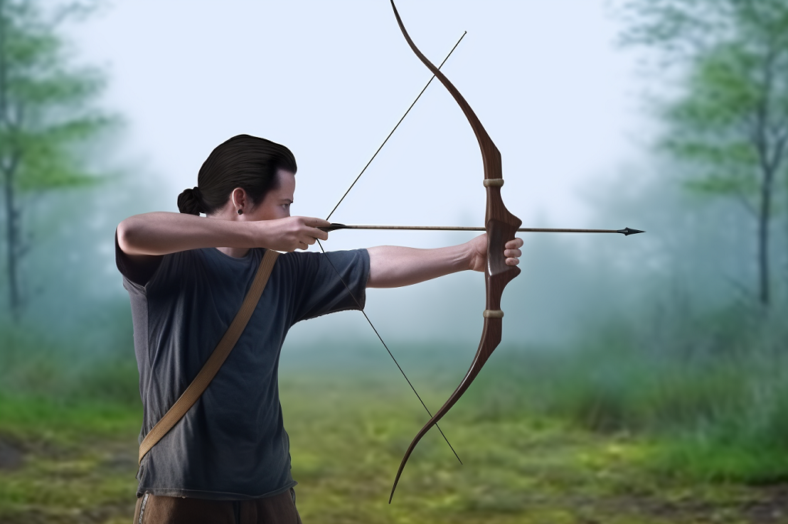
Bow hunting from the ground means hunting without a tree stand, elevated platform, or permanent blind. You rely on cover, wind, slow movement, and careful shot selection to get close enough for an ethical archery opportunity.
Ground hunting can be simple and effective, but it is also honest. Animals can see movement, catch scent, and pick apart outlines quickly. The hunter has to move less, plan more, and accept shorter shot windows.
Table of contents
Quick Answer
Ground bowhunting works best when you use natural cover, keep the wind in your favor, move only when the animal is not looking, and set up where deer or game animals already travel. A simple ground setup can include camouflage matched to the habitat, a small pack, rangefinder, quiet seat or cushion, and enough discipline to wait for a clean shot.
The biggest advantage is mobility. The biggest challenge is being at eye level with game. That makes movement control and background cover more important than expensive gear.
Ground hunting also teaches feedback quickly. If you sit in the wrong wind, move at the wrong time, or choose a poor background, animals often show you the mistake. That can be frustrating, but it makes the learning curve very clear.
Why Hunt From The Ground?
Ground hunting lets you adapt. If sign changes, wind shifts, or animals avoid a stand, you can move without hauling a heavy setup. It can also be useful on public land, during scouting-heavy hunts, or in places where trees are not suitable for stands.
It is also a good way to learn animal movement. When you are on the ground, you pay more attention to terrain, trails, bedding cover, feeding areas, and wind direction. Those lessons help even if you later hunt from a stand or blind.
Another advantage is access. A ground hunter can explore edges, funnels, creek bottoms, crop transitions, and fresh sign without committing to one fixed tree. That flexibility is useful when pressure changes animal patterns during the season.
Scouting matters because a ground setup usually has fewer shooting lanes than a stand. Look for trails that pass naturally within your comfortable range, then choose a spot where cover hides your draw without blocking the arrow path.
Best Ground Bowhunting Setup
A ground setup should be quiet, light, and realistic. Start with the essentials and avoid carrying gear that creates noise or movement.
- Bow and arrows: Use a setup you have practiced with from seated, kneeling, and standing positions.
- Rangefinder: Pre-range landmarks before animals arrive.
- Camouflage: Match the habitat and use background cover to break up your outline.
- Seat or cushion: Choose something quiet and low enough to stay hidden.
- Small pack: Carry only what supports safety, weather, tracking, and legal requirements.
- Broadhead protection: Keep sharp heads covered and handle arrows carefully.
For gear planning, compare this with our archery accessories checklist for hunters.
Before the season, practice drawing while seated and kneeling with the same jacket, gloves, and pack you expect to wear. Clothing that feels fine while standing can catch the string or restrict the draw when you are tucked into cover.
Movement, Wind, And Cover
Movement is usually the first thing that gives away a ground hunter. Draw the bow only when the animal’s eyes are blocked, head is down, or attention is elsewhere. Practice slow movements before the hunt so you know how much room you need.
Wind matters just as much. Camouflage can hide your outline, but it cannot hide scent. Set up with the wind carrying scent away from expected travel routes. If the wind shifts badly, move or back out rather than forcing the setup.
Cover should be behind and around you, not only in front of you. A tree trunk, brush pile, shaded bank, or clump of grass behind your shoulders can help break up your human outline. Our guide on how camouflage works explains why background and movement matter so much.
Shot Selection From The Ground
Ground shots can be close, fast, and exciting. That is why shot discipline matters. Only take shots you have practiced, at distances you have confirmed, and at angles that give a clear path to the vital area. Brush, grass, and small branches can deflect arrows.
Before drawing, check the animal, the distance, the angle, the background, and your own body position. If you feel rushed or unstable, wait. A passed shot is better than a poor shot.
Pre-ranging helps reduce rushed decisions. Pick a few trees, rocks, openings, or trail bends and remember their distances. When an animal steps into one of those lanes, you already have part of the decision made.
Ground Hunting Safety
Ground hunting has different safety concerns than elevated hunting. Other hunters may be moving at the same level, and your arrow path may be closer to brush, terrain, or unseen obstacles. Know what is beyond the target and never shoot at sound or movement.
Bowhunter education resources such as Bowhunter Ed are useful for reviewing safe shot selection, broadhead handling, and responsible field decisions. Also check your state wildlife agency for current legal rules on seasons, tags, legal equipment, and blaze orange or pink requirements where applicable.
If you hunt public land, make your presence known when appropriate, avoid setting up too close to access trails, and use extra caution during firearms seasons. Safety should decide the setup before convenience does.
Common Ground Bowhunting Mistakes
Moving Too Much
Small movements are easier to see at ground level. Keep hands, face, rangefinder, and bow movement slow and deliberate.
Sitting Without A Background
Open silhouettes stand out. Set up with cover behind you so your outline does not look like a person-shaped object in the open.
Ignoring The Wind
Ground hunters are often close to animal travel routes. A bad wind can end the setup before an animal is in range.
Not Practicing Real Positions
Practice from the positions you will actually use. Kneeling, seated, or twisted shots can feel very different from standing square on a range.
FAQ
Is bow hunting from the ground effective?
Yes, it can be effective when the setup matches wind, cover, travel routes, and shot distance. It usually requires more movement control than hunting from an elevated stand.
Do I need a ground blind?
No. A ground blind can help, but natural cover can work too. The best choice depends on terrain, pressure, wind, and how long you plan to sit.
When should I draw my bow from the ground?
Draw only when the animal is not looking, its view is blocked, or its attention is elsewhere. Practice slow drawing from realistic ground positions before the hunt.
Is ground bowhunting good for beginners?
It can be, especially for learning sign, wind, and terrain. Beginners should keep shots close, hunt with an experienced mentor where possible, and prioritize safety and practice over harvest pressure.
Final Takeaway
Bow hunting from the ground rewards patience, woodsmanship, and quiet movement. Use cover behind you, keep the wind right, pre-range landmarks, practice real shooting positions, and pass any shot that does not feel controlled and ethical.