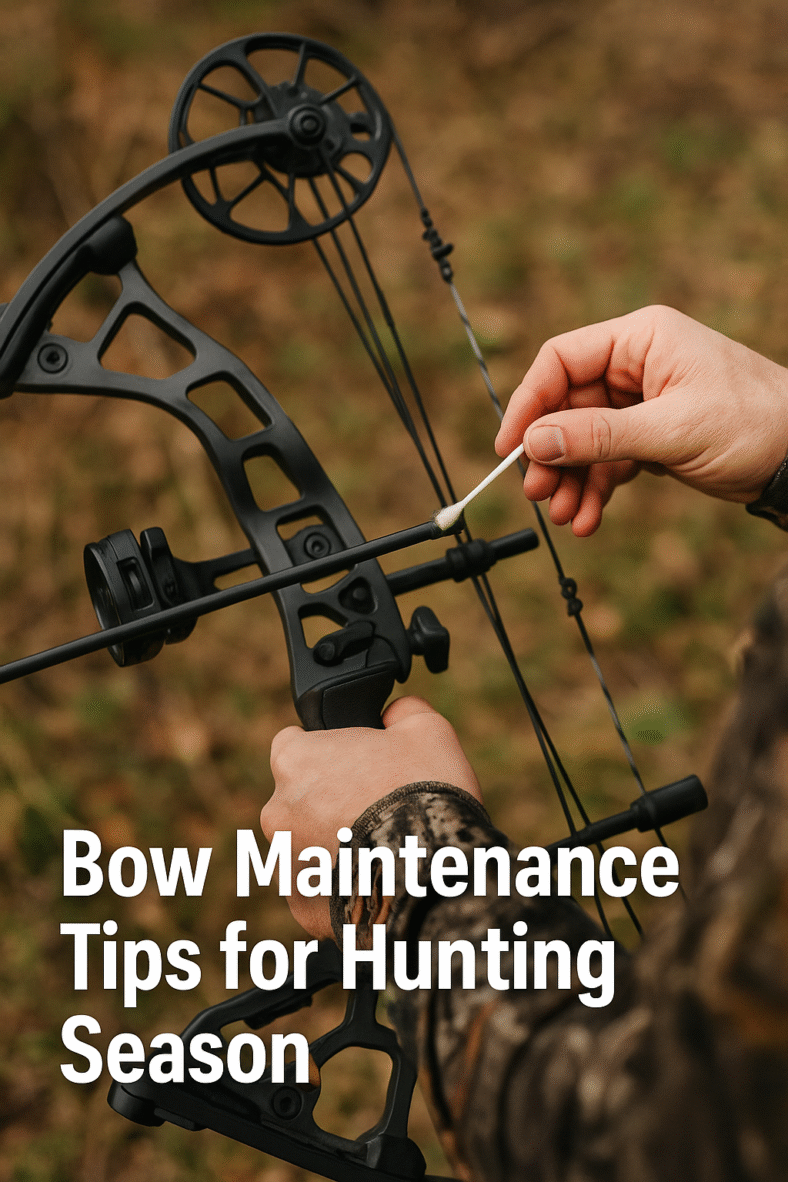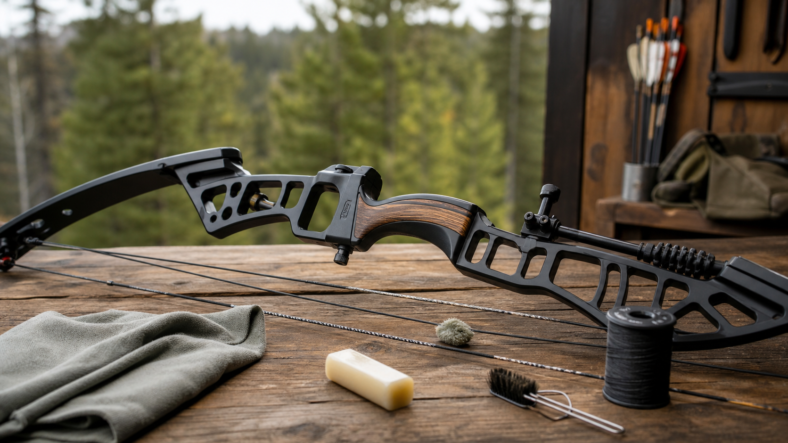
Bow strings should be replaced when they show unsafe wear, when a bow technician recommends replacement, or when the string and cables have aged past the schedule recommended for your bow and shooting volume. There is no universal replacement date for every compound, recurve, or traditional bow. A light-use bow stored well may go longer, while a bow used heavily, hunted in rough weather, or stored in heat may need attention much sooner.
The safest rule is simple: inspect the string often, follow the bow manufacturer’s guidance, and stop shooting if you see broken strands, serious fraying, serving separation, peep rotation, or sudden tuning changes. If you are unsure, have a qualified archery shop inspect the bow before the next session.
Table of Contents
Quick Answer
Most archers should think in terms of condition and use, not only calendar age. If the string is clean, waxed when needed, stored well, and inspected by a technician, it may last longer than a heavily used string exposed to rain, sun, heat, and dirt. For compound bows, strings and cables are usually evaluated together because both parts affect timing, tuning, and safety.
Before relying on any general schedule, check the owner’s manual or support page for your bow. For example, manufacturer support and manual libraries from brands such as Bear Archery and Mathews are the better source for model-specific care limits than a generic web article.
Why Bow String Replacement Matters
The bowstring is not just a consumable accessory. It transfers stored energy from the limbs to the arrow and helps keep the bow’s setup consistent. As the string wears, stretches, or loses serving integrity, accuracy and safety can both suffer.
A worn string can cause inconsistent arrow flight, peep rotation, changed brace height, tuning problems, or sudden failure. On a compound bow, string and cable issues can also affect cam timing. That is why routine inspection belongs in the same mental category as checking arrows, rests, sights, and other safety-critical gear.
How Often Should Bow Strings Be Replaced?
There is no single replacement interval that fits every archer. Use the ranges below as planning context only, then compare them with your bow manual, your shooting volume, and the string’s actual condition.
Compound bows
Compound bow strings and cables are often replaced on a planned maintenance cycle, especially for active shooters. The reason is not only visible wear. Stretch, serving movement, peep rotation, and cable wear can affect timing and tune before the string looks completely ruined.
If you shoot often, hunt in harsh weather, or notice tuning changes, have a technician inspect the string and cables sooner. Do not attempt press work or cable service without the right tools and training.
Recurve bows
Recurve strings are simpler than compound string-and-cable systems, but they still wear. Watch for fraying, strand damage, serving wear, nock fit problems, and changes in brace height. Follow the bow maker’s recommended brace-height range and string material guidance.
Traditional bows
Traditional longbows and recurves also depend on string condition, correct string material, and safe setup. Some traditional bows require specific string materials, so do not assume every modern string is safe for every older or traditional bow.
Signs Your Bow String Needs Replacement
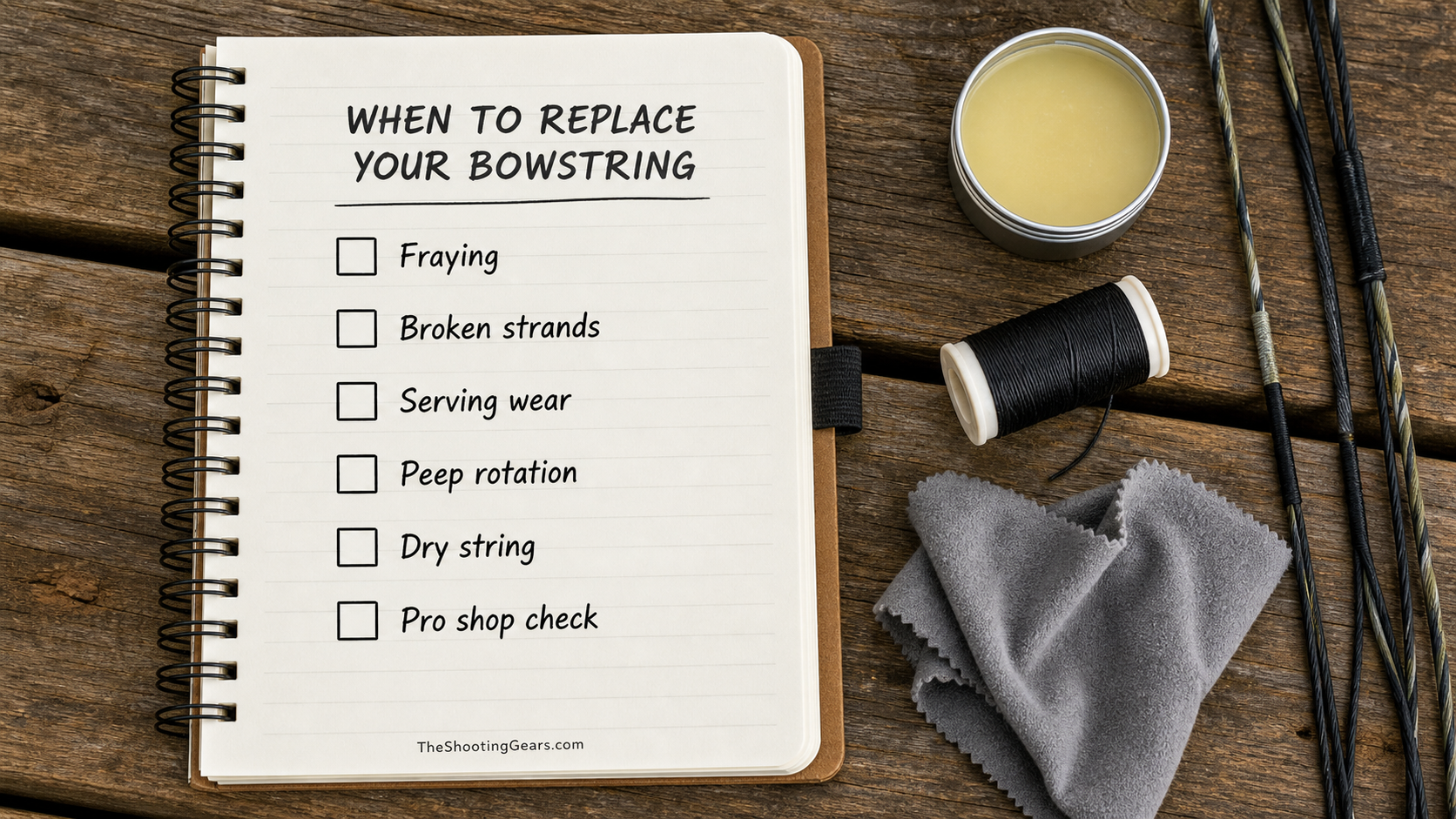
Visible wear is the clearest reason to stop and inspect. A little fuzz can be normal, but serious fraying, broken strands, or separation in high-stress areas should not be ignored. When in doubt, stop shooting and let a pro shop inspect it.

Fraying or fuzzy fibers
Small surface fuzz can appear with normal use, but widespread fraying, fibers lifting away from the bundle, or wear near the cams, serving, nocking point, or limb tips deserves attention. Wax may help dryness, but wax does not repair damaged strands.
Broken strands
Broken strands are a stop-shooting warning. Do not keep using the bow to “finish the session.” A damaged string can fail under load and may damage the bow or injure the shooter.
Serving separation
Serving protects the string in high-wear areas. Gaps, loose wrapping, or serving that slides can affect nock fit and string durability. Minor serving issues may be repairable, but the cause should be inspected.
Peep rotation or tuning changes
On a compound bow, sudden peep rotation, changed impact points, altered cam timing, or repeated tuning drift can point to string or cable stretch. A technician can tell whether adjustment or replacement is the safer move.
Dry, dirty, or heat-damaged string
A dry string, grit in the fibers, or heat exposure from storage in a vehicle can shorten string life. Dirt acts like an abrasive, and heat can stress materials and serving. Store the bow in a cool, dry place when possible.
What Affects Bow String Lifespan?
String life depends on shooting volume, storage, weather, maintenance habits, string material, bow setup, and whether the bow is used for casual practice, hunting, or competition.
Shooting frequency
A bow shot weekly or daily wears faster than one used a few times a season. Competitive archers and active bowhunters should inspect more often because small changes can matter before a major event or season.
Weather and storage
Rain, humidity, dust, heat, and direct sun can shorten the life of a bowstring. Outdoor archers should clean and inspect after wet or dirty sessions and avoid long-term storage in hot vehicles or damp spaces.
Maintenance habits
Regular inspection, appropriate waxing, correct storage, and periodic professional checks can extend string life. USA Archery’s safety guidance is a useful reminder that equipment condition and safe habits belong together, especially for beginners and youth programs.
String material and bow setup
Different string materials and bow designs have different requirements. Use the string material and length recommended for your bow. If you changed draw weight, draw length, cams, limbs, or accessories, have the string system checked as part of the setup.
Do Compound Bow Cables Need Replacement Too?
Yes, compound bow cables should be inspected with the string. Cables affect cam timing and overall tune, and they can wear or stretch just like the main string. Many technicians replace strings and cables as a set so the bow returns to a stable baseline.
If your compound bow shows peep rotation, timing problems, serving wear near cams, or repeated tuning drift, do not treat the main string as the only possible issue. A complete bow inspection is smarter than guessing.
How To Help A Bow String Last Longer
Inspect before shooting
Look over the string, cables, serving, nocking area, and cam contact points before practice. This takes less than a minute and catches problems before the bow is under load.
Wax only when appropriate
Use bowstring wax when the string is dry or when the manufacturer recommends it. Avoid over-waxing, which can collect dirt. Do not wax serving unless the string maker or technician specifically advises it.
Store the bow correctly
Keep the bow in a case or protected space, away from excess heat, direct sun, moisture, and grit. Storage habits matter more than many archers realize.
Use a pro shop for compound service
Compound string and cable work often requires a bow press and proper setup knowledge. If you are not trained and equipped, use a qualified technician instead of improvising.
When To Stop Shooting And Get Help
Stop shooting if you see broken strands, serious fraying, serving unraveling, sudden peep rotation, unusual noise, visible limb or cam issues, or any change that makes the bow feel unsafe. The cost of an inspection is small compared with a damaged bow or an injury.
If the bow is used for hunting, competition, or youth instruction, schedule inspections before the season or event rather than waiting for visible failure. A fresh or professionally inspected string system is part of responsible equipment preparation.
Frequently Asked Questions
How many shots can a bow string handle?
It depends on the bow, string material, shooting volume, maintenance, and storage. Some strings handle thousands of shots, but shot count alone is not enough. Inspect the string and follow the bow manufacturer’s guidance.
Is string wax enough to avoid replacement?
No. Wax can protect a dry string and reduce abrasion, but it cannot repair broken strands, severe fraying, serving separation, or material fatigue. Wax is maintenance, not a permanent fix.
Can I replace my own bow string?
Some recurve and traditional string changes are simple when you know the correct method and use the correct string. Compound bow string and cable replacement usually requires a bow press and technician-level setup. If you are unsure, use a pro shop.
Should I replace compound bow cables with the string?
Often, yes. Strings and cables work together on a compound bow, and replacing them as a set can help restore tune and timing. Let a technician inspect both before deciding.
Should bowhunters replace strings before season?
Bowhunters should at least inspect and shoot-test their setup before season. If the string or cables are worn, stretched, or near the end of the recommended service window, replacement before season is smarter than risking failure during a hunt.
Final Takeaway
Replace a bow string when condition, age, shooting volume, or a technician’s inspection says it is time. Do not rely on a single universal number. Inspect often, wax when appropriate, store the bow well, follow the manufacturer’s guidance, and stop shooting if the string shows serious wear. For compound bows, evaluate the string and cables together so the whole system stays safe and consistent.