


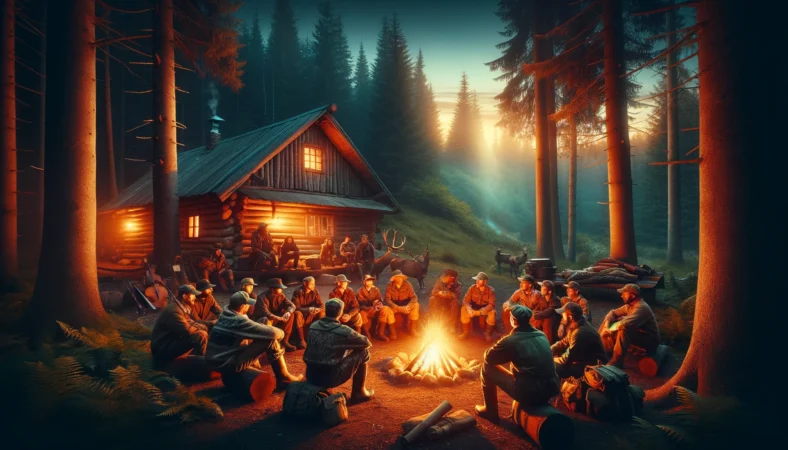
Deer camp traditions matter because they give new hunters more than a place to sleep before opening morning. A good deer camp teaches safety, ethics, woodsmanship, responsibility, patience, and respect for wildlife through real shared experience.
For youth hunters, the best deer camp is not built around pressure to fill a tag. It is built around mentoring, clear rules, good food, stories, safe firearm handling, legal hunting, and time outdoors with people who model the right habits.
Table of contents
Quick Answer: Why Deer Camp Traditions Are Important
Deer camp traditions are important because they pass down safe hunting habits, practical outdoor skills, local knowledge, conservation values, and family or community stories. For young hunters, camp can turn hunting from a single event into a responsible lifelong relationship with the outdoors.
What A Healthy Deer Camp Teaches
- Firearm and archery safety.
- Respect for game laws and private property.
- How to read weather, sign, wind, and terrain.
- How to prepare for cold, fatigue, and long sits.
- How to celebrate the experience, not only the harvest.
- How to include new hunters without pressure or embarrassment.
Why Deer Camp Matters Beyond The Hunt
Deer camp creates a shared rhythm: planning, packing, scouting, cooking, waking early, checking gear, telling stories, and learning from each hunt. Those repeated moments are what make the tradition stick.
It Builds Belonging
A young hunter who feels welcome is more likely to ask questions, admit mistakes, and keep learning. Camp gives them a place in the group before they become highly skilled. That belonging can matter as much as the first successful hunt.
It Slows The Learning Down
Not every lesson happens in the stand. Some of the best teaching happens while checking a map, cleaning gear, cooking breakfast, or talking through what went wrong that morning. Deer camp gives those conversations room to happen.
It Preserves Local Knowledge
Every hunting area has patterns that are not obvious on a map. Older hunters may know where deer cross after a cold front, which field edge gets pressure, or how wind moves through a hollow. Camp is where that knowledge is passed along.
Why Deer Camp Helps Youth Hunters
Youth hunters need structure, encouragement, and safe mentorship. A good deer camp gives them all three. It also helps them understand that hunting is not only about taking a shot. It is about preparation, patience, judgment, and respect.
Mentorship Reduces Bad Habits
Young hunters copy what they see. If camp leaders model muzzle control, clear target identification, careful shot selection, and legal behavior, those habits become normal. If adults cut corners, young hunters learn that too.
Camp Builds Confidence Gradually
A young hunter may begin by helping pack gear, watching from a blind, learning tracks, or practicing with unloaded equipment. That gradual path builds confidence without forcing them into situations they are not ready for.
It Makes Room For Questions
Youth hunters often have simple but important questions: why wind matters, why blaze orange is worn, why some shots are passed, or why meat care matters. Camp gives mentors time to explain those decisions.
Safety Culture At Deer Camp
Safety should be the first deer camp tradition. No story, shortcut, or harvest is worth a preventable accident. Set rules before the hunt begins and repeat them until they become normal camp language.
Review Firearm Safety Rules
Before anyone hunts, review muzzle direction, trigger discipline, loading and unloading rules, safe zones of fire, and target identification. The NSSF firearm safety rules are a useful baseline for camp discussion.
Set Tree Stand Rules
If elevated stands are used, harness rules must be clear. Hunters should understand climbing safety, lifelines, hauling unloaded gear, and staying connected. No youth hunter should be left to figure out stand safety alone.
Plan Communication
Everyone should know where each hunter is sitting, when they will return, how to contact camp, and what to do if weather changes. A simple check-in plan can prevent confusion and worry.
Ethics, Conservation, And Respect
Deer camp is where many hunters first learn that hunting carries responsibility. Ethical hunting includes legal compliance, clean shot decisions, respect for the animal, and care for the land.
Follow Current Regulations
Season dates, tagging rules, legal equipment, youth requirements, and reporting rules can change. Camp leaders should check the current state wildlife agency rules before the trip, not rely on memory.
Teach Conservation Funding
Young hunters should understand that licenses, excise taxes, habitat work, and conservation groups all help support wildlife management. The U.S. Fish and Wildlife Service Wildlife and Sport Fish Restoration program explains part of that funding story.
Respect The Animal
Respect includes waiting for an ethical shot, tracking carefully, using the meat responsibly, and speaking about the animal with gratitude. These lessons shape how young hunters think about the outdoors.
Skills Learned At Deer Camp
Deer camp can teach a wide range of practical skills. Some are hunting-specific, while others are life skills that apply far beyond the woods.
Outdoor Preparation
Young hunters learn how to pack clothing layers, food, water, licenses, lights, knives, first aid, and navigation tools. For a broader packing foundation, see our fundamental hunting gear items guide.
Woodsmanship
Camp gives mentors time to teach tracks, rubs, scrapes, bedding cover, feeding areas, wind, thermals, and quiet movement. These skills take repetition and real examples to understand.
Patience And Responsibility
Long sits, early mornings, cold hands, and missed opportunities all teach patience. Keeping gear organized, respecting camp chores, and helping others teach responsibility.
Storytelling And Shared Memory
Stories are part of what makes deer camp different from a simple hunting trip. They carry mistakes, lessons, humor, local history, and family identity from one season to the next.
Stories Teach Without Lecturing
A story about a missed shot, a bad wind decision, or a long tracking job can teach more than a lecture. Young hunters remember real moments because they feel connected to the people telling them.
Camp Creates New Stories
Every young hunter eventually adds their own memory: the first sit, the first deer seen from stand, the first successful track, or the first time they helped cook dinner. Those moments become part of the camp’s identity.
Keeping Deer Camp Traditions Modern
Tradition does not mean refusing change. A healthy camp keeps the values and updates the methods when safety, inclusion, conservation, and education improve.
Use Technology Thoughtfully
Mapping apps, weather tools, radios, and trail cameras can be useful, but they should not replace judgment or legal compliance. Teach youth hunters why tools help, not just how to press buttons.
Make Camp Welcoming
New hunters may come from different backgrounds, skill levels, and families. A welcoming deer camp explains rules clearly, avoids mocking beginners, and makes safety expectations the same for everyone.
Balance Harvest And Experience
Filling a tag is meaningful, but it should not be the only measure of success. A youth hunter who learns safe habits, sees deer behavior, and wants to return has already gained something valuable.
How To Start A Deer Camp Tradition
You do not need a perfect cabin or a big group to start. A simple weekend with good planning, safe mentors, and clear expectations can become the beginning of a long tradition.
Start With Safety And Roles
Decide who mentors each youth hunter, who handles meals, who checks licenses, who reviews safety, and who tracks weather. Clear roles reduce stress.
Create Repeatable Rituals
Traditions can be simple: a gear check the night before, a shared breakfast, a camp journal, a map review, or a rule that everyone shares one lesson from the day.
Keep Records
Photos, notes, weather, deer sightings, meals, and funny stories become camp history. A small notebook can turn one weekend into something remembered for years.
FAQ
Why are deer camp traditions important?
They pass down safety, hunting skills, conservation values, local knowledge, and family or community stories. They help young hunters learn the full responsibility of hunting.
How can deer camp help youth hunters?
It gives youth hunters mentors, structure, safe practice, outdoor confidence, and a sense of belonging. It also gives adults time to teach judgment instead of only focusing on the shot.
What should every deer camp teach first?
Safety should come first: firearm or bow handling, target identification, stand safety, communication, legal rules, and emergency plans.
Can deer camp traditions change over time?
Yes. The best traditions keep their values while improving safety, communication, conservation practices, and inclusion for new hunters.
Do you need a cabin to have deer camp?
No. Deer camp can happen in a cabin, tent, camper, family home, or simple gathering place. The tradition comes from shared preparation, mentorship, and respect.
Final Thoughts
Deer camp traditions are worth preserving because they teach young hunters how to be safe, thoughtful, skilled, and connected to the outdoors. The strongest camps keep the stories alive while making room for better safety, better mentorship, and the next generation of responsible hunters.