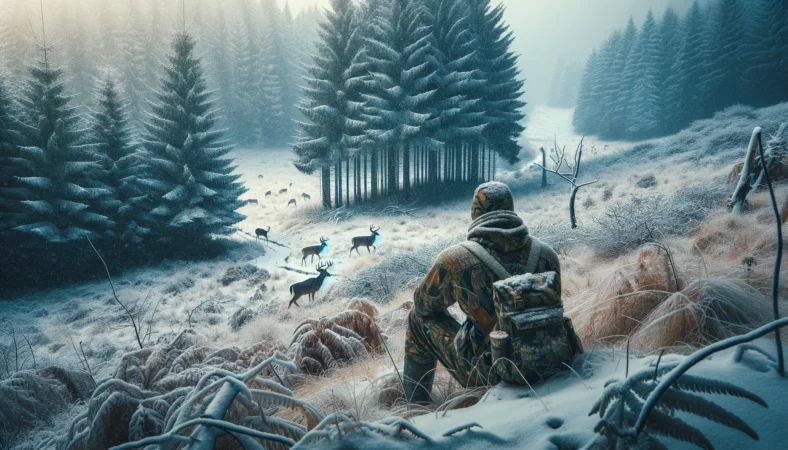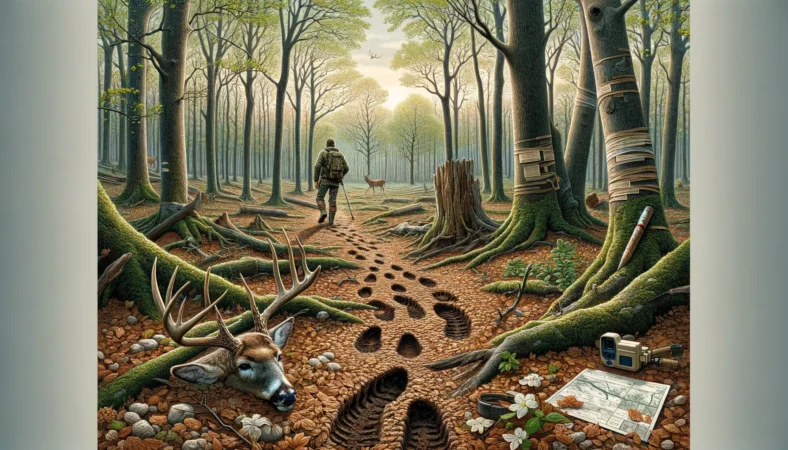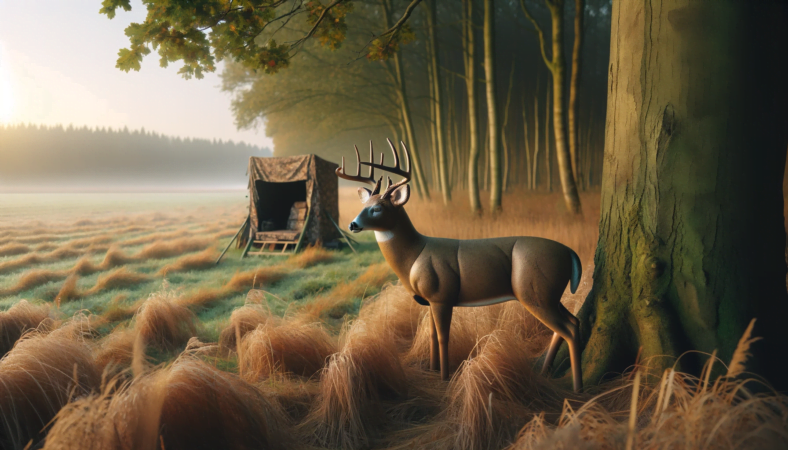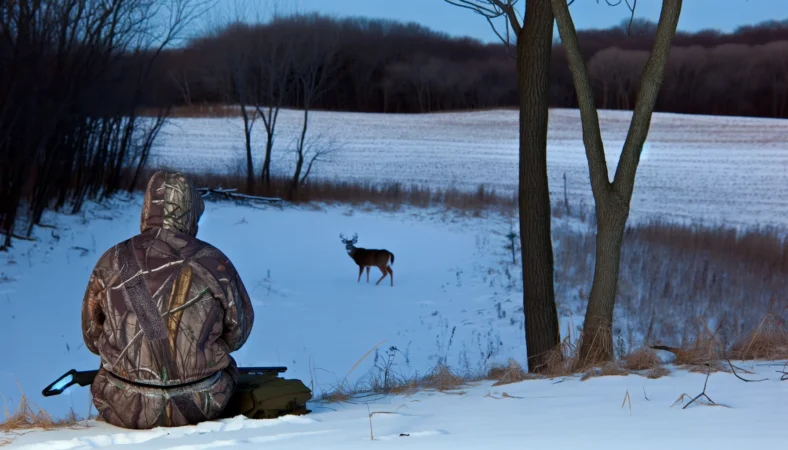
Finding and hunting late-season bucks is mostly about survival patterns. After the rut, mature bucks often reduce movement, use secure cover, and focus on reliable food. The best plan is to find current food, nearby bedding cover, low-pressure access, and a wind that lets you hunt without educating deer.
This guide focuses on practical late-season buck tactics. Always check current season dates, weapon rules, property access, and local regulations before hunting.
Table of contents
- Quick Answer
- How Late-Season Buck Behavior Changes
- Find The Best Remaining Food
- Confirm Fresh Buck Sign
- Hunt Near Thermal And Security Cover
- Account For Hunting Pressure
- Use Weather Windows Carefully
- Plan Quiet Access And Exit Routes
- Stand And Blind Placement
- When To Skip The Sit
- Cold-Weather Gear And Safety
- Shot And Recovery Planning
- Late-Season Buck Checklist
- Common Mistakes
- FAQ
- Final Takeaway
Quick Answer
To find late-season bucks, start with the food they are using now, then locate nearby secure bedding or thermal cover. Hunt the travel route between those two points with clean wind and quiet access. Avoid overhunting the spot because late-season bucks are often pressured and cautious.
The best setup is rarely the most obvious field edge. It is often a staging trail, downwind edge, overlooked pocket, or covered route that lets a buck reach food near dark without exposing himself too early.
How Late-Season Buck Behavior Changes
After the rut, bucks may be worn down and focused on recovering energy. They often spend more time near food and secure cover, and they may avoid places where hunters repeatedly walked, parked, or sat earlier in the season.
That does not mean mature bucks never move in daylight. It means daylight movement is more likely when food, weather, wind, and pressure line up. Fresh sign matters more than rut sign that is weeks old.
Find The Best Remaining Food
Late-season food can include cut crop fields, standing corn or soybeans where available, food plots, acorns, browse, green growth, and sheltered feeding areas. The right source depends on region, weather, and what deer are actually using.
Scout from a distance when possible. Tracks, trails, droppings, and evening observation can show which food source is active. For broader cold-weather context, see our late-season deer hunting tactics guide.
Confirm Fresh Buck Sign
Fresh tracks, large single beds, rubs near current travel, and repeated camera activity where legal can help separate a good-looking spot from a spot bucks are actually using. Late season is not the time to rely only on old rut sign.
Look for sign that connects food and cover. A big track entering a field after dark is useful, but the better clue may be the covered staging trail that buck used before stepping into the open.
Hunt Near Thermal And Security Cover
Thermal cover helps deer conserve energy. Conifers, thick brush, cattails, south-facing slopes, protected draws, and bedding pockets near food can become important as temperatures drop.
The closer you hunt to bedding, the more careful your entry must be. A setup near cover can catch a buck before dark, but a sloppy approach can ruin the spot fast.
Account For Hunting Pressure
By late season, older bucks may know common access routes, field-edge stands, and easy parking spots. Look for overlooked cover near food, hard-to-reach corners, creek crossings, brushy transitions, and routes that avoid open exposure.
Pressure also affects how often you should hunt a stand. Save your best spot for the best conditions. Repeated sits with the wrong wind can turn a good area into a night-only pattern.
Use Weather Windows Carefully
Cold fronts, snow, wind shifts, and warming trends can influence movement. Bucks may feed more before or after rough weather, but there is no universal rule. Local food, pressure, and bedding cover still matter.
Safety comes first in winter weather. Review conditions before entering, carry enough clothing for the sit, and do not force a hunt when travel, visibility, or recovery conditions are poor. Hunter Ed is a useful safety reference for field decisions.
Plan Quiet Access And Exit Routes
Frozen leaves, crusted snow, mud, and open fields can make access harder. Give yourself time, move slowly, and choose terrain that hides your approach. The route in should avoid bedding and the main feeding area whenever possible.
Plan the exit too. If deer are feeding near your path after dark, leaving carelessly can ruin the spot for several days. Sometimes waiting, looping wide, or using terrain is the better choice.
Stand And Blind Placement
Late-season stands and blinds should balance visibility with low intrusion. A field-edge view may be tempting, but bucks may not reach the field until after dark. A staging trail or covered transition can be better.
Set up for the wind, expected approach, and safe shot angle. If the only way to hunt the spot sends scent into the bedding area or food source, wait for another wind or choose a different stand.
When To Skip The Sit
Sometimes the best late-season decision is not hunting a spot. Skip it when the wind is wrong, the access route is too loud, deer are already feeding near the entry, or weather creates poor visibility and recovery conditions.
Protecting a good spot can be more valuable than forcing one more sit. Mature bucks often give fewer chances late in the year, so save the setup for conditions that make the whole hunt clean.
Cold-Weather Gear And Safety
Cold hunters move more and leave earlier. Dress for the sit, not just the walk in. Layers, gloves, headwear, insulated boots, a seat pad, hand warmers, a headlamp, and a charged phone can all matter.
For a broader pack review, use our perfect hunting kit guide and adapt it for cold weather, daylight length, and recovery needs.
Shot And Recovery Planning
Late-season recovery can be complicated by snow, darkness, cold, ice, and property boundaries. Think through the recovery before the shot. Know where the buck may run, how you will mark the shot, and whether weather could hide sign.
Do not take a shot just because the season is nearly over. A responsible opportunity is one you can make cleanly and recover with confidence.
Late-Season Buck Checklist
Current Food Found
Hunt the food deer are using now, not the source that looked good earlier in fall.
Secure Cover Nearby
Look for bedding or thermal cover close enough for daylight movement.
Clean Wind
Do not let your scent blow into bedding, food, or the expected travel route.
Quiet Exit
Plan how to leave without spooking deer that are feeding after dark.
Common Mistakes
Hunting Like The Rut Is Still On
Late-season bucks are usually more food- and security-focused than rut-focused.
Overhunting One Spot
Too much pressure can make mature bucks avoid the area until dark.
Ignoring Access Noise
Crunchy snow, frozen leaves, and open ground can expose you before daylight movement starts.
Under-Dressing
If you get cold too soon, you move more, lose focus, and leave before the best window.
FAQ
What is the best time to hunt late-season bucks?
Evenings near food are often important, but mornings and midday can work near secure travel or bedding if access is clean. Weather and pressure shape the best window.
Does snow help late-season buck hunting?
Snow can reveal tracks and feeding areas, but it can also make access noisy and travel harder. Use it as information, not a guarantee.
Do calls work on late-season bucks?
Sometimes, but use them sparingly. Late-season bucks may be cautious, and food/security patterns often matter more than calling.
What food sources matter most late season?
The best food source is the one deer are using now. Depending on location, that could be crops, food plots, browse, acorns, or sheltered green growth.
Final Takeaway
Late-season buck hunting comes down to current food, secure cover, low pressure, clean wind, and quiet access. Find where bucks can feed and bed safely, then hunt the setup only when conditions let you enter, sit, shoot, and exit responsibly.