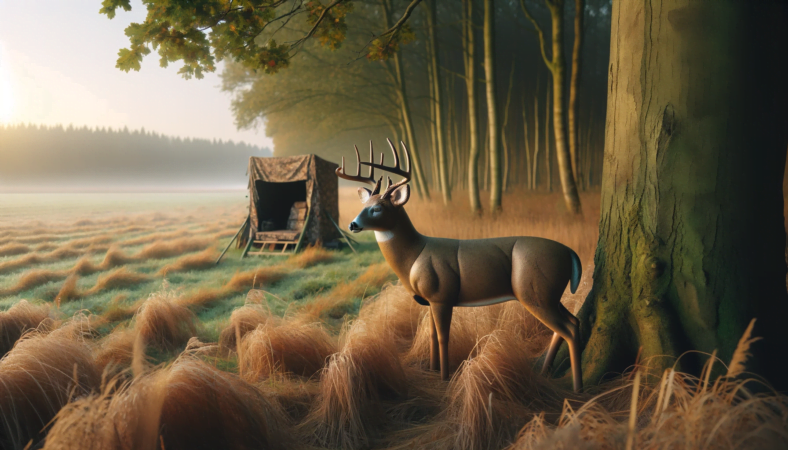

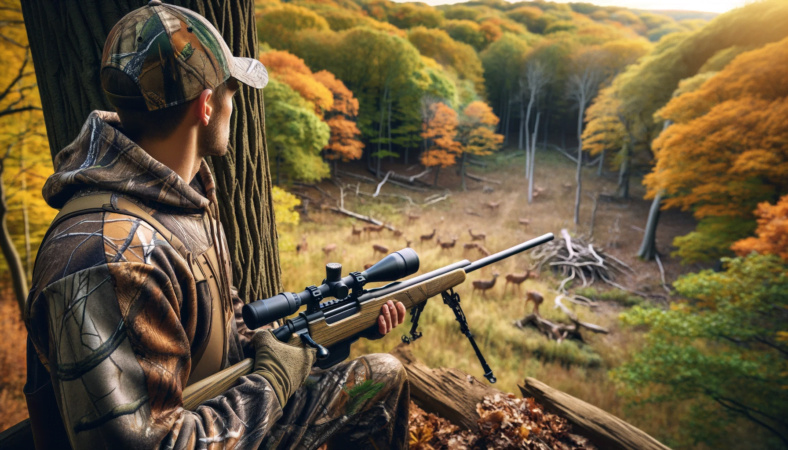
Hunting the rut means hunting deer during the breeding season, when bucks often move more in daylight, check doe groups, visit scrapes, and respond differently to pressure. The opportunity can be excellent, but the best rut strategy is still built on safety, wind, access, realistic scouting, and legal, ethical shot choices.
The rut does not make deer careless all day everywhere. It changes priorities and movement patterns. Hunters who understand the phases of the rut, identify doe bedding and travel corridors, and avoid overpressuring stands usually make better decisions than hunters who simply sit over random sign.
Table of contents
Quick Answer: How To Hunt The Rut
To hunt the rut effectively, focus on doe movement, funnels, downwind edges of bedding cover, fresh scrapes, and safe all-day stand locations. Use the wind first, hunt fresh sign carefully, and avoid walking through the exact areas deer are using. Bucks may travel farther during the rut, but they still react to pressure.
Best Rut Hunting Priorities
- Hunt where does spend time.
- Set up on travel corridors and terrain funnels.
- Watch downwind sides of bedding areas.
- Use fresh sign, not old sign.
- Stay safe in tree stands and during low-light movement.
- Follow current state seasons, tags, and legal equipment rules.
What Is The Deer Rut?
The rut is the breeding season for deer. For whitetails, rut timing varies by region, herd, and year, but many hunters associate it with fall. During this period, bucks spend more energy seeking does, checking scent, making rubs and scrapes, and moving between bedding and feeding areas.
The general rut concept applies to many mammals, but hunters should focus on local deer behavior rather than assuming one calendar date works everywhere.
Why The Rut Changes Buck Movement
Outside the rut, mature bucks may be more predictable around food, cover, and pressure. During the rut, they may travel more to find receptive does. That can make them more visible, but it can also make them harder to pattern precisely.
Why Does Matter More Than Random Buck Sign
During the rut, does are the center of the system. Bucks check doe bedding, feeding areas, and connecting trails. If you can identify where does feel secure, you have a better starting point than chasing every rub in the woods.
Understanding The Phases Of The Rut
Hunters often break the rut into phases. These phases are useful, but they are not perfect switches. Weather, pressure, deer density, and local timing can blur the lines.
Pre-Rut
In the pre-rut, bucks may begin making rubs and scrapes, expanding movement, and testing daylight patterns. Food sources and staging areas can still matter, but hunters should start watching travel routes between bedding and feeding cover.
Seeking And Chasing
As the rut builds, bucks may move more during daylight and cover more ground. This is when funnels, pinch points, creek crossings, saddles, field corners, and downwind bedding edges can become especially useful.
Peak Breeding
During peak breeding, some bucks may be locked down with individual does. Movement can feel intense one day and slow the next. All-day sits can still pay off because a buck may move at odd hours between does.
Post-Rut
After peak breeding, bucks may be worn down and return to food and security cover. Late-cycling does can still create short windows of rut-like movement. Food, cover, and low-pressure access become important again.
Key Rut Sign To Watch
Rut sign can help, but it needs context. A rub line or scrape does not automatically mean a stand is good today. Freshness, wind, access, and nearby doe activity matter.
Rubs
Rubs happen when bucks work their antlers and forehead glands on trees or brush. A cluster of fresh rubs can indicate buck travel or staging activity, but old rubs from earlier weeks should not be overvalued.
Scrapes
Scrapes are cleared patches of ground often associated with overhanging branches. Bucks and does may visit them, especially before peak breeding. Fresh tracks, disturbed leaves, and scent activity matter more than the scrape’s existence alone.
Doe Concentration
If you consistently see does using a field edge, oak flat, bedding pocket, or travel corridor, that area may become more valuable as the rut builds. Bucks often check doe groups downwind.
Where To Hunt During The Rut
Good rut stands usually combine deer movement, wind advantage, safe shooting lanes, and low-impact access. The best sign is not helpful if you alert every deer while walking in.
Funnels And Pinch Points
Funnels concentrate movement. Look for narrow strips of cover, creek crossings, saddles, fence gaps where legal, field corners, and terrain that naturally guides deer. During the rut, traveling bucks may use these spots to cover ground efficiently.
Downwind Bedding Edges
Bucks often check doe bedding areas by scent. A stand on the downwind side can be productive if access is clean and the wind does not carry your scent into the cover you expect deer to use.
Field Edges And Food Sources
Food still matters because does still feed. Field edges, oak flats, browse lines, and staging cover near food can be useful, especially during pre-rut and post-rut phases.
Public Land Pressure Adjustments
On public land, pressure can shift deer into thicker cover or harder-to-access areas. For a deeper public-land strategy angle, see our public land deer hunting guide.
Best Timing For Rut Hunts
Rut timing is local. Calendar predictions can help, but fresh sign and observed deer behavior should guide decisions. Hunters should also check legal shooting hours, season dates, and tag rules for their state.
Morning Hunts
Mornings can be strong when bucks return toward bedding areas or cruise travel corridors. Access matters. If your entry route blows deer out of the bedding area, the stand may not be worth it.
Midday Movement
During active rut periods, midday movement can happen. An all-day sit in a comfortable, safe, well-placed stand can pay off, especially in funnels or near doe bedding cover.
Evening Hunts
Evenings can be useful near food, staging areas, and travel corridors. Plan your exit carefully so you do not educate deer after dark. For cold and late-season context, see our guide on how cold weather affects wild turkeys; weather awareness matters across hunting seasons, even when the species is different.
Calling, Rattling, Scents, And Decoys
Calls, rattling, scents, and decoys can work during the rut, but they are not magic. Use them carefully, legally, and in a setup where a deer can approach without catching your wind first.
Grunt Calls
A grunt call can get a buck’s attention or bring a curious deer closer. Start subtle. Overcalling can make pressured deer suspicious.
Rattling
Rattling imitates buck interaction. It may work best when bucks are actively competing, but local deer density and pressure affect response. Be ready before rattling because a deer may approach quickly and quietly.
Scents And Decoys
Use scents and decoys only where legal and practical. Follow local regulations, avoid contaminating your setup with human scent, and place decoys where you have a safe shot angle and clear identification.
Safety And Ethical Hunting During The Rut
The rut can make hunters excited, and excitement is exactly when safety standards matter most. Identify the animal clearly, know what is beyond it, and do not force a shot because the moment feels rare.
Tree Stand Safety
If you hunt from a tree stand, use a full-body harness and stay connected from the ground up whenever possible. The Tree Stand Safety Awareness Foundation provides useful safety education for elevated hunting.
Know Local Regulations
Rut timing often overlaps busy hunting seasons. Check state wildlife agency rules for seasons, permits, legal equipment, blaze requirements, tagging, and reporting. Do not rely on old rules or another hunter’s memory.
Make Ethical Shot Choices
Only take shots you can make cleanly with your equipment and skill. A moving rutting buck can tempt rushed decisions. Wait for a clear angle, steady position, and known distance.
Common Rut Hunting Mistakes
Rut hunting can be exciting, but small mistakes still matter. Avoiding the obvious errors often improves results more than adding another gadget.
Hunting Old Sign
Old rubs and scrapes can show history, but fresh tracks, fresh scrape activity, and current deer movement are more useful. Do not sit a dead area just because it looked good weeks ago.
Ignoring Wind And Access
A great stand can fail if your entry route or wind direction alerts deer before daylight. Plan how you get in and out as carefully as where you sit.
Overusing Calls
Calling can help, but too much calling can sound unnatural, especially on pressured land. Watch deer response and adjust.
Leaving Too Early
During the rut, movement can happen outside the usual first-light and last-light windows. If the stand is safe and comfortable, staying longer can be worthwhile.
FAQ
What is the best time of day to hunt the rut?
Mornings and evenings are still important, but midday movement can improve during active rut periods. Good funnels and downwind doe bedding edges can be worth longer sits.
Should I hunt scrapes during the rut?
Fresh scrapes can be useful, especially before peak breeding. During peak rut, buck attention may shift more toward does, so scrape hunting should be balanced with doe movement and travel corridors.
Do cold fronts help rut hunting?
A temperature drop can increase daylight movement in many areas, but it is not guaranteed. Wind, pressure, food, and local deer behavior still matter.
Are decoys worth using during the rut?
They can work in open settings where deer can see them, but they must be legal, safely placed, and used with attention to wind and shot angles. They are usually less useful in thick cover.
What is the biggest rut hunting mistake?
The biggest mistake is ignoring the basics because the rut feels special. Wind, safe access, fresh sign, legal rules, and ethical shots still matter every day.
Final Thoughts
Hunting the rut is about understanding deer behavior, not just waiting for luck. Focus on does, funnels, bedding edges, fresh sign, and safe setups. Stay patient, follow the wind, respect regulations, and let ethical shot discipline guide every decision.