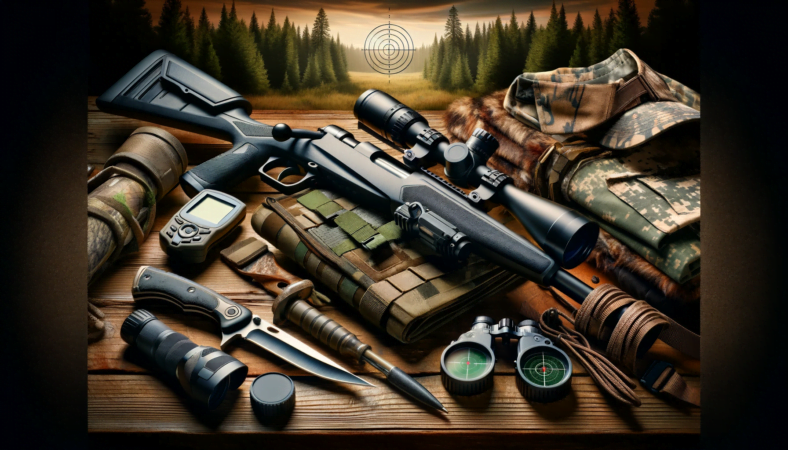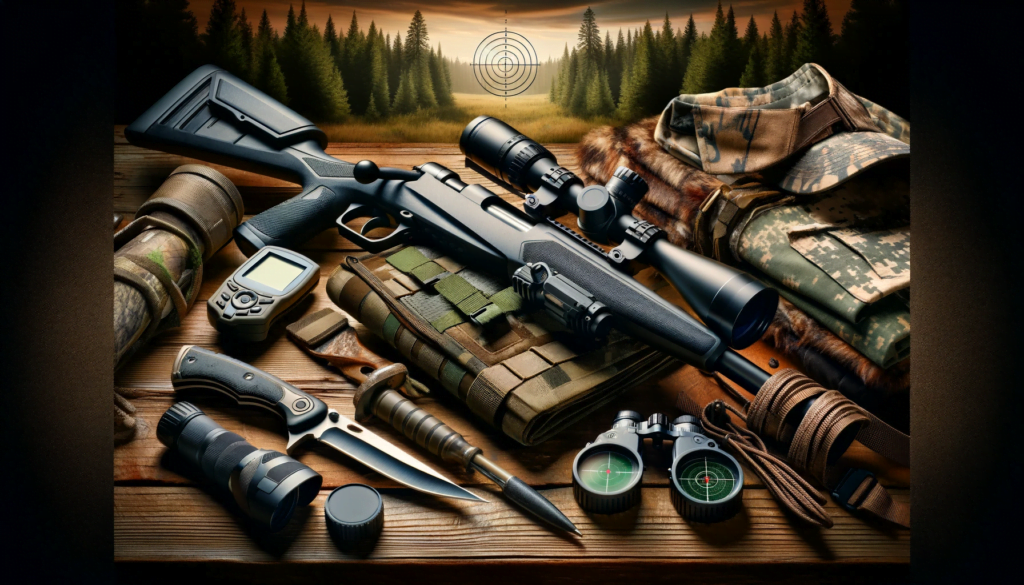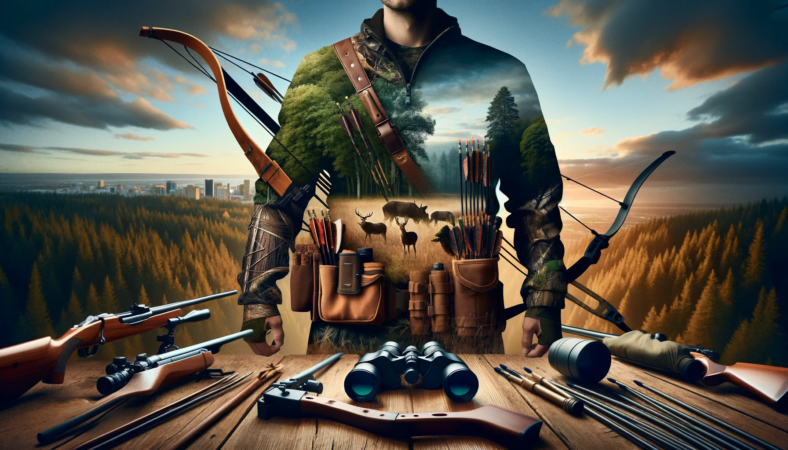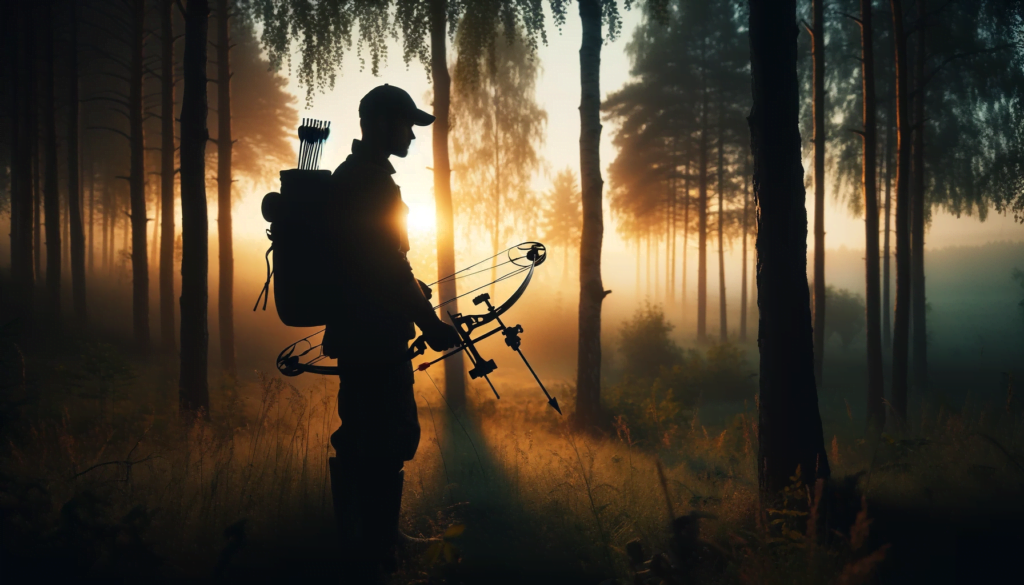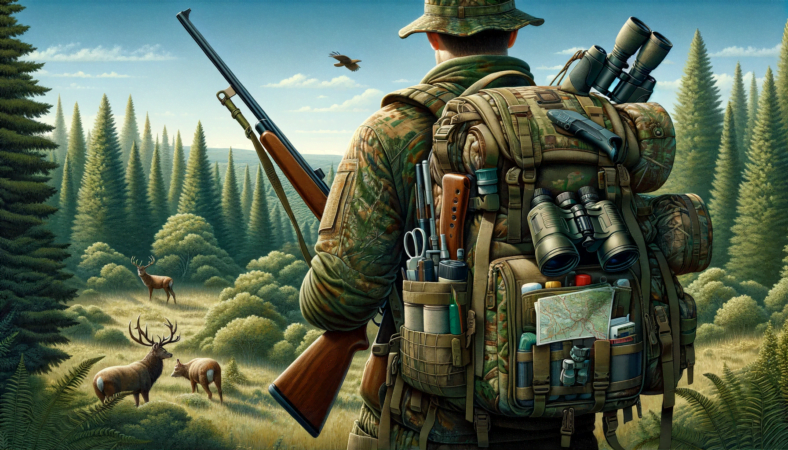
Key Hunting Gear Essentials for Safety and Stealth

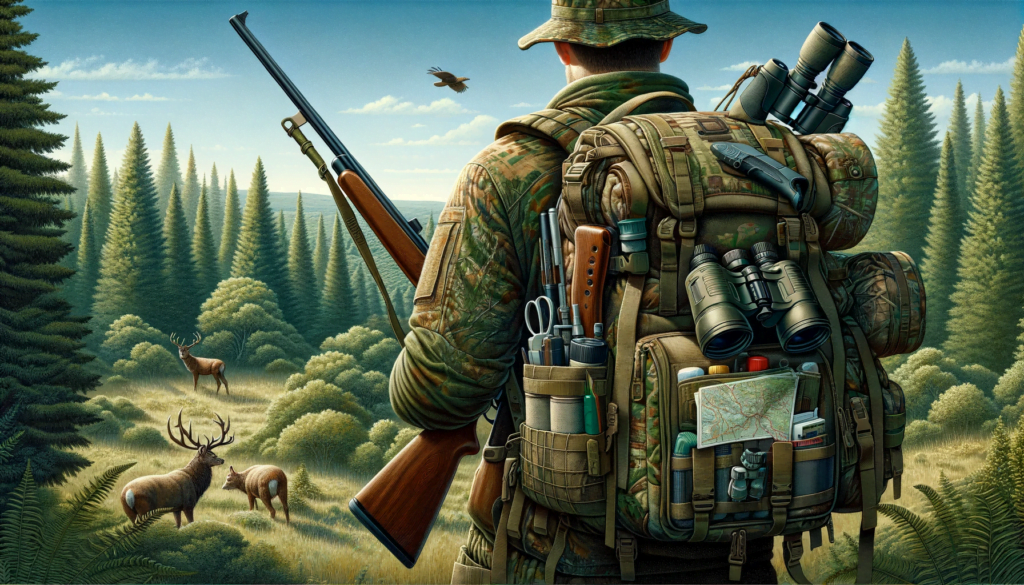
Hunting, an activity deeply rooted in human history, demands not only skill and patience but also a keen understanding of the right gear for safety and stealth. This comprehensive guide delves into the essential equipment every hunter should possess, ensuring a successful, secure, and discreet experience in the wilderness.

Table of contents

Introduction

Hunting transcends being a mere outdoor activity; it’s an engagement with nature at its most primal. The right gear can make the difference between a fruitful and a futile hunt. Beyond the success of the hunt, the safety and stealth of the hunter are paramount. This article expands on the essential gear every hunter should have, providing detailed explanations, expert tips, and insights into why each piece is crucial.

Key Hunting Gear Essentials for Safety and Stealth

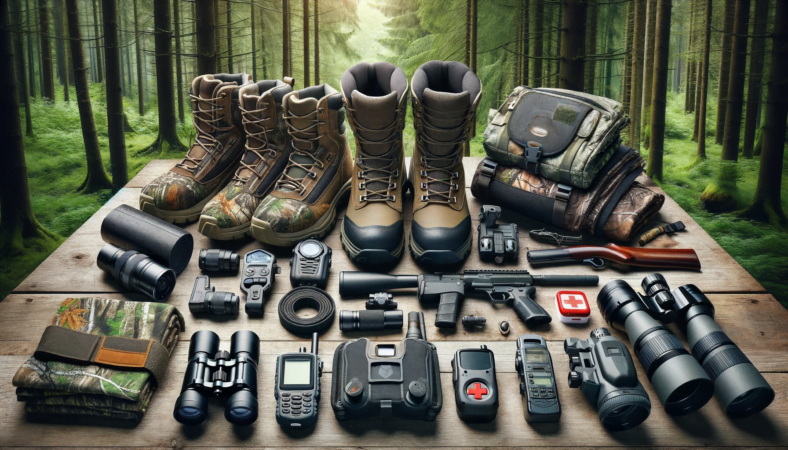
High-Quality Footwear

  • Importance: Proper footwear is essential for navigating the rugged and often unpredictable terrain of the wilderness.
  • Features: Look for boots that offer ankle support, waterproofing, and insulation. A good grip and durable construction are also key.

Protective Clothing

  • Role of Camouflage: Camouflage helps in blending seamlessly with the environment, a crucial factor for both safety and success.
  • Necessary Features: Your clothing should be durable, breathable, and suitable for the weather conditions you’ll be hunting in.

Navigation Tools

  • GPS vs. Traditional Compass and Map: While GPS devices offer modern convenience, the reliability of a compass and map should never be underestimated.
  • Effective Use: Familiarize yourself with both GPS technology and traditional navigation methods before your hunt.

First Aid Kit

  • Essential Contents: Your kit should include bandages, antiseptics, pain relievers, allergy medications, and personal medications.
  • Knowledge and Preparedness: Basic first aid knowledge is as important as the kit itself. Consider taking a course or self-educating on first aid practices.

Communication Devices

  • Types: Walkie-talkies, cell phones, and satellite phones each have their place in a hunter’s pack.
  • Staying Connected: In remote areas, maintaining a line of communication can be vital in emergencies.

Firearm Safety

  • Safe Handling and Transport: Understanding and adhering to firearm safety guidelines is non-negotiable.
  • Hunter Education: Engage in courses that educate on the safe use and handling of firearms.

Gear for Stealth

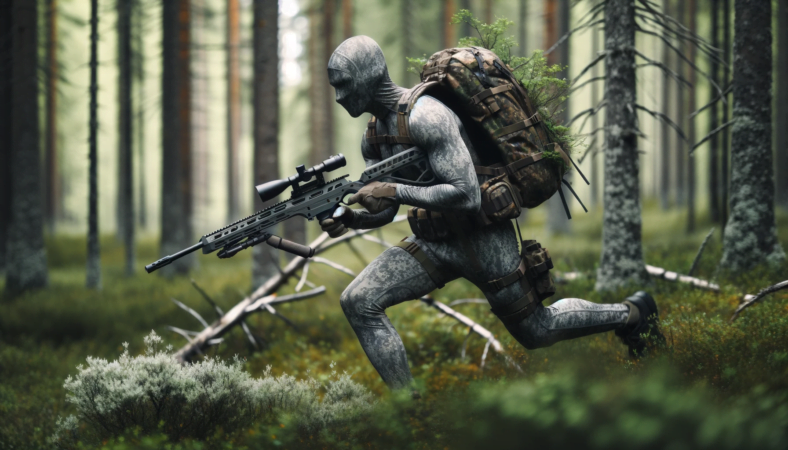
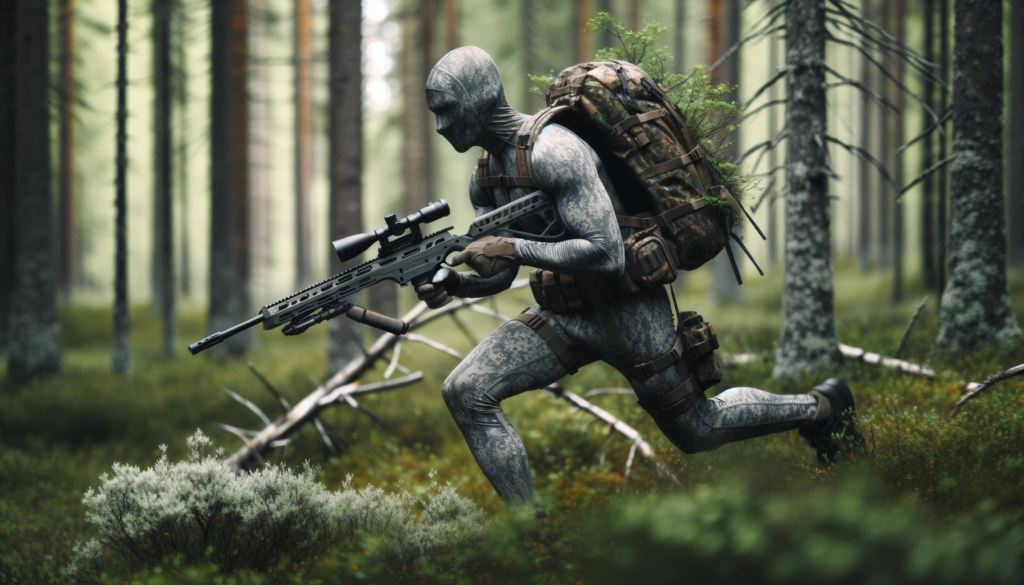
Camouflage

  • Types and Uses: Different environments call for different camouflage patterns and styles.
  • Blending In: Learn how to effectively use camouflage to become a part of your surroundings.

Scent Control

  • Minimizing Human Scent: Human scent can alert prey and hinder the hunt. Use products and techniques to control and minimize your scent.
  • Products and Techniques: Scent-eliminating sprays, cover scents, and scent control clothing can be effective.

Noise Reduction

  • Quiet Gear Selection: Choose gear and clothing that are designed to be quiet, reducing the chances of startling your prey.
  • Silent Movement Techniques: Practice moving silently through different terrains.

Optics and Scopes

  • Contribution to Stealth: Quality optics help in spotting game without being detected.
  • Choosing Optics: Look for durability, clarity, magnification, and ease of use when selecting scopes and binoculars.

Decoys and Calls

  • Attracting Prey Discreetly: Use decoys and calls to attract game to you, rather than pursuing it.
  • Realistic Use: Learn the art of using calls and decoys effectively and realistically.

Advanced Gear for the Experienced Hunter

Trail Cameras

  • Enhancing Game Understanding: Trail cameras provide insights into animal patterns and behaviors.
  • Usage Tips: Place cameras in strategic locations and learn to interpret the data effectively.

Portable Tree Stands and Blinds

  • Advantages of Elevated Views: Height can provide a broader view and a strategic advantage.
  • Safety Considerations: Always prioritize safety when using elevated platforms.

Specialized Hunting Apps

  • Aid from Technology: Various apps can assist in planning your hunt, from weather forecasting to tracking animal movements.
  • Recommended Apps: Explore apps tailored to the type of hunting you engage in.

Frequently Asked Questions

Q: What is the most important piece of safety gear for hunters?
A: While all safety gear is important, a comprehensive first aid kit and proper knowledge of its use are crucial. Injuries can happen, and being prepared is key to a safe hunting experience.

Q: How can I effectively use camouflage for different environments?
A: Study the environment you’ll be hunting in and choose camouflage that mimics the local flora and terrain. Practice setting up and moving in your gear to ensure you blend in effectively.

Q: What are the best practices for firearm safety while hunting?
A: Always treat firearms as if they are loaded, keep the muzzle pointed in a safe direction, and be sure of your target and what’s beyond it. Proper training and education are essential.

Q: How do I choose the right optics for my hunting needs?
A: Consider the type of game you’re hunting and the typical distances involved. Look for optics that offer clear, bright images and durable construction to withstand outdoor conditions.

Q: Are there any specific techniques for moving silently in the woods?
A: Practice moving slowly and deliberately, being mindful of where you place your feet. Soft, flexible clothing and gear can also help minimize noise.

As you gear up for your next hunt, remember that the right equipment can significantly enhance your safety and stealth. Each piece of gear, chosen thoughtfully and used wisely, plays a crucial role in the overall experience and success of your hunting adventure. Embrace the blend of skill, knowledge, and the right equipment to ensure a safe, discreet, and rewarding connection with the great outdoors.
Fundamental Hunting Gear Items That Shouldn’t Be Overlooked

Embarking on a hunting expedition requires not just skill and knowledge, but also a set of fundamental gear items that can make or break your experience in the wilderness. Overlooking these essentials can lead to discomfort, inefficiency, or even dangerous situations. This comprehensive guide will walk you through the crucial hunting gear items you should never leave behind, ensuring a safer, more enjoyable, and successful hunt.

The Non-Negotiables of Hunting Gear

Clothing and Protection

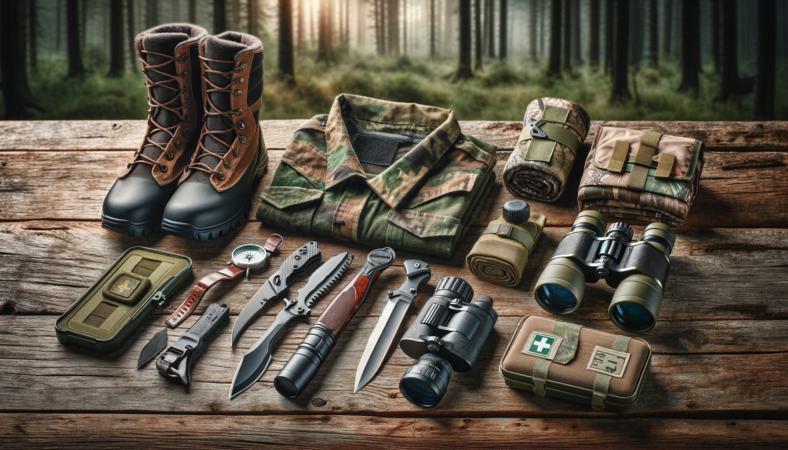
  • Waterproof Camouflage Clothing: Stay dry and blend into your environment to increase your chances of a successful hunt.
  • Quality Footwear: Durable, waterproof boots will keep your feet protected and comfortable during long treks.

Navigation and Observation

  • Reliable Compass: Even if you prefer a GPS device, a traditional compass is an indispensable backup.
  • High-Quality Binoculars: Spotting your prey from a distance can be the difference between a fruitful day and a futile one.

Tools and Maintenance

  • Durable Hunting Knife: From preparing bait to dressing your game, a sharp, reliable knife is a hunter’s best friend.
  • Weapon Maintenance Kit: Keep your gun or bow in top condition to ensure reliability when it matters most.

Safety and First Aid

  • Compact First Aid Kit: Accidents happen, and being prepared can mean the difference between a minor inconvenience and a major emergency.
  • Emergency Whistle and Signal Mirror: If you get lost or injured, these tools can be crucial for signaling rescuers.

The Importance of Preparation

Why Every Item Matters

Each piece of gear serves a purpose, whether it’s ensuring your safety, increasing your comfort, or enhancing your hunting efficiency. Overlooking even one item can have ripple effects throughout your hunt.

Personalizing Your Gear List

While the items listed are universally important, every hunter’s needs are slightly different. Consider the specific conditions and challenges of your hunting environment when packing.


Frequently Asked Questions

Q: Is it really necessary to bring a compass if I have a GPS device?
A: Yes. Technology can fail or batteries can die, and in such cases, a traditional compass could be your only means of navigation.

Q: Can’t I just use any clothing for hunting?
A: While you could, specialized hunting clothing provides benefits like scent control, camouflage, and protection against the elements that regular clothing doesn’t offer.

Q: What should I look for in a hunting knife?
A: Look for a knife with a durable, sharp blade, a comfortable grip, and solid construction. It should be suited to the tasks you’ll need it for, such as skinning or cutting branches.

Q: Are binoculars really that important?
A: Absolutely. Quality binoculars allow you to observe your prey from a safe distance without alerting it, increasing your chances of a successful hunt.

Remember, the key to a successful and enjoyable hunting trip lies not only in your skills and knowledge but also in the gear you carry. By ensuring you have these fundamental items, you’re setting yourself up for a more effective, comfortable, and safe hunting experience. Each item serves a purpose, contributing to your overall preparedness and ability to adapt to whatever the wilderness throws your way. Happy hunting!

The Impact of the Right Hunting Gear on Game Results

The pursuit of game in the wild is an intricate dance of skill, knowledge, and the right equipment. The impact of having the right hunting gear cannot be overstated; it can be the difference between a successful hunt and a missed opportunity. This detailed guide delves into the crucial role of selecting the appropriate gear for various hunting scenarios, and how it influences the outcomes of your hunting expeditions.

Understanding the Importance of Proper Gear

The Role of Equipment in Hunting

The right gear serves as a bridge between hunter and quarry, enhancing the hunter’s abilities and compensating for environmental challenges. It includes everything from the weapon to clothing, navigation tools, and more.

How Gear Affects Success

Proper gear can:

  • Improve Accuracy and Range: High-quality weapons and optics increase the likelihood of a clean, ethical shot.
  • Enhance Stealth and Camouflage: Proper clothing and camo patterns can make you virtually invisible in the natural environment.
  • Increase Comfort and Stamina: Comfortable, weather-appropriate gear allows you to hunt longer and more effectively.

Key Components of Effective Hunting Gear

Weapons and Ammunition

  • Selecting the Right Firearm or Bow: Depending on the game and terrain, choosing the right weapon is critical for effective hunting.
  • Quality Ammunition: Using the right ammunition can significantly affect accuracy and the efficiency of the hunt.

Clothing and Camouflage

  • Weather-Appropriate Apparel: Gear that suits the weather and terrain can keep you focused and comfortable.
  • Effective Camouflage: Camo that matches your hunting environment makes you less detectable to game.

Navigation and Communication Tools

  • Reliable GPS Devices: Navigation tools are essential for safety and tracking in unfamiliar territories.
  • Communication Devices: In group hunts or large areas, staying in touch can be vital for coordination and safety.

The Ethical Considerations

Selecting Gear for a Humane Hunt

Choosing the right gear is not only about effectiveness but also about ensuring a humane and ethical hunt. This means clean, quick kills that respect the animal and the environment.


Frequently Asked Questions

Q: How much does gear really matter compared to skill?
A: While skill is undoubtedly crucial, the right gear can significantly enhance a hunter’s abilities and compensate for environmental challenges. It’s a balance of both skill and gear that leads to successful hunting.

Q: Can high-tech gear replace traditional hunting skills?
A: No, technology should be seen as a complement to, not a replacement for, traditional skills. The most successful hunters blend skill with the advantages offered by modern gear.

Q: What’s the most important piece of hunting gear?
A: This varies depending on the individual and the type of hunting. However, the weapon and ammunition are often considered the most critical components.

Q: How do I choose the right gear for different hunting environments?
A: Research your hunting environment and the game you’re pursuing. Talk to experienced hunters, read up on the latest gear, and consider factors like climate, terrain, and the behavior of your game.

As you embark on your next hunting trip, remember that the right gear can elevate your experience, increase your success rate, and ensure an ethical approach to the sport. The blend of skill, knowledge, and the appropriate equipment paves the way for a fulfilling and respectful hunting adventure. Whether you are a seasoned hunter or a beginner, understanding and investing in the right gear will undoubtedly impact your game results positively.

Lightweight and Agile Gears for Hunters

In the world of hunting, agility and speed often mean the difference between success and missed opportunities. As hunters seek to traverse vast terrains, climb steep inclines, or stealthily stalk their prey, the need for lightweight and agile gear becomes paramount. This comprehensive guide explores the world of lightweight hunting gear designed to enhance mobility, increase efficiency, and improve the overall hunting experience.

The Importance of Lightweight Gear

Why Go Light?

Lightweight gear offers several advantages:

  • Increased Mobility: Move faster and more quietly, reacting swiftly to the movements of your prey.
  • Endurance: Less weight means less fatigue, allowing you to hunt longer and cover more ground.
  • Stealth: Lighter gear tends to be quieter, helping you stay undetected.

Essential Lightweight Gear for Hunters

The Must-Haves

  • Compact Crossbow/Bow: Modern designs offer the same power in a smaller, lighter package.
  • Lightweight Clothing: Look for materials that offer protection and camouflage without the bulk.
  • Handheld GPS: Small, powerful devices keep you on track without weighing you down.
  • Sleek Binoculars: Modern optics provide clarity and range in a lightweight design.
  • Collapsible Water Bottle: Stay hydrated without the bulk.

Choosing the Right Gear

Quality Over Quantity

Opt for gear that offers the best functionality to weight ratio. Sometimes, paying a bit more for higher-quality, lighter items is worth the investment.

The Art of Packing

Learn to pack smartly, taking only what you need and nothing more. Efficient packing can significantly reduce your load.

Balancing Weight with Necessity

What to Bring, What to Leave

Every item should justify its place in your pack. If it’s not essential, leave it behind.

Multi-Function Items

Choose gear that can serve multiple purposes, reducing the need to carry extra items.

The Ethical Considerations

Leave No Trace

Lightweight gear makes it easier to adhere to leave no trace principles, ensuring that the natural environment remains undisturbed.


Frequently Asked Questions

Q: Will using lightweight gear compromise my safety or success? A: Not at all. Modern lightweight gear is designed to offer the same, if not better, functionality as heavier counterparts. The key is choosing quality items and knowing how to use them effectively.

Q: How do I transition to lighter gear? A: Start by replacing your heaviest items with lighter alternatives. Test new gear on shorter trips before relying on it for longer hunts.

Q: Can lightweight gear withstand harsh hunting conditions? A: Absolutely. Many lightweight items are specifically designed for rugged outdoor use. Look for gear made from durable materials and backed by strong warranties.

Q: Is lightweight gear more expensive? A: Initially, it can be. However, investing in high-quality, lightweight gear can save you money in the long run through durability and the added benefit of a more enjoyable hunting experience.

As you consider transitioning to lightweight and agile hunting gear, remember that the goal is not just to lighten your load but to enhance your overall hunting experience. Lightweight gear can increase your mobility, endurance, and stealth, making your hunting trips more successful and enjoyable. Embrace the journey of discovering the perfect balance of lightness and functionality, and let your gear elevate your hunting adventures to new heights.

The Blend of Traditional and Modern Hunting Gears

In the realm of hunting, the winds of change have brought about a remarkable fusion of the old and the new. The convergence of traditional wisdom with modern innovation has given rise to a hybrid hunting style that honors the past while embracing the future. This comprehensive guide explores the synergistic blend of traditional and modern hunting gears, offering insights into how this fusion enhances the hunting experience, improves success rates, and respects the ancient traditions of the sport.

Understanding the Fusion

The Best of Both Worlds

Combining the reliability and simplicity of traditional gear with the precision and efficiency of modern technology creates a balanced approach. This fusion allows hunters to leverage the strengths of both worlds, resulting in a more adaptable and effective hunting strategy.

Why Blend?

The blend serves several purposes:

  • Versatility: Different situations call for different approaches. Having a range of gear at your disposal allows for flexibility and adaptability.
  • Tradition Meets Innovation: Respecting the time-honored traditions of hunting while taking advantage of technological advancements can enhance the overall experience and success.

Essential Gear: A Fusion List

Traditional Gear

  • Longbow or Recurve Bow: These weapons connect you to the ancient art of archery, requiring skill and patience.
  • Handcrafted Knives: For tasks like skinning and dressing, a well-crafted knife is both a tool and a piece of heritage.

Modern Gear

  • Advanced Optics: High-tech binoculars and scopes offer clarity and precision that were unimaginable to our ancestors.
  • GPS and Mapping Tools: Modern navigation tools can ensure safety and efficiency in the wilderness.

The Hybrid

  • Camouflage: Today’s camo patterns are scientifically designed to blend into the environment, a concept rooted in traditional concealment techniques.
  • Clothing and Footwear: Modern materials provide comfort and protection while incorporating traditional styles and patterns.

Balancing Tradition with Technology

When to Go Traditional

Some scenarios call for the simplicity and silence of traditional gear. For instance, when stalking prey in close quarters, the quiet draw of a longbow is unmatched.

When to Choose Modern

In other situations, like long-range shooting or navigating unfamiliar territory, modern gear provides advantages that can’t be ignored.

The Ethical Considerations

Honoring the Hunt

Regardless of the gear you choose, the spirit of hunting demands respect for the animal and the environment. This blend of gear should enhance, not detract from, the ethical considerations inherent in the sport.

Stories of Fusion

Tales from the Field

Hear from hunters who have mastered the art of blending old and new, and how it has transformed their hunting experiences.


Frequently Asked Questions

Q: Can traditional and modern gear really work together? A: Absolutely. Many hunters find that using a mix of both allows them to adapt to various scenarios and enjoy the best aspects of each.

Q: Isn’t modern gear always better? A: Not necessarily. While modern gear offers many advantages, traditional gear can provide a sense of connection and skill that modern technology can’t replicate.

Q: How do I know what blend is right for me? A: It’s largely a matter of personal preference and the specific circumstances of your hunt. Consider the environment, the game you’re pursuing, and your personal ethics and style.

Q: Will using traditional gear make me a less successful hunter? A: Success in hunting isn’t solely about the gear; it’s about skill, knowledge, and experience. Traditional gear might change your approach, but it doesn’t inherently mean less success.

As you contemplate the blend of traditional and modern hunting gear, remember that the ultimate goal is to honor the tradition of the hunt while enhancing your connection to the natural world. The right blend of gear will make you not just a more effective hunter, but a more ethical and respectful one as well. Whether you’re drawn to the simplicity of traditional gear or the efficiency of modern technology, finding the balance that works for you is a personal journey, one that will enrich your hunting experience in countless ways.

Simplifying Gear for a More Authentic Hunting Experience

Venturing into the wilderness for a hunt is a journey back to our ancestral roots, a step away from the clamor of modern life into the silence and serenity of nature. Yet, in our quest for efficiency and effectiveness, we often clutter this sacred experience with an array of high-tech gadgets and complex equipment. This guide is an invitation to simplify your hunting gear, to strip down to the essentials, and embrace a more authentic, fulfilling connection with the wild. Let’s embark on this journey together, rediscovering the purity of the hunt and enhancing your connection with the natural world.

Understanding the Need for Simplification

Why Simplify?

In an era where technology infiltrates every aspect of life, simplicity is a sanctuary. By reducing our dependence on complex gear, we:

  • Enhance Focus: Carrying only what’s necessary means fewer distractions, allowing you to immerse yourself deeply in the hunting experience.
  • Improve Skills: With fewer gadgets to rely on, you’re compelled to sharpen your hunting skills, to rely on instinct, knowledge, and experience.
  • Connect with Nature: A minimalist approach brings you closer to the earth, making you a part of the landscape rather than an outsider looking in.

The Pitfalls of Overcomplicating Gear

Too much gear can:

  • Increase Burden: Each unnecessary item in your pack is a weight on your shoulders, both literally and metaphorically.
  • Diminish Skills: Overreliance on technology can atrophy your natural hunting instincts and abilities.
  • Detract from the Experience: Every moment spent adjusting a gadget is a moment not spent enjoying the beauty around you.

Essential Gear for the Simplified Hunter

The Minimalist’s Arsenal

To maintain efficiency without the bulk, consider these essentials:

  • Weapon of Choice: Be it a bow, rifle, or crossbow, select a weapon that feels like an extension of your own body.
  • Basic Navigation Tools: A compass and map, reliable and timeless, can often outperform electronic counterparts.
  • Appropriate Clothing: Quality, weather-appropriate attire will protect and camouflage you without overcomplication.

What to Leave Behind

Learn to discern the essential from the extraneous. If it doesn’t add value to your hunt, it’s likely not worth the weight.

Honing Your Skills and Instincts

The Art of Tracking and Stalking

Embrace the ancient arts of tracking and stalking. Understand your quarry, learn to read the land, and move with stealth and purpose.

Improving Your Aim and Patience

Without the crutch of technology, a steady hand and a calm mind are paramount. Practice until your weapon feels like a part of you, and patience becomes second nature.

Connecting with Nature

The Role of Mindfulness

Mindfulness draws out the richness of the present moment, heightening your senses and tuning you into the subtleties of the natural world.

Leaving No Trace

Ethical hunting means leaving the land as you found it, ensuring that the ecosystems we enjoy remain vibrant and healthy for generations to come.

Overcoming Challenges with Simplicity

Dealing with Uncertainty

The wild is unpredictable, but a calm, prepared mind can adapt to any circumstance.

Simplified Solutions for Common Problems

Often, the simplest solution is the most effective. Learn to think creatively and solve problems with the tools at hand.

The Hunter’s Journey: Stories of Simplification

Personal Testimonies

Hear from those who’ve embraced the minimalist path and how it has transformed their experience of the hunt.

Historical Perspectives

Learn from our ancestors, for whom hunting was not a pastime but a necessity, and simplicity was the only option.

Conclusion: The Path to a Purer Hunt

Embracing the Philosophy of Less is More

Understand that simplifying your gear isn’t about sacrifice, but about gaining a deeper, more authentic hunting experience.

Continuing Your Journey

Embrace continuous learning and adaptation. Simplification is a journey, not a destination.


Frequently Asked Questions

Q: Won’t I be at a disadvantage without the latest hunting technology? A: While technology can offer advantages, it’s not the only path to success. Skill, knowledge, and intuition are equally, if not more, important. Many hunters find that less technology actually enhances their success and enjoyment.

Q: How do I start simplifying my gear? A: Begin by critically evaluating each piece of equipment you currently use. Ask yourself if it’s essential, if it enhances your experience, and if there’s a simpler alternative. Then, gradually reduce and refine your gear.

Q: Can I still be an ethical hunter with simplified gear? A: Absolutely. Ethical hunting is about respect, knowledge, and intent, not about the gear you carry. Simplified gear can actually enhance your ethical practices by making you more attuned to the environment and your prey.

Q: Will simplifying my gear make hunting more challenging? A: It may present different challenges, but it can also make hunting more rewarding. Overcoming challenges with skill and wit rather than technology can lead to a deeper sense of accomplishment.

As you consider simplifying your hunting gear, remember that the ultimate goal is not just about reducing the weight of your backpack. It’s about enhancing your connection with the environment, refining your skills, and rediscovering the pure essence of the hunt. Start your journey towards a more authentic hunting experience today, and embrace the profound satisfaction that comes with the simplicity of the wild.

Assembling the Perfect Kit for Any Hunting Trip

Embarking on a hunting journey isn’t just a step into the wilderness; it’s a venture into preparation and strategy. Crafting the ultimate hunting kit is essential to ensure a rewarding and safe experience. Whether you’re a veteran of the hunt or preparing for your first journey, this guide is designed to equip you with everything you need for various environments and game.

Deciphering Your Hunting Demands

Understanding the specifics of your hunting trip is the first step to preparation:

  • Targeted Game: Your prey determines your approach and gear.
  • Hunting Locale: Terrain and climate dictate your kit’s contents.
  • Expedition Duration: The length of your trip influences supply quantities.

Core Hunting Equipment

Weapons & Ammunition

  • Selection: Choose between rifles or bows based on your target and skill.
  • Extra Ammunition/Arrows: It’s better to have it and not need it.

Apparel & Concealment

  • Stealthy Gear: Camouflage is key for blending into your environment.
  • Adaptive Clothing: Be ready for weather shifts with layered attire.
  • Sturdy Footwear: Protect and support your feet with quality boots.

Orientation & Communication

  • Navigation Tools: A reliable GPS and a physical map can be lifesavers.
  • Stay Connected: A charged communication device is crucial for emergencies.

Supportive Gear

Vision Enhancement

  • Binoculars & Scopes: Spot your prey before it spots you.
  • Rangefinder: Ensure your shot is on target.

Survival Essentials

  • Multipurpose Knife: An indispensable tool for countless scenarios.
  • First-Aid Kit: Prepare for the unexpected.
  • Fire-Making Supplies: Essential for warmth and food preparation.

Additional Necessities

  • Scent Masks: Go unnoticed by your prey.
  • Animal Calls: Lure your target closer.
  • Capable Backpack: Comfortably carry your essentials.

Kit Customization

Adapt your kit to fit the unique conditions of your hunt:

  • Specific Prey: Some animals might require special equipment.
  • Climate Considerations: Modify your kit for the forecasted weather.
  • Personal Touches: Include items for comfort and efficiency.

Smart Packing Strategies

  • Weight Distribution: Ensure a comfortable carry.
  • Quick Access: Arrange gear for easy retrieval.
  • Legal Compliance: Verify your equipment adheres to hunting regulations.

Safety Measures

  • Emergency Contacts: Always inform someone of your plans.
  • Weather Vigilance: Prepare for sudden climatic changes.
  • Predator Awareness: Know what else might be sharing the forest with you.

Conclusion

Crafting your ultimate hunting kit is a blend of personalization and preparation. Understand your needs, select the right equipment, and be ready for various scenarios to enhance your hunting experience. Knowledge and preparation are your best allies in the wild.

Frequently Asked Questions

Q: What’s the most common mistake when assembling a hunting kit?
A: Underestimating the weather and terrain can lead to discomfort or danger. Always pack for the unexpected.

Q: How can I choose the best weapon for my hunting trip?
A: Consider the game you’re targeting and your proficiency. Consult local hunting regulations and possibly a seasoned hunter for advice.

Q: How important is camouflage?
A: Extremely. Camouflage helps you blend into your environment, making it harder for your prey to detect you.

Q: What are the essentials for a day trip versus a multi-day expedition?
A: For a day trip, focus on the basics: weapon, ammo, navigation, and safety. For longer trips, add more food, water, and sheltering materials.

How to Choose the Right Shooting Targets: A Comprehensive Guide

Introduction to Shooting Targets

Welcome to the intricate world of shooting sports! Whether you are a beginner learning the ropes or an expert marksman honing your skills, the choice of your shooting target can significantly impact your practice and improvement. This detailed guide aims to navigate you through the various aspects of choosing the ideal shooting targets that cater to your specific needs.

Understanding Different Types of Targets

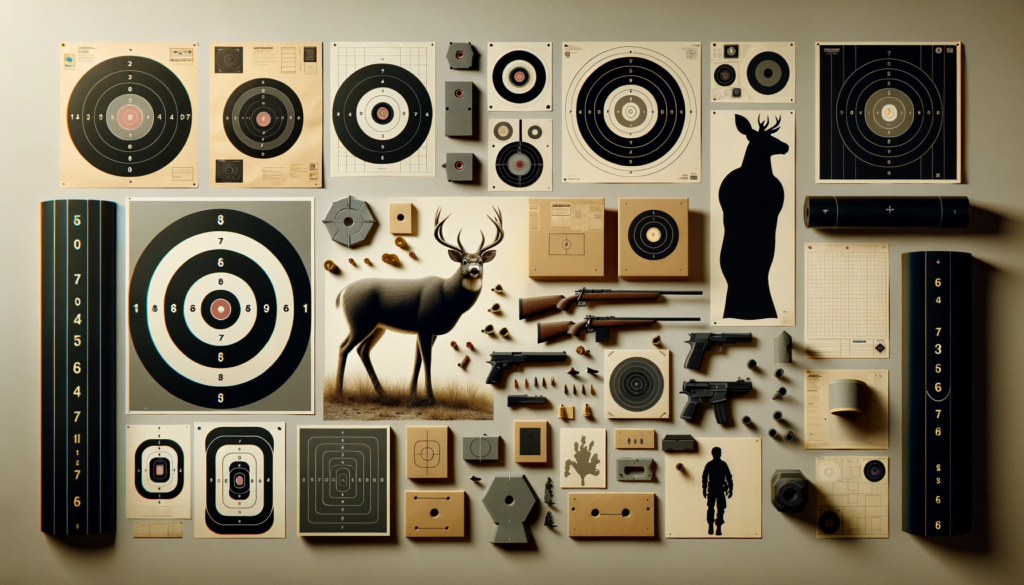
Paper and Cardboard Targets

Features and Benefits:

  • Variety and Versatility: Comes in numerous shapes, sizes, and designs suitable for various training regimes.
  • Cost-Effective: Generally inexpensive, making them ideal for high-volume shooting.
  • Scoring Systems: Often includes printed scoring rings or shapes to aid in accuracy training.

Reactive Targets

Interactive Training:

  • Instant Feedback: Targets react upon being hit, providing immediate visual and sometimes auditory feedback.
  • Enhanced Engagement: Adds a dynamic component to your training, making practice sessions more engaging and enjoyable.

Steel Targets

Durable and Dependable:

  • Longevity: Steel targets are incredibly durable and can last for years with proper maintenance.
  • Sound Feedback: The distinct ‘ping’ sound upon impact provides instant auditory feedback for the shooter.

3D Targets

Realistic Scenario Training:

  • Lifelike Experience: Mimics the size, shape, and sometimes the behavior of various game animals or tactical scenarios.
  • Advanced Training: Particularly useful for hunters and tactical shooters looking to simulate real-life scenarios.

Factors to Consider When Choosing Targets

Purpose of Training

  • Skill Development: Choose targets that match the specific skills you’re looking to develop, be it precision, speed, or scenario-based training.
  • Competition Preparation: If you’re training for a competition, use the same type or similar targets as those you’ll encounter in the actual event.

Environment and Location

  • Indoor vs. Outdoor: Indoor environments may have restrictions on the type of targets and ammunition you can use due to space and safety considerations.
  • Environmental Factors: Outdoor shooting may require more durable targets that can withstand weather conditions.

Skill Level and Progression

  • Beginners: Simple, easy-to-score targets are recommended to build confidence and basic skills.
  • Advanced Shooters: Engage with more complex targets that challenge your speed, accuracy, and decision-making.

Ensuring Safety with Shooting Targets

Proper Installation and Usage

  • Backstops and Bullet Traps: Essential for capturing bullets safely and preventing ricochets.
  • Distance and Angle: Set up targets at appropriate distances and angles to minimize the risk of back splatter.

Regular Maintenance

  • Inspect Regularly: Check for wear and tear, especially with steel targets, to prevent unsafe shooting conditions.
  • Proper Storage: Store paper and cardboard targets in a dry, flat area to maintain their integrity.

Maintenance and Longevity of Targets

Paper and Cardboard Targets

  • Regular Replacement: These targets wear out quickly, so have a steady supply for regular replacement.
  • Proper Disposal: Recycle or dispose of used targets responsibly to maintain a clean shooting environment.

Steel Targets

  • Rust Prevention: Apply a coat of paint periodically to protect against rust and improve visibility.
  • Impact Inspection: Regularly check for pitting or deformation, especially when using high-caliber firearms.

Conclusion and Final Thoughts

Choosing the right shooting targets is about balancing your training needs, safety considerations, and the longevity of your equipment. By understanding the different types of targets and how they can best serve your practice, you’ll be able to make informed decisions that enhance your shooting experience and skill development.


Frequently Asked Questions (FAQs)

Q1: How often should I replace my shooting targets?

A1: The frequency of replacement depends on the type of target and usage. Paper and cardboard targets should be replaced once they become too shot up for clear scoring, while steel targets can last for years with proper maintenance.

Q2: Are steel targets safe to use?

A2: Yes, when used correctly. Ensure they are made from high-quality, hardened steel designed for shooting. Always shoot at the recommended distance, use the correct ammunition, and regularly check for any signs of damage.

Q3: Can I make my own shooting targets?

A3: Yes, many shooters create DIY targets for practice. However, ensure they are safe to use, and always follow local regulations and best practices regarding homemade targets.

Q4: What’s the best target for improving accuracy?

A4: Paper or cardboard targets with clearly marked scoring zones are typically best for precision work. They allow you to clearly see where your shots are landing and adjust accordingly.

How to Select the Right Arrow Weight for Your Bow

Introduction: The Precision of Archery

Welcome, archers and enthusiasts! Whether you’re a seasoned archer or just beginning your journey into the world of archery, understanding the importance of selecting the right arrow weight for your bow is crucial. The right arrow can enhance your shooting accuracy, ensure safety, and improve the overall performance of your archery experience. Today, we’re diving deep into the nuances of choosing the right arrow weight, a topic that combines the art of archery with the precision of science.

Understanding Arrow Weight

What is Arrow Weight?

Arrow weight is more than just numbers on a scale; it’s the soul of your arrow’s flight. It’s measured in grains and comprises the weight of the shaft, the point, the nock, the fletching, and any additional components.

Why Does Arrow Weight Matter?

  • Accuracy: The weight influences how the arrow flies and how much it’s affected by wind.
  • Penetration: Heavier arrows penetrate targets deeper, crucial for hunting.
  • Bow Health: The right arrow weight protects your bow from damage.

The Art of Matching Arrow to Bow

Know Your Bow’s Draw Weight

Your bow’s draw weight is the starting point. It’s the amount of force needed to pull the bowstring to its full length. This metric is essential for understanding the power behind each shot and how it correlates with arrow weight.

Understanding the Archery Trade Association (ATA) Standards

The ATA provides guidelines on recommended arrow weights per pound of bow draw weight. Typically, it’s about 5 to 6 grains per pound for target shooting and up to 8 to 10 grains for hunting scenarios.

Calculating the Ideal Arrow Weight

To calculate your ideal arrow weight:

  1. Determine your bow’s draw weight.
  2. Decide on your archery activity (target shooting or hunting).
  3. Multiply the draw weight by the ATA’s recommended grains per pound.

Factors Influencing Arrow Weight Choice

Purpose of Archery: Hunting vs. Target Shooting

  • Hunting: Heavier arrows for deeper penetration and ethical hunting.
  • Target Shooting: Lighter arrows for speed and flat trajectories.

Personal Preference and Shooting Style

Your comfort and shooting style might dictate a slightly heavier or lighter arrow. It’s about finding what feels right for you while staying within recommended guidelines.

Bow Type and Specifications

The type of bow you use (recurve, compound, or longbow) and its specifications will influence the ideal arrow weight. Each bow type has its unique characteristics that interact differently with arrow weights.

Testing and Tuning: Finding Your Perfect Match

Paper Tuning

Shoot an arrow through a paper sheet at a short distance. The tear it leaves can indicate whether you need a heavier or lighter arrow.

Group Tuning

Shoot groups with different arrow weights. The group with the best consistency might indicate the best weight for your bow and style.

Expert Consultation

Sometimes, the best way is to seek advice from seasoned archers or professionals at your local archery store.

Safety Considerations

  • Never Go Too Light: Extremely light arrows can damage your bow and pose a safety risk.
  • Inspect Equipment Regularly: Ensure your arrows and bow are in good condition.

Conclusion: The Journey to Perfecting Your Shot

Selecting the right arrow weight is a journey of understanding your equipment, your goals, and yourself as an archer. It’s about balance, precision, and a bit of personal touch. Whether you’re in it for the thrill of the hunt or the satisfaction of a well-placed shot, the right arrow weight is your ally in achieving those moments of perfect harmony between archer, bow, and target.

Remember, archery is as much about skill and technique as it is about the equipment you use. So, take the time to experiment, learn, and understand what works best for you. May your arrows fly true, and your archery experiences be fulfilling!

How to Improve Your Archery Shooting: Form, Drills, and Tips

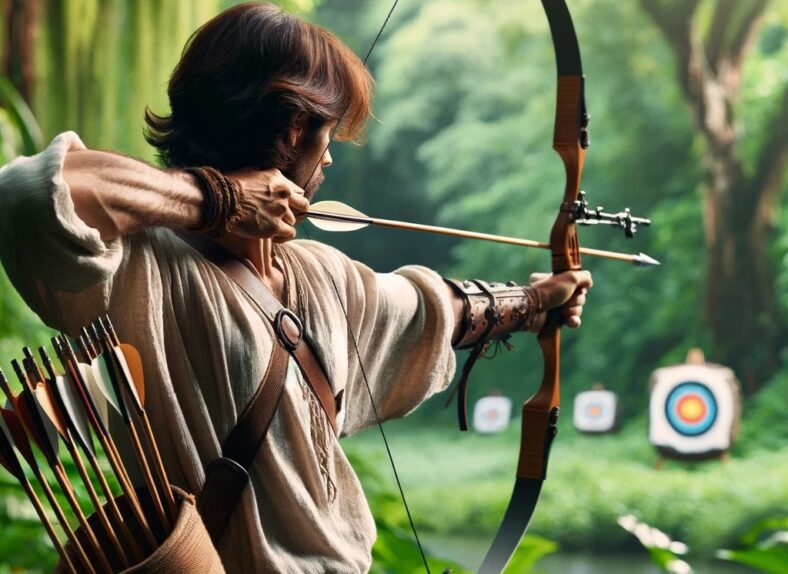
Better archery shooting comes from repeatable form, a consistent shot sequence, focused practice, and equipment that fits you. For most target and recreational archers, the fastest gains are not from buying new gear. They come from a stable stance, a relaxed grip, a fixed anchor point, a smooth release, and steady follow-through repeated the same way every shot.

This guide walks through form fundamentals, simple practice drills, and the common mistakes that quietly open up groups. Always shoot at a proper range or safe target area with a reliable backstop, keep the area downrange clear, and follow your bow manufacturer’s guidance.

Start With Repeatable Archery Form

Repeatable form is the foundation of accuracy because a bow rewards doing the same thing the same way every time. Before adjusting equipment, work on the parts of the shot you control with your body: how you stand, how you hold the bow, where you anchor, and how you finish the shot.

A useful way to think about practice is that you are training a pattern, not chasing a single good shot. Slow, deliberate repetition of correct form usually beats high-volume shooting with sloppy technique. If your form breaks down when you get tired, stop or shorten the session rather than training bad habits.

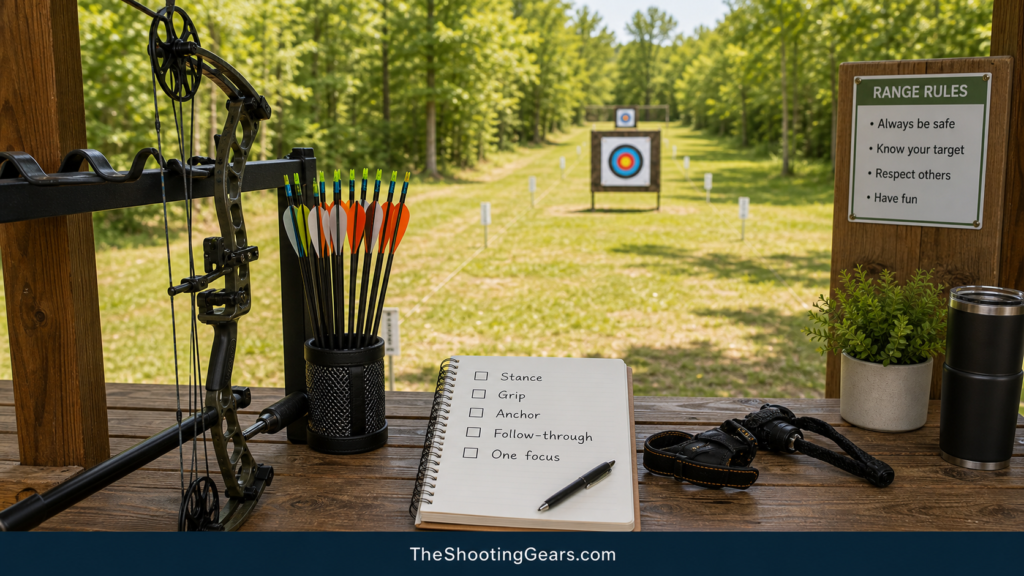
Build consistency with a simple practice checklist: stance, grip, anchor point, follow-through, and one focus for the session.

For safety basics, USA Archery’s archery safety guidance is a useful non-commercial reference. For broader sport context, World Archery is the international governing body for the sport.

Build a Consistent Shot Sequence

A consistent shot sequence is a fixed order of steps you run on every shot so your body learns one repeatable pattern. The exact details vary by archer, bow type, release style, and any coaching you receive in person, so treat the points below as general practice guidance rather than a one-size-fits-all prescription.

Stance

A stable stance gives every other part of the shot something steady to build on. A common starting point is feet about shoulder-width apart, weight balanced, and your body square or slightly open to the target. Keep the stance the same from shot to shot so your aim reference does not drift.

Grip

A relaxed, consistent grip reduces the side-to-side torque that can push arrows off line. Let the bow settle into the same place in your hand each time instead of squeezing it tightly. If your knuckles tense or your hand twists at release, reset before the next arrow.

Anchor Point

A fixed anchor point is one of the strongest contributors to vertical consistency. Your draw hand should return to the same reference spot every shot, based on your equipment and shooting style. A floating anchor is a common reason arrows land high or low even when the sight picture feels similar.

Follow-Through

Follow-through is what you do in the moment after release. Keep aiming and stay in position until the arrow lands instead of dropping the bow arm or peeking early. A steady, relaxed finish is a good sign that the rest of the sequence held together.

Practice Drills That Improve Accuracy

The most effective practice is deliberate and structured, not just more arrows. A few simple drills can sharpen form without turning the session into a score chase.

  • Blank-bale or close-target practice: shoot at a large close target while focusing on form instead of score.
  • Shot-count limits: end the session before fatigue degrades your sequence.
  • One-arrow focus: treat each arrow as its own complete shot instead of rushing through a quiver.
  • Consistency checks: note whether misses cluster in one direction, which often points to a repeatable form issue.

Keep every drill inside safe range practice: a clear shooting line, a proper backstop or target butt, no one downrange, and arrows pulled only when the range is clear.

Equipment Checks That Affect Groups

Equipment that fits you and is in good condition supports good form rather than fighting it. You do not need the most expensive gear to shoot well, but a few checks help your groups stay consistent.

  • Draw length and draw weight that suit your strength, size, and shooting style.
  • Arrows matched to your setup, because mismatched arrows can group poorly even with good form.
  • Nocks, rest, serving, and string checked for visible wear or damage before shooting.
  • Sight or aiming reference set the same way each session if you use one.

For setup specifics, tuning, draw weight, draw length, and arrow compatibility, follow your bow and arrow manufacturer’s documentation or work with a qualified pro shop in person.

Common Archery Shooting Mistakes

Most accuracy problems trace back to a small number of repeatable mistakes. Fixing one at a time usually produces clearer progress than changing everything in one session.

  • Changing stance or foot position between shots.
  • Gripping the bow too tightly and torquing it at release.
  • Anchoring in a slightly different spot each time.
  • Dropping the bow arm or peeking before the arrow lands.
  • Practicing while tired and training inconsistent form.
  • Blaming equipment before checking form fundamentals.
  • Trying to fix several variables at once.

Frequently Asked Questions

How can I improve my archery accuracy fast?

The fastest gains usually come from consistency, not new gear. Lock in a repeatable stance, fixed anchor point, relaxed grip, and steady follow-through, then practice that same sequence deliberately.

How much should I practice archery to get better?

Quality matters more than quantity. Short focused sessions with full attention on form often beat long sessions where fatigue degrades technique. Consistent practice over time builds accuracy more reliably than occasional high-volume sessions.

Does better equipment make you a better archer?

Equipment that fits you and is in good condition supports good shooting, but it does not replace consistent form. A bow with suitable draw length and draw weight, plus arrows matched to the setup, helps your practice pay off.

Why are my arrows grouping inconsistently?

Inconsistent groups often come from something changing shot to shot, such as stance, grip pressure, anchor point, or follow-through. Equipment wear or a mismatched setup can also contribute, so inspect gear if your form looks consistent.

Is archery practice safe to do alone?

Archery should only be practiced at a proper range or safe target area with a reliable backstop and a clear downrange area. If you are new, instruction from a qualified coach, club, or range can help you build safer habits.

Exit mobile version