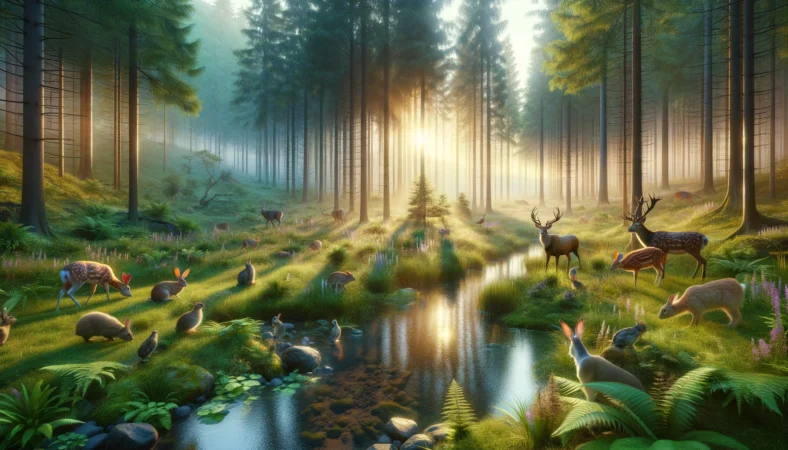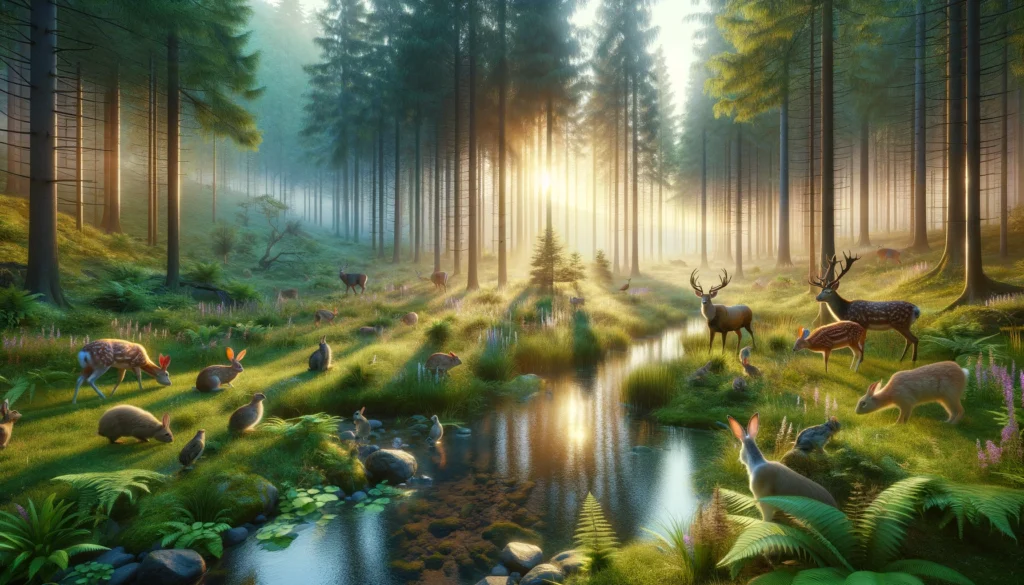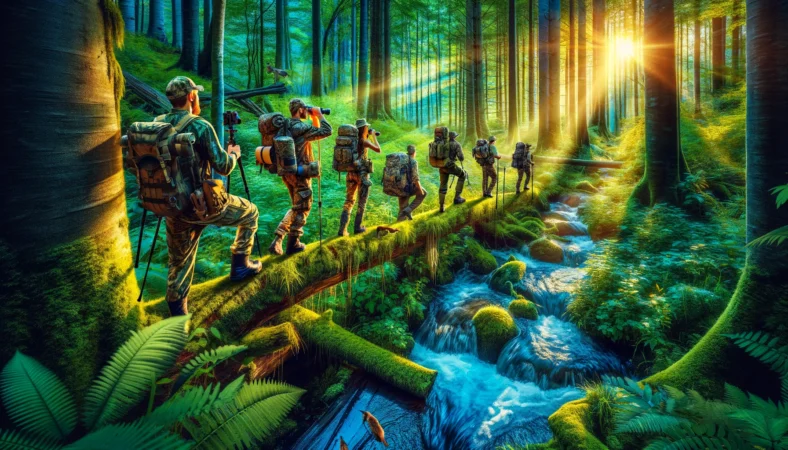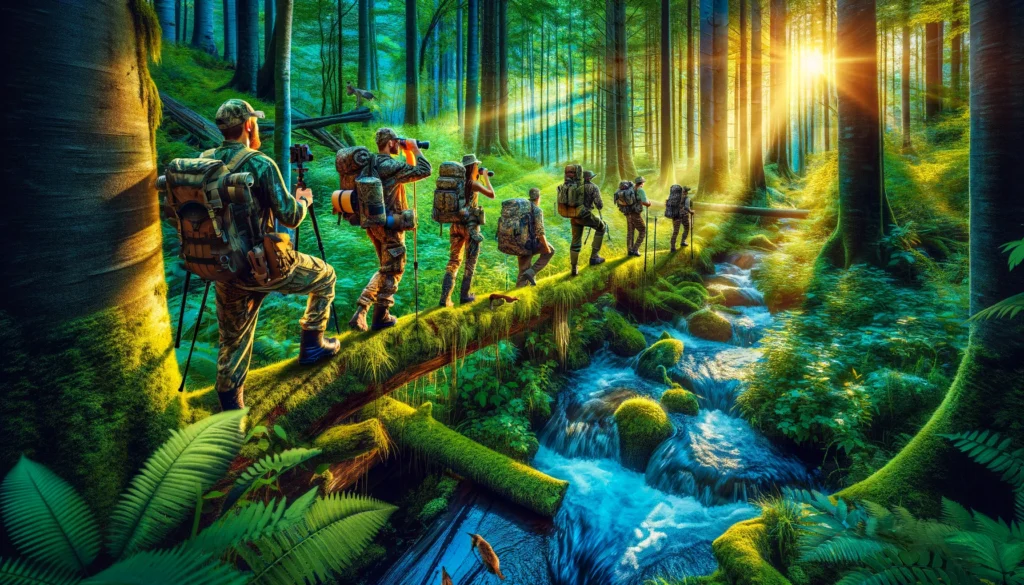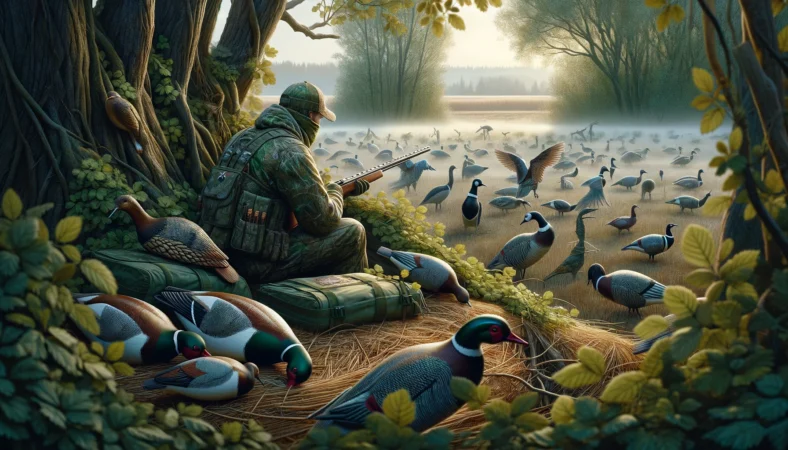
The Ultimate Guide to Decoy Hunting: Mastering the Art to Enhance Your Hunting Experience

Embark on an in-depth exploration of decoy hunting, a strategy that, when used skillfully, can dramatically transform your hunting adventures. This guide delves into the psychological, strategic, and ethical dimensions of using decoys, offering a detailed roadmap to mastering this ancient hunting art.


Introduction: The Art of Decoy Hunting

Decoy hunting is a craft as old as hunting itself, a sophisticated blend of psychology, strategy, and deep understanding of animal behavior. When deployed skillfully, decoys can significantly increase your success rates, offering an ethical way to ensure a humane hunt.

Why Use a Decoy?

  • Unveiling the Psychological Edge: Delve into how decoys exploit the instincts and behaviors of prey, leading them into vulnerable positions.

The Strategic Advantages of Decoy Hunting

Dramatically Increased Success Rates

How Decoys Transform the Hunting Landscape

  • Real-Life Success Stories: Narratives from seasoned hunters illustrating the game-changing effects of decoys.
  • Behind the Numbers: Analyzing statistical evidence that supports the efficacy of decoy use.

Deciphering the Types of Decoys for Specific Hunts

Navigating Through Waterfowl Decoys

  • Duck Decoys: Distinguishing between floating and stationary options and their unique advantages.
  • Goose Decoys: Understanding the critical role of formation and movement in attracting geese.

Unraveling the World of Big Game Decoys

  • Deer Decoys: Techniques on positioning and movement to create irresistible setups.
  • Predator Decoys: Outsmarting cunning predators like coyotes with advanced decoy strategies.

Mastering the Art of Decoy Placement

The Quintessence of Location

Scouting and Identifying Prime Spots

  • The Lure of Water Sources: Strategies for using water-based decoys to attract game naturally.
  • The Dynamics of Feeding Areas: How mimicking natural behavior can lead to successful hunts.

Deciphering the Impact of Weather and Time

Mastery Over Wind Direction and Scent

  • The Interplay of Scent and Sight: Ensuring your decoy setup is as realistic as possible.
  • Adaptive Strategies for Sudden Meteorological Changes: How to remain one step ahead of nature.

The Symphony of Decoys and Calls

Creating a Convincing Natural Scenario

  • Harmonizing Calls with Decoy Types: Strategic combinations that can fool even the wariest of prey.
  • The Art of Timing Your Calls: Understanding the natural rhythm of the game for optimal results.

The Ethical Considerations of Decoy Hunting

Championing a Humane Hunt

Balancing the Hunter’s Patience and Precision

  • Interpreting Animal Body Language: Techniques to ensure a clean, ethical shot.
  • The Responsibility of Avoiding Overharvesting: Maintaining a healthy ecosystem through responsible hunting.

Navigating Regulations and Best Practices

Aligning with the Law and Ethics

Advanced Decoy Hunting Tactics

The Art of Decoy Diversity

Curating the Ultimate Decoy Mix

  • Combining Prey and Predator: Exploring the psychological impact of mixed decoy setups.
  • Dynamic Decoy Strategies: How changing your setup mid-hunt can lead to unexpected success.

Embracing the Future of Decoy Hunting

The Dawn of Technological Advancements

  • The Rise of Electronic Decoys: Examining how technology is revolutionizing decoy effectiveness.
  • The Precision of Remote-Controlled Setups: Deploying technology for the perfect placement and movement.

Conclusion: Elevating Your Hunting Game to a New Realm

Incorporating decoys into your hunting strategy isn’t just about increasing your success rates; it’s about engaging with the hunt on a deeper, more ethical level. It’s a commitment to understanding and respecting the game and the environment. Whether you’re a seasoned hunter or a beginner, the world of decoy hunting offers a rich, rewarding experience filled with learning and growth.


Frequently Asked Questions (FAQs)

  1. How important is the realism of my decoys?
    • Dive into the nuances of decoy realism and scenarios where it makes a significant difference.
  2. Can I use decoys in any hunting environment?
    • Strategies for adapting your decoy setup to various environments and conditions.
  3. What’s the ideal number of decoys for an effective setup?
    • Insights into finding the balance between too few and too many decoys for different hunting scenarios.
  4. Are there any potential downsides to using decoys?
    • Understanding possible challenges and how to mitigate them for a successful hunt.
  5. How can I continuously improve my decoy setup?
    • Tips for post-hunt analysis and strategies for enhancing your decoy setups over time.

Armed with this knowledge, you’re now ready to embark on a more informed, ethical, and successful hunting journey. Remember, the best hunter respects their prey and the environment, and with decoys, you’re not just hunting; you’re connecting with the ancient art of the chase. Happy and responsible hunting!
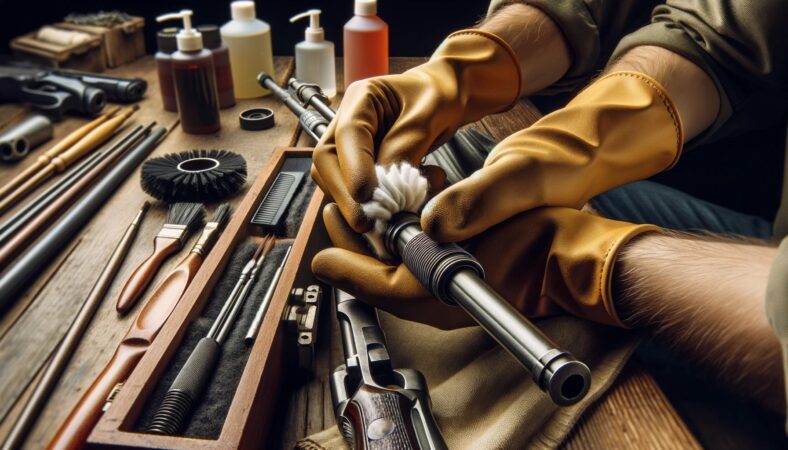
Ultimate Guide to Hunting Gear Longevity: Mastering Durability and Maintenance

Embark on a journey to ensure your hunting gear stands the test of time. From the crisp air of dawn hunts to the rugged treks through untamed wilderness, your equipment is your most trusted partner. This extensive guide is your roadmap to maximizing durability, understanding the nuances of maintenance, and making informed choices that keep your gear in prime condition year after year.

Understanding Your Gear: The Foundation of Longevity

Materials Matter: Choosing Durable Gear

Why Materials Make a Difference

  • Explore how the right materials can withstand environmental stressors and physical wear.
  • Learn about the longevity of various fabrics, metals, and synthetics used in hunting gear.

Balancing Cost and Quality

  • Discover how investing in quality upfront can lead to lower costs over time.
  • Understand the false economy of cheap materials and how they can lead to frequent replacements and safety concerns.

The Anatomy of Hunting Gear

Breaking Down Common Hunting Equipment

  • Delve into the design and common failure points of essential gear like boots, jackets, rifles, and more.
  • Learn about the specialized needs of different equipment types, from waterproofing to impact resistance.

Maintenance Mastery: The Art of Keeping Gear Prime

Routine Checks and Cleaning

The Importance of Regular Maintenance

  • Establish a maintenance schedule that aligns with seasonal use and storage.
  • Compare the benefits and limitations of DIY care versus professional servicing.

Cleaning Techniques for Different Materials

  • Get step-by-step guides on cleaning various materials without causing damage.
  • Discover natural and commercial products that enhance longevity while being eco-friendly.

Repair and Restoration

Identifying Wear and Tear

  • Learn to spot early signs of damage and wear before they lead to failure.
  • Understand the typical lifespan and wear patterns of key hunting gear components.

DIY Repairs vs. Professional Help

  • Receive a breakdown of common repairs you can do at home and the tools needed.
  • Know when it’s time to seek professional repairs and what to expect from the service.

Storage Solutions: Protecting Your Gear Off-Season

Ideal Storage Conditions

Climate Control and Its Impact

Organizing Your Storage Space

  • Tips for efficient and safe storage practices that prevent damage and loss.
  • Innovative storage solutions that cater to small and large collections alike.

Advanced Storage Techniques

Innovative Storage Products

  • Discover products like vacuum seal bags and desiccants that offer advanced protection.
  • Evaluate the cost and benefits of high-tech storage options like climate-controlled cabinets.

On the Field: Practices for Prolonged Gear Life

During the Hunt: Best Practices

Handling Gear with Care

  • Learn the habits that reduce wear and tear even in harsh conditions.
  • Quick fixes and field solutions to common problems that can prevent further damage.

Adapting to Weather Conditions

  • Strategies for protecting your gear from extreme temperatures, moisture, and UV exposure.
  • Gear modifications and accessories that offer added protection without hindering performance.

Post-Hunt Care: Ensuring Future Success

Immediate Post-Hunt Care Tips

  • Step-by-step guide for the care routine you should follow after every hunt.
  • Storing your gear properly between short intervals to ensure it remains in top condition.

Upgrading Wisely: When to Replace vs. Repair

Assessing Gear Life and Performance

Recognizing the End of a Gear’s Life

  • Understanding the signs of irreparable wear and when it compromises safety and performance.
  • Emotional and practical considerations in retiring well-loved gear.

The Upgrade Process

  • How to research and evaluate new gear, considering advancements and personal needs.
  • Balancing the desire for new technology with the practicality and budget constraints.

Innovations in Hunting Gear: Future-Proofing Your Equipment

Emerging Technologies and Materials

Smart Gear and Digital Advancements

  • Explore how integrated technology is making gear more durable, versatile, and efficient.
  • Preparing for future trends and how to adapt your maintenance and storage practices accordingly.

Sustainable and Eco-Friendly Options

  • Discover the leading-edge in sustainable materials and practices that don’t compromise on durability.
  • How choosing eco-friendly gear contributes to conservation efforts and supports sustainable hunting.

Conclusion: The Hunter’s Creed of Gear Maintenance

Reaffirming the essential practices and mindset shifts needed for long-term gear preservation. This section motivates readers to view their gear as lifelong companions on their hunting journey, deserving of care and respect.

FAQs: Your Questions Answered

1. How often should I replace my hunting gear?
Ans. Replace your hunting gear every 2-5 years depending on use, care, and the item’s condition. Inspect gear regularly for wear and upgrade as needed for safety and performance.

2. Can I waterproof my gear at home, and how?
Ans. Yes, you can waterproof at home using commercial sprays and sealants. Clean the gear thoroughly, apply the product evenly, and let it dry completely for best results.

3. What are the signs that my gear is failing and needs attention?
Ans. Look for signs like fabric tears, seam fraying, fading, loss of waterproof effectiveness, or any functional issues. Address these promptly to extend gear life.

4. How do I store electronic hunting gear?
Ans. Remove all batteries and store electronics in a dry, cool place. Use silica gel packs to absorb moisture and keep them in cushioned cases for extra protection.

5. Are there eco-friendly options for hunting gear that are also durable?
Ans. Yes, there are durable hunting gear options made with eco-friendly materials. Look for products with sustainability certifications and those made from recycled or responsibly sourced materials.

Incorporating these detailed sections ensures that the article not only ranks well in search engines but also provides an engaging, informative, and comprehensive guide for hunters keen on preserving their gear. The targeted use of primary and secondary keywords throughout the headings and content ensures SEO optimization without compromising the natural flow and readability, making it a valuable resource for both beginners and seasoned hunters alike.

How to Properly Clean Your Gun Barrel: A Step-by-Step Guide

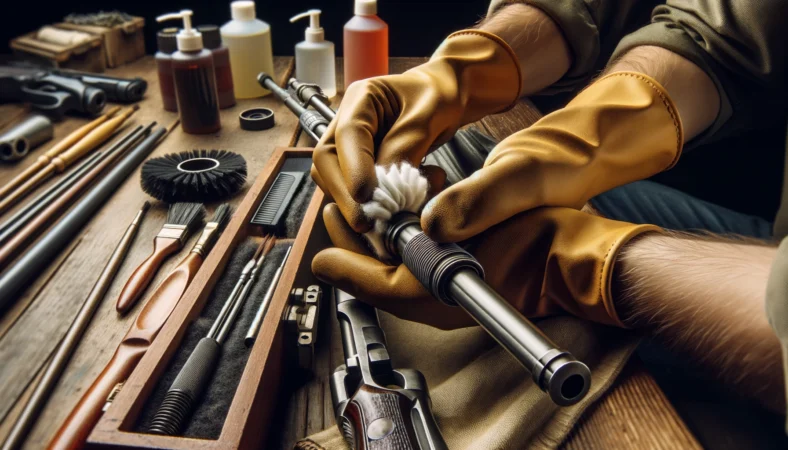
Proper maintenance of your firearm is essential for its performance, longevity, and most importantly, safety. A properly clean gun barrel is crucial for accuracy and reliability. This comprehensive guide will walk you through each step of cleaning your gun barrel, ensuring that you do it effectively, safely, and without causing any damage to your firearm.


Introduction: The Importance of a Properly Clean Gun Barrel

Every gun owner must understand the importance of regular cleaning and maintenance. A dirty barrel can lead to decreased accuracy, misfires, and in extreme cases, barrel obstruction. Regular cleaning removes residue and contaminants, ensuring your gun operates as intended every time you pull the trigger.


Getting Started: What You’ll Need

To begin, gather all the necessary tools and materials. This will make the process more efficient and prevent any damage to your gun.

Essential Cleaning Tools

Cleaning Rods and Brushes

You’ll need a cleaning rod long enough to reach the entire length of your barrel. Brushes should be the correct caliber or gauge for your firearm. Bronze brushes are great for general cleaning, while nylon brushes are softer and suitable for light cleaning.

Solvents and Lubricants

Choose a solvent that is designed to dissolve gunpowder residue, lead, and copper fouling. For lubricants, select a quality gun oil or grease. These products protect metal surfaces from rust and reduce wear by providing a thin lubrication layer.

Safety First: Preparing Your Workspace

Clearing Your Firearm

Always ensure that your firearm is unloaded before beginning any cleaning process. Double-check the chamber, receiver, and magazine to make sure they are clear of ammunition.

Setting Up a Clean Area

Choose a well-ventilated area with a large, flat surface. Cover the surface with a mat or newspapers to protect it from solvents and oils. Have all your tools and materials within reach to streamline the cleaning process.


Step-by-Step Barrel Cleaning Process

Inspection: Assessing Your Barrel’s Condition

Identifying Signs of Dirt and Wear

Before cleaning, inspect your barrel for signs of fouling, rust, or pitting. A flashlight or bore light can help you see inside the barrel. Look for any irregularities or deposits that might affect your gun’s performance.

Cleaning the Barrel: Detailed Instructions

Applying Solvent

Soak a patch in solvent and attach it to your cleaning rod. Pass it through the barrel several times to loosen and dissolve fouling. Let the solvent sit for the amount of time recommended by the manufacturer to break down deposits effectively.

Scrubbing with Brushes

After the solvent has done its work, attach the correct size brush to your cleaning rod and scrub the inside of the barrel. This will help remove any loosened residue. Be sure to scrub thoroughly but gently, as harsh scrubbing can damage the barrel.

Wiping and Drying

Next, run dry patches through the barrel until they come out clean. This removes any remaining solvent and residue. Finish by running a patch lightly coated in lubricant through the barrel to protect it from rust.

Lubrication: Protecting Your Barrel

Choosing the Right Lubricant

Select a lubricant designed for firearms. These usually offer protection against rust and corrosion and can withstand the high temperatures generated by shooting.

Applying Lubricant Properly

Apply a small amount of lubricant to a clean patch and run it through the barrel. This leaves a thin protective layer inside the barrel. Be careful not to over-lubricate, as this can attract dirt and debris.


Advanced Tips and Tricks

Dealing with Stubborn Residue

Specialized Tools and Techniques

For tough deposits, consider using a bore snake or specialized cleaning tools like a chamber brush or a dental pick for hard-to-reach areas. Always follow the manufacturer’s instructions when using these tools.

Frequency and Scheduling

Creating a Cleaning Routine

The frequency of cleaning depends on how often you use your firearm and the conditions in which you use and store it. A good rule of thumb is to clean your gun after every use and perform a detailed cleaning every few months.


Safety and Maintenance

Post-Cleaning Checks

Ensuring Everything is in Order

After reassembling your firearm, perform a function check to ensure everything is working correctly. Check the action, safety, and trigger mechanism to ensure they operate smoothly and correctly.

Storage Solutions

Proper Gun Storage

Store your firearm in a cool, dry place to prevent rust and damage. Consider using a dehumidifier in your storage area and always store guns unloaded for safety.


Conclusion: The Benefits of a Well-Maintained Firearm

A clean and well-maintained firearm is safer, performs better, and lasts longer. Regular cleaning also gives you a chance to inspect your gun for wear and tear, ensuring that any issues are caught and addressed early. Remember, taking care of your firearm ensures that it will take care of you when you need it.


FAQs About Gun Barrel Cleaning

Q1: How often should I clean my gun barrel?
A1: Properly clean your gun barrel after every use to remove residues and contaminants. Even if not used, clean it thoroughly every few months.

Q2: Can I use household oils for lubricating my gun?
A2: It’s best to use lubricants specifically designed for firearms. They provide better protection and don’t break down under high temperatures.

Q3: What’s the most common mistake people make when cleaning their gun barrel?
A3: One common mistake is over-lubricating, which can attract dirt and cause malfunctions. Use only a thin layer of lubricant.

Q4: How do I know if my cleaning rod is the right size?
A4: Your cleaning rod should fit comfortably in the barrel without too much wiggle room. Using the wrong size can damage the barrel’s interior.

Q5: Can improper cleaning damage my firearm?
A5: Yes, using abrasive materials or harsh chemicals can damage the barrel. Always use tools and cleaners designed for firearms and follow the manufacturer’s instructions.


By adhering to this detailed guide, you’re not just cleaning your gun; you’re ensuring its reliability, safety, and longevity. Take pride in maintaining your firearm—it’s a practice that pays off in performance and peace of mind.

The Proper Way to Start a Fire When Hunting

1. Introduction: Embracing the Warmth of Fire

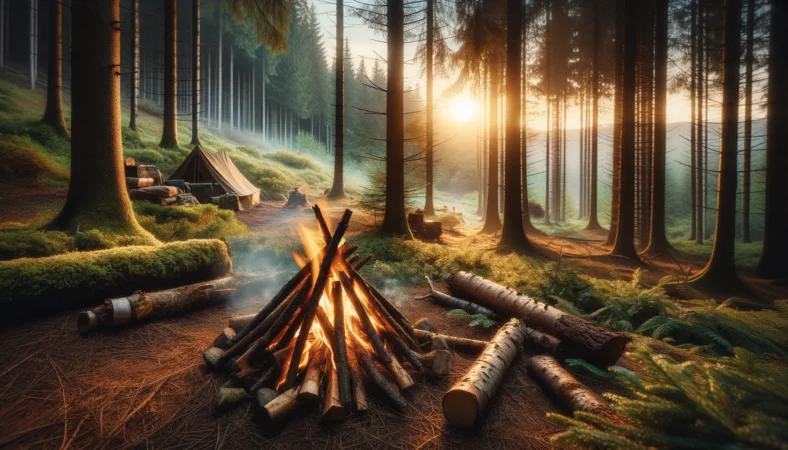
As the hues of twilight drape the vast expanse of the wilderness, the need for ‘The Proper Way to Start a Fire’ becomes undeniably clear. More than just a source of warmth, fire symbolizes survival, culinary prowess, and the bonds forged in its glow. The heart of a hunter’s camp pulses with the rhythm of a roaring campfire. But mastering this ancient elemental force begs the question: how can one wield its power with both safety and efficiency?

2. The Elemental Importance of Fire

2.1. Beacon in the Dark

Lost? With the dark sky overhead, the brightness of a fire serves as a signaling device, visible from significant distances, guiding rescuers your way.

2.2. Water’s Savior

Questioning the purity of that clear stream? Boiling can eliminate pathogens, making it safe to quench your thirst.

2.3. Night’s Guardian

Beyond light and warmth, fire is a deterrent, keeping curious predators at bay.

2.4. The Hunter’s Kitchen

The thrill of the hunt is followed by the joy of the feast. Fire turns raw game into delectable meals.

3. Preparing the Groundwork

3.1. The Prime Spot

Find a clear area, away from bushes or low branches. Also, consider wind direction to avoid smoke-filled eyes and ensure efficient burning.

3.2. Crafting the Fire Pit

A depression in the ground, lined with rocks, helps concentrate the heat and reduces the fire’s spread.

3.3. Wind Barriers

Constructing makeshift barriers using logs or equipment can keep gusty winds from disrupting your flames.

4. Materials: Fueling the Flames

4.1. Tinder Choices

From dry leaves to specialized fire starters, your choice of tinder can significantly influence ignition speed.

4.2. Kindling Conundrums

Twigs, pine cones, and bark — these bridge the gap between the tinder and the main logs.

4.3. Firewood Fundamentals

Dense woods like oak burn longer, while softwoods like pine catch fire quickly but burn out faster.

4.4. Sourcing in the Wild

Not carrying wood? Learn to identify dead trees and fallen branches, ensuring a sustainable and efficient fuel source.

5. Sparking it Up : The Proper Way to Start a Fire

5.1. The Classic Match

A good old matchstick is reliable but remember, waterproof matches or a match container can be a game-changer in damp conditions.

5.2. The Flint and Steel Legacy

It might be ancient, but it’s trusty. A couple of strikes and you’re on your way.

5.3. Modern Convenience: Lighters

Butane lighters are easy, yet always keep a spare. You wouldn’t want to run out of fuel.

5.4. Solar Ignition

Yes, magnifying glasses or even eyeglasses can harness the sun’s power to create fire. Just ensure it’s a sunny day!

6. Sustaining and Tending

6.1. Oxygen Balance

Ensure good airflow. While a fire needs oxygen, a gusty wind can scatter it.

6.2. Wood Rotation

Rotate your logs, ensuring even burning and consistent warmth.

6.3. Overnight Vigilance

If sleeping, keep the fire small or have shifts to ensure it remains under control.

7. Extinguishing with Care

7.1. Water: The Fire Tamer

Always drench thoroughly. A seemingly dead fire can hide embers beneath.

7.2. The Dirt Method

No water? Burying the fire with dirt or sand can deprive it of oxygen, effectively extinguishing it.

7.3. Double-Checking

Always touch-test (carefully!) to ensure no heat remains.


Conclusion:

Harnessing the power of fire, especially in the proper way to start a fire, melds art with science. For hunters, fire offers not only a tool of utility but also a source of comfort. Yet, it’s imperative to understand that with such potent power comes immense responsibility. Though fire can be a benevolent companion, it can swiftly turn adversarial if not approached with due caution.


FAQs

Q1: Are there fire-starting tools I can buy?
A: Absolutely! There are magnesium fire-starters, fire striker rods, and even compact firestarter kits available in most outdoor shops.

Q2: What if the wood is damp?
A: Look for standing dead trees. Their wood, especially the inner parts, is usually drier. If all else fails, certain fire-starters are designed to work even in damp conditions.

Q3: How safe is it to cook over an open flame?
A: Quite safe, if done right. Ensure the wood you’re burning isn’t toxic and let the fire burn down to coals for even heating.

Q4: How can I practice fire-starting safely?
A: Start in a controlled environment, like your backyard or a designated campfire spot in a local park.

Q5: Can I use fire to signal during the day?
A: While harder to see in daylight, the smoke from green branches or leaves can create visible signals. Remember, three puffs of smoke are a universal distress signal.

Visit Also: Mastering the Art of Hunting Techniques: From Stealth to Strategy

Crossbow Hunting Tips: Mastering the Silent Shot

Crossbow Hunting Tips: Transitioning into the realm of crossbow hunting offers a thrilling fusion of ancient methods and contemporary accuracy. As you embark on this captivating journey, it’s essential to arm yourself with knowledge. Thus, here’s a comprehensive guide to enhance your prowess in crossbow hunting.


1. The Anatomy of a Crossbow

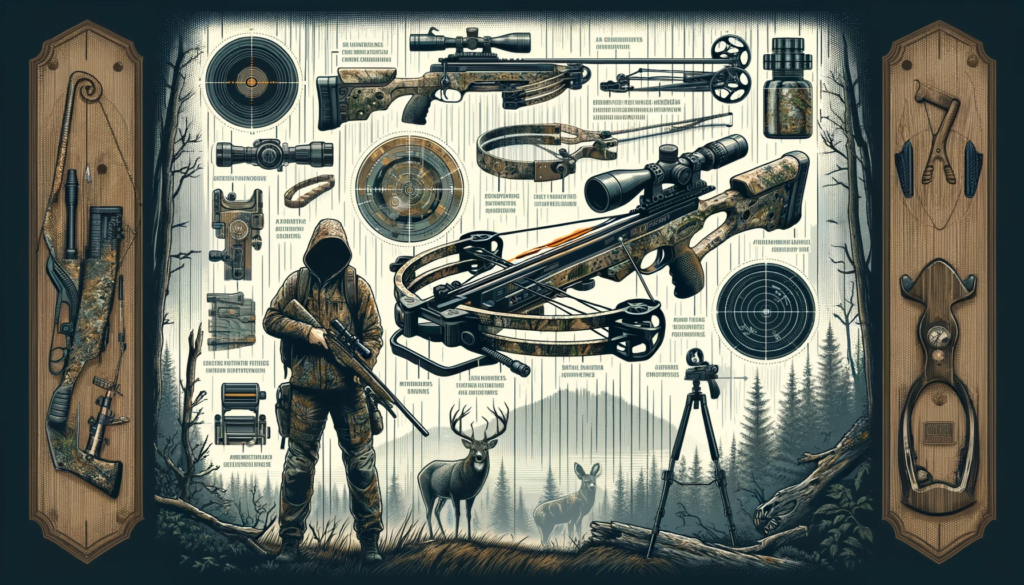
  • Understanding Components: A crossbow comprises the stock, limbs, string, rail, trigger mechanism, and optics. Familiarize yourself with each to optimize performance.
  • Choosing the Right Crossbow: Picking a crossbow isn’t one-size-fits-all. Assess the draw weight, size, and speed, balancing comfort with performance.
  • Maintenance Prowess: Regular inspections for wear and tear, coupled with thorough cleaning and lubrication, ensure longevity and consistent performance.
  • Master Your Range: Every crossbow has a specific effective range. While 40 yards is typical, understanding your individual weapon’s capabilities is paramount.

2. Form, Stance, and Grip

  • Stance Strategies: A solid stance is your foundation. Whether you opt for open or closed, consistency is vital.
  • The Grip Grasp: Torque is the enemy of accuracy. A gentle, relaxed grip with the crossbow’s fore-end resting on your hand ensures minimal torque.
  • Eye for Precision: Proper eye alignment with the scope or sights is crucial. Train your dominant eye to enhance accuracy.

3. The Art and Science of Practice

  • Commit to Consistency: Frequency in target practice sessions solidifies muscle memory, fostering instinctual shooting.
  • Weather the Storm: Don’t shy away from practicing in varying conditions. Wind, rain, and diverse terrains can offer invaluable experience.
  • Embrace Challenges: Incorporate moving targets, varying distances, or even blindfolded shooting to push your skills.

4. Camouflage and Concealment

  • Nature’s Apprentice: Limit your scent and move stealthily. Consider scent eliminators and natural covers.
  • Dressing the Part: A matching camouflage outfit is more than fashion—it’s functional. Ensure it blends seamlessly with your environment.
  • Minimized Movement: Be patient and avoid unnecessary movements. The less you move, the less detectable you are.

5. Shot Placement and Ethics

  • Vital Aiming: An ethical hunter aims for a swift kill. Understand your target’s anatomy, focusing on vital areas for a humane hunt.
  • Wait, Breathe, Release: It’s tempting to rush, but patience often ensures a clean, accurate shot.
  • Bolt Dynamics: Recognize the arcing trajectory of crossbow bolts, adjusting your aim based on distance.

6. Safety Protocols

  • Loaded with Caution: Adopt the mindset that your crossbow is always loaded to minimize accidents.
  • Finger Placement: Keep fingers below the flight deck. A misplaced finger can lead to painful injuries.
  • Equipment Check: Beyond the crossbow, regularly inspect bolts, strings, and accessories for optimal safety.

7. Prey Intel

  • Study Patterns: Whether it’s deer, elk, or smaller game, research their habits for an edge.
  • Tracking Techniques: From footprints to scat, hone your tracking skills to stay on your prey’s tail.
  • The Call of the Wild: Different animals respond to varied calls. Learn to mimic or invest in effective game calls.

8. Weather Adaptations

  • Navigating the Wet: Rain can affect a bolt’s flight. Waterproofing equipment can offer an edge.
  • Winds of Change: Wind calculations can be the difference between a miss and a hit. Always assess the wind direction and speed.
  • Cold Challenges: Low temperatures can stiffen crossbow components. Ensure it’s well-lubricated and store in moderate temperatures when not in use.

9. Transport and Storage

  • Invest in Protection: Furthermore, a high-quality case not only protects your crossbow from potential damage but also from the elements.
  • Safe De-cocking: Learn the safest methods to de-cock without discharging a bolt unnecessarily.
  • Legal Labyrinths: Local laws can vary. Always be compliant when transporting and storing.

10. Continued Education

  • Evolution of Crossbow Tech: Stay updated. As technology advances, so do crossbow designs and capabilities.
  • Community Connect: Engage in forums, clubs, and local groups. Shared knowledge often provides invaluable insights.
  • Embrace Errors: Mistakes offer growth. Reflect on failed hunts or misses as learning curves.

Conclusion:

Crossbow Hunting Tips: Crossbow hunting offers a unique blend of skill, patience, and technology. Firstly, by honing your techniques, you lay the foundation for a successful hunt. Additionally, staying informed can prove beneficial. Therefore, whether you’re a novice or a seasoned veteran, embracing these insights can greatly elevate your hunting experiences.


FAQs

  1. Are crossbows as powerful as firearms?
    • While they can be lethal, their power doesn’t typically match firearms. They are, however, quieter and suitable for specific hunting scenarios.
  2. How often should bolts be replaced?
    • It depends on usage. Regularly inspect for any deformities, but as a rule, after any impact or potential damage, consider replacement.
  3. What’s the lifespan of a modern crossbow?
    • With proper maintenance, a crossbow can last for several years, if not a decade. However, components like strings might need periodic replacements.
  4. How does weather affect a crossbow’s accuracy?
    • Rain can dampen strings, affecting shot speed. Cold can stiffen components, and wind can divert bolts. Always adjust techniques and expectations accordingly.
  5. Any tips for nighttime crossbow hunting?
    • Yes, invest in quality optics with night vision or illuminated reticles, move silently, and know your surroundings well to ensure safety.

This guide serves as a holistic manual for crossbow enthusiasts. Here’s to many successful hunts ahead!

The Great Adventure: Hunting Animals in the Forest

Welcome to the untamed wild, a realm where each footfall reverberates with the subtle whispers of nature, narrating the enigmatic story of ‘Hunting Animals in the Forest’. In this guide, we venture profoundly into the forest’s core, succumbing to the primal allure and captivating essence that the world of hunting embodies.

Introduction

In the silence of the forest, can you hear the heartbeat of the hunt? It’s a rhythm that has echoed through the ages, uniting us with our ancestors in a dance as old as time. But what does it truly mean to hunt in the forest today?

Section 1: The Dawn of Hunting

1.1 Early Humans and Hunting

1.1.1 Tools of the Pri-mitive Hunter

In the beginning, there were simple tools. Picture early humans crafting spears with stones, an invention that marked the dawn of hunting. Here we explore the evolution from rudimentary tools to the sophisticated equipment used today.

1.1.2 Hunting Techniques

Delve into the fascinating history of hunting techniques, from traps and nets to the emergence of stalking and tracking skills that turned hunting into an art.

1.1.3 Rituals and Celebrations

Imagine the fervent celebrations that ensued a successful hunt. Let us take you through the rituals that solidified community bonds and celebrated the respect between hunter and prey.

1.2 Evolution of Hunting Gear

1.2.1 From Bows to Firearms

Embark on a journey through time, observing the transition from bows and arrows to firearms, a revolution that changed the face of hunting forever.

1.2.2 Modern Hunting Apparel

Discover the world of modern hunting apparel, where technology meets tradition to provide hunters with the utmost comfort and protection.

1.2.3 Technological Advancements

In this section, we uncover the marvels of technology in hunting, from GPS devices to drone surveillance, illustrating a new age of hunting.

Section 2: The Ethics of Hunting

2.1 Conservation and Hunting

2.1.1 Sustainable Hunting Practices

Sustainability is not just a buzzword; it’s a commitment. Here we discuss the principles of sustainable hunting practices that ensure the balance of nature is maintained.

2.1.2 Population Control

Explore the critical role of hunting in population control, a mechanism to maintain the delicate equilibrium of ecosystems.

2.1.3 Impact on Ecosystems

What ripple effects does hunting create in the ecosystem? We dissect the positive and negative impacts, creating a nuanced picture of the hunter’s role in the forest.

2.2 Controversies Surrounding Hunting

2.2.1 Ethical Dilemmas

As we venture further, we encounter the ethical dilemmas that stir debate and provoke thought on the hunting grounds.

2.2.2 Hunting Vs. Poaching

Join us as we differentiate between hunting and poaching, shedding light on the stark contrasts that delineate legality and conservation efforts.

2.2.3 Global Perspectives

In this global village, perspectives on hunting vary immensely. We present a riveting discussion encompassing views from different corners of the world.

Section 3: A Hunter’s Guide to the Forest

3.1 Identifying Game Species

3.1.1 Ungulates of the Forest

Step into the silent watch of the forest, where creatures like deer and elk roam with a grace that belies their survival instincts. We explore the lives and habitats of these magnificent beings in this segment.

3.1.2 Bird Game Species

Ever noticed the enchanting symphony of the forest birds? Here, we navigate through the canopies to identify and understand the various bird species that are often the target of hunters.

3.1.3 Small Mammals

Underneath the towering giants of the forest lurk smaller, elusive creatures. In this part, we delve into the fascinating world of small mammals that often become the focus of hunting expeditions.

3.2 Tracking Techniques

3.2.1 Signs of Animal Presence

Reading the signs of the forest is an art. We guide you on how to identify animal tracks, droppings, and other indicators that hint at the presence of game in the vicinity.

3.2.2 The Art of Stalking

Transitioning into the role of a predator involves participating in a ritual as timeless as the forests themselves. In this segment, we will share advice and strategies to hone this skill, consequently guaranteeing a successful and honorable hunt.

3.2.3 Essential Gear

Transitioning from selecting the appropriate clothing to utilizing the latest gear, we offer a comprehensive catalogue and guide that encapsulates all the vital equipment necessary for a safe and satisfying hunting adventure.

Section 4: Immersing in the Hunt

4.1 Preparation and Strategy

4.1.1 Seasonal Hunting Tips

Indeed, timing holds paramount importance in hunting. Initially, we provide invaluable insights into the seasonal trends influencing the movement and behavior of different game species. Consequently, we equip you with the essential knowledge to orchestrate a triumphant hunt.

4.1.2 Choosing the Right Weapon

Indeed, a seasoned hunter recognizes the significance of selecting the appropriate weapon. Consequently, we delve into the myriad options at hand, evaluating their strengths and weaknesses to facilitate a well-informed choice on your part.

4.1.3 Legal Considerations

Within this crucial segment, we delve into the legal frameworks overseeing hunting, underscoring the importance of adhering to responsible and ethical hunting practices that align with the law.

4.2 Experiencing the Hunt

4.2.1 Connecting with Nature

Hunting is more than a pursuit; it’s a profound connection with nature. We delve into the transformative experience of hunting, reflecting on the deeper connections forged in the wilderness.

4.2.2 Personal Growth and Development

Transitioning beyond the mere excitement, there exists an opportunity for personal evolution and maturation. In this segment, we explore the numerous avenues through which hunting can cultivate personal growth, fostering both character and resilience.

4.2.3 Sharing the Experience

At the core of hunting, there exists a vibrant community centered on sharing and connectivity. Furthermore, we urge you to disseminate your experiences, thereby nurturing a community of individuals unified in their fervor for hunting.

Conclusion

As we emerge from the seclusion of the forest, having engaged in “Hunting Animals in the Forest”, we bring back more than just game. We carry narratives, profound experiences, and a fortified bond with Earth. In this culminating segment, we linger for a while, meditating on the essence of our journey and the hunt, and its significance in the broader perspective of life. This reflective segment seamlessly intertwines the various themes explored throughout the article, granting readers a tranquil moment to pause and contemplate deeply.

FAQs

  1. What are the necessary permits for hunting animals in the forest?
    Answer: Before embarking on a hunting expedition, it is imperative to secure the necessary permits to ensure legal and responsible hunting. Permits vary based on regions and game species. Generally, you would need a hunting license and potentially a game tag for certain species. It’s always recommended to check with your local wildlife agency for the most current information.
  2. How can one ensure safety while hunting animals in the forest?
    Answer: Safety is paramount when it comes to hunting. It encompasses proper weapon handling, wearing the appropriate attire (like bright orange for visibility to other hunters), and understanding the terrain you are hunting in. Furthermore, it involves respecting wildlife habitats and adhering to the principles of ethical hunting. Undertaking a safety course before the hunting season is always a prudent approach.
  3. Are there any hunting seasons to be aware of?
    Answer: Absolutely, hunting seasons are established to allow the harvesting of game during times when they are in surplus and to protect them during their breeding and nesting seasons. It’s crucial to adhere to these seasons to promote conservation and sustainable hunting practices. The exact seasons can vary significantly depending on your location and the species in question.
  4. What are some humane hunting practices?
    Answer: Humane hunting practices prioritize the welfare of the animal, aiming to reduce suffering as much as possible. This includes shooting at a close range to ensure a quick kill, aiming for vital organs to minimize suffering, and tracking the animal diligently if it is not killed outright to prevent prolonged distress.
  5. How can hunting contribute to wildlife conservation?
    Answer: Hunting can aid wildlife conservation. License fees fund protection programs, help control animal populations, and encourage habitat restoration.

Outdoor Adventure Hunt: Unveiling the Thrill of Discovery

Introduction

The ‘Outdoor Adventure Hunt’ magnifies the allure of the great outdoors that already captivates so many. More than just a breathtaking natural spectacle, it’s a favored arena for thrill-seekers. What elevates the experience? The thrill of the hunt; a fervent quest for discovery, pushing one’s boundaries, and savoring those unforgettable moments etched in memory.


1. The Rich Tapestry of Adventure Hunts

  • Origins: Interestingly, adventure hunts are not a recent invention. In fact, ancient civilizations frequently engaged in rituals focused on the hunt, hoping to receive blessings for abundant harvests or triumphant battles.
  • Evolution Over Time: From survival to sport to sheer thrill, the dynamics of adventure hunts have evolved, reflecting societal transitions.

2. The Allure of Modern-day Outdoor Adventure Hunts

  • GeoCaching: Indeed, this isn’t simply child’s play. By utilizing GPS, participants discover hidden objects all around the world, transforming it into a universal game of hide and seek.
  • Scavenger Hunts: Rediscovering our surroundings, these hunts can be as simple or intricate as imagination allows.
  • Adventure Racing: Think marathons, but wilder. These races often combine trekking, paddling, and even mountain biking.

3. Crafting Your Adventure Hunt

  • Theme Selection: Whether it’s historical, nature-based, or a blend of fantasy, your hunt’s theme sets the stage.
  • Determining the Extent: Decide if your hunt is a local jaunt or a cross-border expedition.
  • Resource Compilation: Maps? Check. Compass? Check. A sense of wonder? Double-check.

4. Must-have Gear for Every Adventurer

  • Essentials: Firstly, one should ensure they have comfortable clothing. Secondly, appropriate footwear is essential. Lastly, a backpack is also a fundamental part of the basic gear.
  • Tech Integration: From GPS devices to adventure apps, technology has its place even in the wild.
  • Safety First: Helmets, protective pads, and first aid kits can make or break an adventure.

5. Worldwide Adventure Hunts and Cultural Ties

  • Traditions and Rituals: Indigenous cultures worldwide have unique hunting traditions that merge spirituality and sport.
  • Modern Celebrations: Adventure hunts have become events and festivals in many communities.

6. Mental and Emotional Highs of Adventure Hunts

  • The Endorphin Rush: Ever heard of the “runner’s high”? There’s an adventurer’s version too.
  • Reconnecting with Nature: In a world dominated by screens, these hunts ground us back to nature.
  • Overcoming Obstacles: Each challenge tackled, every riddle solved, boosts confidence.

7. Impact on the Environment and Sustainable Practices

  • Adopting the “Leave No Trace” Philosophy: Ensuring nature remains undisturbed ensures its beauty endures for future generations.
  • Promoting Eco-friendly Hunts: Biodegradable clues or digital hints can be the game-changer.

8. Making Hunts a Family Affair

  • Adventures for All Ages: From simple garden hunts for toddlers to elaborate ones for teenagers, there’s something for every age group.
  • Learning Together: These hunts can be both fun and educational, making learning experiential.

9. Benefits that Extend Beyond the Hunt

  • Networking: Meeting fellow adventurers can lead to lifelong friendships.
  • Skill Acquisition: Navigation, survival tactics, and even leadership can be honed during these adventures.
  • Wellness Boost: The mental clarity and physical health benefits of being outdoors are well-documented.

10. Legendary Hunts to Add to Your Bucket List

  • Epic Quests: Some hunts, spanning days or even weeks, are the stuff of legends.
  • Historical Trails: Reliving moments from history by following clues is a unique blend of education and adventure.

Conclusion

Outdoor adventure hunts are a mosaic of thrill, learning, and profound connections. Whether you’re seeking a rush, wanting to bond with loved ones, or just craving a break from the mundane, there’s a hunt waiting, tailor-made for you.


FAQs

  1. How can I start with geocaching?
    • You can begin by downloading a geocaching app, registering, and then searching for nearby caches using the app’s GPS.
  2. Is special training essential for adventure racing?
    • Yes, because these races are physically demanding and often involve multiple disciplines like biking, trekking, and paddling.
  3. How can I ensure my adventure hunt is kid-safe?
    • Opt for hunts in safe, enclosed areas, and ensure clues are age-appropriate. Supervision is key.
  4. Are there digital platforms for organizing scavenger hunts?
    • Yes, several apps and websites allow you to design, share, and participate in digital scavenger hunts.
  5. Do adventure hunts have environmental benefits?
    • When conducted responsibly, they can raise awareness about natural beauty and the need for conservation. However, care should be taken to minimize environmental impact.

Remember, every hunt is a story waiting to be told. Ready to write yours?

Visit Also: Tips for Hunting in Different Terrains and Environments

Survival Skills Every Hunter Should Know: The Ultimate Guide

Introduction

In a world where adventures beckon, mastering the art of survival is key for every hunter stepping into the heart of the wilderness. This guide, interwoven with expert advice and rich narratives, prepares you for a journey that melds the primal with the poetic.

Preparing for the Hunt

  • Physical Conditioning
    • Cardiovascular Training: Building Stamina for Long Hunts
    • Strength Training: Harnessing Power for the Wilds
  • Mental Preparation
    • Developing Patience: The Hunter’s Virtue
    • Building Resilience: Weathering the Unexpected

Survival Skills for Hunter: Life in the Wilderness

  • Recognizing Edible Plants
    • The Forest’s Green Groceries: How to Identify Them
      • Roots and Berries: Gastronomic Delights of the Wild
      • Unexpected Delicacies: Finding Nutritional Plants
    • Botanical Expertise: Acquiring the Skill
      • Field Botany Courses: Where to Learn
      • Practical Applications: Foraging Safely
  • Basic First Aid Techniques
    • Band-Aids in the Bush: A Hunter’s First-Aid Guide
      • Wilderness Medicine: First Response in Isolation
      • Crafting Makeshift Bandages: Utilizing Natural Resources
    • Emergency Responses: Mastering the Basics
      • Identifying Symptoms of Common Ailments
      • Quick Response Techniques: Handling Bites and Sprains

Survival Skills for Hunter: Navigational Skills in the Wild

  • Map Reading and Compass Usage
    • Navigational Nirvana: A Comprehensive Guide
      • Mapping the Wilderness: Learning Topographical Skills
      • Compass Usage: Navigating the Unmarked Paths
    • Compass Mastery: Tips and Tricks
      • Magnetic Fields: Understanding the Concepts
      • Advanced Compass Reading: Beyond the Basics
  • Star Navigation
    • Starry Guide: Night Navigation Made Simple
      • Celestial Navigation: A Primer
      • Night-time Navigation: Safety and Precautions
    • Cosmic Compass: Advanced Techniques
      • Celestial Maps: A Deep Dive
      • Star Navigation Tools and Apps: Technology Meets Tradition

Hunting Tools and Techniques

  • Selecting the Right Tools
    • Tooling Up: A Hunter’s Handbook
      • Weapon Selection: From Bows to Rifles
      • Accessory Essentials: Gear Up Wisely
    • Weapon Wisdom: Selecting the Best
      • Handling Firearms: A Safety Guide
      • Maintenance and Upkeep: Ensuring Longevity
  • Advanced Tracking Skills
    • On the Trail: Honing Your Tracking Skills
      • Tracking by Footprints: Reading the Ground
      • Sensing Movements: Tuning into Nature’s Rhythms
    • Master Tracker: Advanced Techniques
      • Predictive Tracking: Anticipating Your Prey’s Moves
      • Environmental Clues: Interpreting Signs of Wildlife

Survival Skills for Hunter: Setting Up Camp

  • Shelter Building
    • Home in the Wild: Shelter Building Basics
      • Selecting the Right Spot: Safety and Comfort
      • Natural Shelters: Utilizing the Environment
    • Sheltered Haven: Advanced Constructs
      • Engineering Your Abode: Complex Shelter Designs
      • Seasonal Shelters: Adapting to Changing Weather
  • Fire-Making Skills
    • Flames at Fingertips: Fire Making Skills
      • Rudimentary Fire-Making: The Basics
      • Safety Measures: Preventing Wildfires
    • Fireside Maestro: Perfecting the Art
      • Fuel Selection: Finding the Best Wood
      • Fire Layouts: Optimizing for Cooking and Warmth

Survival Skills for Hunter: Communicating in the Wilderness

  • Signaling for Help
    • Signaling Success: Communication Techniques
    • Flares and Fires: Advanced Signaling
      • Crafting a Smoke Signal: Creating Visible Signals
      • Morse Code: Communicating Over Distances
  • Writing in the Wild
    • Scripting Nature: Keeping Logs and Journals
      • Journaling Your Journey: Documenting Experiences
      • Sketching Nature: Capturing Visual Memories
    • Penmanship in the Wilderness: Advanced Tips
      • Writing Materials: Making Natural Inks and Papers
      • Storytelling: Weaving Narratives from Your Adventures

Conclusion

  • Wrapping it Up: Your Journey Towards Mastery
    • Lessons Learned: Reflecting on Your Experience
    • Beyond the Hunt: Becoming a Guardian of the Wilderness

FAQs

  1. What are the essential first-aid supplies a hunter should carry?
    • Answer: The answer remains as in the previous iteration, enhanced with advice on regularly updating the kit based on the terrain and season of the hunt.
  2. How can I improve my navigational skills before heading into the wild?
    • Answer: Retaining the earlier depth and adding guidance on using technology wisely to complement traditional navigational skills.
  3. What are some key points to consider when selecting hunting tools?
    • Answer: Adding tips on consulting with seasoned hunters and researching based on the specific type of game targeted.
  4. What are some techniques for effective shelter building?
    • Answer: Incorporating advice on considering the environmental impact of shelter building and practicing Leave No Trace principles.
  5. How can I ensure communication in areas with no cell reception?
    • Answer: Enhancing the earlier answer with tips on pre-planning meeting points and times in case of separation.

How to Attract Ducks to Your Pond: A Comprehensive Guide

Introduction

Hello, fellow nature enthusiasts! Firstly, have you ever stood by your pond, hoping to witness it teeming with the charming activity of ducks? Fortunately, you’ve just embarked on the perfect journey. In this comprehensive guide, we are set to explore the captivating realm of duck attraction in detail, illustrating the steps to transform your pond into a sanctuary for these splendid beings. So, grab a steaming cup of tea, get comfortable, and join us as we initiate this enthralling adventure hand in hand.

Why Attract Ducks to Your Pond?

Natural Pest Control

  • Beneficial Predators: Introducing ducks to your pond is like hiring a team of natural pest controllers. Ducks feast on a variety of pests, including slugs and snails, helping maintain a healthy garden.
  • A Healthier Pond: Ducks contribute to a healthier pond ecosystem by eating algae and controlling mosquito larvae, fostering a balanced and thriving aquatic habitat.

Aesthetics and Biodiversity

  • Adding Life to Your Pond: Indeed, a pond adorned with the serene presence of ducks seamlessly integrates a dynamic and picturesque component into your landscape. Furthermore, the gentle ripples initiated by their graceful swimming, coupled with their harmonious quacks, notably enhance the beauty and tranquility of your pond setting.
  • Promoting Biodiversity: Attracting ducks boosts your area’s biodiversity. This promotes a richer variety of wildlife and plants. Essentially, it fosters a mini-ecosystem in your backyard.

Understanding Ducks: A Beginner’s Insight

Species of Ducks

  • Identifying Different Species: Transitioning from the lively Mallards to the regal Wood Ducks, delving into the understanding of different species and their distinctive traits proves to be an enthralling journey. Initially, we will scrutinize the myriad species you may stumble upon, subsequently highlighting their distinctive attributes and inherent beauty.
  • Unique Behaviors and Preferences: Intriguingly, ducks exhibit a range of behaviors and preferences that offer a fascinating glimpse into their lives. First, we explore their vast migration routes yearly. Next, we delve into their intricate mating rituals. Finally, we study their nesting habits, promoting deeper appreciation for these amazing creatures.

What Attracts Ducks?

  • Food Preferences: Indeed, ducks maintain a diverse diet, which encompasses everything from aquatic plants to tiny insects. Initially, gaining insight into their dietary preferences can be instrumental in enticing a multitude of ducks to your pond. Consequently, this will foster a vibrant and animated atmosphere in the vicinity.
  • Habitat Needs: Creating a conducive habitat goes beyond just having a water body. We delve into the essential elements that make a habitat inviting for ducks, including vegetation, water quality, and shelter.

Creating a Duck-Friendly Habitat

The Right Pond Environment

  • Water Quality: Ensuring optimal water quality is fundamentally vital for enticing ducks to a particular habitat. In this section, moreover, we delve into the strategies for nurturing clear and pristine waters, thereby fostering a lively and vibrant environment brimming with diverse life forms.
  • Shelter and Nesting Areas: Providing secure and comfortable nesting areas is vital. Here, we explore how to create natural shelters using plants and how to construct nesting boxes that will entice ducks to settle in your pond area.

Feeding the Ducks

  • The Right Diet: To flourish in their environments, ducks necessitate a balanced dietary intake. Initially, we will explore the variety of foods that offer substantial nourishment to ducks. Subsequently, we will outline the methods to facilitate a comprehensive diet that not only guarantees their well-being but also fosters happiness and contentment.
  • Feeding Stations: This part will guide you in setting up feeding stations that cater to the ducks’ preferences, making your pond a favorite dining spot for the local duck population.

Safe and Secure: Protecting the Ducks

Predator Deterrence

  • Identifying Potential Threats: Regrettably, ducks encounter dangers from numerous predators. In this segment, we will guide you in pinpointing potential threats, additionally furnishing you with valuable insights on how to protect your feathered visitors from harm.
  • Safety Measures: Learn about the myriad safety measures, including fencing and predator deterrent devices, that can be implemented to offer a safe haven for ducks in your pond.

Health and Well-being

  • Common Diseases: Ducks can be prone to various diseases. We guide you on recognizing signs of common diseases and how to prevent them, ensuring a healthy and vibrant duck community.
  • First Aid for Ducks: Being prepared to offer first aid can sometimes be a life-saver. Equip yourself with knowledge and tools to assist ducks in distress, fostering a nurturing and safe environment.

The Ethical Aspects of Attracting Ducks to Pond

Responsible Feeding

  • Understanding the Risks: Irresponsible feeding can pose risks to ducks. In this section, we delve into the repercussions of inappropriate feeding and how to avoid them, promoting a healthy and thriving duck community.
  • Sustainable Practices: Learn about sustainable practices that not only benefit the ducks but also the environment. This includes tips on reducing waste and promoting natural food sources, fostering a harmonious relationship with nature.

Conservation Considerations

  • Protecting Natural Habitats: This segment highlights the significance of protecting natural habitats, fostering a space where ducks can thrive in harmony with nature.
  • Community Involvement: Here, we guide you on how to foster community involvement in conservation efforts, creating a community that cherishes and protects its local wildlife.

Conclusion

As we transition towards the conclusion of this enriching voyage, we anticipate that your thoughts are brimming with innovative concepts and inspiration to metamorphose your pond into a haven for ducks. Before we say goodbye, here is a FAQ list to assist you on this exciting journey.


Frequently Asked Questions (FAQs)

1. What is the best time of year to attract ducks?

Answer: The prime seasons are during the spring and fall migrations, where ducks are in search of hospitable stops. Yet, with proper amenities, you can entertain resident species all year round.

2. Can I attract ducks without a pond?

Answer: Absolutely, by offering appealing food sources and nesting areas, you can invite ducks to your yard even without a pond.

3. How can I ensure the ducks stay throughout the year?

Answer: Reliable food sources, safe nests, and clean water attract ducks year-round.

4. What types of plants should I have around my pond to attract ducks?

Answer: Integrating native species like cattails, bulrushes, and wild celery will fashion a natural and inviting habitat for various duck species.

5. Can feeding ducks bread harm them?

Answer: Indeed, bread lacks essential nutrients and can lead to numerous health issues for ducks. It’s best to provide them with more nutritious alternatives.

Visit Also: Duck Hunting Dogs

Crossbow Deer Hunting: The Ultimate Guide

Hunting has always been an integral part of human history. As the tools of the trade have evolved, so have the methods. The crossbow, a weapon with ancient roots, has become increasingly popular in modern deer hunting. If you’re interested in embarking on this thrilling journey, this comprehensive guide is for you.


1. Delving into the History of Crossbow Hunting

1.1. Ancient Beginnings

The crossbow can trace its origins back to ancient China, where it was a weapon of war and hunting. Historical records show it was used during the Warring States period, around 5th to 3rd centuries BCE.

1.2. European Adaptation

By the medieval era, the crossbow had found its way to European battlefields. Its ease of use made it preferable to traditional longbows in certain situations.

1.3. Modern-day Resurgence

The 21st century has seen a revival in crossbow hunting. With advancements in technology, modern crossbows are more efficient and user-friendly, leading many hunters to adopt this old-age weapon.


2. Choosing Your Weapon: The Crossbow Selection

2.1. Types of Crossbows

  • Recurve Crossbow: Features a simpler design and is quieter but requires more physical strength.
  • Compound Crossbow: Uses cams or pulleys, making them easier to draw and maintain.

2.2. Price vs. Quality

It’s a myth that the most expensive crossbow is the best. It’s essential to balance cost with your needs. Sometimes, mid-range crossbows offer the best value for money.

2.3. Essential Crossbow Accessories

From scopes for accurate aiming to quivers for bolt storage, accessories can elevate your hunting experience. Don’t forget about broadheads – the type of tip you choose can make a significant difference!


3. Pre-hunt Preparations

3.1. Scouting the Territory

Familiarize yourself with the hunting ground. Trail cameras can be invaluable, offering insights into deer patterns.

3.2. Decoding Deer Behavior

Understanding deer habits is crucial. For instance, deer are crepuscular, meaning they’re most active during dawn and dusk.

3.3. Gear Up!

Wear appropriate clothing. Camouflaged attire can help you blend in, while scent eliminators can mask your presence.


4. Honing Your Crossbow Skills

4.1. The Art of the Stance

Your stance can make or break your shot. Ensure both feet are shoulder-width apart, providing stability when aiming and firing.

4.2. Aim, Breathe, Shoot

Focus on your target, take a deep breath, and gently squeeze the trigger. Smoothness is key!

4.3. Dealing with Misses

Missing is a part of hunting. Reflect on what went wrong, adjust, and try again. Remember, persistence pays off!


5. Ethical Considerations in Crossbow Deer Hunting

5.1. The Fair Chase Ethos

This philosophy emphasizes giving the animal a fair chance to evade the hunter, respecting its life and the environment.

5.2. Quick and Humane Kills

Aiming for the vital organs ensures a swift end, minimizing suffering. Practice regularly to perfect your shot placement.

5.3. Nature First

Maintain the sanctity of nature. Only hunt during designated seasons, and always clean up after yourself.


6. After the Hunt

6.1. Processing the Meat

Deer meat, or venison, is a delicacy. Learn how to process it properly to enjoy its full flavor.

6.2. Trophy Maintenance

If you’re looking to keep antlers or any part of the deer as a trophy, it’s essential to know how to preserve it effectively.

6.3. Sharing Stories

Join hunting communities, both offline and online. Share your experiences, learn from others, and keep the hunting tradition alive!


Conclusion

Crossbow deer hunting is not just a sport but a journey into nature, patience, and self-reflection. It’s about understanding the environment, the deer, and oneself. With every hunt, you learn something new, and with every miss, you grow.


FAQs

  • Q1: Is crossbow hunting legal everywhere?
    A: No. Regulations differ from region to region. Always consult local laws before embarking on a hunt.
  • Q2: How long does it take to master crossbow hunting?
    A: Mastery is a lifelong journey. While one can grasp the basics in a few weeks or months, perfection comes with years of dedication.
  • Q3: Why choose a crossbow over a rifle?
    A: Crossbows offer a unique challenge, bridging the gap between traditional archery and firearm hunting. Plus, in some areas, crossbow seasons are longer than firearm seasons.
  • Q4: What’s the effective range of a crossbow?
    A: A seasoned hunter might achieve accuracy up to 80 yards, but most shots are taken within 40 yards to ensure a humane kill.
  • Q5: Can I use my crossbow for target practice?
    A: Absolutely! In fact, regular practice is encouraged to maintain and improve accuracy.

As you venture into the world of crossbow deer hunting, may your arrows fly true, and your experiences be rich. Happy hunting!

Exit mobile version