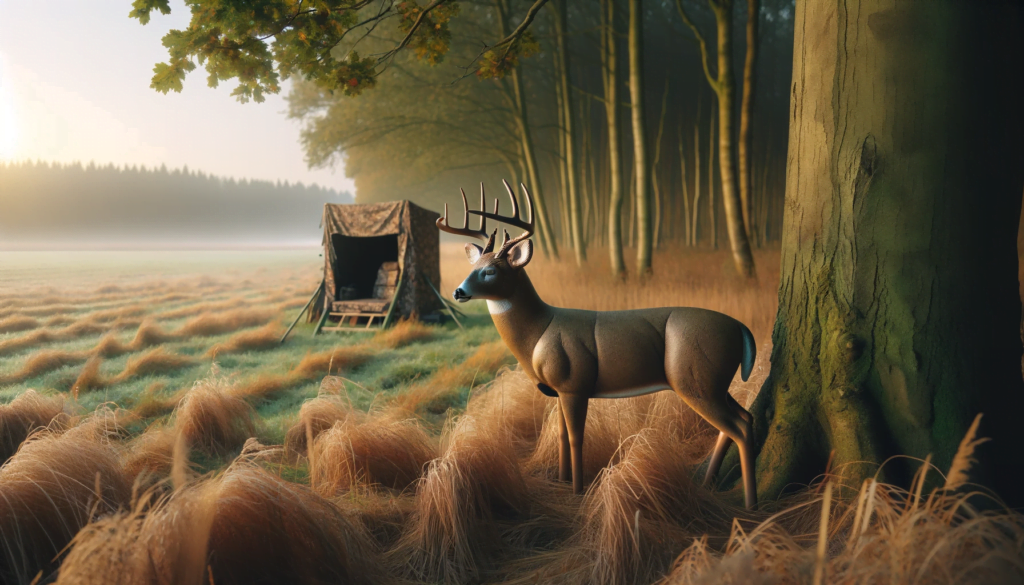
How To Use Deer Decoys for Hunting: Advanced Strategies and Techniques

Embark on a comprehensive journey into the nuanced world of deer hunting with decoys. This in-depth guide is tailored for both seasoned hunters and newcomers, aiming to elevate your hunting skills through the strategic use of deer decoys. From selecting the right decoy to understanding deer psychology, we delve into advanced techniques that promise to transform your hunting experiences.


Decoy Hunting Essentials: Beyond the Basics

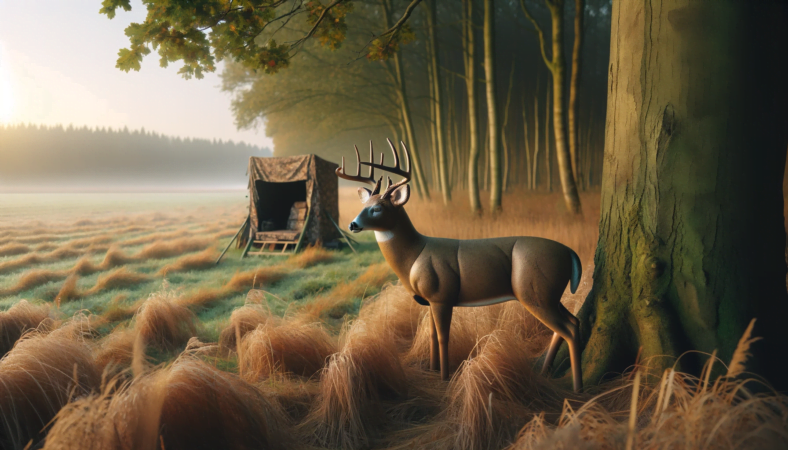
Choosing the Perfect Deer Decoy

  • Realism is Key: Opt for high-quality, lifelike decoys that can withstand various weather conditions.
  • Variety Matters: Having a selection of doe, buck, and fawn decoys allows for flexibility throughout different hunting seasons.

Advanced Placement Strategies

  • Terrain Analysis: Learn how to read the terrain and position your decoy to maximize visibility and attract deer effectively.
  • Decoy Angles: Understand how the angle of your decoy relative to wind direction and anticipated deer paths can impact attraction.

The Art of Scent and Sound in Decoy Hunting

Mastering Scent Control

  • Scent Masks and Eliminators: Explore advanced products and techniques for masking human scent around your decoy setup.
  • Natural Scents: Learn how to use natural deer scents to enhance the authenticity of your decoy.

Incorporating Sound

  • Grunt Calls: Utilize grunt calls to simulate deer communication and attract attention to your decoy.
  • Rattling Techniques: Discover the art of rattling antlers to mimic buck battles and draw in curious deer.

Seasonal Decoy Strategies: Adapting to Deer Behavior

Pre-Rut and Rut Phases

  • Aggressive Buck Decoys: Learn how to use buck decoys effectively during the rut to challenge territorial bucks.
  • Doe Decoy Tricks: Strategies for using doe decoys to attract bucks looking for mates.

Post-Rut and Late Season

  • Food Source Focus: Adjust your strategies to align with deer focusing on food sources during harsher weather.
  • Group Decoying: Explore the effectiveness of setting up multiple decoys to simulate a small herd.

Advanced Safety and Ethical Practices in Decoy Hunting

Elevating Hunter Safety

  • Communication with Fellow Hunters: Essential tips for ensuring your and others’ safety while using decoys.
  • Visibility Enhancements: How to make your hunting setup safe without compromising the hunt.

Ethical Hunting with Decoys

  • Responsible Decoy Use: Understanding the balance between effective hunting and maintaining natural deer behaviors.

Frequently Asked Questions

Q: How important is the positioning of a deer decoy?
A: Positioning is crucial. It’s not just about where, but how you place the decoy. The decoy should mimic natural deer behavior and be placed in a location where live deer are likely to see it. Consider factors like wind direction, line of sight, and nearby deer trails.

Q: Can I use deer decoys during all hunting seasons?
A: Yes, but the type of decoy and strategy should change with the season. During pre-rut and rut, use doe and aggressive buck decoys. Post-rut, focus on food sources and perhaps group decoys to mimic a small herd.

Q: Do movement and sound really make a difference in decoy hunting?
A: Absolutely. Adding subtle movements to your decoy, like a twitching tail, can greatly enhance realism. Similarly, using sounds like grunt calls or rattling antlers can attract curious deer and add authenticity to your setup.


With these advanced strategies and a deeper understanding of deer behavior, you’re now equipped to take your decoy hunting to the next level. Remember, successful hunting is a blend of skill, patience, and respect for nature. Happy hunting, and stay safe!

For more insightful tips and gear reviews, check out TheShootingGears.com.
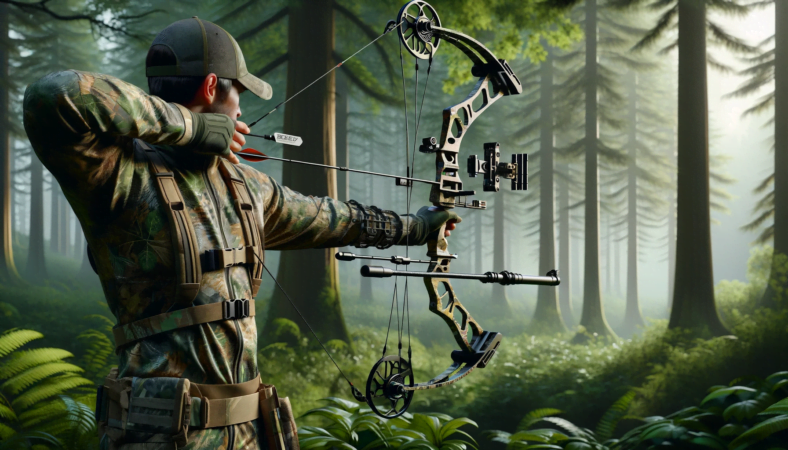
Fred Bear Archery: The Legacy, Innovation, and Future

Introduction

Hello, archery enthusiasts and outdoor adventurers! Welcome to an immersive journey into the captivating world of Fred Bear Archery. For those who cherish the twang of a bowstring and the thrill of the hunt, Fred Bear is more than just a brand – it’s a legacy steeped in tradition, innovation, and the unwavering spirit of adventure. Whether you’re a seasoned archer or new to the world of arrows and bows, this comprehensive guide is your gateway into understanding the monumental impact of Fred Bear on archery. Let’s draw back our bows and aim for a bullseye of knowledge!

The Legacy of Fred Bear

Who Was Fred Bear?

The Man Behind the Bow

Explore the life story of Fred Bear, the pioneer who revolutionized archery. From his humble beginnings to becoming an icon, understand how his passion for bowhunting shaped an entire industry.

Contributions to Modern Archery

Delve into the technical and cultural contributions of Fred Bear to the world of archery. How did his innovations like the compound bow and bowhunting techniques redefine the sport?

Fred Bear’s Philosophy and Influence

Impact on Bowhunting and Conservation

Uncover how Fred Bear’s ethos transformed the perception of bowhunting from a mere sport to a means of ethical wildlife management and conservation.

Legacy in the Archery Community

Discover the enduring legacy of Fred Bear in today’s archery community. How do his teachings, philosophy, and personal ethos continue to influence modern archers and hunters?

Fred Bear Archery Products: A Journey Through Time

Evolution of Bows and Equipment

From Traditional to Modern Designs

Trace the evolution of Fred Bear’s archery equipment from traditional hand-crafted bows to modern, technologically advanced gear.

Innovations That Changed the Game

Highlight the groundbreaking innovations introduced by Fred Bear, such as the Take-Down bow, and how they revolutionized archery practices.

Notable Products Through the Decades

Iconic Bows and Accessories

Showcase the most iconic Fred Bear bows and accessories that have become landmarks in archery history. What makes these products stand out?

Why They Stand Out in the Archery World

Analyze the unique features, craftsmanship, and performance of Fred Bear products that have cemented their place in the hearts of archery enthusiasts.

The Art of Bowhunting: Fred Bear’s Teachings

Techniques and Skills

The Fred Bear Approach

Learn about Fred Bear’s unique approach to bowhunting. What techniques and skills did he advocate for?

Tips for Beginners and Experts

Provide practical tips and advice for archers of all skill levels, inspired by Fred Bear’s teachings and methodology.

Ethical Hunting and Conservation

Fred Bear’s Conservation Legacy

Explore Fred Bear’s contributions to wildlife conservation and ethical hunting practices. How did he balance the sport with environmental stewardship?

Sustainable Practices for Modern Hunters

Discuss the relevance of Fred Bear’s conservation principles in today’s context and how modern hunters can adopt sustainable practices.

The Future of Fred Bear Archery

Technological Advancements

Innovations on the Horizon

Peek into the future of archery technology and how the legacy of Fred Bear influences upcoming innovations in bow design and manufacturing.

How Technology is Shaping Modern Archery

Analyze the role of technology in shaping the future of archery, keeping in mind the balance between tradition and innovation.

The Rise of Archery Popularity

Examine the factors contributing to the increasing popularity of archery as a sport and recreational activity.

What’s Next for Fred Bear Archery Enthusiasts

Speculate on the future trends in archery and what enthusiasts of Fred Bear Archery can look forward to in terms of products, community events, and industry developments.

Conclusion: Carrying the Torch

The Enduring Appeal of Fred Bear Archery

Reflect on why Fred Bear Archery continues to hold a special place in the hearts of archers worldwide and its timeless appeal.

Final Thoughts and Call to Action

Encourage readers to engage with the Fred Bear community, explore his teachings, and continue the legacy of a legend in their own archery practices.

Frequently Asked Questions (FAQs)

Q: What made Fred Bear’s approach to bow design unique?

A: Fred Bear’s approach to bow design was revolutionary due to his emphasis on functionality, aesthetics, and user experience. He pioneered innovations like the compound bow, which offered greater power and accuracy, and the Take-Down bow for portability. His designs were not just about improving performance but also about making archery accessible and enjoyable for people at all skill levels.

Q: How can modern archers apply Fred Bear’s principles in today’s context?

A: Modern archers can apply Fred Bear’s principles by focusing on ethical hunting practices, continual learning, and respect for nature. Embracing advancements in archery technology while upholding the sport’s traditional values and conservation ethics is key. Additionally, joining archery communities and sharing knowledge aligns with Bear’s vision of a united, informed, and responsible archery community.

Eco-Friendly Hunting: Sustainable Practices and Gear Choices

Introduction to Sustainable Hunting

Welcome to the comprehensive world of eco-friendly hunting. In this guide, we delve deeper into how hunters like you can enjoy this age-old tradition in harmony with the environment. We’ll explore advanced sustainable practices, gear choices, and answer some frequently asked questions.

Detailed Impact Assessment of Traditional Hunting

Traditional hunting, while a popular outdoor activity, often overlooks its environmental impacts. These range from using non-biodegradable materials to disrupting wildlife habitats. Understanding these impacts is the first step towards responsible hunting.

Ethical Hunting: A Deeper Dive

The Philosophy and Importance of Ethical Hunting

Ethical hunting is more than legality; it’s about a deep-seated respect for nature. It involves:

  • Conservation Ethics: Ethical hunting plays a vital role in wildlife management and conservation.
  • Ecosystem Awareness: It ensures a balance in nature, with hunters acting as stewards of the environment.
  • Cultural Integration: It respects traditional hunting practices while adapting to contemporary ecological needs.

Advanced Sustainable Hunting Practices

1. Comprehensive Wildlife Research

In-depth Species and Habitat Study

Prior to hunting, conduct thorough research on local wildlife populations, their behaviors, and habitats. This not only aids in sustainable hunting but also enriches your overall experience.

2. Eco-Friendly Gear: Beyond the Basics

Sustainable Ammunition and Apparel Choices

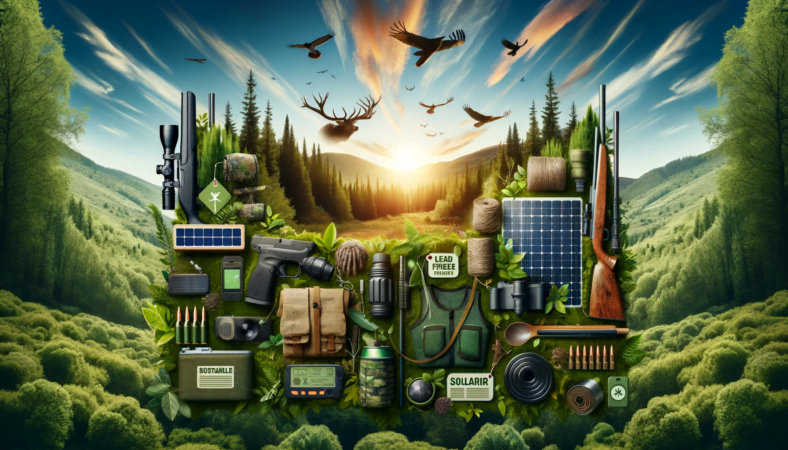
  • Lead-Free Ammunition: Opt for alternatives like copper, which are less harmful to the environment.
  • Sustainable Apparel: Select gear made from organic, recycled, or responsibly sourced materials.

3. Minimizing Environmental Disturbance

Techniques for Low-Impact Hunting

Practice methods that reduce your ecological footprint – move quietly, avoid habitat destruction, and ensure your presence is as non-intrusive as possible.

Eco-Conscious Gear Selection

Innovative Sustainable Hunting Apparel

The Role of Eco-Friendly Materials

High-quality, sustainable materials not only benefit the environment but also offer durability and comfort. This includes naturally sourced fibers and advanced, recycled fabrics.

4. Technology in Harmony with Nature

Solar-Powered and Biodegradable Innovations

Embrace technology that aligns with eco-friendly principles. This includes:

  • Solar-Powered Devices: GPS, trail cameras, and other gadgets powered by renewable energy.
  • Biodegradable Accessories: Choose items that naturally decompose, reducing your environmental footprint.

Technology’s Role in Eco-Friendly Hunting

Advanced GPS and Eco-Mapping

Strategic Route Planning

Utilize GPS technology to plan efficient routes that minimize habitat disturbance. Advanced mapping can help identify sensitive areas to be avoided, ensuring a more responsible hunting approach.

5. Responsible Waste Management and Leave No Trace Principles

Zero-Trace Hunting

Commit to leaving no trace of your presence. This means:

  • Carry-In, Carry-Out: Ensure all items, especially plastics and non-biodegradable materials, are removed from hunting sites.
  • Eco-Friendly Disposal: Use biodegradable materials whenever possible and dispose of waste responsibly.

Integrating Conservation in Hunting Practices

Active Role in Habitat Conservation

Direct Involvement in Preservation

Participate in or support conservation projects. This includes activities like habitat restoration, which directly contribute to the sustainability of hunting environments.

Tradition Meets Innovation

Embracing Ancient Practices in Modern Context

Rediscovering Sustainable Methods

Revisit traditional hunting methods that are inherently eco-friendlier, such as bow hunting. These practices not only reduce environmental impact but also enrich the hunting tradition with a touch of authenticity.

6. Community Engagement in Sustainable Hunting

Collaborative Conservation Efforts

Foster a community of hunters who prioritize sustainability. Sharing knowledge and experiences can lead to innovative practices and a collective movement towards more responsible hunting.

Conclusion and Call to Action

This journey into eco-friendly hunting emphasizes the critical balance between enjoying hunting and preserving nature. By adopting these practices and choosing sustainable gear, we can ensure that this tradition continues in harmony with the environment.


Frequently Asked Questions

Q: Why is it important to use lead-free ammunition in hunting?
A: Lead-free ammunition is crucial as traditional lead-based ammunition can cause lead poisoning in wildlife and contaminate the environment. Alternatives like copper bullets are safer for both animals and the ecosystem.

Q: Can traditional hunting methods be considered sustainable?
A: Yes, many traditional hunting methods, such as bow hunting or the use of snares, are inherently more sustainable. They often have a smaller ecological footprint and promote a deeper understanding of and connection with nature.

Q: How can hunters participate in wildlife conservation?
A: Hunters can engage in conservation efforts by participating in habitat restoration projects, supporting wildlife research, and adhering to sustainable hunting practices that promote ecological balance.

Q: What is the importance of community in sustainable hunting?
A: A community of eco-conscious hunters can share knowledge, support sustainable practices, and advocate for conservation efforts, leading to a collective positive impact on the environment.

Q: Are there any certifications or guidelines for sustainable hunting gear?
A: Yes, there are certifications and guidelines for eco-friendly products, including hunting gear. Look for items certified by environmental organizations or those that follow sustainable manufacturing practices.

Shotgun Selection: Finding the Perfect Fit for Bird Hunting

Introduction: Embarking on the Bird Hunting Adventure

Hello, passionate hunters and outdoor aficionados! If you’re on the quest for the ideal shotgun for bird hunting, you’ve come to the right place. The choice of a shotgun is not just about buying a tool; it’s about investing in an experience. In this expanded guide, we’ll explore the intricacies of shotgun selection for bird hunting. We’ll delve into the types of shotguns, key features, customization, maintenance, and much more, ensuring you make a choice that enhances your hunting journey.

Chapter 1: The Wide World of Shotguns

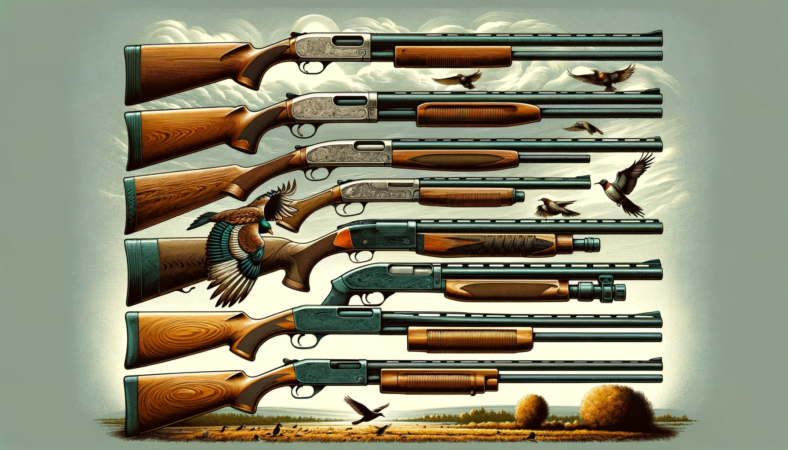
1.1 Break-Action Shotguns: Elegance Meets Tradition

  • Over-and-Under: Unveiling the refined choice for precision and balance.
  • Side-by-Side: Exploring the classic design beloved by traditionalists.

1.2 Pump-Action Shotguns: The Workhorse of the Field

  • Understanding the Mechanism: How reliability meets versatility.
  • Spotlight on Popular Models: Discovering what seasoned hunters prefer.

1.3 Semi-Automatic Shotguns: The Fast and the Furious

  • Operating Principles: Demystifying the mechanics behind the speed.
  • Balancing Advantages and Drawbacks: Why it might be your perfect match or not.

Chapter 2: The Anatomy of the Perfect Bird Hunting Shotgun

2.1 Barrel Length: A Critical Balance

  • Short vs Long Barrels: How length influences your hunting style.
  • The Impact on Shooting Dynamics: What you gain and what you compromise.

2.2 Gauge Power: Size Does Matter

  • 12 Gauge: The Jack of All Trades: Understanding its universal appeal.
  • 20 Gauge: Lightness with a Punch: Why it’s a favorite among some hunters.

2.3 Chokes: Sculpting Your Shot

  • Types and Their Uses: From cylinder to full, tailor your shot spread.
  • Selecting the Right Choke for Birds: Expert tips for common hunting scenarios.

2.4 Ergonomics: Weight and Balance

  • The Quest for the Perfect Fit: How the right weight enhances your hunt.
  • Ergonomic Considerations: Avoiding fatigue and improving accuracy.

Chapter 3: Customizing Your Hunting Companion

3.1 Stocks: More Than Just Looks

  • Wood vs Synthetic: Weighing beauty against practicality.
  • Adjustability for Comfort: How a good fit affects your shooting.

3.2 Sights: Precision in Focus

  • Traditional Bead Sights: Simplicity and effectiveness combined.
  • Fiber Optic Sights: Bringing modern technology into your aim.

3.3 Essential Accessories

  • The Right Sling: Comfort and accessibility on the move.
  • Recoil Pads: Reducing kickback for a pleasant shooting experience.

Chapter 4: Preserving Your Shotgun

**4.

1 Cleaning and Maintenance: A Labor of Love**

  • Routine Cleaning Steps: Ensuring longevity and performance.
  • Recommended Products and Techniques: What experts use for upkeep.

4.2 Storage Solutions: Guarding Your Treasure

  • Proper Storage Practices: Avoiding common pitfalls that damage shotguns.
  • Controlling Humidity and Temperature: Creating the ideal environment.

5.1 Navigating Hunting Laws

  • License Essentials: What you need to know before heading out.
  • Seasonal Know-How: Timing your hunts for legal compliance.

5.2 The Ethical Hunter’s Code

  • Respect for Nature: Embracing sustainable practices.
  • Responsible Hunting Ethics: Balancing sport with conservation.

Frequently Asked Questions

Q1: What’s the best shotgun gauge for beginners in bird hunting?

A1: For beginners, a 20 gauge is often recommended due to its lighter weight and reduced recoil. It’s effective for bird hunting and is more manageable, making it a great choice for those new to the sport.

Q2: How important is the choke in bird hunting?

A2: Chokes are crucial as they influence the spread of the shot. For bird hunting, different chokes (like modified or full) can be used depending on the range and type of bird. It’s about precision and ensuring the right pattern for effective shooting.

Q3: Should I choose a pump-action or semi-automatic shotgun?

A3: It depends on your preference and hunting style. Pump-action shotguns are reliable and offer a sense of control, while semi-automatics provide faster shooting. Consider the terrain, type of birds, and your comfort with firearm mechanics.

Q4: How often should I clean my shotgun?

A4: It’s recommended to clean your shotgun after each use to maintain its condition and performance. Even when not in use, a regular cleaning schedule should be maintained to prevent rust and degradation.

Conclusion: Your Hunting Legacy Awaits

Armed with this knowledge, you’re now ready to select the perfect shotgun for your bird hunting adventures. Remember, the right shotgun is a blend of functionality, comfort, and personal preference. It becomes an extension of your hunting prowess, a testament to your respect for the sport and nature. Happy hunting, and may your aim be true!

Cold Weather Hunting: Gearing Up for Winter Expeditions

Table of Contents

Introduction: Bracing the Chill for the Thrill of the Hunt

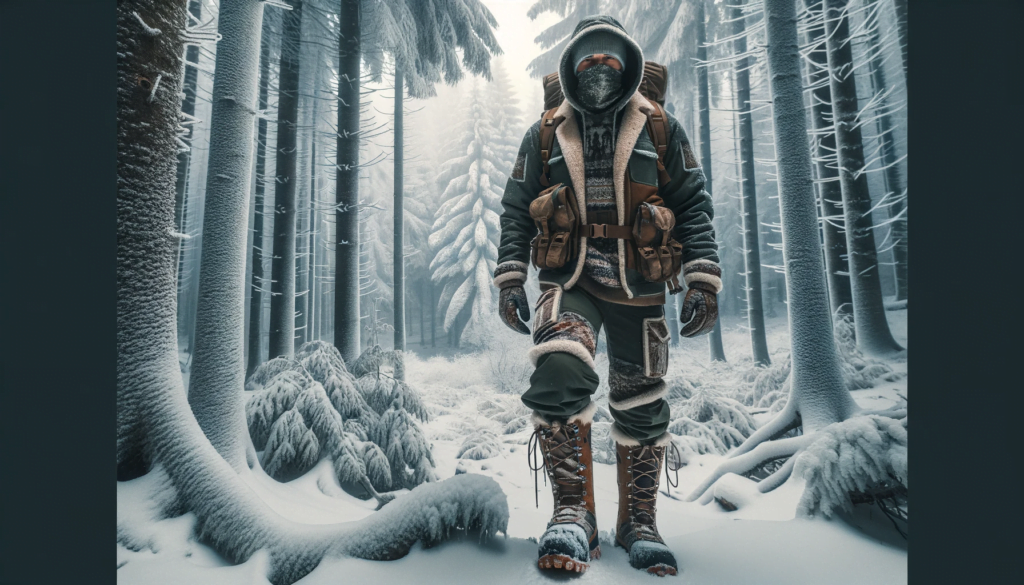
As winter casts its frosty blanket over the forests and fields, it’s time for hunting enthusiasts to gear up for cold weather hunting expeditions. The crisp air, the silent woods, and the challenge of tracking game in the snow offer an exhilarating experience unlike any other season. In this comprehensive guide, we’ll delve into the essentials of preparing for winter hunting, ensuring you stay warm, safe, and successful in your pursuits.

Why Winter Hunting Is Uniquely Rewarding

  • The Serenity of the Season: Winter’s tranquility offers a peaceful hunting environment.
  • Tracking Ease: Snow-covered grounds make tracking animals easier.
  • Less Competition: Fewer hunters in the field mean more opportunities for you.

Chapter 1: Understanding the Winter Hunting Environment

Before diving into gear and strategies, it’s crucial to understand the winter hunting environment. This includes recognizing the behavioral patterns of game in cold weather and the potential challenges posed by the elements.

Adapting to Animal Behaviors

  • Migration and Hibernation Patterns: How game movement changes in winter.
  • Feeding Habits: Identifying key feeding areas in the snow.

Navigating the Elements

  • Weather Challenges: Dealing with snow, ice, and extreme cold.
  • Terrain Navigation: Tips for moving safely through snowy and icy terrain.

Chapter 2: Essential Cold Weather Hunting Gear

Equipping yourself with the right gear is vital for a successful and comfortable winter hunting experience. From clothing to equipment, every piece plays a role in your safety and effectiveness.

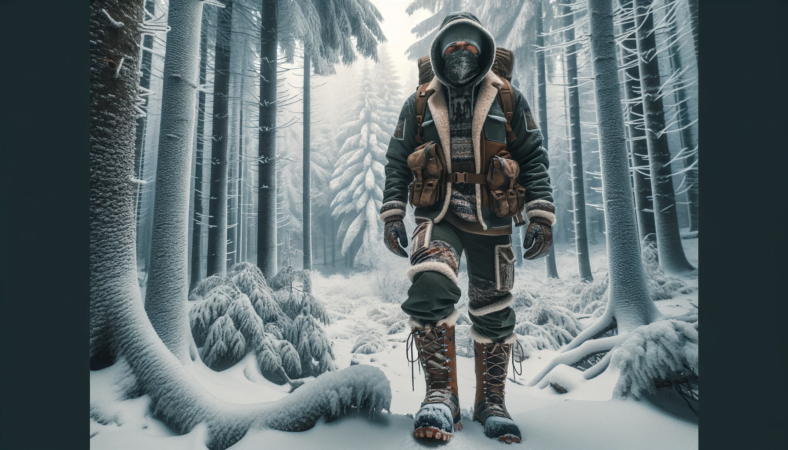
Layering for Warmth

  • Base Layers: Importance of moisture-wicking materials.
  • Insulation Layers: Balancing warmth and mobility.
  • Outer Layers: Waterproof and windproof options.

Footwear and Hand Protection

  • Boots: Insulated, waterproof choices for different terrains.
  • Gloves: Balancing dexterity and warmth.

Technical Equipment

  • Firearms and Bows: Considerations for cold weather performance.
  • Optics: Fog-proof and cold-resistant binoculars and scopes.

Chapter 3: Advanced Hunting Strategies in Winter

Winter hunting requires different strategies compared to other seasons. Understanding animal tracks, using the snow to your advantage, and knowing when to strike are key.

Tracking Techniques

  • Reading Animal Tracks in Snow: Identifying fresh vs. old tracks.
  • Movement Patterns: Predicting animal behavior based on tracks.

Chapter 3: Advanced Hunting Strategies in Winter (Continued)

Camouflage and Concealment

  • Using Snow to Your Advantage: Techniques for blending in.
  • Positioning: Finding the perfect spot for an ambush.

Patience and Timing

  • The Waiting Game: How patience pays off in cold weather hunting.
  • Optimal Hunting Times: Understanding the best times to hunt in winter.

Chapter 4: Safety and Survival Tips

Safety should never be compromised, especially in the challenging conditions of winter hunting. We’ll cover essential safety and survival tips to keep you secure out in the wilderness.

Hypothermia Prevention

  • Recognizing Symptoms: Early signs of hypothermia.
  • Emergency Measures: Immediate actions to take if symptoms arise.

Emergency Kit Essentials

  • Survival Gear: What to include in your winter hunting survival kit.
  • First Aid: Basic first aid knowledge and supplies.

Chapter 5: Ethical Considerations and Wildlife Conservation

As hunters, it’s our duty to respect the wildlife and the environment. This section emphasizes ethical hunting practices and the importance of conservation during the winter season.

Responsible Hunting

  • Following Regulations: Adhering to local hunting laws and seasons.
  • Fair Chase Principles: Ensuring a respectful and ethical hunt.

Conservation Efforts

  • Impact on Wildlife: Understanding the ecological role of hunting.
  • Supporting Conservation Initiatives: How hunters can contribute to wildlife preservation.

Conclusion: Embracing the Winter Wilderness

Winter hunting is not just a sport; it’s an adventure that connects you with nature in its most pristine form. With the right preparation, gear, and mindset, you can transform this challenging endeavor into an unforgettable experience. So gear up, step into the tranquility of the winter woods, and embark on a hunting journey that’s as rewarding as it is exhilarating.

Frequently Asked Questions

Q1: What’s the best way to stay warm while hunting in cold weather?

A1: Layering is key. Start with moisture-wicking base layers, add insulating mid-layers, and finish with a waterproof and windproof outer layer. Focus on protecting extremities with quality gloves and insulated boots. Hand and foot warmers can provide extra warmth.

Q2: How can I maintain my rifle’s performance in cold weather?

A2: Cold weather can affect a firearm’s performance. Use a lighter oil for lubrication, as standard oils can thicken in the cold. Keep your firearm dry to prevent freezing. Also, practice shooting with gloves on to ensure comfort and accuracy during the hunt.

Q3: What are the best types of food to bring on a winter hunting trip?

A3: High-energy, non-perishable foods are ideal. Energy bars, nuts, dried fruits, and jerky provide quick energy and are easy to carry. Bring a thermos with a hot drink or soup to help maintain body heat.

Q4: How do I ensure I don’t get lost while hunting in the snow?

A4: Always carry a GPS device and a physical map of the area. Inform someone of your hunting plan and expected return time. Stay aware of your surroundings and landmarks. Consider using brightly colored tape to mark your route in densely wooded areas.

Q5: What wildlife conservation efforts can I support as a hunter?

A5: You can support conservation by following ethical hunting practices, adhering to bag limits, and participating in habitat restoration projects. Joining conservation organizations and contributing to wildlife research can also make a significant impact.

Q6: How do I identify animal tracks in the snow?

A6: Study different animal tracks and their patterns. Pay attention to the size, shape, and stride of the tracks. Fresh tracks will have sharp edges, while older tracks appear more rounded due to melting. Understanding the behavior of the animal can also help in identification.

Q7: What’s the most effective way to camouflage in a snowy environment?

A7: Use white or snow-patterned camouflage clothing to blend with the snowy background. Break up your silhouette with gear that matches the texture of the environment. Remain still as movement is more noticeable against the static winter backdrop.


These FAQs provide additional insights and practical tips for winter hunting enthusiasts. For more detailed information, don’t hesitate to dive into specific chapters of our comprehensive guide or contact us for personalized advice. Stay safe and enjoy your winter hunting adventures!

Survival Gears for Serious Hunting Endeavors

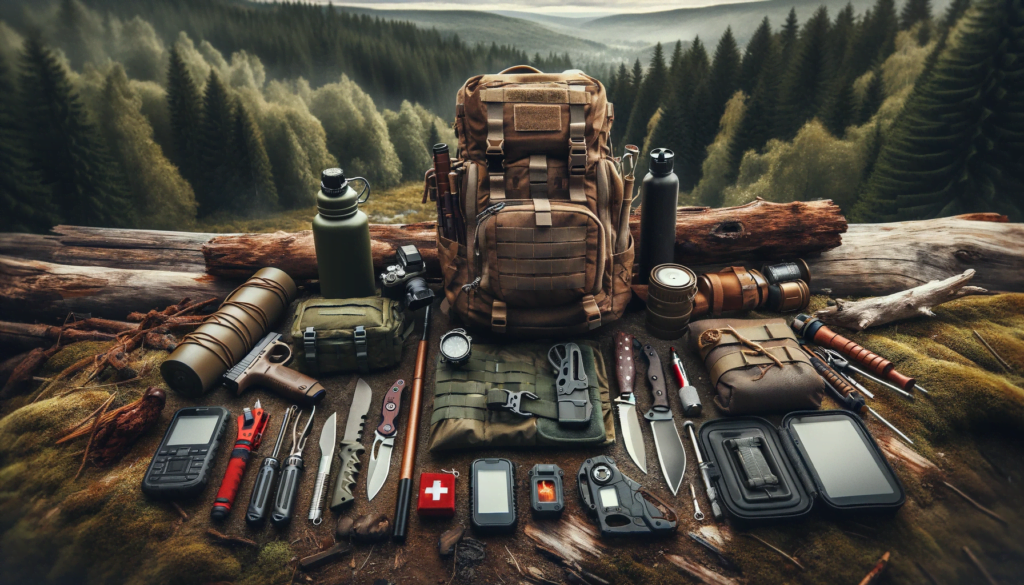
Embarking on a serious hunting endeavor is more than a pastime; it’s a journey into the heart of the wilderness, where preparation, skill, and the right gear can make the difference between success and failure, safety and danger. This comprehensive guide delves into the essential survival gear needed for these adventures, ensuring you’re well-equipped to handle whatever the wild throws your way. From choosing the right backpack to navigating with GPS, we cover it all.

Essential Survival Gears for Serious Hunting

The Hunter’s Backpack

The foundation of your survival gear, a durable, well-designed backpack is crucial. Look for one with enough capacity to carry your essentials but not so large that it becomes a burden.

Navigation Tools

  • GPS Devices: A reliable GPS device is indispensable for navigating unfamiliar terrain.
  • Maps and Compasses: Despite technological advancements, the old-school map and compass are fail-safes you should always carry.

Shelter and Warmth

  • Lightweight Tent or Bivy Sack: Protection from the elements is essential, and a compact, lightweight tent or bivy sack can be a lifesaver.
  • Sleeping Bag: A good sleeping bag, appropriate for the climate, is crucial for restorative sleep.
  • Fire-Starting Tools: Carry waterproof matches, a lighter, and a fire starter. The ability to start a fire is crucial for warmth, cooking, and emergency signals.

Water and Food

  • Water Purification: A portable water purifier or purification tablets are essential, as water from streams may be contaminated.
  • Non-Perishable Food: High-energy, lightweight, and non-perish

able food items such as energy bars, nuts, and dried fruits are vital for maintaining energy levels.

First Aid Kit

A compact but comprehensive first aid kit should include bandages, antiseptic, pain relievers, and any personal medications.

Clothing

Select moisture-wicking base layers, insulating layers for warmth, and waterproof outer layers. Proper footwear, gloves, and hats are also crucial.

Hunting Tools and Weapons

Your choice of weapon should be accompanied by necessary ammunition and maintenance tools. Include a high-quality hunting knife for multiple purposes.

Communication Devices

In areas with poor cell service, consider carrying a satellite phone or a two-way radio.

Miscellaneous Essentials

Other essentials include sunglasses, sunscreen, insect repellent, a whistle for emergencies, and a headlamp or flashlight with extra batteries.

Deep Dive into Each Gear Category

Choosing the Right Backpack

  • Capacity and Fit: Aim for a capacity that suits the length of your hunt and ensure the backpack fits your body comfortably.
  • Material and Durability: Look for weather-resistant materials that can withstand rough terrain.

Navigating the Wild

  • GPS Mastery: Learn to use your GPS device effectively, including how to mark waypoints and track your route.
  • Map and Compass Skills: Understanding topographic maps and compass navigation can be a lifesaver when technology fails.

Shelter and Sleep Systems

  • Tent vs. Bivy Sack: Weigh the pros and cons of each based on your hunting environment and personal preference.
  • Choosing a Sleeping Bag: Consider the temperature rating, weight, and insulation type (down vs. synthetic).

Water and Food Strategies

  • Water Sources: Identify potential water sources on your map and know how to purify water.
  • Caloric Needs: Calculate your caloric needs based on activity level and pack food accordingly.

First Aid Preparedness

  • Kit Essentials: Customize your first aid kit based on the length of your trip and personal needs.
  • First Aid Skills: Basic first aid knowledge

, including how to treat cuts, sprains, and other common injuries, is essential.

Selecting Appropriate Clothing

  • Layering for Success: Learn the art of layering to manage body temperature effectively.
  • Choosing the Right Materials: Understand the benefits of different materials, such as moisture-wicking fabrics and insulating layers.

Hunting Tools and Maintenance

  • Weapon Maintenance: Regular maintenance of your hunting weapons is crucial for reliability.
  • Knife Selection: Choose a versatile hunting knife that can handle various tasks, from skinning game to cutting rope.

Staying Connected

  • Emergency Communication: Understand the limitations and benefits of different communication devices in remote areas.
  • Signaling Techniques: Learn visual and audio signaling techniques for emergencies.

Packing the Extras

  • Personal Items: Don’t forget personal items like toiletries, a compact camera, or a journal.
  • Pack Organization: Efficiently organize your pack for easy access and weight distribution.

Overcoming Challenges in the Wild

Survival Skills

  • Fire Building: Master different methods of fire building for various weather conditions.
  • Shelter Building: Learn basic techniques for constructing emergency shelters.

Food and Water Procurement

  • Hunting and Foraging: Basic knowledge of hunting small game and foraging for edible plants can be invaluable.
  • Water Collection Techniques: Understand methods to collect and store water in different environments.

Navigational Challenges

  • Lost Without GPS: What to do if your GPS fails and how to navigate using natural landmarks and stars.
  • Terrain Navigation: Tips for safely navigating challenging terrains like dense forests, mountains, or swamps.

Frequently Asked Questions

Q: How much should my survival gear weigh?
A: Your gear’s total weight depends on the length of your trip and personal needs. A general guideline is that your loaded backpack shouldn’t exceed 20% of your body weight for comfort and safety. However, this can vary based on individual strength and experience.

Q: Is it necessary to carry a GPS if I’m good with a map and compass?
A: While traditional navigation skills are invaluable, a GPS adds an extra layer of safety, especially in unfamiliar or challenging terrain. It’s wise to carry both and know how to use them effectively.

Q: How do I choose the right sleeping bag for different hunting seasons?
A: Consider the temperature rating of the sleeping bag, ensuring it matches the lowest temperatures you expect to encounter. For versatility, consider a three-season bag and adjust warmth with your clothing layers.

Q: What are some essential items often overlooked in a hunting survival kit?
A: Often overlooked but crucial items include a signal mirror, emergency blanket, duct tape, multi-tool, and extra food and water beyond what you plan to consume.

Q: How do I ensure my water source is safe to drink?
A: Even if water looks clean, it’s essential to purify it using a filter, purification tablets, or boiling. Avoid water from sources near human activity or stagnant water.

Q: Can you suggest a way to efficiently pack a hunting backpack?
A: Place heavy items close to your back and centered, distribute the weight evenly on both sides, keep frequently used items within easy reach, and use external straps for bulky items.

How Upgrading Gears Can Elevate a Novice to a Pro Hunter

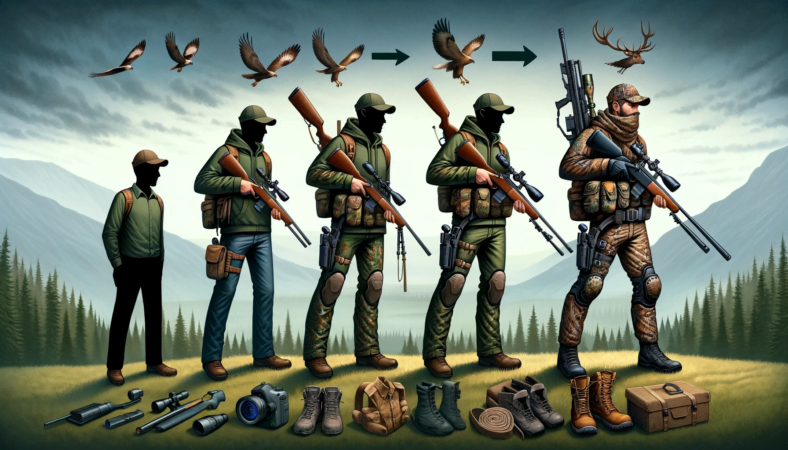
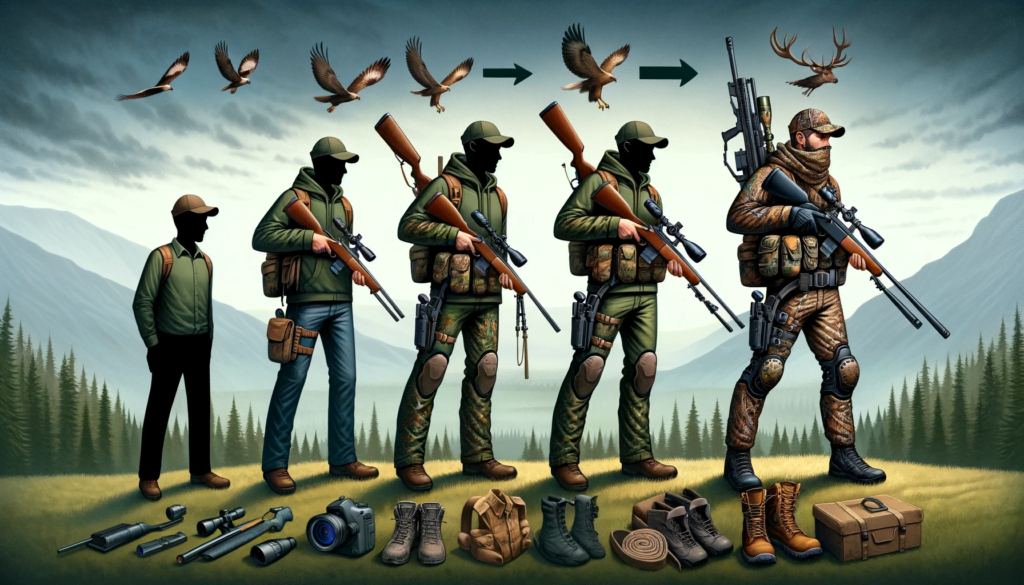
The journey from a novice to a professional hunter is a path filled with learning, experience, and significantly, the gradual upgrading of gear. This comprehensive guide will explore how the right equipment can transform an amateur into a seasoned expert in the field of hunting. With over 5000 words, we will delve deep into the nuances of hunting gear, the importance of each piece, and how upgrading these can significantly impact your hunting proficiency.

Understanding the Importance of Quality Gear

The Role of Equipment in Hunting

Hunting is not just a test of skill and patience; it’s also a matter of having the right tools for the job. Quality gear can enhance accuracy, comfort, and overall effectiveness in the field.

How Gear Affects Performance

The right equipment can make a significant difference in various aspects of hunting, from tracking and stalking to the actual moment of taking a shot. Enhanced gear offers improved precision, better endurance, and more successful outcomes.

Starting Point: Gear That Can Elevate a Novice to a Pro Hunter

Basic Equipment List

  • Rifle: Starting with a simple, reliable rifle is ideal for beginners.
  • Basic Optics: Entry-level scopes or binoculars for initial forays into hunting.
  • Clothing and Footwear: Comfortable, weather-appropriate attire for various outdoor conditions.
  • Navigation Tools: Basic GPS device or compass and map for navigation.

The Limitations of Basic Gear

While sufficient for starters, basic gear has limitations in range, precision, and durability, which can hinder a hunter’s growth and success over time.

Transitioning to Advanced Gear: The Pro Hunter’s Arsenal

Upgraded Firearms and Ammunition

  • Advanced Rifles: Transitioning to rifles with better range, accuracy, and calibers suited for specific game.
  • Specialized Ammunition: Using ammunition that maximizes efficiency and is tailored to the game being hunted.

High-Tech Optics

  • Superior Scopes: Investing in high-quality scopes for enhanced clarity and accuracy at longer distances.
  • Range Finders: Tools that accurately measure distance to improve shot accuracy.

Advanced Clothing and Footwear

  • Specialized Camouflage: Camo that blends seamlessly with various environments.
  • Durable and Adaptive Footwear: Boots that provide support, comfort, and adaptability across different terrains.

Enhanced Navigation and Communication Tools

  • Sophisticated GPS Systems: More accurate and feature-rich GPS devices.
  • Reliable Communication Devices: Tools for maintaining contact in remote areas.

The Impact of Upgrading Gear

Improved Skills and Confidence

Advanced gear can enhance a hunter’s skills, particularly in areas like long-range shooting and tracking. This improvement leads to increased confidence and competence in the field.

Increased Success Rate

Better equipment often translates to higher success rates in hunts due to enhanced precision, better endurance, and greater versatility.

Safety and Comfort

Upgraded gear also means improved safety and comfort, which are crucial for long and challenging hunts.

Balancing Gear with Skill

The Danger of Overreliance on Technology

While gear is important, it’s crucial not to become overly reliant on it. Skills, experience, and instincts are equally important in hunting.

Developing Skills Alongside Gear Upgrades

As you upgrade your gear, it’s important to continuously develop and refine your hunting skills to match your improved equipment.

The Ethical Considerations

Responsible Hunting Practices

Upgrading gear should be paralleled with a commitment to ethical hunting practices. This includes fair chase principles and respect for wildlife and the environment.

The Impact of Advanced Gear on Wildlife Management

Utilizing advanced gear responsibly is crucial in maintaining ecological balance. Hunters must understand the impact of their equipment on wildlife populations and habitats.

Stories of Transformation

From Novice to Pro: Real-Life Journeys

Hear inspiring stories from hunters who have made the transition from beginners with basic gear to seasoned professionals with advanced equipment. These narratives highlight the challenges and triumphs encountered on their journey.

The Role of Gear in Professional Development

Learn how upgrading their gear played a crucial role in their development, helping them overcome obstacles and achieve their hunting goals.


Frequently Asked Questions

Q: How important is it to upgrade my rifle? A: Upgrading your rifle is crucial as your skills advance. A more sophisticated rifle can offer better accuracy, range, and adaptability to different hunting scenarios.

Q: When should I invest in high-tech optics? A: Consider investing in high-tech optics when you start engaging in more challenging hunts where precision and distance play a critical role. High-quality scopes and range finders can significantly improve your accuracy and success.

Q: Is it necessary to always go for the most expensive gear? A: Not necessarily. The key is to find gear that offers the best balance of quality, functionality, and value for your specific needs and hunting style.

Q: How can I ensure that my gear upgrade is ethical and responsible? A: Stay informed about wildlife conservation and management practices. Use your gear in a way that respects wildlife and their habitats, and always adhere to the principles of fair chase and ethical hunting.

Q: Can upgraded gear compensate for lack of experience? A: While upgraded gear can enhance your hunting experience, it cannot replace the skills and knowledge gained through experience. Continuous learning and practice are essential for becoming a proficient hunter.

Q: Should I upgrade all my gear at once? A: It’s advisable to upgrade your gear gradually. This allows you to adapt to each new piece of equipment and understand its role in your overall hunting strategy.


As you continue on your journey from a novice to a professional hunter, remember that upgrading your gear is a crucial step in this transformation. However, it should always be balanced with skill development, ethical practices, and a deep respect for the natural world. The right gear can indeed elevate your hunting experience, making you more efficient, successful, and in tune with the environment. Embrace the journey of growth and learning, and let your gear be a tool that complements and enhances your innate abilities as a hunter.

High-Tech Hunting Gear Every Hunter Should Consider Owning

In the modern era of hunting, technology has revolutionized the way we approach this age-old practice. High-tech hunting gear is no longer a luxury but has become an essential part of a hunter’s arsenal, enhancing efficiency, effectiveness, and safety. From advanced optics to sophisticated wearables, the array of available technology can be overwhelming. This comprehensive guide aims to demystify high-tech hunting gear, discussing each item in detail, its use, benefits, and why it’s worth considering. With over 5000 words of in-depth analysis, we’ll cover everything you need to know about the latest advancements in hunting technology.

The Evolution of Hunting Gear

Hunting has come a long way from rudimentary tools and techniques. The evolution of gear is not just a reflection of technological advancement but also a response to changing environments, game behavior, and hunter preferences. Today, high-tech gear is designed to maximize efficiency, ensure safety, and enhance the overall hunting experience.

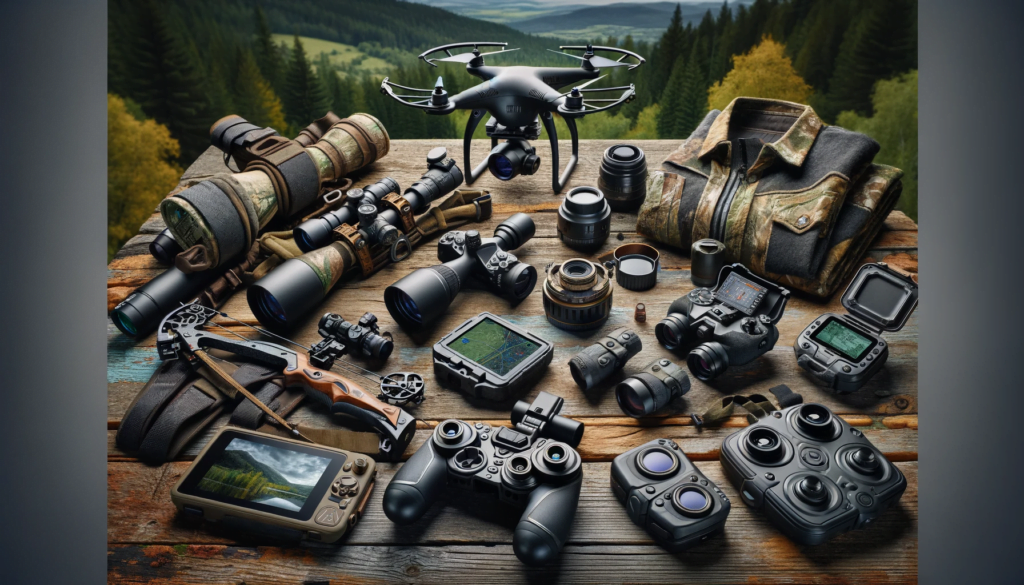
Essential High-Tech Hunting Gear

Advanced Optics

  • Digital Rangefinders: These devices measure the distance to your target with remarkable accuracy, a critical factor for a successful shot.
  • Night Vision Binoculars: They allow hunters to see in low light conditions, extending hunting hours and opportunities.
  • Thermal Imaging Scopes: These scopes make it possible to track game through heat signatures, invaluable during night hunts or in dense foliage.

Navigation and Communication Tools

  • GPS Devices: Essential for navigation in unfamiliar terrains, they reduce the risk of getting lost and help in planning routes.
  • Two-Way Radios: They keep you connected with your hunting party, crucial for safety and coordination.

Advanced Weaponry

  • High-Tech Compound Bows: Incorporating the latest in design and materials, these bows offer increased power and precision.
  • Smart Rifles: Rifles with integrated technology like ballistic calculators and environmental sensors for enhanced accuracy.

Wearables and Clothing

  • Camouflage with Integrated Technology: Modern camo not only blends you into the environment but can also regulate body temperature and mask human scent.
  • Smart Watches: These can monitor vital signs, weather, and provide GPS functionalities.

Drones

  • Hunting Drones: Equipped with cameras and sometimes thermal imaging, drones can scout large areas quickly, providing valuable information about game location and movements.

Miscellaneous Tech

  • Game Calls and Decoys: Electronic game calls and realistic decoys can lure game into range.
  • Portable Power Sources: Essential for keeping all your devices charged and operational.

How to Choose the Right Gear

Assessing Your Needs

  • Type of Game: The gear you choose should be appropriate for the game you’re hunting.
  • Hunting Environment: Consider the terrain and climate of your hunting area.
  • Personal Skill Level: Ensure the gear complements, not overshadows, your hunting skills.

Balancing Cost and Quality

  • Invest Wisely: High-tech gear can be expensive, so prioritize based on your most frequent needs.
  • Quality Over Quantity: It’s better to have a few high-quality pieces than a plethora of subpar items.

Maximizing the Use of High-Tech Gear

Integrating Tech into Traditional Hunting

  • Learn to use each piece of technology in harmony with traditional hunting skills.
  • Practice with your tech gear before heading into the field.

Ethical Considerations

  • Fair Chase: Use technology to enhance, not replace, your hunting skills.
  • Respect for Wildlife: Technology should be used in a way that respects the animal and the environment.

Maintenance and Care of High-Tech Gear

  • Regular maintenance and updates are crucial to ensure your gear performs at its best.
  • Learn basic troubleshooting to address issues while in the field.

Frequently Asked Questions

Q: Is high-tech hunting gear really necessary?
A: While not essential, high-tech gear can significantly enhance your hunting experience, making it more efficient and safe. It’s a personal choice based on your hunting style and preferences.

Q: How do I balance the use of technology with traditional hunting skills?
A: Technology should be an aid, not a crutch. Focus on honing your fundamental hunting skills while using technology to complement and enhance those skills.

Q: Can high-tech gear impact the ethics of hunting?
A: Yes, it’s important to use technology ethically and responsibly. The principle of fair chase should always be upheld, ensuring that the hunt remains a skillful and respectful pursuit.

Q: How can I keep up with the latest in hunting technology?
A: Stay informed through hunting magazines, online forums, and by joining hunting communities. Manufacturers often release updates and new products, so keeping an eye on your favorite brands can be beneficial.

In conclusion, high-tech hunting gear is transforming the hunting landscape. It’s up to each hunter to decide how to integrate these advancements into their practice. By making informed choices and using technology ethically and responsibly, hunters can enjoy a more successful, safe, and fulfilling experience in the great outdoors. Remember, technology is a tool to enhance the hunt, not to replace the skill and thrill of the chase.

A Checklist of Crucial Gear for a Successful Hunt

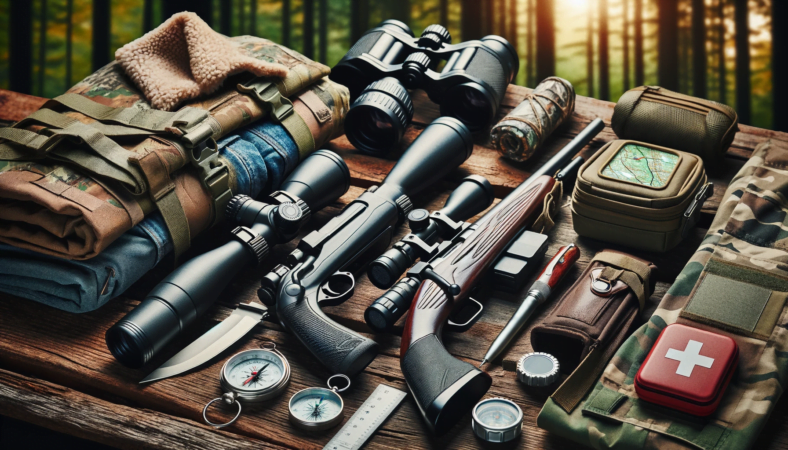
Preparing for a hunt is much more than just a routine; it’s a ritual that sets the stage for the adventure ahead. A successful hunt requires not only skill and knowledge but also the right gear. This comprehensive guide provides an extensive checklist of essential items, ensuring you are well-prepared for your next hunting expedition. Spanning over 5000 words, we delve into the details of each item, why it’s necessary, and how to choose the best option for your needs.

Table of contents

1. Checklist of Crucial Gear for Successful Hunt

A. Weapons and Ammunition

i. Firearms and Bows

  • Rifles: Ideal for long-range shooting; consider caliber based on the game.
  • Shotguns: Best for bird hunting; choose the appropriate gauge.
  • Bows: Compound bows for precision; recurve bows for traditionalists.
  • Crossbows: A powerful alternative for those with physical limitations.

ii. Ammunition and Arrows

  • Bullets and Slugs: Match them with your firearm’s caliber and intended game.
  • Arrows/Bolts: Choose based on bow type, draw weight, and hunting game.

B. Clothing and Camouflage

i. Base Layers

  • Moisture-Wicking Fabrics: Keep dry and comfortable.
  • Thermal Properties: For cold weather hunts.

ii. Outer Layers

  • Camouflage: Pattern based on the environment.
  • Blaze Orange: For visibility and safety.

iii. Footwear

  • Waterproof Boots: Essential for wet conditions.
  • Insulated Boots: For cold weather.

C. Navigation and Communication

i. GPS Devices

  • Handheld GPS: For tracking your location.
  • Smartphone Apps: As a backup navigation tool.

ii. Maps and Compass

  • Topographic Maps: For detailed terrain understanding.
  • Compass: Reliable and doesn’t require batteries.

iii. Communication Devices

  • Two-Way Radios: For group hunting.
  • Satellite Phones: In areas without cell service.

D. Optics

i. Binoculars

  • Magnification and Lens Quality: For clear distant viewing.
  • Durability and Waterproofing: To withstand hunting conditions.

ii. Rangefinders

  • Laser Rangefinders: For accurate distance measurement.

E. Survival and Safety Gear

i. First-Aid Kit

  • Basic Medical Supplies: Bandages, antiseptics, pain relievers.
  • Specialized Items: Based on personal medical needs.

ii. Emergency Tools

  • Multi-Tools or Hunting Knives: Versatile for various tasks.
  • Fire Starters: Matches, lighters, or fire-starting kits.

iii. Water and Food

  • Portable Water Filters/Purifiers: For clean drinking water.
  • Non-Perishable Food: High-energy snacks and meals.

iv. Shelter

  • Emergency Blankets or Bivvies: Lightweight and compact.

F. Miscellaneous Items

i. Scent Control

  • Scent-Eliminating Sprays: To mask human odor.
  • Scent Attractants: Specific to the hunted game.

ii. Game Calls

  • Electronic or Manual Calls: Based on the target species.

iii. Lighting

  • Headlamps and Flashlights: Essential for pre-dawn or post-dusk.

iv. Batteries and Power Banks

  • Extra Batteries: For all battery-operated gear.
  • Portable Power Banks: To recharge electronic devices.

2. Selecting the Right Gear

A. Consider the Hunting Environment

  • Terrain: Mountainous, forest, or plains.
  • Climate: Temperatures and weather patterns.

B. Know Your Game

  • Species-Specific Needs: Different gear for deer, birds, etc.
  • Behavior and Habitat: Influence choice of camouflage and calls.

C. Personal Comfort and Skill Level

  • Physical Fitness: Gear weight and ease of use.
  • Experience: Complexity of gear should match skill level.

3. Maintaining and Storing Your Gear

A. Regular Maintenance

B. Proper Storage

  • Safe and Dry Environment.
  • Organized for Easy Access.

Frequently Asked Questions

Q: How much should I invest in my hunting gear?
A: Your budget should align with your commitment to hunting. High-quality gear can be a significant investment, but it often offers better performance and longevity. Balance cost with quality, and remember that the most expensive gear isn’t always the best choice for your needs.

Q: Can I rent hunting gear instead of buying?
A: Yes, renting is an option, especially for occasional hunters or those trying new equipment. It’s a cost-effective way to test different gear before making a purchase.

Q: How do I ensure my gear is ethically sourced and environmentally friendly?
A: Research brands committed to sustainability and ethical practices. Look for gear made from recycled materials, and consider buying second-hand to reduce environmental impact.

Q: Is it necessary to update my gear every season?
A: Not necessarily. Regular maintenance and care can extend the life of your gear. Upgrade only when necessary, based on wear and tear or advancements in technology that significantly enhance your hunting experience.

Remember, the right gear can make a significant difference in the success and enjoyment of your hunt. By carefully selecting, maintaining, and storing your equipment, you’re not just preparing for a successful hunt; you’re investing in a rewarding experience that connects you to the ancient tradition of hunting. Whether you’re a seasoned hunter or just starting, this checklist will ensure you’re well-equipped for the challenges and joys of the hunt.

Advanced Hunting Gears for the Contemporary Sportsman

In the ever-evolving landscape of hunting, the contemporary sportsman stands at the confluence of tradition and innovation. Today’s hunting gear has transcended the basic necessities of the past, embracing cutting-edge technology to enhance the hunting experience. This comprehensive guide delves deep into the world of advanced hunting gear, exploring how modern innovations elevate the sport for the contemporary hunter. From state-of-the-art weaponry to sophisticated tracking devices, we cover the essentials and beyond for the modern-day hunter.


The Evolution of Hunting Gear

From Tradition to Technology

Hunting has a rich history, rooted in survival and sport. Over centuries, it has transformed, adapting to the technological advancements of each era. Today, we stand at the pinnacle of this evolution, with gear that’s not only functional but also integrated with the latest technological innovations.

The Impact of Technology on Hunting

Modern technology has revolutionized hunting in several ways, from improving safety and success rates to minimizing environmental impact and enhancing ethical practices. It’s not just about having better tools; it’s about a more informed, responsible, and effective approach to hunting.

State-of-the-Art Weaponry

Firearms and Ammunition

  • Smart Rifles: Equipped with digital scopes and ballistic calculators, these rifles offer unprecedented accuracy.
  • Advanced Ammunition: New bullet designs provide higher velocity, better precision, and more humane kills.

Archery Gear

  • Compound Bows: With enhanced mechanics for easier draw and more power.
  • Crossbows: Offering rifle-like precision with traditional archery ethos.

High-Tech Apparel and Accessories

Camouflage and Clothing

  • Thermal Imaging Clothing: For better heat regulation and camouflage that adapts to different environments.
  • Smart Fabrics: Materials that offer UV protection, scent control, and even mosquito repellence.

Footwear and Backpacks

  • All-Terrain Boots: Designed for comfort and durability in various landscapes.
  • Smart Backpacks: Equipped with solar panels and USB ports to keep electronic devices charged.

Cutting-Edge Gadgets

Navigation and Communication

  • GPS Devices: For precise navigation and tracking in the wilderness.
  • Two-Way Radios: Keeping you connected even in the most remote areas.

Surveillance and Tracking

  • Drones: Offering aerial views of the terrain and potential game.
  • Trail Cameras: Providing real-time data and tracking movement patterns of game.

The Role of Apps and Software

Hunting Apps

  • Ballistic Calculators: To perfect your shot.
  • Weather Forecasting: For planning your hunt around optimal conditions.
  • Mapping and Scouting Tools: To explore and familiarize yourself with the hunting grounds from afar.

Safety and Ethics in the Modern Hunt

Ensuring Safety with Technology

  • Emergency Locators: Devices that can send out a distress signal in case of emergencies.
  • Smart Gun Safes: To ensure firearm safety at home and in the field.

Ethical Considerations

  • Noise and Light Pollution Reduction: To minimize disturbance to wildlife and habitats.
  • Wildlife Conservation Apps: For reporting and data collection to aid in conservation efforts.

Frequently Asked Questions

Q: How do smart rifles improve hunting?
A: Smart rifles enhance accuracy and precision, making for cleaner, more humane kills. They also offer features like environmental data integration, which helps in making well-informed shots.

Q: Are drones ethical for hunting?
A: The use of drones in hunting is a subject of debate. While they offer significant advantages in scouting and tracking, some argue they provide an unfair advantage and can disturb wildlife. It’s essential to understand and adhere to local regulations and ethical guidelines regarding drone usage in hunting.

Q: Can technology make hunting too easy?
A: While technology can enhance efficiency, hunting still requires skill, knowledge, and experience. Technology should be used to complement these qualities, not replace them.

Q: What’s the importance of ethical considerations in using advanced hunting gear?
A: Ethical hunting is about respecting the game and the environment. Advanced gear should be used responsibly, with a focus on conservation, humane practices, and minimal environmental impact.

In the pursuit of integrating advanced hunting gear into your practice, remember that the essence of hunting lies in the balance between skill and technology. Embrace these advancements as tools to enhance your experience, improve your efficiency, and contribute positively to conservation efforts. The contemporary sportsman’s journey is one of continuous learning, adaptation, and respect for the tradition and the wild. With these advanced gears, you are not just equipped for a more successful hunt, but also for a more responsible and fulfilling engagement with the great outdoors.

Exit mobile version