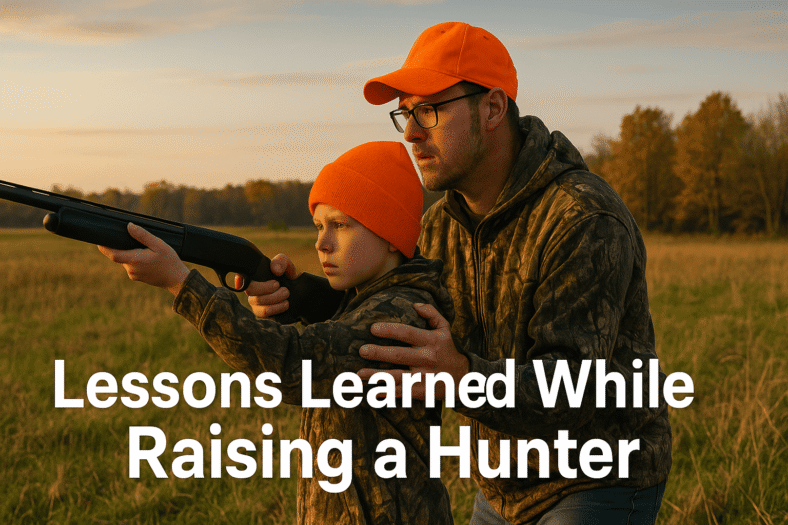
Lessons Learned While Raising a Hunter

Raising a hunter is not really about teaching a child to fill a tag. It is about building patience, safety habits, respect for wildlife, and enough judgment to know when not to take a shot. The best lessons happen slowly, through small routines repeated before, during, and after each season.

This guide is for parents, relatives, and mentors who want to introduce a young person to hunting responsibly. It focuses on safety, confidence, field behavior, and realistic expectations rather than trophy pressure or gear obsession.

Table of contents

Quick Answer

The biggest lessons from raising a hunter are simple: start with safety, keep early trips short, practice before the season, teach respect for land and wildlife, and make the experience bigger than the harvest. A young hunter who feels safe, included, and unpressured is more likely to build good habits for life.

Do not rush responsibility. Match every step to the young person’s maturity, attention span, legal requirements, and comfort level. The goal is not to create a perfect hunter in one season. The goal is to build a responsible outdoorsperson over time.

A good mentor also watches for fatigue, cold, hunger, frustration, and nervousness. Those small signals matter. When a young hunter feels heard, they are more likely to ask questions, admit uncertainty, and speak up when something feels unsafe.

Safety Comes Before Success

Safety is the first lesson and the lesson that never ends. Before a youth hunt, review safe direction, trigger discipline, clear communication, firearm or bow handling, and what to do when anyone feels unsure. Keep the rules short enough to remember and repeat them often enough that they become normal.

The NSSF firearm safety rules are a useful baseline for any firearm-related activity. For hunter education, Hunter Ed can help families find state-approved course information and safety training resources.

If the hunt involves archery, the same mindset applies: controlled direction, safe broadhead handling, checked equipment, and clear communication. Young hunters should understand that safety rules apply even when the animal is close, the group is excited, or the moment feels urgent.

Patience Is The First Real Skill

Adults often remember the harvest. Young hunters often remember the walk in, the snack break, the cold toes, the quiet whispering, and whether the adult beside them stayed calm. Patience is easier to learn when the mentor models it.

Short early sits can be better than long miserable ones. A one-hour hunt that ends with curiosity can be more valuable than a full day that ends with frustration. Build attention span gradually and celebrate small wins: finding tracks, identifying birds, noticing wind, or staying quiet for ten more minutes.

Bring enough flexibility to leave before the experience turns sour. A young hunter who asks to go home is not failing. They may be cold, tired, overstimulated, or simply done learning for the day. Ending on a calm note keeps the door open for the next trip.

Practice Should Feel Calm And Repeatable

Practice should not feel like a test every time. Young hunters need calm repetition, clear feedback, and enough breaks to stay focused. Keep range sessions short, safe, and specific. Work on one skill at a time: safe handling, a stable position, smooth trigger control, bow form, or target identification.

Practice should also include what happens before and after the shot. Talk through when not to shoot, how to recognize an unsafe backstop, how to wait for a better angle, and how to tell an adult immediately if something feels wrong. Our gun safety course benefits guide explains why formal instruction can support family teaching.

Ethics Matter More Than The Harvest

Ethics are learned by watching. A young hunter notices how adults talk about animals, landowners, missed chances, wounded game, other hunters, and rules. If adults treat hunting as a responsibility, young hunters are more likely to do the same.

  • Only take shots that match the hunter’s practiced ability.
  • Respect property boundaries and landowner rules.
  • Follow current regulations, tags, seasons, and reporting requirements.
  • Recover game carefully and use as much of the animal as possible.
  • Leave gates, blinds, trails, and camps better than you found them.

These lessons can matter more than any single animal. They shape how a young person sees hunting, conservation, and responsibility.

Keep Gear Simple And Comfortable

Young hunters do not need complicated gear to learn well. They need clothing that keeps them reasonably warm and dry, hearing and eye protection when appropriate, a safe firearm or bow setup that fits them, and a mentor who pays attention before discomfort becomes a problem.

Fit matters. Oversized packs, heavy layers, loud clothing, hard-to-use gloves, and poorly fitted equipment can make a young hunter feel clumsy or discouraged. For day trips, use a simple checklist and pack only what the hunt requires. Our day hunting packing checklist is a helpful starting point.

Comfort is not softness; it is part of learning. A young hunter who can stay warm, hear instructions, see clearly, and move safely has more attention left for the important lessons.

Field Lessons Young Hunters Remember

Slow Down Before Every Decision

The field rewards calm decisions. Teach young hunters to pause, breathe, identify clearly, check the background, and listen before acting. Slowing down helps prevent unsafe choices and builds confidence.

Notice Sign, Weather, And Wind

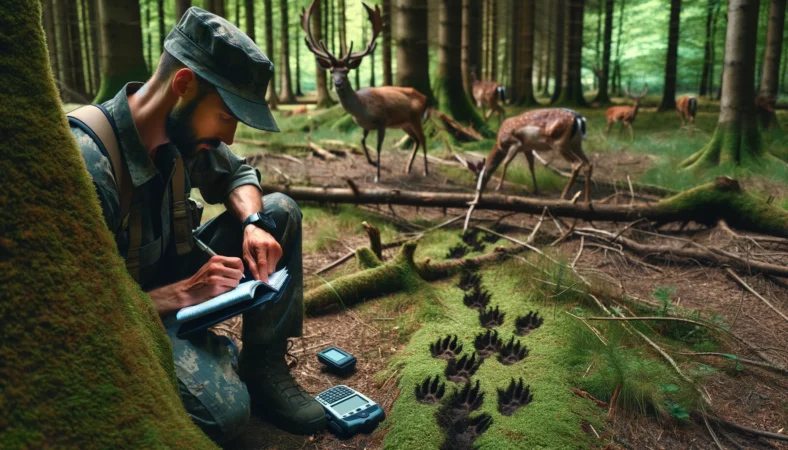
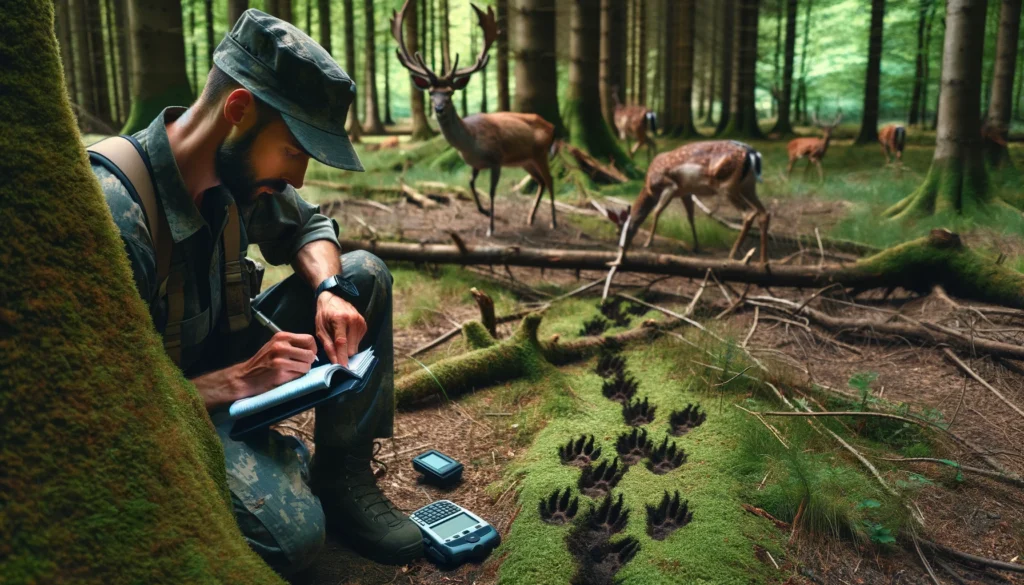
Tracks, droppings, rubs, feathers, feeding areas, wind direction, and changing weather all make the day more interesting. When there is no harvest, these observations still give the young hunter something real to learn.

Let The Young Hunter Own Small Jobs

Small jobs build investment. Let them carry a light item, check the list, mark the wind, help glass a field, or choose the snack stop. Responsibility should grow in steps, not all at once.

Talk After The Hunt

A calm after-hunt conversation can teach more than a lecture. Ask what they noticed, what felt hard, what felt fun, and what they want to practice next. This keeps the experience collaborative instead of pressured.

For broader mindset and field habits, see our guide on the key to success in hunting.

FAQ

What is the best age to start teaching a child about hunting?

There is no single age that fits every child. Start with nature walks, safety language, animal identification, and respect for rules. Actual hunting should wait until the child meets legal requirements and shows the maturity to follow instructions consistently.

How long should a first youth hunt be?

Short is usually better. A positive one- or two-hour sit can build more enthusiasm than an all-day hunt that feels cold, boring, or stressful. Increase time gradually.

How should I handle a missed shot?

Stay calm. Check safety first, then talk through what happened without shame. A missed shot can teach range judgment, breathing, patience, and the importance of practice.

How do I keep hunting from becoming too much pressure?

Measure the day by learning, safety, and time together. Do not make the harvest the only success. Young hunters are more likely to stay interested when the experience feels meaningful even without a filled tag.

Final Takeaway

The best lessons from raising a hunter are safety, patience, ethics, practice, and respect. A young hunter who learns to slow down, follow rules, care about wildlife, and enjoy the whole experience is already succeeding, even before the first harvest happens.
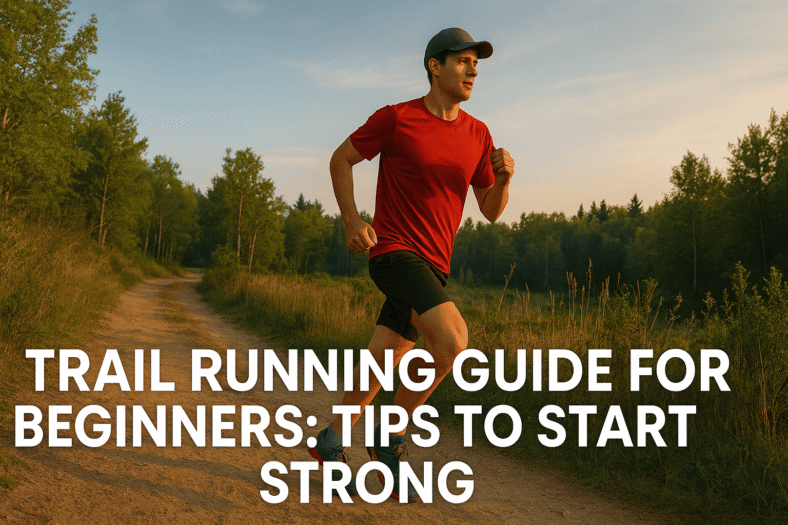
Trail Running Guide for Beginners: Tips to Start Strong

Trail running is an exhilarating way to combine fitness with the beauty of nature. Unlike road running, trail running offers diverse terrains, scenic views, and the challenge of navigating through various natural obstacles. Whether you’re looking to improve your fitness, enjoy the great outdoors, or prepare for a trail running event, this guide will help you get started.

Introduction

Trail running is a sport that blends the rigors of running with the natural beauty and challenges of outdoor trails. For beginners, it offers an exciting way to engage with nature while improving physical fitness. Unlike the monotony of running on paved roads, trails provide a dynamic environment that keeps runners engaged and motivated.

Benefits of Trail Running

Trail running offers numerous benefits that go beyond physical fitness:

  • Improved Cardiovascular Health: Running, in general, is excellent for cardiovascular fitness. The varied terrain in trail running adds an extra layer of cardiovascular challenge.
  • Enhanced Strength and Agility: Navigating trails requires more effort than flat surfaces, helping to build leg strength and improve balance and agility.
  • Mental Health Benefits: Being in nature has proven psychological benefits, reducing stress and improving mood.
  • Weight Management: The combination of aerobic and strength exercise helps in maintaining a healthy weight.
  • Community and Camaraderie: Many trail runners enjoy the social aspect, whether it’s joining a local running group or participating in trail running events.

Getting Started

Choosing the Right Gear

Having the right gear can make your trail running experience much more enjoyable and safe. Here’s what you need:

  • Trail Running Shoes: Unlike road running shoes, trail shoes provide better grip, stability, and protection against rocks and roots. Look for shoes with a rugged outsole and good ankle support.
  • Clothing: Wear moisture-wicking, breathable clothing. Layering is crucial, especially in varying weather conditions.
  • Hydration Pack: For longer runs, a hydration pack or handheld water bottle is essential to stay hydrated.
  • Safety Gear: Consider carrying a whistle, a small first aid kit, and a trail map or GPS device.
  • Accessories: Sunglasses, a hat, and sunscreen can protect you from the elements.

Finding Trails

Finding the right trails is key to a great trail running experience. Here’s how to locate them:

  • Local Parks and Nature Reserves: Start with local parks, which often have well-maintained trails suitable for beginners.
  • Trail Running Apps and Websites: Use apps like AllTrails or websites dedicated to trail running to discover new trails.
  • Running Clubs and Groups: Join local trail running groups or clubs. Experienced runners can provide valuable trail recommendations.
  • National and State Parks: These often have extensive trail systems that cater to all levels of runners.

Training and Techniques

Building Endurance

Endurance is crucial for trail running, as trails are typically more demanding than roads. Here’s how to build it:

  • Start Slow: Begin with shorter runs and gradually increase your distance. Listen to your body and avoid pushing too hard too soon.
  • Interval Training: Incorporate interval training into your routine. Alternate between running and walking to build stamina.
  • Cross-Training: Engage in other forms of cardio, such as cycling or swimming, to boost overall fitness without overloading your joints.
  • Consistent Training: Aim to run regularly, at least three times a week, to build and maintain endurance.

Improving Technique

Good technique can make trail running more efficient and reduce the risk of injury:

  • Shorter Stride: Take shorter, quicker steps to maintain balance on uneven terrain.
  • Focus on Foot Placement: Pay attention to where your feet land to avoid obstacles and maintain stability.
  • Uphill Running: Lean slightly forward, use your arms for balance, and take shorter steps.
  • Downhill Running: Stay upright or lean slightly back, keep your knees slightly bent, and use a controlled pace to avoid falls.
  • Strength Training: Incorporate exercises that strengthen your core, legs, and ankles to improve overall stability and power.

Safety Tips

Safety should always be a priority when trail running:

  • Run with a Partner: If possible, run with a friend or let someone know your route and estimated return time.
  • Check the Weather: Always check the weather forecast before heading out. Avoid trails in adverse conditions like heavy rain or extreme heat.
  • Know the Trail: Familiarize yourself with the trail, including its difficulty level and any potential hazards.
  • Stay on Marked Trails: Stick to designated trails to avoid getting lost and to protect the environment.
  • Carry Essentials: Bring a map, a fully charged phone, and some form of identification. A small first aid kit can also be useful.

Nutrition and Hydration

Proper nutrition and hydration are key to maintaining energy levels and performance:

  • Pre-Run Meal: Eat a balanced meal 2-3 hours before your run. Include carbs for energy and a moderate amount of protein.
  • During the Run: For longer runs, consume easily digestible carbs like energy gels or fruit. Stay hydrated with water or electrolyte drinks.
  • Post-Run Recovery: Replenish your body with a mix of protein and carbs within 30 minutes of finishing your run. Hydrate thoroughly.

Preparing for Your First Trail Run

Preparing for your first trail run involves more than just physical readiness:

  • Plan Your Route: Choose a beginner-friendly trail. Check the distance and elevation to ensure it matches your fitness level.
  • Check Your Gear: Ensure all your gear, especially your shoes, are in good condition. Break in new shoes before your run.
  • Warm-Up and Cool-Down: Incorporate dynamic stretches in your warm-up and static stretches in your cool-down to prevent injuries.
  • Pace Yourself: Start at a comfortable pace. It’s better to run slower and enjoy the experience than to push too hard and risk injury.

Common Mistakes to Avoid

Avoid these common mistakes to ensure a positive trail running experience:

  • Overtraining: Increase your distance and intensity gradually to prevent overuse injuries.
  • Ignoring Hydration and Nutrition: Don’t neglect your hydration and nutrition needs, especially on longer runs.
  • Running the Same Trail: Vary your routes to challenge different muscles and keep the experience fresh.
  • Neglecting Recovery: Allow time for recovery between runs to prevent burnout and injuries.
  • Ignoring Safety Precautions: Always prioritize safety by following trail guidelines and preparing for emergencies.

Frequently Asked Questions (FAQs)

1. How do I choose the right trail running shoes?

Look for trail running shoes that offer good grip, support, and protection. Try on several pairs and choose the one that feels comfortable and fits well.

2. What’s the best way to prevent injuries while trail running?

Focus on proper technique, gradually increase your distance and intensity, and incorporate strength training into your routine. Always warm up before and cool down after your runs.

3. How do I stay motivated to continue trail running?

Set achievable goals, track your progress, and mix up your routes to keep things interesting. Joining a trail running group can also provide motivation and support.

4. Can I use my road running shoes for trail running?

While you can use road running shoes on well-maintained trails, trail running shoes are designed to handle rough terrain and provide better grip and protection.

5. How do I find trail running events or races?

Check online resources, local running clubs, and community bulletin boards for information on upcoming trail running events in your area.

Conclusion

Trail running is a rewarding and challenging activity that offers numerous physical and mental benefits. By choosing the right gear, training effectively, and prioritizing safety, you can enjoy the unique experience of running through nature’s diverse landscapes. Whether you’re aiming to improve your fitness, connect with nature, or prepare for a race, this guide will help you embark on your trail running journey with confidence and enthusiasm.

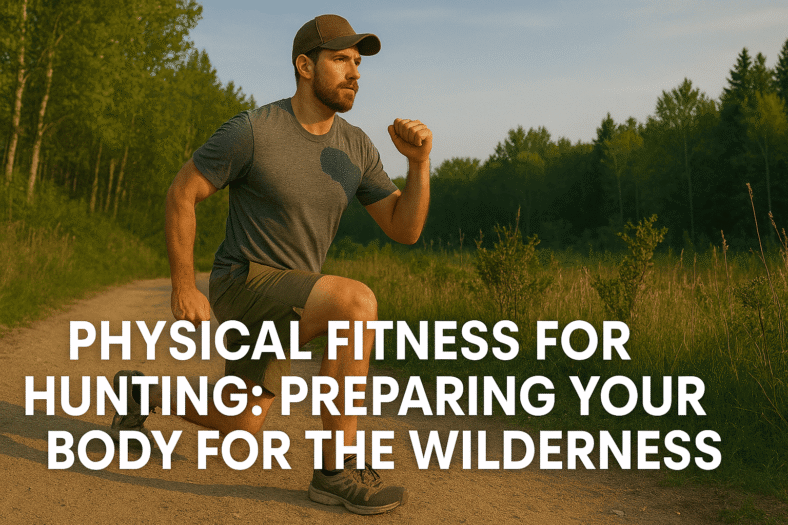
Physical Fitness for Hunting: Preparing Your Body for the Wilderness

Introduction

Hunting is a physically demanding activity that requires strength, endurance, and agility. Being physically fit enhances your hunting experience by improving your performance, safety, and overall enjoyment. This guide will provide a comprehensive approach to developing the physical fitness needed for hunting, including exercises, nutrition, and practical tips.


1. Understanding the Physical Demands of Hunting

1.1 Terrain Navigation

  • Uneven Ground: Hunting often involves traversing uneven and challenging terrain, requiring strong legs and good balance.
  • Carrying Gear: Hunters need to carry gear, weapons, and sometimes the game itself, demanding upper body strength and stamina.

1.2 Weather Conditions

  • Adverse Weather: Hunting in various weather conditions requires a resilient body capable of maintaining performance in cold, heat, or wet conditions.

1.3 Extended Periods of Activity

  • Endurance: Hunts can last for several hours or even days, necessitating sustained physical and mental endurance.

2. Essential Exercises for Hunters

2.1 Cardiovascular Fitness

  • Running and Hiking: Engage in regular running or hiking to build cardiovascular endurance. Aim for at least 30 minutes of moderate to vigorous activity, 3-4 times a week.
  • Interval Training: Incorporate interval training to enhance stamina and improve recovery times between bursts of intense activity.

2.2 Strength Training

  • Leg Strength: Focus on exercises like squats, lunges, and step-ups to strengthen the legs and improve stability.
  • Upper Body Strength: Perform push-ups, pull-ups, and rows to build the upper body strength necessary for carrying gear and handling weapons.
  • Core Stability: Strengthen your core with planks, sit-ups, and rotational exercises to improve balance and reduce the risk of injury.

2.3 Flexibility and Mobility

  • Stretching: Incorporate daily stretching routines to enhance flexibility and prevent injuries.
  • Yoga: Practice yoga to improve overall body flexibility, balance, and mental focus.

3. Practical Fitness Routines

3.1 Sample Weekly Workout Plan

  • Monday: 30-minute run followed by upper body strength training (push-ups, pull-ups, rows).
  • Tuesday: Hiking with a weighted pack, focusing on leg strength and endurance.
  • Wednesday: Rest or light activity such as walking or yoga.
  • Thursday: Interval training (running sprints) and core exercises (planks, sit-ups).
  • Friday: Full-body strength training, including squats, lunges, and step-ups.
  • Saturday: Outdoor activity such as hiking or a long run.
  • Sunday: Rest and recovery, including stretching and foam rolling.

4. Nutrition for Hunters

4.1 Balanced Diet

  • Macronutrients: Ensure a balanced intake of carbohydrates, proteins, and fats to fuel your body for intense physical activity.
  • Hydration: Stay well-hydrated, especially during long hunts. Carry enough water and electrolyte-replenishing drinks.

4.2 Pre-Hunt Nutrition

  • Energy-Rich Foods: Consume complex carbohydrates and lean proteins before a hunt to maintain energy levels.

4.3 During the Hunt

  • Snacks and Meals: Carry high-energy snacks like nuts, dried fruits, and energy bars. Plan for meals that are easy to prepare and provide sustained energy.

5. Mental Preparation

5.1 Focus and Concentration

  • Mindfulness and Meditation: Practice mindfulness and meditation to improve mental clarity and focus during hunts.

5.2 Stress Management

  • Relaxation Techniques: Use deep breathing exercises and other relaxation techniques to manage stress and maintain composure in challenging situations.

6. Safety Considerations

6.1 Injury Prevention

  • Warm-Up and Cool-Down: Always warm up before physical activity and cool down afterward to prevent injuries.
  • Proper Technique: Use proper techniques for lifting and carrying heavy loads to avoid strains and sprains.

6.2 First Aid Knowledge

  • Emergency Preparedness: Carry a first aid kit and know basic first aid procedures to handle injuries that may occur in the field.

7. Tracking Progress and Adjusting Plans

7.1 Setting Goals

  • Short and Long-Term Goals: Set realistic fitness goals and track your progress. Adjust your fitness plan as needed to meet these goals.

7.2 Regular Assessments

  • Physical Assessments: Regularly assess your physical fitness levels through timed runs, strength tests, and flexibility measurements to ensure you are on track.

8. Adaptations for Different Types of Hunting

8.1 Bowhunting

  • Upper Body Strength: Bowhunting requires significant upper body strength and endurance. Focus on exercises like resistance band pulls, shoulder presses, and rows.
  • Stability and Precision: Enhance stability and precision with core-strengthening exercises and balance training, such as standing on one leg or using a balance board.

8.2 Rifle Hunting

  • Steady Aim: Develop a steady aim through exercises that strengthen your arms, shoulders, and core. Practice holding weights at arm’s length to simulate holding a rifle.
  • Cardiovascular Endurance: Long treks in rugged terrain are common in rifle hunting, so prioritize cardiovascular exercises such as hiking, running, and interval training.

8.3 Waterfowl Hunting

  • Quick Movements: Improve agility and reaction time with plyometric exercises and agility drills.
  • Cold Weather Preparedness: Train in cold conditions when possible to acclimate your body to the challenges of waterfowl hunting environments.

8.4 Big Game Hunting

  • Endurance and Strength: Big game hunting often involves long hikes with heavy packs. Combine cardiovascular endurance training with strength training focused on your legs, back, and core.
  • Flexibility: Maintain flexibility with regular stretching and yoga to handle the varied terrain and movements required.

9. Seasonal Adjustments

9.1 Off-Season Training

  • Building a Base: Use the off-season to build a strong fitness base. Focus on overall strength, endurance, and flexibility.
  • Skill Practice: Continue practicing hunting skills, such as shooting, tracking, and navigation, to keep your abilities sharp.

9.2 Pre-Season Ramp-Up

  • Intensifying Workouts: Gradually increase the intensity and frequency of your workouts as the hunting season approaches.
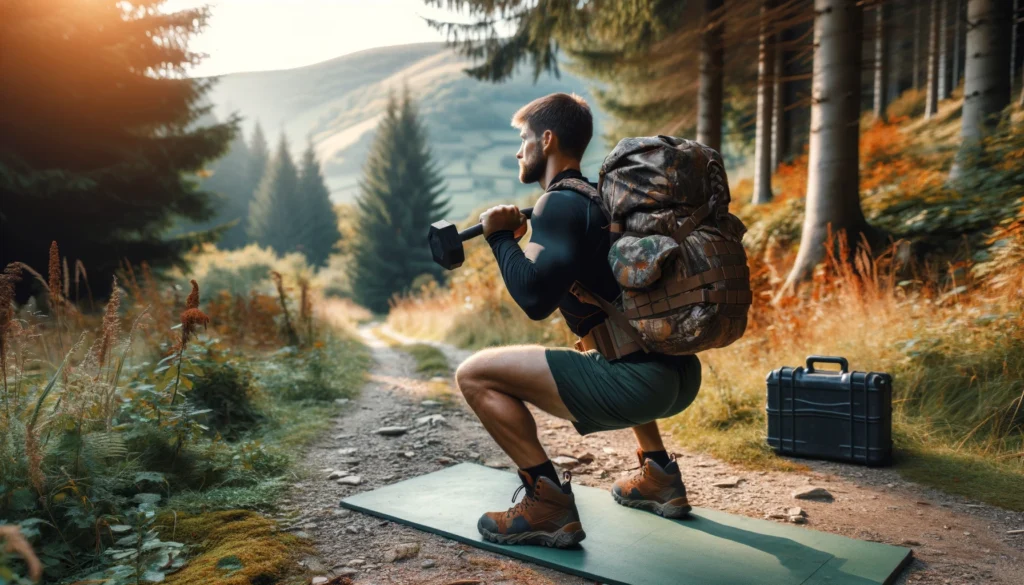
  • Simulation Exercises: Engage in activities that simulate hunting conditions, such as carrying a weighted pack on hikes or practicing shooting after physical exertion.

10. Practical Tips for Maintaining Fitness During Hunting Season

10.1 Short, Effective Workouts

  • Time Management: During hunting season, time may be limited. Focus on short, high-intensity workouts to maintain fitness without taking too much time away from hunting.

10.2 Active Recovery

  • Stay Active: Use rest days for active recovery activities such as light hiking, stretching, or yoga to keep your body moving and reduce soreness.

10.3 Nutrition and Hydration on the Go

  • Healthy Snacks: Pack nutritious snacks like protein bars, nuts, and dried fruit to keep your energy levels up during long hunts.
  • Hydration: Stay hydrated by carrying enough water and electrolyte-replenishing drinks, especially during physically demanding hunts.

11. Engaging with the Hunting Community

11.1 Group Workouts

  • Motivation: Join group workouts with fellow hunters to stay motivated and share fitness tips.
  • Accountability: Working out with a group can provide accountability and make training more enjoyable.

11.2 Learning from Experienced Hunters

  • Mentorship: Seek advice from experienced hunters on how they maintain their fitness and prepare for the season.
  • Community Events: Participate in community events and hunting expos to learn about new fitness techniques and gear.

Conclusion

Physical fitness is a crucial component of successful and enjoyable hunting. By following a structured fitness plan, maintaining a balanced diet, and preparing mentally, you can enhance your performance in the field and ensure your safety. Embrace the physical demands of hunting as an opportunity to improve your overall health and well-being.


Frequently Asked Questions (FAQs)

How long before hunting season should I start training?

  • Preparation Time: Ideally, start your fitness training at least 3-6 months before the hunting season to ensure you are adequately prepared.

Can older adults or those with physical limitations still enjoy hunting?

  • Adapted Plans: Yes, hunting can be enjoyed by people of all ages and abilities. Tailor your fitness plan to your specific needs and capabilities, and consider less physically demanding hunting methods if necessary.

How can I prevent injuries while training for hunting?

  • Injury Prevention: Always warm up before workouts and cool down afterward. Focus on proper form and technique during exercises. Gradually increase intensity and volume to avoid overuse injuries.

What should I do if I encounter an injury during the hunting season?

  • Handling Injuries: If you sustain an injury, rest and seek medical attention if necessary. Engage in low-impact activities that do not exacerbate the injury, and focus on recovery exercises recommended by a healthcare professional.

How can I maintain my fitness if I can’t access a gym?

  • Home Workouts: Utilize bodyweight exercises, resistance bands, and household items for strength training. Engage in outdoor activities like hiking, running, and climbing to build cardiovascular endurance.

Is it important to involve children in physical fitness for hunting?

  • Youth Fitness: Introducing children to physical fitness for hunting can instill healthy habits and prepare them for future hunting activities. Focus on fun, age-appropriate exercises and activities that develop strength, coordination, and endurance.

Field Dressing 101: How to Gut a Deer Step by Step

Introduction

Gutting a deer is an essential skill for hunters, crucial for preserving the quality of the meat and preventing spoilage. This guide provides a step-by-step approach to efficiently and safely gut a deer immediately after a successful hunt.

1. Preparation and Safety

1.1 Necessary Tools

  • Sharp Knife: A sturdy, sharp hunting knife or a gut hook.
  • Latex Gloves: To maintain hygiene and protect against possible infections.
  • Rope or Pulley: Useful for hanging the deer to aid in draining blood.

1.2 Safety Precautions

  • Wear Gloves: Always wear gloves to prevent direct contact with blood and potential pathogens.
  • Be Aware of Sharp Tools: Handle your knife with care to avoid injuries.

2. Positioning the Deer

2.1 Laying the Deer

  • Flat Surface: Place the deer on its back on a slight incline if possible, to help with blood drainage.
  • Spread the Hind Legs: Use stakes or ties to spread and secure the hind legs, providing better access to the abdominal area.

3. Making the Initial Cuts

3.1 Incision

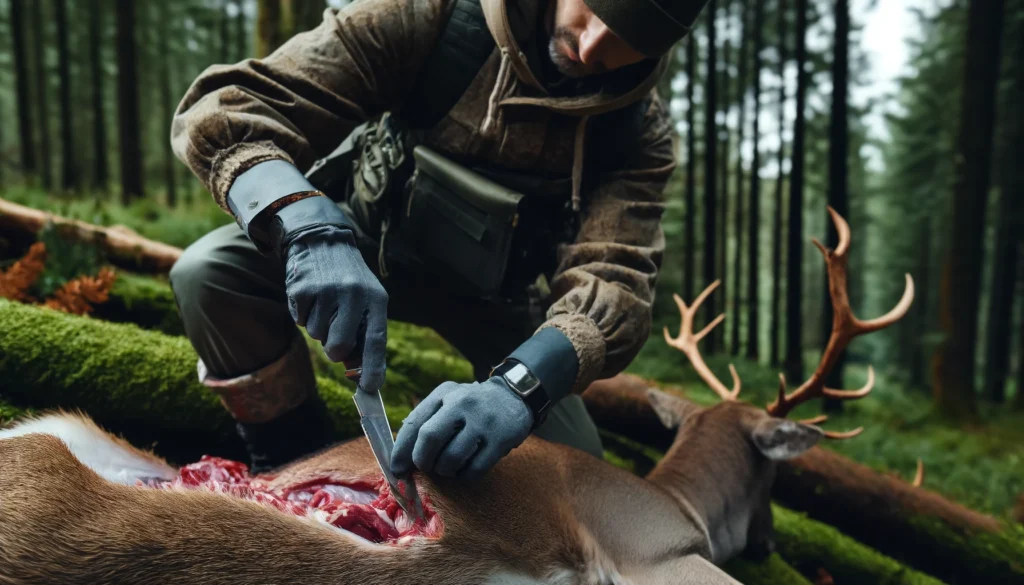
  • Pelvic Area to Breastbone: Start your cut at the pelvic area, being careful not to cut too deeply and puncture the intestines. Extend the cut up to the breastbone.

3.2 Cutting Around the Genitals

  • Careful Separation: For bucks, carefully cut around the genitals and tie off the penis to prevent urine from contaminating the meat. For does, avoid puncturing the bladder.

4. Removing the Organs

4.1 Detaching the Diaphragm

  • Chest Cavity Access: Cut around the diaphragm to separate it from the chest cavity, allowing access to the heart and lungs.

4.2 Extracting the Guts

  • Gentle Pulling: Carefully pull the intestines and stomach out, making sure not to rupture them. This might require additional cuts near the pelvis.

5. Removing the Heart and Lungs

5.1 Accessing the Thoracic Cavity

  • Further Incisions: If necessary, make additional cuts to open the chest cavity further to reach the heart and lungs.

5.2 Extraction

  • Careful Removal: Remove the heart and lungs, ensuring all blood is drained from the chest cavity.

6. Draining Blood and Cooling Down

6.1 Elevating the Deer

  • Hanging the Deer: If possible, hang the deer by its hind legs to facilitate blood drainage and cooling of the carcass.

6.2 Cooling

  • Environment: Ensure the deer is positioned in a cool, shaded area or is promptly transported to a refrigerated space to prevent spoilage.

7. Final Cleaning

7.1 Washing

  • Internal Cavities: Rinse the body cavity with cold water to remove any remaining blood or debris, being cautious not to soak the meat.

7.2 Inspection

  • Check for Leftovers: Make sure all organs have been removed and inspect the cavity for any abnormalities or signs of disease.

8. Transporting the Deer

8.1 Preparation for Transport

  • Proper Handling: After gutting, prepare the deer for transport by securing it to a game cart or sled. Ensure it is properly tagged according to local wildlife regulations.

8.2 Keeping it Cool

  • Temperature Management: Use ice packs or bags of ice in the chest cavity if the weather is warm, to help keep the meat cool during transportation.

9. Skinning and Butchering

9.1 Skinning

  • Efficient Technique: Begin skinning the deer as soon as possible after gutting to facilitate easier removal of the hide and to cool the meat quickly.

9.2 Butchering

  • Breaking it Down: After skinning, butcher the deer into larger cuts at your campsite or bring it to a professional processor. Knowledge of deer anatomy is crucial for maximizing yield and quality of meat.

10. Cleaning and Maintenance of Equipment

10.1 Knife Care

  • Post-Use Cleaning: Thoroughly clean and disinfect your knife and any other tools used. Sharpen the knife regularly to maintain its effectiveness for future use.

10.2 Storage

  • Proper Storage: Store your hunting tools in a dry and secure place to prevent rust and deterioration.

11. Learning from Each Experience

11.1 Reflect on the Process

  • Personal Improvement: Each time you gut a deer, take the time to reflect on what went well and what could be improved. Learning from each experience will make the process more efficient and effective over time.

11.2 Seeking Feedback

  • Advice from Experienced Hunters: Don’t hesitate to ask for feedback from more experienced hunters or mentors. They can provide valuable insights and tips to enhance your skills.

12. Ethical Considerations and Respect for Wildlife

12.1 Ethical Hunting Practices

  • Respect for the Animal: Treat the deer with respect throughout the process, from hunting to gutting to consuming. This respect reflects well on the hunting community and ensures sustainable hunting practices.

12.2 Utilization of the Whole Animal

  • Waste Minimization: Aim to use as much of the animal as possible, not only the choice cuts. This includes using the bones for broth, the hide for leather, and even the organs for cooking, if safe and practical.

Conclusion

Properly gutting a deer is a fundamental part of hunting that ensures the quality of your harvest. By following these detailed steps, you can efficiently process your game, ensuring that the meat is safe and delicious for consumption.

Frequently Asked Questions (FAQs)

How long do I have to gut a deer after shooting it?

  • Immediate Action: It’s best to gut the deer as soon as possible to prevent bacteria growth and meat spoilage, ideally within an hour after the hunt.

What should I do if I puncture the intestines?

  • Containment: If the intestines are accidentally punctured, clean the area thoroughly to prevent contamination of the meat. Rinse the cavity with water immediately.

How do I dispose of the deer remnants after gutting?

  • Responsible Disposal: Follow local guidelines for the disposal of animal remains. In many areas, this might involve burying them away from water sources or in designated disposal areas to prevent attracting predators or spreading disease.

Can I gut a deer alone, or do I need help?

  • Solo vs. Team Effort: While it is possible to gut a deer alone, having assistance can make the process quicker and safer, especially for novice hunters. As you gain more experience, you may feel more comfortable handling the task by yourself.

Introducing Young Hunters: The Right Age to Start Hunting

Introduction

Introducing children to hunting is a significant decision that carries both tradition and responsibility. The appropriate age to start hunting can vary based on legal regulations, individual maturity, and readiness. This guide provides insights on determining the right age for kids to begin hunting, focusing on safety, education, and fostering a respectful understanding of wildlife conservation.


1.1 Hunting Licenses and Regulations

  • Minimum Age Requirements: Most states and countries have specific age requirements for hunting licenses. These can vary widely, so it’s essential to check local regulations.
  • Supervised Hunting: Many regions allow younger children to hunt under the supervision of a licensed adult, often providing special youth hunting days or apprenticeship programs.

2. Maturity and Responsibility

2.1 Assessing Maturity

  • Emotional Readiness: Children should demonstrate the ability to follow instructions, understand safety protocols, and handle the emotional aspects of hunting, including the killing of animals.
  • Physical Capability: The physical demands of hunting, such as handling firearms safely, should also be considered. Children must be able to manage the equipment confidently and responsibly.

3. Educational Preparation

3.1 Hunter Education Courses

  • Safety and Ethics Training: Most states require completion of a hunter education course before obtaining a license. These courses cover safety, ethics, wildlife laws, and often practical skills like firearm handling.
  • Age-Appropriate Learning: Look for programs specifically designed for young learners that adjust complex concepts to be more accessible to children.

4. Family Involvement

4.1 Role of Family

  • Family Tradition: In many cases, hunting is a family tradition, and children learn by accompanying adults on hunts before participating actively. This can be an excellent way to introduce ethical practices and respect for nature.
  • Mentorship: A parent, guardian, or other experienced adult can mentor the child, providing continuous guidance and support.

5. Gradual Introduction

5.1 Starting with the Basics

  • Observation First: Initially, children might start by observing hunting trips and learning about wildlife tracking, spotting, and the importance of conservation.
  • Gradual Participation: Gradually involve them in more active roles, such as handling gear, following tracks, and eventually participating in the actual hunt under close supervision.

6. Psychological Preparation

6.1 Understanding the Impact of Hunting

  • Respect for Life: Teach children the significance of respecting animal life and the responsibilities involved in taking an animal’s life.
  • Coping Mechanisms: Prepare them to handle the emotions and realities of hunting, including dealing with success and failure.

7. Equipment and Gear

7.1 Suitable Gear

  • Youth-Specific Equipment: Ensure that all equipment, especially firearms or bows, is suitable for the child’s size and strength. This not only aids in teaching proper technique but also ensures safety.

8. Creating a Positive Experience

8.1 Focus on Education and Conservation

  • Conservation Ethics: Emphasize the role of hunters in conservation and the importance of sustainable practices.
  • Enjoyable Experiences: Make the experience enjoyable and educational, regardless of whether an animal is harvested.

9. Role of Simulation and Practice

9.1 Practice with Simulators

  • Use of Technology: Consider using virtual hunting simulators or laser training tools that help children learn aiming and tracking skills in a safe, controlled environment before handling real weapons.

9.2 Target Practice

  • Skill Development: Regular practice sessions at a shooting range or using archery targets can help young hunters develop accuracy, confidence, and familiarity with handling hunting equipment under supervision.

10. Involvement in Wildlife Conservation Activities

10.1 Participating in Conservation Projects

  • Hands-on Learning: Engage children in wildlife habitat conservation projects or ecological restoration activities. These experiences teach the importance of habitat health and biodiversity, reinforcing the conservationist role of hunters.

10.2 Educational Workshops

  • Broader Knowledge: Attend workshops or field days organized by wildlife conservation groups or hunting organizations that provide education on local wildlife species, habitat needs, and conservation strategies.

11. Assessing Progress and Interest

11.1 Regular Check-Ins

  • Evaluating Interest: Regularly assess the child’s interest and comfort levels with hunting activities. Hunting should be a mutually enjoyable experience, not a forced tradition.

11.2 Adapting to Feedback

  • Flexible Approaches: Be open to modifying hunting practices based on the child’s feedback. If certain aspects of hunting do not appeal to them, consider other outdoor activities like bird watching, hiking, or photography that still foster an appreciation for wildlife and nature.

12. Building a Supportive Community

12.1 Connecting with Other Young Hunters

  • Peer Support: Facilitate interactions with other young hunters through youth hunting camps or social media groups. Peer relationships can provide motivation and enhance the learning experience.

12.2 Family Outings

  • Shared Experiences: Organize family hunting trips where children can practice skills in a real-world setting while enjoying quality family time. These outings can strengthen familial bonds and create lasting memories.

13. Recognizing Achievements

13.1 Celebrating Milestones

  • Recognition and Rewards: Celebrate milestones such as the first successful hunt or completion of conservation projects. Recognition encourages continued interest and commitment to hunting and conservation ethics.

13.2 Encouraging Continued Education

  • Lifelong Learning: Encourage ongoing education in advanced hunting skills, wildlife management, and conservation to keep young hunters engaged and informed as they grow into responsible adult hunters.

Conclusion

Deciding when a child should start hunting involves careful consideration of legal, ethical, and personal factors. By ensuring that children are legally, emotionally, and physically prepared, and by providing a supportive and educational environment, young hunters can develop a lifelong respect and appreciation for hunting and conservation.


Frequently Asked Questions (FAQs) The Right Age to Start Hunting

  • Firearm Training: Children can begin learning about firearms at any age you deem appropriate, but active hunting usually starts around the age when they can responsibly handle and operate the firearm under supervision, often in their early teens.

How can I find youth hunting programs in my area?

  • Local Hunting Clubs and Wildlife Agencies: Contact local hunting clubs or state wildlife agencies for information on youth programs, which often provide tailored opportunities for young hunters to learn and participate safely.

What safety precautions should be taken when young children are present on hunts?

  • Prioritizing Safety: Always prioritize safety by ensuring firearms and other equipment are handled securely. Teach and reinforce the importance of gun safety and never leave children unsupervised with hunting equipment.

How can I help my child deal with the emotional aspect of hunting?

  • Emotional Support: Provide guidance on the reality of hunting, including the ethical killing and processing of game. Discuss the life cycle and the hunter’s role in ecosystem management. Be supportive and understanding of their emotions and reactions to these experiences.

DIY Guide: How to Build a Deer Blind From Pallets

Introduction

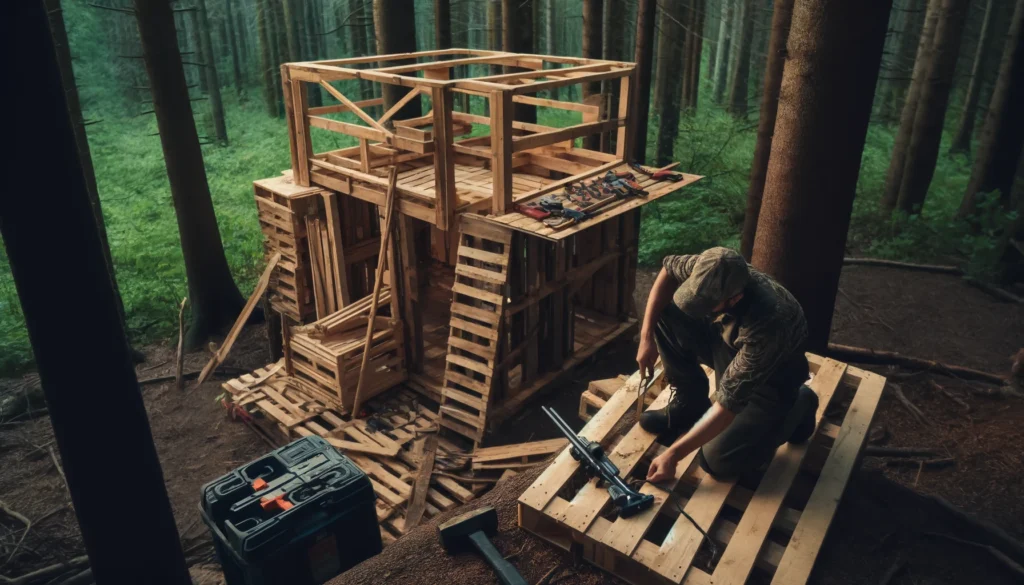
Building a deer blind from pallets is a cost-effective way to enhance your hunting experience. Pallets are often readily available and can be repurposed into a sturdy and functional hunting blind. This guide will walk you through the steps to construct a simple yet effective deer blind using wood pallets.


1. Gathering Materials

1.1 Essential Supplies

  • Wood Pallets: You will need approximately 4-6 pallets depending on the size and design of your blind. Look for pallets in good condition.
  • Nails or Screws: Durable screws are preferable for stronger joints.
  • Hammer or Power Drill: For assembling the pallets.
  • Saw: To cut wood for customization and fit.
  • Tarp or Heavy-Duty Plastic: For waterproofing the roof.

1.2 Optional Enhancements

  • Camouflage Material: To blend the blind into the environment.
  • Insulation Material: For temperature control during colder seasons.
  • Windows: Plexiglass or mesh can be used for visibility and ventilation.

2. Planning Your Blind

2.1 Design Considerations

  • Size and Shape: Determine how large your blind needs to be to comfortably fit one or more people. A typical size might be 4×4 feet base and at least 6 feet in height.
  • Location: Choose a strategic location that offers good visibility of your hunting area and is downwind from common deer paths.

2.2 Safety Checks

  • Stability: Ensure the ground is level where you plan to build the blind. Stability is crucial for safety and comfort.

3. Constructing the Base and Walls

3.1 Assembling the Base

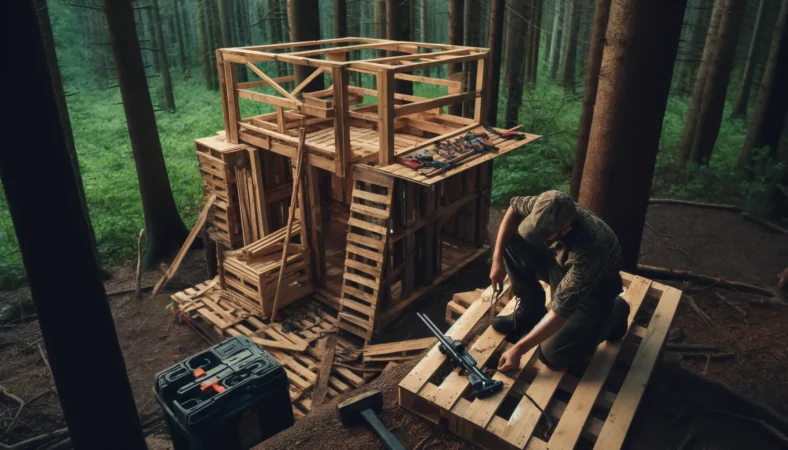
  • Framework: Lay two pallets flat on the ground side by side to create the floor of the blind. If needed, use additional pallets or wood pieces to fill any gaps.

3.2 Building the Walls

  • Structure: Stand pallets on their edges to form the walls. Secure the corners where the pallets meet with screws or nails. Ensure the structure is squared and stable.

4. Adding the Roof

4.1 Roof Construction

  • Framework: Use additional pallet pieces to create a sloping roof, which helps with rain runoff.
  • Covering: Cover the roof framework with a tarp or heavy-duty plastic. Secure it in place to ensure it is waterproof and durable.

5. Installing Windows and Doors

5.1 Cutting Openings

  • Windows: Decide on the number and size of windows. Use a saw to cut out these openings. Sand any rough edges for safety.
  • Door: You can create a simple door using extra pallet wood or fabricate one from a remaining piece of a pallet.

5.2 Finishing Touches

  • Hinges and Latches: Install hinges for the door and latches for the windows if they need to be secured.

6. Camouflaging and Insulating

6.1 Camouflaging

  • Natural Materials: Use local vegetation or camo netting to disguise the exterior of the blind.
  • Paint: Alternatively, paint the blind with colors that match the surrounding environment.

6.2 Insulating

  • Interior Comfort: Line the interior walls with insulation materials such as foam or bubble wrap to retain heat during the colder months.

7. Enhancing Visibility and Comfort

7.1 Seating Options

  • Comfortable Seating: Add a comfortable chair or bench that fits within the blind. Ensure it’s quiet to adjust and offers good visibility from the windows.

7.2 Storage Solutions

  • Organized Space: Install shelves or hooks for storing gear, snacks, and other essentials. This will help keep the interior uncluttered and functional.

8. Ventilation

8.1 Air Flow

  • Proper Ventilation: Ensure your blind has adequate ventilation to prevent it from becoming stuffy, especially if you plan to spend several hours inside. Small vents or adjustable windows can help circulate air.

9. Weatherproofing

9.1 Sealant and Coatings

  • Protection from Elements: Apply a waterproof sealant to all exterior wood surfaces. Consider using a UV-resistant coating to protect the blind from weathering and sun damage.

9.2 Regular Checks

  • Maintenance Routine: Before and after the hunting season, inspect your blind for any signs of water damage, mold growth, or structural weaknesses. Address these issues promptly to extend the life of your blind.

10. Legal Considerations

10.1 Compliance with Local Laws

  • Regulatory Awareness: Check local hunting regulations to ensure that your blind adheres to all legal requirements regarding size, placement, and use during hunting seasons.

10.2 Permission and Land Rights

  • Landowner Approval: If you are not hunting on your own property, always get permission from landowners where you wish to install your blind. Ensure this agreement is in writing to avoid any future misunderstandings.

11. Safety Measures

11.1 Structural Integrity

  • Safety Inspections: Regularly check the structural integrity of the blind, focusing on the foundation, walls, and roof. Ensure that all materials are securely fastened and free of significant wear or damage.

11.2 Emergency Preparedness

  • Safety Kit: Keep a basic safety kit inside your blind, including a first aid kit, a fire extinguisher, and a means to communicate like a charged cell phone or a radio.

12. Personalizing Your Blind

12.1 Decor and Custom Features

  • Custom Touches: Personalize your blind with paint, decorative elements, or other personal touches that make the space more comfortable and inviting.

12.2 Feedback and Improvements

  • Evolving Design: After using your blind, consider what changes might enhance its functionality or comfort. Continuous improvement will make your hunting experience even more enjoyable.

Conclusion

Building a deer blind from pallets not only saves money but also provides a customized and effective solution for your hunting needs. With some basic tools, materials, and a bit of creativity, you can construct a durable blind that will serve you for many hunting seasons. Always remember to maintain and check your blind for safety issues regularly.


Frequently Asked Questions (FAQs)

Where can I find free pallets?

  • Locating Pallets: Check with local businesses such as grocery stores, hardware stores, or warehouses. Many are willing to give away old pallets for free.

How do I make my deer blind more secure?

  • Reinforcing the Structure: Use additional braces and supports at corners and joints. Regular maintenance and checks will help keep your blind safe and functional.

How can I make my deer blind blend in more with the environment?

  • Advanced Camouflaging: Use local flora to adorn the exterior of the blind. Regularly update these materials to reflect the changing seasons and ensure natural blending.

What are the best practices for leaving a minimal environmental footprint with a deer blind?

  • Environmentally Friendly Practices: Use sustainable materials and methods for construction and upkeep. Ensure that your activities within and around the blind do not disrupt local wildlife or habitat.

Best Hunting Gaiters: Ultimate Guide for Outdoor Enthusiasts

Welcome to the ultimate guide on choosing the best hunting gaiters for your outdoor adventures! Whether you’re trekking through wet marshlands, navigating rocky terrains, or just looking for extra protection in the wild, hunting gaiters are an essential piece of gear for any outdoor enthusiast.

In this comprehensive article, we’ll dive deep into everything you need to know about hunting gaiters, from their fundamental benefits to detailed reviews of the top products on the market.

What are Hunting Gaiters?

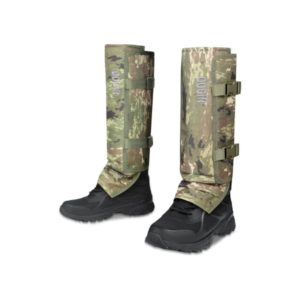
Hunting gaiters are protective coverings worn over the lower pants legs and shoes. They serve as a barrier against the elements keeping snow, mud, water, and debris out of your boots. Depending on the design, they can be made from various materials including nylon, neoprene, and Gore-Tex, each offering different levels of protection and breathability.

Types of Hunting Gaiters

  • Full-length Gaiters: Best for deep snow and boggy conditions.
  • Ankle Gaiters: Ideal for dry, less intense terrain.
  • Snake-proof Gaiters: A must-have in snake-prone areas, made with puncture-resistant materials.

Why You Need Hunting Gaiters

Imagine walking through a forest, and with each step, you’re protected from thorns, snakes, and extreme weather conditions. Here’s why hunting gaiters are indispensable:

  • Protection from Elements: They provide a seal that keeps out water, snow, and mud, ensuring your legs and feet stay dry.
  • Safety Features: High-quality gaiters can offer protection from snake bites and sharp objects.
  • Comfort and Mobility: Gaiters help keep debris out of your boots, which can lead to a more comfortable hike, especially in rugged conditions.

Key Features to Consider When Choosing Hunting Gaiters

When shopping for the best hunting gaiters, consider the following key features:

  • Water Resistance and Breathability: Look for waterproof yet breathable materials like Gore-Tex to maintain comfort.
  • Durability: Choose materials that can withstand rough terrain and harsh conditions.
  • Fit and Comfort: Ensure they fit snugly over your boots but are not too tight to hinder circulation.
  • Ease of Use: Consider gaiters that are easy to put on and take off, especially in cold weather.
  • Compatibility: Make sure the gaiters fit well with your existing outdoor footwear.

The Top 5 Best Hunting Gaiters Reviewed

After extensive research and testing, here are the top 5 hunting gaiters that stand out in the market:

1.Frelaxy Leg Gaiters – Ultimate Waterproof Protection for Hunters and Hikers

Key Features:

The Frelaxy Leg Gaiters are a premium choice for outdoor enthusiasts who need robust protection against the elements. Here’s a detailed look at the key features that make these gaiters a must-have for hiking, hunting, and other outdoor adventures:

  • Material and Construction: Made from 900D Anti-Tear Waterproof coated Oxford Fabric, these gaiters are designed to offer ultimate durability and waterproofing capabilities. The material is rigorously tested to be 100% waterproof, ensuring your legs stay dry even in extreme conditions.
  • Design and Comfort: The gaiters feature an adjustable top drawstring, an elastic band in the middle and lower areas, and a 2-inch wide Velcro opening that runs the full length of the gaiter. This design provides a snug, customizable fit that adapts to different leg sizes and shapes, enhancing comfort and protection.
  • Lightweight and User-Friendly: Weighing just 0.48 pounds, these gaiters are lightweight enough to carry on any trip without adding significant weight. The buckle closure type further simplifies the process of wearing and removing the gaiters.

Pros

  • Enhanced Durability
  • Superior Protection

Cons

  • Potential Bulkiness

Overall, the Frelaxy Leg Gaiters offer exceptional performance and protection for outdoor activities, making them a valuable addition to any adventurer’s gear list. Whether you’re trekking through wet conditions or rugged terrains, these gaiters provide the necessary shield to keep you moving comfortably and securely.

2. NatureBlend Snake Guard Snake Chaps, Waterproof Snake Gaiters for Hunting

Key Features:

NatureBlend Snake Chaps offer an innovative solution for outdoor enthusiasts who need reliable protection against snake bites and harsh terrains. Here are the standout features of these high-quality snake gaiters:

  • Tailored Fit with Adjustable Comfort: These chaps feature two adjustable, quick-release buckle closures and straps, providing a tailored fit that can be easily adjusted to accommodate various inseams. The design ensures compatibility over boots and pants for a comfortable fit that suits both men and women.
  • Premium Snake Defense: Engineered specifically as snake gaiters, the NatureBlend Chaps offer robust protection against venomous North American snakes like copperheads and cottonmouths. They provide peace of mind for adventurers navigating snake-prone areas.
  • Lightweight and Durable: Weighing just 6 ounces, the fabric used in these chaps is one-third the weight of traditional snake protection gear, making them exceptionally light without compromising on strength. They are tested and proven to repel large rattlesnakes, providing vital protection while maintaining flexibility.

Pros

  • Superior Protection
  • Ultra-Lightweight

Cons

  • Limited Style Options

The NatureBlend Snake Chaps stand out as a superior choice for anyone seeking reliable and comfortable protection from snake bites and rough terrain during outdoor activities. Whether for professional use or leisure adventures, they provide essential safety features tailored to the needs of outdoor enthusiasts.

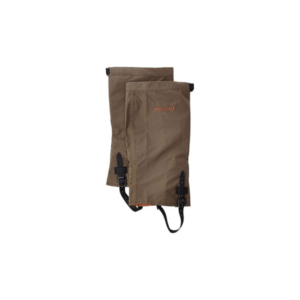
3. Kenetrek Hunting Gaiters

Key Features:

Kenetrek Hunting Gaiters are designed for serious hunters and outdoor enthusiasts who demand durability and effective weather protection. Below are the key features that make these gaiters a popular choice:

  • Material and Construction: Made from 100% nylon, these gaiters are designed to withstand rugged outdoor use. The durable nylon exterior is nearly indestructible, promising longevity and resistance against harsh elements.
  • Waterproof and Breathable: Featuring a waterproof breathable Stormblocker membrane, the gaiters ensure your legs stay dry without sacrificing comfort. This membrane allows for moisture to escape while blocking water from entering, keeping you comfortable even in wet conditions.
  • Secure Weather Protection: The gaiters are equipped with Hypalon rubber straps at the bottom. These straps are designed not to collect snow and ice, reducing the need for constant readjustments throughout the day. This feature is particularly beneficial in snowy environments.

Pros

  • Robust Construction
  • Effective Waterproofing

Cons

  • Limited Flexibility

Overall, the Kenetrek Hunting Gaiters are a solid choice for anyone in need of reliable, durable protection from the elements while engaging in outdoor activities. Their construction and features are designed to offer superior protection and ease of use, making them a valuable addition to any outdoor gear collection.

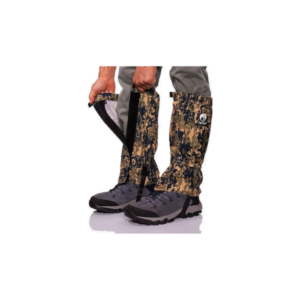
4. Pike Trail Leg Gaiters Waterproof Adjustable Snow Boot Gaiters for Hiking

Key Features:

Pike Trail Leg Gaiters are designed to offer robust protection for outdoor enthusiasts engaged in hiking, walking, hunting, mountain climbing, and snowshoeing. Here are the prominent features of these versatile gaiters:

  • Material and Durability: Crafted from honeycomb ripstop polyester, these gaiters are designed to resist tearing and withstand harsh outdoor conditions. The material’s strength is enhanced with reinforced stitching to prevent leaks, ensuring long-lasting use.
  • Waterproof and Protective: Specifically engineered to prevent water, mud, debris, and snow from entering your boots, these gaiters provide excellent coverage from your heel to just under your knee. The waterproof capability is crucial for maintaining dry and comfortable footwear in wet conditions.
  • Adjustability and Fit: Pike Trail Gaiters feature a wide Velcro tab that allows for easy adjustment around the leg, ensuring a customizable and secure fit. Additional adjustments include an adjustable boot buckle and three different press stud gauges at the bottom and top closures.

Pros

  • Superior Protection
  • Highly Durable

Cons

  • Bulk and Weight

Overall, Pike Trail Leg Gaiters stand out as a highly effective and durable option for those needing reliable protection in diverse and challenging outdoor settings. Their thoughtful design and robust construction make them a worthwhile investment for serious adventurers and professionals alike.

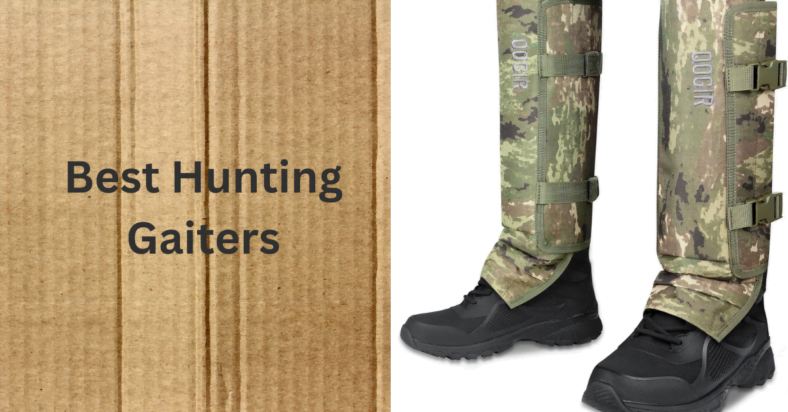
5.QOGIR Snake Gaiters for Hunting

Key Features:

QOGIR Snake Gaiters are meticulously designed to offer high-level protection against snake bites and other outdoor hazards. Here’s a breakdown of their key features:

  • Material and Build: These snake gaiters are crafted from robust 1000D Oxford fabric reinforced with Polypropylene panels, providing durability, waterproofing, and breathability. This combination ensures both weather resistance and long-lasting use.
  • Lightweight and Portable: Each gaiter weighs only 11 ounces and can be folded into a compact size for easy storage and transport. This lightweight design does not compromise protection, allowing for ease of movement and convenience.

Pros

  • Versatile and Adjustable
  • Durable Materials

Cons

  • Breathability Concerns

Overall, the QOGIR Snake Gaiters are an excellent choice for outdoor enthusiasts who require reliable protection from snake bites and other natural threats. Their robust construction, coupled with thoughtful features like adjustability and portability, make them a valuable addition to any outdoor gear collection.

How to Properly Use and Maintain Hunting Gaiters

To get the most out of your hunting gaiters, follow these tips:

  • Wearing Your Gaiters: Start by placing the gaiter over the boot, then wrap it around your leg and secure all straps and closures.
  • Maintenance Tips: After each use, clean your gaiters with mild soap and water. Check for any damage or wear regularly.
  • Storage: Hang them up in a dry, cool place away from direct sunlight to prevent material degradation.

Hunting Gaiters for Different Environments

Choosing the right gaiter can depend heavily on the environment you plan to explore:

  • Cold and Wet: Opt for full-length, waterproof gaiters.
  • Dry and Rocky: Lighter, more breathable materials work best.
  • Snake-Heavy: Never compromise on a snake-proof design.

Conclusion

Investing in a good pair of hunting gaiters can significantly enhance your outdoor experience. With the right pair, you can protect yourself from various natural elements and focus more on the hunt itself.

We hope this guide helps you find the perfect hunting gaiters that suit your needs. Stay protected and happy hunting.

Understanding Inbreeding in Deer Populations

Inbreeding occurs when closely related individuals breed, leading to an increased likelihood of offspring inheriting genetic defects or reduced genetic diversity. This can become a concern in deer populations, especially those in isolated or confined areas. Here’s an overview of the implications and management of inbreeding in deer.

Causes of Inbreeding in Deer

  1. Habitat Fragmentation: Human activities such as urban development, construction of roads, and agricultural expansion can fragment deer habitats. This reduces the area deer can roam, limiting their mating options to close relatives.
  2. Population Isolation: Natural barriers like rivers, mountains, or human-made barriers can isolate deer populations. Over time, this isolation can lead to inbreeding as the genetic pool narrows.
  3. Small Population Size: In small populations, genetic diversity naturally diminishes as individuals are more likely to mate with relatives, whether due to proximity or lack of options.

Effects of Inbreeding

  1. Reduced Genetic Diversity: Inbreeding reduces genetic variability, making populations less adaptable to changes in their environment or to emerging diseases.
  2. Increased Health Problems: Inbred populations often exhibit higher incidences of genetic disorders and anomalies, reduced fertility, and increased susceptibility to diseases.
  3. Lower Survival and Reproduction Rates: Inbreeding can lead to inbreeding depression, where populations show lower survival and reproduction rates, further endangering their viability.

Management Strategies

  1. Habitat Connectivity: Creating wildlife corridors that connect isolated patches of habitat can allow deer to move more freely, thereby increasing genetic mixing and reducing inbreeding.
  2. Population Monitoring: Wildlife biologists often monitor genetic diversity within deer populations, especially in conservation areas or reserves, to identify signs of inbreeding.
  3. Controlled Breeding and Relocation: In some cases, wildlife managers may intervene directly, either by relocating individuals to increase genetic diversity in isolated populations or, less commonly, through controlled breeding programs.
  4. Hunting Regulations: Adjusting bag limits and hunting zones based on genetic studies can help manage deer populations, ensuring healthier genetic diversity while considering conservation needs.

Research and Genetic Studies

  1. Genetic Sampling: Modern techniques like DNA analysis allow researchers to assess the genetic health of deer populations. These studies help identify genetic markers associated with inbreeding and guide management decisions.
  2. Long-term Monitoring: Continuous monitoring of deer populations helps track changes in genetic diversity over time. This data is essential for understanding the dynamics of inbreeding and its impact on population health.

Community and Hunter Involvement

  1. Educational Programs: Educating the public and hunters about the consequences of inbreeding in deer populations can foster greater involvement in conservation efforts. Understanding the role of genetic diversity in ecosystem health can encourage responsible hunting practices and habitat preservation.
  2. Hunter Participation: Hunters can play a critical role in managing deer populations. Through selective hunting practices that follow scientific guidelines, hunters can help maintain a balanced age and sex ratio, which can reduce the chances of inbreeding.

Policy and Legislation

  1. Wildlife Management Policies: Effective policies based on scientific research are necessary to manage deer populations sustainably. These might include setting up genetic reserves, regulating hunting seasons, and developing land use policies that prioritize wildlife corridors.
  2. Legislation Support: Support for legislative actions that protect large contiguous areas of habitat can help prevent the negative consequences of habitat fragmentation. Laws that facilitate the creation and maintenance of wildlife corridors are especially important.

International Cooperation

  1. Cross-Border Conservation Efforts: In areas where deer populations cross national borders, international cooperation is crucial. Shared strategies can help manage these populations more effectively, ensuring genetic diversity and reducing the risk of inbreeding.
  2. Global Biodiversity Initiatives: Participating in global biodiversity initiatives can provide additional resources and knowledge for managing inbreeding in deer populations. These collaborations can also raise awareness about the importance of genetic diversity in wildlife conservation.

Technology and Innovation

  1. Remote Sensing and Monitoring: Advances in technology, such as satellite imaging and remote sensors, can help monitor habitat changes and movements of deer populations. These tools can provide valuable data for making informed decisions about habitat connectivity and population management.
  2. Genetic Engineering: While controversial and not currently in mainstream use for wildlife management, genetic engineering offers potential future tools for addressing genetic problems caused by inbreeding.

Adaptive Management Strategies

  1. Dynamic Management Plans: Adaptive management involves adjusting strategies based on ongoing research and monitoring. This flexible approach allows wildlife managers to respond effectively to new challenges related to inbreeding, ensuring that conservation tactics evolve with changing environmental conditions and scientific understandings.
  2. Feedback Loops: Establishing feedback loops within management plans enables the integration of new data and community input, ensuring that strategies remain relevant and effective over time.

Fostering Local and Global Partnerships

  1. Collaborations with Conservation Organizations: Partnerships with conservation groups can provide additional resources and expertise for managing deer populations. These collaborations often bring innovative solutions to complex conservation challenges, such as inbreeding.
  2. Engagement with Academic Institutions: Working with universities and research institutions can enhance the scientific foundation of deer management programs. These partnerships can drive forward advanced genetic studies and the development of new conservation techniques.

Public Engagement and Education

  1. Community Workshops and Seminars: Regular educational programs that inform the public about the importance of genetic diversity and the impacts of inbreeding can help build community support for conservation initiatives.
  2. Citizen Science Programs: Involving the public in monitoring local deer populations can increase community engagement and provide valuable data for managing inbreeding. Citizen science projects can help track deer movement, health, and reproduction.

Enhancing Legal Frameworks

  1. Strengthening Environmental Impact Assessments: Ensuring that new developments or land use changes consider impacts on wildlife corridors and deer habitats can help maintain ecological connectivity and prevent habitat fragmentation.
  2. Implementing Stronger Protection Laws: Laws that provide stronger protection for critical habitats and that mandate genetic diversity considerations in wildlife management plans can significantly contribute to reducing the risk of inbreeding.

Sustainability in Hunting Practices

  1. Sustainable Quotas: Setting quotas based on scientific data to ensure that hunting does not disproportionately affect certain age or sex groups within the deer population, which can lead to increased risks of inbreeding.
  2. Hunting Ethics Training: Providing hunters with training on ethical practices, including the selection of animals that does not disrupt the genetic health of the population, can help maintain a balanced and healthy deer community.

Conclusion

While inbreeding is a natural process, it can become problematic under certain conditions, particularly in isolated or small populations. Effective wildlife management, aimed at maintaining genetic diversity and ecological balance, is crucial for sustaining healthy deer populations. Awareness and targeted action can mitigate the negative effects of inbreeding, ensuring the long-term survival and health of deer herds.

Should You Be Saddle Hunting? Evaluating the Modern Approach to Tree Stand Hunting

Introduction

Saddle hunting is gaining popularity among hunters looking for a more versatile and mobile approach to tree stand hunting. This method involves using a tree saddle, which is a type of harness that allows hunters to sit securely and comfortably against a tree trunk at elevated positions. This guide explores the pros and cons of saddle hunting to help you decide if it’s the right method for you.


1. What is Saddle Hunting?

1.1 Definition and Equipment

  • Saddle: A specialized harness that allows hunters to sit or lean against a tree comfortably.
  • Setup: Includes the saddle, a platform for standing, and climbing sticks or steps for ascending the tree.

1.2 Historical Context

  • Origins: Saddle hunting has been around for decades but has seen a resurgence due to advances in lightweight materials and design.

2. Advantages of Saddle Hunting

2.1 Mobility

  • Ease of Movement: Saddle setups are generally lighter than traditional tree stands, making them easier to carry over long distances.
  • Quick Setup and Takedown: Allows for fast, quiet setup and takedown, which is ideal for public land hunters who need to move frequently.

2.2 Comfort and Safety

  • Ergonomic Design: Many hunters find tree saddles more comfortable for long sits than traditional tree stands.
  • Increased Safety: The design of a hunting saddle can offer increased safety, as the hunter is secured to the tree at all times while off the ground.

3. Disadvantages of Saddle Hunting

3.1 Learning Curve

  • Skill Development: There is a learning curve associated with using a saddle efficiently. Proper technique for climbing, descending, and shooting from a saddle can take time to master.

3.2 Physical Demands

  • Endurance and Strength: Saddle hunting can be physically demanding, requiring good core strength to maintain balance and comfort.

4. Who Should Consider Saddle Hunting?

4.1 Ideal Candidates

  • Mobile Hunters: Those who prefer to hunt multiple locations in a single day or across a season.
  • Minimalists: Hunters who appreciate the minimalist approach and the challenge of using less gear.

4.2 Less Suitable Candidates

  • Physical Limitations: Individuals with certain physical limitations may find the physical demands of saddle hunting challenging.

5. Comparing Saddle Hunting to Traditional Tree Stand Hunting

5.1 Versatility vs. Comfort

  • Versatility: Saddle hunting offers greater versatility in tree selection and mobility.
  • Comfort: Traditional tree stands generally provide more room and comfort for longer sits.

5.2 Cost Implications

  • Initial Investment: The initial cost of a high-quality saddle setup can be comparable to or higher than some traditional tree stands.

6. Getting Started with Saddle Hunting

6.1 Education and Training

  • Courses and Online Resources: Many resources are available for new saddle hunters, including online tutorials, forums, and in-person courses.

6.2 Trial and Error

  • Practice: It’s important to practice in a controlled environment before taking your saddle into the field.

7. Integrating Saddle Hunting into Your Strategy

7.1 Combining Methods

  • Hybrid Approaches: Saddle hunting doesn’t have to replace traditional tree stands entirely. Many hunters use both methods depending on the specific situation, terrain, and hunting goals.

7.2 Seasonal Considerations

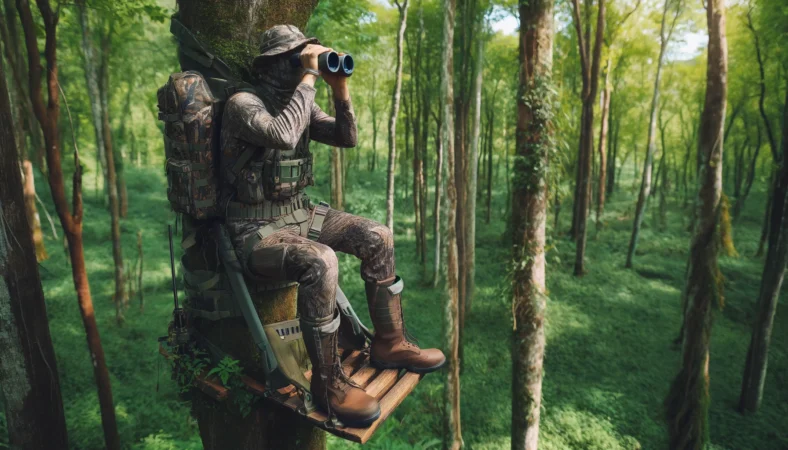
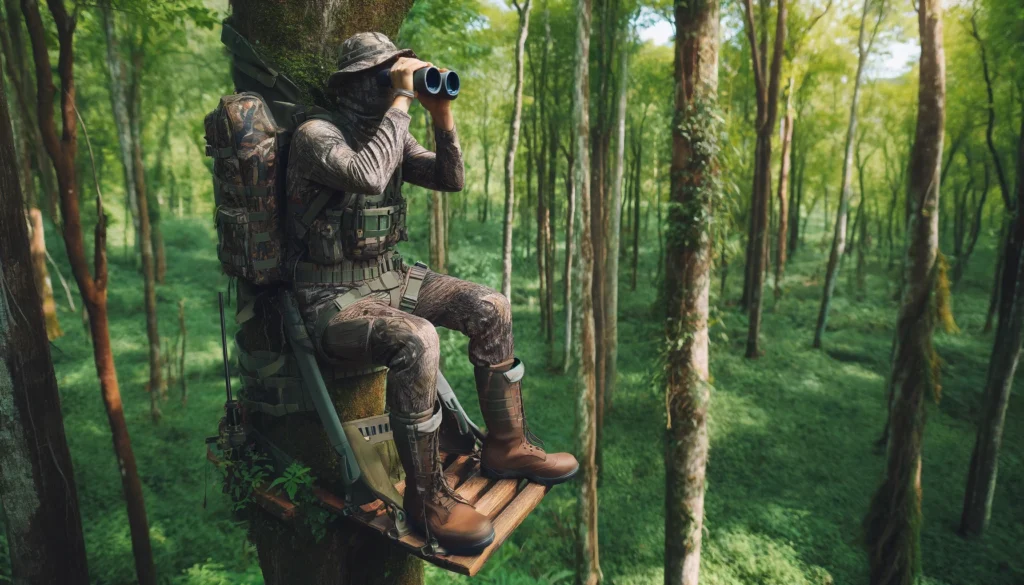
  • Adapting to Seasons: Saddle hunting can be particularly advantageous during the early season when foliage is denser and mobility can significantly impact success. In late seasons, the added stealth and quick setup can be crucial for tracking late-season bucks.

8. Customization and Gear Optimization

8.1 Personalizing Your Setup

  • Gear Selection: Choose accessories that complement your hunting style, including customizable platforms, specialized climbing sticks, and adjustable straps for maximum comfort and efficiency.

8.2 Gear Innovations

  • Staying Updated: The market for saddle hunting gear is rapidly evolving. Staying informed about new innovations and testing different setups can help optimize your hunting experience.

9. Community and Support

9.1 Learning from Others

  • Saddle Hunting Community: Engage with the saddle hunting community through online forums, social media groups, and local clubs. These platforms offer valuable insights, support, and shared experiences.

9.2 Mentorship Opportunities

  • Finding a Mentor: If possible, find a mentor who is experienced in saddle hunting. Learning one-on-one can significantly shorten the learning curve and improve your safety and technique.

10. Conservation and Ethical Practices

10.1 Promoting Sustainable Hunting

  • Conservation Efforts: Saddle hunters often advocate for and practice sustainable hunting methods that minimize ecological impact. Embracing these principles reinforces the role of hunters as stewards of the environment.

10.2 Ethical Pursuit

  • Responsible Hunting: Adhering to ethical hunting practices, including following all local regulations and pursuing fair chase principles, is essential. Saddle hunting, with its stealth and precision, supports ethical engagement with wildlife.

11. Evaluating Success

11.1 Defining Objectives

  • Personal Goals: Success in saddle hunting can vary widely among individuals. Define what success looks like for you, whether it’s increasing your proximity to wildlife, enhancing your mobility, or simply enjoying nature more intimately.

11.2 Reflecting on Experiences

  • Continuous Learning: After each hunting trip, take the time to reflect on what worked well and what could be improved. This reflective practice helps refine your techniques and strategies over time.

Conclusion

Saddle hunting offers a unique set of advantages for those seeking a more active, mobile hunting experience. It’s suitable for hunters who are willing to invest time in learning new skills and who value stealth and flexibility in their hunting strategy. However, it’s important to consider the physical demands and potential cost before making the switch. Like any hunting method, personal preference, and hunting style play significant roles in determining whether saddle hunting is right for you.


Frequently Asked Questions (FAQs)

Can you use a hunting saddle in any type of tree?

  • Tree Requirements: Saddle hunting is versatile, but not every tree is ideal. Suitable trees should have few lower branches and must be sturdy enough to support your weight safely.

Is saddle hunting ethical?

  • Ethical Considerations: Yes, when practiced responsibly, saddle hunting is as ethical as any other form of hunting, with the added benefit of minimal environmental impact due to its lightweight and leave-no-trace nature.

How safe is saddle hunting compared to traditional tree stands?

  • Safety Comparison: Saddle hunting, when done correctly, can be safer than traditional tree stands due to the continuous attachment to the tree from the ground up. However, it requires proper use of safety gear and adherence to recommended practices.

What is the best way to practice saddle hunting before the season starts?

  • Pre-Season Practice: Set up your saddle in various trees and environments during the off-season. Practice climbing, descending, and shooting from different angles and positions to build confidence and skill.

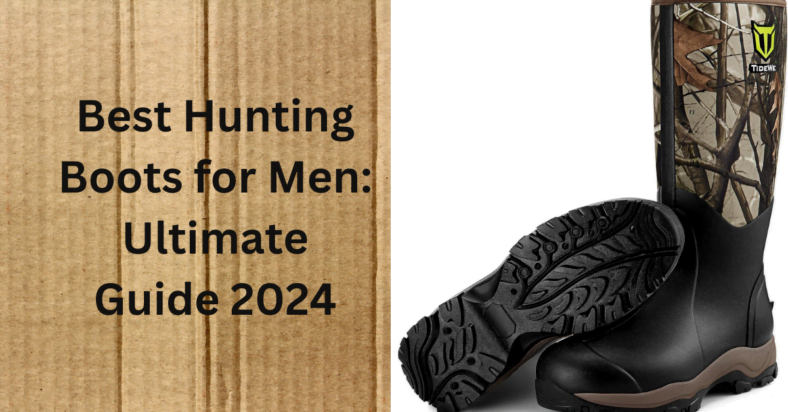
Best Hunting Boots for Men: Ultimate Guide 2025

When it comes to hunting, having the right gear is essential, and nothing spells comfort and efficiency quite like the perfect pair of hunting boots. But with so many options on the market, how do you choose the right one?

This guide is designed to help you navigate through the best hunting boots for men in 2024, ensuring you step into nature with confidence and the right support.

Why Quality Hunting Boots Matter

Imagine walking miles in wet, cold conditions only to find that your feet are sore and damp. Not the best way to enjoy a hunting trip, right? Quality hunting boots are more than just footwear, they are a crucial component of your hunting attire that provides comfort, durability, and protection.

Whether you’re stalking deer in the backwoods or setting up camp in a swampy area, the right boots will make all the difference.

Features to Consider Before Buying Hunting Boots

Material and Build

Leather vs. Synthetic: Leather boots are praised for their durability and ability to mold to your feet, whereas synthetic boots are lighter and generally quicker to break in.

Both materials offer unique benefits, but the choice often comes down to personal preference and specific hunting environments.

Waterproof and Breathable: Nothing ruins a hunt like wet feet. Look for boots that offer waterproof protection without sacrificing breathability. Technologies like GORE-TEX are ideal for keeping feet dry from external water and sweaty moisture.

Fit and Comfort

A good fit is paramount to avoid discomfort and injuries. Boots should allow enough room to wiggle your toes but hold your foot securely to avoid blisters. Look for features like padded collars, cushioned insoles, and supportive arches that enhance comfort for long treks.

Traction and Stability

The outsole of your hunting boots should be suited to the terrain. From deep lugs for muddy conditions to stiff soles for rocky terrains, the right traction can prevent slips and falls, ensuring stable and secure footing.

Insulation

For hunting in colder climates, insulated boots are a must. They help maintain warmth, keeping the cold at bay, which is vital for those dawn and dusk hunts when temperatures drop the most.

Top 10 Best Hunting Boots for Men in 2024

1.HISEA’s Adjustable Calf Waterproof Rubber Hunting Boots for Men

Key Features Overview

  • More Stability: Features lightweight, cushioning EVA midsoles that support the arch and soften every step. The durable molded outsoles offer excellent stability on uneven terrain and are slip-resistant and self-cleaning.
  • Breathable: Equipped with a breathable mesh lining that wicks moisture and sweat, ensuring feet stay dryer than traditional boots.
  • Lightweight Design: Incorporates waterproof CR flex-foam booties with four-way stretch nylon that seals out water and improves fit.
  • Adjustable Fit: Includes back gussets with cinch buckles for a secure, custom fit, and stretch-fit topline bindings that snug the calves to keep warmth in and cold out.

Pros

  • Excellent Waterproofing
  • Superior Insulation
  • Enhanced Comfort

Cons

  • Temperature Limitations

These boots are designed to provide an optimal balance of comfort, durability, and protection for outdoor enthusiasts, particularly in challenging weather conditions. However, attention to sizing and the potential bulk due to its robust construction are important factors to consider before purchasing.

2. LaCrosse Men’s Alphaburly Pro 18” 1600G Hunting Boot

Key Features Overview:

  • Thermal Insulation: The boot features 1600G insulation, providing excellent warmth in extremely cold environments, suitable for long hours in stationary hunting situations.
  • Embossed Liner: Increases air circulation within the boot, aids in moisture wicking, and is quick-drying, enhancing comfort during extended use.
  • Active Fit Design: Includes an adjustable neoprene gusset for easy on/off access and a secure fit that stays comfortable on the foot, reducing the chances of blisters or foot slippage.
  • Durability Enhancements: Multilayer rubber reinforcement at the toe and heel, along with a double-layer vamp, adds support and extends the boot’s durability under tough conditions.

Pros

  • Superior Weather Resistance
  • High Durability
  • Odor Management:

Cons

  • Warmth Overload
  • Fit Precision

LaCrosse Men’s Alphaburly Pro 18” 1600G Hunting Boots are crafted with a focus on durability, comfort, and protection against the elements, making them a top choice for serious hunters facing cold and challenging environments.

However, their specialized features mean they may not be the best choice for all conditions or every hunter’s needs.

3. TIDEWE’s 16″ Insulated Waterproof Hunting Boots for Men

Key Features Overview

  • Waterproof CR Flex-Foam: The boots are made from 100% waterproof CR Flex-Foam that not only absorbs impacts but also retains heat and flexes with your feet as you move, providing excellent protection and comfort in wet conditions.
  • Insulation: Equipped with 400g insulation, these boots keep your feet warm by preventing radiated body heat from escaping and returning up to 90% of your body’s warmth. They are comfort rated for temperatures from -22°F/-30°C to 41°F/5°C, making them suitable for a wide range of cold environments.
  • Durability and Comfort: The neoprene upper and rubber lower construction provide a durable yet comfortable fit, which is crucial for long periods of use in harsh outdoor settings.

Pros

  • Superior Weather Protection
  • Comfort and Flexibility
  • Effective Insulation

Cons

  • Size Fitting Issues
  • Temperature Limitations

The TIDEWE Hunting Boot for Men is designed to provide excellent protection and comfort for hunters facing cold and wet environments.

While they excel in insulation and waterproofing, attention should be given to sizing and the specific climate conditions expected during use to ensure they meet the hunter’s needs

4. HISEA Excursion Pro Men’s Ankle Rain Boots

Key Features Overview

  • Waterproof and Insulated: The boots are crafted from 5mm neoprene that provides comfort, flexibility, shock absorption, and heat retention. The natural rubber layers enhance waterproof capabilities, making them ideal for wet and muddy conditions.
  • Breathable and Comfortable: Features a breathable mesh lining that pulls moisture away from the skin, keeping feet cool and dry. The lightweight EVA midsoles offer cushioning for all-day comfort, while a comfort massage memory foam insole provides extra arch support.
  • Anti-Slip and Ice Snow Grips Traction: The durable molded outsoles offer excellent stability and solid traction on various terrains, including ice and snow, enhancing slip resistance and self-cleaning properties.

Pros

  • Robust Weather Protection
  • Superior Traction

Cons

  • Potential Overheating
  • Bulk and Weight

The HISEA Excursion Pro Men’s Rain Boots offer a solid choice for those needing durable, versatile footwear for outdoor activities. While they excel in providing protection and comfort, prospective buyers should consider the boots’ suitability based on their specific climate needs and activity types.

5. DRYCODE Work Boots for Men

Key Features Overview:

  • Waterproof and Non-slip: Made from 100% waterproof rubber and neoprene material, these boots are designed to keep feet dry and comfortable in wet conditions. The rubber soles feature deep treads that provide excellent traction across various terrains, reducing the risk of slips and falls.
  • Comfortable and Breathable: The neoprene upper is flexible, moving with the foot for better comfort. A breathable mesh lining is incorporated to wick away moisture, keeping feet drier and more comfortable than traditional rubber boots.
  • User-Friendly Design: Includes steel shanks that add stability and support, crucial for tough working conditions. The boots also feature a reinforced rubber shell that protects the toes and heels from impact and abrasion. A sturdy pull tab ensures easy on and off.

Pros

  • Robust Waterproofing
  • Durability
  • Versatility

Cons

  • Breathability Limitations

The DRYCODE Work Boots for Men are designed to offer reliable performance in wet and muddy conditions, with added features for stability and durability.

While they excel in waterproofing and protection, considerations regarding breathability and flexibility should be taken into account when choosing these boots for specific activities and climates.

Maintenance Tips for Hunting Boots

To ensure your hunting boots last through many seasons, proper maintenance is key. Begin by cleaning your boots after each use, removing mud, dirt, and debris with a soft brush or damp cloth.

For leather boots, apply a conditioner or waterproofing treatment regularly to keep the material supple and resistant to water damage. If your boots get wet, let them dry naturally away from direct heat sources, which can cause the material to crack or warp.

For boots with removable insoles, take them out to air after use to prevent odors and moisture buildup. Storing your boots in a cool, dry place with good air circulation will also help preserve their condition.

By following these simple steps, you can extend the lifespan of your hunting boots and ensure they remain comfortable and protective on your outdoor adventures.

Common Mistakes to Avoid When Choosing Hunting Boots

Never underestimate the importance of the right fit or ignore the specific requirements of your hunting terrain. Every detail from waterproofing to insulation can have a significant impact on your experience and safety.

When selecting the perfect hunting boots, it’s easy to get caught up in aesthetics or brand names, but overlooking practical considerations can lead to discomfort and disappointment.

One common error is neglecting proper sizing; always remember that hunting boots should have enough space to accommodate thicker socks without compromising on a snug fit that prevents blisters. Another mistake is underestimating the importance of the environment-specific features needed for your hunting terrain.

For instance, choosing non-waterproof boots for wet areas or opting for heavy insulation in warmer climates can hinder your mobility and comfort.

Additionally, many hunters ignore the break-in period of their boots, leading to unexpected discomfort during a long hunt. Ensuring your boots are well-suited for the specific demands of your hunting activities will enhance your overall experience and effectiveness in the field.

Conclusion

Selecting the best hunting boots is about understanding your needs, the environment, and ensuring they align with your hunting style. The right pair will enhance your comfort, performance, and enjoyment of the hunt.

Exit mobile version