Winter’s Grip: How Cold Weather Impacts Wild Turkeys

Introduction

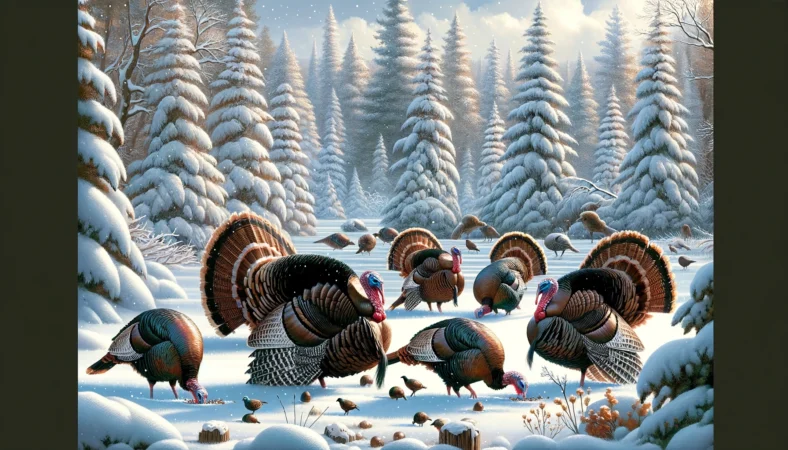
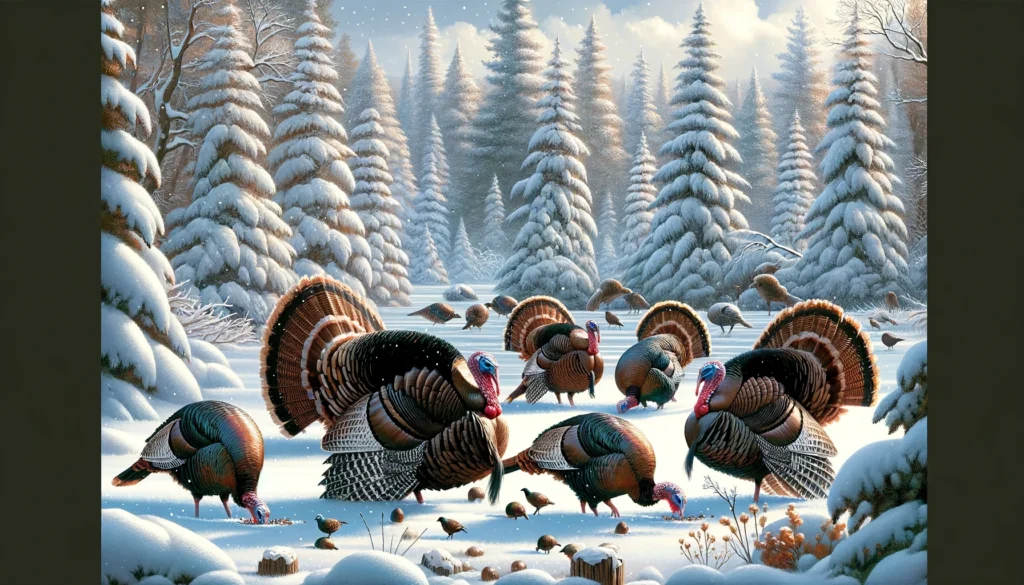
As winter cloaks the landscape in snow and ice, the natural world slows down, and its inhabitants adapt to survive the harsh conditions. Wild turkeys, resilient and adaptive birds that they are, have their own set of strategies to withstand winter’s grip. This article explores the effects of cold weather on wild turkeys, highlighting their behaviors, adaptations, and the challenges they face during the colder months.

Survival Strategies of Wild Turkeys

Foraging and Feeding

Wild turkeys are opportunistic feeders, and their winter diet shifts to available resources, primarily consisting of hard mast like acorns and beechnuts, seeds, and leftover agricultural crops. They may travel further and form larger flocks to locate these scarce food sources, expending more energy in the process.

Roosting Behavior

Roosting, the act of resting or sleeping in trees, is a critical survival behavior for wild turkeys, especially in winter. Trees provide some protection from ground-level predators and severe weather. Turkeys prefer coniferous trees during winter for the additional shelter they provide against wind and snow.

Energy Conservation

To conserve energy during cold months, wild turkeys limit their movements. Shorter days and inclement weather mean less time for feeding, so turkeys often roost longer, fly less, and stay closer to their food sources and shelter.

Challenges Faced by Wild Turkeys in Winter

Predation

With snow covering the ground, turkeys are more visible to predators. Although adult turkeys have few natural predators, they must remain vigilant against coyotes, foxes, and large birds of prey.

Deep Snow and Ice

Heavy snowfall can bury food sources, while ice storms can encase trees and make roosting difficult. In extreme conditions, turkeys may be forced to stay on the ground, increasing their vulnerability.

Cold Stress

While turkeys are hardy birds capable of withstanding cold temperatures, prolonged periods of extreme cold can lead to stress, particularly for younger birds or those in poor health. This can impact their immune system and overall survival rates.

Human Impact and Conservation

Human activity can both positively and negatively impact wild turkeys in winter. Conservation efforts, such as habitat management and supplemental feeding programs, can help support turkey populations. However, habitat destruction and disturbances can exacerbate the challenges turkeys face.

Conclusion

Wild turkeys are a testament to the resilience of wildlife, employing a range of strategies to survive winter’s challenges. Understanding these behaviors not only fosters a greater appreciation for these birds but also underscores the importance of conservation efforts to ensure their continued survival in the face of changing climates and habitats.


Frequently Asked Questions (FAQs) About How Cold Weather Impacts Wild Turkeys

1. Do wild turkeys hibernate?

No, wild turkeys do not hibernate. They remain active throughout the year, adjusting their behaviors to adapt to winter conditions.

2. How do wild turkeys stay warm in winter?

Turkeys fluff up their feathers to trap warm air close to their bodies, reducing heat loss. Roosting in trees also helps them avoid the colder temperatures found at ground level.

3. Can wild turkeys survive heavy snowfall?

Yes, wild turkeys can survive heavy snowfall by using stored fat reserves, foraging for food more aggressively, and seeking shelter in dense forests or coniferous trees.

4. What can people do to help wild turkeys in winter?

People can help by supporting wildlife habitat conservation efforts, participating in responsible feeding programs where appropriate, and minimizing disturbances in known turkey habitats.

5. Are wild turkey populations at risk in winter?

While individual turkeys may face increased risks in winter, overall populations are generally resilient. However, severe winters combined with habitat loss and other stressors can impact local populations.

The adaptability of wild turkeys to winter conditions showcases the remarkable resilience of these birds and highlights the importance of supportive conservation practices to ensure their well-being and survival through the coldest months.
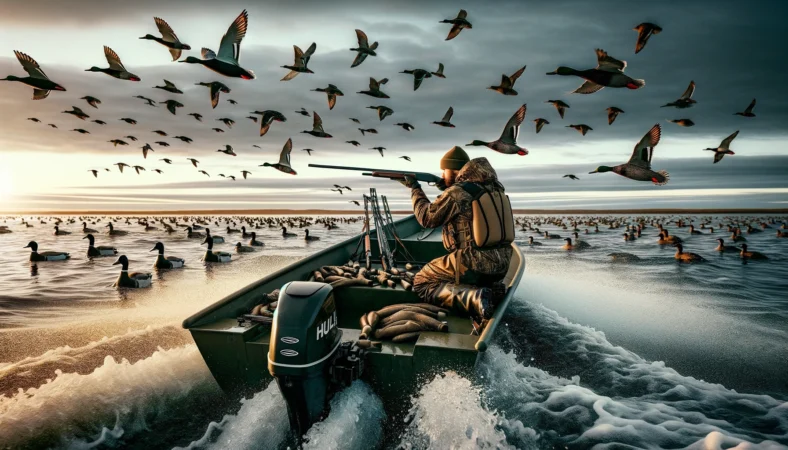
Navigating the Waves: The Thrill of Sea Duck Hunting

Introduction

Sea duck hunting is a challenging and exhilarating aspect of waterfowl hunting that takes adventurers into the vast, open waters where freshwater meets the sea. This unique type of hunting targets species such as eiders, scoters, and long-tailed ducks, known for their hardiness and distinctive behaviors. Unlike their freshwater counterparts, sea ducks inhabit coastal environments, requiring hunters to adapt to the unpredictable nature of marine elements. This guide explores the essentials of duck hunting, from understanding the quarry to mastering the techniques needed to thrive in this dynamic environment.

Understanding Sea Ducks

Species and Habitats

Sea ducks are distinguished by their preference for coastal waters. They are typically larger and more resilient to harsh weather conditions than other ducks. These birds often feed and live far from shore, requiring hunters to venture into open water.

Behavior and Patterns

These ducks have unique behaviors, including diving deep underwater for food, which can make them challenging to hunt. They’re also known for flying in fast, erratic patterns, requiring precise shooting skills.

Preparation and Gear

Boats and Equipment

A seaworthy boat is essential for sea duck hunting. Many hunters prefer layout boats for their low profile and stability in rough waters. Additionally, decoys specific to sea duck species, along with long lines and heavy anchors, are necessary to set a convincing spread in coastal currents.

Clothing and Safety Gear

Due to the cold, often unpredictable marine environment, wearing waterproof, insulated clothing and a personal flotation device (PFD) is crucial. Hunters should also equip themselves with navigation tools, communication devices, and safety equipment suited for marine use.

Hunting Strategies

Decoy Spreads

Setting up an effective decoy spread in coastal waters requires understanding the specific species’ behaviors and preferences. Sea ducks are attracted to large spreads, so utilizing a mix of species-specific decoys can increase visibility and effectiveness.

Shooting Techniques

The fast-flying nature of sea ducks demands quick reflexes and precise shooting. Practicing with moving targets can help hunters improve their accuracy and timing.

Ethics and Conservation

Hunting sea ducks comes with a responsibility to practice ethical hunting and contribute to conservation efforts. Hunters should adhere to local regulations, respect wildlife populations, and participate in habitat preservation initiatives.

Conclusion

Sea duck hunting offers a unique blend of adventure, challenge, and the opportunity to connect with the coastal wilderness. By understanding the habits of sea ducks, preparing adequately, and employing strategic hunting techniques, hunters can experience the thrill of navigating the waves in pursuit of these remarkable birds.


Frequently Asked Questions (FAQs)

1. What makes sea duck hunting different from other types of duck hunting?

Sea duck hunting involves open water environments, targeting specific sea-faring species, and often requires specialized equipment and boats.

2. Can you hunt sea ducks from shore?

While it’s possible in some locations, most sea duck hunting is done from boats due to the birds’ offshore habits.

3. What’s the best time of day for sea duck hunting?

Early morning or late afternoon are typically the best times, aligning with the ducks’ active feeding periods.

4. Do I need a special permit for sea duck hunting?

Regulations vary by location, but hunters usually need the appropriate waterfowl licenses and stamps, with some areas requiring additional permits.

5. How can I get started with sea duck hunting?

Begin by researching and understanding the species, gear up with the appropriate equipment, and consider hiring a guide or joining experienced hunters to learn the ropes.

It is not just a pursuit of game but a call to adventure, testing one’s skills against the backdrop of the majestic coastal environment. It’s an invitation to immerse oneself in the natural world, respecting and conserving the habitat that sustains these remarkable birds.

You can also visit : How to Hunt Duck

The Hunter’s Symphony: Crafting Your Own Rattling Antlers for the Wilderness

Introduction

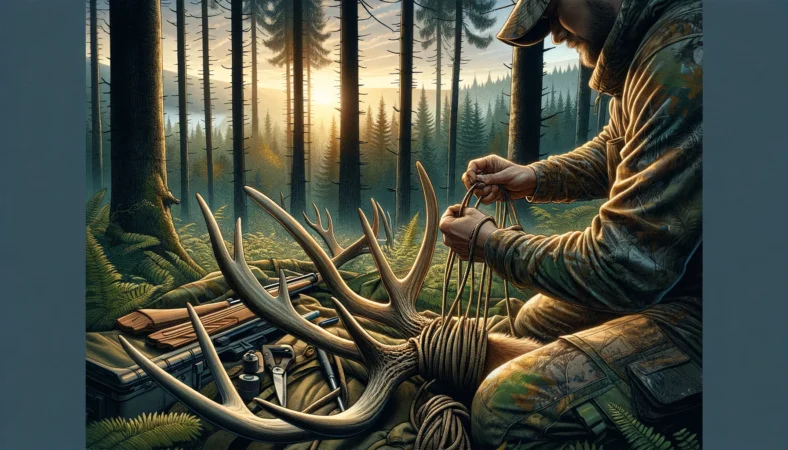
In the heart of the wilderness, the sound of rattling antlers cuts through the silence, signaling the age-old dance of dominance among bucks. For hunters, replicating this sound is both an art and a strategic tool, a way to draw in curious or competitive bucks during the rut. This comprehensive guide will lead you through the process of creating your very own rattling antlers, transforming shed antlers into an instrument of the wild that calls out to the spirit of the forest.

Gathering Your Toolkit

Essential Materials

  • Shed Antlers: Ideal antlers are those with several tines and a robust structure, providing a variety of sounds when clashed together. While white-tailed deer antlers are commonly used, any similar-sized antlers with multiple points will serve well.
  • Hand Saw: For trimming antlers to a more manageable size without compromising their acoustic integrity.
  • Sandpaper (Fine to Medium Grit): To smooth out rough edges post-trimming, ensuring safe handling.
  • Power Drill: For creating precise attachment points in each antler.
  • Durable Rope or Leather Strap: This will serve as the connecting medium between the two antlers, allowing for easy manipulation and transport.
  • Camouflage Tape or Paint (Optional): For those wishing to customize the appearance of their antlers for aesthetic or blending purposes.

The Creation Process

1. Selecting the Perfect Pair

Begin by choosing two antlers that, when combined, mimic the natural clashing of bucks. They should be symmetrical in weight and size to maintain balance and authenticity in sound production.

2. Trimming to Perfection

Using your hand saw, trim the antlers if necessary. The goal is to create a comfortable grip that mimics the points where bucks naturally lock antlers. Ensure the tines are preserved as much as possible to maintain the variety of sounds.

3. Smoothing for Safety

Once trimmed, use sandpaper to smooth any sharp or rough edges. This not only makes the antlers safer to handle but also prevents unwanted noise that could detract from the realism of the sound.

4. Drilling for Durability

Drill a hole near the base of each antler, ensuring it is wide enough for the rope or strap. This step requires precision, as the placement of the holes will affect the ease of handling and the fluidity of the rattling motion.

5. Binding with Strategy

Thread the rope or leather strap through the holes, securing the antlers together. The connection should be firm yet allow the antlers to move freely enough to simulate the dynamic nature of a buck fight.

6. Customizing Your Craft

For those inclined, now is the time to add personal touches with camouflage tape or paint. Whether to blend in with the environment or simply to add a personal flair, this step is where your creativity shines.

Mastering the Use of Your Rattling Antlers

With your rattling antlers ready, practice varying the intensity, speed, and rhythm of your rattles to cover a spectrum of scenarios—from gentle sparring sessions to full-on battles for dominance. Observation and adaptation are key, as is timing your rattles to coincide with the peak of the rut for maximum effect.

Conclusion

Creating your own rattling antlers is not just about adding another tool to your hunting arsenal; it’s about connecting with the primal rituals of the wild, understanding the language of the forest, and stepping into the role nature has played out for millennia. With your DIY rattling antlers in hand, you are not just a hunter; you are a conductor of the wilderness symphony, capable of calling forth the majestic deer from the depths of their domain.


Frequently Asked Questions (FAQs)

1. How do I find shed antlers for my project?

Shed antlers can be found in the woods during late winter and early spring or purchased from specialty hunting stores or online.

2. Is there a specific type of rope or strap I should use?

A durable material that can withstand the elements and frequent use is best. Nylon rope or a thick leather strap are excellent choices.

3. How can I ensure the antlers sound authentic when rattled?

Practice is key. Listen to recordings of real bucks fighting and try to replicate the sound. Adjust the force and speed of your rattling to match.

4. What is the best time to use rattling antlers while hunting?

The pre-rut and rut phases, generally in the late fall, are when bucks are most responsive to the sound of rivals.

5. How can I maintain my rattling antlers?

Regularly check for wear and tear, especially on the connection points. Store them in a dry place to prevent mold or mildew growth on natural materials.

Through the meticulous crafting and strategic use of your rattling antlers, you not only enhance your hunting experience but also pay homage to the timeless traditions that bind humanity to nature.

You can also visit : Unveiling the Secrets of Post-Rut Antler Rattling

A Closer Look at the Wild Turkey: An Icon of North American Wilderness

Introduction

The wild turkey (Meleagris gallopavo) is more than just a symbol of Thanksgiving. This magnificent bird is an icon of the North American wilderness, showcasing the rich biodiversity and ecological complexity of the continent. With its impressive size, vibrant plumage, and unique behaviors, the wild turkey captures the imagination of birdwatchers, hunters, and nature enthusiasts alike. This article delves into the fascinating world of the wild turkey, exploring its habits, habitat, and the pivotal role it plays in ecosystem balance and cultural heritage.

Biology and Behavior

Physical Characteristics

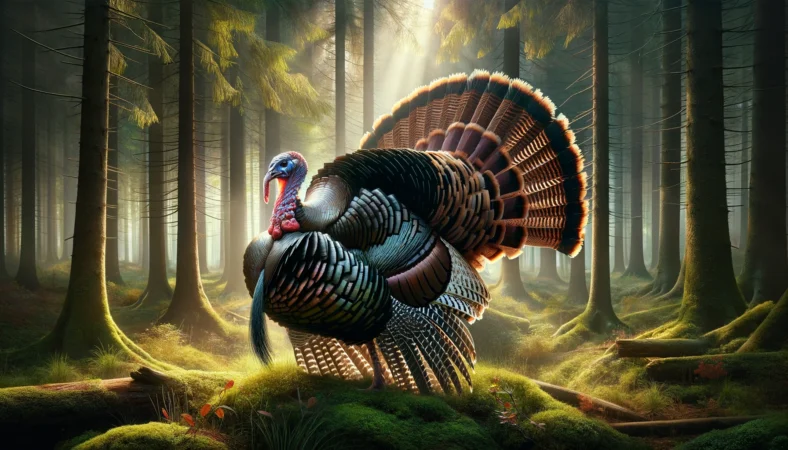
Wild turkeys are among the largest birds in the open forests of North America. Males, known as toms or gobblers, can weigh up to 24 pounds and stand 4 feet tall, with females (hens) slightly smaller. Their plumage is iridescent, featuring shades of bronze, gold, and green, which serve as camouflage in their natural habitat.

Vocalizations and Mating Rituals

The gobble of a wild turkey, a sound that can carry up to a mile away, is a hallmark of the spring mating season. Males display their vibrant tail feathers in a fan and puff up their bodies to attract females, performing dances and emitting a variety of calls. Hens lay 10-12 eggs, which they incubate for about 28 days.

Habitat and Range

Wild turkeys thrive in mixed hardwood and pine forests with clearings, meadows, and edges that provide both cover and open ground. Their range extends across most of North America, from the central and eastern U.S. across to parts of Mexico and into Canada. Conservation efforts in the 20th century have significantly expanded their populations and range.

Diet and Foraging Behavior

Turkeys are omnivores, feeding on a wide range of foods. Their diet includes acorns and nuts, seeds, fruits, insects, and small reptiles. Their foraging behavior, scratching the leaf litter and ground for food, plays a crucial role in seed dispersal and the control of insect populations, highlighting their importance in maintaining healthy forests.

Conservation Status and Management

Thanks to concerted conservation and reintroduction efforts, the wild turkey population has rebounded from near extinction in the early 20th century to over 7 million birds today. Management strategies focus on habitat preservation, sustainable hunting practices, and research to ensure the continued success of this species.

Cultural Significance

The wild turkey holds a place of honor in American culture and history. Benjamin Franklin famously preferred the turkey over the bald eagle as the national bird, citing its native status and impressive appearance. Today, the wild turkey symbolizes wilderness conservation success and is celebrated in hunting traditions and wildlife art.

Conclusion

The wild turkey is a testament to the resilience of wildlife and the success of conservation efforts. By understanding and appreciating these creatures, we celebrate the beauty and complexity of the natural world. The story of the wild turkey is a reminder of our responsibility to protect and preserve the diverse ecosystems that are home to such remarkable species.


Frequently Asked Questions (FAQs)

1. Are wild turkeys aggressive?

Wild turkeys are generally not aggressive towards humans but can display aggression during the mating season to assert dominance.

2. Can wild turkeys fly?

Yes, despite their size, wild turkeys are strong fliers over short distances, especially when escaping predators or roosting.

3. How long do wild turkeys live?

In the wild, turkeys can live up to 10 years, though many fall prey to predators or hunting before reaching old age.

4. What is the difference between a wild turkey and a domestic turkey?

Wild turkeys are more slender, with darker plumage and a stronger flight capability compared to domestic turkeys, which are bred for size and meat production.

5. How can I help protect wild turkeys?

Supporting wildlife conservation organizations, advocating for the preservation of natural habitats, and practicing responsible hunting are effective ways to contribute to the protection of wild turkeys.

The wild turkey, with its rich history and ecological importance, continues to be a symbol of the American wilderness and a testament to the success of wildlife conservation efforts across North America.

Coyote Trapping: Legal and Ethical Readiness Guide

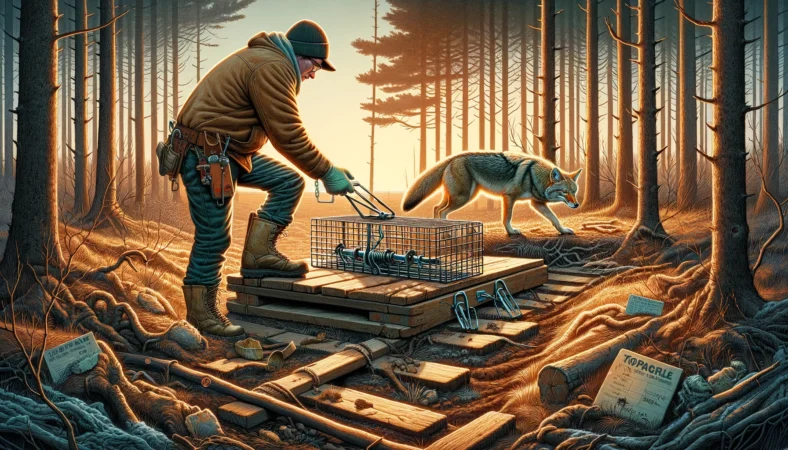
Coyote trapping is heavily regulated and ethically sensitive. Before anyone considers it, they need to verify state rules, land permission, trap-check requirements, non-target animal procedures, and humane dispatch laws. This article is a legal-readiness and ethics overview, not a step-by-step trapping manual.

If your goal is wildlife conflict prevention around pets, livestock, or neighborhoods, start with prevention, attractant removal, fencing, supervision, and local wildlife guidance before assuming trapping is the right answer.

Table of Contents

Quick Answer

The most important part of coyote trapping is not the trap. It is confirming whether trapping is legal, necessary, humane, and appropriate for the exact location. State wildlife agencies, local ordinances, land managers, and trained nuisance-wildlife professionals should guide the decision.

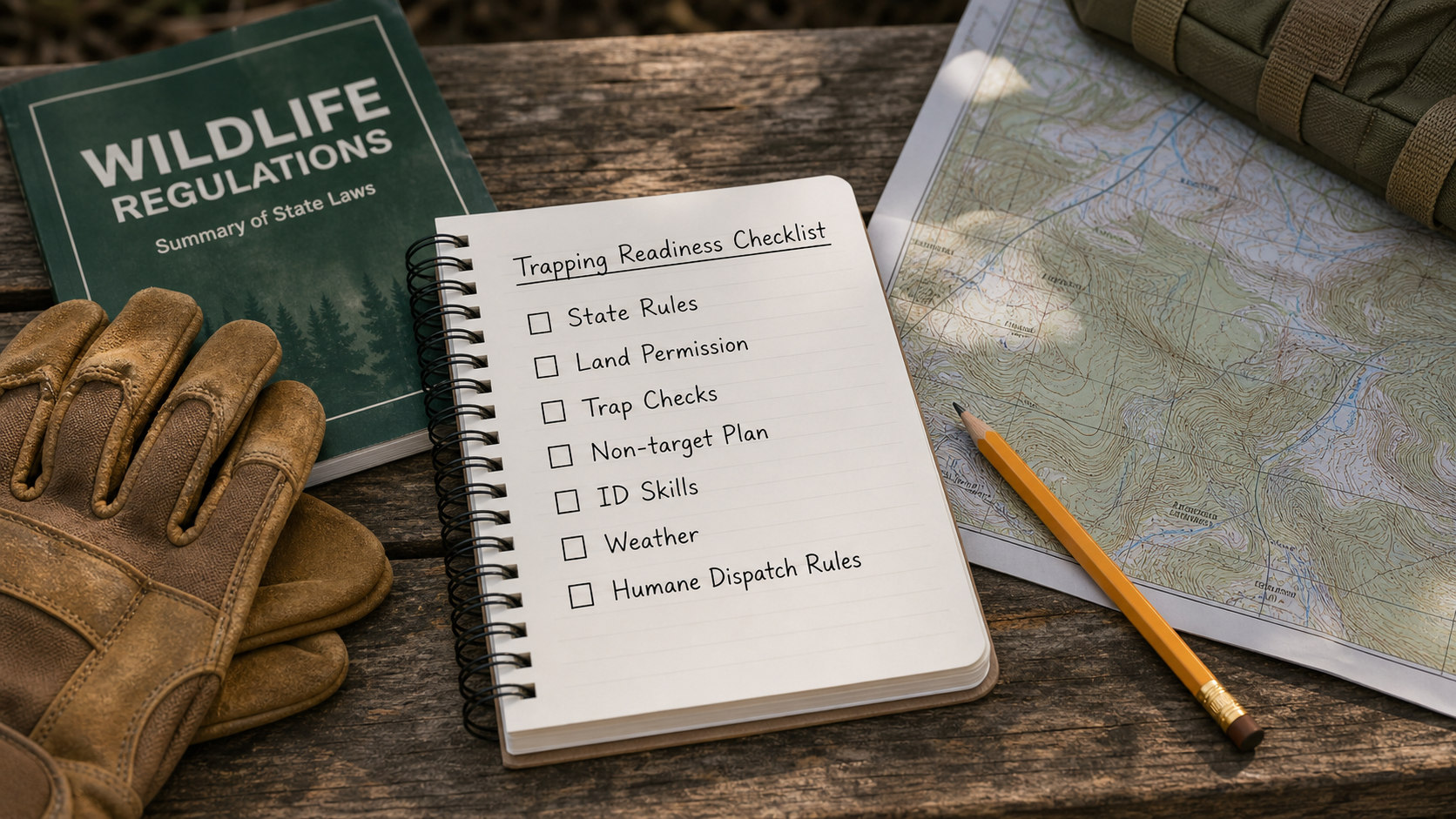
Before considering trapping, verify state rules, land permission, trap-check timing, non-target animal plans, identification skills, weather, and humane dispatch requirements.

Trapping Readiness Checklist

Use this checklist before taking any action. If any item is uncertain, stop and verify it with an official source or qualified professional.

  • State rules: Confirm season, license, trap type, tagging, education, and reporting requirements.
  • Local rules: Check city, county, public-land, or homeowners association restrictions.
  • Permission: Confirm written permission on private land and special rules on public land.
  • Trap checks: Know the required check interval and weather considerations.
  • Non-target plan: Know what to do if a pet, livestock animal, or protected wildlife is caught.
  • Identification: Be able to distinguish coyote sign from domestic dogs and other wildlife.
  • Humane dispatch: Confirm what the law allows and what training is required.

Trapping laws vary widely by state and sometimes by county, municipality, public land area, and species. Some places require licenses, trapper education, trap tags, daily checks, specific trap types, written permission, or harvest reporting. Some areas restrict methods near roads, homes, trails, or public access points.

For federal lands or refuges, start with the managing agency and official hunting/trapping pages such as the U.S. Fish and Wildlife Service hunting information. For state land or private land, use your state wildlife agency and local rules. Do not rely on old forum posts or videos.

Why Old Advice Is Risky

Trapping rules can change with seasons, disease concerns, non-target species protection, public complaints, and local ordinances. Advice that was legal in one state or one year may be illegal somewhere else. Save the current regulation page or PDF for your records, but check for emergency updates before acting.

Ethical Questions to Ask

Ethical trapping starts with need. Ask whether the problem can be solved by removing attractants, securing pets, improving fencing, changing livestock practices, or contacting local wildlife officials. In many residential situations, prevention and hazing guidance may be more appropriate than trapping.

The Humane Society’s coyote encounter guidance is useful for non-lethal conflict reduction around people and pets. Even if a landowner later chooses legal control methods, prevention should still be part of the plan.

Avoid Mastery Thinking

Coyote behavior is adaptive. A person should not approach trapping as a trick to master quickly. Misidentification, poor placement, bad timing, weather, and nearby domestic animals can create serious problems. Training and local expertise matter.

Non-Target Animal Risk

Non-target animals are one of the biggest reasons coyote trapping requires caution. Pets, livestock, protected wildlife, and other furbearers may use the same travel corridors or food sources. Before any trapping decision, know the law and the emergency release or reporting procedure for non-target captures.

Weather also matters. Heat, freezing rain, snow, and flooding can affect animal welfare and trap-check timing. If you cannot meet the required check schedule in the actual conditions, do not set traps.

Property, Neighbors, and Public Land

Trapping near homes, roads, trails, livestock, pets, or public access points adds risk. Written landowner permission is not the only concern; neighboring animals and public safety matter too. If an area has frequent dog walkers, kids, trails, or shared access, professional guidance is especially important.

On public land, rules can be stricter than statewide rules. Check land-manager regulations, signage, closures, and local maps before assuming a statewide season gives permission.

Document Before Action

Before any control decision, document what is actually happening. Note dates, times, photos of damage, tracks, scat, camera evidence, livestock losses, pet encounters, and attractants such as unsecured trash or feed. This helps separate real coyote problems from guesswork, domestic dog activity, scavenging, or old sign.

Documentation also makes conversations with wildlife officers, landowners, neighbors, and professionals more useful. Instead of saying “there are coyotes around,” you can explain the pattern, the property, the risk, and the non-lethal steps already tried. Better information usually leads to better and more responsible decisions.

When to Call Professionals

Call a state wildlife agency, local conservation officer, licensed nuisance-wildlife operator, or experienced trapper education program if the situation involves pets, livestock losses, repeated neighborhood encounters, non-target risk, or unclear laws. Professional help is also wise when the person involved lacks identification skills, equipment knowledge, dispatch training, or time for legal trap checks.

For general hunter and outdoor responsibility, education resources such as Hunter Ed can help reinforce safety, planning, law-checking, and ethical decision-making before entering the field.

FAQ

It depends on the state, season, location, license, method, and land rules. Check your current state wildlife agency regulations and local ordinances before doing anything.

How often do traps need to be checked?

Check intervals are set by law and vary by place and trap type. Verify the exact rule for your state and location. If you cannot meet the required interval, do not trap.

What if a non-target animal is caught?

Follow your state rule and contact the proper authority if required. This is one reason beginners should get training before attempting any trapping activity.

Should homeowners trap coyotes themselves?

Usually, homeowners should start with attractant removal, pet supervision, fencing, and local wildlife guidance. If trapping is being considered, consult the wildlife agency or a licensed professional first.

Final Takeaway

Coyote trapping should never be treated as a quick trick or casual project. Start with legal verification, prevention, permission, non-target planning, humane requirements, and qualified guidance. If any part of that plan is unclear, the responsible choice is to stop and verify before acting.

The Evolution of Tube Calls: Mastering Turkey Sounds Across Generations

Introduction

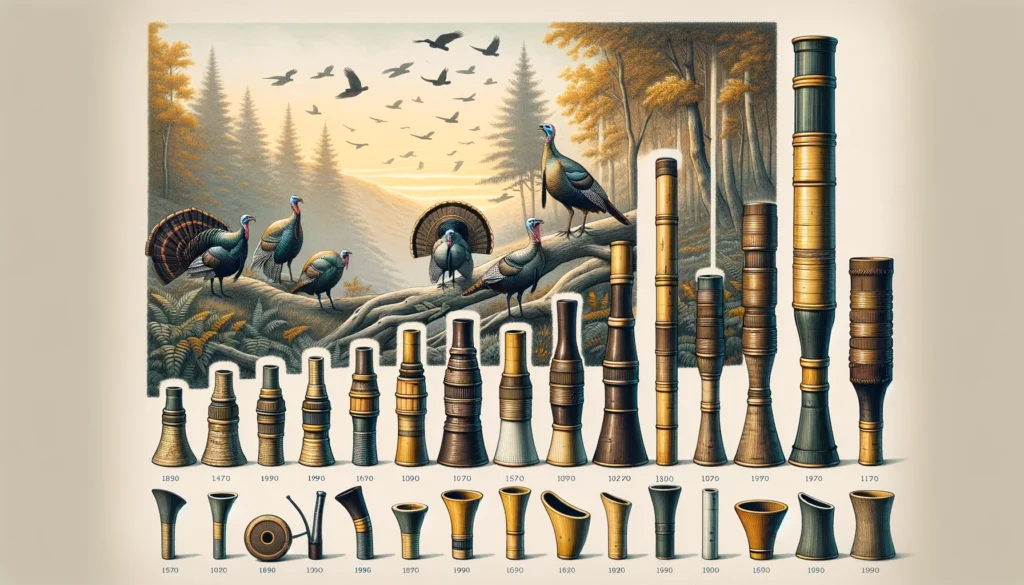
The journey of tube-type turkey calls from rudimentary instruments to sophisticated hunting tools is a fascinating tale of innovation, tradition, and craftsmanship. These devices, essential for mimicking the diverse vocalizations of turkeys, have evolved significantly over the years. This article explores their historical development, highlighting key milestones and the impact on hunting practices.

Origins and Early Designs

The genesis of tube calls can be traced back to early attempts by hunters to replicate turkey sounds more accurately. Initial models were simple, often homemade from available materials like bamboo, reeds, and even pieces of metal or plastic tubing, emphasizing the ingenuity of hunters in pursuit of a more effective call.

Innovation and Refinement

As the popularity of turkey hunting grew, so did the demand for more reliable and versatile calls. The mid-20th century marked a period of significant innovation, with hunters and craftsmen experimenting with various materials and designs to improve sound quality and ease of use.

Material Advancements

The introduction of synthetic materials, particularly for the reed component, was a game-changer. Materials like latex allowed for a broader range of sounds and improved durability, making the calls more appealing to a wider audience of hunters.

Commercial Success

The latter half of the 20th century saw the commercialization of tube calls, with patented designs leading to mass production. This era brought about standardized quality and accessibility, allowing more hunters to experience the benefits of using tube calls.

Modern Developments

Today, tube-type turkey calls are more sophisticated than ever, incorporating advanced materials and acoustic principles to mimic turkey sounds with astonishing realism. Despite technological advancements, the core essence of these calls remains rooted in the tradition of closely observing and understanding turkey behavior.

The Role of Technology

Modern manufacturing techniques and materials science have enabled the production of tube calls that are not only more effective but also easier to use, catering to both novice and experienced hunters.

Preservation of Tradition

Amidst innovation, there remains a strong market for vintage and artisan-crafted tube calls, cherished for their craftsmanship and the connection they provide to the rich history of turkey hunting.

Conclusion

The evolution of tube-type turkey calls reflects the dynamic interplay between tradition and technology in the hunting world. As we look forward to future developments, the legacy of these calls continues to resonate in the hearts of turkey hunters everywhere, bridging generations through the shared pursuit of the perfect call.


Frequently Asked Questions (FAQs)

1. What is the primary purpose of a tube-type turkey call?

To mimic the various sounds of a turkey, including yelps, clucks, purrs, and gobbles, to attract them during hunting.

2. Can beginners effectively use tube-type turkey calls?

Yes, many modern tube calls are designed with beginners in mind, offering ease of use and detailed instructions.

3. What materials are modern tube calls typically made from?

Modern tube calls are often made from a combination of plastics, metals, and synthetic reeds, like latex, for durability and sound quality.

4. Why do some hunters collect vintage tube calls?

For their craftsmanship, historical significance, and the unique, authentic sounds they produce.

5. How have tube calls changed turkey hunting?

Tube calls have made turkey hunting more accessible and successful by providing hunters with the ability to produce a wide range of realistic turkey sounds, improving their chances of attracting birds.

The story of tube-type turkey calls is a testament to the enduring spirit of innovation within the hunting community, showcasing how a simple concept can evolve into an essential tool through creativity, experimentation, and a deep respect for nature.

Sharpening Skills with String and Arrow: How Bowfishing Enhances Hunting Abilities in the Off-Season

Introduction

For hunters looking to keep their skills sharp during the off-season, bowfishing offers a unique and challenging opportunity. This engaging sport combines elements of bowhunting and fishing, requiring precision, patience, and quick thinking—traits that are invaluable to hunters of all kinds. Let’s dive into how bowfishing can hone your hunting skills when the forests are quiet, and the game seasons are closed.

How Bowfishing Enhances Hunting Abilities : The Art of Bowfishing

Bowfishing, at its core, is the pursuit of fish using specialized archery equipment. Unlike traditional bowhunting, bowfishing targets are underwater, presenting unique challenges such as refraction and the need for quick reflexes. This sport can be practiced from the shoreline, a boat, or wading in the water, offering versatile training grounds for improving hunting capabilities.

Skill #1: Enhanced Precision and Accuracy

Understanding Refraction

The most significant lesson bowfishing offers is how to account for light refraction. Water bends light, making fish appear at a different location from their actual position. Successfully hitting a target requires the hunter to aim lower, a skill that translates into better trajectory understanding and improved accuracy in bowhunting.

Quick Shot Execution

Bowfishing shots are often spontaneous, requiring hunters to draw and shoot quickly as fish move. This practice develops muscle memory and refines the instinctive shooting technique, valuable for any bowhunter when a sudden opportunity arises in the field.

Skill #2: Patience and Persistence

Bowfishing can involve hours of searching for targets, mirroring the patience needed in hunting. This persistence, coupled with the anticipation of the perfect shot, builds mental endurance, teaching hunters to wait for the right moment rather than rushing and potentially missing a shot.

Skill #3: Enhanced Observation Skills

Spotting Underwater Movement

Identifying fish underwater sharpens observation skills, training hunters to notice subtle movements and signs of wildlife. This keen eye for detail aids in spotting camouflaged or hidden game during hunting seasons.

Understanding Animal Behavior

Successful bowfishing requires knowledge of fish behavior, including where they feed and spawn. Translating this understanding to hunting, knowing your prey’s habits—where they eat, drink, and rest—can significantly increase success rates.

Skill #4: Physical Conditioning

Bowfishing is physically demanding, involving standing for long periods, drawing and shooting repeatedly, and sometimes navigating through water. This activity builds strength and endurance, particularly in the upper body and core, enhancing overall physical conditioning for hunting.

Conclusion

Bowfishing in the off-season is not just a way to pass the time; it’s an opportunity to refine hunting skills that are critical for success. From improved precision and quick reflex shooting to better observation and physical conditioning, the benefits of bowfishing extend far beyond the water. As hunters return to the woods, they bring with them enhanced skills honed by the string and arrow, ready to face the challenges of the hunt with renewed confidence and capability.


Frequently Asked Questions (FAQs) about How Bowfishing Enhances Hunting Abilities

1. Do I need special equipment for bowfishing?

Yes, bowfishing requires specific gear, including a bow equipped with a reel, specialized arrows, and often, a line attached to the arrow.

2. Can bowfishing be practiced year-round?

The availability of bowfishing opportunities varies by location and is subject to local fish species, regulations, and environmental conditions.

3. Is bowfishing ethical?

When practiced responsibly and within regulations, bowfishing is an ethical sport that can also aid in the control of invasive fish species, contributing to ecological balance.

4. Can beginners try bowfishing?

Absolutely. Bowfishing is accessible to archers of all skill levels, and it’s a great way to learn and practice archery skills.

By integrating bowfishing into your off-season routine, you not only keep your hunting skills sharp but also enjoy the thrill of the hunt in a new and challenging environment, ensuring you’re always at the top of your game.

For more about Bowfishing : The Shooting gears

The Primal Alliance: Understanding the Dynamics of Hunting with Wolves

Introduction

The concept of hunting alongside wolves, a practice that harks back to ancient times, evokes a profound connection between humans and the natural world. This intricate dance between two apex predators offers unique insights into the behavior, strategies, and survival instincts of wolves, providing lessons that can be applied to modern hunting and conservation efforts. This article explores the fascinating dynamics of hunting with wolves and how this ancient partnership can inform contemporary practices.

The Historical Bond Between Humans and Wolves

The relationship between humans and wolves stretches back thousands of years, likely originating from mutual benefits in hunting. Early humans observed and learned from them, gaining insights into tracking, ambushing, and the strategic patience required to hunt effectively. Over time, this relationship evolved, leading to the domestication of some wolves into what we now recognize as dogs, our hunting companions.

Learning from Wolves: Tactics and Strategies

Pack Coordination and Communication

Wolves hunt in packs, using complex communication and coordination to outmaneuver their prey. Human hunters can learn from these tactics, applying teamwork and silent signals to improve their own hunting strategies.

Endurance and Persistence Hunting

Wolves are known for their endurance, often engaging in persistence hunting where they exhaust their prey over long distances. This technique highlights the importance of stamina and persistence, qualities that are valuable for human hunters as well.

Adaptability and Environmental Awareness

Wolves are highly adaptable, able to hunt in various environments and conditions. Their success relies on an intimate knowledge of their territory. For human hunters, understanding the environment and adapting to changing conditions are crucial skills for success.

The Ethical Considerations of Hunting Near Wolves

Respecting Wildlife and Ecosystems

Hunting in areas inhabited by wolves demands a deep respect for wildlife and the ecosystems that support them. It’s essential to ensure hunting practices do not disrupt the natural balance or endanger their populations.

Conservation and Coexistence

Modern hunting practices can coexist with wolf conservation efforts. By understanding wolf behavior and territories, hunters can minimize conflicts, contributing to the preservation of healthy wolf populations and ecosystems.

Contemporary Implications and Lessons

Conservation Through Understanding

Studying the hunting strategies of wolves offers valuable lessons in wildlife management and conservation. By adopting a respectful and informed approach to hunting, humans can play a role in maintaining the balance of natural ecosystems.

The Role of Modern Hunters

Today’s hunters have the opportunity to advocate for and participate in conservation efforts, ensuring that the primal alliance between humans and wolves continues to inform and enrich our understanding of the natural world.

Conclusion

The ancient practice of hunting with wolves offers a window into the past, revealing a time when humans and they shared a mutual respect and reliance. By studying and respecting these primal hunters, modern humans can learn valuable lessons in teamwork, endurance, and adaptability, all while fostering a deeper connection with the natural world. As we move forward, let the legacy of this ancient alliance inspire a future where hunting and conservation go hand in hand, ensuring the preservation of our planet’s majestic wildlife and their habitats.


Frequently Asked Questions (FAQs)

1. Did humans really hunt alongside wolves?

Yes, historical evidence suggests that early humans observed and possibly cooperated with them in hunting, leading to mutual benefits and the eventual domestication of dogs.

2. What can modern hunters learn from wolves?

Modern hunters can learn from wolves’ teamwork, communication, endurance, and adaptability to improve their own hunting strategies and success rates.

3. How does hunting near wolves affect conservation efforts?

Responsible hunting practices that respect their territories and behaviors can coexist with conservation efforts, contributing to the health of ecosystems.

4. What role do hunters play in wildlife conservation?

Hunters play a significant role in conservation through sustainable practices, funding wildlife management programs, and advocating for the preservation of natural habitats.

5. Can studying wolf behavior improve our understanding of prey animals?

Absolutely. Wolves choose their prey based on specific criteria, including age, health, and behavior. By studying how wolves select and stalk their prey, hunters can gain insights into the vulnerabilities and habits of various game species, leading to more ethical and effective hunting strategies.

Bonding Through the Hunt: The Value of Family Hunting Traditions

Introduction

Hunting with family transcends the mere act of pursuing game; it’s a deeply rooted tradition that bonds generations, teaches valuable life lessons, and fosters an appreciation for nature and wildlife conservation. This article explores the significance of family hunting traditions and how they contribute to personal development, conservation efforts, and the preservation of cultural heritage.

The Essence of Family Hunting Traditions

Connecting Generations

Family hunting trips serve as a rite of passage, a tradition where skills, ethics, and stories are passed down from elders to the younger members. These experiences strengthen familial bonds through shared challenges, successes, and the quiet moments of anticipation that define the hunt.

Teaching and Learning

Beyond the thrill of the chase, hunting with family is an educational experience. It teaches respect for nature, wildlife management principles, and the importance of ethical hunting practices. Young hunters learn about safety, responsibility, and the discipline required to be successful in the field.

The Benefits of Hunting with Family

Building Character and Resilience

The challenges faced during hunting expeditions teach perseverance, patience, and humility. Family members, especially young hunters, learn to deal with success and failure, building character and resilience that extend beyond the hunting grounds.

Promoting Conservation and Stewardship

Hunting with family instills a deep understanding of the importance of conservation. Hunters are among the most passionate conservationists, contributing significantly to wildlife management and habitat preservation efforts. Family hunting traditions emphasize the role of hunters in maintaining ecological balance.

Preserving Cultural Heritage

For many families, hunting is an integral part of their cultural heritage. It’s a way to connect with the past, celebrate the present, and pass on traditions to future generations. These traditions enrich the family’s identity and ensure the continuation of cultural practices.

Creating Lasting Memories

The Stories That Bind

Every family hunting trip creates stories that are retold for years, becoming a part of the family’s legacy. These tales of adventure, mishaps, and moments of triumph are the glue that binds the family together, shared around campfires, dinner tables, and during future hunts.

Cherishing the Moment

In today’s fast-paced world, hunting with family offers a rare opportunity to disconnect from technology and reconnect with each other in nature’s serenity. These moments, whether waiting in a blind or tracking game, are invaluable chances to cherish time spent together.

Conclusion

Hunting with family is more than a hobby; it’s a tradition that offers invaluable life lessons, strengthens bonds, and contributes to conservation and cultural preservation. As each generation takes up the mantle, these traditions continue to evolve, enriching the family’s heritage and ensuring that the spirit of the hunt lives on.


Frequently Asked Questions (FAQs)

1. How do I introduce my family to hunting?

Start with education about wildlife conservation and ethical hunting practices, followed by hands-on experiences such as target shooting and accompanying experienced hunters on trips.

2. What are the benefits of hunting for young family members?

Hunting teaches young family members about responsibility, wildlife conservation, patience, and respect for nature, along with practical skills like tracking and marksmanship.

3. Can hunting really contribute to conservation?

Yes, hunters play a crucial role in conservation through funding wildlife management and habitat preservation efforts and by maintaining healthy animal populations through regulated hunting.

4. How can we ensure safety while hunting with family?

Prioritize safety by ensuring all family members complete hunter education courses, always follow hunting regulations and safety guidelines, and supervise young or inexperienced hunters closely.


Family hunting traditions are a cherished pathway to bonding, learning, and preserving the legacy of conservation and cultural heritage. Through these shared experiences, families can pass on valuable lessons and ensure that the respect for nature and the passion for hunting are carried on to future generations.

The Unseen Giant: Strategies for Taking Down a Surprise Buck

Strategies for Taking Down a Surprise Buck : Introduction

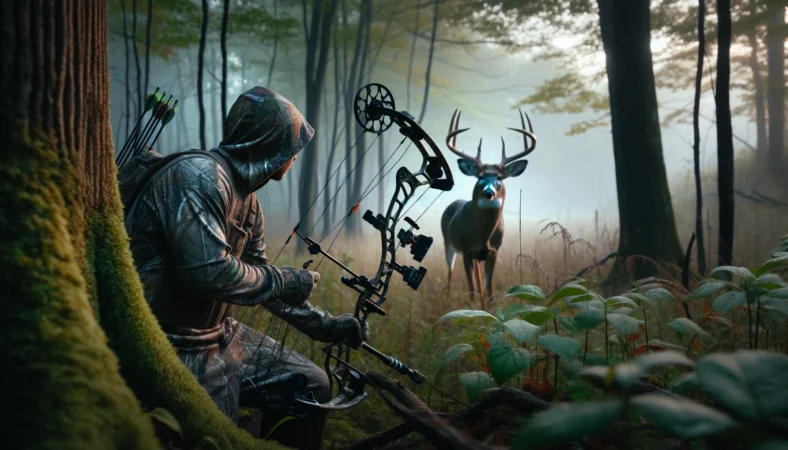
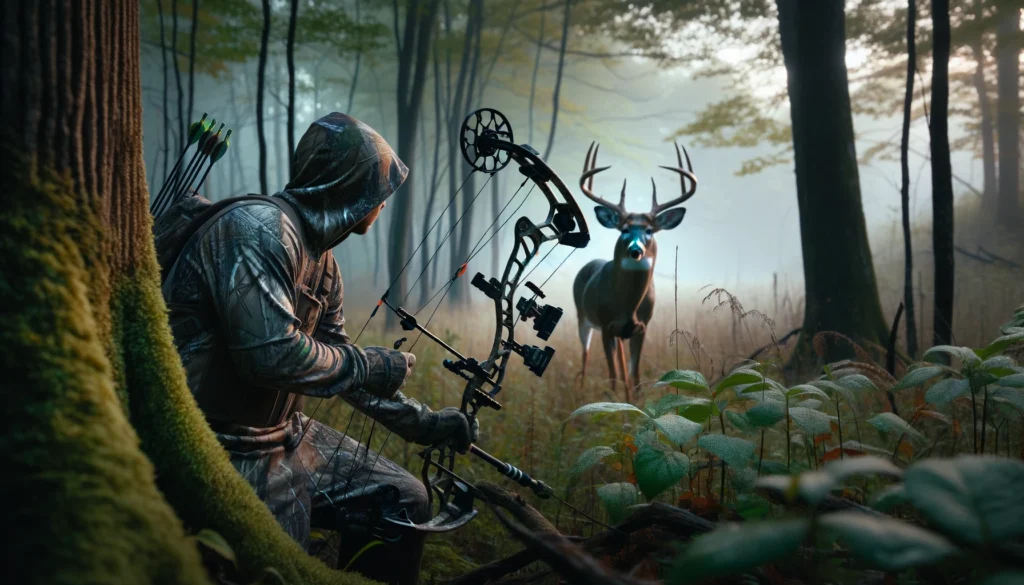
Imagine stepping into your hunting stand, the air crisp with the promise of autumn, when suddenly, a buck you’ve never laid eyes on before steps into view. This moment, thrilling and unexpected, tests the mettle and readiness of even the most seasoned hunters. Here’s how to seize the opportunity and successfully harvest a surprise buck, ensuring your story becomes one of triumph and awe.

Understanding the Element of Surprise

Adapting to the Unexpected

Encountering a buck you’ve never seen before adds an exhilarating layer of challenge to the hunt. Such moments require calm, quick thinking, and the ability to adapt your strategies on the fly.

The Advantage of Surprise

Ironically, the surprise can work both ways. A buck unfamiliar with your presence or hunting patterns may let down its guard, presenting unique opportunities for a skilled hunter.

Preparation Meets Opportunity

Know Your Environment

  • Scout Continuously: Even if you think you know your hunting area, continuous scouting can unveil new patterns and areas where surprise bucks might emerge.
  • Understand Deer Behavior: Knowing general deer behavior helps you make quick decisions based on the situation and environment.

Ready Your Gear

  • Equipment Check: Ensure your bow or rifle is in top condition, with optics clear and settings adjusted for varying distances.
  • Practice Makes Perfect: Regular practice ensures you can take a confident and ethical shot, even under pressure.

In the Moment: Making the Shot Count

Stay Calm

The initial shock of seeing an unexpected trophy buck can spike your adrenaline. Take a deep breath, steady your nerves, and focus on the fundamentals of a good shot.

Quickly Assess the Situation

  • Check for Obstacles: Ensure there are no obstacles between you and the buck that could deflect your shot.
  • Wind and Distance: Quickly assess the wind direction and distance to the buck, adjusting your aim accordingly.

Wait for the Right Moment

Patience is crucial. Wait for the buck to present a clear, ethical shot, ensuring a quick and humane harvest.

Post-Shot Strategy

Mark the Shot Location: Keep a keen eye on where the buck was at the moment of the shot and its initial direction of flight.

  • Give It Time: If the shot was well-placed, give the buck time to bed down. Rushing in too soon can push a wounded deer further away.

Tracking and Recovery

  • Follow the Signs: Begin tracking with an eye for blood signs, disturbed foliage, or hoof prints.
  • Be Prepared for a Follow-Up Shot: Carry your weapon with you during the track, ready for a follow-up shot if necessary.

Conclusion

The thrill of encountering and successfully harvesting a surprise buck is one of hunting’s most exhilarating experiences. It’s a reminder of the unpredictability of nature and the importance of preparation, skill, and respect for the animal. By staying ready, calm, and focused, you can turn the surprise of a lifetime into a story of success and respect for the majestic creatures we pursue.


Frequently Asked Questions (FAQs) for Strategies for Taking Down a Surprise Buck

1. How can I increase my chances of encountering a surprise buck?

Continuously scouting and adapting to new information about deer movement in your hunting area can increase your chances of such encounters.

2. What should I do if I miss the shot?

Regroup and assess what went wrong. Practice and learn from the experience to improve your chances next time.

3. How long should I wait after the shot before tracking?

If confident in your shot placement, waiting 30 minutes to an hour allows the buck to bed down, making recovery more straightforward.

4. Can technology help in these situations?

Yes, trail cameras, mapping software, and wind direction tools can provide valuable information to make quick decisions when encountering a surprise buck.

5. How important is it to practice shots at different distances and conditions?

It’s crucial. Being prepared for any shot scenario increases your confidence and the likelihood of a successful, ethical harvest.


Encountering a surprise buck is a moment defined by preparation, skill, and the ability to remain composed under pressure. By embracing these strategies, hunters can transform unexpected opportunities into memorable successes.

For more please visit : The Shooting Gears

Exit mobile version