The Eleventh Hour Choice: A Public-Land Bowhunter’s Triumph

Introduction

In the realm of bowhunting, the decisions made in the field, often under the weight of fleeting moments, can define the entire experience. This narrative explores the journey of a public-land bowhunter faced with a last-minute decision that would lead to an unforgettable triumph. It’s a testament to the patience, skill, and intuition that hunting demands, especially in the unpredictable and shared landscapes of public land.

The Setting

Deep in the heart of a dense forest, on the vast expanse of public land that has become a second home to many a hunter, our bowhunter sets the stage. The season had been challenging, with days spent in the stand yielding little more than lessons in patience and the occasional wildlife sighting not of the quarry sought.

The Challenge

Public-land hunting is fraught with unpredictability. The competition for prime spots, the variability of game movement, and the ever-changing conditions create a challenging yet rewarding pursuit. Our hunter, well-versed in these trials, had spent the season adapting to these dynamics, always seeking that elusive opportunity.

The Moment of Decision

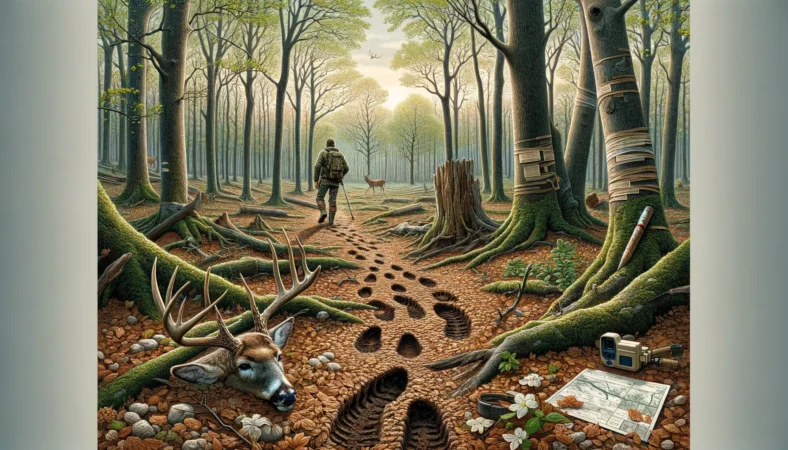
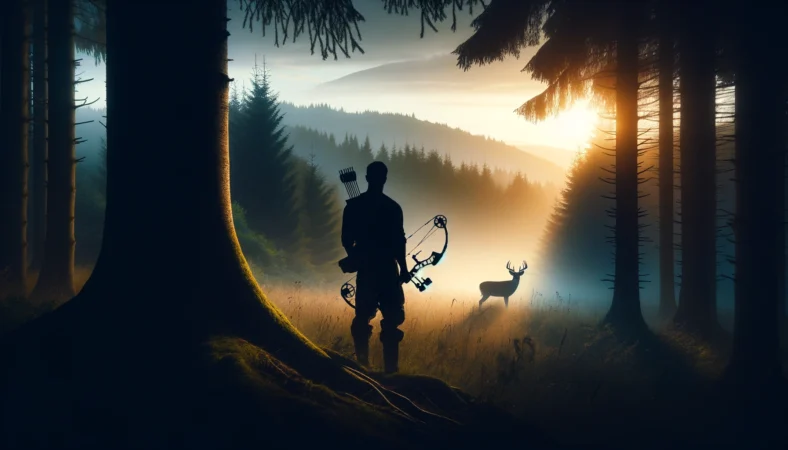
As the season neared its end, and with daylight waning on what could be the last hunt of the year, the bowhunter spotted movement through the trees. A magnificent buck, cautious yet unaware of the hunter’s presence, stepped into a clearing. The distance, the wind, and the fading light made for a difficult shot. The hunter faced a critical decision: to take the shot, with all its risks, or to let the moment pass, potentially ending the season empty-handed.

The Decision

With a deep understanding of the bow and a profound respect for the animal, the hunter made the choice. It was a decision born of experience, intuition, and the ethical considerations that define responsible hunting. The arrow flew, guided by skill and hope.

The Outcome

The shot, a testament to years of practice and dedication, found its mark. The buck, a true public-land monarch, was harvested with respect and gratitude. The hunter approached the fallen animal, aware of the weight of the moment, the culmination of the season’s efforts, and the responsibility that comes with the harvest.

Reflections and Lessons Learned

The success of the hunt was about more than the harvest. It was a reminder of the importance of ethical decision-making, the value of perseverance, and the deep connection to the natural world that hunting fosters. The hunter left the woods that day with not only a trophy but also with stories, lessons, and memories that would endure.

Conclusion

The eleventh-hour decision of the public-land bowhunter encapsulates the essence of bowhunting: a blend of skill, ethics, and respect for nature. It’s a narrative that celebrates the spirit of hunting, the camaraderie of those who pursue it, and the wild places that make such experiences possible.


Frequently Asked Questions (FAQs)

1. What makes public-land hunting challenging?

Public-land hunting offers unique challenges, including competition for space, unpredictable game patterns, and varying environmental conditions.

2. How important are ethics in hunting?

Ethics are fundamental to hunting, guiding decisions about when and how to take a shot, ensuring respect for the game, and fostering conservation efforts.

3. Can last-minute decisions in hunting be successful?

Yes, last-minute decisions, when guided by experience and ethical considerations, can lead to successful and memorable hunts.

4. What is the significance of the harvest in hunting?

The harvest is not just about securing a trophy; it’s about the respect for the animal, the connection to the land, and the continuation of hunting traditions.

5. How can hunters prepare for difficult shots?

Preparation involves practice, understanding the capabilities of one’s equipment, and a deep knowledge of the game’s behavior and anatomy.


The tale of the public-land bowhunter’s last-minute decision is a powerful reminder of the intricate balance between skill, ethics, and the primal allure of the hunt. It underscores the profound experiences that await in the wilds and the enduring legacy of hunting traditions.
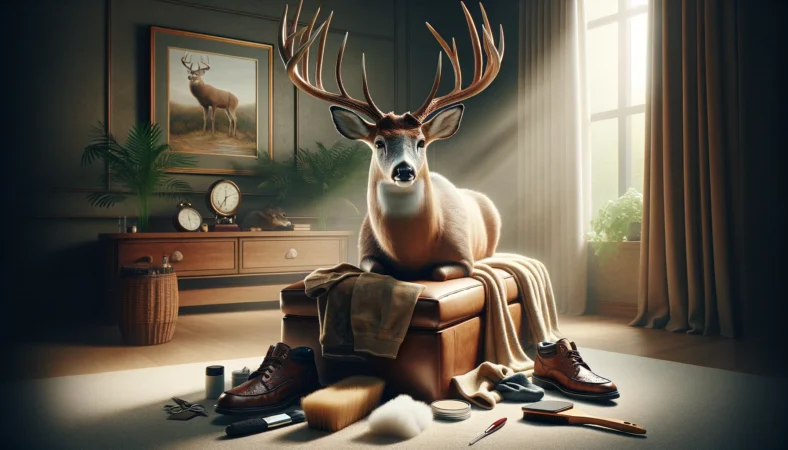

Eternal Trophies: A Guide to Preserving Your Deer Mounts

Introduction

For many hunters, a deer mount is more than just a trophy; it’s a cherished memory of a hunt, a symbol of respect for the animal, and a piece of natural art that demands proper care. Preserving deer mounts ensures these memories continue to grace our homes and hunting lodges with their beauty and majesty for years to come. This guide offers essential tips and techniques for maintaining the integrity and appearance of your deer mounts.

Understanding Deer Mount Preservation

The Basics of Mount Care

Deer mount preservation starts with understanding the materials used in taxidermy. Most mounts consist of the deer’s skin stretched over a form, with eyes, nose, and antlers that require specific care to maintain their lifelike appearance.

Environmental Factors Affecting Deer Mounts

  • Light: Direct sunlight can fade and damage the fur.
  • Humidity: Too much moisture can lead to mold growth, while too little can cause drying and cracking.
  • Temperature: Extreme temperatures can damage the mount over time.

Routine Maintenance for Deer Mounts

Dusting and Cleaning

  • Frequency: Dust your mount regularly, at least once a month, to prevent buildup.
  • Tools: Use a soft, dry cloth or a soft-bristled brush. For delicate areas, a microfiber cloth or compressed air can remove dust without harm.

Deep Cleaning

  • Eyes and Nose: Gently wipe with a damp cloth to remove dust and restore shine.
  • Fur: Use a slightly damp cloth with mild soap for spots or stains, then dry immediately. For overall freshness, a taxidermy conditioner or fur cleaner can be applied sparingly.

Protecting Your Mount from Environmental Damage

Avoid Direct Sunlight

Position your mount away from windows or areas where direct sunlight can reach it. UV-filtering glass or window treatments can help mitigate exposure.

Control Humidity and Temperature

Maintaining a stable environment is crucial. Use dehumidifiers or humidifiers to keep humidity levels between 40-50%. Avoid placing mounts near fireplaces or vents where temperature fluctuations are common.

Preventing Pest Damage

Moths and other pests can damage the fur. Regular inspections and maintaining a clean environment can prevent infestations. In severe cases, consult a professional for pest-specific treatments.

Professional Maintenance and Repairs

When to Seek Professional Help

If your mount shows signs of significant wear, damage, or pest activity, it’s time to consult a professional taxidermist. They can perform repairs, reconditioning, or even restoration to bring your mount back to its original glory.

Choosing a Professional Taxidermist

Select a taxidermist with experience in restorations and repairs. Look for reviews, ask for before-and-after photos, and ensure they understand the sentimental value of your mount.

Conclusion

Preserving your deer mounts requires attention to detail, regular maintenance, and a proactive approach to environmental protection. By following these guidelines, you can ensure that your trophies remain vibrant and lifelike, continuing to tell the story of your hunts for generations to come.


Frequently Asked Questions (FAQs)

1. How often should I clean my deer mount?

Regular dusting should be done monthly, with deeper cleaning as needed or at least once a year.

2. Can I use household cleaners on my deer mount?

It’s best to avoid harsh chemicals. Mild soap and water for spot cleaning or products specifically designed for taxidermy care are recommended.

3. What should I do if I notice cracks or fading on my mount?

Consult a professional taxidermist for an evaluation. Early intervention can prevent further damage.

4. How can I protect my mount from pests?

Keep the mount clean, inspect it regularly, and maintain a controlled environment. Use pest deterrents cautiously, and consult a professional if pests are detected.

5. Is it possible to restore an old or damaged deer mount?

Yes, professional taxidermists can perform restorations, but the extent of the restoration depends on the condition of the mount.


Proper care and maintenance of your deer mounts not only preserve their appearance but also honor the memories and experiences they represent. With diligent care, these timeless trophies can continue to be a source of pride and joy for many years.

Preserving the Legacy: The Importance of Deer Camp Traditions for Youth Hunters

Introduction

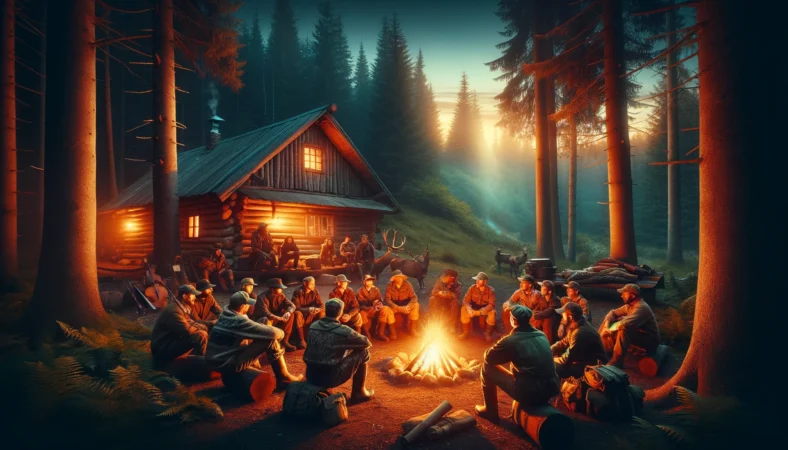
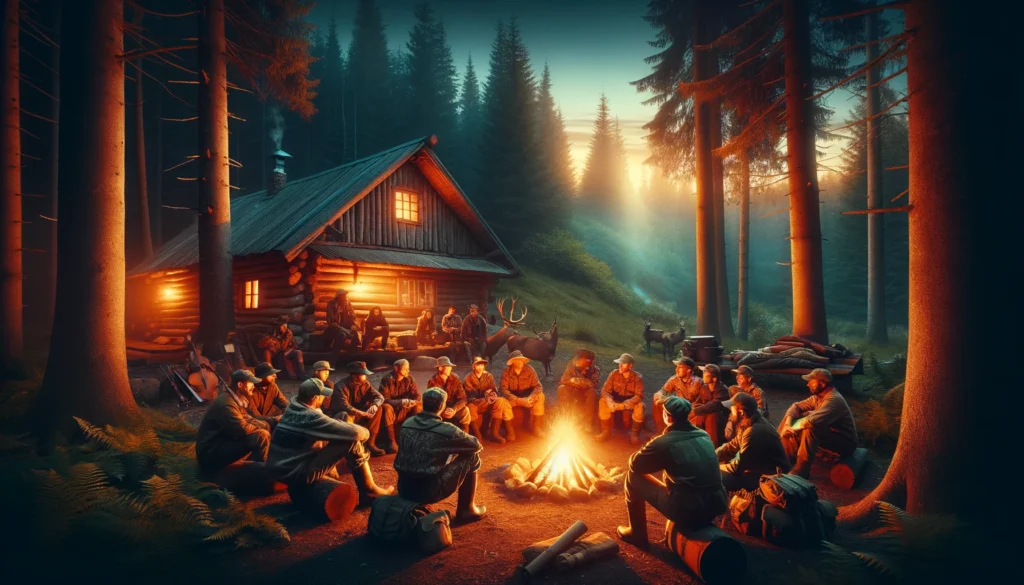
Deer camp traditions hold a revered place in the heart of the hunting community, serving as a rite of passage for many young hunters. These gatherings, often set in remote cabins or tents deep in the woods, are much more than just hunting trips. They are a time-honored tradition where knowledge, skills, and stories are passed down from generation to generation. This article explores the significance of these traditions for youth hunters and the role they play in shaping the future of hunting.

The Importance of Deer Camp Traditions : The Essence

A Bridge Between Generations

Deer camp serves as a living bridge, connecting young hunters with the wisdom and experiences of their elders. It’s a place where lessons learned over decades of hunting are shared, from tracking and field dressing to understanding the behavior of the deer and the importance of conservation. This transfer of knowledge is crucial in preserving hunting heritage.

Building a Community of Respect

One of the most valuable aspects of deer camp traditions is the sense of community and mutual respect they foster. Young hunters learn early on the importance of respecting the wilderness, wildlife, and their fellow hunters. This communal respect is fundamental to ethical hunting practices and to building a responsible hunting community.

The Role of Deer Camp in Developing Skills

Practical Hunting Skills

Deer camp is an immersive environment where youth hunters can hone their hunting skills in a real-world setting. Beyond the basics of marksmanship, they learn the subtler arts of hunting, such as reading animal signs, understanding wind direction, and moving silently through the woods.

Life Skills and Personal Development

Deer camp offers lessons that extend far beyond hunting. Young hunters develop patience, responsibility, and self-reliance—qualities that serve them well in all areas of life. The challenges faced and overcome in the woods instill a sense of confidence and achievement.

The Importance of Tradition and Storytelling

Keeping the Past Alive

The stories told around the campfire at deer camp are the oral history of hunting culture, filled with tales of memorable hunts, the one that got away, and the lessons learned along the way. These stories keep the past alive, connecting young hunters to the broader narrative of hunting.

Creating New Memories

While honoring past traditions, deer camp also provides the opportunity to create new memories and stories that will be told for generations to come. It’s a place where youth hunters can experience their first successful hunt, forging a lifelong connection to the outdoors.

Conclusion

Deer camp traditions play a vital role in introducing youth hunters to the rich heritage of hunting. They offer a unique blend of education, skill development, and personal growth, all within the context of community and respect for nature. As these traditions are passed down, they ensure the preservation of hunting culture for future generations, making deer camp an invaluable part of the hunting experience.


Frequently Asked Questions (FAQs)

1. Why are deer camp traditions important?

Deer camp traditions are important for passing down hunting knowledge, fostering community and respect, and ensuring the continuation of hunting heritage.

2. How do deer camp traditions benefit youth hunters?

Youth hunters benefit from practical hunting and life skills, a sense of belonging to a community, and the preservation of hunting traditions.
3. What life skills can youth hunters learn at deer camp?

Youth hunters learn patience, responsibility, self-reliance, and confidence, among other valuable life skills.

4. Can deer camp traditions evolve with time?

Yes, while the core values of deer camp remain, traditions can evolve to embrace new practices and technologies, ensuring relevance for future generations.

5. How can I start a deer camp tradition?

Starting a deer camp tradition involves organizing a hunting camp with family or friends, focusing on sharing knowledge, experiences, and creating a respectful and inclusive environment for all participants.


Deer camp traditions are a cornerstone of the hunting community, crucial for molding responsible, skilled hunters who respect nature and cherish the camaraderie of their peers. As we continue to celebrate and evolve these traditions, we ensure that the legacy of hunting remains vibrant for generations to come.

The West Virginia Mountain Monarch: A Majestic Buck’s Tale

Introduction

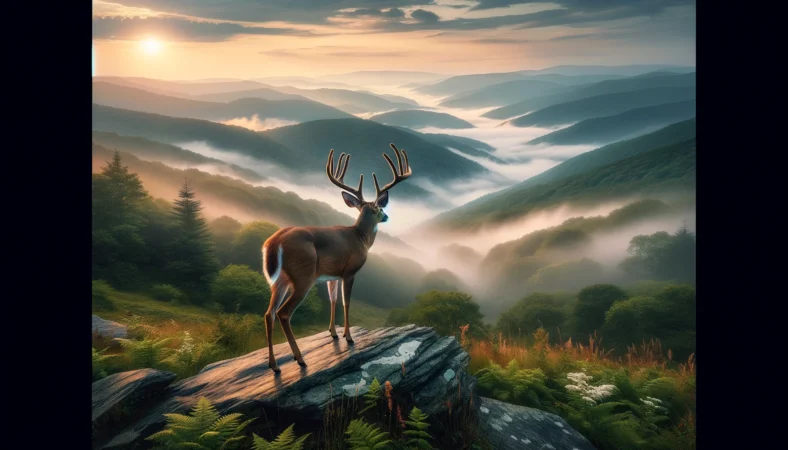
Nestled in the heart of Appalachia, West Virginia’s rugged terrain and lush forests are home to an array of wildlife, none more revered than the majestic white-tailed deer. Among them, the Mountain Monarch—a term affectionately given to the largest, most elusive bucks—stands as a symbol of the wild beauty and resilience of the Mountain State. This narrative explores the life and legend of one such buck, embodying the spirit of West Virginia’s untamed wilderness.

The Rise of the Mountain Monarch

Early Days

Born in the secluded depths of a national forest, our Mountain Monarch began his life as a mere fawn, indistinguishable from the countless others. However, as seasons changed, so did he, growing into a formidable buck with antlers sprawling like the branches of an ancient oak. His early years were a testament to the harsh, unforgiving nature of the wild, shaping him into a creature of strength and cunning.

Survival and Strategy

The key to the Monarch’s survival lay in his unparalleled instincts. He navigated the terrain with a grace that belied his size, always one step ahead of predators and hunters alike. His choice of bedding areas, strategic feeding times, and elusive movements through the densest thickets were all part of his mastery over the mountain landscape.

The Legend Grows

A Hunter’s Dream

To the hunting community, the Mountain Monarch was both a myth and a dream. Tales of his sightings spread like wildfire, each more grandiose than the last. Hunters from far and wide ventured into the West Virginia mountains with hopes of encountering the Monarch, but few even caught a glimpse of his shadow. He was a ghost, a whisper in the wind, known to appear at the edge of vision before vanishing into the mist.

Conservation and Respect

As the legend of the Mountain Monarch grew, so did the appreciation for the delicate balance of Appalachia’s ecosystem. Conversations around campfires shifted from tales of conquest to discussions on conservation. The Monarch, in his elusive grandeur, became a symbol for the wilderness that needed protection. He represented the untamed heart of West Virginia, reminding all of the importance of respecting and preserving natural habitats.

The Monarch’s Legacy

A Changing Landscape

Years passed, and the mountains changed. Development encroached on the wilderness, challenging the inhabitants of the forest. Yet, the Mountain Monarch adapted, a testament to the resilience of nature. His legacy is not just one of awe and mystery but a call to action—a reminder of the beauty that exists in the wild places and the responsibility to protect them.

Inspiration for the Future

The tale of the West Virginia Mountain Monarch transcends the story of a single deer. It is a narrative of survival, adaptation, and the enduring allure of the wild. It inspires hunters, conservationists, and nature lovers alike to view the wilderness with reverence and to act as stewards of the land.

Conclusion

The West Virginia Mountain Monarch remains a legend, a creature of beauty and mystery that captivates the imagination. More than just a deer, he symbolizes the wild spirit of Appalachia—a spirit that endures in the face of change, reminding us of the intrinsic value of the natural world.


Frequently Asked Questions (FAQs)

1. What makes the Mountain Monarch unique?

The Mountain Monarch stands out for his impressive size, intelligence, and the elusive nature that makes him a legend among the deer of West Virginia’s forests.

2. Why is the Mountain Monarch important to conservation efforts?

His legend highlights the importance of habitat preservation and fosters a deeper appreciation for wildlife, encouraging efforts to maintain the natural balance of the ecosystem.

3. Can I see the Mountain Monarch in the wild?

While sightings are rare and often a matter of luck, the Mountain Monarch symbolizes the possibility of encountering the majestic wildlife that thrives in West Virginia’s protected areas.

4. How can hunters contribute to conservation?

Hunters can play a significant role in conservation by practicing ethical hunting, supporting habitat restoration projects, and participating in wildlife management programs.

5. What does the Mountain Monarch symbolize?

The Mountain Monarch embodies the untamed beauty, resilience, and mystery of West Virginia’s wilderness, serving as a reminder of the value and fragility of the natural world.


The Mountain Monarch’s tale is more than a story; it’s a legacy woven into the fabric of West Virginia’s wildlands. It serves as a poignant reminder of our connection to nature and the enduring majesty of the wilderness that surrounds us.

Navigating the Challenge: Why Managing Deer Populations is Becoming More Difficult

Introduction

The task of managing deer populations has always been a complex balance of conservation, public safety, and hunting traditions. However, recent years have seen this task become increasingly challenging. This article explores the multifaceted reasons behind the growing difficulties in deer management and the implications for ecosystems, communities, and hunters alike.

The Rising Challenges in Deer Management

Urban Expansion and Habitat Fragmentation

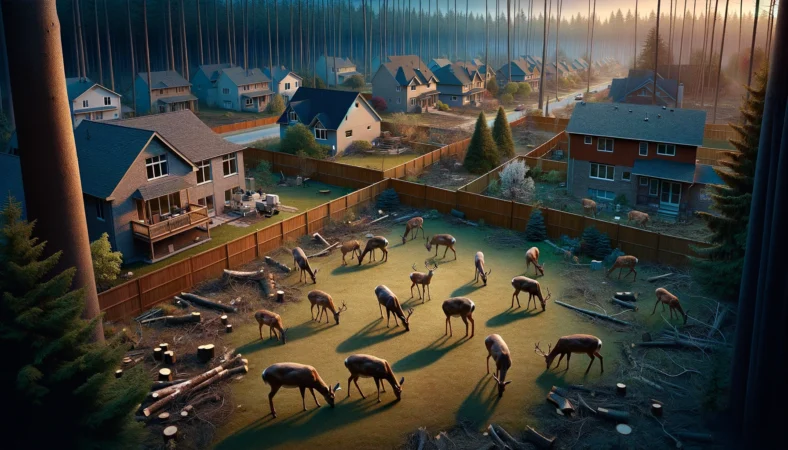
As urban areas expand, deer habitats are increasingly fragmented, leading to isolated populations that can grow unchecked due to a lack of natural predators. This not only makes management efforts more complex but also increases deer-human interactions, which can lead to property damage, vehicle collisions, and public safety concerns.

Changing Climate Patterns

Climate change is altering natural habitats and food availability, impacting deer migration patterns and reproduction rates. Unpredictable weather patterns and milder winters can lead to higher survival rates of fawns, complicating population control efforts.

Legislative and Public Perception Hurdles

Effective deer management often requires a multifaceted approach, including hunting, fertility control, and habitat modification. However, legislative restrictions and public opposition to certain management methods, such as culling or controlled hunts, can limit the options available to wildlife agencies.

The Role of Predators and Disease

The decline in natural predator populations, such as wolves and cougars, in certain areas has removed a natural check on deer populations. Additionally, diseases like Chronic Wasting Disease (CWD) not only affect deer health but can also complicate management strategies due to the need for increased surveillance and control measures.

Adapting Management Strategies

Integrated Management Approaches

Combining hunting with non-lethal methods, such as fertility control and habitat management, can provide a more sustainable approach to deer population control. Public education campaigns can also play a crucial role in garnering support for these measures.

Technological Advances in Wildlife Management

The use of technology, including drones for population surveys and advanced tracking methods, can offer more accurate data to inform management decisions. These technologies can help identify hotspots for deer-human conflicts and monitor the effectiveness of management strategies.

Collaboration and Community Involvement

Engaging communities in deer management efforts, through citizen science projects and stakeholder meetings, can lead to more acceptable and effective solutions. Collaborative approaches can help align the goals of different groups, from conservationists to hunters.

Conclusion

Managing deer populations in the modern world is a growing challenge that requires innovative solutions and broad-based support. By understanding the complexities involved and adopting a flexible, integrated approach to management, it is possible to address the ecological, societal, and ethical issues that come with deer overpopulation.


Frequently Asked Questions (FAQs)

1. Why is deer management important?

Deer management is crucial for maintaining balanced ecosystems, reducing deer-vehicle collisions, protecting agricultural and personal property, and ensuring healthy deer populations.

2. Can hunting alone control deer populations?

While hunting is a significant tool for deer population control, it often needs to be supplemented with other management strategies due to urban expansion and restricted hunting areas.

3. What are the impacts of overpopulated deer?

Overpopulated deer can lead to habitat degradation, loss of biodiversity, increased vehicle collisions, and the spread of diseases.

4. How does climate change affect deer populations?

Climate change can lead to more mild winters, affecting deer survival rates and altering habitats and food sources, which can impact population dynamics.

5. What role do communities play in deer management?

Communities can support deer management efforts through participation in public education initiatives, reporting sightings and damages, and engaging in discussions on management strategies.

For more please visit : The shooting Gears

Unlocking the Secrets of Postseason Deer Scouting: A Hunter’s Guide

Introduction

In the world of hunting, knowledge is power. Postseason deer scouting is a critical, yet often overlooked, aspect of hunting preparation that can significantly enhance your chances of success in the next season. This comprehensive guide delves into the art and science of postseason scouting, offering you the tools and strategies needed to unlock the secrets of the deer you pursue.

Why Postseason Scouting Matters

Understanding Deer Behavior Post-Season

After the hunting season ends, deer revert to their natural routines, providing a unique opportunity to study their behavior without the pressure of hunting. This period allows hunters to observe natural movement patterns, feeding habits, and bedding areas with minimal disturbance.

Advantages of Early Preparation

  • Identifying Patterns: Learn how deer interact with the landscape without the influence of hunting pressure.
  • Finding New Hotspots: Discover unpressured areas that deer frequent during the offseason.
  • Planning for Success: Use insights gained to plan entry and exit routes, stand locations, and strategy for the next season.

Effective Postseason Scouting Techniques

Trail Camera Surveys

Strategically place trail cameras to monitor deer activity. Look for late-season food sources, transition areas, and bedding spots. Cameras can provide invaluable information about deer numbers, buck-to-doe ratios, and the presence of mature bucks.

Boots-on-the-Ground Exploration

  • Track Bedding Areas: Locate primary and secondary bedding areas to understand where deer feel secure.
  • Identify Food Sources: Pinpoint late-winter and early-spring food sources that will attract deer post-season.
  • Map Travel Routes: Trace paths between bedding and feeding areas to find the most trafficked routes.

Topographical Map and Aerial Photo Analysis

Use maps and aerial photos to identify potential deer hotspots. Look for natural funnels, edge habitats, and secluded feeding areas. This bird’s-eye view can reveal hidden patterns and areas not easily seen on foot.

The Role of Shed Hunting in Scouting

Shed hunting — the practice of searching for antlers that bucks have naturally shed — is not just a rewarding hobby but also a practical scouting tool. It provides clues to the whereabouts of mature bucks and can indicate the health and quality of the deer population.

Evaluating and Adjusting Stand Locations

Based on your postseason observations, reassess your stand locations. Consider the prevailing wind directions, visibility, and ease of access. The goal is to minimize disturbance while maximizing opportunities for success.

Conclusion

Postseason deer scouting is an investment in your future hunting success. By dedicating time to understand the deer in your area, you’re not just preparing for the next season; you’re becoming a more informed and ethical hunter. Embrace this quiet period in the hunting calendar as a time for learning, discovery, and anticipation of the adventures that lie ahead.


Frequently Asked Questions (FAQs)

1. When does the postseason scouting period begin?

Postseason scouting can start as soon as the hunting season ends, typically from late winter to early spring, depending on your region.

2. How often should I check my trail cameras during the offseason?

Check them every 4-6 weeks to minimize disturbance, adjusting based on battery life and memory capacity.

3. Can weather affect deer patterns during the postseason?

Absolutely. Severe weather can alter feeding and bedding patterns, so it’s crucial to scout after major weather events to see how deer adapt.

4. What should I do if I find a new hotspot during postseason scouting?

Mark it on your map or GPS and plan to observe the area during different times and conditions to confirm its potential for the next season.

5. How can I use shed antlers to improve my hunting strategy?

Shed antlers can help you identify areas frequented by mature bucks and assess the health and genetics of the deer population, informing your strategy for targeting specific deer.


By taking the time for postseason deer scouting, you’re setting the stage for future hunting success. This quiet, reflective period offers a golden opportunity to learn from the natural world, make strategic plans, and look forward to the excitement of the seasons to come.

Mastering the Elements: Optimal Strategies for Rainy Day Hunting

Introduction

Welcome to the ultimate guide on “Mastering the Elements: Optimal Strategies for Rainy Day Hunting.” Have you ever looked out the window, seen the rain pouring down, and wondered if it’s the right time to go hunting? You’re not alone. Many hunters find themselves questioning whether the rain is a friend or foe in their hunting endeavors. In this comprehensive guide, we’ll dive deep into the nuances of hunting in wet weather, uncovering the secrets to turning a rainy day into a successful hunting expedition.

Understanding the Impact of Rain on Hunting

Why Hunt in the Rain?

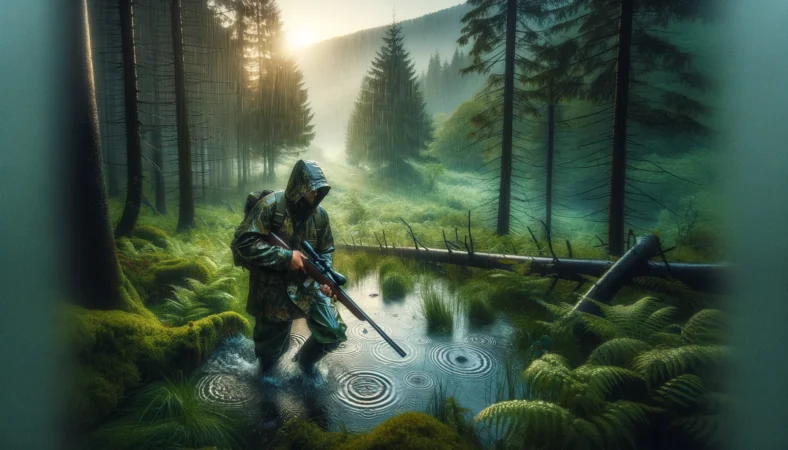
Hunting in the rain isn’t just about braving the elements; it’s about understanding how these conditions affect animal behavior. Rain can actually enhance your hunting experience by:

  • Masking Noise: The sound of raindrops can help disguise your movements.
  • Reducing Scent Detection: Humidity and rainwater can dilute your scent, making it harder for animals to detect your presence.
  • Encouraging Animal Movement: Some species are more active in the rain, providing unique opportunities for hunters.

The Best Times to Hunt in the Rain

Timing is everything when it comes to rainy day hunting. Early morning or late afternoon, when animals are naturally more active, can be particularly fruitful. However, the intensity of the rain also plays a crucial role. A light to moderate rain can be ideal, encouraging animals to move without driving them to seek shelter.

Gear and Preparation for Rainy Hunts

Essential Gear for Wet Weather

To ensure a comfortable and successful hunt, equip yourself with:

  • Waterproof Clothing: Stay dry and comfortable with quality rain gear.
  • Protective Covers for Equipment: Keep your firearms and optics safe and dry.
  • Slip-Resistant Footwear: Ensure good traction on wet and slippery terrain.

Strategies for Staying Hidden and Quiet

  • Use Natural Cover: Utilize the increased foliage density for concealment.
  • Mind Your Step: Move carefully to avoid slipping and making noise.

Techniques for Tracking and Stalking in the Rain

Rainy conditions can both aid and challenge tracking efforts. Fresh tracks are easier to spot, but rain can quickly erase them. Focus on areas where animals seek shelter or food during rain, and be patient as you move.

Safety Considerations for Hunting in Adverse Weather

Safety should never be compromised. Be aware of the risks of hypothermia, slippery terrain, and waterlogged equipment. Always inform someone of your hunting plan and expected return time.

Conclusion

Hunting in the rain can be a rewarding challenge with the right preparation and mindset. Embrace the elements, adapt your strategies, and you might find that a rainy day is indeed an ideal time for hunting.


Frequently Asked Questions (FAQs)

1. Is it safe to hunt during a thunderstorm?

No, hunting during a thunderstorm is dangerous due to the risk of lightning strikes. It’s best to avoid hunting in such conditions.

2. Will rain affect the accuracy of my rifle?

Rain can potentially affect your rifle’s accuracy, especially at long distances. It’s important to keep your barrel dry and protect your optics.

3. How do animals behave differently in the rain?

Many animals are more active during light rain, as it aids in masking their movements and sounds, similar to hunters.

4. Can I use electronic calls in the rain?

Yes, but ensure they are waterproof or adequately protected from the elements to avoid damage.

5. How can I keep my hunting gear dry in the rain?

Invest in waterproof bags and covers for your gear, and consider using silica gel packets to absorb any moisture that gets inside your storage containers.

Unveiling the Mysteries: How Weather, Lunar Phases, and the Rut Intersect in Wildlife Behavior

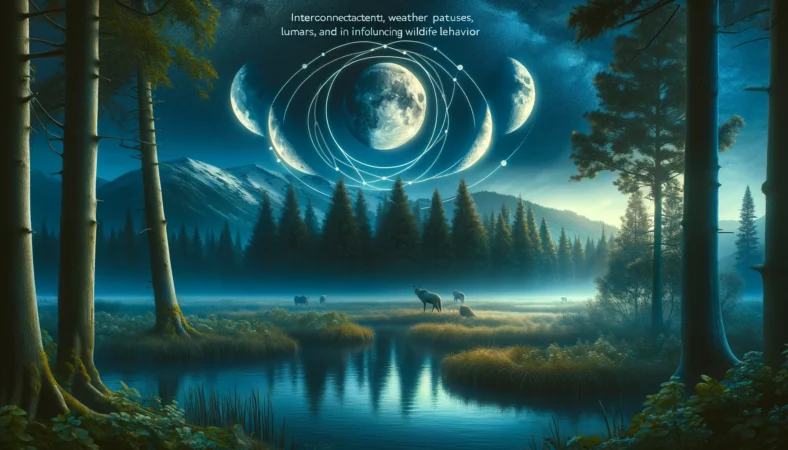
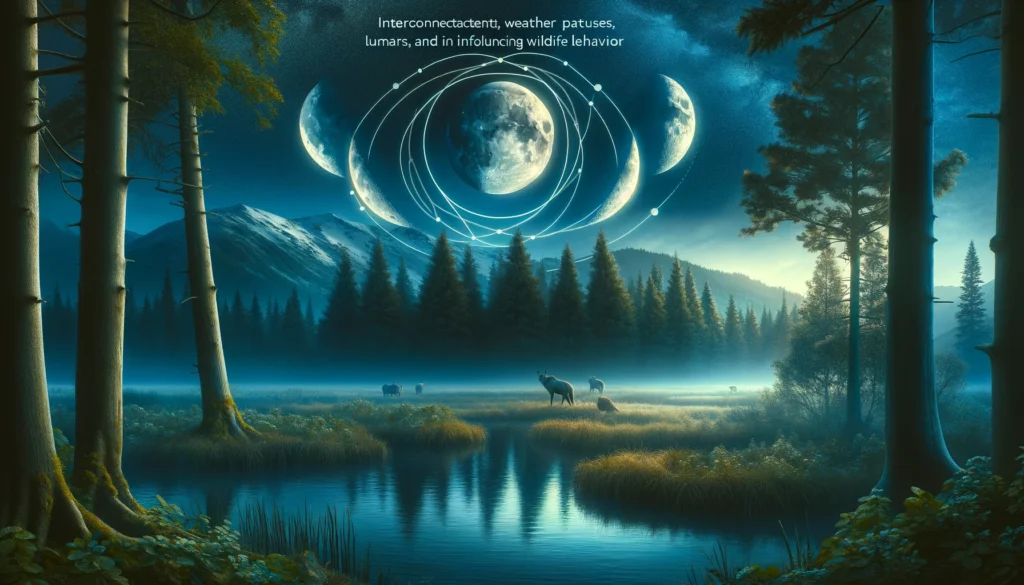
Nature’s intricate tapestry weaves together elements that, at first glance, seem unrelated. Yet, upon closer examination, the interconnectedness of weather, lunar phases, and the rut reveals a fascinating narrative that shapes wildlife behavior. In this comprehensive guide, we delve into the heart of these connections, exploring how they influence each other and the implications for both animals and humans.

Introduction

Have you ever wondered why animals behave the way they do? Or how ancient hunters knew the best times to find their quarry? The answers lie in the natural world’s rhythm, where the weather, the moon, and the rut play pivotal roles. This guide aims to uncover the secrets behind these natural phenomena and their impact on wildlife, offering insights for enthusiasts, hunters, and nature lovers alike.

Chapter 1: The Power of Weather

The Impact of Seasons

Weather patterns significantly influence animal behavior, particularly as seasons change. But how exactly does this happen? Let’s explore the effects of seasonal transitions on wildlife and their activities.

Extreme Weather and Wildlife Adaptations

Extreme weather conditions, from blistering heatwaves to freezing cold snaps, test the adaptability of animals. This section examines how wildlife survives and thrives against the odds, adapting to their ever-changing environments.

Chapter 2: The Lunar Influence

Moon Phases and Animal Behavior

The moon’s phases have long been believed to affect wildlife behavior. But what does science say? Here, we investigate the lunar influence on animal activities, debunking myths and uncovering truths.

Hunting by Moonlight: Ancient Practices to Modern Strategies

From ancient times to modern hunting strategies, the moon’s phases have guided humans in their quest for food and sport. Discover how the lunar calendar influences hunting tactics and wildlife movement.

Chapter 3: Understanding the Rut

The Rut Explained: A Season of Love and Conflict

The rut, a period of increased sexual activity in mammals, especially deer, is a time of dramatic changes and behaviors. Understand the biological and environmental triggers that initiate this fascinating period.

Weather, the Moon, and the Rut: A Dynamic Trio

How do weather and lunar phases impact the rut? This crucial section connects the dots, revealing the complex interplay between these natural phenomena and how they synchronize to dictate wildlife behavior.

Chapter 4: Observations and Implications

Impacts on Ecosystems and Biodiversity

The interaction between weather, lunar phases, and the rut has profound implications for ecosystems and biodiversity. Explore the ripple effects through the lens of conservation and ecological balance.

Applications for Hunters and Wildlife Enthusiasts

Armed with knowledge about these natural phenomena, hunters and wildlife enthusiasts can enhance their understanding and practices. Learn how to apply this information for more ethical and successful hunting and wildlife observation.

Conclusion: The Symphony of Nature

Nature’s symphony plays a complex melody, where the weather, the moon, and the rut are interconnected movements. By examining these elements, we gain a deeper appreciation for the natural world and our place within it. As we close this guide, remember that understanding these relationships not only enriches our experiences in nature but also reminds us of our responsibility to protect and preserve our planet for future generations.

Frequently Asked Questions (FAQs)

1. How does the weather affect wildlife behavior?

Weather patterns, particularly changes in seasons, significantly impact wildlife behavior by influencing migration patterns, breeding cycles, and foraging habits. Animals adapt their activities based on temperature, precipitation, and seasonal changes to optimize survival and reproductive success.

2. Do lunar phases really influence animal behavior?

Yes, lunar phases can influence animal behavior. Research indicates that certain animals are more active during full moon nights, possibly due to increased visibility for nocturnal hunting or mating activities. However, the extent of this influence can vary widely among different species.

3. What is the rut, and why is it important?

The rut refers to the mating season of mammals, particularly deer, when males engage in competitive behaviors to attract females for mating. It’s crucial for natural selection and maintaining healthy populations, as it ensures the strongest genes are passed on to the next generation.

4. Can understanding the rut improve hunting success?

Yes, understanding the rut can significantly improve hunting success. Hunters who are aware of the timing and behaviors associated with the rut can better predict animal movements and habits, leading to more ethical and successful hunts.

5. How do weather and lunar phases impact the rut?

Weather and lunar phases impact the rut by influencing the timing and intensity of mating behaviors. For example, certain weather conditions can trigger the start of the rut, while the brightness of the moon can affect nocturnal mating activities. Understanding these influences helps in predicting peak activity periods during the rut.

The Allure of the 200-Inch Whitetail: A Hunter’s Ultimate Dream

The pursuit of a 200-inch whitetail deer is more than a hobby; it’s a passion that borders on obsession for many hunters. This majestic animal represents not just the pinnacle of whitetail genetics but also a symbol of hunting prowess, patience, and sometimes, sheer luck. In this comprehensive guide, we’ll explore the allure of the 200-inch whitetail, uncovering why this milestone captivates hunters and how it shapes the ethos of deer hunting culture.

Understanding the 200-Inch Benchmark

What Makes a 200-Inch Whitetail Exceptional?

A whitetail deer’s antlers are measured using a system developed by the Boone and Crockett Club. This scoring system considers various dimensions, including antler length, circumference, and spread. A whitetail scoring 200 inches or more is a rarity, making it a highly coveted trophy among hunters.

The Genetics and Habitat of Giant Whitetails

The growth of such impressive antlers is influenced by genetics, nutrition, and age. Regions known for producing 200-inch whitetails often have optimal food sources, proper management practices, and minimal pressure, allowing deer to reach their full genetic potential.

The Chase for the Crown Jewel

Strategies for Hunting a 200-Inch Whitetail

Hunting a deer of this caliber requires more than just basic hunting skills. It involves meticulous scouting, understanding deer behavior, and often, the implementation of quality deer management (QDM) principles. We’ll delve into effective strategies that increase your odds of encountering a giant whitetail.

The Role of Patience and Perseverance

The journey toward harvesting a 200-inch whitetail is fraught with challenges. It tests a hunter’s patience, skill, and dedication. We’ll share inspiring stories of hunters who achieved this milestone, highlighting the persistence required to succeed.

The Impact on Conservation and Hunting Culture

Conservation Efforts Driven by the Quest

The allure of the 200-inch whitetail has positive ripple effects on conservation and habitat improvement efforts. Hunters and landowners invest in land management and conservation practices, aiming to create environments where whitetails can thrive.

Shaping the Ethos of Modern Deer Hunting

The pursuit of a 200-inch whitetail embodies the principles of ethical hunting, wildlife management, and the deep respect hunters have for nature. It’s a testament to the hunting community’s commitment to conservation and sustainable practices.

Equipment and Gear: The Hunter’s Arsenal

Choosing the right equipment is crucial in the quest for a 200-inch whitetail. From the latest in camouflage technology to advanced optics and firearms, we’ll recommend gear that can help tilt the odds in your favor.

Trail Cameras and Scouting Tools

Trail cameras have revolutionized the way hunters scout for big deer. We’ll discuss how to leverage these tools effectively to monitor potential trophy deer throughout the year.

Selecting the Right Firearm and Ammunition

The importance of precision and reliability cannot be overstated when hunting a trophy of this magnitude. We’ll guide you through selecting firearms and ammunition that offer the best performance for big whitetail hunting.

The Ethical Pursuit of a Legend

The Responsibility of the Hunter

With great trophies comes great responsibility. We’ll explore the ethical considerations of hunting big whitetails, emphasizing fair chase principles and the importance of wildlife management.

The Legacy of the 200-Inch Whitetail

The stories of 200-inch whitetails are not just about the hunters who pursue them but about the legacy these magnificent animals leave behind. They inspire generations of hunters to appreciate the beauty of nature, the thrill of the hunt, and the importance of conservation.

Conclusion: The Enduring Allure

The allure of the 200-inch whitetail lies not just in its rarity but in what it represents — a deep connection with the wilderness, a respect for wildlife, and the eternal hope that fuels every hunter’s dream. As we chase these elusive giants, we’re reminded of why we hunt: for the challenge, the conservation, and the camaraderie.

Frequently Asked Questions (FAQs)

1. What makes a whitetail deer score 200 inches?

Answer: A whitetail deer scores 200 inches based on its antler size, which is measured using the Boone and Crockett scoring system. This system evaluates various factors, including antler length, circumference, and spread. A score of 200 inches or more is rare and signifies an exceptional trophy.

2. How rare is a 200-inch whitetail deer?

Answer: Extremely rare. A 200-inch whitetail is a once-in-a-lifetime find for most hunters, representing less than 1% of the whitetail population. Such a trophy is a testament to superior genetics, optimal habitat, and the deer’s ability to mature fully.

3. What are the best places to hunt for a 200-inch whitetail?

Answer: Areas with rich agricultural land, managed woodlands, and robust conservation practices tend to produce 200-inch whitetails. States like Iowa, Illinois, Kansas, and Ohio are renowned for yielding trophy deer thanks to their habitat management and quality deer management practices.

4. Can anyone hunt for a 200-inch whitetail?

Answer: Yes, with the right preparation and knowledge. However, successfully hunting a 200-inch whitetail requires advanced scouting, understanding deer behavior, and sometimes access to managed lands that promote the growth of trophy deer. It’s also essential to practice ethical hunting and have patience.

5. How can I increase my chances of encountering a 200-inch whitetail?

Answer: Increase your chances by scouting year-round, using trail cameras effectively, managing food plots, and practicing scent control. Understanding the specific deer’s patterns and movements in your hunting area is crucial. Additionally, investing in quality gear and maintaining a high level of hunting ethics can improve your odds.

Mastering the Thrill of Nighttime Bowfishing for Carp: An In-Depth Guide

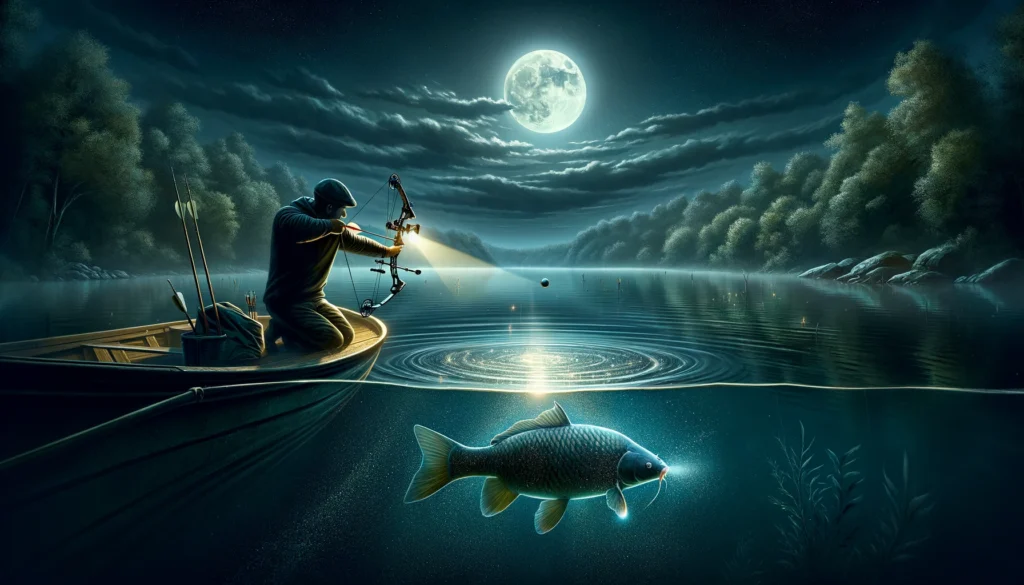
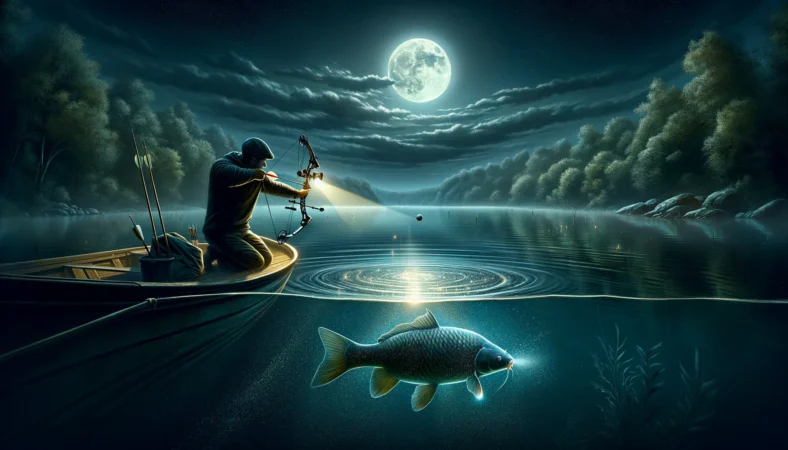
Nighttime bowfishing for carp presents a thrilling blend of archery and fishing under the cloak of darkness. This guide is crafted to navigate you through the intricacies of gearing up, locating your target, and refining your technique, all while emphasizing safety and environmental stewardship.

Understanding Nighttime Bowfishing

Nighttime bowfishing transforms the traditional daytime activity into a challenging and rewarding nocturnal pursuit. Carp, often underestimated, become the coveted targets, offering bowfishers a unique blend of sport and conservation efforts.

The Appeal of Targeting Carp at Night

Carp, with their notorious reputation for adaptability and proliferation, make for an ideal target. They thrive in various environments, often outcompeting native species and altering habitats. Nighttime bowfishing not only adds an element of challenge but also aids in controlling these invasive populations, contributing positively to local ecosystems.

Essential Gear and Equipment

The right equipment is paramount for success and safety in nighttime bowfishing. Here’s a more detailed look at what you’ll need:

Advanced Lighting Systems

  • Submersible LED Lights: Enhance visibility and attract fish by submerging LED lights around your boat.
  • High-Powered Spotlights: Useful for scanning larger areas and spotting carp from a distance.

Specialized Bowfishing Gear

  • Bow: Opt for a bow specifically designed for bowfishing, with adequate water resistance and durability.
  • Arrows and Points: Use fiberglass or carbon arrows equipped with specially designed points that prevent fish from detaching.

Personal Safety Equipment

  • Reflective Clothing: Ensure you’re visible to others on the water.
  • Waterproof Communication Devices: Keep in touch with your team, especially in remote areas.

Advanced Techniques and Strategies

Stalking and Positioning

Learn to move quietly and position your boat strategically to avoid spooking fish. Carp are sensitive to noise and sudden movements, so patience and stealth are key.

Shooting Accuracy and Refraction Compensation

Mastering the art of compensating for water refraction is crucial. Practice shooting in various water conditions to understand how light bending affects your perception of the fish’s location.

Ethical Considerations and Conservation

  • Selective Harvesting: Focus on invasive species and practice catch-and-release with native species when possible.
  • Respectful Disposal: Properly dispose of carp to avoid wastage and environmental harm.

Navigating Legalities and Permissions

Always verify local regulations regarding bowfishing, night fishing, and specific rules about targeting carp. Some areas might have restrictions or require specific permits.

Enhancing the Experience

  • Use of Drones: For scouting and getting an aerial view of fish movements and habitat structures.
  • Photography and Videography: Document your adventures with waterproof cameras and action cams for breathtaking night shots.

Advanced Bowfishing Insights

Adaptive Strategies for Different Water Bodies

  • Rivers and Streams: Focus on areas where carp might congregate, such as near obstructions or in slower-moving water.
  • Lakes and Ponds: Look for carp in shallow, warm areas, especially near vegetation where they feed at night.

Understanding the behavior of carp in various environments can significantly increase your chances of a successful catch.

Environmental Impact and Carp Management

  • Habitat Restoration: Participate in initiatives that aim to restore habitats affected by invasive carp populations. Bowfishing can be part of a larger conservation effort.
  • Community Engagement: Engage with local fishing communities to share insights, strategies, and promote sustainable practices.

Leveraging Technology for Enhanced Efficiency

  • GPS and Fish Finders: Use these technologies to map out potential hotspots and save time when scouting locations.
  • Mobile Apps: Several apps are designed for anglers and bowfishers, offering features like weather forecasts, lunar calendars, and community reports.

Mental and Physical Preparedness

  • Stamina and Strength Training: Bowfishing, especially at night, can be physically demanding. Regular exercise can improve your stamina and strength for drawing the bow and maneuvering the boat.
  • Mindfulness and Patience: The quiet of night fishing requires a calm, patient approach. Practice mindfulness to enhance your focus and enjoy the serene environment.

FAQs: Nighttime Bowfishing for Carp

1. Is nighttime bowfishing for carp legal everywhere?

Answer: No, it’s subject to local and state regulations. Always check the laws in your area before heading out.

2. What makes carp a popular target for nighttime bowfishing?

Answer: Carp are abundant, provide a challenge due to their size and behavior, and are often considered invasive, making their removal beneficial for local waterways.

3. How do I ensure my safety while bowfishing at night?

Answer: Wear a life jacket, use proper lighting, communicate with your team, and always be aware of your surroundings.

4. Can I use my regular hunting bow for bowfishing?

Answer: Yes, but it needs modifications like adding a reel and using appropriate arrows. Dedicated bowfishing bows are recommended for optimal performance.

5. How do I deal with the refraction of light in water?

Answer: Practice and experience are key. Aim lower than the apparent position of the fish, adjusting based on the depth and angle of your shot.

Conclusion: Embracing the Nighttime Bowfishing Adventure

Nighttime bowfishing for carp is more than a sport; it’s an adventure that tests your skills, patience, and respect for nature. It offers a unique way to experience the outdoors, under the cloak of darkness, where every sense is heightened, and every catch feels like a triumph. Beyond the thrill of the hunt, it’s a practice in conservation, helping to manage populations of invasive species and contributing to the health of aquatic ecosystems. By engaging in this activity, bowfishers not only enjoy the excitement of the chase but also play a crucial role in environmental stewardship.

Exit mobile version