Conquering the Mind: Overcoming Target Panic and Mastering Shot Execution in Bowhunting

Introduction

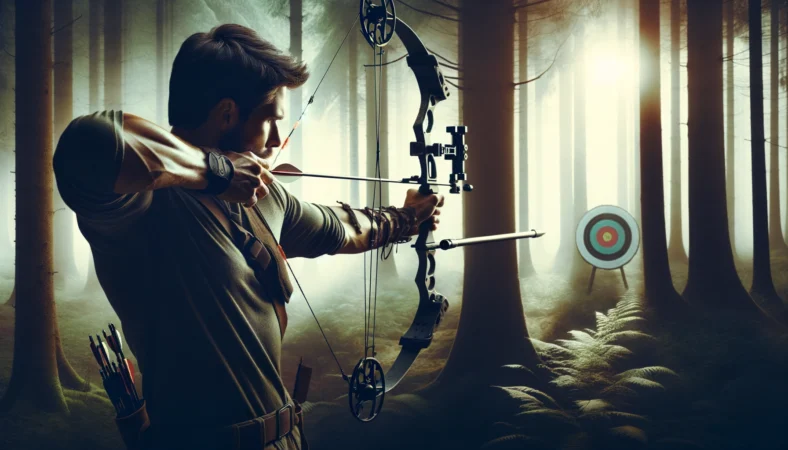
In the world of bowhunting, where precision meets patience, a hunter’s greatest adversary often lies within. Target panic, a psychological hurdle faced by many archers, can disrupt even the most seasoned hunter’s shot execution. This comprehensive guide explores the nature of target panic and provides strategies for overcoming it, ensuring your arrows find their mark with unwavering accuracy.


Understanding Target Panic

Defining the Phenomenon

Target panic is a complex condition characterized by an involuntary response to the act of aiming and releasing an arrow. Symptoms may include rushing the shot, freezing upon target acquisition, or an inability to release the arrow altogether.

Psychological Roots

At its core, target panic stems from the pressure of performance and the fear of failure. It’s a manifestation of anxiety that disrupts the hunter’s focus and muscle memory, cultivated through practice.


Strategies for Overcoming Target Panic

Acknowledgment and Acceptance

  • First Step to Recovery: Recognizing and admitting to experiencing target panic is crucial. Acceptance paves the way for a constructive approach to overcoming the challenge.

Back to Basics

  • Form and Technique: Revisit the fundamentals of shooting form and technique. Ensuring a solid foundation can often alleviate the symptoms of target panic by reinforcing confidence in the mechanics of shooting.

Mental Reconditioning

  • Visualization: Practice visualizing successful shots, focusing on the process rather than the outcome. This mental exercise can help rewire your response to aiming and releasing.
  • Mindfulness and Relaxation: Techniques such as deep breathing, meditation, and progressive muscle relaxation can reduce anxiety and improve focus during shooting.

Training Aids and Drills

  • Blank Bale Shooting: Practice shooting at a blank target (a bale of hay or a target without a bulls-eye) to focus purely on form and release without the pressure of accuracy.
  • Release Aids: For compound bowhunters, experimenting with different release aids can help. A hinge or resistance release aid requires a different execution method that can disrupt the panic cycle.
  • Slow Motion Training: Execute your shot process in slow motion, focusing on each step. This drill enhances awareness of each phase of the shot, from nocking the arrow to follow-through.

Mastering Shot Execution

Pre-Shot Routine

Develop a consistent pre-shot routine. This ritual before each shot can help calm the mind, ensuring focus and consistency. It should include stance, grip, draw, anchor, aim, and breath control.

Focus on the Process, Not the Outcome

Concentrate on executing a flawless shot rather than the fear of missing the target. Trust in your training and let muscle memory guide your actions.

Continuous Practice

Practice under various conditions and distances. Exposure to different scenarios can build confidence and adaptability, reducing anxiety during actual hunts.

Enhancing Focus and Concentration

Target Visualization Techniques

  • Mental Imagery: Practice visualizing the perfect shot in your mind’s eye, from draw to release, focusing on the feel of each step rather than the visual outcome. This technique enhances muscle memory and builds confidence in your ability to execute the shot subconsciously.

Concentration Exercises

  • Single-Point Focus: Train your mind to focus on a single point or aspect of your routine to prevent overwhelming thoughts. This could be the sensation of the grip, the tension of the draw, or the rhythm of your breathing.

Adjusting Practice Routines

Incremental Distance Shooting

  • Progressive Distances: Start practicing at very close ranges where hitting the target is almost guaranteed. Gradually increase the distance as your confidence and accuracy improve, helping to rebuild trust in your shooting ability without overwhelming anxiety.

Pressure Simulation

  • Mock Hunting Scenarios: Simulate hunting pressure in safe environments by setting personal challenges or competing with friends. This can help acclimate you to the feelings experienced during an actual hunt, making them more manageable.

Equipment Check and Customization

Bow Tuning and Maintenance

  • Regular Check-ups: Ensure your bow is properly tuned and maintained. A well-functioning bow can boost confidence, while any inconsistency in performance might exacerbate target panic.

Personalization for Comfort

  • Custom Grips and Strings: Customize your bow with grips that fit your hand comfortably and strings that suit your draw length. Personalization can make the shooting process feel more natural and less strained.

Building a Support System

Joining Archery Communities

  • Seek Support and Advice: Engaging with local or online archery communities can provide support, advice, and encouragement from those who have faced similar challenges.

Professional Coaching

  • Expert Guidance: Consider hiring a coach who specializes in overcoming target panic. Expert guidance can offer personalized strategies and feedback that hasten improvement.

Embracing a Holistic Approach

Physical Wellness

  • Regular Exercise: Physical fitness can improve your overall shooting stance and endurance, reducing the physical stress that can contribute to target panic.

Nutrition and Hydration

  • Balanced Diet: A balanced diet and proper hydration can affect your energy levels, concentration, and stress management, indirectly impacting your performance.

Adequate Rest

  • Quality Sleep: Ensure you’re getting enough rest. Fatigue can impair focus and amplify anxiety, hindering your ability to remain calm and collected during shooting.

By integrating these additional practices and approaches into your routine, you not only work towards overcoming target panic but also towards enhancing your overall performance and enjoyment of bowhunting. These strategies, combined with persistence and patience, pave the way for a fulfilling and successful hunting experience.

Now, let’s proceed to the conclusion.

Conclusion

Overcoming target panic is a journey of mental fortitude and dedication. By acknowledging the challenge, revisiting the basics, employing mental reconditioning strategies, and focusing on shot execution, hunters can regain control over their shots. Remember, the path to mastery is paved with patience and perseverance. Embrace the process, and let every arrow released be a testament to your resilience and commitment to the art of bowhunting.


Frequently Asked Questions (FAQs)

1. How common is target panic among bowhunters?

Target panic is quite common, affecting archers and bowhunters at all levels of experience. It’s a natural response to the pressures of precision and performance.

2. Can target panic be completely cured?

While target panic can be a persistent challenge, many hunters successfully manage or significantly reduce its impact through consistent practice, mental conditioning, and sometimes, coaching.

3. Is switching to a different type of bow helpful?

Changing equipment can offer a temporary respite but addressing the underlying psychological aspects is crucial for a long-term solution.

4. How long does it take to overcome target panic?

The time varies widely among individuals, depending on the severity of the condition, the strategies employed, and the consistency of practice. Patience and persistence are key.

5. Can target panic reoccur after it has been overcome?

Yes, target panic can reoccur, especially during periods of high stress or after a break from shooting. Continuous practice and mental conditioning can help keep it at bay.

Embrace these strategies and embark on your journey to overcome target panic, transforming it from a hindrance into a milestone of your bowhunting prowess.
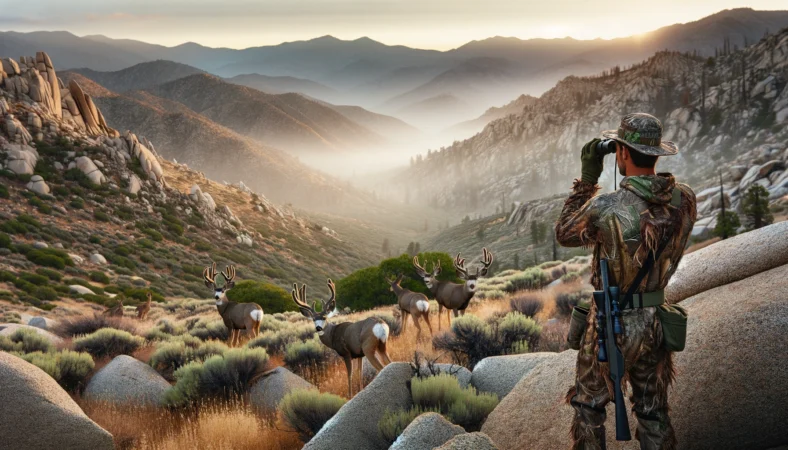
Becoming a Muley Fanatic: The Ultimate Guide to Mule Deer Hunting

Introduction

Embarking on the journey to become a mule deer fanatic is to embrace the challenge of pursuing one of North America’s most majestic and elusive game animals. Mule deer, with their distinctive large ears and bounding gate, inhabit some of the continent’s most breathtaking landscapes. This guide is designed to equip you with the knowledge, skills, and respect for nature needed to pursue these remarkable creatures effectively.

Chapter 1: Understanding Mule Deer

Biology and Behavior

Mule deer are highly adaptable creatures, with habitats ranging from the dense forests and mountainous regions of the West to the arid deserts of the Southwest. Understanding their biology and behavior is crucial for any hunter. This includes recognizing the differences between subspecies, such as the Rocky Mountain mule deer and the desert mule deer, and adapting your strategies accordingly.

Seasonal Movements

Mule deer are known for their seasonal migrations, moving from high-altitude summer ranges to lower elevations in the winter. These migrations can cover significant distances, and understanding these patterns is key to locating them throughout the year.

Chapter 2: Gear and Preparation

Optics

Quality optics are essential for spotting mule deer in vast, open landscapes. A durable, high-power binocular and spotting scope can help identify animals from afar, reducing unnecessary stalking and increasing your chances of a successful hunt.

Camouflage and Scent Control

Mule deer have keen senses. Investing in quality camouflage that matches the terrain and practicing strict scent control can give you the edge you need to approach undetected.

The Right Weapon

Whether you prefer a rifle, bow, or muzzleloader, selecting the right weapon for your hunt and mastering its use is paramount. Consider the typical ranges you’ll be shooting, the terrain, and the time of year when making your choice.

Chapter 3: Hunting Tactics

Spot and Stalk

The vast habitats mule deer occupy often lend themselves well to spot-and-stalk hunting. This method requires patience, stealth, and a deep understanding of the deer’s behavior and the terrain.

Ambush Hunting

Setting up ambushes along known travel corridors or near food sources can also be highly effective, especially during the rut when mule deer are more predictable.

Calling and Decoying

While not as commonly used as in whitetail hunting, strategic use of calls and decoys can sometimes lure in a curious or territorial buck.

Advanced Field Skills for Mule Deer Hunting

Understanding Weather Patterns

  • Weather’s Influence: Mule deer behavior can change dramatically with the weather. Before and after storm systems, mule deer are often more active, making these prime times to hunt.
  • Temperature Effects: Cooler temperatures typically increase daytime activity, especially during the early hours and just before sunset.

Elevation Tactics

  • High Ground Advantage: Utilize high vantage points for glassing. Elevation allows for a broader view to spot mule deer moving or feeding in the distance.
  • Acclimatization: When hunting at high altitudes, give yourself time to acclimatize to prevent altitude sickness, which can affect your physical ability and alertness.

Water Sources as Focal Points

  • Dry Climate Strategy: In arid regions, water sources can be hotspots for mule deer activity, especially in early morning and late afternoon. Setting up a quiet, concealed position downwind from a water source can be effective.

Mule Deer Conservation and Ethics

Habitat Preservation: Engage in or support conservation efforts aimed at preserving mule deer habitat. This includes participating in local wildlife management programs and advocating for the protection of migration corridors.

Ethical Harvesting: Commit to ethical hunting practices, aiming for clean, quick kills. This respects the animal and ensures suffering is minimized. Know your weapon’s effective range and practice regularly to maintain accuracy.

Post-Harvest Responsibilities:

  • Field Dressing: Quickly and efficiently field-dressing the deer is crucial for preserving the meat. Understanding how to properly process the animal in the field is a key skill.
  • Leave No Trace: Practice “leave no trace” principles by packing out all waste, including spent cartridges or trash, to maintain the natural beauty and integrity of the hunting area.

Community Engagement and Education

Mentorship: Share your knowledge and passion with new hunters. Mentorship is vital for passing on ethical hunting traditions and skills to the next generation.

Continuous Learning: Stay informed about mule deer research, hunting regulations, and conservation issues. Attend workshops, join hunting and conservation groups, and participate in forums to deepen your understanding and contribute to the community.

Physical and Mental Preparation

Physical Fitness: Mule deer hunting often involves traversing difficult terrain and long stalks. Regular physical conditioning, including cardio and strength training, will improve your endurance and ability in the field.

Mental Resilience: Patience and persistence are crucial. Develop mental toughness to cope with challenging conditions, long waits, and, at times, unsuccessful hunts. Viewing each experience as a learning opportunity fosters growth and resilience.

By incorporating these advanced strategies and ethical considerations into your mule deer hunting practice, you not only enhance your success in the field but also contribute to the conservation of these magnificent animals and their habitats. Hunting is not just about the pursuit but also about understanding and respecting the natural world, ensuring that mule deer and other wildlife populations thrive for generations to come.

Conclusion

Becoming a mule deer fanatic is a journey that demands dedication, respect for the animal, and an unending desire to learn and adapt. It’s a pursuit that challenges both the body and the mind, offering unparalleled rewards in the beauty of the hunt and the majesty of the mule deer.

Frequently asked questions

1. How can I distinguish between mule deer and other deer species from a distance?

  • Answer: Mule deer are characterized by their large, mule-like ears, which can be as much as three times longer than a white-tailed deer’s ears. They also have a different tail appearance, with a white underside and a black tip. Additionally, their bounding leap, known as “stotting,” where all four feet push off and land on the ground simultaneously, is distinctive.

2. What’s the best way to practice shooting for mule deer hunting?

  • Answer: The best practice combines shooting at static targets for accuracy and moving targets to simulate real hunting scenarios. Incorporate various shooting positions and distances, especially those you expect to encounter in the field. Utilize 3D archery ranges for bowhunters or sporting clay courses for rifle shooters to enhance your skills under more dynamic conditions.

3. Is camouflage necessary for hunting mule deer, given their strong reliance on hearing and smell?

  • Answer: Yes, while mule deer do rely heavily on their hearing and smell, their vision is also acute, especially in detecting movement. Effective camouflage helps break up your outline and blend in with the surrounding environment, making you less noticeable, especially when you need to make slight movements to take a shot.

4. Can I hunt mule deer without a guide in unfamiliar territory?

  • Answer: While it’s possible to hunt mule deer without a guide, doing thorough research and preparation is crucial, especially in unfamiliar territory. Study maps, understand local regulations, and possibly scout the area ahead of time. However, a guide can offer invaluable local knowledge, increase your chances of success, and provide safety in remote or rugged areas.

5. How do I obtain permission to hunt on private land known for mule deer activity?

  • Answer: The key to obtain permission to hunt on private land is to ask respectfully and well in advance of the hunting season. Contact the landowner or manager, express your interest in ethical hunting, and offer to share the game or help with land management tasks in return. Building a positive relationship based on trust and respect is crucial. Always follow through on any agreements made and express your appreciation for any access granted.

Mule Deer on the Edge: Navigating the Challenges of Habitat and Survival

Mule deer, majestic and adaptive, have long roamed the vast landscapes of North America, from the dense forests of the Pacific Northwest to the arid deserts of the Southwest. However, these resilient creatures now find themselves on the edge, both literally and figuratively, as they navigate the ever-increasing challenges of changing habitats, climate shifts, and human encroachment. This exploration delves into the life of mule deer, their ecological significance, and the conservation efforts crucial for their survival.

Understanding Mule Deer

Mule deer, distinguished by their large, mule-like ears, are a vital part of North America’s biodiversity. They are not just a cherished sight for wildlife enthusiasts but also play a crucial role in their ecosystems as a keystone species. By grazing, they help maintain plant diversity and serve as prey for predators, keeping the ecological balance intact.

Habitat and Behavior

Mule deer are adaptable creatures, inhabiting a wide range of environments. They migrate seasonally between their summer and winter habitats, covering significant distances to find food and shelter. These migrations are spectacular yet perilous journeys, fraught with obstacles both natural and artificial.

The Edge of Existence

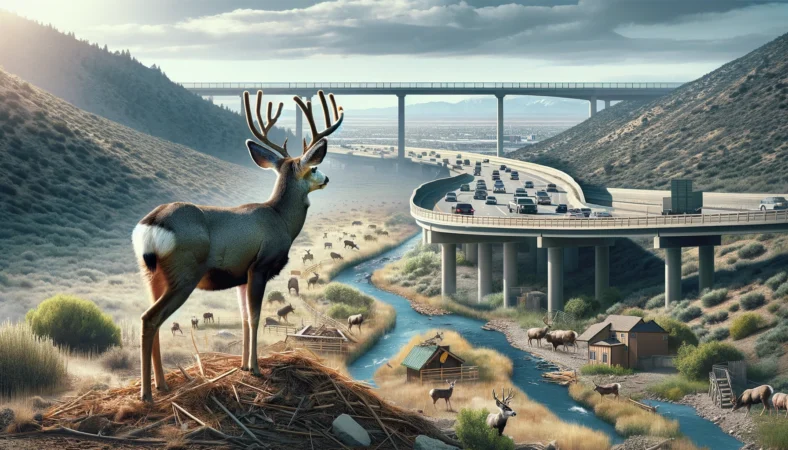
The term “on the edge” captures the precarious state of mule deer populations. Urban expansion, agriculture, roads, and fences have fragmented their habitats, disrupting migration routes and limiting access to critical resources. Climate change compounds these challenges, altering the availability of water and forage and shifting predator-prey dynamics.

Human Impacts

The expansion of human activities into mule deer habitats has led to increased conflicts. Vehicle collisions, a direct result of their habitats being bisected by roads, are a significant mortality factor for mule deer. Moreover, competition for resources with livestock, exposure to diseases, and poaching further threaten their numbers.

Conservation Efforts

Recognizing the decline in mule deer populations, wildlife agencies, conservation groups, and researchers are collaborating on strategies to ensure their future. These efforts include:

  • Habitat Restoration: Rejuvenating degraded habitats and protecting vital areas from development.
  • Corridor Conservation: Establishing and safeguarding migration corridors to ensure safe passage between seasonal habitats.
  • Research and Monitoring: Collecting data on population dynamics, health, and migration patterns to inform management decisions.
  • Community Engagement: Educating the public on the importance of mule deer conservation and promoting coexistence strategies.

The Path Forward

The conservation of mule deer is a complex issue that requires a multifaceted approach. It’s not just about protecting a single species but preserving the integrity of entire ecosystems. As we move forward, it will be essential to balance human needs with wildlife conservation, ensuring that mule deer, and other species on the edge, have a secure place in our shared landscape.

Collaboration is Key

Successful conservation outcomes hinge on collaboration among government agencies, non-profit organizations, scientists, and the public. By working together, we can develop and implement solutions that address the root causes of mule deer decline, ensuring these iconic animals continue to thrive for generations to come.

A Call to Action

Mule deer on the edge serve as a reminder of our interconnectedness with the natural world and the urgency of conservation efforts. By supporting habitat protection, advocating for wildlife-friendly policies, and practicing responsible outdoor ethics, we can all contribute to the resilience and survival of mule deer populations across North America.

Innovative Conservation Strategies

Wildlife Overpasses and Underpasses

One of the most promising developments in mule deer conservation is the construction of wildlife overpasses and underpasses. These structures are designed to provide safe crossing points over or under busy roadways, significantly reducing vehicle collisions. The success of such projects in various parts of North America has highlighted the importance of infrastructure that accommodates the natural movements of wildlife.

Advanced Tracking Technology

The use of GPS collars and satellite tracking has revolutionized the study of mule deer migrations and habitat use. By tracking individual animals, researchers can identify critical feeding grounds, pinpoint migration bottlenecks, and understand the impact of environmental changes on deer behavior. This data is invaluable for creating targeted conservation plans.

Ecosystem-Wide Management

Conserving mule deer requires a holistic approach that considers the entire ecosystem. This includes managing predator populations, such as wolves and mountain lions, in a way that balances the needs of all species. Additionally, controlling invasive plant species that compete with native vegetation for water and nutrients is crucial for maintaining healthy habitats.

Public Land Policies

Public lands play a vital role in providing habitat for mule deer. Advocating for land management policies that prioritize wildlife conservation can help protect these areas from development and degradation. This includes supporting initiatives that limit resource extraction activities, such as logging and mining, in critical habitats.

The Role of Hunters in Conservation

Hunters have a vested interest in the health and sustainability of mule deer populations. Many contribute to conservation efforts through license fees, donations to wildlife organizations, and participation in habitat restoration projects. Ethical hunting practices, including adherence to quotas and regulations, also help maintain balanced deer populations.

Citizen Science Programs

Engaging the public in citizen science projects, such as winter range surveys and habitat assessments, empowers individuals to contribute directly to conservation efforts. These programs not only provide valuable data but also foster a deeper connection between people and the natural world.

Challenges Ahead

Despite these efforts, mule deer face ongoing challenges. Climate change, in particular, poses a significant threat, altering ecosystems and exacerbating water scarcity. Addressing these issues will require concerted action and adaptive management strategies that can evolve in response to changing conditions.

Conclusion: A Unified Effort for the Future

The story of mule deer on the edge is a call to action for conservationists, policymakers, and the public. It underscores the need for a unified effort to safeguard these majestic creatures and their habitats. Through innovative strategies, collaborative conservation efforts, and a commitment to ecosystem-wide management, we can ensure that mule deer continue to thrive in North America’s changing landscapes.

As we move forward, let us remember that the fate of mule deer is intrinsically linked to the health of our planet. Their survival is a testament to the resilience of nature and a reminder of our responsibility to protect it. By standing on the edge together, we can turn the tide for mule deer and countless other species that depend on our shared world.

Frequently Asked Questions (FAQs) about Mule Deer Conservation

1. Why are mule deer migrations so important to their survival?

  • Mule deer migrations are crucial because they allow these animals to access different habitats throughout the year that are essential for their survival. Spring migrations lead them to higher elevation areas with fresh growth for summer feeding, while fall migrations take them to lower, warmer areas to avoid deep snow and find food in winter. These migrations are critical for maintaining healthy populations by ensuring access to necessary resources in each season.

2. How do urban development and roads impact mule deer populations?

  • Urban development and roads fragment habitats and create barriers to traditional migration routes, leading to decreased access to essential feeding and breeding areas. Roadways also pose a significant risk to mule deer through vehicle collisions, which can significantly impact local populations. Fragmentation also isolates populations, reducing genetic diversity and making them more vulnerable to diseases and environmental changes.

3. What role does climate change play in the conservation of mule deer?

  • Climate change affects mule deer in several ways, including altering their habitats, shifting the availability of food sources, and changing migration patterns. Increased temperatures and changing precipitation patterns can lead to habitat loss, reduced food quality, and water scarcity. Additionally, climate change can exacerbate the spread of diseases and increase the frequency of wildfires, further threatening mule deer habitats.

4. How can individuals contribute to mule deer conservation?

  • Individuals can contribute to mule deer conservation by supporting wildlife conservation organizations financially or through volunteer work, advocating for policies that protect natural habitats, participating in citizen science projects to aid in research, and practicing ethical outdoor activities that minimize impact on wildlife. Educating others about the importance of conservation and the challenges faced by mule deer is also vital.

5. Are conservation efforts showing positive results for mule deer populations?

  • Yes, conservation efforts, including habitat restoration, the establishment of wildlife corridors, and the implementation of sustainable land management practices, have shown positive results in some areas. These efforts have helped to stabilize or increase certain mule deer populations, improve genetic diversity, and enhance the overall health of the ecosystems they inhabit. Continued support and adaptive management strategies are essential to build on these successes and address ongoing and future challenges.

7 Signs the Rut is On: Decoding Nature’s Clues for Peak Deer Activity

Introduction

The deer rut, an annual mating ritual, transforms the woods into a stage for one of nature’s most dynamic performances. For hunters, understanding the subtle and overt signs of the rut’s commencement is crucial. Here, we delve deeper into the first three indicators that signal the rut is in full swing, providing hunters with the knowledge to strategically position themselves for success.


1. Unmistakable Increase in Buck Movement

Daylight Activity

One of the first and most noticeable signs of the rut’s onset is the marked increase in buck activity during daylight hours. As the days shorten and the urge to mate intensifies, mature bucks, which are typically nocturnal and elusive, begin to venture out in search of does. This behavioral shift presents hunters with rare opportunities to encounter these majestic animals during hunting hours.

Abandoning Caution

The breeding imperative drives bucks to abandon their usual caution, making them more likely to cross open areas and utilize trails and paths they normally avoid. This boldness can lead to increased sightings along field edges, water sources, and crossing points, areas where hunters can strategically place themselves for a successful hunt.

Understanding Buck Behavior

To capitalize on this increased movement, hunters should focus on areas known for doe activity. Placing stands or blinds near feeding areas, water sources, or known travel corridors can significantly increase the chance of intercepting a buck on the move. Additionally, paying attention to wind direction and minimizing human scent is crucial, as bucks, though more active, are still wary of unfamiliar smells.


2. The Telltale Signs of Scrapes and Rubs

Scrapes: The Forest’s Bulletin Boards

Scrapes, created by bucks as they paw at the ground to expose mineral-rich soil, serve as communication hubs where multiple deer can exchange scent information through their interdigital and tarsal glands. The presence of fresh scrapes, often found along travel routes or near bedding areas, signals that bucks are actively marking territory and signaling their readiness to does.

Rubs: Markers of Presence and Strength

Rubs, created when bucks use their antlers to strip the bark from trees, serve multiple purposes. They visually mark territory, deposit scent from glands in the forehead, and help bucks strengthen their neck and shoulder muscles for upcoming battles. Fresh rubs, especially those on larger trees, indicate a strong, dominant buck is in the area.

Strategic Use of Scrapes and Rubs

Hunters can use the presence of fresh scrapes and rubs to their advantage by setting up nearby, downwind of these signposts. Since bucks frequently check and re-mark these locations, especially during early morning and late evening, they offer prime spots for ambush. However, it’s essential to approach these areas with stealth, as bucks will be on high alert for any disturbances.


3. The Chase: A Preeminent Sign of Rutting Activity

The Pursuit Begins

The sight of a buck chasing a doe is perhaps the most definitive sign that the rut is in full force. This behavior indicates that does are nearing or in estrus and bucks are becoming increasingly aggressive in their pursuits. The chase can be a frenetic display of nature’s raw vitality, with bucks doggedly following does, often paying little heed to their surroundings.

Interpreting the Chase

For hunters, witnessing chasing behavior is a clear indicator to be on high alert. These chases can suddenly bring deer into range, offering opportunities for a shot. Positioning near areas where does are known to bed or feed can increase the likelihood of encountering a chase.

Patience is Key

While the chase can be exciting, it’s important for hunters to remain patient and wait for a clear, ethical shot. Bucks in pursuit may move quickly and unpredictably, making it challenging to aim accurately. Waiting for a moment when the buck slows or stops ensures a responsible shot, increasing the chances of a successful hunt.

4. Observing Does for Indirect Rut Indicators

One of the more nuanced strategies in discerning the peak of the rut involves closely monitoring the behavior of does. While bucks exhibit overt signs of rutting activity, does present subtler cues that can signal their readiness to mate. During the early phases of the rut, does may seem more skittish and mobile, often moving in groups and displaying heightened alertness. As estrus approaches, their behavior shifts; they might separate from the group, become more solitary, or show signs of restlessness. This behavior attracts bucks, who may follow or gently herd does, indicating the rut’s progression. Hunters can use these observations to predict when bucks will be most active in pursuit, adjusting their hunting strategies to be in the right place at the right time.

5. Vocalizations: The Sounds of the Rut

The rut season transforms the quiet woods into a symphony of deer sounds, with each vocalization carrying specific meanings and intentions. Bucks grunt more frequently and intensely during the rut, a sound that signals their presence to does and challenges to potential rivals. This deep, guttural call can vary in intensity, from soft contact grunts to aggressive, challenging sounds. Another notable vocalization is the snort-wheeze, used by bucks to intimidate rivals and assert dominance. Hunters can mimic these sounds using calls to attract bucks, hoping to lure them into the open by appealing to their instincts to defend their territory or pursue a potential mate.

6. Changes in Deer Group Dynamics

The rut also brings significant changes to deer social structures and group dynamics. Outside the rutting season, bucks may form bachelor groups, and does with their fawns stick together in maternal groups. However, as the rut approaches, these social structures dissolve. Bachelor groups disband as bucks become more solitary or start following doe groups, anticipating the estrus cycle. Observing these shifting dynamics provides hunters with clues to the rut’s phase. An increase in mixed-gender group sightings, particularly with solitary bucks trailing doe groups, often signifies the rut’s peak. Positioning near these dynamic interactions increases the likelihood of encountering mature bucks focused on does rather than their safety.

7. Environmental and Seasonal Influences

Lastly, environmental factors and broader seasonal cues play a crucial role in understanding and predicting rut activity. While the rut is triggered by photoperiod—the amount of daylight—temperature, weather patterns, and moon phases can influence its intensity and visibility. For instance, unseasonably warm weather may suppress daytime activity, pushing rutting behavior into cooler evenings or mornings. Conversely, a sudden cold snap can invigorate daytime movement. Hunters attuned to these environmental cues and how they affect deer behavior can adjust their hunting times and strategies accordingly, optimizing their chances of success during the rut.

Conclusion

Understanding and recognizing these seven signs of the rut demand patience, observation, and a deep connection with the natural world. Each sign, from the overt displays of bucks to the subtle shifts in doe behavior and the influence of environmental factors, offers insights into the rhythm of the rut. For hunters, these signs provide a strategic advantage, allowing them to anticipate deer movements and behaviors, increasing their chances of a successful hunt. As always, ethical hunting practices should guide your actions, ensuring that the pursuit of deer during this pivotal season respects the balance of nature and the well-being of the animals themselves.

Frequently Asked Questions about Hunting During the Rut

1. How can I tell if a doe is in estrus?

  • A doe in estrus may isolate herself from the group, show signs of restlessness, and frequently urinate, leaving a scent trail that attracts bucks. She may also allow bucks to approach closer than usual or be seen checking her back trail for following bucks.

2. What is the best time of day to hunt during the rut?

  • While deer are more active throughout the day during the rut, the best times to hunt are still during the early morning and late evening hours. However, midday hunting can also be productive, especially when bucks are actively searching for does.

3. Should I change my hunting strategy during the peak of the rut?

  • Yes, adapting your strategy is crucial. Focus more on areas where does frequent, such as food sources and bedding areas, as bucks will be closely monitoring these locations. Utilizing calls and scents can also be more effective during this time to mimic the sounds and smells of does in estrus.

4. Can weather affect the rut?

  • Absolutely. While the primary trigger for the rut is the decreasing daylight hours of fall, weather conditions can influence deer activity levels. For example, extremely cold or hot weather can limit deer movement to more favorable times of the day. Hunters should remain adaptable and consider weather forecasts when planning their hunts.

5. How do moon phases impact deer behavior during the rut?

  • The theory of moon phase influence on deer behavior is a topic of much debate among hunters. Some believe that certain moon phases can increase nocturnal activity, while others find little correlation. While conclusive scientific evidence is lacking, some hunters observe more daytime activity during the full moon phase, possibly because deer move less at night due to increased visibility, making them more active during the day. However, most agree that understanding daylight patterns and traditional rut timing is more reliable for planning your hunt.

The Ultimate Guide to Duck Decoy Setup: Strategies for Waterfowl Success

Introduction

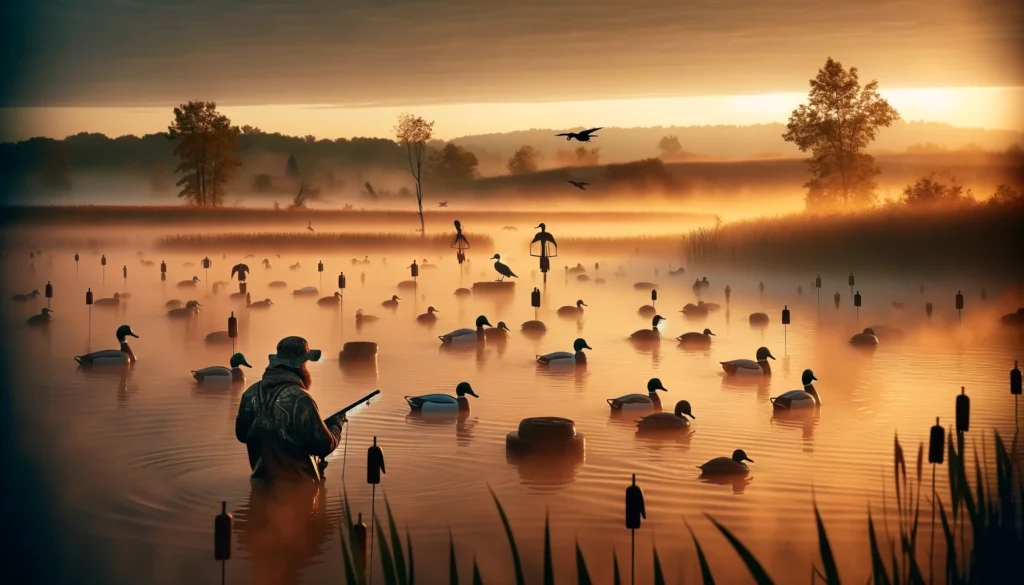
Duck hunting is an art form that combines skill, patience, and a deep understanding of avian behavior. At the heart of this pursuit lies the strategic placement of duck decoys—a technique that can significantly enhance your hunting success. This comprehensive guide delves into the intricacies of setting up duck decoys, offering both novice and seasoned hunters insights into crafting an irresistible spread.

Embarking on this journey, we’ll explore the principles behind effective decoy arrangements, the selection of gear, and advanced strategies to mimic natural duck behaviors, ensuring your next hunting trip is both productive and rewarding.


Chapter 1: Understanding Duck Behavior and Habitat

1.1 The Basics of Duck Ecology

To master decoy setup, one must first understand the quarry. Ducks are migratory birds that follow specific routes, known as flyways, across continents. Their behavior, including feeding, resting, and mating patterns, is influenced by seasonal changes, habitat types, and the presence of predators.

1.2 Identifying Key Habitats

Ducks frequent a variety of water bodies, from vast lakes and marshes to small ponds and rivers. Each species has preferences for certain environments—knowing these can help you choose the most effective decoy types and setups.


Chapter 2: Decoy Types and Their Uses

2.1 Standard Floaters

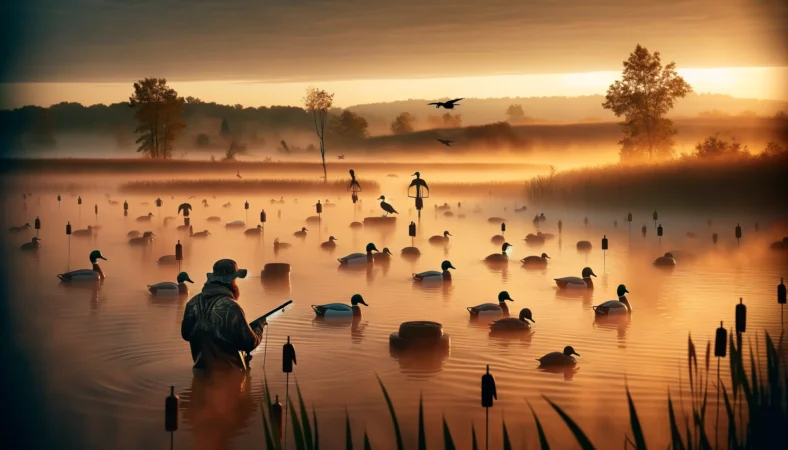
The backbone of any duck decoy spread, floaters are versatile and effective in various water conditions. We’ll explore different materials, species representations, and how to use them to simulate natural duck gatherings.

2.2 Full-Body Decoys and Shell Decoys

Ideal for field setups near water bodies or dry feeding areas, full-body and shell decoys add realism to your spread on land. Learn how to position these decoys to attract flying ducks looking for a place to rest or feed.

2.3 Motion Decoys

From spinning wing decoys to swimming and feeding simulators, motion decoys can be the key to breaking the wariness of late-season ducks. Discover the latest innovations in motion decoys and how to integrate them seamlessly into your spread.


Chapter 3: Crafting the Perfect Decoy Spread

3.1 The Art of Concealment

The effectiveness of your decoy spread is directly tied to its ability to blend into the natural environment. This section covers strategies for using natural vegetation and terrain features to conceal decoys, making them more appealing to cautious ducks.

3.2 Spread Configurations for Different Scenarios

Tailoring your decoy spread to match the day’s hunting conditions is crucial. We’ll break down several configurations, including the classic “J” and “U” shapes, and discuss how weather, wind direction, and duck species influence spread design.

3.3 The Role of Wind and Weather

Wind direction and speed can dramatically affect duck movement and behavior. Learn how to adjust your decoy spread in response to changing weather patterns to keep your setup attractive throughout the hunting day.


Chapter 4: Advanced Decoy Placement Techniques

4.1 Creating Landing Zones

An effective decoy spread invites ducks to land by providing clear, open areas within the setup. Detailed here are techniques for creating these landing zones to guide ducks into optimal shooting range.

4.2 Mimicking Natural Duck Behavior

A static decoy spread is a missed opportunity. This section delves into strategies for arranging decoys to mimic feeding, resting, and alert behaviors, making your spread irresistible to passing ducks.

4.3 Decoy Adjustment and Maintenance

Regular maintenance ensures your decoys remain effective throughout the season. Tips for cleaning, repairing, and periodically adjusting your spread based on observation and success rates are discussed to keep your setup fresh and appealing.


Conclusion

Setting up duck decoys is a dynamic challenge that requires flexibility, observation, and an ongoing willingness to learn from both successes and failures. By applying the strategies outlined in this guide, hunters can elevate their decoy setups, attracting more ducks and enhancing their hunting experiences.

The journey from novice to expert in duck decoy setup is both challenging and rewarding. With each hunting trip, you’ll gain insights and develop intuition, continually refining your approach to decoy placement. Remember, the ultimate goal is to enjoy the hunt, respect the wildlife, and share the tradition of waterfowl hunting with future generations.


Frequently Asked Questions (FAQs)

1. How many decoys do I need for a successful duck hunt?

  • The number can vary widely depending on the location, species targeted, and time of season. Generally, a mix of 12-24 decoys can be effective for small to medium water bodies. For larger areas or highly competitive environments, more may be necessary to create a convincing spread.

2. Can I use the same decoy spread for different duck species?

  • While a basic spread might attract various species, tailoring your decoy types and configurations to specific species based on their behaviors and preferences can significantly increase your success rates.

3. How important is decoy quality?

  • High-quality decoys with realistic paint and durable materials can improve your spread’s effectiveness. They tend to offer better detail, more lifelike movement, and withstand harsh conditions, making them a worthy investment over time.

4. Do motion decoys really make a difference?

  • Yes, motion decoys can add a critical element of realism to your spread, especially on days with little natural water movement. They mimic the live movements of ducks, making your spread more attractive and convincing.

5. How do I choose the best location for my decoy spread?

  • The best locations are typically near natural food sources, along flight paths, or where ducks have been observed resting or feeding. Look for areas with clear visibility from the air, access to open water, and natural cover for concealing yourself and your equipment.

Revolutionizing Predator Hunting: Innovations and Strategies for Modern Hunters

Introduction

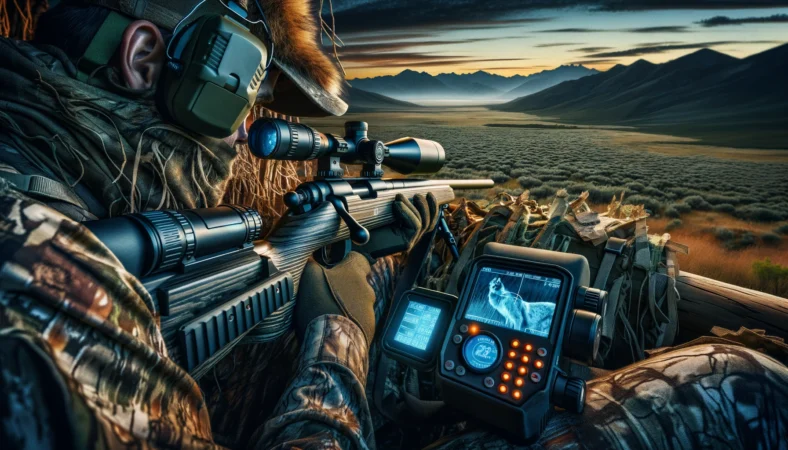
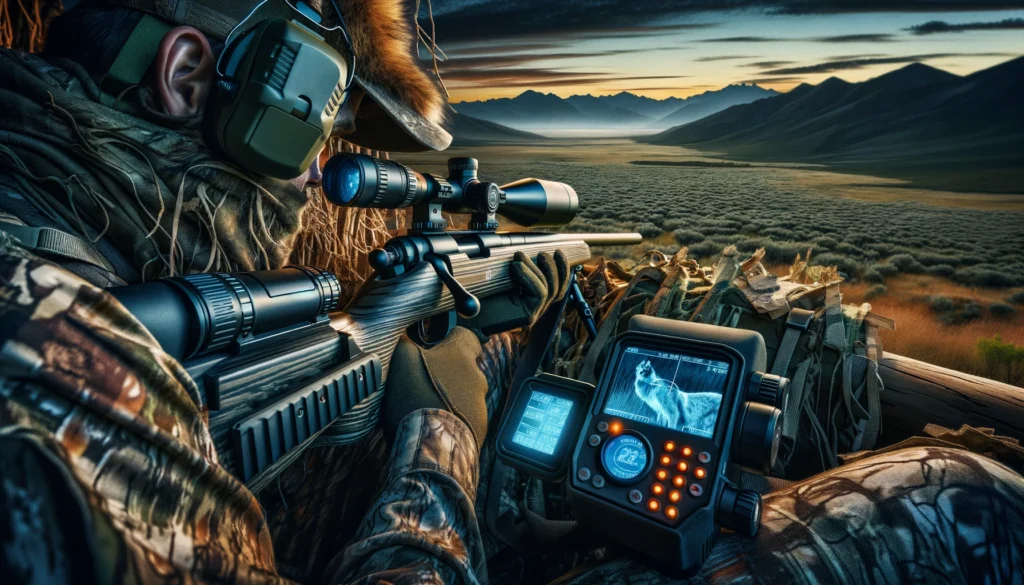
Predator hunting has evolved significantly over the years, blending traditional methods with cutting-edge technology and advanced strategies. This evolution has not only enhanced the hunting experience but also improved the effectiveness and efficiency of hunters targeting predators such as coyotes, foxes, and bobcats. Let’s explore the innovations and strategies revolutionizing predator hunting today.

Technological Advancements

Electronic Calls

Modern electronic calls have transformed how hunters lure predators. With the ability to mimic a wide range of sounds, from distressed prey to competitor calls, these devices offer versatility and realism that manual calls cannot match. Programmable and remote-controlled, they allow hunters to adjust tactics on the fly and attract predators from greater distances.

Optics and Night Vision

The development of high-definition optics, thermal imaging, and night vision technology has significantly improved predator hunters’ ability to spot and track their quarry in various conditions, especially during nocturnal hunts. These tools not only enhance visibility but also increase the safety and success rate of hunts.

Camouflage and Scent Control

Advances in camouflage technology, including patterns designed to disrupt a predator’s visual perception, have made hunters more invisible than ever. Scent control products and clothing, utilizing activated carbon and antimicrobial treatments, help mask human odors, further increasing a hunter’s stealth.

Strategies and Tactics

Understanding Predator Behavior

A deep understanding of predator behavior and movement patterns is crucial. Modern hunters invest time in scouting and employing trail cameras to gather intelligence on their targets, including preferred trails, watering holes, and feeding areas.

Decoy Use

The use of decoys in predator hunting, simulating prey or even rival predators, has become more sophisticated. Motion decoys add another layer of realism, provoking the predatory instincts of coyotes and other targets to investigate, thereby offering hunters a clear shot.

Integrated Management Approaches

Effective predator management often involves integrated approaches that consider the ecological impact and aim for sustainable predator populations. Hunters play a vital role in this balance, working alongside wildlife management professionals to ensure healthy ecosystems.

Ethical Considerations and Conservation

Ethical Hunting Practices

As predator hunting evolves, so does the emphasis on ethical hunting practices. This includes ensuring clean, humane shots, respecting local regulations and bag limits, and considering the broader ecological impact of hunting activities.

Contribution to Conservation

Predator hunters contribute to wildlife conservation efforts through license fees, participating in scientific research, and managing predator populations to prevent overpopulation and disease spread. This balanced approach supports biodiversity and the health of various species.

Conclusion

The revolution in predator hunting, driven by technological advancements and strategic innovations, offers hunters unprecedented opportunities to engage with the natural world in challenging, effective, and ethical ways. As the sport continues to evolve, the future of predator hunting looks promising, blending tradition with modernity in pursuit of sustainable and respectful hunting practices.


Frequently Asked Questions (FAQs) About Revolutionizing Predator Hunting

1. Can electronic calls be used in all hunting areas?

Regulations on electronic calls vary by region and species. Always check local hunting regulations before using these devices.

2. How important is wind direction in predator hunting?

Wind direction is crucial; hunters should position themselves downwind of the target area to prevent their scent from alerting predators.

Legality varies by jurisdiction. Some areas allow the use of these technologies for hunting, while others restrict or prohibit them. Always verify local laws.

4. How does predator hunting contribute to conservation?

By managing predator populations, hunters help prevent overpopulation, reduce disease transmission, and support the balance of ecosystems, contributing to the overall health of wildlife populations.

5. What’s the most effective way to learn predator behavior?

Studying scientific literature, observing wildlife in their natural habitat, and learning from experienced hunters are effective ways to understand predator behavior and improve hunting success.

The Winter Challenge: Finding & Hunting Late Season Bucks

Introduction

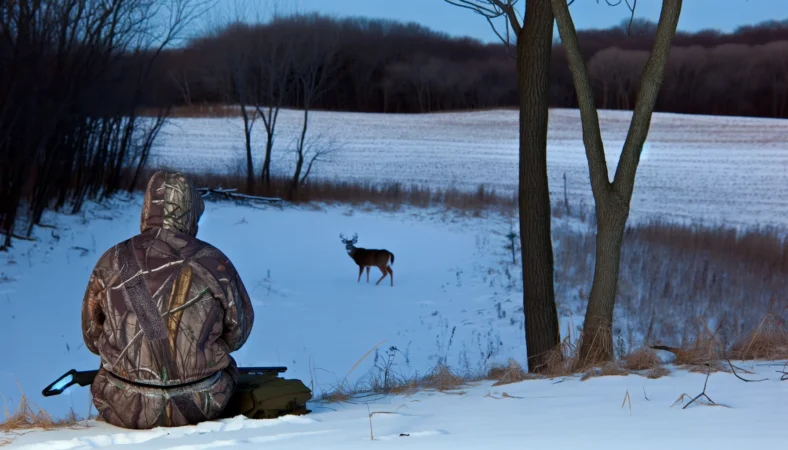
Hunting late-season bucks presents a unique set of challenges and opportunities for the seasoned hunter. As winter tightens its grip, the landscape changes dramatically, influencing deer behavior and hunting strategies. Understanding these changes and adapting your approach can lead to successful late-season hunts. This guide delves into the strategies for finding and hunting late-season bucks, ensuring your hunting season ends as successfully as it began.

Understanding Late-Season Buck Behavior

Shift in Food Sources

With the onset of colder weather, food sources become scarce, prompting bucks to shift their feeding patterns. Focus on areas where late-season food sources are still abundant, such as agricultural fields with leftover crops, oak stands with acorns, or green plots specifically planted for winter feeding.

Bedding Area Importance

Bucks seek thick cover for bedding to shield themselves from harsh winter elements. These areas are typically on south-facing slopes that receive more sunlight or in dense conifer stands that provide better wind protection and thermal cover.

Decreased Movement

Energy conservation is crucial for survival, leading bucks to limit their movements. They will travel less and focus on short routes between bedding and feeding areas.

Late-Season Hunting Tactics

Scout for New Hotspots

Dedicate time to scouting new feeding and bedding areas. Look for fresh signs of buck activity, such as tracks, droppings, and bedding sites. Adjust your hunting spots based on your findings.

Strategic Stand Placement

Position your stands or blinds closer to the food sources and travel corridors bucks are using. Ensure you have a clear view of the area while staying downwind to avoid detection.

Patience and Persistence

Late-season hunting often requires longer wait times in colder conditions. Dress appropriately in layers and be prepared to stay out longer to catch bucks on their limited feeding forays.

Use of Calls and Decoys

Bucks may still respond to grunts or rattling, albeit less aggressively than in the rut. Use these tools sparingly to avoid spooking wary late-season bucks. Decoys can also be effective, especially near food sources or along travel corridors, to pique the curiosity of a buck.

Gear Recommendations

  • Insulated Clothing: Adequate layering is key to staying warm and comfortable during long, cold waits.
  • Quality Optics: With decreased daylight hours, having quality optics helps spot bucks at a distance or in low-light conditions.
  • Scent Control: Late-season bucks are particularly cautious. Use scent control measures meticulously to avoid detection.

Safety Considerations

  • Hypothermia Awareness: Be aware of the signs of hypothermia and take measures to stay warm and dry.
  • Check Equipment: Cold weather can affect the functionality of your gear. Regularly check your equipment to ensure it’s in working order.

Conclusion

Late-season buck hunting requires adaptation, patience, and a thorough understanding of how winter affects deer behavior. By focusing on key food sources, adapting your strategies, and preparing for the cold, you can increase your chances of a late-season success. Embrace the challenge of the winter woods, and you may find late-season hunting to be among the most rewarding experiences.


Frequently Asked Questions (FAQs)

1. How do I locate late-season food sources?

Look for agricultural fields, especially those with corn or soybeans, oak stands with leftover acorns, or areas with winter food plots.

2. What’s the best time of day to hunt late-season bucks?

Focus on dawn and dusk when bucks are most likely to be feeding. However, midday hunts can also be productive, as bucks may move during warmer parts of the day.

3. How can I stay warm while hunting in cold weather?

Invest in quality insulated clothing designed for hunting, use portable heaters in blinds when safe, and keep a thermos with a warm beverage to help maintain your body temperature.

4. Are late-season bucks more cautious than earlier in the season?

Yes, after experiencing hunting pressure throughout the season, late-season bucks are typically more wary and cautious, requiring stealthier hunting tactics.

5. Can I still hunt bucks if there’s snow on the ground?

Absolutely. Snow can actually benefit hunters by making it easier to spot tracks, feeding areas, and bedding sites. Plus, it enhances visibility against the white backdrop.

Elevating Your Hunt: How to Pick the Perfect Treestand Site

Introduction

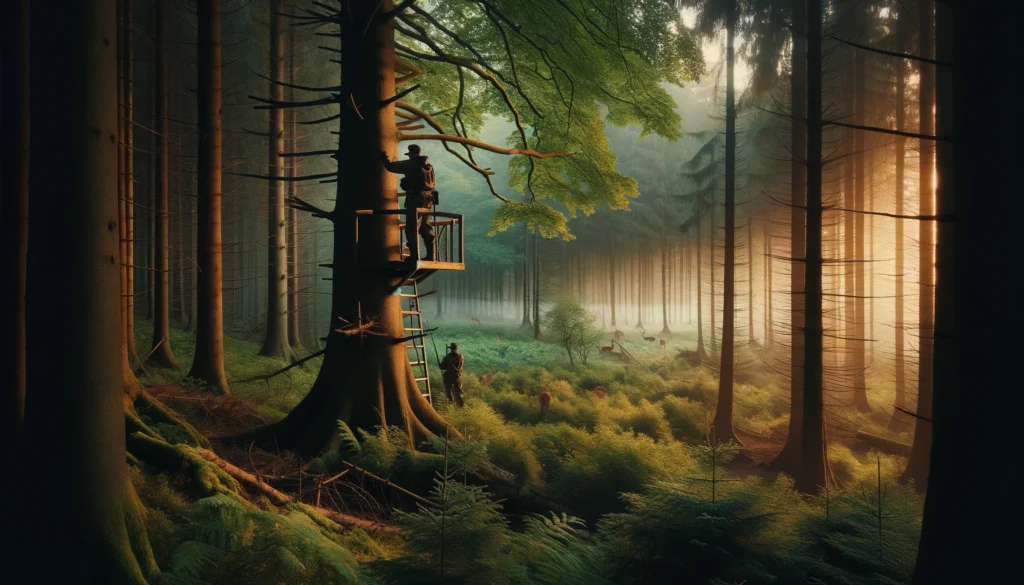
Selecting the ideal treestand site is a crucial element in the strategy of any successful deer hunt. It’s about blending science, intuition, and a deep understanding of the natural environment. This guide will walk you through the essential considerations and tactics to pick a treestand site that maximizes your hunting opportunities.

Understanding Deer Movement

Identify Key Areas

  • Food Sources: Look for natural food sources like acorns, berries, or agricultural crops.
  • Water Sources: Locate nearby water sources used by deer, especially during early morning or late evening.
  • Bedding Areas: Find thick cover where deer feel safe to rest and sleep.
  • Travel Corridors: Identify natural pathways deer use to move between these key areas.

Use Technology

Leverage aerial maps and GPS technology to scout potential sites without disturbing the area. Apps and online resources can provide invaluable insights into terrain, cover, and deer movement patterns.

Choosing the Right Tree

Visibility

Pick a tree that offers a broad field of view, allowing you to see deer approaching from various directions. Consider the sun’s path to avoid being blinded during prime hunting hours.

Wind Direction

Select a tree downwind of predicted deer paths to keep your scent away from their sensitive noses. Use prevailing wind direction data to make informed decisions.

Access

Ensure your treestand site is accessible without alerting deer to your presence. Plan a quiet, cover-rich route to and from your stand.

Tree Characteristics

Choose a healthy, sturdy tree that can support your weight and the treestand. It should have enough cover to conceal your silhouette yet allow for clear shooting lanes.

Preparing the Site

Trimming Shooting Lanes

Carefully trim branches to clear shooting lanes, but maintain enough foliage to remain concealed. Be mindful not to overtrim, as this can alert deer to your presence.

Minimizing Disturbance

Set up your stand well before the season starts to minimize disturbance in the area. Allow the local wildlife time to become accustomed to the stand’s presence.

Safety First

Always prioritize safety when choosing a tree and setting up your stand. Use a full-body harness, and ensure your stand is securely attached according to the manufacturer’s instructions.

Seasonal and Weather Considerations

Adjust According to Season

Be prepared to adjust your treestand location as seasons change. Food sources and deer patterns may shift, necessitating a move to stay in prime hunting areas.

Weather Impact

Stay adaptable to weather changes. Wind, rain, and snow can all influence deer behavior and may require a strategic response.

Conclusion

The perfect treestand site is out there waiting for you, blending seamlessly into the natural habits of local deer while offering you the best chance for a successful hunt. By meticulously planning and respecting the environment, you elevate not just your position but your chances of success and the overall hunting experience.


FAQs

How early should I set up my treestand?

Ideally, set up your treestand 2-3 weeks before hunting season begins to minimize disturbance in the area.

Can I use the same treestand site year after year?

Yes, if a site continues to be productive and meets the criteria for a good stand location, it can be used in multiple seasons. However, always be ready to adapt to changing conditions and deer patterns.

How do I ensure my treestand is safe?

Regularly inspect your stand for wear and tear, follow all manufacturer’s installation guidelines, and always wear a safety harness when in the stand.

What do I do if the deer pattern changes mid-season?

Be flexible and ready to move your stand. Continuous scouting and monitoring of deer activity are crucial throughout the season.

Choosing the perfect treestand site requires patience, research, and a deep respect for nature. With the right approach, you can significantly increase your chances of a memorable and successful hunt.

Adapting to the Chill: Late Season Deer Hunting Tactics

Introduction

Late season deer hunting presents a unique set of challenges and opportunities. As the landscape transforms with the arrival of colder weather, so too do the behaviors of deer, necessitating adjustments in hunting strategies. This guide explores effective tactics for late season deer hunting, helping you to adapt to the changes and increase your chances of success during the winter months.

Understanding Late Season Deer Behavior

Food Sources Are Key

With the chill setting in, food becomes scarce, and deer concentrate around remaining food sources. Identifying these areas, such as stands of acorns, agricultural leftovers, or green plots, is critical. Deer will prioritize easy-to-access, high-energy foods to conserve energy.

Bedding Areas

Deer seek sheltered bedding areas to protect themselves from harsh weather. Thick conifer stands or south-facing slopes that offer protection from the north wind and capture sunlight can be hotspots for late-season hunting.

Tactics for Success

1. Focus on Food Sources

  • Set Up Near Nutrition: Position yourself downwind of known food sources. Late in the season, deer may feed during the last light to minimize movement and exposure to predators, including hunters.

2. Minimize Pressure

  • Stealth is Paramount: Approach your hunting area with caution. Use natural cover and avoid unnecessary noise. Deer are on high alert, having been pressured all season.

3. Adjust Your Timing

  • Take Advantage of Midday Movement: Unlike earlier in the season, deer may be more active during midday as they seek food after a cold night.

4. Opt for Ambush Hunting

  • Strategic Positioning: With deer moving less and sticking to known paths between bedding and feeding areas, setting up ambush points can be highly effective. Identify narrow corridors or funnels that deer use and set up along these routes.

Gear Considerations

Stay Warm and Ready

  • Appropriate Apparel: Invest in high-quality, insulated, and camouflaged hunting attire to endure long hours in the cold without sacrificing mobility or alertness.
  • Optics: With lower light levels, quality optics can help spot deer from a distance without spooking them.

Scent Control

  • Minimize Human Scent: Cold air carries scent particles more efficiently. Use scent-blocking clothing and avoid strong-smelling foods or smoking before the hunt.

Ethics and Conservation

Respect for the Quarry

  • Ethical Shots Only: With deer potentially stressed by the cold and food scarcity, ensure shots are clean and ethical to avoid unnecessary suffering.
  • Support Habitat Conservation: Engage in or support efforts to maintain and improve deer habitats, ensuring healthy populations for future seasons.

Conclusion

Late season deer hunting requires patience, preparation, and a deep understanding of deer behavior in winter conditions. By focusing on key resources like food and shelter, employing careful tactics, and respecting the wildlife and environment, hunters can find success and fulfillment in the challenge of late season hunting.


Frequently Asked Questions (FAQs) about Late Season Deer Hunting Tactics

1. How do I find late season food sources for deer?

Look for areas with leftover agricultural crops, oak stands still holding acorns, or managed food plots that provide winter forage.

2. What are the best camouflage patterns for late season hunting?

Opt for camouflage that matches the winter environment, such as patterns with bare trees, snow, or mixed terrain elements.

3. Can I use calls or rattling in the late season?

While deer are less responsive to calls or rattling late in the season, these techniques can still be effective in the right circumstances, especially during any secondary rut phases.

4. How important is wind direction in late season deer hunting?

Wind direction remains crucial. Deer rely heavily on their sense of smell, especially when other senses may be hampered by winter conditions.

5. What should I do if I’m unsuccessful in the late season?

Analyze your experiences to learn what worked and what didn’t. Late season hunting is challenging, and each outing provides valuable insights for future hunts.

Mastering Late Season Duck Calling: Strategies for Success

Introduction

As the duck hunting season progresses into its later stages, the birds become warier, having been exposed to various calling strategies and hunting pressures. This change in behavior requires hunters to adapt their calling techniques to continue attracting ducks effectively. This guide delves into the nuances of late-season duck calling, offering insights and strategies to help hunters fine-tune their approach during the challenging tail end of the season.

Understanding Late-Season Duck Behavior

Late-season ducks are more cautious and can distinguish between real and artificial calls more effectively, thanks to their prior encounters with hunters. These birds often travel in smaller groups, are less vocal, and tend to visit feeding and resting areas at irregular times. Adapting to these behaviors is crucial for late-season hunting success.

Adjusting Your Calling Strategy

Tone Down the Volume and Frequency

  • Subtlety Is Key: Reduce the volume and frequency of your calls. A softer, more sporadic calling pattern mimics the natural behavior of late-season ducks, making your setup more convincing.

Focus on Realism

  • Mimic the Ducks: Pay close attention to the sounds that ducks in your area are making and try to replicate them as closely as possible. This may mean using fewer hail calls and more feeding chuckles or soft quacks.

Call with Purpose

  • Strategic Silence: Sometimes, the most effective call is no call at all. Allow ducks to approach without being called every step of the way. Use your calls to guide them in gently or correct their course as needed.

Choosing the Right Calls

  • Versatile Call Selection: Use calls that allow for a wide range of sounds, from loud hail calls for distant birds to softer, more nuanced tones for close-range work. A good late-season strategy includes having a variety of calls at your disposal.

Decoy Strategies

  • Adjust Your Spread: Consider reducing the size of your decoy spread and arranging it to mimic natural duck behavior more accurately. Adding motion to your spread with jerk strings or motorized decoys can also increase its attractiveness.

Hunting Pressure and Location Changes

  • Stay Mobile: Be prepared to change locations. Ducks that have been heavily hunted will become wise to popular spots. Exploring less pressured areas can lead to unexpected success.
  • Time Your Hunts: Consider hunting at times when pressure is lower, such as mid-week or during adverse weather conditions, when ducks may be more actively seeking safe feeding and resting areas.

Conclusion

Late-season duck calling requires patience, observation, and a willingness to adapt. By understanding the behaviors of wary ducks and adjusting your strategies accordingly, you can increase your chances of a successful hunt. Remember, sometimes the art of calling is knowing when not to call and letting the natural allure of your decoy spread do the work.


Frequently Asked Questions (FAQs)

1. Why do ducks become harder to call in the late season?

Ducks become more cautious due to increased hunting pressure and exposure to calls, making them wary of sounds and patterns they associate with danger.

2. Can I still use aggressive calling tactics in the late season?

While aggressive calling can still work, it’s generally more effective to use a subtler approach, focusing on realism and matching the natural duck activity in your area.

3. How important are decoys in late-season duck hunting?

Decoys remain crucial but consider using fewer and more realistically arranged decoys to reflect the wary nature of late-season ducks.

4. What’s the best time of day for late-season duck hunting?

While dawn and dusk can still be productive, late-season ducks may feed at atypical times, so staying flexible and observing local patterns is key.

5. How can I practice late-season calling techniques?

Listen to recordings of real ducks, observe ducks in their natural habitat to understand their late-season behaviors, and practice mimicking these sounds with your calls.

By tailoring your approach and honing your calling skills, late-season duck hunting can be just as rewarding as the early season, offering unique challenges and opportunities to connect with the wilderness.

Exit mobile version