Staying Healthy on the Hunt: Field Health Awareness


Staying healthy on the hunt comes down to awareness and prevention: drink water steadily, respect altitude, dress in layers for changing weather, handle food and water carefully, and learn to recognize the early signs of heat and cold illness so you can act before a problem becomes serious. This article is general field health awareness for hunters, not medical advice. It does not diagnose or treat anything. For any symptom that worries you, or any emergency, contact a qualified medical professional or call 911. The goal here is to help you prevent common problems and notice trouble early.

Table of contents

Prevention and Preparation Come First

Most field health problems are easier to prevent than to fix once you are miles from a road. Before a hunt, build your plan around the conditions you expect: the season, the elevation, the forecast, and how far you will be from help. Pack the basics that let you stay warm, fed, hydrated, and oriented. The National Park Service Ten Essentials list is a good starting framework, including extra food and water, insulation, a first-aid kit, and a way to navigate.

Tell someone your plan. Leave details of where you are hunting, your route, and when you expect to return, so help can reach you if you do not come back on schedule. Check the forecast through the National Weather Service before you go, since cold, heat, and storms drive many field health problems. If you have a medical condition or take medication, talk with your own healthcare provider about how it affects exertion, altitude, or temperature before the trip.

Hydration and Nutrition in the Field

Dehydration sneaks up on hunters because hard effort, dry air, altitude, and cold all increase fluid loss while masking thirst. Drink water steadily through the day rather than waiting until you feel thirsty, and carry more than you think you need or a reliable way to treat water in the field. Dark urine, headache, fatigue, dizziness, and muscle cramps can be early signs that you are falling behind on fluids.

Food matters too. Long days of hiking, glassing, and packing out meat burn a lot of energy, and running low on fuel leaves you cold, slow, and prone to poor decisions. Eat regularly and pack calorie-dense snacks you will actually eat. None of this replaces guidance from a medical professional about your own needs; it is general awareness to help you stay ahead of common shortfalls.

Altitude Awareness

Hunting at higher elevations than you live at can bring on altitude sickness, especially if you climb quickly. Common early symptoms people report include headache, nausea, fatigue, trouble sleeping, and feeling short of breath with effort. The general awareness guidance is to ascend gradually when you can, stay hydrated, and not ignore how you feel.

If symptoms appear and keep getting worse as you go higher, the widely cited principle is that going to a lower elevation often helps, and worsening symptoms are a reason to stop ascending. Altitude illness can become serious, so this is an area where you should not push through and where a qualified medical professional should guide any decision about a specific person. The altitude sickness reference is a general reference, not a substitute for medical care.

Cold-Weather Illness Awareness

Cold, wet, and wind are a constant hunting hazard, and hypothermia can develop even in temperatures well above freezing when someone is wet and tired. General warning signs to watch for in yourself and your group include intense shivering, fumbling hands, slurred speech, confusion, and stumbling. Frostbite affects exposed skin and extremities and can show as numbness and pale, hard, or waxy skin.

Lowering the Risk

Dress in layers so you can adjust as you heat up and cool down, keep a dry layer in reserve, protect your head, hands, and feet, and get out of wind and wet when you can. Eating and drinking help your body produce heat. The hypothermia reference describes general signs and prevention. If you suspect hypothermia or frostbite, treat it as urgent and seek medical help; do not rely on field improvisation as a substitute for professional care.

Heat Illness Awareness

Early-season and warm-climate hunts carry the opposite risk. Heat exhaustion and heat stroke develop when the body cannot shed heat fast enough, often combined with dehydration and heavy exertion. Commonly described signs of heat exhaustion include heavy sweating, weakness, dizziness, nausea, and headache. Signs that suggest the more dangerous heat stroke, such as confusion, very hot skin, and collapse, are a medical emergency.

To lower the risk, hunt during cooler parts of the day when you can, take breaks in shade, drink steadily, and pace your effort. The CDC information on heat-related illness covers general signs and prevention. Because the line between heat exhaustion and heat stroke matters and can move fast, defer any decision about a specific person to a qualified medical professional, and call 911 for signs of heat stroke.

Food and Water Safety

Backcountry water can carry organisms that cause stomach illness, so treat water from streams and lakes before drinking. Common field methods include boiling, filtering, and using treatment products according to their instructions. Carry a reliable method and a backup, since a few days of gastrointestinal illness far from a road is both miserable and dangerous because it speeds dehydration.

Handle food and harvested game carefully. Keep meat cool and clean, wash your hands when you can, and avoid cross-contamination. State wildlife agencies and health authorities publish guidance on safe handling of wild game; follow your state’s current rules and any official advisories for the area you hunt. When in doubt about whether food or water is safe, err on the side of caution.

When to Stop and Get Help

Knowing when to end a hunt is part of staying healthy. Awareness only helps if you act on it. Treat the following as reasons to stop, rest, descend, warm up, cool down, or get help rather than pushing on:

  • Symptoms that keep getting worse instead of improving with rest, fluids, or a change of conditions.
  • Confusion, slurred speech, severe weakness, fainting, or a hunting partner who is not acting normally.
  • Altitude symptoms that worsen as you go higher.
  • Signs that suggest hypothermia or heat stroke.
  • Any symptom that frightens you or that you cannot explain.

For anything serious or an emergency, contact a qualified medical professional or call 911. If you are beyond cell coverage, a personal locator beacon or satellite messenger can summon help. This article cannot diagnose or treat any condition, and nothing here should delay getting real medical care.

Frequently Asked Questions

How much water should I carry on a hunt?

It depends on the temperature, your effort, the elevation, and how long you will be out, so there is no single number. The general practice is to drink steadily rather than waiting for thirst, carry more than you expect to need, and bring a reliable way to treat field water. For personal needs, ask your healthcare provider.

What are early signs of hypothermia to watch for?

Commonly described early signs include intense shivering, clumsy or fumbling hands, slurred speech, and confusion. Because judgment fades, hunting partners often notice it before the affected person does. If you suspect hypothermia, treat it as urgent and seek medical help. See the CDC for general guidance.

Can I drink straight from a backcountry stream?

It is safer not to. Backcountry water can carry organisms that cause stomach illness, so the standard practice is to treat it by boiling, filtering, or using a treatment product per its instructions. Carry a reliable method and a backup, since gastrointestinal illness far from help speeds dehydration.

Should I keep hunting if I have a bad headache at altitude?

A worsening headache at altitude is a signal to stop ascending and pay attention, not to push through. The widely cited principle is that descending often helps and that worsening symptoms warrant caution. Altitude illness can become serious, so defer to a qualified medical professional for any specific situation.

Final Takeaway

Field health is mostly preparation and attention. Plan for the conditions, tell someone your route, drink and eat steadily, dress in layers, treat your water, and learn the early signs of heat and cold illness and altitude trouble so you can act before they get serious. This is awareness, not medical advice, and it cannot diagnose or treat anything. When a symptom worsens or worries you, or in any emergency, stop and get help from a qualified medical professional or call 911.

How to Shoot Skeet – Tips for Skeet Shooting

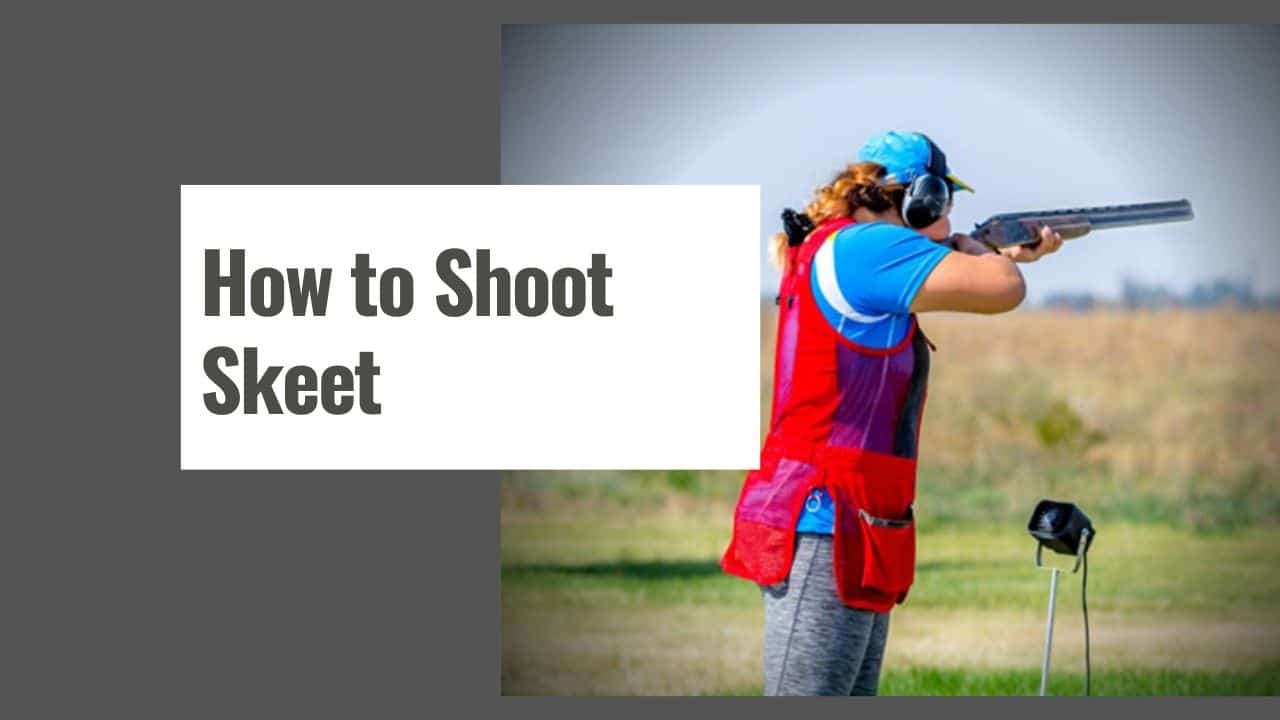
How to Shoot Skeet: Shooting skeet is fun for all ages, whether you’re a seasoned competitor or just looking to have some fun. Also, it is a great way to spend time outdoors and start your shooting practice. Hence, it requires focusing on a tiny target and hitting it with speed and accuracy.

Hence, learning how to shoot skeet like a pro is necessary if you are a beginner shooter. Therefore, to learn how to shoot skeet, read the following steps below attentively.

How to Shoot Skeet

Learning the Rules

Know What to Shoot

The first step in shooting skeet is knowing what to shoot. To hit a target in skeet shooting, usually, a shotgun is used to aim at small clay targets, released into the air to mimic bird hunting. They’re usually orange and have a diameter of 4 to 5 inches (10.2 to 12.7 cm).

These targets are shot separately and continuously from two sides of an arc that includes ground stations on both sides. However, you can rotate between stations and fire two to four rounds at each target when shooting skeet. A skeet round includes 25 shots.

Read Next – Best Shooting Vest

Use of Skeet Gun

When it comes to shooting skeet, almost any type of shotgun will do. But experienced shooters, choose to use a shotgun, known as a skeet gun, that is accurate and long-range.

Usually, skeet guns are shotguns with over-under barrels. However, by adding relatively open chokes, you can increase your accuracy and make consistent hits on the target. Many skeet shooters prefer to add this.

Know the Difference Between Stations

Skeet shooting is a sport of shotguns. At skeet shooting, you’ll need to move between 7 stations that are arranged 21 yards far away from your target in an arc and a point, which is comparatively closer than other stations. You will constantly aim in the same specific direction (downrange) from your initial station to your final station.

However, the angle that you view the targets from will change depending on your position. Again, two traps discharge clay targets on either side of the range: low and high. These two clay targets will appear and cross your field of view together, and you’ll have to hit both of them.

Learn the Target Pattern

Usually, target release order varies from station to station. In general, each trap will allow you to hit only one target, though, at certain times, that may vary. However, learning the pattern is a core part of the skeet shooting strategy.

At Stations 1 & 2

At stations 1 and 2, the upper trap releases a single target, followed by the bottom trap releasing another single target. The respective traps are called “high house” and “low house.”

The next target will be released from the low trap, and then multiple targets will be released continuously. During the simultaneous release, your goal should be to shoot the higher target first. At each station, the shooter will take 4-shorts.

At Stations 3 to 5

At each of the stations 3–5, the shooter will take a total of 2-shots. One target will be released from the upper trap and another from the lower trap.

At stations 6 & 7

The pattern of 1st and 2nd stations is exactly the same here: a high, a low, and then the continuous targets. One exception is that this time shooter will fire the lower target first. Each of these stations will have 4-shots to shoot.

At station 8

You’ll shoot a high and a low target at this closer-up station. If you do not miss the target, you will get another chance to hit a lower house target.

Read Next – Best Shooting Ear Plugs

Shooting Accuracy

Take Position

A half-circle comprises seven evenly spaced stations on one side of the skeet field. Choose one of the seven stations and take your position located between the lower and upper houses.

Before taking the final shot, it may be helpful to practice shooting at some other targets so that you can get an idea about flight patterns, timing, and accuracy.

Assume the Right Shooting Stance

When approaching a clay target, keep your back straight, spread your feet apart, and be flexible in your position. Also, keep your knees slightly bent and stand on your forward foot. Bring the gun up to your shoulder and hold it tightly.

Practice

Put the gun unloaded and point the gun at a fixed target. Then swing the gun in an arc to get a feel for the motion of the swing. As the targets move quickly, people who want to shoot well must develop muscle memory to get good at it.

It’s not only about aiming precisely but also about the mechanics of how you aim. Once you’ve practiced your swing, it’s time to take some shots.

Take a Shot Ahead of the Targets

If you’re new to skeet shooting, it will take some time to get an idea about the flight pattern and feel for how much lead you may need to give each target.

But once you’ve got it, you’ll start hitting more and more targets. If you consistently miss the target, change your lead time and retry.

Learn to swing naturally and quickly so that you can follow each target and take the most efficient shots.

Follow-through

Target shooting requires a high level of patience. When you pull the trigger, your swing will stay connected to your mind (your brain) for a brief moment. It is important to start thinking about the target as soon as you start moving.

After you fire a shot, continue to move your gun through your swing. But as soon as you’re done firing, put your finger away from the trigger.

Read Next – Best Shooting Glasses for Sporting Clays

Some Further Steps

Join a Skeet Club

If you want to shoot skeet regularly, consider joining a skeet club. In skeet clubs, you can learn tips from other shooters. You can even join leagues at clubs.

Join NSSA (National Skeet Shooting Association)

Being a member of the NSSA allows you to practice and enter tournaments to improve your accuracy and rank. There are classes for different skill levels of shooters.

For instance, if you’re just starting, you’ll be in a class of other beginners/novices. As you improve, you’ll progress with your level and find people to compete against. Don’t worry about how you rank. Just focus on becoming better by practicing, and you’ll eventually rank up.

Take Skeet Lessons

If you want to improve your shooting skills, take lessons from an experienced shooter. You can learn a lot by being around experienced skeet shooters and listening to their tips and advice, even if you’re not yet at the same level.

The more advanced skeet shooters can show you where your weaknesses lie and help you avoid the same mistakes they made. Overall, you can learn a lot from an experienced shooter.

Keep Practicing

Shooting is just like any other sport – you improve by actually doing it. If you want to get better at shooting, go practice. Regularly shooting will build the muscle memory needed to shoot accurately. Besides, when you go shooting, you’ll learn a lot more than you will be reading about it. Plus, shooting is fun!

Final Verdict

Skeet shooting is a great way to learn how to shoot a shotgun and improve your bird hunting skills. Also, it’s a fun and challenging sport for people of all skill levels.

But, knowing the fundamentals of skeet shooting can make you a much better skeet shooter. In this article, we have covered all the necessary steps of skeet shooting.

We hope this article will prove helpful to you to learn how to shoot skeet.

Read Next – Best Shooting Bags

How Does a Compound Bow Work?

How Does a Compound Bow Work: The modern compound bow is mechanical assistance to reduce the draw weight. They are now regarded as the smoothest, fastest, most accurate, efficient, and powerful bows ever created. For both amateur and professional archers, it’s essential to know how to handle and operate a compound bow.

Therefore, in this article, first, we’ll go over the various components of a compound bow in better detail. Next, we’ll explain how they work. Then, we will discuss some common compound bow terminologies as well.

At the end of this article, we will cover the advantages of using a compound bow and answer relevant queries regarding compound bows. Hopefully, after reading this article, you’ll have a correct understanding of compound bows and their working principle.

Compound Bow Accessories

Before understanding how compound bow works, it’s essential to have the necessary knowledge of various parts of a compound bow.

Especially if you’ve never touched any compound bow before, you must learn these fundamentals first. Therefore, here we will discuss some essential compound bow accessories in the following.

After reading this section, we hope that anyone will easily pick up the right compound bow and be an expert archer with enough practice.

However, if you’re already an experienced compound bow user, you can skip this part and go ahead.

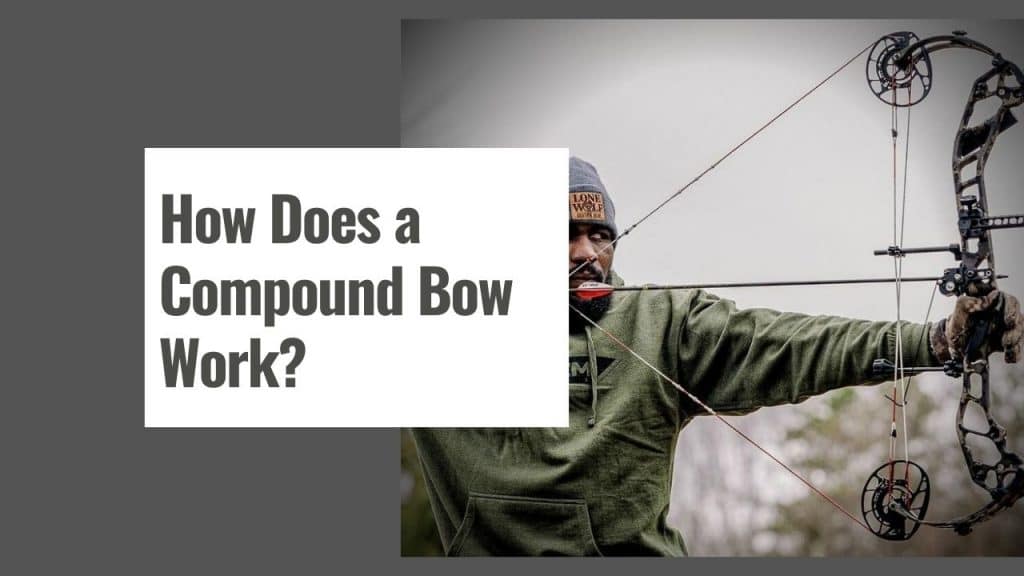
Limbs

The limbs are the compound bow’s most flexible part that stores and releases energy. The majority of these limbs are constructed from carbon fiber or other types of composite material.

When you pull back on the string, the limbs become compressed. And therefore, all of the energy for your shot comes from the limbs. In another word, most of the draw weight flows from the limbs.

Usually, the pulley system in a compound bow creates a lot of force, and the bow limbs can withstand that pressure.

String

In a compound bow, you will find a string and 2-cables. The string is the outermost wire of the compound bow. The string passes over the cams and also wraps around both cams on the inside.

The archer usually pulls the string backward to create tension for drawing the bow. Then when the archer releases the string, it sends the compound bow arrow flying.

Cables

The role of cables in a compound bow is significant. Their function is not limited to guiding the limbs and keeping them in place but also has a direct impact on arrow speed and helps to achieve accuracy.

Generally, the cables are hooked to the cam on one side and the limb on the other. Unlike string, cables do not run over a bow’s cam but run over the mod. Both cables are attached to the bows having the same distance and also connected in a similar way.

Cams

Both the lower and upper limbs of a compound bow are usually equipped with large wheels. These wheels are known as cams.

All of the parts that contribute to the let-off effect are connected to the cams. However, the cams have groves in them that keep the string on track.

Furthermore, compound bows come in various designs. Some designs result in faster shots, while others provide better handling.

So, you should select the design that best suits your shooting style. Again, there are many different cam configurations available to choose from.

Mod

The mod usually takes place at the cam’s side. Each cam contains a mod, and each cable is connected to a mod. As the name refers, you can easily modify its placement to change the draw length.

Read Next – Recurve Bow VS Compound Bow

Riser

The riser is the fundamental portion of the compound bow. It preserves the bow’s main components together (the sight, limbs, rest, stabilizers, etc.).

Since there are numerous parts connected to the riser, so it must be firm but light. Contemporary risers are used to withstand tension while remaining light and easy to handle.

How Does a Compound Bow Work?

The compound bow is a new advancement in archery that takes the benefit of mechanical advantage. The mechanism of a compound bow is quite the same as the pulley system.

A compound bow works similarly to a pulley system because they are both based on the block and tackle system. This bow drives the arrow using multiple energy. Again, it also lacks the straight force found in most conventional bows. When the string reaches a certain level during pulling the string, it peaks, sending the arrow flying.

Moreover, the most challenging part of ancient archery is pulling a maximum weight while maintaining your aim steady.

Therefore, the compound bow employs mechanical devices such as cams, cables, or pulleys to apply power. These components are designed to reduce the bow weight at full draw and make aiming much more effortless.

The pulley system on a compound bow removes around 80% of the draw weight when you’re at full draw, saving your effort of holding back some of that weight. This removed weight is referred to as “let-off.”

Read Next – The 10 Best Youth Compound Bow

Compound Bow Terms

There are 2-compound bow terms you should know:

Let-Off

We’ve already mentioned it, but here we will shed some more light on this factor. You may be able to achieve different let-off rates depending on your bow.

Therefore, it ups to you which let-off rate you will found more convenient for you. In archery, comfort is just as important as accuracy.

Also, make sure to choose one with a let-off value that gives you the right kind of shooting zone. However, keep in mind that a compound bow with a high let-off will be easier to handle than one with a low let-off.

Valley

Most archers define the “valley” as the point when a cam transitions from making adjustments to a full let-off. To achieve aggressive shots, you’ll have to be shooting with the bow positioned in a way that creates a short valley.

Benefits of Using a Compound Bow

While we’re on the subject of compound bows, let’s have a look at the reasons why this is the ideal sort of bow:

  • For those interested in archery, compound bows give the necessary force and accuracy without requiring excessive effort.
  • A compound bow has a longer let-off potential and is easier to hold, so it will allow you to take a more accurate shot at your target.
  • This bow shoots arrows faster. If you want to shoot arrows with more energy, this is a fast and accurate bow for you.
  • Generally, there is a low draw weight requirement for compound bows. It makes them easy to handle and safe to use.
  • Compound bows come with a wide range of archery accessories that can improve your performance.
  • Compound bows are generally lighter and easier to carry, so you won’t have to worry about your equipment weighing you down.

Read Next – The 10 Best String Silencers for Compound Bow

Several Cam Configurations

In addition to the construction and design of the compound bow, there are various cam configurations to choose from.

Take your time experimenting with different bow configurations to determine which bow you are most comfortable with.

How to Configure Draw Length?

We can modify the draw length by adjusting the mod location because you can adjust the mod only when the let-off occurs.

Also, concentrating on the upper limb, we may raise the draw weight by turning it clockwise and lowering it by turning it counter-clockwise. We can reach the cam’s flat area at any point in the draw as long as we adjust the mod’s position on the cam.

Why Compound Bows Shoot Faster?

A compound bow operates in the same way as a simple block and tackle. It uses a pulley system to multiply the energy you apply over distance. In short, compound bows store more potential energy in the limbs, which allows them to shoot faster.

Read Next – The 10 Best Compound Bow for the Money

Are Compound Bows Easier to Shoot?

Yes, shooting a compound bow requires less energy than shooting an old-fashioned bow and arrow, but it still takes a lot of practice to master.

A powerful compound bow is more manageable to aim than a traditional bow due to let-off, which lowers string forces at full draw.

In addition, the compound bow is safer and smaller than recurve bow, it requires less practice, and it is also easy to handle.

Final Word

It’s very reasonable to be curious about how your compound bow works when you first get it. The preceding section will quickly introduce you as a beginner to some compound bow fundamentals.

However, if you’re already an archer who shoots with a compound bow, you’ll also likely find this article helpful to read.

You May Like to Read

How to Make Arrows for a Bow Safely

Making arrows for a bow is less about carving random sticks and more about building a safe, straight, properly matched arrow. A usable arrow needs the right spine, length, shaft condition, nock fit, insert, point weight, and fletching alignment for the bow and archer.

This guide explains the process at a high level so beginners understand what matters before buying parts or working on arrows. If you are new to archery, have your finished arrows checked by a qualified archery shop or coach before shooting them.

Table of Contents
  1. Quick Answer
  2. Safety Comes First
  3. Arrow Parts You Need to Understand
  4. Match Spine, Length, and Point Weight
  5. Basic Arrow-Making Process
  6. Arrow Making Checklist
  7. Common Mistakes
  8. Frequently Asked Questions
  9. Final Recommendation

Quick Answer

To make arrows for a bow, choose shafts with the correct spine for your draw weight and arrow length, cut them squarely to a safe length, install inserts and nocks correctly, fletch the shaft evenly, add the correct point weight, and inspect every arrow before shooting. Do not shoot damaged, cracked, underspined, or poorly fitted arrows.

Safety Comes First

An unsafe arrow can fail at release or fly unpredictably. Carbon shafts can splinter, wood shafts can warp, and incorrect spine can make tuning difficult or dangerous. Before shooting a handmade or assembled arrow, flex-test and visually inspect the shaft, check the nock, and confirm the arrow is matched to the bow.

For a deeper inspection habit, read a trusted archery safety guide such as Archery360’s arrow inspection guide. If that page redirects, use the site search for “inspect your arrows” and follow the current version.

Arrow Parts You Need to Understand

A modern arrow is a system, not just a shaft. The main parts are the shaft, nock, insert or outsert, point or broadhead, and fletching. Each part affects fit, weight, balance, and flight.

Shaft

The shaft is the body of the arrow. Common materials include carbon, aluminum, wood, and hybrids. Beginners should avoid improvising shafts for real shooting and should use manufacturer-rated shafts that match their bow setup.

Nock

The nock clips onto the bowstring. It should fit securely without being too tight. A poor nock fit can create release problems, inconsistent flight, or unsafe string separation.

Insert and Point

The insert holds the field point or broadhead. Point weight changes the total arrow weight and dynamic spine, so do not swap point weights casually after building the arrow.

Fletching

Fletching stabilizes the arrow in flight. Vanes or feathers must be placed evenly and bonded cleanly. Uneven fletching can create wobble, poor grouping, or clearance problems.

Match Spine, Length, and Point Weight

Arrow spine is the shaft’s stiffness. It must match the bow’s draw weight, arrow length, point weight, and intended use. A shaft that is too weak or too stiff can be hard to tune and may behave unpredictably.

Use a current manufacturer spine chart for the exact shaft model you buy. Easton maintains an arrow sizing and spine chart, and other arrow makers publish their own charts. Do not assume one chart applies to every shaft brand or model.

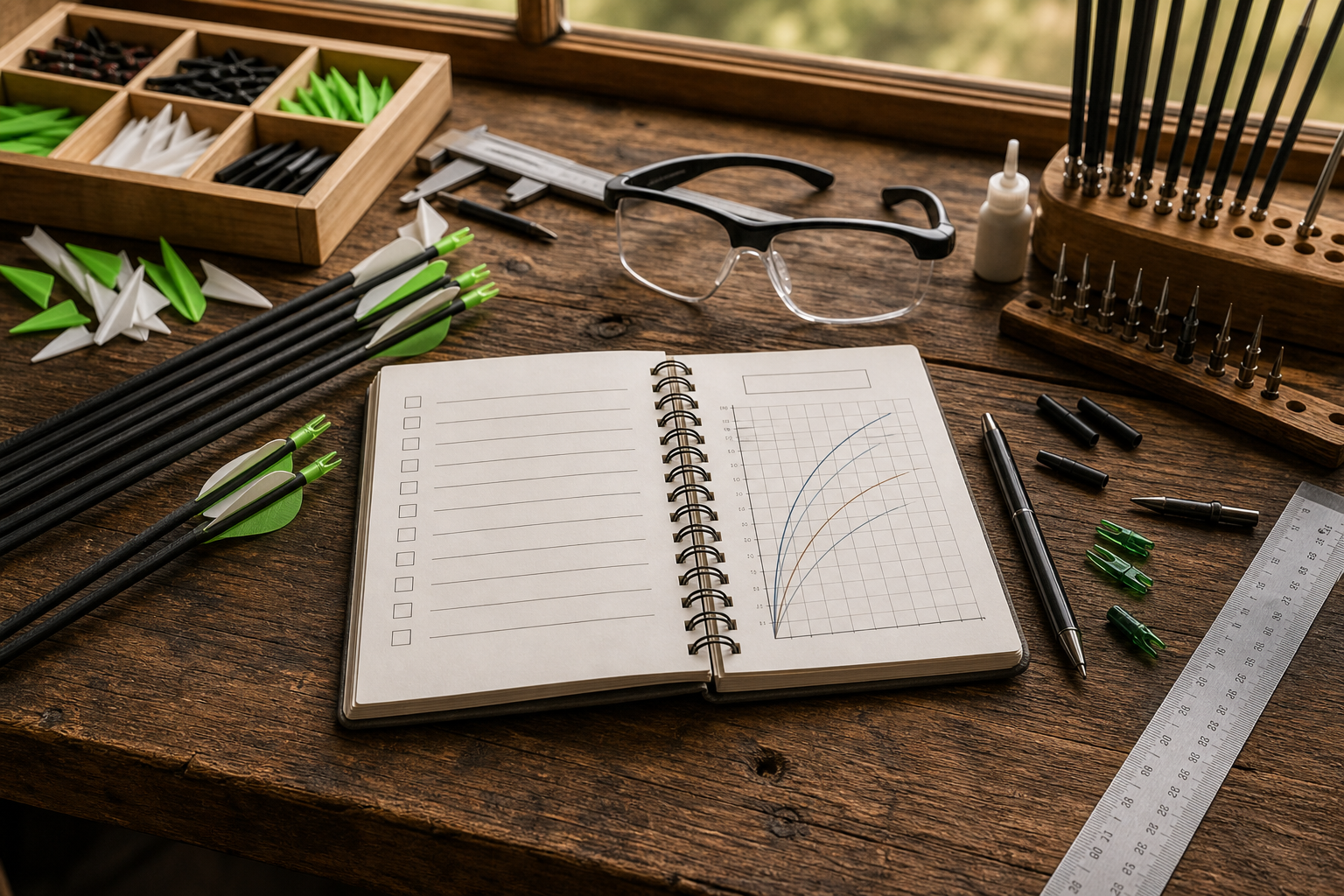
A safe arrow build starts with fit: spine, length, point weight, nock fit, straightness, and final inspection.

Basic Arrow-Making Process

1. Choose the Right Shaft

Start with a rated shaft that matches your draw weight, draw length, and point weight. Avoid mystery shafts, cracked shafts, or old arrows with unknown history.

2. Measure Safe Arrow Length

Arrow length should be measured safely with the bow setup and archer in mind. Do not cut arrows too short. A too-short arrow can fall off the rest or create a dangerous draw condition.

3. Cut and Square the Shaft

Use the correct arrow-cutting equipment for the shaft material. After cutting, square the end so inserts seat cleanly. Poor cuts can cause weak insert bonding and inconsistent point alignment.

4. Install Inserts and Nocks

Use the adhesive recommended for the shaft and insert. Keep glue away from areas where it can interfere with fit. Let the adhesive cure fully before shooting.

5. Fletch the Arrow

Use a fletching jig so vanes or feathers are spaced consistently. Match the fletching style to your rest, broadhead choice, and shooting purpose.

6. Inspect Before Shooting

Spin-check the finished arrow, inspect the shaft, verify nock fit, and confirm the point or broadhead is seated correctly. The general arrow reference is useful for terminology, but safety checks should come from the shaft manufacturer or an archery professional.

What to Check If the Arrow Flies Poorly

If a new arrow fishtails, porpoises, groups badly, or makes unusual contact with the rest, do not keep shooting and hope it settles in. First inspect the shaft and nock for damage. Then check whether the arrow length, point weight, fletching clearance, and spine match the bow setup.

Many arrow problems are really setup problems. A nocking point, rest position, cam timing, peep alignment, or release habit can make a good arrow look bad. That is why it helps to test new arrows from a known safe setup and keep notes about shaft model, length, point weight, and fletching.

Do not try to fix poor arrow flight by randomly adding heavier points, cutting shafts shorter, or switching broadheads without checking the full system. Those changes can alter dynamic spine and may make the arrow less safe or less consistent.

Arrow Making Checklist

  • Use shafts with known brand, model, spine, and length specs.
  • Confirm draw weight, arrow length, and point weight before cutting.
  • Use proper cutting and squaring tools for the shaft material.
  • Install inserts with the adhesive recommended for that shaft.
  • Check nock fit on the actual bowstring.
  • Fletch with a jig for consistent spacing and orientation.
  • Inspect every finished arrow before the first shot and after impacts.

Keep one finished arrow as your reference sample. When you build the rest of the set, compare length, nock alignment, point seating, vane placement, and spin before putting the arrows into regular practice.

Common Mistakes

  • Cutting arrows too short.
  • Using the wrong spine for the bow.
  • Changing point weight without checking spine again.
  • Shooting cracked, splintered, or unknown shafts.
  • Skipping insert curing time.
  • Assuming homemade wood shafts are safe for modern high-energy bows.

Frequently Asked Questions

Can beginners make arrows at home?

Beginners can assemble arrows at home if they use rated parts, correct tools, and manufacturer charts. A shop or coach should check the first finished arrows before shooting.

Can I make arrows from sticks?

Primitive arrow making exists, but random sticks are not a safe shortcut for modern bows. For real shooting, use shafts designed and rated for archery.

What is the most important arrow spec?

Spine is one of the most important specs, but it works together with length, point weight, total arrow weight, and bow setup. Treat the arrow as a complete system.

Should I inspect arrows every time?

Yes. Inspect arrows before shooting and after hard impacts. Any cracked, splintered, loose, or questionable arrow should be removed from use.

Final Recommendation

Making arrows is rewarding, but safety and fit come first. Choose rated shafts, match spine correctly, cut and assemble with proper tools, and inspect every arrow before shooting. If you are unsure, let an archery shop build or check your first set.

How to Bird Watch: Beginner Birdwatching Guide

Birdwatching is simple to start: choose a quiet place, move slowly, listen first, then use binoculars or your eyes to notice shape, color, behavior, song, and habitat. You do not need expensive gear to begin, but a little structure makes the experience much better.

This beginner guide covers where to go, what to bring, how to identify birds, and how to watch respectfully without disturbing wildlife or other people.

Table of Contents
  1. Quick Answer
  2. Where to Birdwatch
  3. Beginner Birdwatching Gear
  4. How to Identify Birds
  5. Birdwatching Etiquette
  6. Beginner Checklist
  7. Common Mistakes
  8. Frequently Asked Questions
  9. Final Recommendation

Quick Answer

To birdwatch, go to a park, yard, trail, wetland, or field edge, stay quiet, scan slowly, and identify birds by size, shape, colors, sound, movement, and habitat. Keep notes, use a field guide or birding app, and avoid getting too close to nests or stressed birds.

Where to Birdwatch

Start close to home. Backyards, neighborhood parks, ponds, river edges, open fields, city green spaces, and wooded trails can all be good birding spots. Early morning is often productive because birds are active and human noise is lower.

For beginner-friendly guidance, Audubon has a useful overview on how to start birding. You can also use eBird to learn where people report birds and to keep your own checklists.

Good Beginner Locations

  • Local parks with trees, open grass, and water.
  • Quiet backyard or balcony feeding areas where allowed.
  • Pond edges, marsh boardwalks, and river trails.
  • Field edges where birds move between cover and food.
  • Nature preserves with marked trails and observation areas.

Beginner Birdwatching Gear

You can birdwatch without gear, but binoculars and a notebook help. Start with comfortable binoculars, weather-appropriate clothing, water, and a field guide or app. Avoid carrying so much that you stop paying attention to the birds.

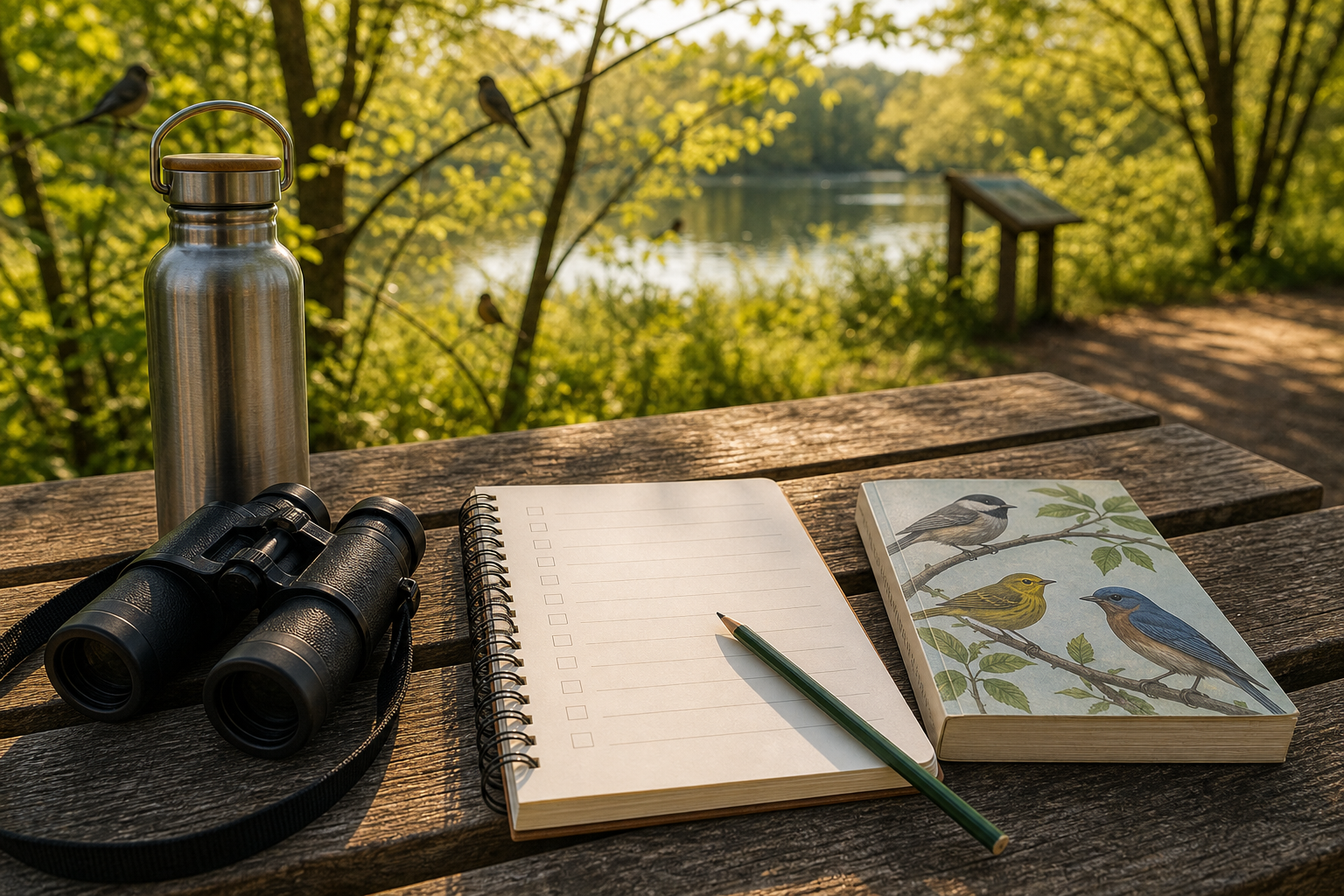
A simple birdwatching kit: binoculars, field notes, water, patience, and a quiet place to observe.

Binoculars

Choose binoculars that are comfortable to hold and easy to focus. Beginners usually benefit more from a steady, bright image than from chasing maximum magnification. If binoculars feel shaky or heavy, you will use them less.

Notebook or App

Write down where you were, the date, habitat, bird size, colors, behavior, and sound. Notes teach you to notice details that a quick photo may miss.

How to Identify Birds

Identification is easier when you look for patterns instead of one color. Ask: How big is the bird? What is the beak shape? Is the tail long or short? Does it hop, walk, cling, swim, soar, or dive? What habitat is it using?

Use the Four-Part Method

  • Size and shape.
  • Color pattern.
  • Behavior.
  • Habitat and location.

Bird songs and calls also help, but do not worry if sound identification feels hard at first. Start with common local birds and build slowly.

How to Observe Without Missing Birds

Many beginners walk too fast. Pick a spot, stand still for a few minutes, and let the area settle. Watch the edges of trees, brush, water, and open ground. Birds often appear after the first noisy moment passes.

Use your ears before your binoculars. A chirp, wingbeat, splash, or rustle can point you toward movement. Once you locate the bird with your eyes, then raise the binoculars slowly and focus carefully.

Think About Season and Habitat

Birdwatching changes through the year. Migration, nesting, winter feeding, rain, drought, and food sources all affect what you see. A park that feels quiet one month may be excellent in another season.

Habitat is the shortcut. Water attracts ducks, herons, swallows, and shorebirds. Dense shrubs may hold sparrows and wrens. Open skies are better for watching hawks, vultures, and swifts. Learn the habitat and identification becomes easier.

Birdwatching Etiquette

Good birdwatching should not disturb the birds. Stay on trails where required, keep distance from nests, avoid flushing birds repeatedly, and never trespass for a better view. If a bird changes behavior because of you, back away.

Be considerate around other people too. Keep noise low, share viewing areas, follow park rules, and be careful with location sharing for sensitive species.

Keep Simple Birding Records

Good notes make birdwatching more rewarding. Record the date, place, weather, habitat, bird behavior, and any field marks you noticed. Over time, your notes show migration patterns, seasonal changes, and which locations are worth revisiting.

Do not worry about perfect identification every time. If you are unsure, write down what you know and look it up later. Honest uncertainty is better than forcing a wrong ID.

Beginner Checklist

  • Pick one nearby birding location.
  • Go during a quieter time of day.
  • Bring binoculars, water, and a notebook or app.
  • Move slowly and listen before scanning.
  • Identify birds by size, shape, behavior, sound, and habitat.
  • Record what you saw and where you saw it.
  • Respect wildlife, private property, and other visitors.

Common Mistakes

  • Buying too much gear before learning basic observation.
  • Moving too quickly through good habitat.
  • Looking only for bright colors and ignoring shape or behavior.
  • Getting too close to nests or stressed birds.
  • Forgetting to write down location and habitat notes.

Frequently Asked Questions

Do I need binoculars to start birdwatching?

No. Binoculars help, but you can begin by watching common birds in your yard, park, or neighborhood and learning their shapes, sounds, and behavior.

What is the best time to birdwatch?

Early morning is often best because many birds are active and human disturbance is lower. Evening can also be good, especially near water or feeding areas.

How do beginners identify birds?

Start with size, shape, color pattern, behavior, habitat, and location. Do not rely on one color alone, because light, age, season, and sex can change how a bird appears.

Is birdwatching good for hunters?

Yes. Birdwatching can improve patience, observation, habitat reading, and ethical wildlife awareness. It is also a quiet way to learn more about the places you hunt or hike.

Final Recommendation

Start birdwatching close to home, keep your gear simple, and focus on patient observation. The more you notice shape, sound, behavior, and habitat, the faster your bird identification skills will grow.

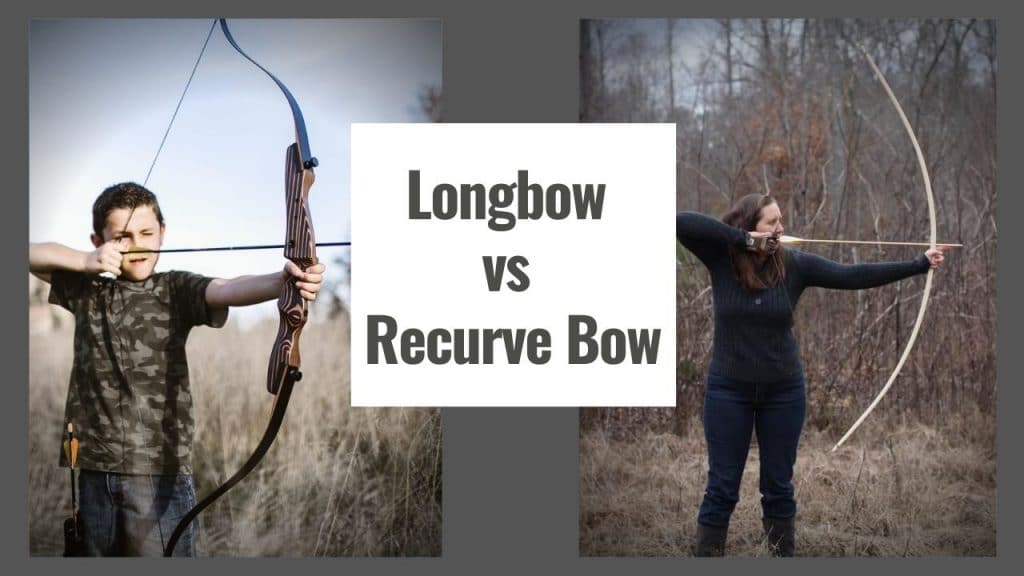
Longbow VS Recurve Bow

Longbow vs Recurve Bow: Longbows and Recurve Bows have been around for centuries, and each one is fun to shoot and capable of tremendous power.

So which type of bow, longbow or recurve bow, is best for hunting? Recurve bows are better than longbows for hunting.

Longbows derive strength from the stiffness and length of the arc, while bends use the elasticity of a curved shape. This is why a curved bow usually gives you more power and speed when compared to a longbow of a similar size.

What Is the Difference Between a Longbow and a Recurve Bow for Hunting?

Longbows are very tall bows with an average length of 64 inches. This makes him sometimes as tall as the person who uses him.

Longbows are very popular. The Celts invented them in Wales around 1180 BC. E., Which means that the longbow has been around for almost a thousand years. The English military widely adopted the longbow in the late 1300s.

A longbow can be very simple. All you need is a long elastic stick that can bend into a bow and string shape. Or you can buy a very simple long longbow and start hunting in small games.

A Beginner’s Recurve Bow is slightly more effective and easier to identify by its curved points at each end of the arc, the central portions of the limbs curving towards the archer, and the ends of the limbs curving away from the limbs archer.

A Recurve Bow stores much more energy than a longbow and also delivers more energy more efficiently, which helps you increase power and boom speed when released. Recurve bow is mainly used in sports or objective archery, as seen in the Olympic Games.

The main variation between a longbow and a recurve bow is its shape; the shape of a longbow is “D,” while the repeating recurve more curved. Both bows are efficient, reliable, and hunting capable, so your decision on which to use should be based on your preference.

Some users claim that the longbow is much more challenging to aim and takes a long time to master, although many archers enjoy using this bow. In my experience, a longbow with enough hunting power is more difficult to lift and maneuver due to its long length and is less ideal for hunting unless you want to experience Robin Hood.

Another consideration to draw the weight, many places have weight and hunting laws. You will need a bow that weighs at least 40 pounds to use for hunting in most cases.

There are many longbows and repeating arches with extraction weights of 40 pounds or more. But again, bows are more effective when it comes to extracting weight based on the length and stiffness of the wood, which means that heavy bows are more common and easier to use, especially for hunting.

If this is just the beginning, I think a longbow would be great practice for beginners. Still, over time, I recommend going up the stairs and getting a recurve bow or even a compound bow, especially if you prepare to use it for any type of hunting.

Other advantages of recurve in its design. It is often made from a wider variety of materials, such as fiberglass or wood laminates, which make the bow very durable.

What Are the Longbows and Recurve Bow in Size?

Longbows are longer than recurve bows. The longbow is usually 4 to 6 feet long. You can choose your longbow based on your height, but if you chose a long and recurved bow, comparable, the longbow would be significantly longer.

Recurve bows were first designed for use on horses or in confined spaces, so they use a curve to shorten the length of the arch without losing power. Most recurve bows are 48 to 70 inches long.

Which Bow Is Faster?

A recurve bow has a slightly higher velocity than a long one because it stores more energy, and release is much more efficient. A recurve bow throws an arrow faster than a longbow with the same thrust weight.

However, the speed also depends on the lift, rope, and boom. Some resources record speeds of 190-210 feet per second (fps), and some claim to have reached 220 fps.

The speed of the English longbow was fixed at 177 frames per second. That’s a pretty decent speed, but it also proves that the recurve bow is much faster. Even a modern longbow can never be as fast as bending with the same weight and the same arrow weight.

How to Build a Shooting Range Safely

How do you build a shooting range safely? Start with the legal, safety, environmental, and professional-design questions before you think about targets or lanes. A real firearm range is not a casual backyard project. It needs local approval, a safe backstop plan, lead management, noise control, insurance, emergency procedures, and qualified range-design review.

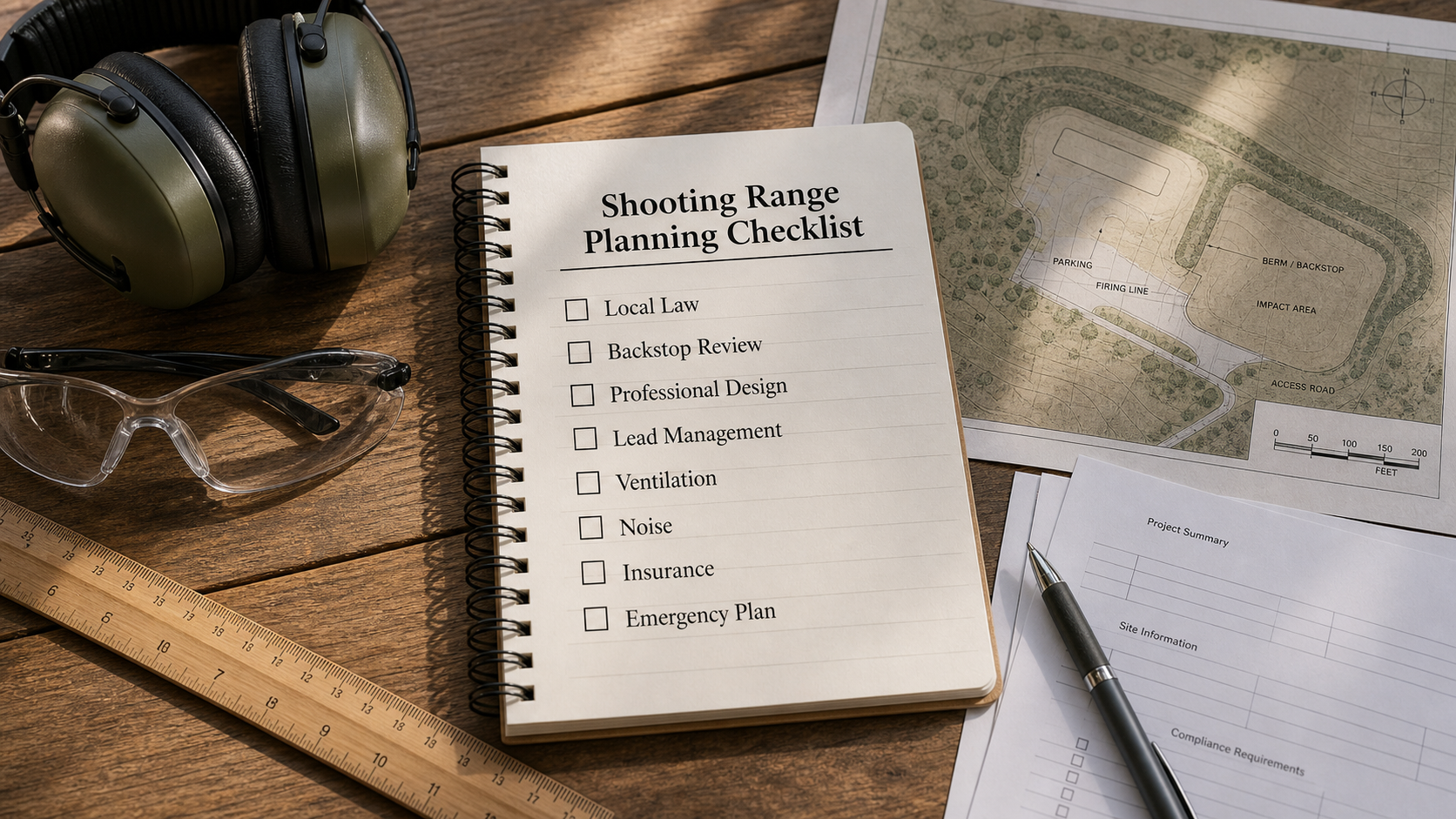
This guide is a planning checklist, not a construction blueprint. It does not provide engineering instructions for bullet traps, berms, ventilation systems, or range structures. For any live-fire range, work with qualified professionals and your local authorities.

Table of Contents

Quick Answer

To build or set up a shooting range, first confirm that shooting is legal at the location, then get professional review for backstop, bullet containment, ventilation, lead management, noise, emergency access, and insurance. For most readers, the safest and simplest choice is to use an established public, private, or club range instead of trying to build a live-fire range at home.

If you are only setting up an airgun, archery, dry-fire, or laser-training area, the risk is different, but you still need safe direction, a reliable backstop, local rule compliance, eye protection, and control over who can enter the area.

Home Range vs. Professional Range

A home practice area and a true shooting range are not the same thing. A dry-fire corner, laser trainer, airgun pellet trap, archery lane, or rimfire-rated club range each has different risks. The more energy, distance, projectile type, and public access involved, the more serious the design and legal requirements become.

For live firearms, do not rely on improvised materials or internet drawings. Range safety depends on site-specific factors: direction of fire, terrain, projectile type, ricochet risk, soil, drainage, nearby roads and houses, overhead hazards, and how the range will be supervised.

Before planning any range, check city, county, state, and property rules. Local firearm-discharge ordinances, zoning, building permits, nuisance rules, noise limits, HOA restrictions, public-land rules, and lease terms may all matter. Rural land does not automatically mean live-fire practice is legal.

Also think about neighbors. Even if shooting is technically legal, a range that creates noise, dust, lead concerns, or unsafe perceptions can turn into complaints or legal trouble. A responsible plan includes communication, written permission, controlled hours, safe access, and documented procedures.

Backstop and Downrange Safety

The backstop is the heart of range safety, but it is also where DIY advice becomes dangerous. A safe backstop is not just a pile of material. It must be designed for the firearm, ammunition, distance, impact angle, maintenance schedule, drainage, and ricochet control. It must also account for what is behind and around the target area.

Use professional range-design guidance for live fire. At a minimum, confirm the direction of fire, side containment, overhead concerns, target placement, shooter position, access control, and emergency stop procedures. The basic firearm-safety principle still applies: know your target and what is beyond it. The NRA’s gun safety rules are a useful baseline for every range discussion.

Lead, Ventilation, and Environmental Risk

Lead is one of the biggest issues range owners overlook. Outdoor ranges need a lead-management plan for soil, runoff, reclamation, and maintenance. The EPA’s Best Management Practices for Lead at Outdoor Shooting Ranges explains why range owners and operators should treat lead management as an environmental responsibility, not an afterthought.

Indoor ranges add another layer: ventilation and airborne lead. NIOSH guidance on indoor firing ranges and OSHA’s lead safety information show why casual indoor live-fire setups are a bad idea without professional ventilation, cleaning, exposure control, and maintenance procedures.

Noise, Insurance, and Emergency Plan

Noise matters for safety, comfort, and community acceptance. A range plan should include hearing protection rules, shooting hours, sound direction, distance from neighbors, and local noise ordinances. Indoor or covered firing points can change sound behavior, so do not assume a structure automatically makes things quieter.

Insurance matters too. If guests, students, club members, or customers use the range, liability exposure increases. A written emergency plan should cover cease-fire commands, first aid, emergency vehicle access, communication, fire risk, weather, and who has authority to stop shooting.

Range Rules and Supervision

A safe range also needs written rules that every shooter can understand before any firearm is uncased. Post the firing line rules, cease-fire command, eye and ear protection requirement, allowed targets, allowed firearms, guest policy, and emergency contact steps. If more than one person is shooting, assign one person to control the line instead of assuming everyone will coordinate naturally.

Supervision matters most when new shooters, visitors, youth shooters, or mixed experience levels are present. A quiet, clear command system prevents confusion and gives everyone permission to stop shooting immediately if something feels wrong.

Safe Range Planning Checklist

  • Local law: Confirm zoning, discharge rules, permits, and land-use restrictions.
  • Professional design: Use qualified review for live-fire backstops, bullet containment, and range layout.
  • Safe direction: Control where every projectile could go, including misses and ricochets.
  • Access control: Prevent people, animals, vehicles, or neighbors from entering the danger area.
  • Lead plan: Plan for lead recovery, soil/runoff protection, and safe cleanup.
  • Ventilation: Do not build an indoor live-fire range without professional air-handling design.
  • Noise: Check local limits and protect shooters and neighbors.
  • Insurance: Confirm liability coverage before anyone else uses the range.
  • Emergency plan: Post commands, first-aid steps, communication, and access routes.

FAQ

Can you build a shooting range at home?

Sometimes, but only if local law, land layout, safety design, backstop, noise, lead management, and insurance all support it. Many homes are not suitable for live-fire ranges.

Is an indoor home shooting range safe?

A live-fire indoor home range is not something to improvise. It requires professional bullet containment, ventilation, fire safety, lead control, noise control, and legal approval.

What is the biggest risk in a DIY shooting range?

The biggest risks are unsafe projectile containment, ricochet, people entering the downrange area, lead exposure, and legal problems from local rules or neighbor complaints.

Can you set up an airgun range more easily?

Usually yes, but it still needs a safe backstop, local-rule compliance, eye protection, controlled access, and a clear shooting direction. Treat it as a controlled practice area, not a toy setup.

Who should review a shooting range plan?

For live-fire firearms, consult local authorities, a qualified range designer or engineer, an insurance provider, and environmental or lead-management professionals where needed.

Final Recommendation

If your goal is practice, an established range is usually the better choice. If your goal is to build or operate a real shooting range, treat it as a legal, engineering, environmental, and safety project from day one.

Do not build a live-fire range from casual online advice. Start with local law, professional design, safe backstop review, lead and ventilation planning, noise control, insurance, and emergency procedures. That is the responsible path.

How To Make a Bowstring: Materials, Tools, and Safety Checks

Making a bowstring is a precision job, not just a craft project. The safe answer is this: you can learn what materials, tools, and checks are involved, but a bowstring should only go on a bow when its length, material, strand count, serving size, loop fit, nock fit, and bow setup match the bow manufacturer’s specifications.

If you are new to archery, the smartest path is to use this guide as a buying and inspection checklist, then have a qualified archery shop or experienced bow technician verify the finished string before you shoot it. A poorly matched string can damage the bow, change arrow flight, or create a safety problem.

Table of Contents
  1. Quick Answer
  2. Bowstring-Making Checklist
  3. What This Guide Covers and Does Not
  4. Materials To Understand
  5. Tools Commonly Used
  6. Why Exact Bow Specs Matter
  7. Safety Checks
  8. When To Use a Pro Shop
  9. Related Archery Guides
  10. FAQ
  11. Final Recommendation

Quick Answer: What Do You Need To Make a Bowstring?

At a high level, bowstring making involves string material, serving material, a bowstring jig or measured setup, serving tools, wax, nock-fit checks, and final bow setup checks. The exact material and dimensions depend on the bow type. Recurve, longbow, compound, and crossbow strings are not interchangeable, and compound bows are especially sensitive to cable/string specs and cam timing.

Before any string is used, confirm the bow’s manual or manufacturer specs, inspect the limbs and cams, check serving and loops, set brace height or axle-to-axle measurements where applicable, and confirm that arrows/nocks fit correctly. Organizations such as the Archery Trade Association, World Archery, and USA Archery are useful starting points for archery education, safety culture, and participation standards.

Bowstring-Making Checklist

CheckWhat to verifyWhy it matters
Bow typeRecurve, longbow, compound, or crossbowEach bow type uses different string rules and safety tolerances.
Manufacturer specsApproved string length, material, strand count, and serving diameterGuessing can change performance or damage the bow.
String materialDacron/B-50 style, modern low-stretch material, or manufacturer-approved equivalentOlder bows may need more forgiving materials; modern compounds often need exact specs.
End loopsLoop size and serving quality match limb tips or cam postsPoor loop fit can slip, wear, or load the bow incorrectly.
Center servingNock fit is snug without pinching or falling offBad nock fit can cause inconsistent release or unsafe arrow behavior.
Bow setupBrace height, tiller, axle-to-axle, and cam timing where applicableThe string affects the whole bow tune, not just the part your fingers touch.
InspectionNo fraying, separation, serving gaps, or damaged loopsVisible defects are warning signs before shooting.
Final verificationQualified shop or experienced technician check if you are unsureA second check is cheap compared with bow damage or injury.

What This Guide Covers and What It Does Not

This guide explains the parts of a bowstring, common materials, tools, and safety checks so you can make better decisions. It is not a replacement for your bow manual, a pro-shop setup, or hands-on coaching. That matters because a string that looks neat can still be wrong for the bow.

For a simple traditional bow, the process is easier to understand. For a modern compound bow or crossbow, the margin for error is much smaller because the string and cables affect cam timing, draw length, let-off, arrow speed, and safety. If your bow uses cams, cables, or high draw weight, treat string work as technical maintenance.

Materials To Understand Before Making a Bowstring

String material

Bowstrings can be made from different synthetic materials, but the best choice depends on the bow. Dacron-style materials are often more forgiving for traditional and older bows. Modern low-stretch materials can improve efficiency, but they may be too harsh for some older limb designs. Do not choose material only because it is strong; choose the material your bow is designed to handle.

Serving material

Serving protects high-wear sections of the string, especially the center serving where the arrow nock attaches and the end-loop areas that contact limb tips or cams. Serving diameter matters because it controls nock fit. A nock that clicks on too tightly or falls off too easily can create inconsistent and unsafe shooting behavior.

End loops and nocking point

The end loops must fit the bow correctly without twisting, slipping, or creating sharp stress points. The nocking point also needs to be placed and checked with the bow setup, not guessed by eye. Small fit problems can become major accuracy and wear problems after repeated shots.

Tools Commonly Used for Bowstring Work

Common bowstring tools include a string jig, serving jig, bow square, string wax, measuring tape, nock-fit tools or test nocks, and a safe bow press when working on many compound bows. A homemade board-and-post setup may help someone understand how string loops are formed, but it should not be treated as a substitute for accurate bow specs and final tuning.

If the bow requires a press, do not improvise. A compound bow stores serious energy, and the wrong press method can damage limbs, cams, strings, or cables. That is one of the main reasons pro-shop help is worth the cost for many archers.

Why Exact Bow Specs Matter

A bowstring is part of the bow’s tuning system. Changing length, material, strand count, or serving thickness can change brace height, draw length, nock travel, arrow launch, and cam timing. On a compound bow, a string that is close but not correct can make the bow feel wrong even if it technically fits on the cams.

Before replacing or making a string, record the bow model, draw weight, draw length, factory string length, cable length if applicable, and any manufacturer notes. If those details are missing, contact the manufacturer or a qualified archery shop instead of relying on a generic online measurement.

Safety Checks Before Using Any Bowstring

Inspect the full string before every shooting session. Look for broken strands, fuzzy wear, separated serving, loose loops, damaged nock fit, and changes in brace height or timing. Stop shooting if the bow sounds different, feels different, or shows unexpected wear.

Never dry fire a bow, and do not test a questionable string by pulling the bow repeatedly without a proper arrow and safe range setup. If a string has visible damage or unknown history, replacement is safer than trying to stretch its life.

When To Use a Pro Shop

Use a pro shop when the bow is a compound, crossbow, high draw-weight setup, expensive hunting bow, or any bow with unclear specs. Also use a shop if you need cam timing, peep alignment, draw-length confirmation, or a press. The cost of professional setup is small compared with damaged equipment or unsafe shooting.

DIY string knowledge is still useful. It helps you ask better questions, inspect your equipment, understand why a shop recommends certain materials, and catch obvious fit problems before they become failures.

FAQ

Can beginners make their own bowstring?

Beginners can learn the terms and process, but they should not trust a first homemade string on a bow without experienced inspection. A bowstring has to match the bow, not just look finished.

What is the safest bowstring material?

The safest material is the one approved for your bow. Dacron-style material may be appropriate for many traditional or older bows, while modern compounds often require specific low-stretch materials and exact dimensions.

Why does nock fit matter?

Nock fit affects safety and consistency. If the nock is too tight, it can interfere with release. If it is too loose, it may fall off the string before or during the shot cycle.

Should I make a compound bow string at home?

Most shooters should use a qualified shop for compound bow strings and cables. Compound bows depend on exact string and cable specs, cam timing, press safety, and final tuning.

Final Recommendation

Learning how a bowstring is made is valuable, but safety comes first. Use the correct material, match the bow’s exact specifications, inspect every wear point, and get professional verification when you are unsure. For most hunters and casual archers, a properly built replacement string from a trusted source or pro shop is the better decision than risking a poorly matched DIY string.

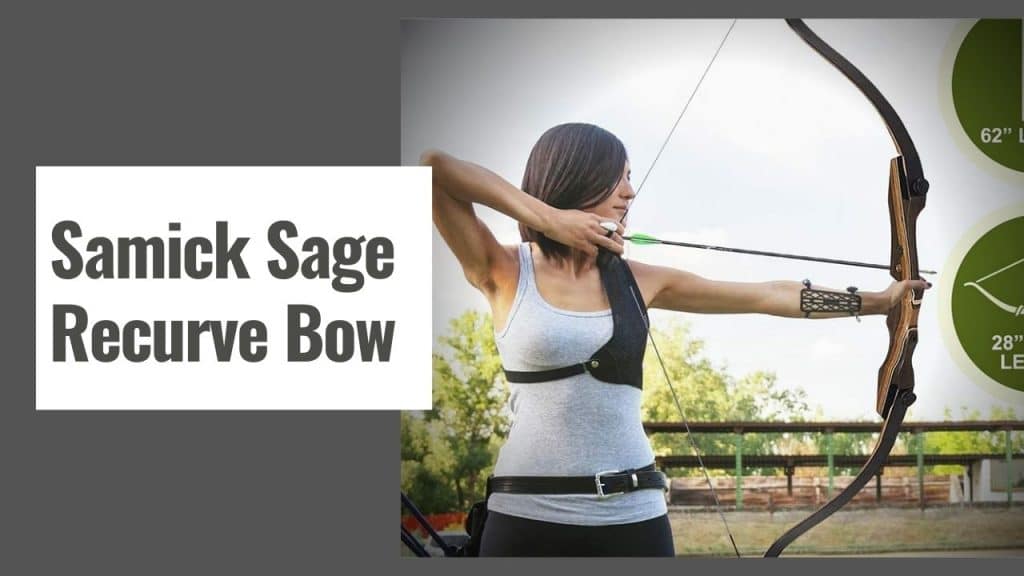
Samick Sage Recurve Bow Review

Samick Sage Recurve Bow Review: If you search for something less pricey yet useful for hunting, the Samick Sage Recurve Bow can be your ideal weaponry.

Samick is a reputed brand, boasting excellence since it started. The brand always manufactures top-notch hunting gears for both newbies and veteran shooters, which you will know after using this excellent recurve bow.

Although the manufacturer states it as the best starter recurve bow, it is more than a starter bow, in essence, an advanced recurve bow.

In case you are new to archery or a professional shooter, this bow will always serve you with the best performance. So, let’s uncover its excellence by checking its high-quality features:

Samick Sage Recurve Bow Review

Construction

The Samick Sage comes with a robust maple wood construction. The manufacturer uses a wood core on both the riser and the limbs. The maple wood is coated with fiberglass on the belly and the exterior of these items. It ensures the sage’s excellent agility and top-tier longevity.

Attachments

The sage recurve bow houses pre-installed brass bushings. Shooters can use them to place stabilizers, fishing reels, bow rests, cushion plungers, or bow sights.

The feature makes this bow versatile, and you can use it for bow hunting, recreational archery, bow fishing, and more.

Limbs

The Sage bow is convenient to assemble as its limbs don’t require changing with any particular tool’s help. Users can effortlessly change two fiberglass laminated libs.

They will get a 25 lbs. limb and a 60 lbs. to use. These limbs are interchangeable, though. Apart from that, there is a 14 dacron bowstring, propelling arrows at high speed.

The function is ideal for hunting down big games. It also makes this hunting gear appropriate for use as a pistol crossbow for home defense.

Hand Alignment

Engineers have designed this samick recurve bow to suit both right and left-handed shooters. If you fall into the right-handed category, you need to hold the recurve bow with your left hand and pull the bow’s string using your left hand.

On the contrary, if you are lefty, you can hold the bow with your right hand and pull the string using your left-handed to make a perfect shot.

Bow for the Professionals

The Samick Sage recurve bow is preferred by some of the world’s renowned archery champions. Its rugged structure, ergonomic design, and high-end performance help this bow stand out from the rest of the market.

Bottom Line

You will find many hunting bows in the market. Choosing one of those bows and getting started in archery can be a bit engulfing, especially if you are an entire novice.

Being a beginner, you tend not to know what to look for in an archery bow. Thus, there is always a chance that you pick the budget compound bow instead of picking the best archery bow.

However, if you don’t want to experience such hesitation and prefer avoiding mistakes, we recommend using this Samick Sage Recurve Bow. It will easily handle your hunting traits as a beginner.

Southland Archery Supply Reviews

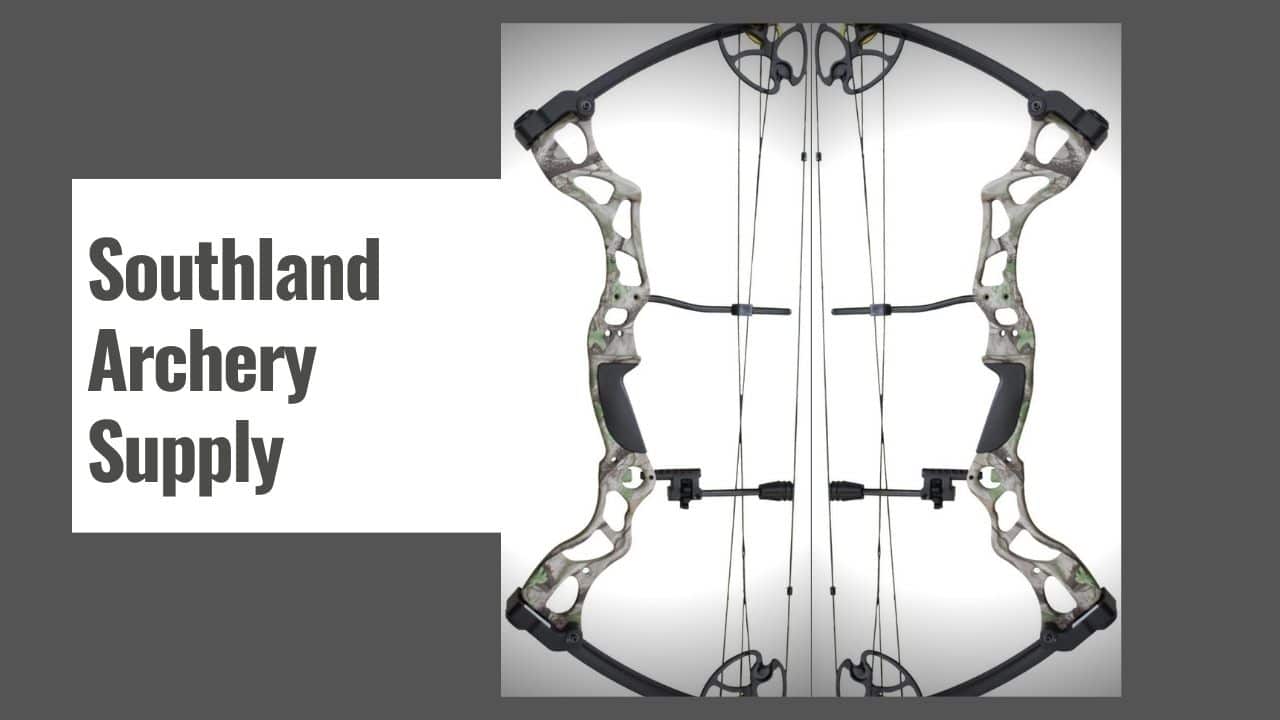
Southland Archery Supply Reviews: Archery is a wild game that both avid and newbie hunters love to play. The sport has evolved over the years. Archery gears are getting better with science and technology. Nowadays, archery bow can shoot at high speed, and arrows can reach far distances more accurately.

Southland Archery Supply Reviews

These days, we can see various archery bows available in the market. Some of them are good for target shooting, while others are perfect for hunting big games.

But the problem arises when beginners intend to pick a bow from such a wide range of options. Although they have the archery passion, they can’t choose the best recurve bow for beginners.

That’s where the Southland Archery 62″ Spirit Bow comes in. It nearly houses all the required features that a beginner shooter needs for practice shooting. Let’s dive into its functions:

Riser

The Southland Archery 62″ Spirit bow contains a riser made out of the most excellent quality wood. The wooden riser is predrilled and features bushings for accessory installation. With this function’s help, shooters can set arrow rest, sights, and even plunger on their weapon.

Limbs

The Spirit bow’s limbs are manufactured from fiberglass. Alongside that, it has a lamination of maple wood. Both materials make the bow not only looks alluring but also make it robust against everyday use.

The bow’s limbs are spiral resistant and can tolerate several seasons of practice shooting at woods.

Draw Weight

The Southland takedown recurve bow for hunting features a wide range of draw weights, including 22, 26, 30, and 34. The poundage is enough for target shooting, though.

Hunters can conveniently make a precise shot from a distance of about 30 yards. The SAAS Spirit is more of a target shooting bow, and it enables hunters to hunt animals like squirrels, rabbits, or anything small.

String

The Spirit 62″ archery bow boasts a 14-strand Dacron string, aids in generating high shooting speed. The 14-strand string is efficient for target shooting. However, you can upgrade the string up to 16-strand. The hunting bow can accommodate up to 58″ string.

Bow Weight

The SAAS archery bow is neither the lightest nor the heaviest bow available in the market. It weighs only 2.8-pounds, which is, in essence, a standard bow weight both for beginner and professional archers. They can easily maneuver such a light recurve bow.

Essential Features

Another Southland Archery Bow’s significant attribute is that it can produce low-noise shots. Only expensive bows tend to nurture such tranquil or quieter traits, and veteran hunters always prefer to have this excellent feature in their hunting bows.

The Spirit 62 Bow also doesn’t cause vibration while you make a shot. However, you can use an additional silencer to make the hunt more soothing.

Overall, it comes with decent features that you will find useful while hunting small games in the woods. You may go with a more rugged bow or search for a hunting compound bow for the money for hunting big games.

Bottom Line

When it is about target shooting, it is quite challenging to choose an alternative other than the Southland SAAS Spirit 62 Archery Bow. With its robust build and ergonomic design, it can endure several sessions of practice shooting.

However, if you still doubt its quality seeing its price, the manufacturer offers a warranty that will cover you enough. Thus, for leveling up your hunting skill, you can blindly choose this excellent hunting bow.

Exit mobile version