


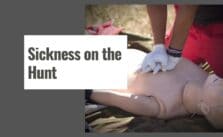
Staying healthy on the hunt comes down to awareness and prevention: drink water steadily, respect altitude, dress in layers for changing weather, handle food and water carefully, and learn to recognize the early signs of heat and cold illness so you can act before a problem becomes serious. This article is general field health awareness for hunters, not medical advice. It does not diagnose or treat anything. For any symptom that worries you, or any emergency, contact a qualified medical professional or call 911. The goal here is to help you prevent common problems and notice trouble early.
Table of contents
Prevention and Preparation Come First
Most field health problems are easier to prevent than to fix once you are miles from a road. Before a hunt, build your plan around the conditions you expect: the season, the elevation, the forecast, and how far you will be from help. Pack the basics that let you stay warm, fed, hydrated, and oriented. The National Park Service Ten Essentials list is a good starting framework, including extra food and water, insulation, a first-aid kit, and a way to navigate.
Tell someone your plan. Leave details of where you are hunting, your route, and when you expect to return, so help can reach you if you do not come back on schedule. Check the forecast through the National Weather Service before you go, since cold, heat, and storms drive many field health problems. If you have a medical condition or take medication, talk with your own healthcare provider about how it affects exertion, altitude, or temperature before the trip.
Hydration and Nutrition in the Field
Dehydration sneaks up on hunters because hard effort, dry air, altitude, and cold all increase fluid loss while masking thirst. Drink water steadily through the day rather than waiting until you feel thirsty, and carry more than you think you need or a reliable way to treat water in the field. Dark urine, headache, fatigue, dizziness, and muscle cramps can be early signs that you are falling behind on fluids.
Food matters too. Long days of hiking, glassing, and packing out meat burn a lot of energy, and running low on fuel leaves you cold, slow, and prone to poor decisions. Eat regularly and pack calorie-dense snacks you will actually eat. None of this replaces guidance from a medical professional about your own needs; it is general awareness to help you stay ahead of common shortfalls.
Altitude Awareness
Hunting at higher elevations than you live at can bring on altitude sickness, especially if you climb quickly. Common early symptoms people report include headache, nausea, fatigue, trouble sleeping, and feeling short of breath with effort. The general awareness guidance is to ascend gradually when you can, stay hydrated, and not ignore how you feel.
If symptoms appear and keep getting worse as you go higher, the widely cited principle is that going to a lower elevation often helps, and worsening symptoms are a reason to stop ascending. Altitude illness can become serious, so this is an area where you should not push through and where a qualified medical professional should guide any decision about a specific person. The altitude sickness reference is a general reference, not a substitute for medical care.
Cold-Weather Illness Awareness
Cold, wet, and wind are a constant hunting hazard, and hypothermia can develop even in temperatures well above freezing when someone is wet and tired. General warning signs to watch for in yourself and your group include intense shivering, fumbling hands, slurred speech, confusion, and stumbling. Frostbite affects exposed skin and extremities and can show as numbness and pale, hard, or waxy skin.
Lowering the Risk
Dress in layers so you can adjust as you heat up and cool down, keep a dry layer in reserve, protect your head, hands, and feet, and get out of wind and wet when you can. Eating and drinking help your body produce heat. The hypothermia reference describes general signs and prevention. If you suspect hypothermia or frostbite, treat it as urgent and seek medical help; do not rely on field improvisation as a substitute for professional care.
Heat Illness Awareness
Early-season and warm-climate hunts carry the opposite risk. Heat exhaustion and heat stroke develop when the body cannot shed heat fast enough, often combined with dehydration and heavy exertion. Commonly described signs of heat exhaustion include heavy sweating, weakness, dizziness, nausea, and headache. Signs that suggest the more dangerous heat stroke, such as confusion, very hot skin, and collapse, are a medical emergency.
To lower the risk, hunt during cooler parts of the day when you can, take breaks in shade, drink steadily, and pace your effort. The CDC information on heat-related illness covers general signs and prevention. Because the line between heat exhaustion and heat stroke matters and can move fast, defer any decision about a specific person to a qualified medical professional, and call 911 for signs of heat stroke.
Food and Water Safety
Backcountry water can carry organisms that cause stomach illness, so treat water from streams and lakes before drinking. Common field methods include boiling, filtering, and using treatment products according to their instructions. Carry a reliable method and a backup, since a few days of gastrointestinal illness far from a road is both miserable and dangerous because it speeds dehydration.
Handle food and harvested game carefully. Keep meat cool and clean, wash your hands when you can, and avoid cross-contamination. State wildlife agencies and health authorities publish guidance on safe handling of wild game; follow your state’s current rules and any official advisories for the area you hunt. When in doubt about whether food or water is safe, err on the side of caution.
When to Stop and Get Help
Knowing when to end a hunt is part of staying healthy. Awareness only helps if you act on it. Treat the following as reasons to stop, rest, descend, warm up, cool down, or get help rather than pushing on:
- Symptoms that keep getting worse instead of improving with rest, fluids, or a change of conditions.
- Confusion, slurred speech, severe weakness, fainting, or a hunting partner who is not acting normally.
- Altitude symptoms that worsen as you go higher.
- Signs that suggest hypothermia or heat stroke.
- Any symptom that frightens you or that you cannot explain.
For anything serious or an emergency, contact a qualified medical professional or call 911. If you are beyond cell coverage, a personal locator beacon or satellite messenger can summon help. This article cannot diagnose or treat any condition, and nothing here should delay getting real medical care.
Frequently Asked Questions
How much water should I carry on a hunt?
It depends on the temperature, your effort, the elevation, and how long you will be out, so there is no single number. The general practice is to drink steadily rather than waiting for thirst, carry more than you expect to need, and bring a reliable way to treat field water. For personal needs, ask your healthcare provider.
What are early signs of hypothermia to watch for?
Commonly described early signs include intense shivering, clumsy or fumbling hands, slurred speech, and confusion. Because judgment fades, hunting partners often notice it before the affected person does. If you suspect hypothermia, treat it as urgent and seek medical help. See the CDC for general guidance.
Can I drink straight from a backcountry stream?
It is safer not to. Backcountry water can carry organisms that cause stomach illness, so the standard practice is to treat it by boiling, filtering, or using a treatment product per its instructions. Carry a reliable method and a backup, since gastrointestinal illness far from help speeds dehydration.
Should I keep hunting if I have a bad headache at altitude?
A worsening headache at altitude is a signal to stop ascending and pay attention, not to push through. The widely cited principle is that descending often helps and that worsening symptoms warrant caution. Altitude illness can become serious, so defer to a qualified medical professional for any specific situation.
Final Takeaway
Field health is mostly preparation and attention. Plan for the conditions, tell someone your route, drink and eat steadily, dress in layers, treat your water, and learn the early signs of heat and cold illness and altitude trouble so you can act before they get serious. This is awareness, not medical advice, and it cannot diagnose or treat anything. When a symptom worsens or worries you, or in any emergency, stop and get help from a qualified medical professional or call 911.