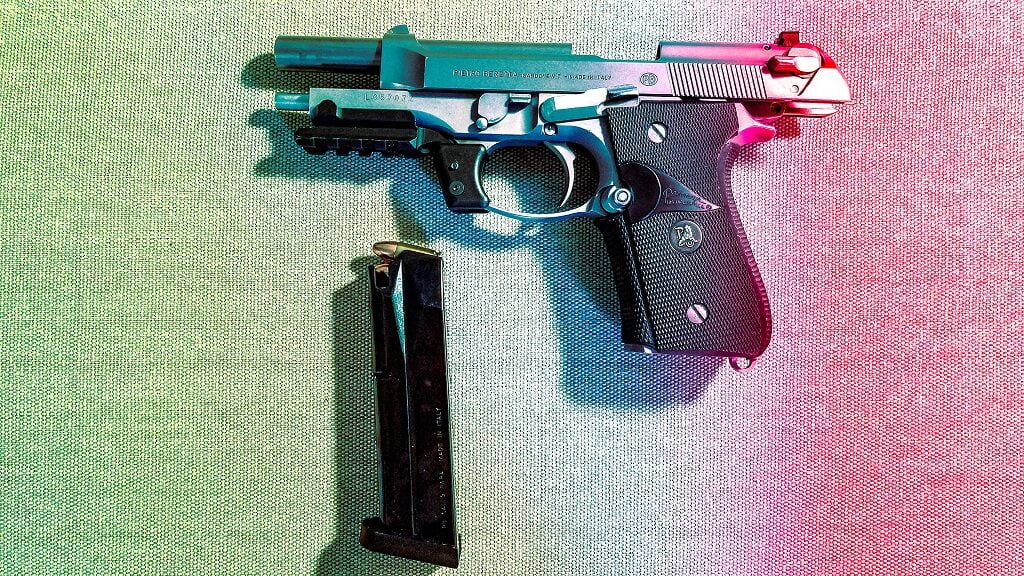
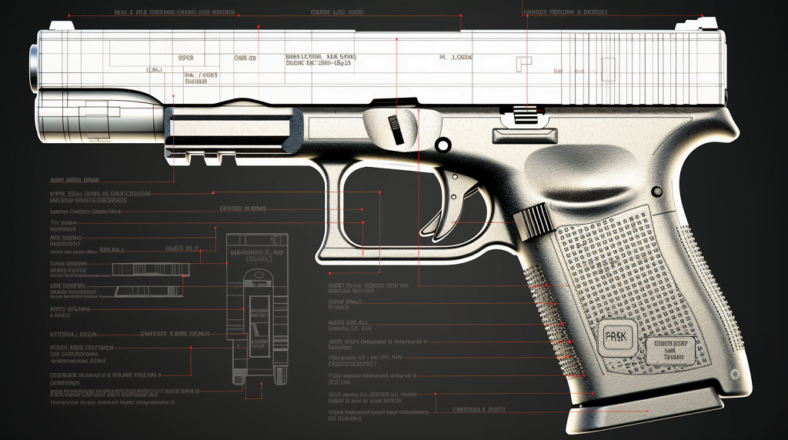
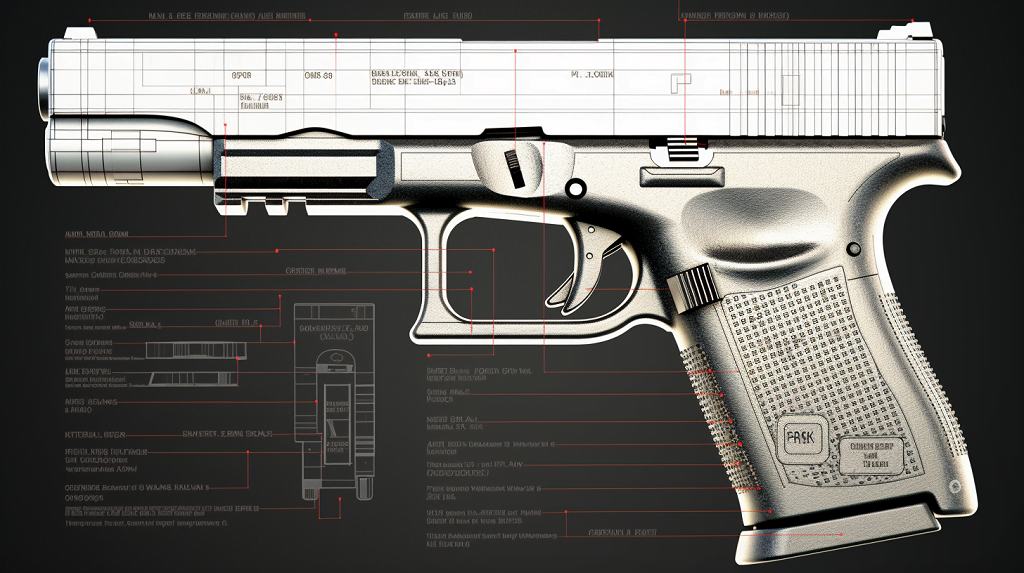
Glock Parts Diagram: Understanding the Anatomy of Your Glock Pistol

Are you a Glock enthusiast looking to deepen your knowledge about this iconic firearm? Whether you’re a proud owner or simply curious about how a Glock pistol functions, understanding its parts and their roles is crucial. In this comprehensive guide, we will delve into the Glock parts diagram, exploring the various components that make up this reliable and popular firearm. So, grab your Glock and let’s embark on a journey of discovery!

Table of Contents

1. Introduction: Unveiling the Glock Phenomenon

A Brief History of Glock Pistols

Before diving into the intricacies of the Glock parts diagram, let’s take a moment to appreciate the history behind these remarkable firearms. Glock pistols were introduced in the early 1980s by Austrian engineer Gaston Glock. Their innovative design, reliability, and use of polymer materials quickly revolutionized the handgun industry. Today, Glock pistols are trusted by law enforcement agencies, military personnel, and countless civilians around the world.

What sets Glock apart from its competitors? The answer lies in its simplicity, durability, and reliability. Glock pistols feature a striker-fired mechanism, eliminating the need for an external hammer and reducing the chances of snagging. Additionally, their high-capacity magazines, consistent trigger pull, and ease of maintenance make them popular choices among shooters of all levels.

2. The Anatomy of a Glock Pistol

To fully comprehend the Glock parts diagram, let’s familiarize ourselves with the fundamental components that come together to form a Glock pistol.

Frame: The Foundation of the Glock

The frame serves as the foundation of the Glock and houses critical components such as the trigger mechanism, magazine well, and grip. Made from a durable polymer material, Glock frames offer lightweight yet robust construction, contributing to the pistol’s overall reliability.

Slide: The Moving Powerhouse

The slide is an essential part of the Glock, responsible for multiple functions. It houses the firing pin assembly, extractor, and ejection port. When fired, the slide reciprocates, extracting and ejecting spent casings while cocking the firing pin for the next shot.

Barrel: Where the Magic Happens

The barrel is where the bullet travels through, guided by the rifling, which imparts spin for stability. Glock barrels are renowned for their polygonal rifling, which enhances accuracy and facilitates easier cleaning.

Recoil Spring Assembly: Managing Recoil

The recoil spring assembly consists of a guide rod and a recoil spring. Its primary role is to absorb and manage the recoil generated when a round is fired, allowing for quick and controlled follow-up shots.

Trigger: The Gateway to Firing

The trigger is arguably one of the most critical components of any firearm. Glock triggers are known for their consistent and relatively light pull, contributing to the pistol’s accuracy and ease of use.

Sights: Aiming for Accuracy

Glock pistols come equipped with standard sights, typically consisting of a front sight post and a rear sight notch. These sights allow for quick target acquisition and precise aiming.

Magazine: Feeding the Beast

The magazine is responsible for holding and feeding ammunition into the Glock. Available in various capacities, Glock magazines are renowned for their reliability and ease of use.

3. Understanding Glock Parts Terminology

Before diving into the specific Glock parts diagram, it’s essential to understand some commonly used terminology.

Upper Receiver Group

The upper receiver group refers to the collection of components located above the frame. This includes the slide, barrel, recoil spring assembly, and sights.

Lower Receiver Group

The lower receiver group encompasses the components housed within the frame, such as the trigger mechanism, magazine well, and grip.

Small Parts and Components

Within the upper and lower receiver groups, you will find various small parts and components that contribute to the overall functionality of the Glock pistol.

4. Glock Parts Diagram: Exploring the Components

Now, let’s explore the Glock parts diagram for specific models, including the Glock 19, Glock 17, Glock 43, and Glock lower parts.

Glock 19 Parts Diagram

The Glock 19 is one of the most popular models, revered for its versatility and compact size. Refer to the following diagram to visualize the individual components of the Glock 19:

Glock 19 Parts Diagram

Glock 17 Parts Diagram

The Glock 17 is Glock’s flagship model, renowned for its full-size frame and magazine capacity. Here’s a detailed diagram showcasing the components of the Glock 17:

Glock 17 Parts Diagram

Glock 43 Parts Diagram

The Glock 43 is a single-stack, subcompact pistol designed for concealed carry. Below is a comprehensive diagram highlighting the Glock 43 parts:

Glock 43 Parts Diagram

Glock Lower Parts Diagram

Understanding the lower parts of a Glock is essential for those interested in customization and upgrades. Here’s a detailed diagram of the lower parts:

Glock Lower Parts

5. Assembling and Disassembling Your Glock

To maintain and customize your Glock, it’s crucial to understand how to assemble and disassemble the firearm. Let’s explore the basic field stripping process, detailed disassembly, and reassembly steps.

Field Stripping: Basic Disassembly

Field stripping refers to the process of partially disassembling the Glock for cleaning and routine maintenance. By following a few simple steps, you can quickly field strip your Glock pistol.

Detailed Disassembly: Going Beyond the Basics

For those interested in a more thorough cleaning or customization, detailed disassembly allows you to delve deeper into the various Glock parts. However, it’s crucial to exercise caution and follow reliable instructions to ensure a safe disassembly process.

Reassembly: Putting it All Back Together

After cleaning or modifying your Glock, it’s time to put the components back together. Reassembly requires attention to detail and proper alignment to ensure the firearm functions correctly.

6. Common Upgrades and Accessories

Glock owners often seek aftermarket upgrades and accessories to enhance their shooting experience. Here are some popular options worth considering:

Extended Magazine Releases

Extended magazine releases allow for easier and quicker magazine changes, particularly useful for competitive shooters or those with smaller hands.

Aftermarket Slides

Aftermarket slides offer customization options such as enhanced serrations, optics-ready cuts, and improved aesthetics. They allow Glock owners to personalize their pistols to suit their preferences.

Upgraded Triggers

Upgrading the trigger can enhance the shooting experience by reducing trigger pull weight, improving reset, or providing a crisper break.

Custom Grips

Custom grips provide a comfortable and ergonomic grip, offering improved control and recoil management.

7. Glock Parts Diagram Resources and References

To further expand your knowledge of Glock parts and explore additional resources, consider the following references:

Glock Manuals and Official Documentation

Glock provides detailed manuals and documentation for their pistols, offering comprehensive information on parts, assembly, and maintenance. These resources can be found on the official Glock website or through authorized distributors.

Online Glock Communities and Forums

Engaging with online Glock communities and forums allows you to connect with fellow Glock enthusiasts, share experiences, and learn from their expertise. These communities are excellent sources of information and can help answer specific questions you may have.

8. Conclusion

Congratulations! You’ve now become acquainted with the Glock parts diagram, exploring the various components that make up your Glock pistol. Understanding the anatomy and functionality of your firearm not only enhances your shooting experience but also empowers you to maintain, customize, and optimize your Glock according to your preferences. Remember to prioritize safety and always consult reliable sources when performing any modifications or maintenance on your firearm.

Frequently Asked Questions (FAQs)

Q1: Where can I find a detailed Glock parts diagram for my specific model?

A1: Glock parts diagrams can be found in official Glock manuals, online firearm forums, or through reputable gunsmithing resources. Additionally, several online retailers specializing in Glock parts may offer detailed diagrams on their websites.

Q2: Are Glock parts interchangeable between different models?

A2: While some parts may be compatible between Glock models, it’s crucial to verify compatibility before making any modifications. Not all parts are interchangeable, especially when it comes to frame sizes and calibers.

Q3: Can I upgrade my Glock’s trigger without compromising its reliability?

A3: Yes, it’s possible to upgrade your Glock’s trigger while maintaining its reliability. However, it’s important to choose reputable brands and follow proper installation procedures to ensure safe and reliable operation.

Q4: How often should I clean and maintain my Glock pistol?

A4: Regular cleaning and maintenance are essential to keep your Glock in optimal condition. It is recommended to clean your Glock after every shooting session and perform routine maintenance at least every 500-1,000 rounds or as specified by Glock’s official guidelines.

Q5: Are there any restrictions on modifying Glock pistols?

A5: Modification restrictions vary depending on local laws and regulations. Before making any modifications to your Glock, it is crucial to familiarize yourself with applicable laws in your jurisdiction and ensure compliance to avoid legal issues.

Remember, understanding the Glock parts diagram empowers you as a Glock owner, allowing you to appreciate the intricacies of this remarkable firearm and make informed decisions about maintenance and customization. Happy shooting!
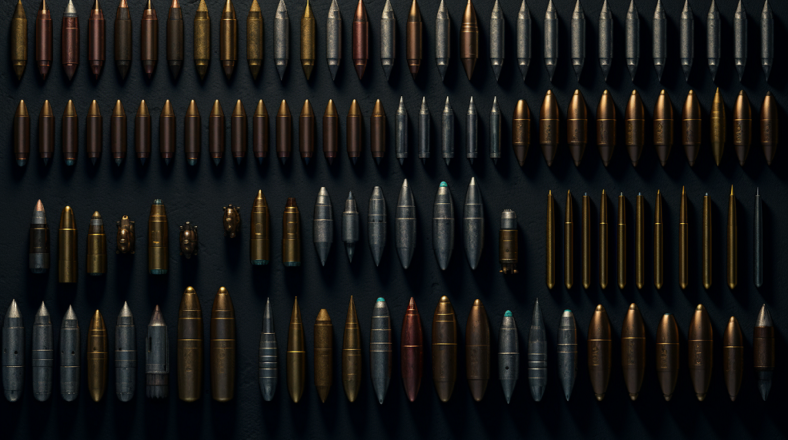
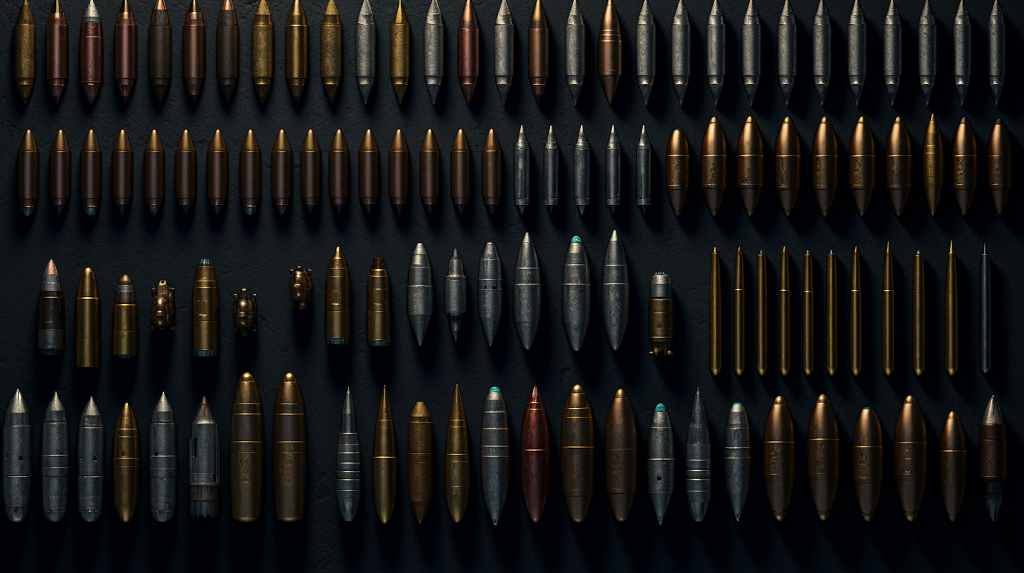
Types of Bullets: Exploring Projectile Varieties for Firearms

Firearms fire bullets, which play a vital role in determining accuracy, range, and effectiveness. There are various types of bullets available, each designed for specific purposes and applications. In this article, we will explore different types of bullets, their characteristics, and common uses in firearms.

Table of Contents

Full Metal Jacket (FMJ) Bullets

Shooters commonly use Full Metal Jacket (FMJ) bullets in military and recreational shooting. They feature a soft lead core encased in a harder metal shell, usually copper. FMJ bullets offer excellent penetration and minimal expansion upon impact, making them suitable for target practice and situations where over-penetration is a concern.

Hollow Point (HP) Bullets

Hollow Point (HP) bullets actively expand upon impact, creating larger wound channels and maximizing stopping power.These bullets have a hollow cavity at the tip, allowing for controlled expansion upon contact with a target. HP bullets are popular for self-defense, as they deliver significant energy transfer to the target while reducing the risk of over-penetration.

Soft Point (SP) Bullets

Soft Point (SP) bullets feature a lead-tipped projectile with an exposed lead tip, facilitating controlled expansion upon impact. They retain more weight and penetrate deeper than hollow points, making them effective for hunting various game. SP bullets offer reliable expansion, energy transfer, and controlled penetration.

Ballistic Tip Bullets

Additionally, Ballistic Tip bullets utilize a plastic tip at the front of the projectile, which improves aerodynamics and trajectory. This tip plays a crucial role in initiating controlled expansion upon impact, rendering these bullets highly suitable for hunting purposes. Furthermore, Ballistic Tip bullets exhibit exceptional long-range accuracy, high velocity, and consistent expansion.

Open Tip Match (OTM) Bullets

Shooters primarily use Open Tip Match (OTM) bullets in precision shooting and competitive shooting events. OTM bullets feature an open tip, but they do not possess the design for expansion like traditional hollow points. OTM bullets deliver exceptional accuracy, consistency, and ballistic performance, making them popular among long-range shooters and precision enthusiasts.

Boat Tail Bullets

Boat Tail bullets, characterized by a tapered base resembling the shape of a boat’s tail, offer significant advantages. This design effectively reduces drag, enhancing ballistic efficiency. As a result, shooters can enjoy flatter trajectories, improved accuracy, and higher velocities. Consequently, Boat Tail bullets have become a popular choice for long-range shooting and hunting situations.

Armor-Piercing (AP) Bullets

Shooters primarily use Open Tip Match (OTM) bullets in precision shooting and competitive shooting events. OTM bullets feature an open tip, but they do not possess the design for expansion like traditional hollow points.

Frangible Bullets

Frangible bullets break apart upon impact with hard surfaces, as they consist of compressed powdered metal or a composite material. Upon striking a solid object, they disintegrate into smaller fragments, effectively reducing the risk of over-penetration and minimizing the chance of ricochets. Shooters frequently utilize frangible bullets in training scenarios and close-quarters shooting due to their unique properties.

Wadcutter Bullets

Shooters primarily use wadcutter bullets in target shooting disciplines due to their flat-nosed and cylindrical shape. These specialized projectiles are designed to create clean, round holes in paper targets, enabling precise scoring and accurate assessment of shot placement. As a result, wadcutter bullets find high favor in bullseye shooting and precision pistol competitions.

Tracer Bullets

Tracer bullets incorporate a pyrotechnic compound in the base, producing a visible trail of light during flight. Tracers help in tracking the trajectory of bullets, particularly in low-light conditions or for signaling purposes. The military and certain shooting sports commonly use tracer ammunition.

Incendiary Bullets

Incendiary bullets contain a flammable compound in the projectile tip, which ignites upon impact, creating a secondary fire effect. They are typically restricted to military and law enforcement use due to their potential to start fires. Incendiary bullets are not commonly available for civilian use.

Subsonic Bullets

Shooters commonly use subsonic bullets in suppressed firearms to minimize the noise signature and avoid the sonic boom associated with supersonic ammunition. Subsonic bullets, specifically designed to travel at speeds below the speed of sound, provide shooters focused on reduced noise levels and stealth with a popular option.

Expanding Bullets

Expanding bullets, also referred to as controlled expansion or mushrooming bullets, actively deform and expand upon impact. This expansion increases the bullet’s diameter, transfers more energy to the target, and creates a larger wound channel. Expanding bullets are widely used in hunting to ensure effective and humane kills.

Match Grade Bullets

Match Grade bullets, characterized by their exceptional accuracy and consistency, are precision-engineered projectiles. These bullets undergo rigorous quality control measures to ensure uniformity in weight, shape, and balance. As a result, Match Grade bullets are highly favored by competitive shooters and long-range enthusiasts who prioritize the utmost precision in their ammunition.

Shotgun Shells

Shotgun shells, which are also known as shotshells, function in shotguns and hold multiple small projectiles called shot or a single projectile called a slug. Shotshells are versatile and used for various purposes, including hunting birds, clay target shooting, home defense, and big game hunting.

Conclusion

Understanding the different types of bullets available is crucial for selecting appropriate ammunition based on intended use, shooting discipline, and desired performance. Each bullet type has unique characteristics that make it suitable for specific applications such as self-defense, target shooting, hunting, or specialized scenarios. Always ensure compliance with local laws and regulations regarding firearms and ammunition usage.

Tips for Hunting in Different Terrains and Environments

Hunting is a thrilling and challenging activity that requires thorough preparation and planning, especially when tackling diverse terrains and environments. Whether you’re venturing into mountains, forests, or aquatic areas, having the right knowledge and equipment is essential for a successful hunt. In this comprehensive guide, we’ll share expert tips and strategies for hunting in various terrains and environments, from adapting to changing weather conditions to navigating rugged landscapes and waterways.

Table of contents

Hunting in the Mountains

  • Know the Terrain
  • Choose the Right Equipment
  • Stay Hydrated and Energized
  • Stay Safe and Alert
  • Be Mindful of the Weather

Forest Hunting

  • Be Prepared for the Unknown
  • Understand the Habitat
  • Choose the Right Clothing and Equipment
  • Practice Your Stealth
  • Stay Safe and Respectful of Wildlife

Hunting Near the Water

  • Be Prepared for Water Hazards
  • Choose the Right Boat and Equipment
  • Know the Best Time to Hunt
  • Understand the Fish and Wildlife
  • Practice Safe Hunting Practices

Open Plains Hunting

  • Choose the Right Rifle
  • Use Terrain to Your Advantage
  • Be Prepared for Wind and Sun
  • Stay Safe and Respectful of Wildlife
  • Be Prepared for Long Distances

Hunting in Urban Areas

  • Be Mindful of Regulations and Restrictions
  • Choose the Right Hunting Gear
  • Understand the Urban Habitat
  • Practice Good Safety Habits
  • Respect the Community

Cold Weather Hunting

  • Dress Appropriately
  • Choose the Right Equipment
  • Stay Hydrated and Energized
  • Stay Alert and Mindful of Hypothermia
  • Be Prepared for the Weather

Hot Weather Hunting

  • Stay Hydrated and Energized
  • Choose the Right Clothing
  • Be Mindful of the Heat
  • Stay Safe and Alert
  • Practice Good Hunting Habits
3D landscape background with a wolf howling at the moon

Hunting at Night

  • Choose the Right Equipment
  • Understand the Habitat
  • Practice Good Night Vision
  • Be Mindful of the Noise
  • Stay Safe and Alert

Different Types of Terrain Hunting

  • Be Prepared for Changes in Terrain
  • Choose the Right Equipment
  • Understand the Terrain and Habitat
  • Practice Good Stealth
  • Stay Safe and Alert

Hunting on Different Types of Environments

  • Be Prepared for Changes in Environment
  • Choose the Right Equipment
  • Understand the Habitat and Wildlife
  • Practice Good Safety Habits
  • Be Mindful of Regulations and Restrictions

Understanding Different Hunting Environments

Tips for Forest and Woodland Hunting

  • Scout Your Hunting Area
  • Be Aware of Surroundings
  • Use Calls and Scents
  • Take Advantage of Cover
  • Look for Game Trails

Mountain and Hill Hunting Tips

  • Take Your Time
  • Be Mindful of Altitude
  • Pack Light
  • Consider Your Footwear
  • Pay Attention to Wind Direction

Tips for Plains and Prairie Hunting

  • Use Natural Cover
  • Look for Water Sources
  • Move Slowly and Cautiously
  • Use Spot-and-Stalk Tactics
  • Stay Alert for Dangerous Wildlife
Different mangrove forest landscape scenes with animals and plants illustration

Wetland and Swamp Hunting Tips

  • Dress Appropriately
  • Use Waders or Hip Boots
  • Know Your Game Species
  • Use Decoys and Calls
  • Be Mindful of Bugs and Insects

Tips for Desert and Arid Region Hunting

  • Stay Hydrated
  • Protect Your Skin from the Sun
  • Use Camouflage and Cover
  • Watch for Snakes and Other Dangerous Wildlife
  • Be Prepared for Temperature Changes

Choosing the Right Gear for Different Hunting Environments

  • Rifles and Shotguns
  • Bows and Crossbows
  • Clothing and Footwear
  • Optics and Scopes
  • Knives and Tools

Preparing for the Hunt

  • Research Your Hunting Area
  • Check the Weather Forecast
  • Practice Shooting and Archery Skills
  • Check and Clean Your Gear
  • Pack Emergency Supplies

Staying Safe While Hunting

  • Know and Follow Hunting Regulations
  • Carry a First Aid Kit
  • Stay Aware of Your Surroundings
  • Let Others Know Your Hunting Plans
  • Be Prepared for Emergencies

Tips for Success on the Hunt

  • Patience and Persistence
  • Stay Quiet and Alert
  • Use Calls and Scents Appropriately
  • Be Prepared to Adapt
  • Enjoy the Experience

Conclusion:

By following these tips and advice, you can have a successful and enjoyable hunting experience in different terrains and environments. Remember to always prioritize safety, respect wildlife and their habitats, and have the right equipment and knowledge to be prepared for any situation. Happy hunting!

How Does Camouflage Work: Revealing the Secrets of Nature’s Disguise

Imagine a world where you could effortlessly blend into your surroundings, becoming practically invisible to the naked eye. This remarkable ability is not just confined to the realms of science fiction; it exists in nature as one of the most fascinating adaptations known to humankind—camouflage. From the mesmerizing octopus to the cunning chameleon, countless species have evolved ingenious ways to disappear into their environments. In this article, we will unravel the secrets behind how camouflage works, exploring the science, mechanics, and diverse strategies employed by animals. Join us on this journey as we delve into the captivating realm of nature’s disguise.

Table of Contents

1. The Art of Camouflage: An Introduction

Camouflage, in its essence, is the remarkable ability of an organism to blend seamlessly into its surroundings, making it incredibly challenging for predators, prey, or even keen observers to detect its presence. By employing a range of visual, textural, and behavioral strategies, nature’s masters of disguise have evolved to exploit their environments to the fullest.

2. Camouflage Definition: Decoding the Science

2.1 Camouflage Definition in Science

In the realm of science, camouflage refers to the adaptation displayed by an organism to resemble its surroundings, concealing its presence and providing a survival advantage. By disguising themselves effectively, organisms enhance their chances of survival and reproduction.

2.2 Camouflage Definition Science

In scientific terms, camouflage can be defined as a collection of mechanisms that allow an organism to alter its appearance to match its environment, making it difficult to detect by potential predators, prey, or competitors.

2.3 Camouflage Science Definition

The science of camouflage investigates the diverse strategies, mechanisms, and evolutionary aspects behind an organism’s ability to blend into its surroundings, revealing the intricate relationship between an organism’s appearance and its environment.

3. Why Do Animals Camouflage? Understanding the Purpose

3.1 Survival of the Fittest: The Role of Predation

In the unforgiving world of predator and prey, the primary driving force behind the evolution of camouflage is survival. Animals that successfully hide from predators increase their chances of survival, passing down their advantageous traits to future generations.

3.2 Hunting and Ambushing: Camouflage as a Predator’s Tool

Camouflage is not limited to prey alone; predators also harness the power of disguise to enhance their hunting success. By blending into their surroundings, predators can approach their unsuspecting prey unnoticed, increasing the likelihood of a successful ambush.

3.3 Evading Danger: Camouflage as a Prey’s Defense

For potential prey, camouflage serves as a crucial defense mechanism, allowing them to evade predators that rely on visual cues. By mimicking their environment or breaking up their silhouette, prey can minimize the risk of detection and improve their chances of survival.

4. How Does Camouflage Work in Animals? Unveiling the Mechanisms

4.1 Concealing Colors: Blending In with the Surroundings

One of the most common techniques employed by camouflaged animals is to match their body coloration with their surroundings. By having a similar hue, animals can effectively blend in and become almost invisible to the naked eye.

4.2 Textural Adaptations: Mimicking the Environment

In addition to color, many animals have evolved textural adaptations to imitate their surroundings. Whether it’s rough bark-like skin or spiky protrusions resembling coral, these adaptations further enhance their camouflage by creating visual illusions.

4.3 Disruptive Patterns: Breaking Up the Silhouette

Disruptive patterns are another effective camouflage strategy where an animal possesses markings or patterns that break up its body’s outline. By introducing contrasting colors or shapes, they confuse the observer’s visual perception, making it challenging to discern the animal’s true shape.

4.4 Countershading: Playing with Light and Shadow

Countershading is a prevalent form of camouflage found in numerous marine animals as well as some land-dwellers. It employs a strategic use of darker colors on the upper side of the body and lighter colors on the underside. By doing so, it effectively combats the impact of lighting, reducing the formation of shadows and creating a visually uniform appearance for the animal.

4.5 Behavioral Camouflage: Staying Still to Stay Hidden

While visual and textural adaptations are essential, behavioral camouflage plays a significant role as well. Many animals remain perfectly still, relying on their ability to blend in with their surroundings by adopting postures that match their environment, further enhancing their concealment.

5. The Fascinating World of Octopus Camouflage

5.1 The Chameleon of the Sea: Octopuses and Their Camouflage

When it comes to camouflage, few creatures rival the extraordinary abilities of octopuses. These intelligent cephalopods have developed a stunning array of adaptive strategies that allow them to seamlessly blend into their surroundings.

5.2 Chromatophores: The Color-Changing Superpower

One of the key mechanisms behind an octopus’s camouflage lies in its remarkable ability to change color rapidly. This adaptation is facilitated through the use of specialized cells known as chromatophores. By skillfully manipulating these pigment-filled cells, octopuses can swiftly adapt their coloration and pattern. As a result, they can seamlessly blend with their environment in mere seconds, showcasing their exceptional camouflage capabilities.

5.3 Texture and Posture: Perfecting the Illusion

In addition to color-changing abilities, octopuses can also alter the texture of their skin and even mimic various objects in their environment. By manipulating their skin’s papillae and muscular contractions, they can mimic rocks, corals, or even poisonous animals, further enhancing their disguise.

6. Camouflage in Art: Unleashing the Power of Paint

6.1 Camouflage Paint: How Does It Work?

Camouflage paint, commonly utilized in military applications, relies on color patterns and designs inspired by nature to make objects or vehicles less visible or recognizable. By emulating the surrounding environment, camouflage paint enables seamless integration, thereby minimizing detectability. As a result, it effectively enhances stealth and reduces the chances of detection.

6.2 Camouflage Spray Paint: The Art of Disguise

Camouflage spray paint takes the concept of camouflage paint a step further, allowing for more versatility and ease of application. It enables users to create custom camouflage patterns suited to specific environments, providing flexibility in concealing objects in diverse settings.

6.3 From Military to Fashion: The Influence of Camouflage

Beyond its utilitarian applications, camouflage has also made its mark in the world of fashion and design. Inspired by the concept of nature’s disguise, camouflage patterns have found their way into clothing, accessories, and even interior design, offering a unique aesthetic appeal.

7. Does Camouflage Work? Evaluating Effectiveness

7.1 The Great Debate: Success and Limitations of Camouflage

While camouflage is undoubtedly an incredible adaptation, its effectiveness can vary depending on factors such as the environment, observer’s visual acuity, and the animal’s behavior. Some species have mastered the art of camouflage to near-perfection, while others face challenges in certain habitats.

7.2 Environmental Factors: Camouflage in Various Habitats

Different environments offer unique challenges and opportunities for camouflage. Consequently, animals have developed specialized adaptations tailored to their habitats, enabling them to seamlessly blend into diverse landscapes such as forests, deserts, oceans, and even urban settings. By maximizing their chances of survival through effective camouflage, these creatures showcase the remarkable versatility and resourcefulness of nature.

7.3 Humans and Camouflage: Challenges and Applications

Humans have long been fascinated by camouflage and have sought to understand its principles to develop better concealment techniques. From military applications to wildlife photography, our understanding of camouflage continues to influence diverse fields, offering insights into both natural and artificial camouflage.

8. Conclusion

The world of camouflage is a captivating realm where biology, physics, and art converge. Through intricate camouflage work, animals can seamlessly blend into their surroundings, deceiving predators and increasing their chances of survival. The mesmerizing camouflage of creatures like octopuses and the innovative applications of camouflage paint showcase the adaptability and ingenuity of nature. As we witness these remarkable displays, let us take a moment to appreciate the wonders of evolution and the marvels of nature’s disguise.

FAQs (Frequently Asked Questions)

Q1: How long does it take for an octopus to change its color?
Ans. An octopus can change its color and pattern within seconds, thanks to its specialized cells called chromatophores. This remarkable ability allows them to adapt swiftly to their surroundings.

Q2: Can camouflage work in urban environments?
Ans. Indeed, camouflage can prove highly effective even in urban environments. Certain animals have developed the ability to blend seamlessly into man made structures and mimic ordinary objects, thereby making themselves exceedingly challenging to detect amidst the bustling urban chaos.

Q3: What is disruptive coloration?
Ans. In conclusion, disruptive coloration is a remarkable camouflage strategy that breaks up the outline of an animal’s body using contrasting colors or patterns. By employing this visual deception, it confuses the observer’s perception, making it difficult to discern the true shape of the animal. This fascinating adaptation demonstrates nature’s ability to enhance survival through the clever use of camouflage.

Q4: Can humans use camouflage techniques for photography?
Ans. Certainly! Camouflage techniques can be employed by wildlife photographers to get closer to their subjects without disturbing them. By blending into the surroundings, photographers can capture intimate moments of animals in their natural habitat.

Q5: How does camouflage benefit an animal’s chances of survival?
Ans. Camouflage not only provides animals with an advantage in surprise and evasion but also enhances their chances of survival. By blending seamlessly into their surroundings, they can elude predators, approach prey undetected, and defend themselves effectively. This remarkable adaptation highlights nature’s ingenious strategies for the survival of diverse species.

Note: The information provided in this article is for educational purposes only and does not constitute professional advice.

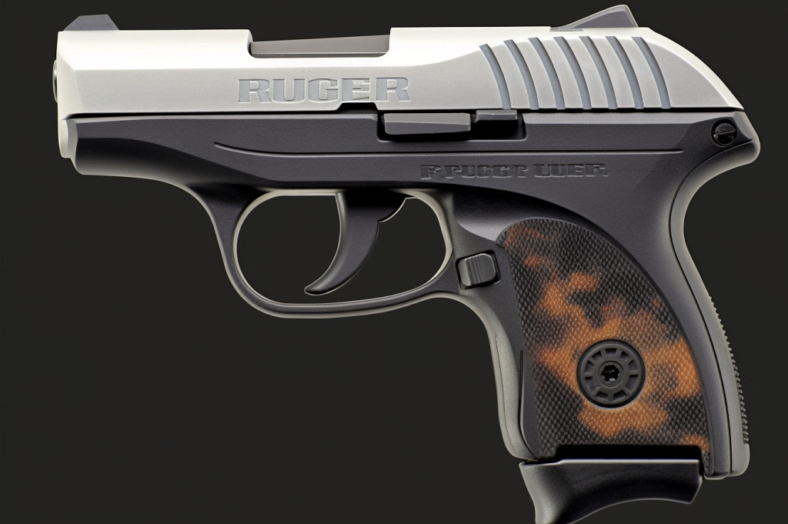
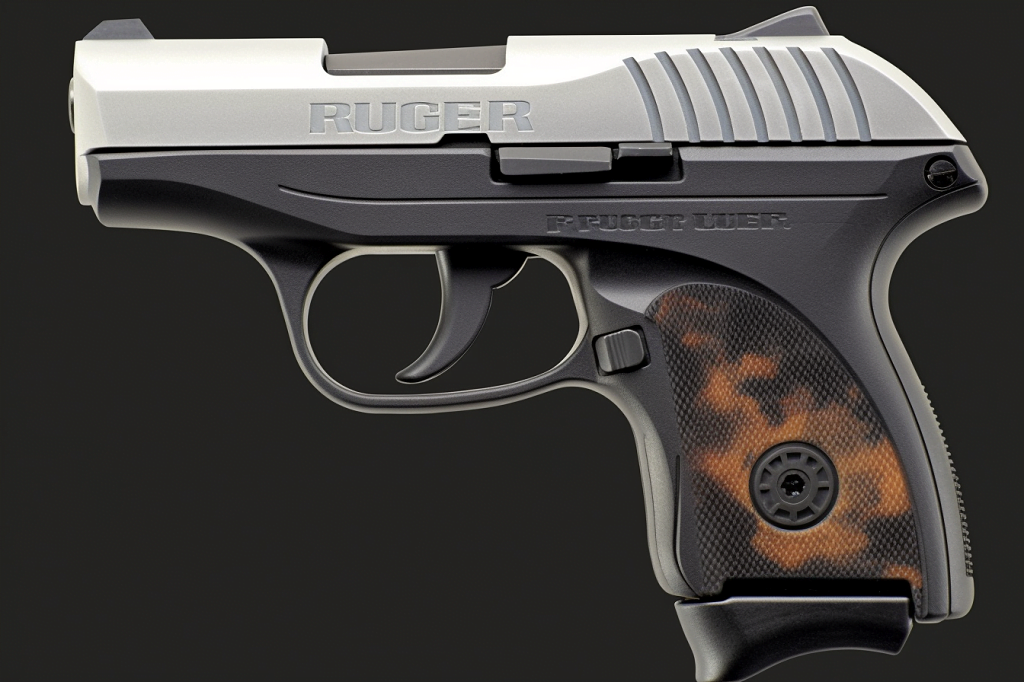
Ruger EC9s Review: Compact and Affordable Concealed Carry

The Ruger EC9s is a compact and lightweight semi-automatic pistol designed for concealed carry. It is a budget-friendly option that doesn’t compromise on reliability and performance. In this review, we will explore the features, specifications, and overall performance of the Ruger EC9s, highlighting its suitability for concealed carry purposes. So, let’s dive in and discover what this affordable pistol has to offer.

Table of Contents

1. Overview of the Ruger EC9s: A Review

The Ruger EC9s is a striker-fired, semi-automatic pistol chambered in 9mm. It is a compact and lightweight firearm, designed specifically for concealed carry and personal protection. The EC9s is part of Ruger’s popular EC series, known for its affordability and reliability.

2. Key Features and Specifications

  • Caliber: 9mm
  • Capacity: 7+1 rounds
  • Barrel Length: 3.12 inches
  • Overall Length: 6 inches
  • Height: 4.5 inches
  • Width: 0.9 inches
  • Weight: 17.2 ounces (unloaded)
  • Frame Material: Glass-filled nylon
  • Slide Material: Through-hardened alloy steel
  • Sights: Drift-adjustable, three-dot system
  • Trigger: Striker-fired with a short, crisp break
  • Safety: Integrated trigger safety, manual safety
  • Magazine: Single-stack, steel construction

3. Build Quality and Design

The Ruger EC9s features a durable build quality with a glass-filled nylon frame and a through-hardened alloy steel slide. The pistol has a matte black finish, which provides both durability and resistance to corrosion. The design is sleek and compact, making it easy to conceal and carry comfortably for extended periods.

4. Performance and Reliability

The Ruger EC9s is known for its reliable performance. It utilizes a striker-fired system, offering a short, crisp trigger break with a consistent pull. The pistol feeds ammunition reliably and has shown good overall reliability in various conditions. However, as with any firearm, it is important to use quality ammunition and properly maintain the EC9s for optimal performance.

5. Ergonomics and Comfort

The EC9s features a slim and ergonomic design that enhances its concealability and comfort for concealed carry. The grip texture provides a secure hold without being overly aggressive. The pistol has an overall comfortable feel in hand, and the compact size allows for easy maneuverability and control.

6. Concealed Carry Considerations

The Ruger EC9s is specifically designed for concealed carry, making it an ideal choice for those looking for a compact and lightweight firearm. With its slim profile and rounded edges, it is easily concealable in a variety of holsters and clothing options. The EC9s also features a manual thumb safety for an added layer of security during carry.

7. Sight System and Accuracy

The EC9s comes with a drift-adjustable, three-dot sight system. While the sights are functional, they are relatively basic, which is expected for a budget-friendly concealed carry pistol. With practice, shooters can achieve adequate accuracy for self-defense distances, but it’s worth noting that the short sight radius may require a bit more attention to sight alignment.

8. Magazine Capacity and Reloads

The EC9s has a single-stack magazine with a capacity of 7+1 rounds. While the magazine capacity is lower compared to some other pistols in its class, it is a compromise for the compact size and enhanced concealability. Reloads are straightforward, and the magazine release button is easily accessible for quick and efficient reloads.

9. Safety Features

The Ruger EC9s incorporates several safety features, including an integrated trigger safety that prevents the trigger from engaging unless fully depressed. The pistol also features a manual thumb safety, allowing the user to engage or disengage it as needed. These safety features provide an added layer of protection and help prevent accidental discharges.

10. Maintenance and Durability

The EC9s is relatively easy to maintain, requiring standard cleaning and lubrication. Cleaning the slide and barrel is easy as they disassemble easily, and field-stripping the pistol is a simple process that doesn’t require specialized tools. With proper care and maintenance, you can expect the EC9s to withstand regular use and deliver reliable performance over time.

11. Price and Value for Money

One of the standout aspects of the Ruger EC9s is its affordability. It offers excellent value for the price, making it an attractive option for budget-conscious shooters who prioritize reliability and concealed carry capability. The EC9s provides a solid entry point into the world of concealed carry without breaking the bank.

12. Frequently Asked Questions (FAQs)

FAQ 1: Is the Ruger EC9s suitable for beginners?

Yes, the EC9s can be a suitable option for beginners due to its user-friendly design, manageable recoil, and affordability. However, proper training, practice, and familiarization with firearms safety principles are essential for all shooters, regardless of experience level.

FAQ 2: What holsters are compatible with the EC9s?

The EC9s is compatible with various holsters designed for compact concealed carry pistols. Popular options include inside-the-waistband (IWB) holsters, appendix carry holsters, and pocket holsters. It’s important to choose a holster that provides proper retention, trigger coverage, and comfort for your specific carry preferences.

FAQ 3: Can the EC9s be used for both IWB and OWB carry?

Yes, the EC9s can be used for both inside-the-waistband (IWB) and outside-the-waistband (OWB) carry, depending on your holster choice and personal preference. Its compact size and lightweight construction make it versatile for various carry methods.

FAQ 4: Are there aftermarket accessories available for the EC9s?

While the aftermarket support for the EC9s may not be as extensive as some other models, there are still accessories available. These can include sights, grips, magazine extensions, and holsters designed specifically for the EC9s. It’s worth checking reputable firearm accessory manufacturers for compatible options.

FAQ 5: What is the warranty offered by Ruger for the EC9s?

Ruger offers a limited lifetime warranty for the original purchaser of the EC9s. This warranty covers defects in materials and workmanship, providing peace of mind for buyers.

Conclusion

The Ruger EC9s is a compact and affordable concealed carry pistol that offers reliable performance and ease of use. With its reliable performance, lightweight design, and focus on concealed carry needs, the EC9s is a worthy option to consider for self-defense and personal protection. Ruger EC9s Review: While it may lack some of the features found in higher-end pistols, it provides a solid entry point for those looking to carry a concealed firearm on a budget.

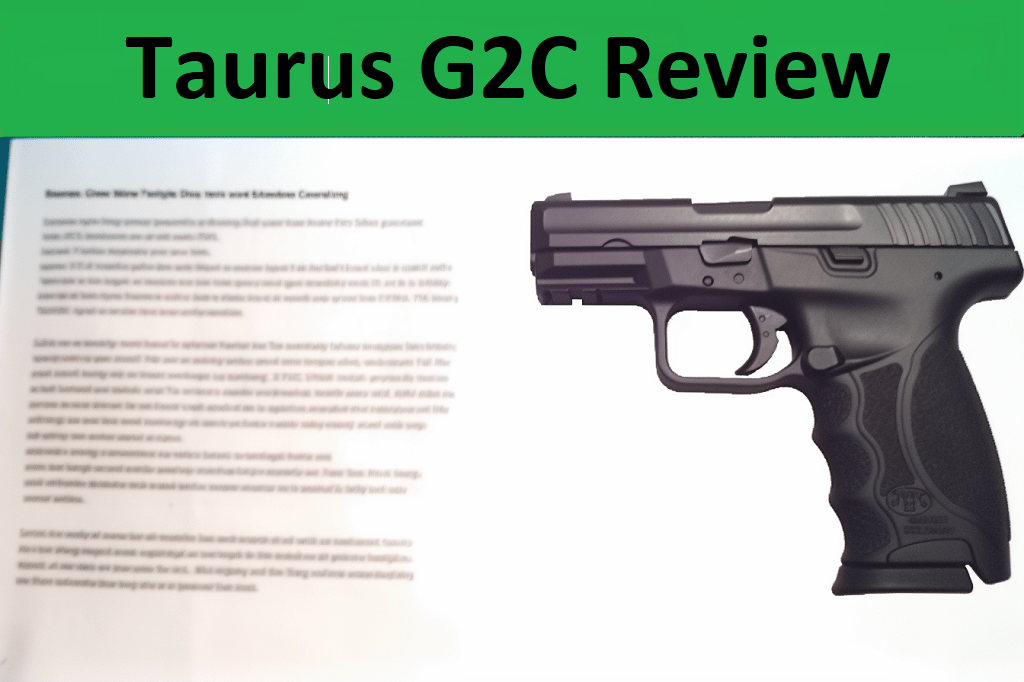
Taurus G2C Review: A Reliable and Affordable Compact Pistol

The Taurus G2C is a popular compact semi-automatic pistol that offers reliability, ease of use, and affordability. Designed for concealed carry and personal defense, the G2C has gained a reputation for its reliability and value. In this review, we will explore the features, performance, ergonomics, and overall suitability of the Taurus G2C for everyday carry. Let’s delve into the details and discover what this budget-friendly pistol has to offer.

Table of Contents

1. Overview of the Taurus G2C : A Review

The Taurus G2C is a compact 9mm pistol with a striker-fired mechanism. It is an upgraded version of the popular PT111 Millennium G2, offering improved features. The G2C is both affordable and reliable, making it ideal for concealed carry and self-defense.

2. Key Features and Specifications

  • Caliber: 9mm
  • Capacity: 12+1 rounds
  • Barrel Length: 3.2 inches
  • Overall Length: 6.2 inches
  • Height: 5.1 inches
  • Width: 1.2 inches
  • Weight: 22 ounces (unloaded)
  • Frame Material: Polymer
  • Slide Material: Steel
  • Sights: Fixed front and rear
  • Trigger: Striker-fired with a short, crisp break
  • Safety: Manual thumb safety, trigger safety

3. Build Quality and Design

The Taurus G2C features a polymer frame and a steel slide, offering a good balance of weight, durability, and corrosion resistance. The overall design is compact and ergonomic, with a textured grip providing a secure hold. The pistol has a matte black finish that contributes to its sleek appearance.

4. Performance and Reliability

The G2C has gained a reputation for its reliability, with many users reporting thousands of rounds fired without significant issues. The striker-fired system provides a consistent trigger pull, and the pistol cycles reliably with various types of ammunition. However, it is important to note that individual experiences may vary, and it is recommended to test the pistol with your preferred ammunition for optimal performance.

5. Ergonomics and Comfort

The Taurus G2C is thoughtfully designed with ergonomics in mind, offering a shooting experience that is both comfortable and controllable. Moreover, the grip of the pistol features textured panels and finger grooves, which contribute to a secure and confident hold. Additionally, the compact size and rounded edges of the firearm enhance its concealability, making it easier to carry while ensuring utmost comfort.

6. Concealed Carry Considerations

The G2C is designed for concealed carry, making it suitable for those seeking a compact and lightweight pistol. With its dimensions and weight, it can be easily concealed in a variety of holsters and carry positions. The addition of a manual thumb safety provides an extra layer of security during carry.

7. Sight System and Accuracy

The Taurus G2C has fixed front and rear sights. Although these sights cannot be adjusted, they offer a clear view and enable accurate shooting at common self-defense distances. It’s important to mention that some users may opt to upgrade the sights based on their personal preferences.

8. Magazine Capacity and Reloads

The G2C pistol boasts a 12-round magazine, offering a substantial capacity for a compact handgun. Moreover, it strikes a fine balance between magazine size and grip, ensuring optimal handling. When it comes to reloading, the process is straightforward, and the magazine release button is conveniently accessible, enabling swift and efficient reloads.

9. Safety Features

The Taurus G2C incorporates several safety features, including a manual thumb safety and a trigger safety. In this review we can know that The manual safety for The Taurus G2C allows the user to engage or disengage the safety as needed. The trigger safety prevents the trigger from engaging unless fully depressed. These safety features contribute to safe handling and help prevent unintentional discharges.

10. Maintenance and Durability

The G2C is relatively easy to maintain, requiring standard cleaning and lubrication. The disassembly process is simple and user-friendly, allowing for easy access to the internals for maintenance and cleaning. The polymer frame and steel slide contribute to the pistol’s durability, ensuring longevity with proper care.

11. Price and Value for Money

One notable aspect of the Taurus G2C is its affordability. Moreover, it offers excellent value for the price, making it an appealing choice for budget-conscious buyers. Additionally, the G2C delivers reliable performance and incorporates suitable features for concealed carry, all while remaining cost-effective.

FAQs

  1. Is the Taurus G2C suitable for beginners?
    • Yes, the Taurus G2C is beginner-friendly with its user-friendly design, manageable recoil, and affordable price. However, all shooters, regardless of experience, should receive proper training and practice firearms safety principles.
  2. Which holsters are compatible with the G2C?
    • The G2C works with various holsters designed for compact pistols, including inside-the-waistband (IWB), appendix carry, and outside-the-waistband (OWB) holsters. Choose a holster that offers retention, trigger coverage, and comfort based on your carry style.
  3. Can the G2C be used for both IWB and OWB carry?
    • Yes, the G2C is versatile and can be carried either inside or outside the waistband (IWB or OWB) depending on your holster preference. Its compact size and lightweight make it suitable for different carry options.
  4. Are there aftermarket accessories available for the G2C?
    • Yes, there is a growing aftermarket for the G2C with various accessories available. Popular upgrades include sights, grips, extended magazines, and holsters. Make sure to choose reputable brands that offer compatible options.
  5. What warranty does Taurus provide for the G2C?
    • Taurus offers a lifetime warranty for the original buyer of the G2C. This warranty covers defects in materials and craftsmanship, providing peace of mind to buyers.

Conclusion

The Taurus G2C is a dependable and affordable compact pistol designed for concealed carry and self-defense. It offers reliability, user-friendliness, and great value, making it a popular choice for everyday carry. While lacking high-end features, it performs well for its intended purposes.

How to Reload Ammo: Introduction to Ammo Reloading

What is Ammo Reloading? Well, in the simplest terms, it’s the process of reassembling the components of spent ammunition to create new, usable rounds. Why Reload your Own Ammo? That’s a question many shooting enthusiasts ask. There are several reasons: cost efficiency, customization, and a deeper understanding of the shooting process, to name a few.

Table of Contents

Understanding the Basics of Ammo Reloading

A Brief Overview – the process involves four main steps: depriming the spent case, resizing the case, repriming the case, and finally, adding the new powder and bullet. It’s also crucial to have the Necessary Equipment for Ammo Reloading, which typically includes a reloading press, dies, shell holders, primers, powder, and bullets.

The Cost of Reloading your Own Ammo

How much does it cost to reload your own ammo? The answer can vary significantly depending on the specific type of ammo, the equipment used, and the source of your components. Cost Factors to Consider include the initial cost of equipment, ongoing costs for components, and the value of your time. When factored in, it becomes a question of Is it Cost-Effective to Reload Ammo?

Step-by-Step Guide to Ammo Reloading

Steps to Reloading Ammo can be broken down into a systematic procedure. From inspecting your cases to seating the bullet, each step plays a vital role in creating a reliable round. Ensuring Quality and Consistency is paramount in this process.

How to Reload Specific Types of Ammo

This section delves into the specifics of reloading different ammunition types: How to Reload 44 Mag Ammo, How to Reload Rifle Ammo, and How to Reload 223 Ammo. Each type of ammunition has its own nuances and unique characteristics that affect the reloading process.

Safety Measures in Ammo Reloading

Reloading ammunition is not without its risks. Adhering to Important Safety Guidelines can prevent accidents and ensure a safe reloading environment. Furthermore, knowing What to Avoid when Reloading can save both time and potential danger.

Advanced Tips and Techniques for Ammo Reloading

Once you’ve got the basics down, there are ways to refine your skills. Honing your Reloading Skills and learning How to Improve Reloading Efficiency can lead to better, more consistent ammunition, and a smoother reloading process.

Conclusion: The Rewards of Reloading

Reloading your own ammunition can be a rewarding and engaging hobby. It not only allows you to customize your rounds but also deepens your understanding of the mechanics of shooting.

Frequently Asked Questions

  1. How much does it cost to reload your own ammunition?
    Ans. The cost of reloading ammunition can vary depending on factors such as the caliber, components used, and the quantity of ammunition being reloaded. Generally, reloading can offer cost savings compared to purchasing factory-loaded ammunition.
  2. What equipment is necessary for reloading ammunition?
    Ans. To reload ammunition, you will need essential equipment such as a reloading press, dies specific to the caliber you’re reloading, a scale for measuring powder, a powder dispenser, a priming tool, a case trimmer, and various other tools and components.
  3. How can I safely reload ammo?
    Ans. Safety is paramount when reloading ammunition. Follow proper reloading manuals and guidelines provided by reputable sources. Pay careful attention to powder charges, bullet seating depth, and overall cartridge length. Always wear appropriate safety gear, including safety glasses.
  4. How do I reload specific types of ammunition like 44 Mag or 223?
    Ans. Reloading specific types of ammunition requires understanding the cartridge’s specifications and following reloading recipes provided by reputable sources. Use specific dies, powder charges, and bullet types recommended for the particular caliber.
  5. What are some advanced techniques for reload ammunition?
    Ans. Advanced techniques for this include precision case trimming, using specialized bullet seating dies, experimenting with different bullet weights and designs, and optimizing powder charges for accuracy and performance. These techniques require careful attention to detail and experience in reloading practices.

Deer Hunting Tips for Beginners: Safety, Scouting, Gear, and First-Season Basics

The most useful first step in deer hunting is not buying gear. It is completing hunter education, learning safe firearm or bow handling, checking your state’s current rules, and understanding when not to shoot. This guide walks new hunters through the basics that matter in a first season: safety, scouting, a simple setup, reading wind and movement, and avoiding the mistakes beginners most often make.

This is a starting point, not a promise of a filled tag, and it does not replace your state wildlife agency’s current regulations.

Quick Beginner Checklist

Before opening day, work through this short list. Each item is expanded below.

  • Complete any required hunter education course for your state.
  • Read your state wildlife agency’s current deer regulations, seasons, and tag rules.
  • Learn and practice basic firearm or bow safety rules.
  • Scout your area and confirm you have legal permission to hunt it.
  • Choose a simple, legal, properly set up weapon and a small kit of essentials.
  • Wear blaze orange where it is required, and tell someone your plan and return time.
  • Pass on any shot you are not fully confident in.
Keep the first season simple: education, rules, safety, scouting, and a light kit you can actually use.

Start With Hunter Education and Local Rules

Hunter education is the foundation, and many states require it before you can buy a license. Courses teach safe firearm handling, ethical hunting, and field rules that keep everyone safer. Programs like IHEA-USA maintain national hunter education standards, and you can find a state-approved course through the IHEA-USA course finder.

Even where a course is not required, taking one is one of the best things a beginner can do. Rules vary widely, so always confirm current season dates, license and tag requirements, legal weapons, hours, blaze-orange requirements, and reporting rules with your own state wildlife agency before you go.

Understand Basic Firearm or Bow Safety

Safe handling is non-negotiable. Hunter education programs teach the primary firearm safety rules: always point the muzzle in a safe direction, treat every firearm as if it is loaded, be sure of your target and what is beyond it, and keep your finger outside the trigger guard until you are ready to shoot. The Hunter-Ed firearm safety guide explains those rules in detail.

The same mindset applies to crossbows and vertical bows: control the direction, respect the equipment, and know your target and what is beyond it. If you hunt from an elevated stand, use a full-body harness and follow the stand manufacturer’s instructions.

Scout Before the Season

Scouting is where beginners gain the most ground. Spend time before the season learning the land: where deer feed, bed, and travel, and where trails, rubs, tracks, creek crossings, and natural funnels appear.

Look for routes between bedding and feeding areas, then plan entry and exit paths that do not walk through the sign you are trying to hunt. Trail cameras, where legal, and simple boots-on-the-ground observation can both help. Confirm you have legal, permitted access to anywhere you plan to hunt.

Choose a Simple First Setup

Keep your first setup simple, legal, and well practiced. A weapon you can shoot accurately and safely at honest distances matters far more than the newest gear. Whatever you carry, sight it in and practice with it well before opening day so the equipment is familiar and reliable.

If you are still building out your kit, use gear guides carefully and only after the safety, licensing, and practice basics are handled. For crossbow hunters, our guide to crossbow bolts for deer hunting can help with one specific gear decision, but this beginner guide should stay safety-first rather than gear-first.

Pay Attention to Wind, Noise, and Movement

Deer rely heavily on scent, so wind direction often decides the hunt. Try to keep the wind in your face or crossing, so your scent blows away from where you expect deer to appear.

Move slowly and quietly, choose quiet clothing, and minimize sudden motion once you are set. Plan your approach so you enter and leave your spot without walking through bedding areas or crossing the trails you are watching.

Know When Not to Shoot

The most ethical and safe skill a beginner can develop is passing on a bad shot. Only take a shot when you are certain of your target and what is beyond it, the distance is within your practiced range, and the angle gives you a clean, ethical opportunity.

Knowing your personal limits is part of fair chase, the ethic of pursuing free-ranging game lawfully and without improper advantage, as described in the Boone and Crockett Club Fair Chase Statement. When in doubt, do not shoot. A passed opportunity is always better than a wounded animal or an unsafe shot.

Pack Basic Safety and Comfort Gear

A small, well-chosen kit keeps you safer and more comfortable. Carry your license and tags, weather-appropriate layers, blaze orange where required, a light or headlamp, a map or GPS, water, and a basic first-aid kit.

Add a knife only if you are legally and practically prepared to use it for field work. Tell someone where you will be and when you plan to return, and know how to contact help if something goes wrong. Keep the load light enough that you can move and sit comfortably for hours.

What Beginners Usually Get Wrong

New hunters tend to make a predictable set of mistakes. They skip or rush scouting, ignore the wind, move too much and too loudly, and buy gear before they can shoot well.

Many push their distance and take low-confidence shots instead of waiting. Some forget simple safety habits under the excitement of seeing a deer, which is exactly when muzzle control and target identification matter most. And many treat online tips as a substitute for their state’s current regulations. Slowing down and mastering the basics fixes most of these problems.

Frequently Asked Questions

Do I need to take a hunter education course to hunt deer?

In many states, yes, hunter education is required before you can buy a hunting license, and requirements vary by state and age. Check your state wildlife agency, and consider a course even where it is optional. You can find approved courses through IHEA-USA.

What is the most important safety rule for a new deer hunter?

Always control your muzzle direction and be certain of your target and what is beyond it before you shoot. Treat every firearm as loaded and keep your finger off the trigger until you are ready. These habits prevent many of the most serious hunting mistakes.

How much gear do I really need for my first deer hunt?

Less than most beginners think. A legal, properly sighted-in weapon you can shoot well, your license and tags, weather-appropriate clothing, blaze orange where required, and basic safety items will cover a first season. Add specialized gear as you gain experience.

How do I know if a shot is ethical to take?

Take a shot only when you are sure of your target and what is beyond it, the deer is within your practiced range, and the angle offers a clean opportunity. If anything is uncertain, pass.

Where do I find the deer hunting rules for my state?

Your state wildlife agency publishes current season dates, license and tag rules, legal weapons, and reporting requirements. Always use that official source, since rules change each year and differ from state to state.

Final Beginner Recommendation

Start with education and safety, scout your area, keep your gear and your shots simple, and let ethics guide every decision in the field. If you complete hunter education, follow your state’s rules, handle your equipment safely, and pass on shots you are not sure of, you will already be building the right foundation. The deer will come with time and patience.

Weird Guns: Unveiling the Quirky Side of Firearms

Table of Contents

1. Introduction

Guns have been an essential tool throughout human history, evolving from rudimentary firearms to sophisticated weapons. While the majority of firearms follow conventional designs, there exists a realm of peculiar and unconventional creations that often defy expectations. In this article, we delve into the realm of weird guns, uncovering forgotten oddities, curious contraptions, unconventional designs, innovative firepower, and even controversial concepts.

2. The Forgotten Oddities

2.1 The Nock Volley Gun

The Nock Volley Gun, invented by James Wilson in the late 18th century, was a peculiar firearm featuring multiple barrels arranged in a horizontal row. This early attempt at a volley gun allowed for firing seven shots simultaneously. Although its practicality was questionable, it showcased the inventive spirit of its time.

2.2 The Puckle Gun

Invented by James Puckle in 1718, the Puckle Gun was a peculiar weapon designed to defend against naval attacks. This early predecessor of the machine gun boasted features such as a revolving cylinder and the ability to fire both round bullets and square shots. Despite its limited success, the Puckle Gun paved the way for future innovations in automatic weaponry.

2.3 The Duck Foot Pistol

The Duck Foot Pistol, originating in the late 18th century, earned its name due to its distinct three-barreled design, resembling a duck’s foot. This peculiar firearm allowed for firing multiple shots at once, increasing the chances of hitting a target. Although it never gained widespread popularity, it remains an intriguing oddity in the world of firearms.

3. Curious Contraptions

3.1 The Gyrojet Pistol

The Gyrojet Pistol, developed in the 1960s, departed from traditional firearm principles by utilizing rocket-like projectiles instead of traditional bullets. These rockets were propelled by internal jets of ignited gases, providing an unconventional approach to firepower. However, the Gyrojet Pistol faced several challenges, limiting its practicality and popularity.

3.2 The Dardick Revolver

The Dardick Revolver, introduced in the 1950s, featured a unique triangular ammunition design. Its goal was to increase ammunition capacity and reliability. Despite its promising concept, the Dardick Revolver struggled to gain traction in the market due to various issues, leaving it as an obscure curiosity.

3.3 The Nambu Type 94

The Nambu Type 94, a compact Japanese pistol from the 1930s, showcased an unusual design that incorporated a squeeze-type cocking mechanism. This unconventional approach aimed to simplify the firearm’s operation. However, the Nambu Type 94 suffered from reliability issues and a lack of stopping power, rendering it less effective than its contemporaries.

4. Unconventional Designs

4.1 The Heckler & Koch G11

The Heckler & Koch G11, a prototype assault rifle developed in the late 20th century, introduced a revolutionary concept known as caseless ammunition. By eliminating the traditional brass cartridge case, the G11 reduced weight and complexity. Although the G11 never saw widespread adoption, its design innovations influenced future firearms development.

4.2 The Pancor Jackhammer

The Pancor Jackhammer, a combat shotgun developed in the 1980s, featured a distinct bullpup design and a revolving cylinder magazine. This unconventional configuration aimed to provide rapid firepower with high ammunition capacity. Despite its impressive concept, the Pancor Jackhammer remained a prototype and never entered mass production.

4.3 The CornerShot

The CornerShot, a weapon system introduced in the early 2000s, aimed to enhance the capabilities of soldiers in urban combat. It featured a hinged frame with a mounted firearm and a screen that allowed the operator to observe and engage targets from around corners. While the CornerShot offered tactical advantages, its adoption has been limited.

5. Innovative Firepower

5.1 The Metal Storm

The Metal Storm system, originating in Australia, pushed the boundaries of conventional firearms by utilizing electronically fired stacked projectiles. This unique approach allowed for an incredibly high rate of fire and the potential for multiple projectiles to hit a target simultaneously. However, challenges in practical implementation limited its widespread use.

5.2 The XM25 CDTE

The XM25 Counter Defilade Target Engagement System (CDTE), developed for the U.S. military, showcased advanced technology in the form of smart grenades. The XM25 CDTE employed a laser range finder and a programmable airburst feature, enabling soldiers to engage targets behind cover. Despite its potential, the XM25 CDTE faced logistical and tactical challenges.

5.3 The TrackingPoint Precision Guided Firearm

The TrackingPoint Precision Guided Firearm (PGF) introduced a new level of accuracy to long-range shooting. This system incorporated advanced optics, ballistic calculators, and target-tracking technology to assist the shooter in achieving precise hits. While the PGF offered significant advantages in terms of accuracy, it raised debates regarding the role of technology in shooting proficiency.

6. Controversial Concepts

6.1 The KRISS Vector

The KRISS Vector submachine gun broke away from conventional firearm design with its innovative recoil mitigation system. By redirecting recoil forces downward, the KRISS Vector enhanced control and accuracy during rapid fire. However, its unique appearance and unconventional features sparked debates and raised questions about its practicality.

6.2 The Serbu Super-Shorty

The Serbu Super-Shorty shotgun took the concept of compact firearms to the extreme. This sawed-off shotgun featured a shortened barrel and a minimalistic design, sacrificing ammunition capacity for portability. While the Super-Shorty offered advantages in specific scenarios, its legality and practicality varied across jurisdictions.

6.3 The Magpul FMG-9

The Magpul FMG-9, resembling a futuristic briefcase when folded, unfolded into a compact submachine gun. Its concealed design aimed to provide discreet firepower when needed. However, its limited production and legal restrictions hindered its widespread use, relegating it to the realm of curiosity.

7. The Fascination with Weird Guns

The world of firearms is not devoid of peculiar and unconventional creations. From forgotten oddities to curious contraptions, unconventional designs to innovative firepower, and even controversial concepts, these weird guns embody the spirit of human ingenuity and the drive to push boundaries. They serve as reminders that even in a realm dominated by convention, there is room for experimentation and the exploration of unconventional ideas.

8. Conclusion

In conclusion, the realm of weird guns offers a fascinating glimpse into the creative and often eccentric side of firearm design. These unconventional firearms, whether forgotten oddities or futuristic concepts, challenge our expectations and remind us that innovation often emerges from unorthodox thinking. While some of these weapons have faded into obscurity, their legacy lives on as testaments to human curiosity and the quest for unconventional solutions to age-old problems.

9. FAQs

Q1. Are weird guns functional, or are they just novelties? Weird guns encompass a wide range of functionality. While some have practical applications and have been used in certain contexts, others remain as experimental prototypes or simply novelties.

Q2. Have any of these weird guns been used in warfare? While some of these weird guns have been used in limited capacities, their adoption in warfare has been minimal. Most were either impractical or did not fit within existing military doctrines.

Q3. Are weird guns legal to own and possess? The legality of owning and possessing weird guns varies across jurisdictions. Some may be restricted or prohibited due to their unconventional features or classification as destructive devices.

Q4. Have any weird guns influenced mainstream firearms design? Yes, several weird guns have had an impact on mainstream firearms design. Innovations and concepts from these unconventional firearms have often influenced future developments and design choices.

Q5. Are there any recent examples of weird guns being developed? The realm of weird guns continues to see new developments. With advancements in technology and the ever-evolving nature of firearms, designers and inventors continue to push the boundaries, giving rise to new and unconventional concepts.

Introduction to Bow Hunting from the Ground

Bow hunting – the name itself evokes a sense of primal thrill. What is Bow Hunting? It’s the practice of hunting game animals using a bow and arrow, a method steeped in history and tradition. Now, imagine doing this from the ground – hunting your quarry without the advantage of height, blending into your surroundings, becoming a part of the environment. The thrill of Hunting from the Ground is a challenge like no other, filled with anticipation and adrenaline.

Table of Contents

Why Choose to Hunt from the Ground?

The question here is not can you bow hunt from the ground? but rather why wouldn’t you? Pros and Cons exist, as with any hunting method. The ground offers an unmatched proximity to your prey, intensifying the thrill. However, it demands higher levels of skill and patience.

The Basics of Bow Hunting from the Ground without a Blind

You may be wondering, bow hunting from the ground without a blind, is that even possible?” It most certainly is, but it requires preparation and understanding of Ground Hunting Techniques. To achieve a Successful Hunt, one needs the right blend of skills, knowledge, and a touch of luck.

Preparation Before the Hunt

Preparation is key. Choosing the right Equipment is the first step, followed by understanding the importance of Location and Timing. Knowing when and where to set up can be the difference between a successful hunt and a day spent in the undergrowth.

Setting up your Hunting Spot

How do you choose the Perfect Spot? It depends on various factors such as wind direction, animal movement patterns, and natural camouflage. Setting up for the Hunt is about more than just picking a spot; it’s about creating a strategic advantage.

Mastering the Art of Camouflage

When hunting from the ground, blending in is not an option, it’s a necessity. How to Stay Hidden and employ Effective Camouflage Techniques are vital lessons for the ground hunter.

The Hunt Begins

Waiting for the Right Moment to take your shot is a test of patience and nerve. Making the Perfect Shot requires precision, timing, and a cool head.

Bow Hunting Deer from the Ground

Deer hunting from the ground introduces unique challenges and rewards. Understanding Deer Behavior and implementing effective Strategies for Deer Hunting can significantly increase your success rate.

Challenges in Bow Hunting from the Ground

No hunt is without its share of obstacles. Being aware of Common Pitfalls and how to avoid them is just as important as knowing how to shoot your bow. There are plenty of Tips and Tricks that can help you become a better hunter.

Enhancing your Skills: Archery Hunting on the Ground

With Training and Practice, you can continually improve your hunting skills and learn Advanced Techniques. Whether you’re a seasoned hunter or a novice, there’s always room for growth and development.

Safety Measures while Bow Hunting from the Ground

Basic Safety Rules should never be overlooked, no matter how experienced you are. Ensuring a Safe Hunt should always be a top priority.

Why Bow Hunting from the Ground can be Rewarding

The Satisfaction of a Successful Hunt and Building Patience and Perseverance are just a few of the rewards that come with bow hunting from the ground.

Conclusion: The Future of Bow Hunting from the Ground

As hunters continue to seek new challenges, bow hunting from the ground is gaining popularity. It’s not just a trend; it’s a return to the roots of hunting. The future of this sport looks exciting, promising, and thrillingly primal.

Frequently Asked Questions

  1. Can you bow hunt from the ground?
    Ans. Yes, hunting from the ground is possible and presents unique challenges and opportunities for hunters.
  2. How to bow hunt deer from the ground?
    Ans. When hunting deer from the ground, ensure effective concealment by utilizing natural cover or ground blinds. Target areas with high deer activity, such as feeding areas or travel corridors.
  3. What equipment is needed for ground bow hunting?
    Ans. Essential equipment for hunting includes a compound or recurve bow, arrows, broadheads, a ground blind or natural cover, camouflaged clothing, and necessary hunting gear like rangefinders and binoculars.
  4. How to choose a location for ground hunting with a bow?
    Ans. When selecting a location for ground hunting, consider factors like deer signs, natural features, available cover, wind direction, and look for well-used deer trails, fresh rubs, and scrapes.
  5. What safety measures should be kept in mind while bow hunting on the ground?
    Ans. Prioritize safety while bow hunting. Always maintain awareness of your surroundings, ensuring a clear line of sight before shooting. Utilize a safety harness when hunting from elevated positions and follow proper tree stand safety protocols. Additionally, adhere to local hunting regulations and obtain required licenses or permits.
Exit mobile version