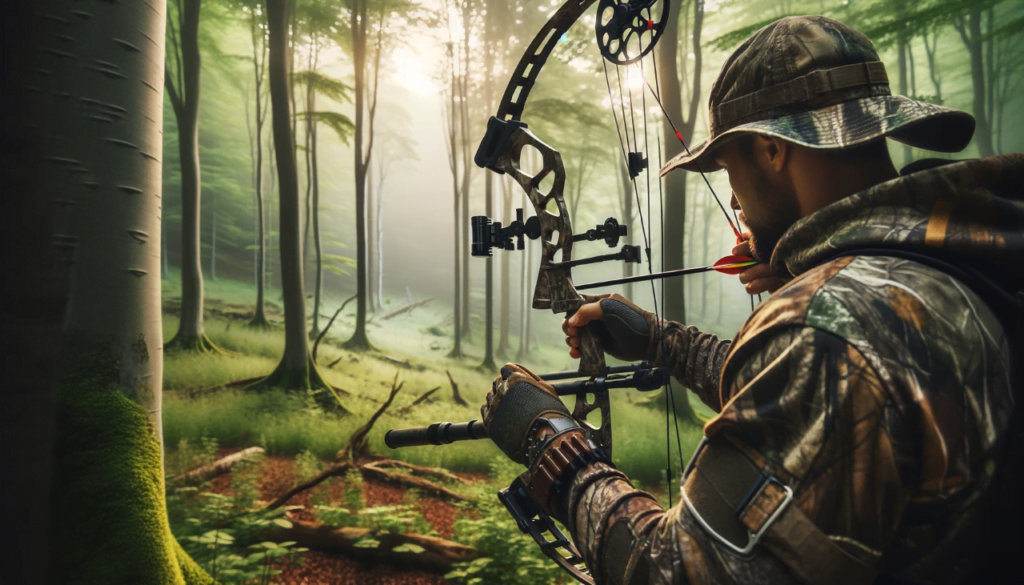
Archery Hunting: The Thrilling Blend of Skill, Patience, and Nature

Introduction to Archery Hunting

Welcome to the exciting world of archery hunting! In this comprehensive guide, we will embark on an exhilarating journey exploring the nuances of this ancient practice that has evolved into a modern sporting activity. Whether you’re a seasoned hunter or a beginner eager to learn, this article is designed to enhance your understanding and passion for archery hunting.

What is Archery Hunting?

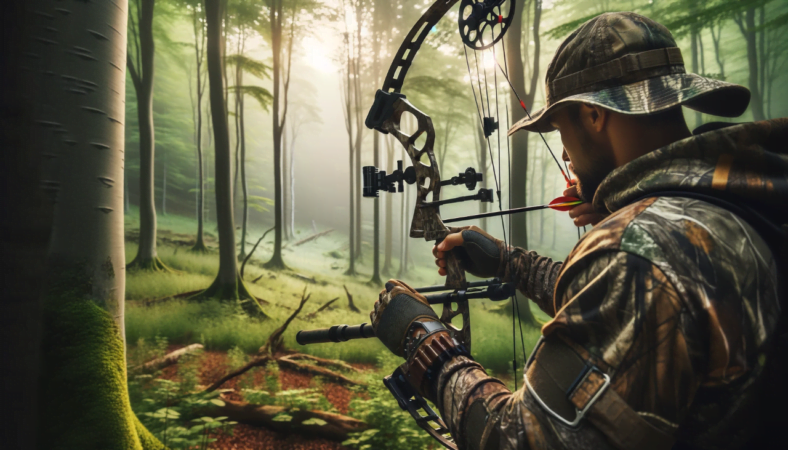
Archery hunting is the art of pursuing and harvesting game animals using a bow and arrow. This method of hunting dates back thousands of years and has a rich history that spans across various cultures and continents. Today, it is celebrated not only as a method of hunting but also as a sport that requires skill, precision, and a deep respect for nature.

The Appeal of Archery Hunting

Why choose a bow over a rifle? The answer lies in the unique challenges and rewards that archery hunting offers. It’s a test of skill, patience, and stealth. Archers often speak of the profound connection they feel with the wilderness, a bond that is strengthened through the quiet and intimate nature of this hunting method.

Getting Started with Archery Hunting

Embarking on your archery hunting journey requires preparation, both in terms of equipment and skills.

Choosing the Right Equipment

Bows

  • Recurve Bow: Known for its simplicity and history.
  • Compound Bow: A modern choice with mechanical advantages.
  • Crossbow: Offers a different style of archery, often easier for beginners.

Arrows and Broadheads

  • Arrows: Selecting the right length, material (carbon, aluminum, or wood), and spine is crucial.
  • Broadheads: Choose between fixed-blade or mechanical broadheads based on your game target.

Essential Gear

  • Quiver: For carrying arrows.
  • Release Aid: Especially for compound bow users.
  • Bow Sight: To improve accuracy.
  • Camo Clothing: For blending with the environment.
  • Safety Harness: If hunting from a tree stand.

Hunting Licenses and Regulations

Understand the local laws and obtain the necessary hunting licenses. Each region has specific regulations regarding hunting seasons, legal game, and hunting methods.

Archery Hunting Techniques and Strategies

Stalking and Still Hunting

Moving quietly and cautiously through the hunting area, using natural cover, and understanding wind direction are key.

Tree Stands and Blinds

Elevated tree stands offer a good vantage point, while ground blinds are great for concealment.

Calling and Decoying

Using calls to attract game or decoys to draw them into range can be highly effective.

The Ethical Considerations of Archery Hunting

Respect for wildlife and ethical hunting practices are paramount. This includes:

  • Only taking shots within your effective range.
  • Aiming for a quick, humane kill.
  • Following through on any shot to ensure game is not wounded and left.

After the Hunt

Tracking and Retrieval

Understanding signs of a hit animal and tracking it responsibly is a crucial skill.

Field Dressing and Game Processing

Learn how to properly field dress and process the game for consumption or trophy.

Sharing the Harvest

The tradition of sharing the harvest with family, friends, or donating to those in need is a rewarding aspect of hunting.

Conclusion

Archery hunting is a challenging and fulfilling sport that connects us with our primal roots and the natural world. It teaches patience, respect for nature, and offers a unique way to experience the great outdoors.


Frequently Asked Questions about Archery Hunting

Q1: What is the Best Bow for Beginners in Archery Hunting?

A: For beginners, a compound bow is often recommended due to its adjustable draw weight and let-off feature, which makes it easier to handle. It’s important to choose a bow that matches your draw length and strength. Visiting a local archery shop for a fitting and advice can be very helpful.

Q2: Is Archery Hunting Ethical?

A: Yes, when practiced responsibly. Ethical archery hunting involves adhering to local wildlife laws, respecting the animal, ensuring you have the right skill level for a clean and humane kill, and using every part of the animal you can.

Q3: Do I Need a License for Archery Hunting?

A: In most regions, yes. The requirements for a hunting license vary by location and game species. It’s essential to check with your local wildlife agency for specific regulations and required hunter education courses.

Q4: How Do I Improve My Archery Skills for Hunting?

A: Regular practice is key. Focus on improving your accuracy and consistency at various distances. Additionally, learning about animal behavior, tracking, and wilderness survival can enhance your hunting experience.

Q5: Can Archery Hunting be Practiced Year-Round?

A: This depends on the local hunting seasons and regulations. While the actual hunting is season-specific, you can practice archery year-round to hone your skills.

Q6: What Are the Essential Safety Tips for Archery Hunting?

A: Always be aware of your target and what lies beyond it. Use a safety harness when hunting from a tree stand, carry a first aid kit, inform someone about your hunting location and expected return time, and be prepared for weather changes and emergencies.

Q7: How Do I Choose the Right Arrows and Broadheads?

A: The choice depends on your bow type and the game you’re hunting. Heavier broadheads are typically used for larger game. It’s best to seek advice from experienced archers or a specialized archery store.

Q8: What’s the Difference Between Stalking and Still Hunting?

A: Stalking involves slowly and stealthily following game, while still hunting refers to remaining motionless and waiting for the game to come into range.

Q9: How Can I Ensure a Humane Kill?

A: Practice makes perfect. Ensure you’re proficient with your bow, understand the animal’s anatomy for proper shot placement, and only take shots within your effective range.

Q10: What Should I Do After a Successful Hunt?

A: After a successful hunt, promptly and properly field dress the animal to preserve the meat. Practice ethical hunting by utilizing as much of the animal as possible and respecting the environment.

11. Conclusion: Embrace the Challenge and Beauty of Archery Hunting

Archery hunting is a timeless pursuit that allows hunters to connect with nature, challenge their skills, and experience the thrill of a close-range hunt. By understanding the equipment, mastering shooting techniques, and employing effective hunting strategies, you can embark on a rewarding archery hunting journey. Embrace the challenge, respect the game, and enjoy the beauty of the natural world as you become a skilled and ethical bowhunter.

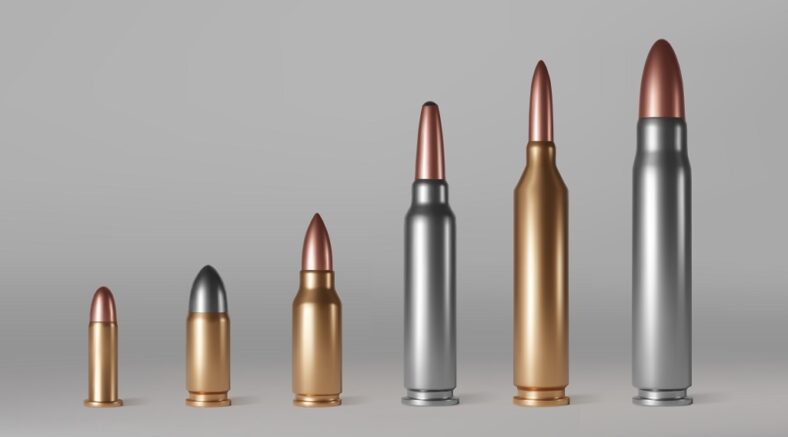
243 vs 308: A Comprehensive Comparison of Two Popular Rifle Cartridges

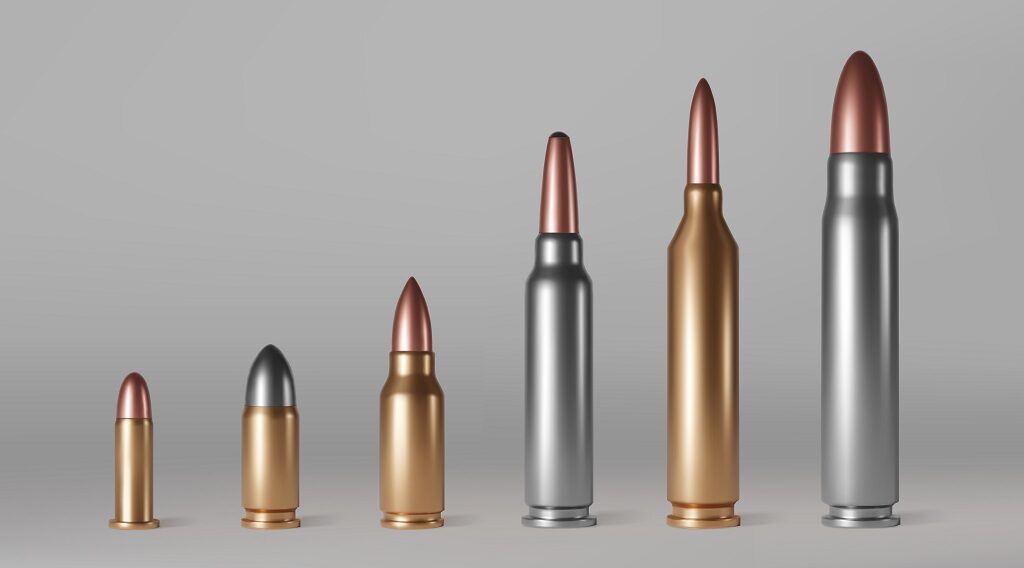
When it comes to choosing the right rifle cartridge, hunters and shooting enthusiasts often find themselves debating between various options. Two popular choices that frequently enter the discussion are the .243 Winchester (.243) and the .308 Winchester (.308) cartridges. Both offer their own unique characteristics and advantages, making it crucial to understand their differences before making a decision. In this article, we will delve into a comprehensive comparison of the .243 vs .308 cartridges, exploring their ballistics, applications, and suitability for different shooting scenarios. So, let’s dive in and explore the intriguing world of these two remarkable rifle cartridges.

Table of Contents

1. What are .243 Vs .308 Cartridges?

Let’s start by understanding the basic characteristics of the .243 and .308 cartridges.

The .243 Winchester, introduced in 1955, is a popular caliber for both hunting and varmint shooting. It is based on the .308 Winchester case necked down to accept .243-inch diameter bullets. Known for its flat trajectory and mild recoil, the .243 is often favored by hunters pursuing smaller game such as varmints, predators, and deer at moderate distances.

On the other hand, the .308 Winchester, developed in the early 1950s, is a versatile cartridge widely used for hunting, target shooting, and military applications. It features a shorter case with a larger bullet diameter of .308 inches, offering increased energy and terminal performance. The .308 is renowned for its reliability, effectiveness, and wide range of bullet options suitable for various game sizes and shooting scenarios.

2. Ballistics Comparison: Velocity, Energy, and Trajectory

When comparing the .243 and .308 cartridges, understanding their ballistics is crucial. Let’s take a closer look at velocity, energy, and trajectory characteristics.

  • Velocity: The .243 typically achieves higher muzzle velocities compared to the .308 due to its smaller bullet size and lighter weight. This higher velocity contributes to a flatter trajectory and less bullet drop at longer distances.
  • Energy: Due to its larger bullet diameter and heavier weight, the .308 generates more kinetic energy at all ranges. This increased energy can be advantageous when hunting larger game or when shooting through barriers.
  • Trajectory: Although the .243 has a flatter trajectory, the .308 offers better resistance against wind drift and retains energy better at longer distances. The .308’s trajectory becomes less affected by wind, making it more suitable for shooting in challenging conditions.

3. Hunting Applications: Game Size and Distance

The suitability of a rifle cartridge for hunting largely depends on the intended game size and shooting distance. Let’s examine how the .243 and .308 perform in different hunting scenarios.

  • .243 for Hunting: The .243 is ideal for hunting small to medium-sized game, such as varmints, coyotes, and deer. Its flat trajectory and lower recoil make it well-suited for shooting at moderate distances (up to 400 yards). However, for larger game like elk or moose, the .243 may lack the necessary stopping power.
  • .308 for Hunting: The .308 is a versatile cartridge suitable for a wide range of game sizes. It is popular among hunters pursuing deer, hogs, black bear, and even larger species like elk and moose. With its greater energy and effective bullet selection, the .308 offers better penetration and stopping power at extended ranges.

4. Target Shooting and Precision: Accuracy and Recoil

Precision shooters and those engaged in target shooting have specific requirements when it comes to cartridge performance. Let’s explore how the .243 vs .308 fare in terms of accuracy and recoil.

  • .243 for Target Shooting: The .243, known for its inherent accuracy, is an excellent choice for precision shooting and competitions. Its lower recoil allows shooters to maintain better control and consistency, contributing to tighter shot groups and enhanced accuracy.
  • .308 for Target Shooting: The .308’s inherently accurate nature, combined with its wider range of bullet options, makes it a popular choice among precision shooters and long-range enthusiasts. While the .308 generates more recoil compared to the .243, its performance and effectiveness at extended ranges compensate for the additional kick.

5. Ammunition Availability and Cost

The availability and cost of ammunition can significantly impact the practicality of a rifle cartridge. Let’s compare the .243 vs .308 in terms of ammunition availability and cost.

  • .243 Ammunition: The .243 enjoys widespread popularity, and ammunition for this caliber is readily available in most sporting goods stores, gun shops, and online retailers. Additionally, the .243 ammunition is generally less expensive compared to larger caliber options.
  • .308 Ammunition: The .308’s popularity, especially in military and law enforcement circles, ensures abundant availability of ammunition. It can be found in a variety of bullet types and weights, catering to different shooting needs. However, due to its larger size and increased demand, .308 ammunition tends to be slightly more expensive compared to the .243.

6. Rifle Selection and Compatibility

Choosing the right rifle platform is essential for optimal cartridge performance. Let’s discuss the rifle selection and compatibility factors for the .243 and .308 cartridges.

  • .243 Rifle Selection: A wide range of rifles, including bolt-action, single-shot, and semi-automatic platforms, are chambered in .243 Winchester. These rifles are commonly available from various manufacturers and offer versatile options suitable for different shooting applications.
  • .308 Rifle Selection: The .308 enjoys widespread popularity and is chambered in numerous rifle platforms. Bolt-action rifles, semi-automatic rifles (such as the AR-10), and even some lever-action rifles are chambered in .308. The availability and versatility of .308 rifles make it easier for shooters to find a platform that suits their preferences.

7. Handloading: Reloading Considerations

Handloading, or reloading, is a popular practice among shooters who seek customization and enhanced performance. Let’s examine the handloading considerations for the .243 and .308 cartridges.

  • .243 Handloading: The .243 offers excellent handloading capabilities. Shooters can experiment with various bullet weights, powders, and seating depths to optimize accuracy and performance. The smaller case size and lower powder charges of the .243 make it a relatively forgiving cartridge for reloaders.
  • .308 Handloading: The .308 is a popular choice for handloaders due to its versatility and available load data. Reloading components for the .308, such as brass, bullets, and powders, are abundant, providing ample options for customization and fine-tuning of loads.

8. Long-Range Performance: Wind Drift and Bullet Drop

For shooters interested in long-range engagements, understanding a cartridge’s performance in terms of wind drift and bullet drop is crucial. Let’s compare the long-range capabilities of the .243 and .308.

  • .243 Long-Range Performance: The .243’s flat trajectory and higher initial velocities make it capable of impressive long-range performance. However, the lighter bullet weight of the .243 can make it more susceptible to wind drift and bullet drop at extended distances.
  • .308 Long-Range Performance: The .308’s heavier bullet weight and higher sectional density contribute to better resistance against wind drift and enhanced long-range performance. Its ability to retain energy and resist atmospheric influences makes it a preferred choice for shooters engaging targets at extended ranges.

9. Recoil and Shootability: Comfort and Control

Recoil plays a significant role in shooter comfort and control. Let’s compare the recoil characteristics of the .243 and .308 cartridges.

  • .243 Recoil: The .243 has minimal recoil, making it comfortable to shoot for shooters of all ages and experience levels. This reduced recoil allows for quicker follow-up shots and better target acquisition, contributing to overall shootability.
  • .308 Recoil: The .308 generates noticeably more recoil compared to the .243. However, it remains manageable for most shooters, especially when shooting from a properly fitted rifle. Adequate training and technique can mitigate the effects of recoil, ensuring optimal shootability.

10. Military and Law Enforcement Use

Both the .243 and .308 cartridges have found their place in military and law enforcement applications. Let’s explore their usage in these sectors.

  • .243 in Military and Law Enforcement: While the .243 is not as commonly used in military and law enforcement circles, it has seen some limited applications in specialized roles such as designated marksman rifles or sniper platforms where long-range precision is crucial.
  • .308 in Military and Law Enforcement: The .308 has a rich history of use in military and law enforcement operations. Its proven effectiveness, reliability, and wide availability have made it a standard cartridge for battle rifles, designated marksman rifles, and sniper platforms.

11. The .243 vs .308 Debate: Pros and Cons

Now that we have explored various aspects of the .243 and .308 cartridges, let’s summarize the key pros and cons of each:

  • .243 Pros: Flat trajectory, mild recoil, excellent for varmint and deer hunting, suitable for precision shooting.
  • .243 Cons: Limited stopping power for larger game, susceptibility to wind drift at long ranges.
  • .308 Pros: Versatile, greater energy, suitable for a wide range of game sizes, effective at extended ranges, military and law enforcement applications.
  • .308 Cons: More recoil compared to .243, slightly higher ammunition cost.

12. Making the Decision: Which Cartridge is Right for You?

Ultimately, the choice between the .243 and .308 cartridges depends on your specific shooting requirements, preferences, and intended applications. Consider the following factors when making your decision:

  • Game size and distance
  • Shooting discipline (hunting, target shooting, etc.)
  • Ammunition availability and cost
  • Rifle compatibility and selection
  • Handloading preferences
  • Long-range performance needs
  • Recoil tolerance and shootability

Evaluate your priorities, assess your shooting goals, and seek hands-on experience and expert advice if possible. Remember, choosing the right cartridge is a personal decision that should align with your shooting preferences and requirements.

13. Frequently Asked Questions (FAQs)

FAQ 1: Is the .243 cartridge suitable for hunting larger game?

While the .243 can be used for hunting larger game, it is generally more suitable for small to medium-sized game such as varmints, predators, and deer. For larger species like elk or moose, cartridges with greater stopping power, such as the .308, are typically recommended.

FAQ 2: Can the .308 cartridge be used for long-range shooting?

Yes, the .308 cartridge is well-regarded for its long-range capabilities. Its heavier bullet weight, higher energy, and better resistance to wind drift make it suitable for engaging targets at extended distances.

FAQ 3: Which cartridge offers better ammunition availability?

Both the .243 vs .308 cartridges enjoy widespread popularity, resulting in good ammunition availability. However, due to its larger size and military/law enforcement adoption, .308 ammunition may be more commonly found in a wider variety of stores.

FAQ 4: What are the primary differences in recoil between the .243 and .308?

The .243 generates minimal recoil, making it comfortable for shooters of all levels. The .308, while manageable, produces noticeably more recoil due to its larger bullet size and increased powder charge. Proper technique, firearm fit, and recoil management practices are crucial for shooters utilizing the .308.

FAQ 5: Are both cartridges commonly used by military and law enforcement?

While the .243 has seen limited use in specialized roles, the .308 has a long history of service in military and law enforcement applications. Its reliability, effectiveness, and versatility have made it a preferred cartridge for battle rifles, designated marksman rifles, and sniper platforms.

Conclusion

Choosing between the .243 vs .308 cartridges involves considering various factors, including intended applications, game size, shooting distance, and personal preferences. Both cartridges offer unique advantages and excel in different scenarios. By understanding their characteristics and comparing their performance in areas such as ballistics, hunting, target shooting, ammunition availability, and recoil, you can make an informed decision that aligns with your shooting goals and requirements. So, evaluate your priorities, seek expert advice, and enjoy the exciting world of rifle shooting with the cartridge that best suits your needs.

Choosing the Right Deer Hunting Dog Breeds: A Comprehensive Guide

When it comes to deer hunting, having a skilled and reliable hunting companion can greatly enhance your hunting experience. A well-trained and suitable dog can help track, flush, and retrieve game, making your hunting trips more successful. In this comprehensive guide, we will explore various deer hunting dog breeds and provide insights on how to choose the right breed for your hunting needs.

Understanding the Role of Dogs in Deer Hunting

The Benefits of Deer Hunting Dogs

Deer hunting dogs play a vital role in the hunting process. They possess natural instincts and abilities that are specifically suited for deer hunting. Some of the benefits of using deer hunting dogs include improved tracking, enhanced scent detection, and increased game retrieval efficiency.

Types of Deer Hunting Dogs

There are different types of deer hunting dogs, each with its own set of characteristics and strengths. These include scent hounds, sight hounds, and versatile hunting dogs. Understanding the differences between these types will help you determine the most suitable breed for your hunting style and preferences.

Scent Hound Breeds for Deer Hunting

Bloodhounds

Bloodhounds are renowned for their exceptional scent-tracking abilities. With their keen sense of smell and determination, they excel at tracking wounded or elusive deer. Their droopy ears and wrinkled skin make them distinctive among scent hound breeds.

Beagles

Beagles are small to medium-sized dogs known for their friendly nature and excellent scenting abilities. They are particularly adept at tracking deer and can work well in a variety of terrains. Their compact size and high energy levels make them agile and versatile hunting companions.

Sight Hound Breeds for Deer Hunting

Greyhounds

Greyhounds are renowned for their incredible speed and agility. While they are traditionally associated with coursing and racing, they can also be utilized in deer hunting. Their exceptional eyesight and quick acceleration make them ideal for pursuing deer in open areas.

Afghan Hounds

Afghan Hounds are elegant and graceful dogs with a keen sense of sight. Although they are often associated with their stunning appearance, they are also capable hunters. With their agility and endurance, they can effectively chase and catch deer, particularly in rugged terrains.

Versatile Hunting Dog Breeds for Deer Hunting

Labrador Retrievers

Labrador Retrievers are versatile hunting dogs known for their intelligence, trainability, and strong retrieving skills. They are excellent companions for deer hunters, as they can track, flush, and retrieve game. Their friendly and gentle nature also makes them great family pets.

German Shorthaired Pointers

German Shorthaired Pointers are highly versatile hunting dogs with a strong sense of smell and exceptional pointing abilities. They are proficient at locating and pointing out the presence of deer, assisting hunters in closing the gap and making successful shots. Their high energy levels and endurance make them well-suited for long hunts.

Choosing the Right Breed for Your Deer Hunting Needs

Considerations for Breed Selection

When choosing a deer hunting dog breed, several factors should be taken into account. These include the hunting terrain, the type of deer hunting you plan to engage in, your level of experience, and the dog’s temperament and trainability. Assessing these factors will help you make an informed decision.

Training and Socialization

Regardless of the breed you choose, proper training and socialization are essential. Training your deer hunting dog to obey commands, track scents, and retrieve game is crucial for a successful hunting partnership. Additionally, exposing your dog to various environments and introducing them to other dogs and people will ensure they remain well-behaved throughout their hunting journey? Let’s explore the important aspects of training and socialization for your deer hunting dog.

Caring for Your Deer Hunting Dog

Proper care and maintenance are important for keeping your deer hunting dog healthy and prepared for the hunting season. This includes regular exercise, a balanced diet, grooming, and veterinary check-ups. Taking care of your dog’s overall well-being will contribute to their performance in the field.

The Importance of Safety in Deer Hunting with Dogs

Safety Precautions for Hunting with Dogs

When hunting with dogs, it’s crucial to prioritize safety for both you and your canine companion. This includes using appropriate safety gear such as reflective vests, ensuring proper hydration and rest breaks, and maintaining control over your dog during hunts. Additionally, understanding hunting regulations and practicing ethical hunting behavior is essential.

Health Considerations

Ensuring your dog’s health and well-being is vital for their longevity and performance. Regular veterinary visits, vaccinations, parasite prevention, and monitoring for any signs of injury or illness are crucial. Additionally, knowing how to recognize and respond to common hunting-related health issues will help you provide timely care to your dog.

Building a Strong Partnership with Your Deer Hunting Dog

Training and Bonding

Training and building a strong bond with your deer hunting dog are key components of a successful partnership. Establishing clear communication, using positive reinforcement techniques, and spending quality time together will strengthen the trust and teamwork between you and your dog.

Enjoying the Rewards of Deer Hunting with Your Dog

The partnership between a deer hunting dog and its handler can be incredibly rewarding. The shared experiences, the thrill of the chase, and the satisfaction of a successful hunt create lasting memories. Cherish these moments and appreciate the unique bond that develops between you and your loyal hunting companion.

Conclusion

Choosing the right deer hunting dog breed is an important decision that can greatly impact your hunting success and overall experience. By considering the characteristics, strengths, and requirements of various breeds, as well as taking into account your hunting style and preferences, you can find the perfect hunting companion. Remember to prioritize training, care, and safety to ensure a fruitful and enjoyable partnership with your deer hunting dog. Happy hunting!

1911 Parts Diagram: Exploring the Anatomy of a Classic Pistol

If you’re a fan of firearms, particularly the iconic 1911 pistol, understanding its parts and how they work together is essential. The 1911 pistol, designed by John Browning, has stood the test of time and remains a popular choice among shooters. In this comprehensive guide, we will delve into the 1911 parts diagram, exploring the various components that make up this legendary firearm. So, grab your 1911 and let’s embark on a journey of discovery!

Table of Contents

1. Introduction: The Legacy of the 1911 Pistol

A Brief History of the 1911

The 1911 pistol, designed by firearms genius John Browning, has a rich history dating back over a century. It was adopted by the United States military in 1911 as the standard-issue sidearm, hence its name. Since then, the 1911 has become one of the most iconic and widely recognized pistols in the world.

Why the 1911 is Revered by Shooters

The 1911 is revered by shooters for several reasons. Its robust and reliable design, coupled with its single-action trigger and excellent ergonomics, make it a pleasure to shoot. The 1911’s accuracy, magazine capacity, and versatility have cemented its place as a favorite among competitive shooters, law enforcement officers, and firearm enthusiasts worldwide.

2. The Anatomy of a 1911 Pistol

To fully understand the 1911 parts diagram, let’s familiarize ourselves with the key components that make up this legendary pistol.

Frame: The Foundation of the 1911

The frame serves as the foundation of the 1911 and houses critical components such as the trigger mechanism, magazine well, and grip panels. The frame is typically made of steel or alloy, providing durability and stability.

Slide: Housing the Barrel and Operating Components

The slide is a critical component that reciprocates during firing, cycling rounds and cocking the hammer. It houses the barrel, recoil spring assembly, extractor, and firing pin.

Barrel: The Heart of the 1911

The barrel is where the projectile travels through, guided by the rifling, which imparts spin for stability and accuracy. 1911 barrels are typically made from high-quality steel and are known for their accuracy and longevity.

Recoil Spring Assembly: Managing Recoil

The recoil spring assembly consists of a guide rod and a recoil spring. Its primary role is to absorb and manage the recoil generated when a round is fired, allowing for quick and controlled follow-up shots.

Trigger: Initiating Firing Sequence

The trigger is arguably one of the most critical components of any firearm. In the 1911, the trigger initiates the firing sequence, releasing the hammer to strike the firing pin, thus igniting the primer and firing the round.

Grip Safety: Ensuring Safe Handling

The grip safety, located at the back of the grip, prevents the trigger from being pulled unless it is fully depressed. This safety feature enhances safe handling by requiring a proper grip to engage the trigger.

Thumb Safety: Controlling Firearm Function

The thumb safety, located on the left side of the frame, allows the shooter to engage or disengage the trigger mechanism. When engaged, the thumb safety locks the sear and prevents the hammer from striking the firing pin.

Hammer: Striking the Firing Pin

The hammer is responsible for striking the firing pin, which then strikes the primer, initiating the firing sequence. The 1911 can feature different types of hammers, such as spur hammers, skeletonized hammers, or bobbed hammers.

Magazine: Feeding the Pistol

The magazine is responsible for holding and feeding ammunition into the 1911. The standard magazine capacity varies, but most 1911 pistols can accommodate seven to ten rounds, depending on the caliber and magazine design.

3. Understanding 1911 Parts Terminology

Before diving into the specific 1911 parts diagram, it’s essential to understand some commonly used terminology when referring to different groups of components.

Frame Group

The frame group encompasses components housed within the frame, such as the trigger mechanism, magazine well, mainspring housing, and grip panels.

Slide Group

The slide group includes components that make up the slide assembly, such as the slide itself, barrel, recoil spring assembly, extractor, and firing pin.

Barrel Group

The barrel group specifically refers to the barrel and related components, including the bushing, link, and barrel bushing wrench.

Firing Group

The firing group comprises components involved in the firing sequence, such as the trigger, hammer, sear, disconnector, and firing pin stop.

Grip Group

The grip group includes components related to the grip panels, such as the mainspring housing, grip screws, and grip panels themselves.

4. 1911 Parts Diagram: Exploring the Components

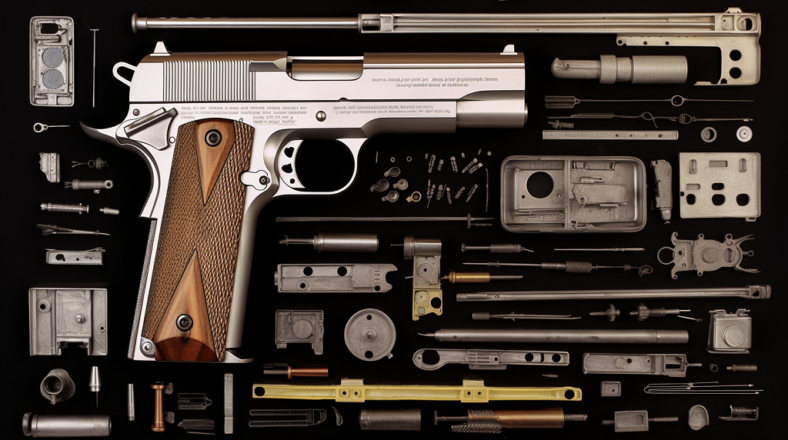
Now, let’s explore the 1911 parts diagram to visualize the individual components that make up this legendary pistol. Here are diagrams for the complete 1911, Colt 1911, and GSG 1911 22:

Complete 1911 Parts Diagram

Complete Parts Diagram

Colt 1911 Parts Diagram

Colt Parts Diagram

GSG 1911 22 Parts Diagram

GSG 22 Parts Diagram

5. Disassembly and Reassembly of the 1911

To maintain and customize your 1911, it’s crucial to understand how to disassemble and reassemble the firearm. Let’s explore the disassembly process and how to put the components back together.

Field Stripping: Basic Disassembly

Field stripping involves the basic disassembly of the 1911 for routine maintenance and cleaning. This process allows you to access the critical components without complete disassembly.

Detailed Disassembly: Going Beyond the Basics

For those interested in a more thorough cleaning or customization, detailed disassembly allows you to remove individual components and access specific parts of the 1911. It’s important to exercise caution and follow reliable instructions to ensure safe disassembly and reassembly.

Reassembly: Putting it All Back Together

After cleaning or modifying your 1911, it’s time to put the components back together. Reassembly requires attention to detail and proper alignment to ensure the firearm functions correctly.

6. Frequently Asked Questions (FAQs)

Q1: Can I customize my 1911 with aftermarket parts?

A1: Yes, the 1911 platform is highly customizable, with a wide range of aftermarket parts available. However, ensure that the parts you choose are compatible with your specific 1911 model.

Q2: Are 1911 parts interchangeable between manufacturers?

A2: While many 1911 parts are interchangeable between manufacturers, there can be slight variations in tolerances and dimensions. It’s always recommended to consult the manufacturer’s specifications and test-fit parts before final installation.

Q3: How often should I clean and maintain my 1911 pistol?

A3: Regular cleaning and maintenance are crucial to keep your 1911 in optimal condition. It is generally recommended to clean the pistol after every shooting session and perform routine maintenance at least every 500 rounds or as needed.

Q4: Can I disassemble my 1911 without any specialized tools?

A4: Basic field stripping of the 1911 can be accomplished with minimal tools. However, for detailed disassembly or specialized tasks, having appropriate tools such as a bushing wrench or sight pusher may be necessary.

Q5: What is the best way to learn about 1911 maintenance and repair?

A5: There are various resources available, including manufacturer’s manuals, online tutorials, gunsmithing books, and instructional videos. It’s advisable to start with basic maintenance procedures and gradually expand your knowledge and skills.

7. Conclusion

Congratulations! You’ve now become acquainted with the 1911 parts diagram, exploring the various components that make up this legendary pistol. Understanding the anatomy and functionality of your 1911 not only enhances your shooting experience but also empowers you to maintain, customize, and optimize your pistol according to your preferences. Remember to prioritize safety and always consult reliable sources when performing any modifications or maintenance on your firearm.

Outdoor Clothing Brands: Exploring the Best Options for Adventure Enthusiasts

Table of Contents

Introduction

When venturing into the great outdoors, having reliable and high-quality outdoor clothing is essential. Whether you’re hiking, camping, climbing, or engaging in any outdoor activity, the right clothing can enhance your comfort, performance, and protection against the elements. In this article, we will explore the world of outdoor clothing brands, highlighting the importance of quality gear and providing insights into factors to consider when choosing outdoor clothing brands. We will also showcase some top brands that excel in different aspects, ensuring you have the information you need to make informed decisions. So, let’s embark on a journey to discover the best outdoor clothing brands for adventure enthusiasts.

2. The Importance of Quality Outdoor Clothing

Outdoor clothing serves as a vital shield, protecting us from various elements such as rain, wind, cold, and UV rays. It also plays a crucial role in regulating body temperature and providing comfort during physical activities. Investing in quality outdoor clothing is a wise decision for several reasons:

  • Durability: Outdoor activities can be demanding, and quality gear is built to withstand rugged environments and repeated use.
  • Performance: Outdoor clothing is designed with specific features and technologies to enhance performance, such as moisture-wicking, breathability, and insulation.
  • Comfort: Well-designed outdoor clothing ensures freedom of movement, proper fit, and comfort, allowing you to focus on enjoying your outdoor adventures.
  • Protection: From waterproof shells to sun-protective fabrics, outdoor clothing provides essential protection against the elements and potential hazards.
  • Confidence: Wearing reliable outdoor clothing instills confidence, knowing that you are well-prepared and equipped for the challenges that nature presents.

3. Factors to Consider When Choosing Outdoor Clothing Brands

When selecting outdoor clothing brands, it’s important to consider several factors to ensure you find the right gear for your needs. Here are some key factors to keep in mind:

3.1 Durability and Quality Materials

Look for brands that prioritize durability and use high-quality materials in their products. Outdoor clothing should be able to withstand rugged conditions, frequent use, and potential abrasions. Durable fabrics like nylon, polyester, and Gore-Tex® are often used to enhance the longevity of outdoor gear.

3.2 Functionality and Versatility

Outdoor clothing should be designed with functionality and versatility in mind. Look for brands that offer clothing with features such as ample pocket storage, adjustable cuffs, ventilation options, and removable layers. Versatile clothing allows you to adapt to changing weather conditions and activities.

3.3 Weather Resistance and Performance

Consider the specific weather conditions you’ll be encountering during your outdoor adventures. Look for brands that offer weather-resistant and performance-focused clothing. This includes waterproof or water-resistant materials, windproof fabrics, and insulation for warmth in cold conditions.

3.4 Ethical and Sustainable Practices

Many outdoor enthusiasts prioritize brands that follow ethical and sustainable practices. Look for brands that prioritize fair labor conditions, use environmentally friendly materials, and have sustainable manufacturing processes. Certifications such as Bluesign® and Fair Trade can be indicators of a brand’s commitment to ethical and sustainable practices.

4. Top Outdoor Clothing Brands

Now, let’s explore some top outdoor clothing brands known for their exceptional quality, innovation, and commitment to outdoor enthusiasts:

4.1 Brand A: Innovating Performance Apparel for Outdoor Enthusiasts

Brand A is renowned for its cutting-edge technology and innovative designs. They offer a wide range of outdoor clothing, including jackets, pants, base layers, and accessories. Their gear is built to withstand extreme conditions while providing excellent functionality, durability, and comfort. With a focus on performance, Brand A continually pushes the boundaries of outdoor apparel.

4.2 Brand B: Blending Style and Functionality in Outdoor Gear

Brand B strikes the perfect balance between style and functionality. Their outdoor clothing seamlessly blends fashion-forward designs with high-performance features. From sleek jackets to versatile pants, Brand B caters to outdoor enthusiasts who value both aesthetics and functionality. Their attention to detail and quality craftsmanship make them a favorite among fashion-conscious adventurers.

4.3 Brand C: Sustainable Outdoor Clothing for Eco-Conscious Adventurers

Brand C is committed to sustainability and eco-conscious practices. They prioritize using recycled and organic materials in their products, minimizing their environmental impact. Brand C offers a range of outdoor clothing that is durable, functional, and stylish, catering to adventure seekers who want to make environmentally responsible choices without compromising on performance.

5. Outdoor Clothing for Different Activities

Outdoor activities vary in their specific requirements, and having the right clothing is crucial. Here are some recommendations for different activities:

5.1 Hiking and Camping

For hiking and camping, prioritize lightweight, moisture-wicking, and quick-drying clothing. Look for breathable base layers, convertible pants, and versatile jackets that offer weather protection without sacrificing mobility.

5.2 Climbing and Mountaineering

When it comes to climbing and mountaineering, focus on clothing that provides durability, freedom of movement, and protection against the elements. Look for abrasion-resistant pants, moisture-wicking tops, and technical jackets with features like helmet-compatible hoods and harness-friendly designs.

5.3 Trail Running and Outdoor Fitness

Trail running and outdoor fitness demand clothing that allows for unrestricted movement and efficient moisture management. Look for lightweight, stretchy materials, moisture-wicking shirts, and breathable shorts or leggings.

5.4 Skiing and Snowboarding

For skiing and snowboarding, prioritize insulated and waterproof outerwear to keep you warm and dry in snowy conditions. Look for jackets with snow skirts, pants with reinforced knees, and base layers that provide both insulation and moisture-wicking capabilities.

6. Outdoor Clothing Accessories

Outdoor clothing accessories complement your gear and enhance your overall outdoor experience. Consider the following accessories:

6.1 Footwear: Boots, Shoes, and Sandals

Invest in high-quality footwear that is appropriate for your chosen outdoor activities. Look for boots with good traction, waterproofing, and ankle support for hiking or mountaineering. For trail running or lighter activities, consider lightweight and breathable trail shoes or sandals.

6.2 Layering Essentials: Base Layers, Mid Layers, and Insulation

Layering is key to regulating body temperature in varying outdoor conditions. Invest in moisture-wicking base layers that sit next to your skin, insulating mid-layers for added warmth, and breathable outer layers to protect against wind and precipitation.

6.3 Outerwear: Jackets, Pants, and Rain Gear

Choose jackets and pants that are specifically designed for your outdoor activities. Look for waterproof or water-resistant options with features like adjustable hoods, ventilation options, and reinforced areas for added durability.

6.4 Accessories: Hats, Gloves, Socks, and More

Don’t forget about accessories that provide additional protection and comfort. Invest in hats or beanies to keep your head warm, gloves or mittens to protect your hands, and moisture-wicking socks to keep your feet dry and blister-free. Other accessories like buffs, neck gaiters, and sunglasses can also enhance your outdoor experience.

7. Finding the Right Fit and Care for Your Outdoor Clothing

When purchasing outdoor clothing, finding the right fit is crucial for comfort and performance. Take measurements and refer to the brand’s sizing guide to ensure the best fit. Additionally, follow care instructions provided by the manufacturer to maintain the longevity and performance of your gear. Proper care may involve washing with specific detergents, avoiding fabric softeners, and treating gear with water repellent sprays when necessary.

8. Conclusion

Investing in quality outdoor clothing from reputable brands is a wise choice for any adventure enthusiast. Consider factors such as durability, functionality, weather resistance, and ethical practices when selecting outdoor clothing brands. The right gear can enhance your comfort, protection, and overall enjoyment during your outdoor pursuits. With a range of top outdoor clothing brands available, you can find gear that aligns with your preferences and activities. So, gear up with confidence and embrace the great outdoors with the best outdoor clothing brands at your side.

FAQs (Frequently Asked Questions)

Q1: Are outdoor clothing brands expensive?

A1: Outdoor clothing brands vary in price range, depending on factors such as brand reputation, quality of materials, and features. While some high-end brands may be more expensive, there are also budget-friendly options available without compromising quality and functionality.

Q2: How can I ensure the sustainability of outdoor clothing brands?

A2: Look for outdoor clothing brands that prioritize sustainability by using eco-friendly materials, promoting ethical manufacturing processes, and supporting initiatives for environmental conservation. Certifications like Bluesign® and Fair Trade can help identify brands with sustainable practices.

Q3: Can I use outdoor clothing for everyday wear?

A3: Yes, outdoor clothing often offers functionality, durability, and comfort that can be suitable for everyday wear. Many brands also create stylish designs that seamlessly blend outdoor performance with urban fashion.

Q4: How often should I replace my outdoor clothing?

A4: The lifespan of outdoor clothing depends on factors like frequency of use, care, and the quality of materials. Inspect your gear regularly for signs of wear and tear, and consider replacing items when they no longer provide adequate protection or functionality.

Q5: Can I mix and match outdoor clothing brands?

A5: Absolutely! Mixing and matching outdoor clothing brands allows you to find the best combination of features, styles, and functionality that suits your needs and preferences. Feel free to explore different brands and create your ideal outdoor gear setup.

Remember to always choose outdoor clothing that meets your specific needs and activity requirements, and enjoy your outdoor adventures in style and comfort!

Bedside Gun Safes: Secure and Quick Access to Your Firearms

As a responsible gun owner, ensuring the security of your firearms is paramount. When it comes to accessing your firearm quickly in case of an emergency, a bedside gun safe provides an ideal solution. In this article, we will explore the benefits and considerations of bedside gun, as well as provide recommendations for selecting the right safe for your needs. So, let’s delve into the world of bedside gun safes and discover how they can offer both security and accessibility.

Table of Contents

1. Understanding the Need for a Bedside Gun

As a gun owner, it is crucial to prioritize the security of your firearms, particularly when they are not in use. A bedside gun safe serves as a dedicated storage solution for keeping your firearm secure and easily accessible, especially during critical situations like home defense.

2. Benefits of a Bedside Gun Safe

A bedside gun safe offers several advantages:

  • Security: This provide a secure storage location, protecting your firearms from unauthorized access, theft, and accidents.
  • Quick Access: These safes are designed to allow rapid retrieval of your firearm when needed, ensuring your safety and that of your loved ones.
  • Peace of Mind: By securely storing your firearm within arm’s reach, you can sleep soundly knowing it is readily available yet properly secured.
  • Child Safety: It helps prevent children from accidentally accessing firearms, reducing the risk of accidents and promoting a safe environment.

3. Factors to Consider When Choosing a Bedside Gun Safe

Before purchasing a bedside gun safe, consider the following factors:

  • Size and Capacity: Ensure the safe is large enough to accommodate your firearm(s) and any additional items like spare magazines or valuables.
  • Security Measures: Look for safes with robust locking mechanisms, such as biometric fingerprint scanners, keypad codes, or electronic locks.
  • Construction and Durability: Opt for safes made of solid steel or heavy-duty materials that offer resistance against tampering or prying attempts.
  • Accessibility: Consider the ease and speed of accessing your firearm from the safe during emergencies.
  • Mounting Options: Determine whether you want to mount the safe to your bedside furniture or keep it portable.
  • Budget: Set a budget range and explore options that fit within your financial constraints.

4. Types of Bedside Gun Safes

Bedside gun safes come in various types, including:

  • Under Bed Safes: These safes are designed to fit discreetly under your bed, providing quick access to your firearm while remaining concealed.
  • Nightstand Safes: Nightstand safes are compact safes that can be placed on or inside your nightstand, offering easy accessibility while blending with your bedroom furniture.
  • Drawer Safes: These safes are specifically designed to be placed inside a drawer, providing secure storage and quick access to your firearm.

5. Features to Look for in a Bedside Gun Safe

Consider the following features when selecting:

  • Biometric Access: Biometric safes use fingerprint recognition technology to provide quick and secure access to your firearm.
  • Keypad Code: Safes with keypad locks allow you to set a unique combination code for quick and convenient access.
  • Tamper and Pry Resistance: Look for safes with reinforced construction and anti-tamper features to deter unauthorized access attempts.
  • Interior Lighting: Built-in lighting can enhance visibility inside the safe, allowing you to locate your firearm easily in low-light conditions.
  • Silent Mode: Some safes offer a silent mode option, preventing audible beeps or alerts during access for discreet retrieval.

6. Installation and Placement Considerations

When installing a bedside gun safe, consider the following:

  • Accessibility: Place the safe in a location that allows easy access while you are in bed, ensuring you can quickly retrieve your firearm if needed.
  • Concealment: If you prefer discreet storage, choose a safe that can be hidden beneath your bed, inside a drawer, or within a nightstand.
  • Stability and Security: Ensure the safe is securely mounted or anchored to prevent it from being easily removed or stolen.

7. Tips for Proper Use and Maintenance

To ensure the effectiveness and longevity of your bedside gun safe, follow these tips:

  • Familiarize yourself with the safe’s locking mechanism and practice accessing it quickly in a safe and controlled environment.
  • Regularly inspect the safe for any signs of wear, damage, or malfunction.
  • Keep the safe clean and free from debris that could interfere with the locking mechanism.
  • Periodically change the batteries of electronic safes to prevent power failure and ensure reliable operation.
  • Follow the manufacturer’s guidelines for maintenance and recommended servicing intervals.

Here are a few examples of highly regarded:

  1. XYZ Biometric Bedside Gun Safe: This biometric safe offers quick and secure access using fingerprint recognition technology. It features a spacious interior, tamper-resistant construction, and a silent mode option.
  2. ABC Under Bed Gun Safe: Designed to fit discreetly under your bed, this safe provides ample storage space, easy accessibility, and pry-resistant construction. It features a keypad lock and can be securely anchored to the floor.
  3. DEF Nightstand Gun Safe: With its compact design, this nightstand safe offers quick and reliable access to your firearm. It features a biometric fingerprint scanner, interior lighting, and solid steel construction.

Remember to research and compare different models to find the bedside gun safe that best suits your specific requirements.

9. Frequently Asked Questions (FAQs)

FAQ 1: Are bedside gun safes secure against unauthorized access?

Yes, if this is a high-quality item, it offers robust security features including strong locks, tamper-resistant construction, and biometric access control for enhanced protection. However, it is essential to choose a reputable safe and follow proper installation and usage guidelines to ensure maximum security.

FAQ 2: Can I use a bedside gun safe for purposes other than firearms storage?

Certainly! This can also be used to securely store other valuable items, such as important documents, jewelry, or emergency cash.

FAQ 3: How quickly can I access my firearm from a bedside gun safe?

The speed of accessing your firearm depends on the type of locking mechanism and your familiarity with it. Biometric safes generally offer the fastest access, typically within seconds, while keypad code or key-operated safes may require a few additional moments.

FAQ 4: Are bedside gun safes portable?

Some of this are portable, allowing you to easily relocate them when needed. However, portable safes may sacrifice some security features compared to permanently mounted or anchored safes.

FAQ 5: What should I do if I forget the combination or code to my bedside gun safe?

If you forget the combination or code to your safe, consult the manufacturer’s instructions or contact their customer support for guidance. Some safes may have a backup key or alternative access method to regain entry.

Conclusion

A bedside gun safe combines security and quick access, ensuring that your firearms are both properly stored and readily available during emergencies. By considering factors such as size, security measures, accessibility, and installation options, you can select the right bedside gun safe for your specific needs. Remember to prioritize the safe handling and storage of your firearms to maintain a safe and secure environment for you and your loved ones.

How to Choose the Right Size Backpack for Hiking

Table of contents

Why Choosing the Right Size Backpack is Crucial for Hiking

Choosing the right size backpack is crucial for any hiking trip. A backpack that is too small won’t be able to carry all of the necessary gear and supplies, while a backpack that is too large will be heavy and uncomfortable to carry. In this article, we will provide you with tips and advice on how to choose the right size backpack for hiking, so you can enjoy your outdoor adventure comfortably and confidently.

Factors to Consider When Choosing a Backpack

Understanding Your Needs and Backpack Capacity

When choosing a backpack for hiking, there are several factors to consider. The first is your individual needs, such as the length of your trip and the gear and supplies you will be carrying. The second factor is the backpack capacity, which is measured in liters. In this section, we will explain how to determine the appropriate backpack capacity based on your individual needs.

Backpack Fit and Comfort

Another important factor to consider when choosing a backpack is the fit and comfort. A properly fitting backpack will distribute the weight evenly across your shoulders and hips, reducing the strain on your back and allowing for a more comfortable hike. We will provide tips on how to measure and adjust your backpack for a comfortable fit.

Backpack Features

Backpack features are another important consideration when choosing the right size backpack for hiking. Features like pockets, straps, and compartments can all impact the overall weight and comfort of your backpack. We will discuss some of the most important backpack features to consider when making your choice.

Importance of Measuring Your Torso Length

Measuring your torso length is an essential step in choosing the right size backpack. A backpack that is too long or too short for your torso length can cause discomfort and strain during your hike. In this section, we will explain why measuring your torso length is important and provide a step-by-step guide on how to do it.

Tips for Choosing the Right Backpack

Understanding the Differences in Women’s Backpacks

Women’s backpacks are designed to fit the female body more comfortably than unisex or men’s backpacks. They also have additional features that are specifically designed for women’s needs. In this section, we will provide tips and advice on how to choose the right backpack for women, including factors like size, fit, and features.

Understanding the Importance of Choosing the Right Backpack for Children

Choosing the right size backpack for children is essential for their comfort and safety during a hiking trip. In this section, we will provide tips and advice on how to choose the right backpack for children, including factors like size, fit, and features.

Conclusion

In conclusion, choosing the right size backpack for hiking is essential for a comfortable and enjoyable outdoor adventure. By considering factors such as backpack capacity, fit and comfort, and features, as well as measuring your torso length, you can ensure that you actively choose a backpack that perfectly fits your individual needs. Whether you are a man, woman, or child, there is a backpack out there that will help you make the most of your hiking experience.

Shotshell Reloading Manual: Your Comprehensive Guide to Reloading Shotgun Shells

Are you a shotgun enthusiast looking to delve into the world of shotshell reloading? Reloading your own shotgun shells not only allows for cost savings but also provides customization options for optimal performance. In this detailed shotshell reloading manual, we will explore the process, equipment, and safety measures involved in reloading shotgun shells. Whether you’re a seasoned reloader or a beginner, this guide will equip you with the knowledge needed to reload shotgun shells successfully.

Table of Contents

1. Introduction: The Art and Science of Shotshell Reloading

Benefits of Reloading Shotgun Shells

Reloading shotgun shells offers several advantages. It allows you to tailor your loads to specific shooting applications, whether it’s hunting, clay target shooting, or competition. Reloading also provides cost savings over purchasing factory ammunition, especially if you shoot frequently or use specialized loads. Additionally, reloading offers a deeper understanding of ballistics and ammunition, making you a more knowledgeable and self-sufficient shooter.

Understanding Safety Precautions

Safety is of paramount importance when it comes to reloading shotgun shells. Familiarize yourself with proper safety procedures, use reliable load data from reputable sources, and adhere to recommended powder charges. Always wear safety glasses and follow guidelines for handling primers and powders. Failure to observe safety precautions can lead to accidents or damage to your firearm.

2. Reloading Basics: Understanding the Components

To begin your journey into shotshell reloading, it’s essential to understand the components that make up a shotgun shell.

Shotgun Shell Anatomy: Hull, Primer, Powder, Wads, and Shot

Shotgun shells consist of a hull (or case), primer, powder charge, wad, and shot. The hull houses the other components and comes in various materials, such as plastic or paper. The primer initiates the powder charge when struck by the firing pin. Powder provides the energy to propel the shot. Wads act as a barrier between the powder and shot, ensuring proper patterns and protecting the barrel. Shot is the payload, which can be made of lead, steel, or other materials.

Different Gauges and Shells: Gauge Conversion Chart

Shotguns come in different gauges, such as 12 gauge, 20 gauge, 16 gauge, and 28 gauge. Each gauge corresponds to a specific shell size, with 12 gauge being the most common. It’s crucial to understand the gauge and shell size compatibility to ensure safe and reliable reloading.

3. Reloading Equipment and Tools

To reload shotgun shells effectively, you’ll need specific equipment and tools. Let’s explore the essential items involved in the reloading process.

Presses: Choosing the Right Press for Your Needs

Reloading presses are available in various types, including single-stage, turret, and progressive presses. The type of press you choose depends on your reloading volume, desired speed, and budget.

Priming Tools: Ensuring Proper Primer Seating

Priming tools facilitate the proper seating of primers into the hulls. Options range from handheld priming tools to press-mounted priming systems.

Powder Measures: Achieving Consistent Powder Charges

Powder measures accurately dispense the desired amount of powder into the hulls. They come in manual, volumetric, and electronic variants.

Wad Guides: Selecting the Correct Wad for Your Load

Wad guides assist in selecting the appropriate wad for your specific load, considering factors such as payload weight, desired shot pattern, and velocity.

Shotshell Checkers: Verifying Proper Shell Dimensions

Shotshell checkers allow you to verify the dimensions of reloaded shells, ensuring they meet the required specifications for reliable function and safe operation.

4. Step-by-Step Reloading Process

Now that you’re familiar with the equipment and tools, let’s dive into the step-by-step shotshell reloading process.

Case Preparation: Inspecting and Cleaning Hulls

Begin by inspecting and sorting your hulls, discarding any damaged or compromised ones. Clean the hulls to remove dirt, debris, and residue from previous firings.

Resizing and Depriming

Resize the hulls using a resizing die specific to your gauge, ensuring proper chamber fit and extraction. Remove the spent primers by depriming the hulls.

Primer Seating

Seat new primers into the primed hulls using a priming tool, ensuring consistent and correct primer depth.

Powder Charging: Choosing the Correct Load Data

Consult reliable load data and select the appropriate powder charge for your desired load. Use a powder measure to dispense the precise amount of powder into the hulls.

Wad Selection and Seating

Select the proper wad based on your desired load characteristics. Seat the wad atop the powder charge using a wad guide and press.

Shot Charging: Types of Shot and Shot Weight

Choose the appropriate shot size and material based on your shooting requirements. Carefully charge the hulls with the desired shot weight using a shot dipper or dispenser.

Crimping: Roll Crimp and Fold Crimp Methods

Crimp the mouth of the hull to secure the components using a roll crimp or fold crimp method. The crimp ensures proper chambering and prevents shot from escaping.

Final Inspection: Ensuring Quality and Safety

In order to guarantee reliable performance and safety, it is important to inspect each reloaded shell meticulously. This inspection involves verifying proper assembly, confirming the correct powder charge, and ensuring the absence of any defects. By conducting a thorough inspection, you can have peace of mind knowing that your ammunition meets the necessary standards for reliable functioning and safety.

5. Reloading Data and Load Development

When reloading shotgun shells, utilizing reliable load data is crucial. Here’s how to access comprehensive load data and develop your loads.

Understanding Load Data: Manufacturer’s Data and Load Manuals

Reloading powder manufacturers and reputable reloading manuals provide detailed load data, including recommended powder charges, wad selections, and shot weights. Always consult the latest published data and cross-reference different sources for accuracy.

Lyman Shotshell Reloading Manual: Comprehensive Load Data

The Lyman Shotshell Reloading Manual is a highly regarded resource for shotgun reloaders. It offers extensive load data, including various gauges, shot sizes, and powders.

Best Shotshell Reloading Manuals: Reviews and Recommendations

Research and consider customer reviews and recommendations when choosing the best shotshell reloading manual for your specific needs. Reliable manuals provide comprehensive data, safety guidelines, and valuable reloading tips.

Load Development: Safety, Testing, and Tweaking Loads

When it comes to load development, it is crucial to approach it methodically. Begin with conservative loads, gradually progressing while closely monitoring pressure signs and shot patterns. This incremental approach ensures optimal performance and allows you to achieve your desired results.

6. Advanced Techniques and Tips

Once you have a solid understanding of shotshell reloading, you can explore advanced techniques and tips to further enhance your reloading experience.

Specialty Loads: Slug Loads, Buckshot Loads, and Reduced Recoil Loads

Shotshell reloading allows you to create specialty loads, such as slug loads for hunting or buckshot loads for personal defense. You can also develop reduced recoil loads for more comfortable shooting experiences.

Over-Powder and Over-Shot Cards: Their Purpose and Application

Over-powder and over-shot cards serve as buffers and fillers, improving shot pattern consistency and reducing shot deformation. They can be useful in specific applications, such as handloading steel shot.

Shotshell Crimp Enhancers: Improving Crimp Quality

Crimp enhancers, such as overshot cards or specialty crimping tools, can improve the quality and aesthetics of your shotshell crimps. They help ensure a secure closure and minimize shot migration.

Hull Modifications: Lengthening or Shortening Hulls

With proper knowledge and caution, you can modify shotgun hull length to fine-tune loads, improve performance, or accommodate specific chambers. However, ensure you adhere to safe practices and verify compatibility with your firearm.

7. Safety Considerations and Best Practices

Safety should always be the top priority when reloading shotgun shells. Follow these safety considerations and best practices to ensure a safe reloading experience.

Safe Handling of Powders and Primers

Handle powders and primers with care, following recommended storage practices and safety guidelines. Store them in cool, dry locations away from heat sources or open flames.

Quality Control Measures

Implement strict quality control measures throughout the reloading process. Double-check each step, verify components, and inspect reloaded shells before use.

Recognizing Signs of Over-Pressure and Abnormal Patterns

Educate yourself on signs of over-pressure, such as flattened primers, hard extraction, or bulging hulls. Recognize abnormal shot patterns and investigate potential causes to avoid unsafe conditions.

Storing and Transporting Reloaded Shells

Store and transport your reloaded shells in appropriate containers designed for shotshell storage. Clearly label containers with load data and ensure they are stored in a secure location away from unauthorized access.

8. Troubleshooting Guide: Common Issues and Solutions

Despite following proper procedures, reloading issues may arise. Consult this troubleshooting guide to address common problems encountered during shotshell reloading.

Failure to Fire

If a reloaded shell fails to fire, check for proper primer seating, powder charge, and proper ignition source. Ensure your firearm is in proper working order and consider consulting a gunsmith if the issue persists.

Failure to Extract

A failure to extract may indicate improper resizing or excessive pressure. Verify that the hulls are correctly resized and examine for signs of over-pressure.

Inconsistent Patterns or Shot Dispersion

Inconsistent shot patterns can result from various factors, including wad selection, shot charge, or crimping. Experiment with different components and loads to achieve the desired shot dispersion.

Case Splitting and Deformation

Case splitting and deformation can be caused by excessive pressure or worn hulls. Monitor your reloading process for signs of high pressure and retire hulls that show signs of wear or fatigue.

9. Frequently Asked Questions (FAQs)

Q1: Is reloading shotgun shells cost-effective?

A1: Yes, reloading shotgun shells can be cost-effective, especially when shooting frequently or using specialty loads. However, initial equipment costs and quality components should be factored in.

Q2: Can I reuse shotgun hulls indefinitely?

A2: Shotgun hulls can be reloaded multiple times as long as they are in good condition, free from defects, and within the safe number of reloadings specified by the manufacturer.

Q3: How can I ensure consistent powder charges?

A3: Using a reliable powder measure and following recommended powder charge weights precisely will help achieve consistent powder charges. Regularly calibrate and maintain your powder measure for accurate results.

Q4: Are there any risks associated with shotshell reloading?

A4: Shotshell reloading, like any reloading activity, carries inherent risks if not performed with caution and adherence to safety guidelines. It is essential to educate yourself, follow reliable load data, and prioritize safety at all times.

10. Conclusion

Congratulations! You have completed this comprehensive shotshell reloading manual, equipping yourself with the knowledge and understanding needed to reload shotgun shells safely and effectively. Remember to approach shotshell reloading with patience, attention to detail, and a commitment to safety. Reloading shotgun shells can be a rewarding and cost-effective endeavor, providing you with customized ammunition for your shooting needs. Enjoy the process and happy reloading!

Mastering Trigger Discipline: A Crucial Element of Firearm Safety

When it comes to responsible gun ownership and safe handling, trigger discipline is crucial. It involves controlling your trigger finger to prevent accidental discharges and keep everyone safe. In this article, we’ll explore the importance of trigger discipline, discuss key principles and techniques, and provide tips to help you develop and maintain this critical aspect of firearm safety. Let’s uncover the secrets of mastering trigger discipline.

Table of Contents

1. Understanding the Significance of Trigger Discipline

This refers to the conscious and deliberate control of your trigger finger at all times until you are ready to engage the target. It is a fundamental aspect of firearm safety that helps prevent accidental discharges, which can have severe consequences. By mastering trigger discipline, you ensure that your finger remains off the trigger until you have made the conscious decision to fire.

2. The Principles of Trigger Discipline

Safe gun handling is built on a set of principles that establish guidelines for ensuring proper and secure firearm practices. These principles include:

  • Finger Placement: Keep your trigger finger outside the trigger guard and alongside the frame or slide of the firearm until you are ready to fire.
  • Trigger Awareness: Maintain a heightened sense of awareness regarding the position and movement of your trigger finger at all times.
  • Intentional Engagement: Only place your finger on the trigger when you have made the conscious decision to shoot and have properly aligned your sights on the target.
  • Finger Reset: After each shot, release the trigger and allow it to reset fully before engaging it again, maintaining control and readiness.

3. Techniques for Practicing Trigger Discipline

To develop and reinforce proper discipline, practice the following techniques:

  • Dry Fire Practice: Without live ammunition, practice your trigger control by focusing on maintaining a steady sight picture and smoothly pressing the trigger without disturbing your aim.
  • Slow and Deliberate Trigger Pulls: During live fire sessions, concentrate on applying a gradual and controlled trigger pull, ensuring that your finger moves straight to the rear without disturbing your aim.
  • Utilize Training Tools: Training tools such as snap caps or dummy rounds can help simulate realistic trigger pulls during dry fire practice, reinforcing proper trigger discipline.

4. Tips for Developing and Maintaining Trigger Discipline

Improve trigger discipline with these tips:

  1. Be aware: Stay mindful of your trigger finger’s position, being aware of the situation at all times.
  2. Grip properly: Maintain a firm and consistent grip on your firearm for control and stability.
  3. Prepare mentally: Visualize and mentally rehearse your actions before handling your firearm, ensuring intentional trigger engagement.
  4. Seek a safe environment: Surround yourself with safety-conscious individuals who prioritize responsible firearm handling.

5. The Role of Mindfulness and Focus

Mindfulness and focus play crucial roles in mastering trigger discipline. By maintaining present-moment awareness and concentrating on the task at hand, you enhance your ability to control your trigger finger and remain attentive to your firearm handling.

6. Common Mistakes to Avoid

Avoid these mistakes that can compromise trigger discipline:

  1. “Itchy Trigger Finger”: Refrain from prematurely placing your finger on the trigger, especially during firearm handling or presentation.
  2. Neglecting Reset: Release the trigger fully and allow it to reset after each shot, preventing unintended follow-up shots or premature trigger pulls.
  3. Guard Against Complacency: Never let your guard down or develop a casual attitude towards trigger discipline, as a momentary lapse in judgment can lead to accidents.

7. The Importance of Proper Training and Education

Proper training and learning are vital in mastering trigger discipline and overall firearm safety. Seek guidance from certified instructors who can teach you safe and effective trigger control techniques.

8. The Role of Dry Fire Practice

Dry firing is a useful training technique for improving trigger discipline. It enables you to concentrate on trigger control without any distractions, reinforcing correct technique and building muscle memory. Remember to unload your firearm and follow safety guidelines during dry fire practice.

9. Frequently Asked Questions (FAQs)

FAQ 1: Why is trigger discipline important?

This discipline is crucial for preventing unintentional discharges, ensuring the safety of yourself and those around you. By keeping your finger off the trigger until you are ready to shoot, you minimize the risk of accidents and maintain control over your firearm.

FAQ 2: How can I improve my trigger discipline?

To improve trigger discipline, practice techniques such as dry fire exercises, slow and deliberate trigger pulls, and continuous mindfulness of your trigger finger’s position. Seek professional training and regularly reinforce safe handling habits.

FAQ 3: Does trigger discipline apply to all firearms?

Yes, this discipline applies to all firearms, regardless of their type or design. Whether you are handling a handgun, rifle, shotgun, or any other firearm, maintaining control over your trigger finger is essential for safe handling.

FAQ 4: Are there specific techniques for different shooting scenarios?

While the basic rules of trigger safety apply in all shooting situations, the way you handle the trigger may vary depending on the firearm. Learn the specifics of your firearm and adjust your trigger discipline accordingly.

FAQ 5: Can trigger discipline prevent accidents caused by mechanical failures?

While trigger discipline aims to prevent accidental firings due to human error, it can also help identify possible mechanical failures. By keeping your trigger finger in control, you can detect any unexpected trigger movement or resistance, indicating potential firearm malfunctions.

Conclusion

Mastering trigger discipline is crucial for responsible gun ownership and safe handling. By consistently applying this principles, practicing proper techniques, staying focused, and prioritizing safety, you create a safer shooting environment for yourself and others. Seek professional training, stay mindful, and develop a disciplined approach to trigger control for a safe and enjoyable firearms experience.

Gunshot Decibels: Unveiling the Deafening Power of Firearms

Table of Contents

Introduction

Have you ever wondered about the thunderous sound that accompanies a gunshot? Firearms possess an immense power that extends beyond their projectile capabilities. In this article, we dive into the captivating world of gunshot decibels, uncovering their staggering intensity and exploring the significance of hearing protection.

Understanding Decibels

What are Decibels?

Decibels (dB) are the unit of measurement used to quantify sound intensity. It serves as a scale to gauge the loudness or quietness of sounds.

Decibels and Sound Measurement

In order to grasp the magnitude of decibels, it is crucial to understand the logarithmic nature of the decibel scale. Specifically, each increase of 10 dB represents a tenfold increase in sound intensity. For instance, a sound at 80 dB is ten times louder than a sound at 70 dB.

The Science Behind Gunshot Decibels

The Impact of Firearms on Hearing

Moreover, gunshots have a notorious reputation for their potential to cause irreversible damage to human hearing. The intense sound produced by firearms can surpass the threshold of pain, resulting in hearing loss or tinnitus.

Factors Affecting Gunshot Decibels

Several factors contribute to the decibel levels produced by a gunshot, including the type of firearm, ammunition used, barrel length, and environmental conditions. Understanding these variables is essential in comprehending the variation in gunshot noise.

Decibel Levels of Different Firearms

Handguns

Handguns, such as pistols and revolvers, generate significant noise when discharged. The decibel levels produced by handguns can range from 140 dB to 165 dB, depending on factors such as caliber and barrel length.

Rifles

Rifles, commonly used for hunting and sport shooting, produce high decibel levels due to their larger ammunition and longer barrels. On average, rifle shots can reach between 155 dB and 175 dB, causing considerable auditory impact.

Shotguns

Shotguns, renowned for their wide range and versatility, can generate intense decibel levels. A shotgun blast typically falls within the range of 150 dB to 170 dB, varying based on the gauge and ammunition used.

Submachine Guns

Submachine guns, characterized by their rapid-fire capability, emit substantial decibel levels. These firearms can produce noise ranging from 155 dB to 175 dB, echoing their powerful and forceful nature.

Comparing Gunshot Decibels to Everyday Sounds

Gunshot vs. Fireworks

How do gunshots fare against other explosive sounds? Surprisingly, the sound levels of gunshots can exceed those of fireworks, showcasing the tremendous acoustic impact firearms possess.

Gunshot vs. Jet Engine

Ever wondered about the sheer volume of a gunshot compared to a roaring jet engine? Discover the surprising contrast between these two mighty sources of sound and grasp the magnitude of gunshot decibels.

Gunshot vs. Rock Concert

Are rock concerts louder than gunshots? Unravel the mystery behind these sound clashes and find out which event claims the crown for generating ear-splitting decibel levels.

The Importance of Hearing Protection

Types of Hearing Protection Devices

Shielding our ears from the deafening impact of gunshots is paramount. Explore various hearing protection options, from earmuffs to earplugs, and understand how they mitigate the risk of hearing damage.

Best Practices for Hearing Protection

Merely wearing hearing protection is not enough; understanding how to use it correctly is crucial. Discover essential tips and techniques to ensure maximum effectiveness of hearing protection devices and safeguard your precious sense of hearing.

Noise Regulations and Guidelines

In an effort to control excessive noise pollution, many regions have established regulations and guidelines concerning gunshot noise. Delve into the legal framework surrounding gunshot noise and its implications for gun owners and shooting ranges.

Suppressors, commonly known as silencers, have long been a subject of fascination and misconception. Learn about the legal requirements and restrictions surrounding suppressor ownership and their potential impact on reducing gunshot decibels.

Reducing Gunshot Decibels: Suppressor Technology

How Suppressors Work

Unlock the secrets of suppressor technology and understand how these devices attenuate the sound of gunfire. Delve into the science behind suppressors and their role in reducing gunshot decibels.

Benefits and Limitations of Suppressors

Suppressors offer advantages beyond noise reduction. Explore the additional benefits of using suppressors, as well as their limitations, ensuring a comprehensive understanding of these devices.

Gunshot Decibels and Public Safety

Noise Pollution and its Effects

The impact of noise pollution extends far beyond personal inconvenience. Delve into the adverse effects of excessive noise on public health, well-being, and quality of life, shedding light on the importance of managing gunshot decibels.

Noise Mitigation Strategies

Discover innovative strategies and techniques employed to mitigate the impact of gunshot noise in various settings, from residential areas to shooting ranges. Explore the delicate balance between preserving recreational activities and safeguarding public tranquility.

Conclusion

Gunshot decibels are an undeniable force to be reckoned with. Understanding the intensity of firearm noise and its potential consequences is crucial for both gun enthusiasts and the general public. By prioritizing hearing protection and exploring technologies like suppressors, we can strike a balance between our passion for firearms and our responsibility to mitigate the impact of gunshot decibels on our auditory health.

Frequently Asked Questions (FAQs)

  1. Are all firearms equally loud?
    • While the decibel levels of firearms can vary, factors such as caliber, barrel length, and ammunition type contribute to variations in noise intensity.
  2. Can wearing earmuffs completely eliminate the risk of hearing damage from gunshots?
    • Earmuffs provide effective hearing protection, but it’s important to wear them correctly and ensure a proper fit for optimal results.
  3. Do suppressors make guns silent?
    • Suppressors reduce the sound signature of firearms, but they do not eliminate the noise entirely. They significantly reduce the decibel levels, making shooting more comfortable and less harmful to hearing.
  4. Is it legal to own a suppressor for personal use?
    • The legality of owning a suppressor varies by country and jurisdiction. It’s essential to familiarize yourself with local laws and regulations regarding suppressor ownership.
  5. How does excessive noise affect public health?
    • Excessive noise can lead to various health issues, including hearing loss, sleep disturbances, stress, and cardiovascular problems. Managing noise pollution is crucial for public well-being.

This concludes our exploration of gunshot decibels and their significance. Remember, protecting your hearing should always be a top priority when engaging in shooting activities. Stay informed, take appropriate precautions, and enjoy your passion while safeguarding your auditory health.

Exit mobile version