


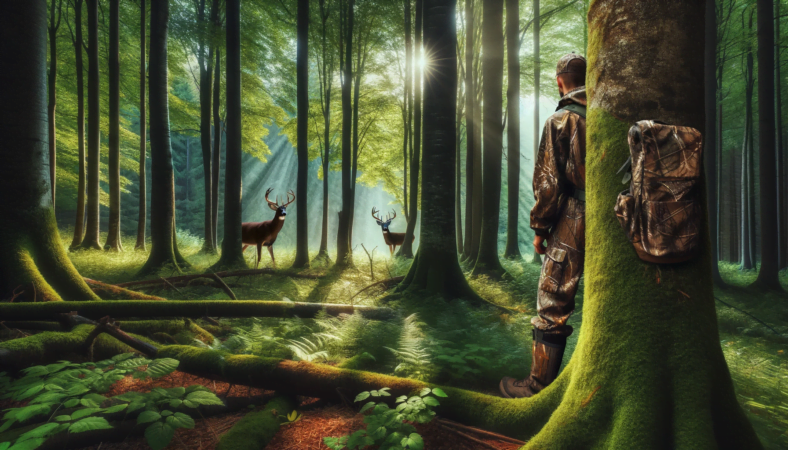
An unexpected buck encounter is usually won or lost by calm decisions. Do not rush to move, call, or shoot. Confirm the wind, read the buck’s body language, wait for a safe angle, and only take a shot that fits your practiced range, legal rules, and recovery plan.
Table of contents
Quick Plan for an Unexpected Buck
If a buck appears where you did not expect him, freeze first. Move only when his eyes are blocked, his head is down, or cover hides your motion. Range the lane if you can do it without being seen, check the background, and wait for a broadside or quartering-away angle that matches your weapon and skill.
Slow the moment down
Surprise creates bad movement. A hunter who rushes often bumps the deer, draws too early, shoulders the firearm at the wrong time, or takes a poor shot. The first job is to stay still enough to understand what the buck is doing.
Decide if the shot is real
Seeing a buck is not the same as having a shot. Brush, angle, range, wind, other hunters, property lines, roads, and low light can all make a tempting shot wrong. Decide before raising the weapon whether the shot is safe and ethical.
Let the buck make the next move
Many unexpected encounters give you a second chance if you do not panic. A buck may pause, feed, turn, or step into a better lane. If he is not alarmed, patience can create a cleaner decision.
Prepare Before the Hunt
Unexpected deer feel less chaotic when your gear, lanes, and limits are already set. Good preparation does not remove surprise, but it gives you a simple plan when it happens.
Set a personal shot limit
Your field limit should be based on practice from real hunting positions, not your best group on a calm range. Cold hands, steep angles, wind, buck fever, and uneven footing all matter. Pick a limit you can repeat under pressure.
Know the legal details
Check current state regulations before the hunt: season dates, weapon rules, antler restrictions, tagging, shooting hours, blaze-orange rules, and recovery requirements. The International Hunter Education Association offers hunter safety resources through IHEA-USA, but your state wildlife agency is the final source for current deer rules.
Mark safe lanes early
Before the sit settles in, mark the lanes where you would actually shoot. Identify brush, fences, roads, buildings, livestock, skyline areas, and property lines. If a buck appears later, you will already know which lanes are off limits.
Read Buck Behavior
A buck’s body language tells you how much time you may have. The right move for a relaxed deer is different from the right move for a tense deer.
Relaxed deer
A relaxed buck may feed, browse, scent-check, or move slowly with his head down. This is your best chance to wait for the right angle. Move in small pieces only when his eyes are hidden or pointed away.
Alert deer
An alert buck may stare, stomp, lift his head, swing his ears, or lock onto a sound. Do not force movement when he is studying the area. If the deer relaxes, you may get another chance. If he stays tense, passing may be the better decision.
Moving deer
A walking buck can create a short window. Avoid rushing a shot through brush or at a poor angle. If you need him to stop, use a soft mouth sound only when you are already ready and the lane is safe. Do not use a loud sound that startles him into a jump.
Wind, Cover, and Movement
Wind and movement matter most when a deer is close. The buck may not know you are there yet, but one swirl of scent or one sharp movement can end the encounter.
Watch the downwind side
Bucks often use wind to check cover, food edges, or doe groups. If the wind is wrong, be realistic. You may have only seconds before he catches your scent. Do not move unless the shot is already safe and within your limit.
Use cover to move
Draw, shoulder, range, or adjust only when a tree, brush screen, terrain fold, or the buck’s own body position hides the motion. Smooth movement beats fast movement. If you cannot move cleanly, wait.
Control noise
Unexpected encounters expose noisy gear. Loose zippers, metal buckles, hard calls, and clanking stands can ruin a close deer. Keep key gear in the same place every hunt and quiet your pack before the season. Our guide on organizing your hunting backpack can help with that setup.
Shot Discipline
Shot discipline is the center of the whole encounter. A buck that surprises you is still not worth a poor shot. The National Deer Association has useful deer-recovery and shot-placement education on its deer hunting education site.
Wait for the angle
Broadside and slight quartering-away angles are usually easier to judge than hard-quartering, frontal, or steep-angle shots. If brush covers the vitals or the deer is too alert, wait. A passed shot is part of responsible hunting.
Confirm the background
Know what is behind the deer. This matters with firearms, crossbows, and bows. Roads, houses, livestock, other hunters, skylines, and property boundaries can make a shot unsafe even if the deer is in range.
Do not let antlers rush you
Antlers can make a hunter forget the plan. Use the same process for every deer: legal animal, safe background, known range, good angle, steady position, and recovery plan. If one piece is missing, wait or pass.
After the Shot
The work is not over after the shot. Recovery decisions should be calm, legal, and based on what you saw and heard.
Mark the shot location
Pick a landmark where the deer stood and where you last saw him. Listen carefully. Note the direction of travel, body reaction, and any sound of a crash or movement. These details help you avoid guessing later.
Wait when the sign says wait
Recovery timing depends on shot placement and sign. If the shot looked poor or uncertain, slow down and get help. Pushing too soon can make recovery harder. Follow your state rules for tracking, tagging, and crossing property lines.
Protect the blood trail
Move slowly, mark blood without stepping on it, and avoid trampling the impact site. If you lose sign, return to the last confirmed mark and restart from there. Do not turn the search into random walking.
Public Land and Hunting Pressure
Unexpected buck encounters are common when pressure changes deer movement. Other hunters, weather, rut activity, food changes, and access routes can push deer into places they do not use every day.
Use pressure without crowding
On public land, deer may skirt parking areas, trails, and obvious stands. Hunt escape cover and overlooked edges, but give other hunters room. Our public-land deer hunting guide covers access and pressure planning in more detail.
Watch midday movement
Late arrivals, hunters leaving stands, farm activity, and weather shifts can move deer outside the usual first-light and last-light windows. If conditions are good, staying longer can be useful.
Keep a flexible plan
If fresh sign or pressure changes the day, adjust without rushing. A backup stand, a still-hunting route, or a quiet observation sit can be better than forcing the original plan.
Common Mistakes
Most mistakes in a surprise buck encounter come from speed: moving too fast, shooting too fast, tracking too fast, or changing the plan too fast.
Drawing or shouldering too early
If you move while the buck is looking at you, the encounter may end immediately. Wait for cover, a head turn, or a better moment. Being ready matters, but being seen matters too.
Taking a shot outside your real limit
A bigger buck does not extend your range. Use the limit you set before the hunt. If the deer is beyond that limit, keep watching and hope for a closer chance.
Leaving no recovery plan
Before any shot, think about where the deer may go, whether you can legally recover there, and how you will mark sign. A good shot decision includes what happens after impact.
Field Checklist
Use this short checklist when a buck appears unexpectedly. It is meant to slow the decision down.
Before moving
- Is the buck relaxed, alert, or leaving?
- Is the wind about to give you away?
- Can you move without being seen?
- Is the animal legal under current rules?
Before shooting
- Is the range inside your practiced limit?
- Is the angle clean?
- Is the background safe?
- Is there brush, fence, or cover in the path?
After the shot
- Mark where the deer stood.
- Mark where you last saw him.
- Listen before climbing down or moving.
- Follow recovery rules and get help if the sign is uncertain.
Related Guides
For broader deer planning, read our deer hunting tips for beginners. If you are building a first-season plan, start with the first-time hunting guide. For access and pressure strategy, use the public-land deer hunting guide.
FAQ
What should I do first when a buck appears unexpectedly?
Freeze and read the situation. Check the buck’s body language, wind, range, angle, and background before moving. A calm pause often prevents the biggest mistakes.
Should I stop a walking buck with a sound?
Only if you are already ready, the lane is safe, and the sound will not create a rushed shot. Use a soft sound. If the deer is tense or the shot is not ready, do not force it.
How far should I shoot at an unexpected buck?
Use the distance you can repeat from real hunting positions under pressure. Do not extend your range because the deer is larger than expected.
What if the buck crosses onto private land after the shot?
Follow your state rules and get landowner permission where required before crossing. Plan for this possibility before taking shots near boundaries.
How do I avoid rushing the shot?
Use a simple process: legal deer, safe background, known range, clean angle, steady position, and recovery plan. If any piece is missing, wait.