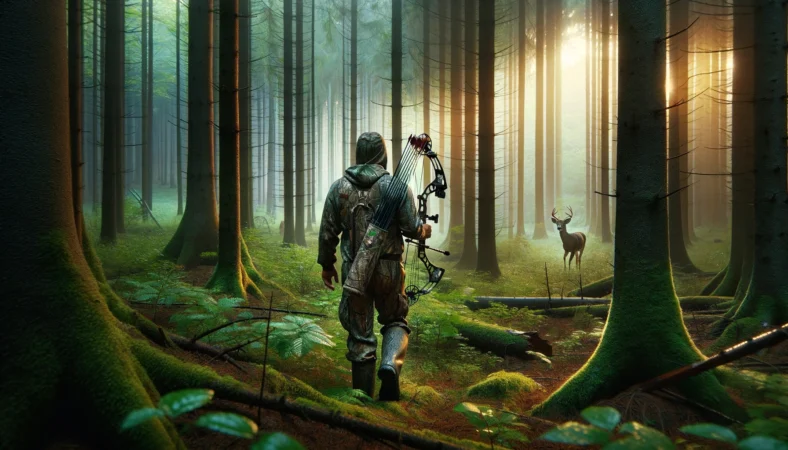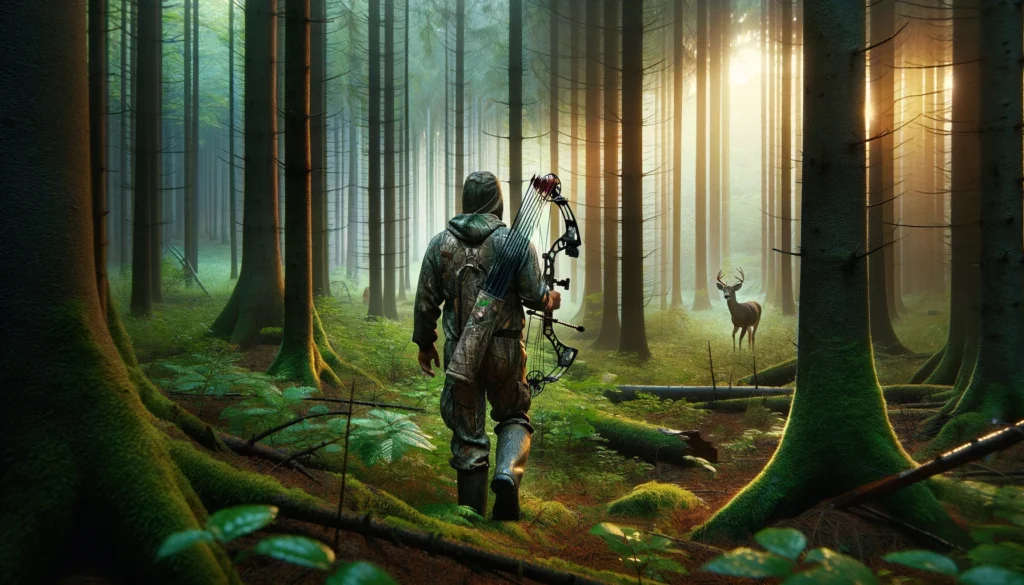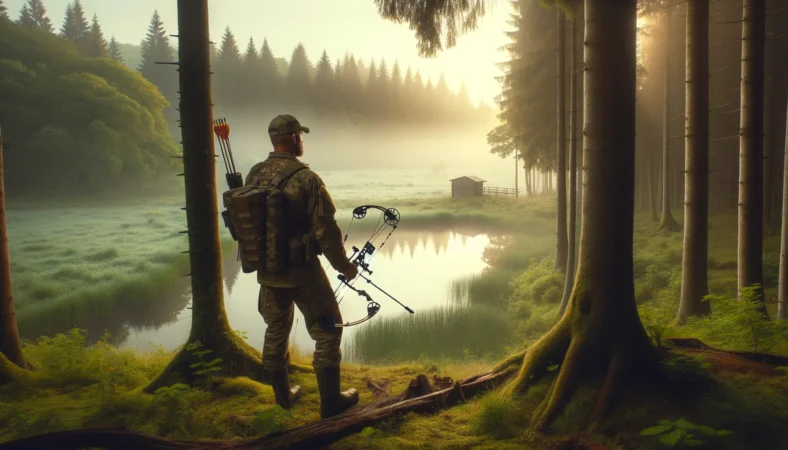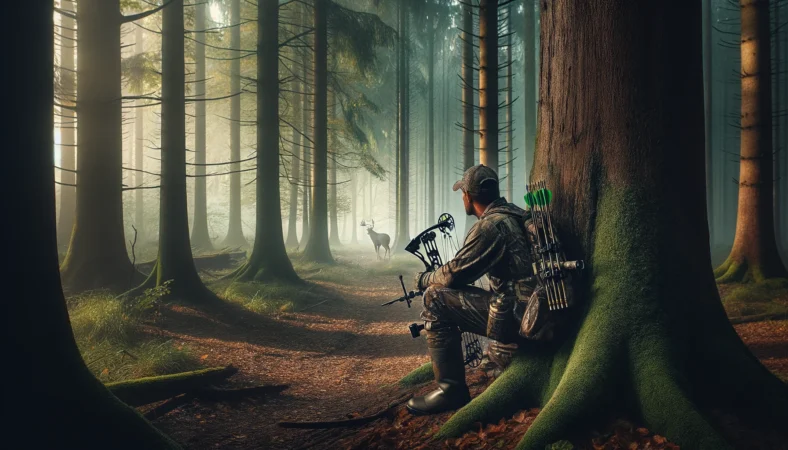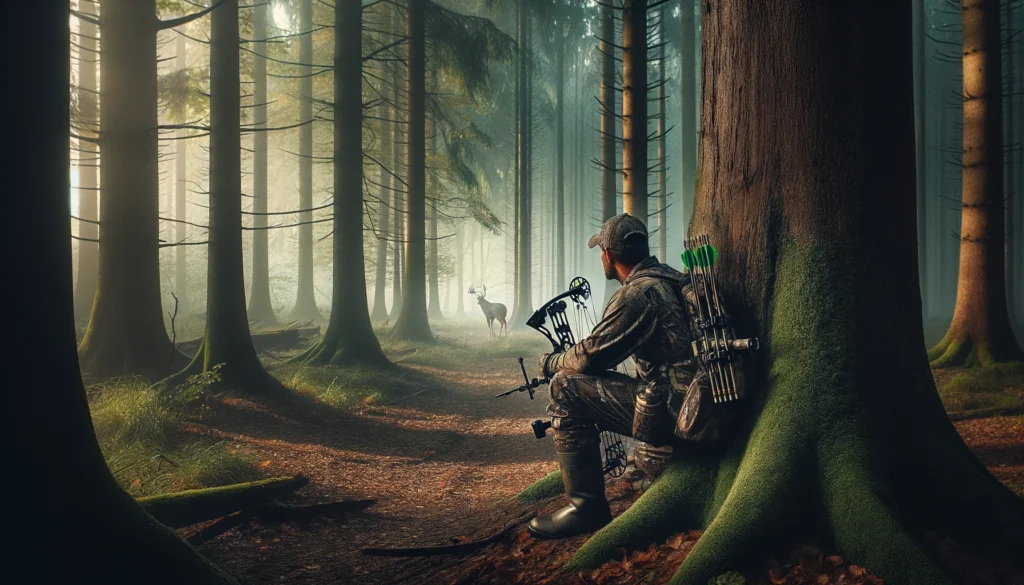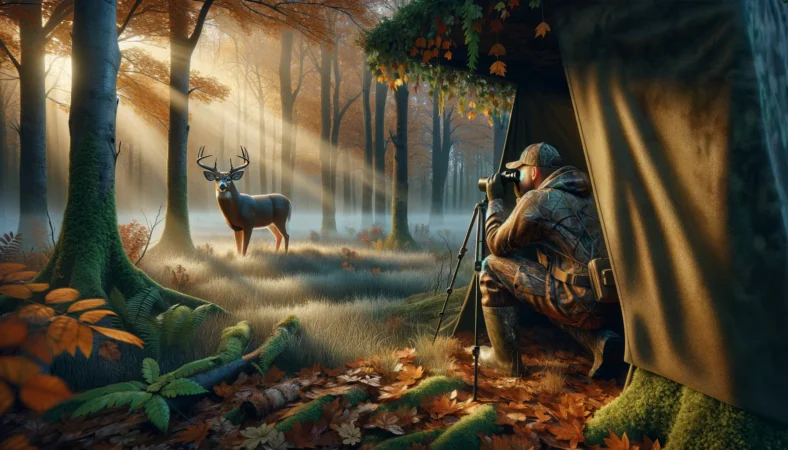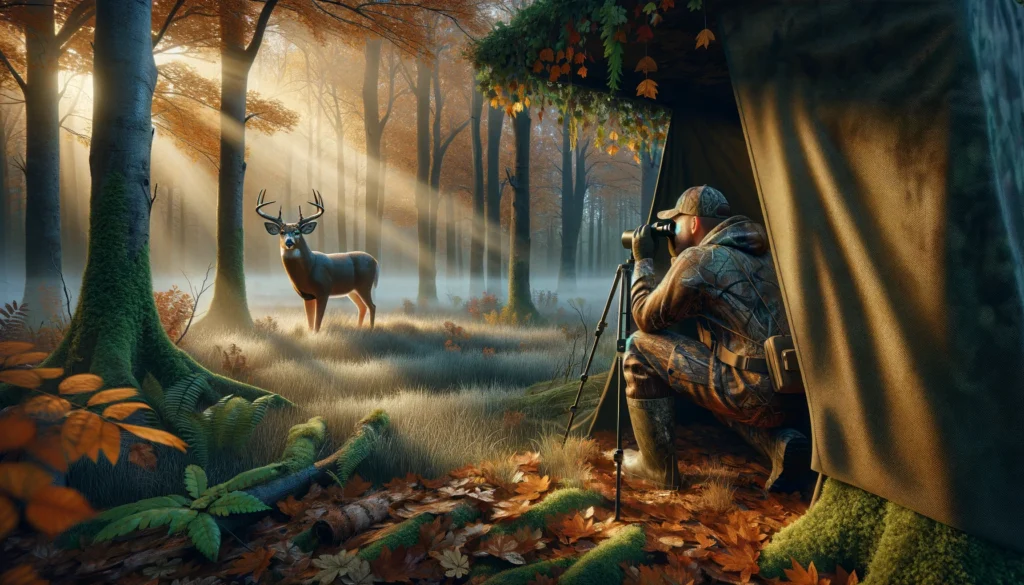
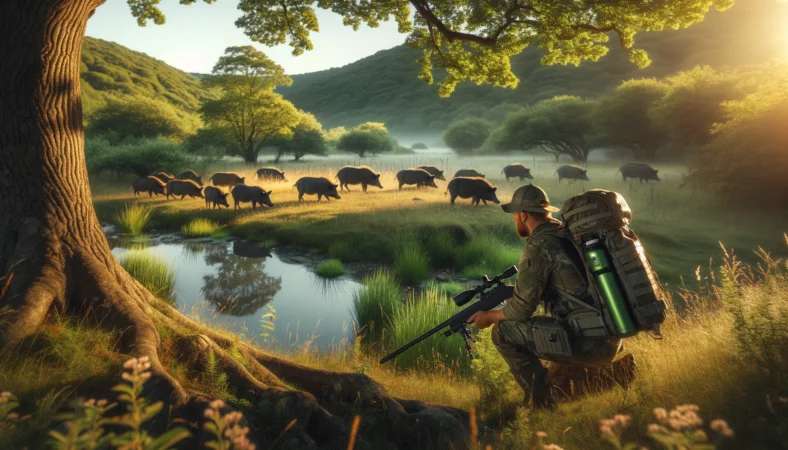
Summer Hunts: Navigating the Off-Season for Year-Round Hunting Adventures

Welcome to the definitive guide to summer hunting, where we explore the untapped potential of the off-season to offer hunters year-round excitement and challenges. Far from being a time to stow away your gear, summer presents a unique set of opportunities for personal growth, adventure, and contribution to wildlife management and conservation. This comprehensive exploration will guide you through everything from identifying target species and preparing effectively, to ensuring safety and ethical considerations in the heat, and maximizing the benefits of your summer hunting expeditions.

Introduction

The off-season in hunting typically signifies a pause, a breath in the year where the forests and fields fall quiet from the calls and shots of hunters. Yet, this period, especially summer, is far from a dormant time for those who know where to look. It’s a season ripe with opportunities for adventure, skill enhancement, and the deepening of our connection to the natural world. This guide aims to redefine the off-season, turning it into a period of active engagement and discovery.

Unlocking Summer Hunting Opportunities

Diverse Species to Target

Summer hunting shifts the focus from more traditional game to a variety of species that offer unique challenges and benefits:

  • Predators and Varmints: Engaging with coyotes, foxes, and bobcats, not only tests your stalking and shooting skills but also aids in controlling populations that can impact local fauna.
  • Feral Hogs: With their year-round presence and destructive nature, hunting feral hogs during summer can provide thrilling hunts while contributing to environmental conservation efforts.
  • Small Game and Birds: Rabbit, squirrel, and certain bird species like doves offer excellent opportunities for beginners to learn and for seasoned hunters to practice their precision and patience.

Unveiling the Benefits of Summer Hunting

Summer hunting isn’t just about the thrill of the chase; it’s a multifaceted experience that offers:

  • Skill Advancement: The off-season is the perfect time to refine techniques, from tracking to shooting, in a less pressured environment.
  • Conservation Efforts: Many summer hunting targets are part of control measures to maintain ecological balance, making your hunting trips doubly beneficial.
  • Personal Growth: The challenges of summer hunting, from dealing with the heat to mastering new prey, foster resilience and adaptability.

Preparation: The Foundation of Success

Essential Gear for the Summer Hunter

The right equipment is crucial for a successful and enjoyable summer hunt:

  • Appropriate Apparel: Invest in lightweight, breathable clothing designed for high temperatures and robust sun protection gear, including wide-brimmed hats and UV-blocking sunglasses.
  • Hydration Solutions: A reliable hydration system, whether bottles or a bladder pack, is non-negotiable to prevent dehydration.
  • Navigation Tools: With the dense foliage and longer days, a good GPS device or map and compass are essential for navigating your hunting grounds.

Mastering Scouting and Strategy

The summer landscape requires a different approach to scouting and strategy:

  • Utilize Technology: Modern trail cameras and apps can provide invaluable insights into animal movements and behavior patterns during the warmer months.
  • Learn the Land: Spend time understanding the terrain, water sources, and shade areas, as these will heavily influence animal and bird activity in summer.

Navigating Safety and Ethics Under the Summer Sun

Combatting the Summer Heat: Safety Tips

The summer heat adds a layer of complexity to hunting safety:

  • Early Morning or Late Evening Hunts: Plan your activities to avoid the peak heat of midday.
  • Know the Signs of Heat-Related Illnesses: Familiarize yourself with the symptoms of heat exhaustion and heat stroke, and know how to respond if they arise.

Upholding Hunting Ethics in High Temperatures

Ethical hunting practices are especially critical in summer:

  • Quick, Clean Kills: Ensure your skills are honed to make ethical shots, minimizing animal suffering and meat spoilage.
  • Respect for Nature: Be mindful of the increased fire risk in summer and practice Leave No Trace principles to preserve the natural habitat.

Enhancing Your Hunting Journey During Summer

Elevating Skills and Experience

The off-season is an ideal time for personal development:

  • Experiment with New Equipment: Test out that new rifle, bow, or camouflage pattern you’ve been eyeing.
  • Practice Makes Perfect: Use this time to improve your marksmanship, tracking, and camouflage skills.

Fostering Community Engagement and Conservation

Summer offers great opportunities to connect with fellow hunters and contribute to conservation efforts:

  • Join Conservation Projects: Participate in local habitat restoration projects or invasive species control efforts.
  • Engage in Hunter Education: Share your knowledge with new hunters or take advantage of educational opportunities to expand your own skills.

Frequently Asked Questions

1. What species are best to hunt during the summer?

During the summer, hunters often focus on species such as varmints (e.g., coyotes, prairie dogs), invasive species like feral hogs, and small game including rabbits and squirrels. These species offer unique challenges and help in controlling populations that can be detrimental to local ecosystems.

2. How do I stay safe while hunting in the heat?

To ensure safety during summer hunts, it’s crucial to stay hydrated, wear lightweight and breathable clothing, hunt during the cooler parts of the day (early morning or late evening), and be aware of the signs of heat-related illnesses such as heat exhaustion and heat stroke.

3. Are there any specific gear recommendations for summer hunting?

For summer hunting, essential gear includes lightweight and moisture-wicking clothing, a hydration pack or water bottles, sun protection (hat, sunglasses, sunscreen), and a good pair of lightweight boots that offer both comfort and support. Additionally, consider a lightweight and breathable vest or pack to carry essentials without overheating.

4. How can summer hunting benefit wildlife management and conservation?

Summer hunting, especially of species like feral hogs and certain varmints, plays a crucial role in wildlife management by controlling populations that can cause significant ecological damage. It helps maintain balance in ecosystems, reduces crop and property damage, and supports biodiversity.

5. What are some ethical considerations for summer hunting?

Ethical considerations for summer hunting include ensuring quick and humane kills to prevent unnecessary suffering, being mindful of the potential for faster spoilage of meat due to the heat, and practicing Leave No Trace principles to minimize impact on natural habitats. It’s also important to adhere to local regulations and seasonal restrictions to support sustainable hunting practices.

Conclusion

Summer hunting opens up a world of opportunities for those willing to embrace the off-season. It’s a time for adventure, skill-building, and giving back to the ecosystems we cherish. By preparing adequately, practicing safety and ethics, and engaging with the hunting community, you can transform the summer months into an enriching extension of your hunting passion. The off-season is merely a concept; for the avid hunter, the pursuit never ends.

Happy hunting, and may your summer adventures be fruitful and fulfilling!
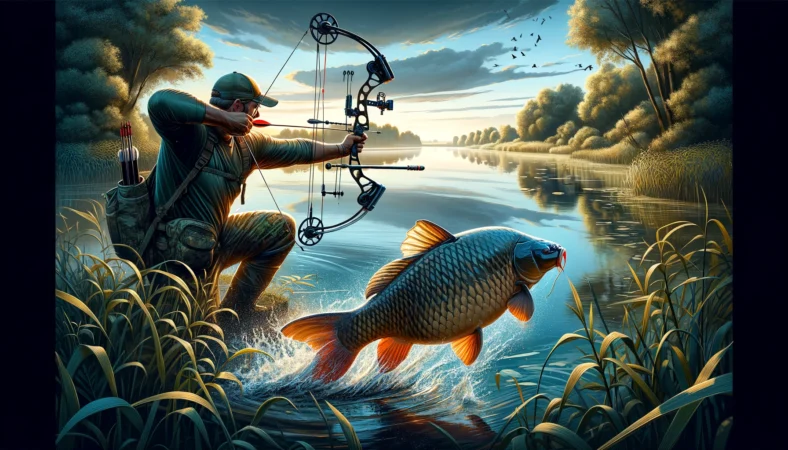
Bowfishing for Prairie Carp: An Angler’s Guide to the Heartland’s Hidden Giants

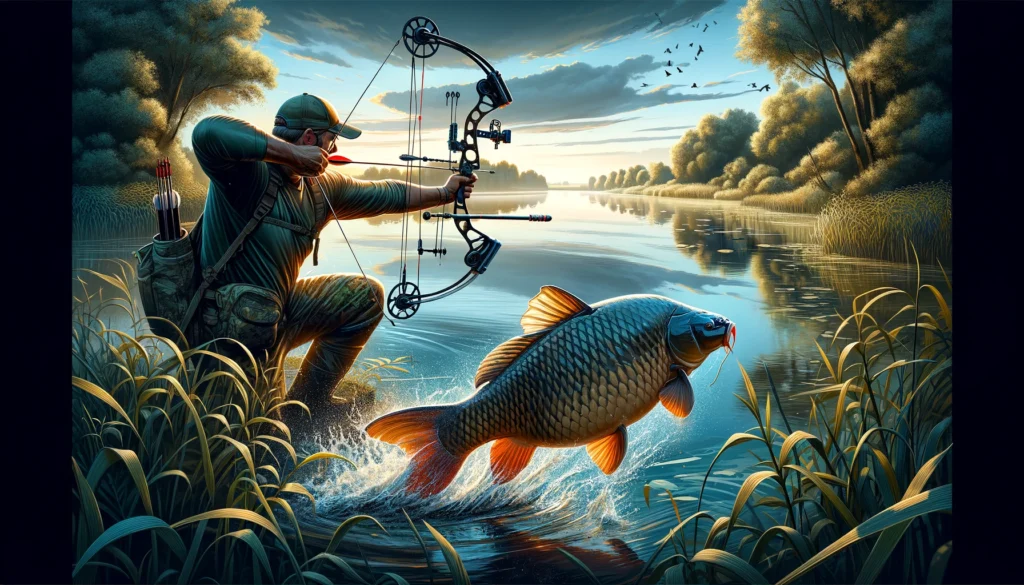
Embark on an unforgettable journey with this comprehensive guide to bowfishing for prairie carp—a thrilling blend of ancient archery and modern fishing tactics. Aimed at anglers of all levels, we’re here to unveil the secrets of targeting the heartland’s underwater giants. With the right gear, techniques, and insights, you’re about to discover an exhilarating sport that’s not only a challenge but also an adventure into the untouched waters of the heartland.

Understanding Prairie Carp

Prairie carp, the overlooked titans of freshwater, present a unique challenge to the adventurous angler. These sizeable and strong fish thrive in the rivers and lakes of the heartland, waiting for the skilled bowfisher to accept their challenge.

Habitat and Habits

These bottom-feeders prefer the murky, shallow waters, blending seamlessly into their environment. They thrive in warm conditions, making spring through early fall the prime bowfishing seasons. During these months, prairie carp become more active, often feeding near the surface and becoming prime targets for bowfishers.

Why Target Prairie Carp?

Bowfishing for prairie carp is more than a sport; it’s an ecological service. Often deemed invasive, these fish disrupt the balance of native aquatic life. By targeting them, you’re not just indulging in a thrilling sport but also contributing to the restoration of ecological harmony.

Gear Up for Bowfishing

The success of your bowfishing adventure hinges on selecting the right equipment. Let’s dive into the essentials of bowfishing gear.

Bowfishing Bows

Your choice of bow should align with your strength and preference. Whether you lean towards the simplicity of a traditional recurve or the power and precision of a compound bow, ensure it’s outfitted for bowfishing with the appropriate reels and arrows.

Arrows and Points

Bowfishing requires arrows that are both heavier and sturdier than traditional ones, capable of penetrating and securing large fish. Opt for arrows equipped with durable, barbed points to guarantee a successful catch.

Reels and Lines

The variety of bowfishing reels—from hand-wrap to spincast models—caters to different styles and preferences. Pairing your choice with a strong, durable line is essential for managing the formidable weight and fight of a prairie carp.

Embarking on the Adventure

With your gear in hand and knowledge at your back, you’re ready to tackle the adventure of bowfishing for prairie carp. This sport offers a unique blend of excitement, challenge, and contribution to environmental conservation. Whether you’re a novice or a seasoned angler, the world of bowfishing for prairie carp awaits, promising experiences filled with adrenaline, strategy, and the satisfaction of a successful catch.

Frequently Asked Questions (FAQs)

  1. What is the best time of day for bowfishing prairie carp?
    • Early morning or late evening, when carp are more likely to feed near the surface.
  2. Do I need a special permit for bowfishing prairie carp?
    • Yes, most locations require a fishing license, and some may have specific regulations for bowfishing. Always check local laws.
  3. Can bowfishing be practiced in any body of water?
    • Bowfishing is permitted in many lakes, rivers, and reservoirs, but it’s essential to verify the regulations of your chosen location.
  4. Is it necessary to have previous archery experience before trying bowfishing?
    • While helpful, it’s not mandatory. Many newcomers to bowfishing learn the skills as they go, adapting their archery abilities to this unique sport.
  5. What should I do with the carp after catching them?
    • Some utilize the catch for personal consumption, garden fertilizer, or pet food. However, ensure you’re following local guidelines for fish disposal or utilization.

Dive into the world of bowfishing for prairie carp with enthusiasm and respect for nature. This guide is your first step towards mastering a sport that offers both a challenge and a way to contribute positively to our aquatic ecosystems. Happy bowfishing!

Bowhunter’s Guide to Bowfishing for Giants: Techniques, Tips, and Tales of Adventure

Bowfishing combines the thrill of hunting with the skill of archery and the excitement of fishing, creating an adrenaline-pumping sport that’s gaining popularity among outdoor enthusiasts. Whether you’re a seasoned bowhunter looking for new challenges or a novice intrigued by the idea of arrowing aquatic giants, this comprehensive guide will walk you through the essentials of bowfishing. From mastering techniques to uncovering the best tips and sharing tales of unforgettable adventures, let’s dive into the exhilarating world of bowfishing for giants.

Understanding Bowfishing

Bowfishing is an ancient practice that has evolved into a modern sport, where archers use specialized bows and arrows to target fish in freshwater or saltwater environments. Unlike traditional fishing, bowfishing doesn’t rely on bait or fishing rods; instead, it demands precision, patience, and the right equipment to successfully land a catch.

Equipment Essentials

Before we embark on our bowfishing journey, let’s gear up with the right equipment. A successful bowfisher needs:

  • Bow: A specialized bowfishing bow or a converted hunting bow, designed for quick shots and equipped with durable strings to withstand water exposure.
  • Arrows: Heavier and sturdier than regular arrows, bowfishing arrows are made to penetrate and hold onto slippery targets.
  • Reel: Attached to the bow, the reel stores the line connected to the arrow, essential for retrieving your catch.
  • Points: The business end of bowfishing, specialized points are designed to securely hold fish for retrieval.
  • Rests and Sights: Though optional, these can enhance accuracy and efficiency in shooting.

Finding the Right Spot

The habitat of your target species dictates the best bowfishing locations. Shallow, clear waters are ideal for sight bowfishing, allowing you to spot and stalk your prey. Nighttime bowfishing under lights is also popular, revealing the underwater world in a whole new light.

Techniques for Success

Bowfishing techniques vary based on the environment, target species, and personal preference. Here are some essentials:

Spot and Stalk

  • Stealth is Key: Move quietly to avoid spooking fish.
  • Look for Shadows and Movement: Fish often betray their presence by their shadows or the disturbances they create on the water’s surface.

Shooting Technique

  • Aim Low: Refraction makes fish appear higher than they actually are. Adjust your aim lower to compensate.
  • Practice Makes Perfect: Regular practice improves muscle memory, leading to quicker, more accurate shots.

Tips and Tricks

  • Best Times to Bowfish: Dawn and dusk offer great visibility and active fish.
  • Safety First: Always be mindful of your surroundings and follow safety protocols, especially when bowfishing at night.
  • Conservation Mindset: Practice ethical bowfishing. Respect size and bag limits to ensure sustainability.

Tales of Adventure

Bowfishing can lead to some of the most memorable adventures. Whether it’s the thrill of landing your first carp or the challenge of targeting elusive species like alligator gar, each outing offers its own story. Sharing these tales not only celebrates the sport but also inspires others to join in and experience the thrill themselves.

Conclusion

Bowfishing for giants is more than just a sport; it’s an adventure that combines skill, patience, and respect for nature. As you refine your techniques and gather tales of your own, remember that every outing is an opportunity to connect with the natural world in a unique and exciting way. So gear up, head out, and let the waters reveal the giants waiting beneath the surface.

Capture the Adventure

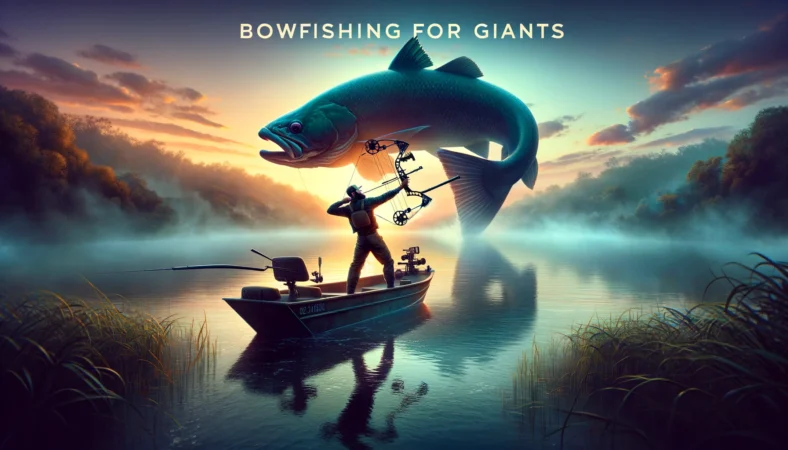
To truly bring this guide to life, a visually striking image that encapsulates the essence of bowfishing would be ideal. Imagine an action-packed scene: an archer, silhouetted against the setting sun, poised on the edge of a boat, bow drawn, with an arrow slicing through the air towards a shadowy figure beneath the water’s surface. This image would not only complement our guide but also inspire readers to embark on their own bowfishing adventures.

Frequently Asked Questions

1. What is the best time of day for bowfishing?

Answer: The best times for bowfishing are typically during the early morning and late evening hours. These periods offer lower light conditions, which can make fish less wary and more approachable. However, night bowfishing is also incredibly popular and effective, especially with the use of lights to spot and stalk fish.

2. Can I use my regular hunting bow for bowfishing?

Answer: Yes, you can use a regular hunting bow for bowfishing by attaching a bowfishing reel and using appropriate arrows. However, specialized bowfishing bows are recommended for their durability and design, which are better suited to the unique demands of the sport.

3. What’s the biggest challenge in bowfishing?

Answer: One of the biggest challenges in bowfishing is compensating for the refraction of light in water, which makes fish appear at a different depth and position than they actually are. Mastering the skill of aiming below the visible target is crucial for success.

4. Is a license required for bowfishing?

Answer: Yes, in most locations, a fishing license is required to bowfish. However, regulations vary by region and the type of water body, so it’s important to check local laws and regulations before heading out.

5. How do I practice bowfishing without access to water?

Answer: Practicing bowfishing without water can be challenging, but you can work on your draw, aim, and release techniques with a target practice setup. Use targets at various heights and distances to simulate the angles and challenges of shooting at fish. Some bowfishers also practice by placing targets in a pool or shallow water to better simulate actual conditions.

Everyman’s Guide to Bowfishing: The Ultimate Introduction

Bowfishing combines the thrill of hunting with the serene beauty of fishing, creating an adrenaline-pumping activity that’s accessible to all. Whether you’re a seasoned hunter, an avid fisherman, or a complete novice, this guide will walk you through everything you need to know to get started with bowfishing. From the basics of equipment and techniques to advanced strategies and conservation ethics, we’ve got you covered.

Introduction to Bowfishing

Bowfishing is a unique sport that allows anglers to hunt fish using specialized archery equipment. Unlike traditional fishing, bowfishing doesn’t rely on baiting and waiting; it’s all about stalking and shooting fish with a bow and arrow. This dynamic method offers a hands-on, immersive experience in nature’s waterscapes.

Why Try Bowfishing?

  • Adventure and Excitement: Experience the thrill of the hunt in a new and challenging way.
  • Conservation: Aid in controlling invasive species, contributing to ecological balance.
  • Accessibility: Enjoy a year-round sport that’s inclusive, requiring minimal start-up costs and accessible locations.

Getting Started with Bowfishing

Before diving into the waters, understanding the essentials of bowfishing gear and techniques is crucial.

Essential Equipment

  • Bow: Learn about the types of bows used in bowfishing, including traditional, recurve, and compound bows.
  • Arrows and Points: Discover the best arrows for penetrating and retrieving fish.
  • Reels: Explore the different reel systems, such as hand-wrap, spin-cast, and retriever reels.
  • Boat and Accessories: Understand the importance of a flat-bottom boat and essential gear for night bowfishing.

Finding Your Fishing Grounds

  • Habitats: Identify the best habitats for bowfishing, including rivers, lakes, and coastal areas.
  • Fish Species: Get to know the most common fish targeted in bowfishing, like carp, gar, and catfish.

Bowfishing Techniques

Mastering bowfishing requires practice and understanding of key techniques.

Stance and Shooting

  • Aiming and Shooting: Learn the art of aiming below the water’s surface to account for light refraction.
  • Bow Handling: Tips for handling and maintaining your bow in various weather conditions.

Safety and Ethics

  • Safety First: Essential safety tips for handling bows and arrows.
  • Ethical Considerations: Understanding the importance of sustainable and ethical bowfishing practices.

Advanced Strategies for Success

Elevate your bowfishing skills with advanced tactics and strategies.

Night Bowfishing

  • Equipment and Lighting: The essentials for a successful night bowfishing trip.
  • Techniques and Tips: How to adapt your strategy for night fishing.

Bowfishing in Different Seasons

  • Seasonal Strategies: Adjusting your approach based on fish behavior and habitat changes throughout the year.

Conservation and Community

Bowfishing is more than just a sport; it’s a way to connect with the environment and community.

Role in Conservation

  • Impact on Invasive Species: How bowfishing helps control non-native fish populations.
  • Promoting Healthy Ecosystems: The importance of responsible bowfishing in maintaining biodiversity.

Joining the Bowfishing Community

  • Clubs and Organizations: Discover how joining a community can enhance your bowfishing experience.
  • Tournaments and Events: Learn about participating in competitive bowfishing.

Conclusion

Bowfishing offers an exciting, hands-on approach to fishing that combines the precision of archery with the challenge of fishing. It’s an accessible sport that welcomes participants of all skill levels to enjoy the great outdoors while contributing to conservation efforts. With the right equipment, knowledge, and respect for the environment, anyone can embark on a bowfishing adventure.

Frequently Asked Questions

1. What is the best time of day to go bowfishing?

Answer: The best time for bowfishing varies depending on the species you’re targeting, but many bowfishers prefer either early morning or late evening into the night. These times offer lower light conditions, which can make it easier to see and stalk fish. Night bowfishing is also popular, as many fish are more active and visible due to the use of bow-mounted lights.

2. Do I need a special license for bowfishing?

Answer: Yes, in most cases, you will need a fishing license to bowfish, but the specific requirements can vary depending on the jurisdiction and the type of water body (freshwater vs. saltwater). Always check with your local wildlife agency or conservation department to ensure you have the necessary permits or licenses.

3. What are the most common species targeted in bowfishing?

Answer: The most commonly targeted species in freshwater bowfishing include carp, gar, catfish, and buffalo fish. In saltwater environments, bowfishers often target stingrays and various shark species. The specific species available can vary significantly depending on your location and the habitat.

4. Is bowfishing considered ethical and sustainable?

Answer: Bowfishing, when practiced responsibly, is considered both ethical and sustainable. It can play a crucial role in controlling invasive species and managing fish populations in certain ecosystems. Ethical bowfishing involves following all local regulations, targeting invasive or overpopulated species, and avoiding wasteful practices by utilizing the catch or practicing catch and release where applicable.

You can also visit : The shooting gears

Cleaning Your Rifle Barrel: Safe Basic Bore Care

Cleaning your rifle barrel safely starts before any patch or brush touches the bore. Unload the rifle, verify the chamber and magazine are clear, move ammunition away from the bench, and follow the owner manual for your exact firearm. Basic bore care is patient maintenance, not gunsmithing.

This guide covers safe, manual-led barrel cleaning basics: what to check first, what supplies are commonly used, how a gentle cleaning workflow works, how often cleaning may be needed, and when to stop and ask a gunsmith. It does not cover model-specific takedown, aggressive rust removal, stuck-obstruction removal, crown repair, chamber work, or accuracy guarantees.

Table of Contents
  1. Safety Checks Before Cleaning A Rifle Barrel
  2. Tools And Solvents For Rifle Barrel Cleaning
  3. Step-By-Step Barrel Cleaning Workflow
  4. How Often To Clean A Rifle Barrel
  5. Mistakes That Can Damage Accuracy Or Equipment
  6. When To Stop And Ask A Gunsmith
  7. Rifle Barrel Cleaning Checklist
  8. Related Firearm Maintenance Guides
  9. Frequently Asked Questions

Safety Checks Before Cleaning A Rifle Barrel

Every barrel-cleaning session starts with safety. Treat the rifle as loaded until you have personally verified otherwise. Keep the muzzle pointed in a safe direction, remove the magazine or clear the internal magazine, open the action, and visually and physically check the chamber. If you are interrupted, repeat the clear check before continuing.

Move all ammunition away from the workbench. Live rounds, solvents, tools, and cleaning movement do not belong in the same workspace. The NSSF firearm safety rules are a useful baseline for handling discipline during cleaning, storage, and range work.

Set up the bench before opening solvent or pushing a rod through the bore. Use a stable mat, keep small parts contained, and place the rifle so it cannot roll or slide while you work. Good setup reduces rushed movement, protects the firearm finish, and makes it easier to notice if a patch, brush, or tool does not feel right.

Tools And Solvents For Rifle Barrel Cleaning

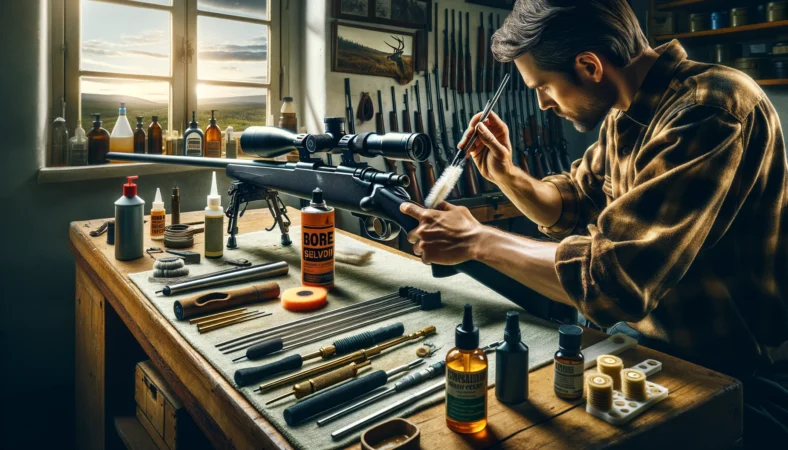
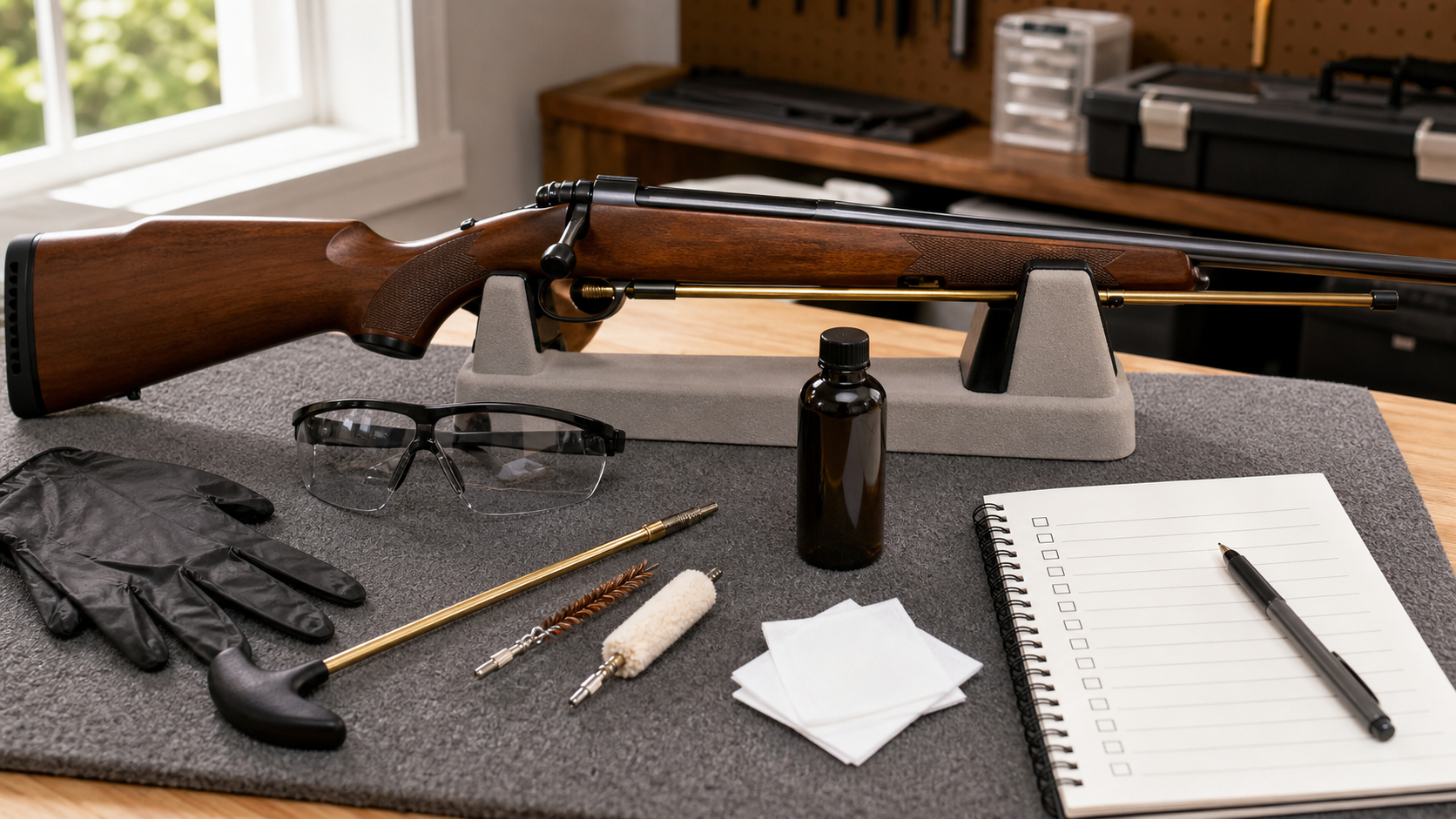
Basic bore care usually uses a cleaning rod or coated cable, caliber-matched patches, a jag or slotted tip, a bore brush, bore solvent, a light oil or protectant, a mat, gloves, and eye protection. A bore guide may help keep the rod aligned on rifles where it is appropriate.

Use solvent and oil only according to the label and your manual. Work in a ventilated area, avoid mixing chemicals, and keep products away from children, heat, and food surfaces. OSHA’s hazard communication resources are a good reminder that chemical labels and safety data sheets matter, even for routine maintenance products.

Keep rifle barrel cleaning slow, clear, and manual-led, with ammunition away from the bench.

Step-By-Step Barrel Cleaning Workflow

The safe general workflow is: confirm the rifle is clear, prepare the bench, set up a bore guide if your rifle and manual support it, run solvent through the bore gently, brush only as appropriate, patch until clean, dry the bore, and apply a light protective film only if your manual or storage conditions call for it.

Bore Guide And Cleaning Rod Use

A bore guide helps keep the rod centered and can reduce careless contact with the chamber area or bore. Clean from the chamber end toward the muzzle when your rifle design and owner manual allow. Move the rod smoothly. Do not scrape, slam, or lever the rod against the muzzle crown.

Patch, Brush, And Solvent Sequence

Start with a solvent-dampened patch, then use an appropriately sized brush only when the manual and product instructions support it. Let solvent work according to the label instead of forcing the process. Avoid reversing a brush direction while it is still inside the bore, and do not use oversize tools that require force.

Dry Patch And Light Protection

Finish with dry patches to remove residue and remaining solvent. If the rifle will be stored, a light protective film may be appropriate, but excess oil should not pool in the bore. Before the next range trip or hunt, run a clean dry patch if your manual recommends removing storage oil.

How Often To Clean A Rifle Barrel

There is no single cleaning interval for every rifle. Frequency depends on the firearm, ammunition, weather, fouling, storage, and how much you shoot. Some rifles are cleaned after every outing. Others may be inspected and cleaned on a use-based schedule. The safest rule is to follow your manual, inspect the bore, and adapt to conditions rather than copying a universal number.

For broader timing guidance, see our guide on how often to clean your gun. For field-season context, our hunting rifle maintenance checklist covers the wider rifle-care routine beyond just the barrel.

Mistakes That Can Damage Accuracy Or Equipment

The most common mistakes are rushing the safety check, using the wrong-size tools, damaging the crown with a poorly aligned rod, forcing a stuck patch or brush, over-brushing, mixing solvents, leaving excess oil in the bore, and treating cleaning as a repair job. If a part is stuck, rust is severe, or the crown looks damaged, stop.

For solvent-specific basics, read our guide to proper gun cleaning solvents and oils. For beginners who need the broader process, our rifle cleaning tips for beginners article covers the wider routine.

When To Stop And Ask A Gunsmith

Stop and ask a qualified gunsmith if you find a bore obstruction, severe rust, crown damage, abnormal function, a stuck patch or brush, unexplained pressure signs, or anything that makes you unsure. These are not routine cleaning problems. They require professional tools, judgment, and sometimes manufacturer guidance.

Cleaning should leave the rifle safer and more reliable, not create new damage. For related handling and storage safety, see our gun storage safety tips and shooting range safety rules.

Rifle Barrel Cleaning Checklist

StepWhat To ConfirmStop If
Clear the rifleMagazine removed or cleared, chamber checked, ammo off benchYou are interrupted or unsure
Read the manualCorrect direction, tools, solvent cautions, and takedown limitsThe process requires model-specific service
Set up toolsCorrect caliber rod, patches, brush, bore guide, gloves, eye protectionTools do not fit smoothly
Use solvent carefullyLabel followed, ventilation present, no chemical mixingSolvent label conflicts with firearm materials
Patch and dryGentle passes, no forcing, dry patches after solventPatch, brush, or rod gets stuck
Store safelyLight protection only if appropriate, excess oil removedYou see rust, damage, or obstruction

Frequently Asked Questions

Should I clean my rifle barrel from the chamber or the muzzle?

Clean from the chamber end toward the muzzle when your rifle design and owner manual allow. This helps protect the muzzle crown. If your rifle requires a different method, follow the manual rather than a general rule.

How often should I clean my rifle barrel?

It depends on the rifle, ammunition, weather, storage, and use. There is no universal interval. Follow the owner manual, inspect the bore, and clean based on condition and use.

Can I use any solvent on my rifle barrel?

No. Use products intended for firearm bore cleaning, follow the label, and check the owner manual for material cautions. Avoid household mixtures and never combine solvents.

What should I do if a patch or brush gets stuck in the bore?

Stop and do not force it. A stuck patch, brush, or rod can create damage if handled aggressively. Take the rifle to a qualified gunsmith.

Ethical Hunting Practices: A Comprehensive Guide

Welcome to our in-depth exploration of ethical hunting practices, where we delve into the heart of hunting with respect, responsibility, and conservation at the forefront. Hunting has been an integral part of human culture and survival for millennia, evolving from a necessity to a regulated sport deeply intertwined with wildlife conservation efforts. In this guide, we aim to shed light on the principles of ethical hunting, offering insights and tips to ensure that your hunting practices contribute positively to the natural world and uphold the highest standards of ethics and sustainability.


Introduction to Ethical Hunting

Ethical hunting goes beyond mere compliance with laws and regulations; it embodies a hunter’s deep respect for nature, wildlife, and the ecosystems that support them. It’s about pursuing game in a manner that honors the animal’s life, ensures the sustainability of the species, and contributes to conservation efforts. Ethical hunting practices are guided by a moral compass that prioritizes the well-being of the environment and its inhabitants over the sport or the trophy.

Understanding the Importance of Ethical Hunting

Why does ethical hunting matter? The answer lies in the delicate balance of ecosystems and the role hunting plays in maintaining that equilibrium. Ethical hunting practices ensure that wildlife populations are kept at healthy levels, preventing overpopulation and the subsequent strain on natural resources. Moreover, ethical hunters contribute to conservation efforts through licenses and fees that fund habitat protection, wildlife research, and environmental education programs.

Key Principles of Ethical Hunting

Respect for Wildlife

Respect for wildlife is the cornerstone of ethical hunting. This means understanding the species you’re hunting, their habitats, behaviors, and needs, and ensuring that your hunting practices do not negatively impact their populations or the ecosystem.

Fair Chase

The concept of fair chase is fundamental to ethical hunting. It means pursuing game in a way that does not give the hunter an unfair advantage, ensuring that the animal has a fair chance of escape. This principle discourages practices such as baiting, use of drones, or other methods that could be considered unsporting.

Safety First

Safety is paramount in hunting, not just for the hunter but for others and the environment. This includes proper handling of firearms, wearing appropriate safety gear, and being aware of your surroundings and the direction of your shot.

Adhering to local, state, and federal hunting laws and regulations is a basic tenet of ethical hunting. This includes possessing the necessary licenses, following season dates, and respecting bag limits.

Landowner Relations

Ethical hunters respect private property and seek permission before hunting on land they do not own. Building positive relationships with landowners can also open up new hunting opportunities and strengthen community bonds.

Sustainable Hunting Practices

Sustainable hunting practices are those that ensure the long-term health and viability of wildlife populations. This involves choosing appropriate equipment, practicing selective harvesting based on age and sex, and avoiding wasteful practices.

The Role of Hunters in Conservation

Hunters play a crucial role in conservation efforts. Through the purchase of hunting licenses and fees, hunters contribute financially to wildlife management and habitat restoration projects. Ethical hunters also participate in wildlife surveys, habitat cleanups, and other conservation activities.

Ethical Hunting Gear and Technology

Choosing the right gear and technology is essential for ethical hunting. This includes using weapons and ammunition that are appropriate for the game being hunted, as well as utilizing technology responsibly to avoid giving the hunter an undue advantage.

Educating the Next Generation of Hunters

Educating young and new hunters about the principles of ethical hunting is essential for the future of the sport and conservation efforts. This includes mentorship, formal education programs, and community outreach.

Ethical Hunting and Community Engagement

Ethical hunting practices extend to how hunters engage with their communities. This can involve sharing the harvest with those in need, participating in local conservation projects, and fostering a positive public perception of hunting.

Conclusion

Ethical hunting is a multifaceted practice that encompasses respect for wildlife, adherence to laws, safety, and a commitment to conservation. By following these principles, hunters can ensure that they contribute positively to the environment and the future of hunting. As we venture into the wilderness, let us carry with us the responsibility of being stewards of the land, honoring the legacy of hunting through our actions and ethics.

Frequently Asked Questions about Ethical Hunting

1. What is ethical hunting?

Ethical hunting refers to the practice of hunting with respect for the wildlife being pursued, ensuring that one’s actions contribute positively to the conservation of ecosystems, adhere to legal regulations, and follow principles that ensure fair chase and humane harvesting methods. It encompasses a broad range of behaviors, including the respect for the animal, the land, and the rights of other hunters and landowners.

2. Why is ethical hunting important?

Ethical hunting is crucial for several reasons. It helps maintain healthy wildlife populations by ensuring that hunting practices do not negatively impact the species or the ecosystem. Ethical hunting supports conservation efforts both through direct financial contributions from licenses and fees and through the responsible stewardship of natural resources. It also ensures the public perception of hunting remains positive, securing its future as a legitimate and respected outdoor activity.

3. How can I ensure I’m practicing fair chase?

Practicing fair chase involves hunting in a manner that does not give the hunter an undue advantage over the animal. This includes avoiding the use of illegal baits, electronic calls, or other methods that could significantly alter the natural behavior of wildlife. It means stalking or calling animals without the use of motorized vehicles and respecting the animal’s ability to escape. Fair chase is about honoring the spirit of the hunt and the challenge it presents, rather than just the outcome.

4. What role do hunters play in conservation?

Hunters play a significant role in conservation through both financial contributions and active participation in wildlife management activities. The funds from hunting licenses, tags, and stamps directly finance many conservation efforts, including habitat restoration, research, and education programs. Hunters also contribute to the monitoring of wildlife populations and participate in habitat improvement projects. By adhering to ethical hunting practices, hunters help ensure sustainable wildlife populations and ecosystems.

5. How can I educate others about ethical hunting?

Educating others about ethical hunting can start with sharing your knowledge and experiences, emphasizing the importance of conservation, respect for wildlife, and safe, responsible hunting practices. Participating in or organizing workshops, seminars, and mentorship programs for new hunters can also be effective. Engaging with the community through social media, blogs, or local clubs to discuss ethical practices and the positive role of hunting in conservation can help spread awareness and encourage responsible hunting practices among a wider audience.


As we explore the nuances of ethical hunting, let’s remember that our practices today shape the legacy of hunting for future generations. Whether you’re a seasoned hunter or new to the sport, embracing these principles is a step towards a more sustainable and respectful relationship with the natural world.

Healing in the Wild: How Hunting Aids Veterans Recovery

Hunting, often seen as a mere outdoor activity, transcends its traditional boundaries to become a therapeutic avenue for those who’ve served in the military. The transition back to civilian life can be a tumultuous journey for many veterans, fraught with challenges such as PTSD, anxiety, and depression. However, the tranquility of nature combined with the discipline of hunting has emerged as an unexpected yet effective form of therapy. In this comprehensive guide, we delve into the multifaceted ways in which hunting aids veterans’ recovery, providing solace, healing, and a path forward.

The Therapeutic Power of Nature

Reconnecting with Nature

The serene beauty of the great outdoors can act as a balm for troubled minds. Veterans, who have endured the cacophony of war, find peace and solitude in the rhythmic sounds of a forest or the silent snowfall in a hunting ground. It’s in these moments of quietude that many begin to reconcile with their inner turmoil.

Nature’s Healing Rhythms

Biophilia, the inherent human inclination to affiliate with nature, plays a significant role in why hunting in the wild is therapeutic. The natural world’s rhythms can help regulate stress levels and enhance mood, making it an ideal setting for recovery.

The Discipline of Hunting

Focus and Mindfulness

Hunting requires patience, precision, and focus. For veterans, the concentration demanded by tracking and hunting game can serve as a form of mindfulness practice, redirecting thoughts away from past traumas to the present task. This intense focus aids in managing PTSD symptoms, providing a reprieve from intrusive memories.

A Sense of Achievement

Successfully navigating the wilderness and hunting requires skill, knowledge, and perseverance. For many veterans, the sense of achievement from a successful hunt fosters self-esteem and confidence, feelings that can be eroded by the challenges of reintegration into civilian life.

Building Community and Brotherhood

Shared Experiences

Hunting often involves group outings, creating opportunities for veterans to connect with others who have similar backgrounds and experiences. These shared adventures can forge strong bonds, offering a support network that understands the unique challenges faced by those who have served.

The Therapeutic Value of Peer Support

Peer support is a cornerstone of recovery for many psychological conditions, including PTSD. Hunting trips provide a relaxed environment for open communication, allowing veterans to share their stories and coping strategies in a non-judgmental setting.

Physical Health Benefits

Active Lifestyle

Hunting is physically demanding, requiring individuals to hike through various terrains, which promotes physical health. Regular physical activity is known to improve mental health by reducing symptoms of anxiety and depression.

Nutritional Benefits

Harvesting game provides access to lean, organic meat, free from the hormones and antibiotics found in much commercially available meat. A diet rich in high-quality protein can contribute to overall physical well-being, further supporting mental health recovery.

Environmental and Conservation Awareness

Conservation Ethics

Engaging in ethical hunting practices encourages veterans to become stewards of the environment. This role can instill a sense of purpose and responsibility, enhancing their recovery journey.

Wildlife Management and Conservation

Hunters play a crucial role in wildlife management and conservation efforts. Understanding this contribution can provide veterans with a broader perspective on their activities, linking their personal healing process with the health of the ecosystems they engage with.

Conclusion: A Pathway to Healing

Hunting offers more than just a return to nature; it provides a pathway to healing for many veterans struggling with the aftermath of their service. Through the discipline of hunting, the camaraderie found in shared experiences, and the physical and mental health benefits, veterans can find a sense of peace, achievement, and purpose. As we continue to explore and support alternative therapies for veterans, the role of hunting as a therapeutic practice deserves recognition and expansion.

Healing in the wild is not just about the hunt; it’s about reconnecting, recovering, and rediscovering a sense of self. For many veterans, the journey to recovery is paved with the trails they walk in the woods, the quiet moments before dawn, and the community they build along the way.

Incorporating hunting and outdoor activities into recovery programs can offer a complementary approach to traditional therapies, highlighting the importance of nature, physical activity, and community in the healing process. As society seeks to honor and support those who have served, recognizing and facilitating access to such therapeutic activities will be crucial in aiding their transition back to civilian life.

Frequently Asked Questions (FAQs)

1. Can hunting really help with PTSD and anxiety?

Yes, hunting can significantly help with PTSD and anxiety. The activity requires focus and presence in the moment, which can serve as a form of mindfulness, helping to reduce symptoms of PTSD and anxiety. The natural setting, physical activity, and social aspects of hunting also contribute to its therapeutic effects.

2. Do I need prior hunting experience to participate in programs designed for veterans?

No, most programs designed for veterans welcome individuals with all levels of experience, including beginners. These programs often provide training and support to ensure that all participants can engage safely and effectively in hunting activities.

3. Are there specific organizations that offer hunting and outdoor programs for veterans?

Yes, there are several organizations dedicated to offering hunting, fishing, and outdoor recreational programs specifically tailored for veterans. Organizations such as Wounded Warrior Project, Backcountry Hunters & Anglers, and Project Healing Waters are known for their efforts in facilitating outdoor experiences for veterans.

4. How does hunting promote physical health?

Hunting encourages an active lifestyle, requiring individuals to navigate various terrains, which can improve cardiovascular health, endurance, and muscle strength. Additionally, the organic, lean meat obtained from hunting provides high-quality nutrition, supporting overall physical health.

5. What are the conservation benefits of hunting?

Ethical hunting practices play a vital role in wildlife management and conservation by helping to control animal populations at sustainable levels, reducing overpopulation issues, and contributing financially to conservation efforts through licensing fees and taxes on hunting equipment. Hunters are often actively involved in habitat restoration and preservation initiatives, further supporting environmental conservation.

Encountering the Monarch: Strategic Moves After Bumping a Big Buck

Encountering a big buck, often referred to as the “Monarch” in hunting circles, can be a thrilling yet challenging experience. When you inadvertently bump into this majestic creature, the moment can turn from exhilaration to strategy in a heartbeat. In this comprehensive guide, we’ll explore the tactical moves hunters can employ after such encounters to increase the chances of a successful harvest. We’ll delve into understanding the behavior of a big buck post-encounter, adjusting your hunting strategy, and tips for re-engaging the Monarch. Let’s embark on this journey to turn your chance encounter into a triumphant hunting story.

Understanding the Monarch’s Response

The Immediate Aftermath

When you bump a big buck, the immediate reaction is typically a swift retreat to cover. However, the Monarch’s response can vary based on several factors such as time of day, the season (pre-rut, rut, post-rut), and the pressure it has previously experienced.

Assessing the Situation

  • Time of Day: Early morning or late afternoon encounters may lead to different strategic moves.
  • Seasonal Behavior: Understanding whether it’s the pre-rut, rut, or post-rut season can significantly influence your next steps.
  • Pressure Sensitivity: A buck in a heavily hunted area may react differently compared to one in a secluded sanctuary.

Strategic Moves Post-Encounter

After the initial encounter, it’s crucial to adapt your strategy. Here’s how:

Pause and Observe

  • Immediate Reaction: Don’t chase. Pause, observe, and let the situation stabilize.
  • Listening: Pay attention to the direction of the buck’s departure. Sometimes, they don’t go far before stopping to listen.

Analyzing Sign

  • Track Direction: Look for tracks or signs indicating the buck’s path.
  • Signs of Calmness: Scattered feeding signs or a slow, meandering trail can indicate the buck has calmed down.

Adjusting Approach

  • Stealth Mode: Consider a stealthier approach, utilizing terrain and wind direction to your advantage.
  • Timing: Sometimes, giving the area a rest for a day or two can allow the buck to return to its routine.

Re-engaging the Monarch

Utilizing Scents and Calls

  • Scents: Use doe estrus or buck urine to pique the buck’s curiosity, especially during the rut.
  • Calls: Soft grunts or rattling can simulate deer activity and lure the buck back into range.

Strategic Stand Placement

  • Elevation: High vantage points can give you a better view and shooting angle.
  • Cover: Ensure your stand is well-concealed yet offers clear shooting lanes.

Patience and Perseverance

  • Waiting it Out: Big bucks are cautious creatures. Patience can often be your greatest asset.
  • Persistence: If initial attempts don’t succeed, try different strategies or stand locations in subsequent days.

Final Thoughts: The Ethical Pursuit

Remember, the pursuit of a big buck is a privilege and responsibility. Ethical hunting practices not only respect the animal but also ensure the sustainability of hunting traditions for future generations. Encountering the Monarch of the woods is a moment of awe, demanding respect, patience, and strategy. By understanding the buck’s behavior, adjusting your approach, and employing strategic moves, you can turn an unexpected encounter into a rewarding hunting experience.

Engage with the Monarch Visually

To complement our guide, we include a captivating image that embodies the essence of encountering a majestic buck in the wild. This visual representation aims to inspire and guide hunters in their quest for the Monarch, enhancing the connection between hunter and nature.

FAQs

FAQ 1: What should I do when I accidentally bump into a big buck while hunting?
Answer: When you unexpectedly encounter a big buck, stay calm and pause. Don’t chase it immediately. Instead, observe its reaction and assess the situation based on factors like the time of day, the season, and hunting pressure. This will help you make informed strategic moves.

FAQ 2: How does the time of day affect my strategy after bumping into a big buck?
Answer: The time of day matters. Early morning or late afternoon encounters can lead to different strategic moves. Bucks may behave differently during these times, so adjust your approach accordingly.

FAQ 3: What are some key signs to look for when analyzing the situation after the encounter?
Answer: Analyze the situation by tracking the buck’s direction, looking for signs of calmness in the area, and paying attention to the terrain and wind direction. These signs will help you make informed decisions.

FAQ 4: How can I increase my chances of re-engaging with the big buck after the initial encounter?
Answer: You can re-engage the buck by using scents and calls, such as doe estrus or buck urine scents, and employing soft grunts or rattling to simulate deer activity. Additionally, strategic stand placement in elevated positions with good cover can enhance your chances.

FAQ 5: What role does patience and perseverance play in pursuing a big buck?
Answer: Patience is crucial when hunting big bucks. Waiting it out and persistently trying different strategies or stand locations, if needed, can lead to a successful hunt. Remember, big bucks are cautious, and patience often pays off.

For more you can also visit : The Shooting Gears

What You Need to Know About Decoying Bucks: Master the Art of Luring Whitetails

Decoying bucks is an exhilarating and strategic aspect of whitetail deer hunting, offering a blend of challenge, excitement, and reward. Mastering the art of decoying requires understanding deer behavior, choosing the right equipment, and executing a thoughtful strategy. In this comprehensive guide, we delve into the nuances of decoying bucks, ensuring you have the knowledge and techniques to enhance your hunting experience. Whether you’re a seasoned hunter or new to the sport, this article will equip you with the insights needed to effectively use decoys in your hunting endeavors.

Understanding Buck Behavior: The Foundation of Successful Decoying

The Basics of Buck Behavior

Whitetail bucks exhibit specific behaviors, especially during the rut, making them more susceptible to decoying. Recognizing these behaviors is crucial for timing your decoy setup effectively. During the pre-rut and rut phases, bucks are more aggressive, territorial, and actively seeking does. This period offers the optimal window for decoying, as bucks are more likely to investigate and approach a decoy.

Territorial Dominance and Aggression

In the peak rut, bucks establish dominance through aggressive displays and marking territory. Utilizing a buck decoy during this time can trigger an intense response from a dominant buck, believing a rival is encroaching on its territory. Understanding the subtleties of this behavior and the timing of the rut in your area is pivotal for decoy success.

Choosing the Right Decoy: Key Considerations

Buck vs. Doe Decoys

Selecting between a buck or doe decoy depends on the phase of the rut and the specific behavior you’re aiming to exploit. Early in the rut, a doe decoy can be highly effective in attracting bucks looking for a mate. As the rut progresses and aggression levels rise, a buck decoy may provoke a more intense reaction.

Realism and Quality

The realism of your decoy plays a significant role in its effectiveness. High-quality, lifelike decoys with realistic details and posture are more likely to convince wary bucks. Investing in a decoy that accurately mimics the appearance and behavior of a whitetail deer can significantly increase your chances of success.

Strategies for Effective Decoy Placement

Visibility and Accessibility

The placement of your decoy is critical. It should be in a location that is visible from a distance yet appears natural within the environment. Clear shooting lanes should be established, allowing for an ethical and effective shot when the moment arises.

Wind Direction and Scent Control

Always consider the wind direction when placing your decoy. Position the decoy so that an approaching buck will move into your advantage zone without catching your scent. Additionally, applying scent control measures to your decoy can enhance its realism and effectiveness.

Behavioral Tactics: Enhancing the Illusion

Motion and Sound

Adding motion to your decoy, such as a twitching tail or a moving head, can significantly improve its attractiveness. Sound plays a crucial role as well; using grunt calls or rattling antlers in conjunction with your decoy setup can create a more convincing scenario for a buck.

Combining Visual and Olfactory Cues

Integrating visual cues with olfactory attractants can make your decoy setup irresistible to bucks. Applying doe estrus scent around a doe decoy or dominant buck urine near a buck decoy can trigger a strong biological and territorial response.

Ethical Considerations and Safety

While decoying can be highly effective, it’s essential to practice ethical hunting. Ensure that your decoy setup does not lead to unsafe situations, such as drawing deer across roads or onto private property without permission. Always prioritize safety, for both yourself and the deer.

Conclusion: Elevating Your Hunting Experience

Decoying bucks is an art that, when mastered, can significantly enhance your hunting experience. By understanding buck behavior, choosing the right decoy, and employing strategic placement and behavioral tactics, you can increase your chances of a successful hunt. Remember, patience and observation are key; each hunting situation is unique, and adapting your strategy accordingly will lead to the best outcomes.

As you prepare for your next hunting adventure, consider incorporating these decoy strategies into your approach. With the right knowledge and preparation, you’ll be well on your way to mastering the art of decoying, adding an exciting and rewarding dimension to your hunting experience.

Frequently Asked Questions About Decoying Bucks

1. When is the best time to use a decoy for hunting bucks?

The optimal time for using a decoy is during the pre-rut and rut phases of the deer season. This period typically occurs in the late fall, though the exact timing can vary based on your geographical location. During these phases, bucks are more aggressive and actively searching for does, making them more likely to respond to a decoy.

2. How far away should I place my decoy from my hunting stand or blind?

A general guideline is to place your decoy within 20 to 30 yards of your stand or blind. This distance is close enough for you to take a clear, ethical shot and for the decoy to be visible to approaching bucks. However, adjust this distance based on the terrain and the typical behavior of deer in your hunting area.

3. Should I use a buck or doe decoy, and can I use both together?

Whether to use a buck or doe decoy depends on the specific behavior you’re trying to exploit and the phase of the rut. Early in the rut, a doe decoy can be more effective, while a buck decoy might be better as the rut progresses. Using both together can create a highly compelling scene, suggesting a buck tending a doe, which can trigger a strong response from other bucks. However, managing the setup’s complexity and ensuring realism is crucial when using multiple decoys.

4. How important is scent control with decoys?

Scent control is crucial when using decoys. Bucks have an acute sense of smell, and any human scent on the decoy can deter them. Use gloves when handling decoys and consider applying appropriate deer scents to the decoy to enhance realism. Additionally, position the decoy so that approaching bucks are less likely to downwind you or the decoy.

5. Can movement be added to decoys, and if so, how?

Yes, adding movement to a decoy can significantly increase its effectiveness by creating a more lifelike appearance. This can be achieved through commercially available decoy accessories, such as a tail-wagger or a motion system that slightly turns the head or body. Ensure that any added movement is subtle and natural-looking to avoid spooking approaching deer. Additionally, using natural wind movement or manual control strings discreetly can introduce realistic motion to the decoy.

Lunar Mystique: Unveiling How the Moon Influences Deer Behavior During the Rut

Introduction: Embracing the Moon’s Enigma

Have you ever wondered how the moon, a celestial body so distant and mysterious, could possibly influence the behavior of deer, particularly during the rut season? It’s a question that has intrigued hunters, wildlife enthusiasts, and scientists alike. In this comprehensive exploration, we’ll delve into the fascinating dynamics of the lunar phases and their impacts on deer behavior during the rut.

Chapter 1: The Lunar Cycle and Its Phases

Understanding the Basics

The Mechanics of the Moon’s Orbit

  • The Science Behind Phases: Unraveling the lunar phases from New Moon to Full Moon.

Lunar Calendar: Marking the Dates

  • Tracking the Lunar Cycle: How to use a lunar calendar for understanding deer behavior.

The Lunar Influence: More Than Just Folklore?

Historical Perspectives

  • Ancient Beliefs vs. Modern Science: Examining the historical context of lunar influences on animals.

Chapter 2: The Rut Season – A Time of Transformation

Defining the Rut: Nature’s Call

The Rut Explained

  • Biological Drivers: Understanding the physiological changes in deer during the rut.

The Behavior of Deer During the Rut

Patterns of Movement

  • Day vs. Night Activity: Observing how deer movement varies during different times of the day and night.

Social Interactions Among Deer

  • Dominance and Mating Rituals: Decoding the social structure and mating behaviors.

Chapter 3: Moonlit Mysteries – Linking Lunar Phases to Deer Behavior

The Influence of the Moon on Deer

Scientific Insights

  • Research Findings: Presenting scientific studies that explore the moon’s impact on deer behavior.

Moon Phases and Deer Movement

New Moon to Full Moon: A Behavioral Odyssey

  • Phase-Specific Activity Patterns: Detailing how different lunar phases influence deer movements.

Chapter 4: The Hunter’s Guide – Using Lunar Knowledge to Your Advantage

Planning Your Hunt Around the Moon

Strategic Hunting Tips

  • Optimal Times and Conditions: Advising on the best lunar phases for hunting during the rut.

Moon-Driven Strategies for Deer Hunting

Techniques and Tools

  • Equipment and Approaches: Recommendations on gear and tactics aligned with lunar phases.

Chapter 5: The Bigger Picture – Ecology, Conservation, and Ethical Hunting

Understanding the Ecological Impact

The Role of Hunting in Wildlife Management

  • Balancing the Ecosystem: Discussing the importance of ethical hunting in maintaining ecological balance.

Ethical Considerations in Hunting

Respecting Wildlife and Nature

  • Sustainable Practices: Emphasizing the importance of responsible hunting practices.

Conclusion: The Moon’s Enduring Allure

Reflecting on our journey through the lunar cycle and its effects on deer behavior, it becomes evident that the moon’s mystique continues to captivate and influence our understanding of the natural world. Whether you’re a hunter, a wildlife enthusiast, or simply a curious mind, the moon’s subtle yet significant impact on deer behavior during the rut is a phenomenon worth exploring and respecting.

Frequently Asked Questions

1. Does the moon phase actually affect deer movement during the rut?

Answer: Yes, many hunters and wildlife experts believe that the moon phase can influence deer movement during the rut. The brighter nights of a full moon can lead to more nocturnal activity, while a new moon might see more movement during the day. However, it’s important to note that this is just one factor among many that can affect deer behavior.

2. What is the best moon phase for hunting deer during the rut?

Answer: The best moon phase for hunting deer during the rut is often considered to be just before, during, and shortly after the full moon. The increased nocturnal visibility during these times can alter deer behavior, potentially making them more active during daylight hours, which is ideal for hunting.

3. Can moon phases predict the exact timing of the rut?

Answer: Moon phases cannot predict the exact timing of the rut with complete accuracy. The rut is influenced by various factors, including daylight length, temperature, and the deer’s biological cycles. While the moon phase can play a role, it’s not the sole determinant.

4. How does moonlight affect deer behavior differently than sunlight?

Answer: Moonlight can affect deer behavior differently than sunlight primarily due to visibility and safety. Deer may feel safer moving around under the cover of darkness, but a bright moon can increase visibility, leading to more movement at night. Conversely, less moonlight might result in more daytime activity as deer compensate for the darker nights.

5. Are there any technological tools or apps that can help track the moon phases for hunting purposes?

Answer: Yes, there are various technological tools and mobile apps designed specifically for hunters to track moon phases, weather conditions, and wildlife activity patterns. These apps can provide real-time data and predictions to help plan hunting trips around optimal moon phases and other environmental factors.

For more please visit: The shooting gears

Exit mobile version