



The ethical answer is simple: with a crossbow, only take a whitetail deer shot when the deer is calm, broadside or slightly quartering away, within your proven effective range, and there is a clear path to the heart-lung area with a safe backstop beyond. If the angle, distance, movement, or recovery plan is uncertain, pass the shot.
This guide is about ethical shot selection, not forcing a risky opportunity. Crossbow bolts kill by cutting tissue and causing blood loss, so shot angle, penetration, broadhead sharpness, and recovery discipline matter more than bravado.
Table of Contents
Quick Answer
The best crossbow shot on a whitetail deer is usually a calm broadside or slight quartering-away shot aimed through the vital chest area, with the exact hold adjusted for angle and height. Avoid frontal, hard-quartering-to, running, obstructed, and long shots beyond your practiced limit.
Why Crossbow Shot Placement Is Different
A crossbow bolt does not create the same effect as a high-powered rifle bullet. It relies on sharp broadhead cutting, penetration, and a clear path through vital tissue. That makes angle and discipline especially important. A small change in deer position can turn a good opportunity into a shot you should pass.
Crossbows can be accurate, but accuracy on a target is not the same as field judgment on a live deer. Clothing, rest position, tree-stand angle, animal movement, brush, low light, and nerves all reduce the margin for error. Build your hunting limit around real field practice, not the advertised speed of the crossbow.
Before You Think About Aiming
Good shot placement starts before the deer appears. Confirm your state crossbow rules, legal light, tag requirements, broadhead rules, and property boundaries. Crossbow regulations vary widely, so use your state wildlife agency as the final authority.
Also confirm your equipment. A crossbow should be sighted in with the same bolts and broadheads you plan to hunt with, and the shooter should know the actual point of impact at hunting distances. For general equipment safety, review resources such as the National Bowhunter Education Foundation crossbow safety page.
Best Crossbow Shot Angles
Broadside
A broadside deer gives the clearest path through the chest cavity. Wait until the front leg position and body angle leave a clean path, and avoid forcing the shot through heavy shoulder bone. The goal is a fast, humane kill and a trackable recovery.
Slightly Quartering Away
A slight quartering-away angle can be very effective when the bolt can pass forward through the chest. The key is thinking about the exit path, not just the entry point. If the angle becomes steep or uncertain, wait for the deer to turn.
From an Elevated Stand
Tree-stand height changes the angle through the deer. Do not simply aim at the same visual spot you would from ground level. Think through the path of the bolt and avoid steep angles that reduce the chance of both-lung penetration.

Shots to Pass
Passing a shot is part of ethical hunting. Do not shoot because you are excited, cold, or afraid the deer will leave. A poor shot can wound an animal and create a difficult recovery.
- Frontal shots, especially with a crossbow.
- Hard quartering-to shots where the shoulder blocks the chest path.
- Running or alert deer that may jump the string.
- Shots through brush, grass, limbs, or unknown cover.
- Long shots beyond your proven range.
- Steep downward shots where the path may hit only one lung.
Bowhunting education materials often emphasize patience, close-range discipline, and ethical shot selection. If you use online education references such as Bowhunter Ed, pair them with your state rules and in-person practice.
Know Your Proven Range
Your ethical range is not the farthest distance your crossbow can launch a bolt. It is the distance where you can repeatedly place hunting broadheads into the vital-size target from realistic positions, under pressure, with the same rest and clothing you will use in the field.
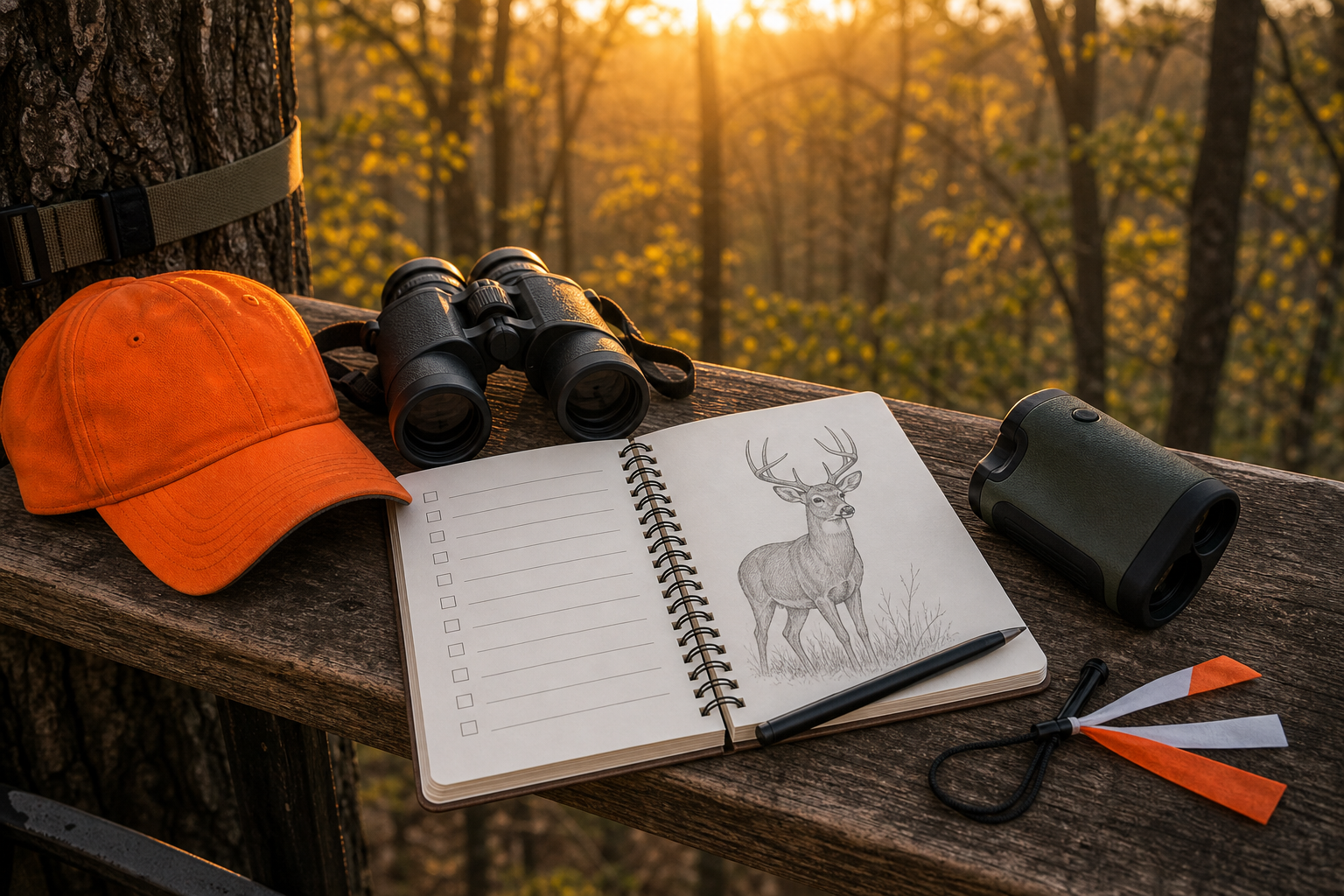
Practice from sitting, kneeling, elevated, and awkward positions if those match your hunt. Practice with a rangefinder, because guessing distance is a common source of missed or poor hits. If you cannot verify the range, do not shoot.
Crossbow Deer Shot Checklist
- Is the deer legal and clearly identified?
- Is the deer calm enough for a clean shot?
- Is the angle broadside or slightly quartering away?
- Is the distance inside your practiced limit?
- Is there a clear path with no brush or limbs?
- Is there a safe backstop and no people, roads, buildings, or livestock beyond?
- Do you have a recovery plan and enough daylight?
After the Shot
After the shot, watch and listen carefully. Mark where the deer was standing and the direction it traveled. Do not rush into the area blindly. Give the animal appropriate time, inspect sign carefully, and follow local best practices for recovery.
If sign is poor or the hit is uncertain, consider calling an experienced tracker where legal. Recovery discipline is part of ethical hunting, not an afterthought.
Common Mistakes
- Aiming at the deer as if crossbow bolts behave like rifle bullets.
- Taking frontal or hard-quartering-to shots.
- Shooting beyond practiced broadhead range.
- Ignoring stand angle and exit path.
- Forgetting to check state crossbow rules before the hunt.
- Leaving without a recovery plan.
Frequently Asked Questions
Where should you aim at a deer with a crossbow?
Only take a shot that gives a clear path through the heart-lung area, usually on a calm broadside or slightly quartering-away deer. The exact hold depends on angle, height, and distance.
Should you take a frontal shot with a crossbow?
No. Frontal shots leave little margin for error and can be poor choices with crossbow bolts. Wait for a better angle.
How far should you shoot a deer with a crossbow?
Your limit is the distance where you can consistently place hunting broadheads from realistic field positions. If you have not proven that distance in practice, it is too far for hunting.
What if the deer is quartering toward you?
Pass the shot. Quartering-toward angles often put heavy bone and shoulder structure in the way of the chest path, especially for archery equipment.
Final Recommendation
The best crossbow shot on a whitetail is the one you are willing to pass if conditions are not right. Wait for a calm broadside or slight quartering-away deer, stay inside your proven range, think through the bolt path, and commit to a careful recovery. Ethical restraint is what turns crossbow shot placement into responsible hunting.