


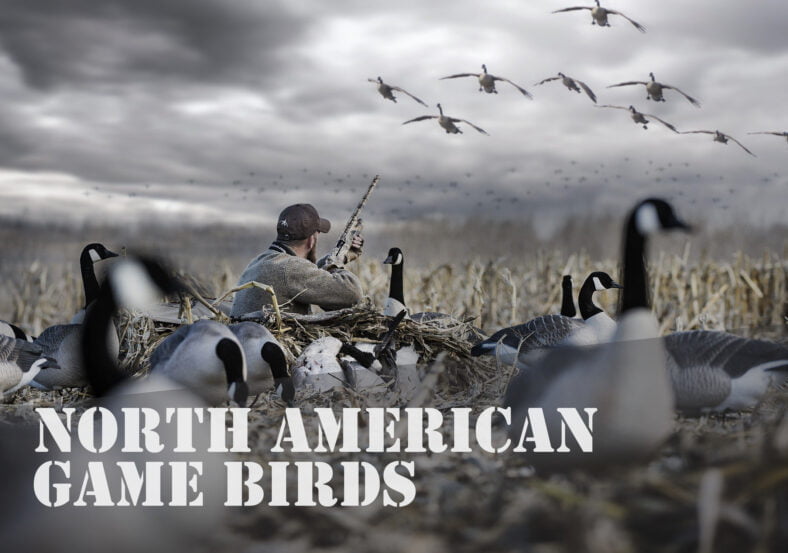
North American game birds include upland birds such as pheasants, quail, grouse, and doves, plus waterfowl such as ducks and geese. They live in different habitats, behave differently, and are managed under different hunting rules, so identification matters before any hunt.
This guide is a plain-language overview for hunters and wildlife watchers. It is not a season-date or bag-limit guide. Always check your state wildlife agency and federal migratory-bird rules before hunting.
Table of contents
Quick Answer
The major North American game bird groups are upland birds, migratory birds, and waterfowl. Pheasants, quail, grouse, and wild turkeys are usually discussed as upland game birds. Ducks and geese are waterfowl. Doves and some other birds may fall under migratory-bird rules, depending on species and location.
For hunters, the most important thing is not memorizing every bird name. It is learning clear identification, legal status, safe shooting zones, habitat, and local regulations before entering the field.
Upland Birds vs Waterfowl
Upland game birds are often hunted in fields, grasslands, brush, timber edges, or agricultural cover. Many flush from the ground and are hunted with walking, dogs, or careful habitat scouting.
Waterfowl are tied to wetlands, lakes, rivers, marshes, grain fields, and migration routes. Ducks and geese are federally regulated migratory birds, so hunters need to follow both federal and state rules. The U.S. Fish and Wildlife Service Migratory Bird Program is a key authority source for migratory-bird management.
Pheasants
Ring-necked pheasants are one of the most recognizable upland birds in North America, especially in farmland and grassland regions. Roosters have bright coloring and long tails, while hens are more muted and blend into cover.
Pheasant hunting often depends on habitat: grass, crop edges, shelterbelts, ditches, and weedy cover. Identification is important because many areas have sex-specific rules or restrictions.
Quail
Quail are smaller upland birds that often live in coveys. Bobwhite quail are well known in the eastern and central United States, while scaled quail, Gambel’s quail, and California quail are associated with different western and southwestern habitats.
Quail identification can involve size, calls, head markings, habitat, and region. Because quail are small and fast, hunters need careful muzzle control, clear shooting lanes, and strong awareness of dogs and partners.
Grouse
Grouse include birds such as ruffed grouse, spruce grouse, sharp-tailed grouse, sage-grouse, and others. Habitat varies widely: thick young forest, northern conifers, prairie, sagebrush, and mountain edges can all support different grouse species.
Grouse hunting often rewards slow walking, good listening, and attention to cover. Some grouse populations are sensitive to habitat and conservation concerns, so local regulations and agency updates matter.
Doves
Mourning doves are common migratory game birds in many states. They are fast, agile, and often hunted around fields, water, flyways, and feeding areas during legal seasons.
Dove hunting requires strong species identification and careful attention to shooting direction because birds can come from many angles. Always know what is beyond the bird before shooting.
Ducks And Geese
Ducks and geese are waterfowl and may be found on marshes, lakes, rivers, flooded timber, coastal areas, and agricultural fields. Identification can involve size, wing pattern, sound, flock shape, flight style, and habitat.
Waterfowl hunting has specific legal requirements that can include licenses, stamps, non-toxic shot, season frameworks, species limits, and possession rules. Our duck hunting gear checklist is useful for gear planning, but regulations should come from official sources.
Field Identification Tips
- Habitat: Wetland, crop edge, timber, prairie, brush, or sage can narrow likely species.
- Flight style: Some birds flush explosively; others glide, dart, or fly in organized flocks.
- Size and shape: Compare body size, tail length, wing shape, and neck length.
- Sound: Calls and wing noise can help, but do not rely on sound alone.
- Color pattern: Use clear visible marks, not a rushed guess in poor light.
For broader field observation skills, see our guide to tracking animals and reading signs. Reading habitat helps with birds as well as big game.
Habitat And Scouting Clues
Game birds are tied closely to food, cover, water, and seasonal movement. Pheasants may use grass near crop fields, ditches, cattails, or shelterbelts. Quail need cover that lets coveys feed, hide, and escape. Grouse may use young forest, brush, prairie, sage, or conifer cover depending on species and region.
Waterfowl scouting is different. Ducks and geese often follow water, weather, pressure, food, and migration timing. A pond that is empty one day can be active after a weather shift, while a pressured marsh can change quickly once birds adjust to hunting activity.
Good scouting should also include access and safety. Know property boundaries, parking areas, dog restrictions, retrieval challenges, and where other hunters are likely to be. A productive-looking spot is not worth using if the shooting angles are unsafe.
Before-You-Hunt Checklist
- Confirm the bird species you may legally hunt.
- Check current season dates, stamps, licenses, and possession rules.
- Confirm legal shot type, firearm rules, and public-land requirements.
- Review safe zones of fire with partners before anyone loads.
- Carry water, eye protection, blaze clothing where required, and a small first-aid kit.
- If hunting with a dog, plan for heat, cold, water, hazards, and recovery.
Preparation prevents rushed decisions. Bird hunts can move quickly once birds flush or approach, so rules and shooting lanes should be clear before the first opportunity appears.
If identification is uncertain, do not shoot. Some birds share similar size, color, or flight behavior, and lighting can make field marks harder to read. A responsible hunter waits for a clear, legal, and safe opportunity.
That pause protects wildlife, hunting partners, dogs, and the reputation of ethical hunters.
It also gives beginners time to build confidence through better observation and safer decision-making in changing field conditions.
Safety, Ethics, And Regulations
Game-bird hunting often involves moving hunters, dogs, fast flushes, and changing shooting angles. Keep the muzzle in a safe direction, know where partners and dogs are, and never shoot at a bird if the background is unsafe.
The Hunter Ed safety resources are helpful for reviewing field safety and responsible hunting basics. For migratory birds, check the U.S. Fish and Wildlife Service and your state agency before each season.
FAQ
What are the most common game birds in North America?
Common groups include pheasants, quail, grouse, doves, ducks, geese, and wild turkeys. Exact availability depends on region, habitat, and regulations.
What is an upland game bird?
An upland game bird is generally a land-based game bird found in fields, grasslands, brush, timber, or similar cover rather than open water.
Are ducks and geese game birds?
Yes, ducks and geese are game birds, but they are usually managed as migratory waterfowl with specific federal and state rules.
Why do game-bird regulations change?
Regulations can change because of population surveys, habitat conditions, migration data, conservation goals, and state or federal management decisions.
Final Takeaway
North American game birds include upland birds, doves, ducks, geese, and other region-specific species. Learn the habitat, field marks, behavior, and rules for each bird before hunting, and use official sources for current seasons and legal requirements.