


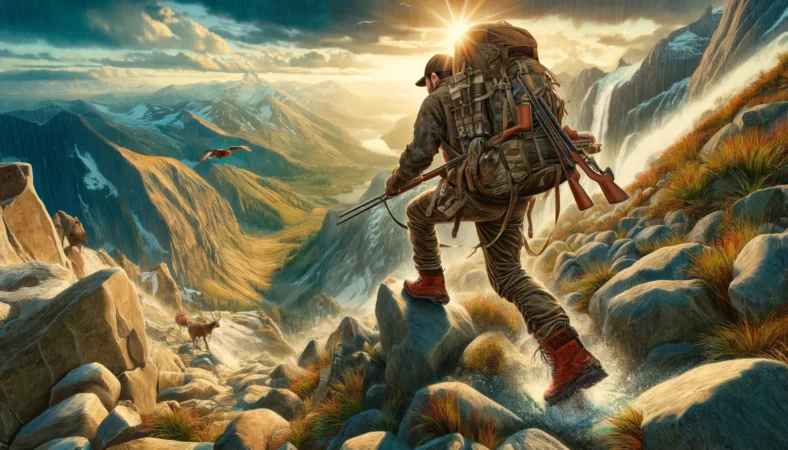
Hunting can be physically demanding because it combines uneven terrain, long walks, awkward shooting positions, weather, heavy clothing, gear weight, and sometimes packing meat or equipment back out. You do not need to train like an athlete to hunt responsibly, but you do need enough stamina, balance, strength, and preparation for the type of hunt you plan. This guide explains the main physical demands and how to prepare safely before the season.
Table of contents
- Quick answer
- What makes hunting physically demanding
- Walking, climbing, and uneven ground
- Pack weight and gear carry
- Weather stress and clothing
- Shooting positions and mobility
- Recovery, hydration, and pacing
- How to prepare before the season
- Health and safety notes
- Frequently asked questions
- Final takeaway
Quick Answer
The biggest physical demands of hunting are walking on uneven ground, climbing slopes or stands, carrying gear, staying warm or cool, holding steady in real shooting positions, and recovering after long days. The best preparation is simple and specific: walk regularly, add hills or stairs, practice with your hunting pack, break in boots, stretch enough to move safely, and build a realistic plan for weather, water, and fatigue.
This article is general outdoor fitness education, not medical advice. If you have heart, joint, balance, breathing, heat, cold, or other health concerns, ask a qualified professional before increasing activity. For general adult activity context, the CDC physical activity guidance is a useful starting point.
For group hunts, be honest about pace and recovery needs before the day starts. A slower, safer plan is better than pushing too hard and creating a problem far from the truck, camp, or trailhead.
What Makes Hunting Physically Demanding
Hunting is rarely a smooth gym workout. You may walk through mud, snow, brush, sidehills, creek crossings, crop edges, timber, or rocky ground while carrying a pack and wearing heavier clothing. You may sit still for hours, then suddenly need to move carefully, kneel, draw a bow, shoulder a rifle, or help recover game. That mix of stillness and effort can surprise people who only train on flat ground.
The demand also changes by hunt type. A short blind hunt near a field edge is very different from a mountain hunt, public-land walk-in, waterfowl setup, or late-season cold-weather sit. Prepare for your actual hunt, not an imagined average.
Walking, Climbing, and Uneven Ground
Most hunters benefit from more walking before the season. Start with flat walks if needed, then add hills, stairs, or uneven trails. Wear the boots you plan to hunt in once they are broken in, and pay attention to hot spots before they become blisters. If you hunt from a treestand, practice safe climbing habits and use the proper fall-arrest system every time.
Balance matters
Stepping over logs, crossing ditches, walking sidehill, and moving in low light all require balance. Simple balance work, careful foot placement, and trekking poles where appropriate can reduce risk. Do not rush through difficult ground just because daylight is fading.
Pack Weight and Gear Carry
A hunting pack feels different after several miles than it does in the garage. Water, food, layers, optics, ammunition, field dressing tools, game bags, safety gear, and emergency items add up. Train with the pack weight you realistically expect to carry, then trim items that are redundant or unnecessary.
If you may pack out meat, plan for it before the shot. Know the route, daylight, weather, distance, and whether help is available. Overloading yourself after a tiring hunt is one of the easiest ways to get hurt.
Weather Stress and Clothing
Cold, heat, wind, and rain all change how hard a hunt feels. Cold weather can stiffen hands and make movement harder, while heat raises hydration and pacing concerns. The National Weather Service cold-safety guidance is useful context for late-season hunts where wet clothing and wind chill can become serious.
Layer for movement and waiting
Many hunters overdress for the walk in and then sweat, which makes the sit colder later. Use layers you can vent or remove while moving, then add insulation after you stop. For wet conditions, our waterproof hunting clothing guide can help with planning.
Shooting Positions and Mobility
Range accuracy from a bench does not always transfer to field positions. Practice kneeling, sitting, standing with support, using shooting sticks, or drawing a bow from realistic stances. Mobility matters too: stiff hips, tight shoulders, or poor balance can make it harder to get steady without excess movement.
Practice should stay safe and controlled. Use unloaded practice for movement and position work when appropriate, follow range rules, and keep your realistic effective range conservative. See our guide on how to become a better hunter for a broader skill framework.
Recovery, Hydration, and Pacing
Fatigue affects judgment. Tired hunters are more likely to stumble, skip gear checks, rush shots, forget water, or make poor route decisions. Carry enough water, eat before you are depleted, and pace the day so you still have energy for the walk out.
Sleep matters too. If you are camping, keep your sleep system warm and dry; our sleeping bag warmth and dryness guide covers that part of recovery.
How to Prepare Before the Season
- Walk several days per week and gradually add distance.
- Add hills, stairs, or uneven trails if your hunt includes terrain.
- Train with your hunting boots before opening day.
- Carry your pack during some walks and build up slowly.
- Practice getting into safe field shooting positions.
- Stretch hips, calves, shoulders, and back enough to move comfortably.
- Plan water, food, layers, and emergency communication before the trip.
Progress gradually. A sudden jump in distance, pack weight, or hill work can cause injury before the season even starts. Small consistent preparation beats a last-minute cram.
Health and Safety Notes
Do not ignore chest pain, dizziness, confusion, severe shortness of breath, heat illness signs, or cold-related symptoms. Turn around early if conditions exceed your plan. Tell someone where you are going, when you expect to return, and how to contact help if you do not check in.
Hunting fitness is not about proving toughness. It is about having enough capacity to hunt safely, make ethical decisions, and get home with energy left for the unexpected.
Frequently Asked Questions
How fit do I need to be for hunting?
It depends on the hunt. A short blind hunt may require basic walking and sitting comfort, while mountain or public-land hunts can require significant endurance, balance, and pack strength. Train for the terrain and distance you expect.
What is the best exercise for hunters?
Walking with gradual hills or stairs is one of the best foundations. Add pack walks, mobility work, and realistic position practice as the season gets closer.
Should I train with my hunting pack?
Yes, but build up slowly. Start light, then add weight and distance. Pack training helps you find strap problems, boot issues, and gear weight mistakes before the hunt.
Can fatigue affect shot decisions?
Yes. Fatigue can make you rush, shake, misjudge distance, or ignore warning signs. If you are too tired to make a steady and ethical shot, pass and reset.
Final Takeaway
The physical demands of hunting are manageable when you prepare for the actual hunt ahead. Walk, climb, carry your pack, practice field positions, plan for weather, and pace the day. Better fitness is not about ego; it is about safety, steadier decisions, and having enough energy to finish the hunt responsibly.