


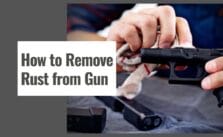
Rust on a firearm should be handled slowly and safely. Before any cleaning, unload the firearm, remove ammunition from the work area, follow the manual, and inspect the rust level. Light surface rust may be manageable with proper gun oil and gentle cleaning, but deep pitting, bore rust, or rust around critical parts should be checked by a qualified gunsmith.
This guide is a conservative maintenance checklist, not a shortcut for damaged firearms. Start with the NSSF firearm safety rules, work in a ventilated area, and avoid harsh chemicals or abrasive methods unless the firearm maker specifically recommends them.
Table of Contents
Quick Rust Removal Checklist
| Step | What to do | Why it matters |
|---|---|---|
| Unload first | Remove magazine, open action, check chamber, and remove ammunition from the room | Maintenance starts with safe handling. |
| Identify rust level | Separate light surface rust from pitting, bore rust, or damaged parts | Different rust levels need different decisions. |
| Use proper products | Use firearm-safe oil, cloth, nylon brush, or approved tools | Harsh abrasives can damage finish and metal. |
| Work gently | Use light pressure and check progress often | Removing finish can make future rust worse. |
| Avoid risky chemicals | Do not mix chemicals or use unknown household acids/cleaners | Chemical damage can be permanent or unsafe. |
| Stop for deep rust | Use a gunsmith for pitting, bore obstruction, action rust, or structural concerns | Some rust is a safety issue, not a cleaning task. |
| Prevent recurrence | Dry, lightly oil, inspect, and store correctly | Prevention is easier than repair. |
Safety Before Cleaning
Point the firearm in a safe direction, remove the magazine, open the action, and visually and physically confirm the chamber is clear. Move all ammunition away from the cleaning area. If you are not comfortable disassembling the firearm according to the manual, stop and get help from a qualified person.
Use gloves and ventilation when working with oils, solvents, or rust-removal products. The OSHA chemical hazards resource is a useful reminder that cleaning chemicals should be treated with care, labels, and ventilation.
Inspect the Rust Level
Light surface rust often appears as a thin orange or brown film on exterior metal. Deeper rust may show pitting, rough texture, flaking finish, bore damage, or rust around screws, action parts, sights, or the muzzle. Deep rust is not just cosmetic.
Check the bore only after the firearm is confirmed unloaded and safe to inspect. If the bore looks obstructed, heavily rusted, bulged, or damaged, do not fire the gun. Have it inspected by a gunsmith.
How To Handle Light Surface Rust
For light surface rust, apply a small amount of firearm-safe oil to a soft cloth and let it sit briefly. Wipe gently and check the surface often. A nylon brush can help in textured areas, but avoid aggressive scraping. The goal is to remove rust without cutting through the finish.
After the rust is removed, wipe away excess oil and apply a light protective film. Too much oil can collect dust or migrate into areas where it does not belong. Follow the firearm manual for lubrication points.
When To Stop and Use a Gunsmith
Stop and use a gunsmith if rust is deep, pitted, inside the bore, around the chamber, on locking surfaces, near the action, or on parts that affect safe operation. Also stop if a screw strips, a part will not move normally, or you are unsure whether the firearm is safe to fire.
Cosmetic rust and safety-critical rust are different problems. A firearm can look mostly fine and still need professional inspection if rust affects the bore, chamber, action, or structural surfaces.
How To Prevent Rust
Rust prevention starts with moisture control. Dry the firearm after rain, sweat, snow, or humid storage. Wipe metal surfaces with a light protective oil, inspect periodically, and store firearms in a stable, secure location. Avoid foam cases or damp bags for long-term storage.
Secure storage also matters. Project ChildSafe is a useful resource for responsible storage habits, especially when maintenance and storage routines overlap at home.
Common Rust-Removal Mistakes
- Cleaning before confirming the firearm is unloaded.
- Using harsh abrasives that remove finish and expose more metal.
- Mixing chemicals or using household cleaners not intended for firearms.
- Ignoring rust in the bore, chamber, or action.
- Storing a firearm in a damp case after cleaning.
Related Guides
- Hunting Rifle Maintenance Checklist
- How To Clean a Handgun Properly
- Gun Storage Safety Tips
- Best Gun Cleaning Kit
FAQ
Can light rust be removed from a gun at home?
Light surface rust may be manageable at home with firearm-safe oil, a soft cloth, and gentle pressure. Deep rust, bore rust, or rust near operating parts should be inspected by a gunsmith.
Should I use abrasive tools on gun rust?
Avoid aggressive abrasives unless the firearm maker or a qualified gunsmith recommends a specific method. Removing finish can expose more metal and make future rust worse.
Is rust inside a barrel dangerous?
It can be. Rust inside the bore or chamber may affect safety and accuracy. If the bore looks pitted, obstructed, or heavily rusted, do not fire the firearm until it is inspected.
How can I prevent gun rust after cleaning?
Dry the firearm, apply a light protective oil where appropriate, avoid damp storage, and inspect regularly. Moisture control is the best rust prevention habit.
Final Recommendation
Treat rust removal as firearm maintenance, not a cosmetic shortcut. Handle the firearm safely, use gentle firearm-safe products, stop when rust looks deep or structural, and prevent future rust with dry storage and regular inspection.