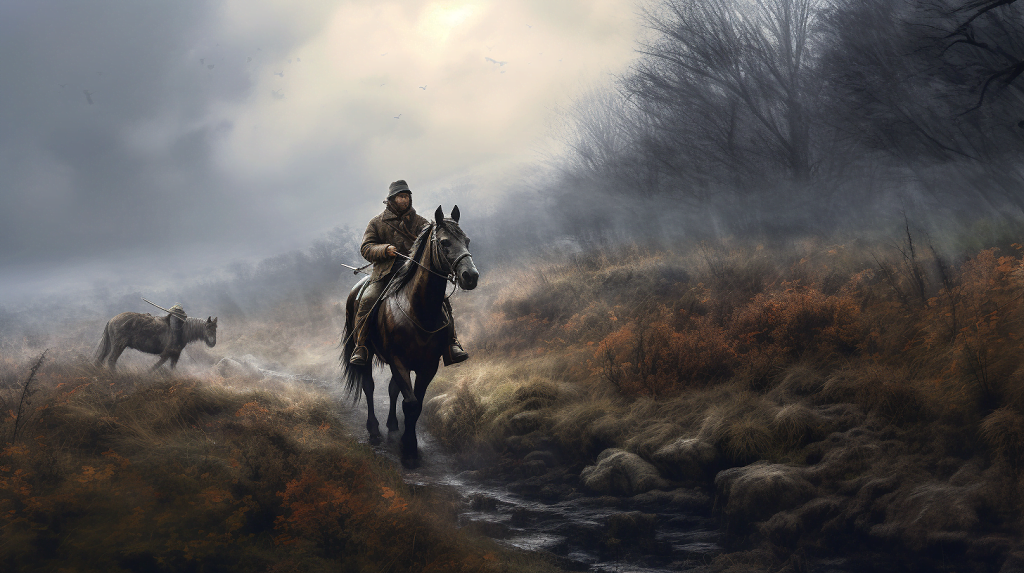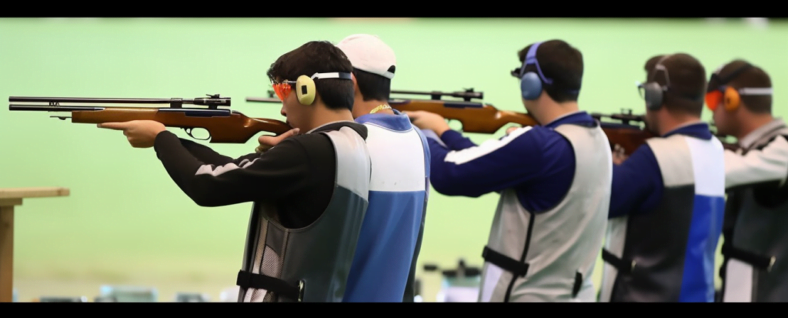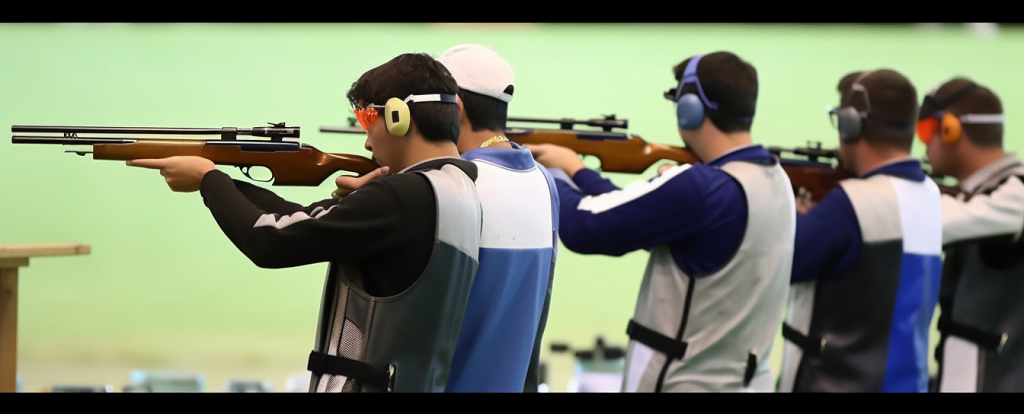


Mountain Archery Fest: A Thrilling Challenge in Nature’s Embrace

Table of Contents

Introduction

Have you ever dreamt of testing your archery skills amidst breathtaking natural landscapes? If so, the Mountain Archery Fest is an event that should be on your radar. This challenging and exhilarating festival brings together archery enthusiasts from all corners of the world, providing an opportunity to showcase their abilities and forge unforgettable memories. Let’s dive deeper into the world of Mountain Archery Fest and discover what makes it a truly unique experience.

The Origins of Mountain Archery Fest

Mountain Archery Fest traces its roots back to the passion of dedicated archers seeking a platform to push their limits and indulge in their love for the sport. Born out of a desire to combine the beauty of nature with the thrill of archery, this festival has grown into an annual gathering that draws participants and spectators alike.

Embracing the Wilderness: Choosing the Perfect Venue

One of the distinguishing features of Mountain Archery Fest is its commitment to selecting breathtaking venues that embrace the wilderness. Each year, organizers scout and select locations that offer a harmonious blend of challenging terrain, stunning landscapes, and ample space for participants to unleash their skills. From majestic mountain ranges to dense forests, the chosen venues truly embody the spirit of the festival.

Gear Up: Essential Equipment for the Challenge

To excel in the Mountain Archery Fest, you need to ensure you have the right gear. Archers participating in the festival must come prepared with a reliable bow, properly tuned arrows, and suitable protective equipment. It’s crucial to select equipment that suits your skill level and provides the precision necessary for hitting targets in diverse conditions.

Archery Techniques and Tips for Success

While participating in the Mountain Archery Fest, mastering various archery techniques can significantly improve your chances of success. Whether it’s honing your shooting form, perfecting your aim, or adapting to different shooting positions, understanding and practicing these techniques can make a remarkable difference in your performance. Additionally, learning from experienced archers and seeking their guidance can provide valuable insights and tips.

The Unforgettable Experience of Mountain Archery Fest

Participating in Mountain Archery Fest goes beyond the thrill of competition. It’s an opportunity to immerse yourself in an atmosphere of camaraderie, where archers from diverse backgrounds come together to celebrate their shared passion. The festival fosters an environment that encourages skill development, friendship, and the creation of lasting memories.

Safety Measures: Prioritizing Security and Well-being

Mountain Archery Fest prioritizes the safety and well-being of all participants. From comprehensive safety briefings to on-site medical assistance, the organizers leave no stone unturned when it comes to ensuring a secure environment. Participants are expected to adhere to strict safety guidelines to minimize risks and guarantee a positive experience for everyone involved.

The Mountain Archery Festival 2023: An Event Worth Attending

Mark your calendars! The highly anticipated Mountain Archery Festival 2023 promises to be an event that archery enthusiasts won’t want to miss. With each passing year, the festival continues to grow, attracting both seasoned archers and newcomers looking to embark on a remarkable archery adventure. The 2023 edition aims to surpass all expectations and set new standards for excellence.

How to Register for the Mountain Archery Fest

Ready to take on the challenge? Registering for the Mountain Archery Fest is a straightforward process. The organizers provide an online registration platform where participants can secure their spots. Early registration is recommended, as the festival tends to attract a significant number of archers eager to join the thrill.

Exploring the Competition Categories

The Mountain Archery Fest offers a range of competition categories tailored to suit various skill levels and archery styles. Whether you’re a novice archer seeking an introductory challenge or an experienced marksman aiming for the top prize, there’s a category that aligns with your goals and abilities. These categories ensure that archers of all levels can actively participate and showcase their skills.

A Glimpse into the Schedule of Events

Curious about what the Mountain Archery Fest has in store for you? The festival features a dynamic schedule packed with thrilling events and activities. From individual competitions to team challenges, archery workshops, and captivating exhibitions, every moment is designed to keep participants and spectators engaged and entertained.

Exciting Activities for Participants and Spectators

The Mountain Archery Fest offers more than just archery competitions. It caters to participants and spectators alike, providing a range of exciting activities to enjoy throughout the festival. From outdoor adventure opportunities like hiking and camping to live music performances, delicious food stalls, and interactive games, there’s something for everyone to relish.

Accommodations and Facilities: Making Your Stay Memorable

To ensure a comfortable and enjoyable experience, the Mountain Archery Fest organizers provide various accommodation options and facilities. Whether you prefer camping under the stars, staying in cozy cabins, or opting for nearby hotels, there are choices to suit different preferences. The festival grounds are equipped with amenities such as restroom facilities, food vendors, and rest areas to enhance your stay.

Capturing Memories: Photography and Videography Guidelines

Preserving the memories of your Mountain Archery Fest experience is essential. While photography and videography are allowed during the festival, certain guidelines must be followed to respect the privacy and safety of all participants. Familiarizing yourself with these guidelines will enable you to capture stunning shots while ensuring a harmonious environment for everyone.

Sponsorships and Partnerships: Supporting the Archery Community

Mountain Archery Fest thrives on the support of generous sponsors and partnerships. These collaborations help elevate the festival, providing participants with enhanced experiences and additional resources. The organizers actively seek sponsorships and partnerships to ensure the continuous growth and development of the festival, further benefiting the archery community as a whole.

Conclusion

Mountain Archery Fest is an extraordinary celebration of archery, nature, and the indomitable human spirit. It offers archers an opportunity to challenge themselves, connect with like-minded individuals, and create lasting memories amidst awe-inspiring landscapes. Whether you’re a seasoned archer or a curious beginner, this festival promises an experience that will leave youin awe and hungry for more.

FAQs (Frequently Asked Questions)

1. Can beginners participate in the Mountain Archery Fest?

Absolutely! The Mountain Archery Fest welcomes archers of all skill levels, including beginners. There are competition categories specifically designed to cater to novice archers, allowing them to experience the thrill of the festival and compete alongside others at a similar level.

2. Are there age restrictions for participation?

While age restrictions may vary depending on the specific regulations of each edition, the Mountain Archery Fest typically welcomes participants of all ages. However, participants who are minors may be required to have parental consent and be accompanied by a guardian during the festival.

3. Is there equipment available for rent at the festival?

Unfortunately, equipment rental services are not provided at the festival. Participants are expected to bring their own archery equipment. However, if you’re new to archery and unsure about purchasing your own gear, it’s advisable to reach out to local archery clubs or shops that offer rental services to get acquainted with the sport before the festival.

4. Can spectators attend the Mountain Archery Fest?

Absolutely! Spectators are more than welcome to attend the Mountain Archery Fest. It’s a fantastic opportunity to witness impressive archery skills, cheer for participants, and immerse oneself in the vibrant atmosphere of the festival. Spectators can enjoy the various activities, explore the venue, and capture memorable moments.

5. Is the Mountain Archery Fest a family-friendly event?

Yes, the Mountain Archery Fest is a family-friendly event. It’s a great outing for families who want to enjoy outdoor activities and witness the excitement of archery competitions together. With the availability of other entertainment options and facilities, there’s something to keep everyone engaged and entertained.

With the outline, article, conclusion paragraph, and five FAQs completed, this comprehensive piece provides readers with valuable insights into the Mountain Archery Fest, its origins, challenges, and the unforgettable experiences it offers.

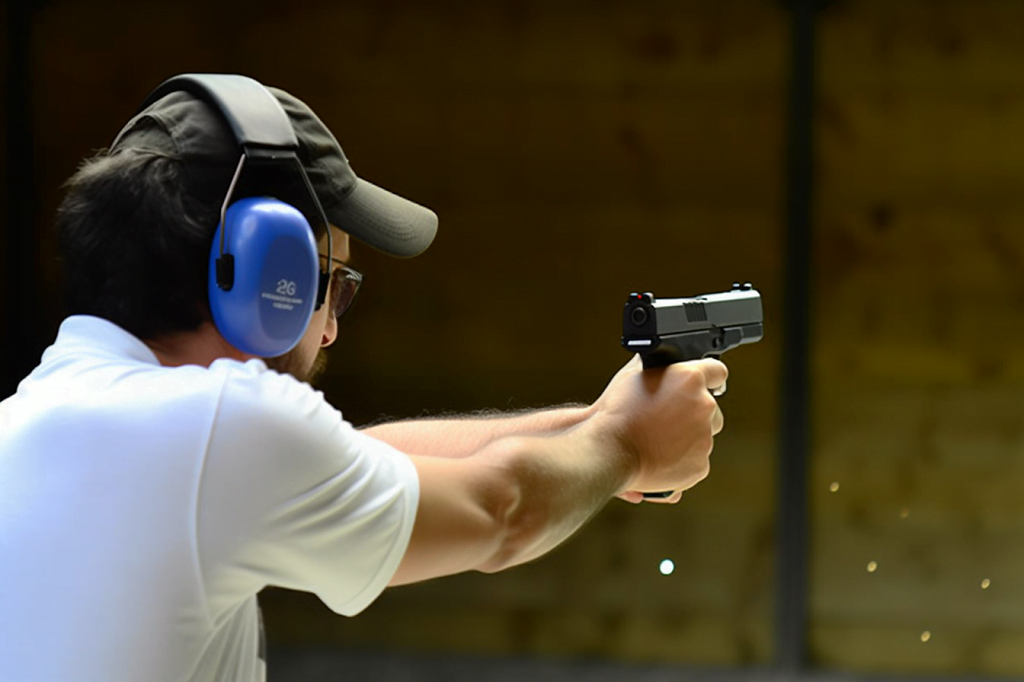
Mastering the Basics: How to Shoot a Gun with Confidence and Accuracy

Table of Contents

Introduction: The Importance of Proper Shooting Technique

Learning how to shoot a gun safely and accurately is a valuable skill for both recreational shooting and self-defense. Whether you’re a beginner or looking to refine your shooting skills, understanding the fundamentals and mastering the proper shooting technique is essential for hitting your target with confidence and accuracy.

1. Understanding Firearm Safety

Before handling a firearm, it is essential to understand and practice firearm safety. Follow these key principles to ensure the safety of yourself and others:

Handling a Firearm Safely

  • Always treat a firearm as if it is loaded, even if you believe it to be unloaded.
  • Keep your finger off the trigger and outside the trigger guard until you are ready to shoot.
  • Never point a firearm at anything you do not intend to shoot.
  • Be aware of your target and what is beyond it.

Following Basic Safety Rules

  • Familiarize yourself with the specific safety rules provided by the manufacturer of your firearm.
  • Store firearms securely, keeping them out of reach of unauthorized individuals.
  • Educate yourself and others about proper firearm safety practices.

2. Preparing for the Gun Shooting

Choosing the Right Firearm

  • Select a firearm appropriate for your skill level, purpose, and intended use.
  • Consider factors such as caliber, recoil management, and ergonomics.

Selecting Ammunition

  • Choose ammunition suitable for your firearm’s caliber and intended use.
  • Follow manufacturer recommendations and guidelines for ammunition selection.

Eye and Ear Protection

  • Always wear appropriate eye and ear protection when gun shooting.
  • Protecting your senses is essential for safety and minimizing distractions.

3. Mastering the Shooting Stance

The Isosceles Stance

  • Stand with your feet shoulder-width apart, facing the target.
  • Extend both arms straight out, creating an isosceles triangle with your bodyand the firearm.

The Weaver Stance

  • Stand with your dominant foot slightly back and your non-dominant foot forward.
  • Bend your knees and lean slightly forward.
  • Push your dominant hand out in front of you, while pulling your non-dominant hand back towards your body.

Importance of Stability and Balance

  • Maintain a stable and balanced stance to absorb recoil and minimize movement during gun shooting.
  • Distribute your weight evenly and engage your core muscles for stability.

4. Proper Grip and Hand Placement

Grip Techniques

  • Wrap your dominant hand firmly around the grip, making sure your fingers are high on the backstrap.
  • Place your non-dominant hand over your dominant hand, with the fingers interlaced or overlapping.
  • Apply equal pressure from both hands to ensure a secure and consistent grip.

Hand Positioning

  • Position your dominant hand high on the grip, with the webbing between your thumb and index finger pressed firmly against the tang of the firearm.
  • Align the bore of the firearm with the bones of your forearm for better recoil management.

Maintaining a Firm and Consistent Grip

  • Maintain a firm grip throughout the shooting process, but avoid excessive tension that can negatively impact your accuracy.
  • Ensure that your grip remains consistent shot after shot.

5. Aiming and Sight Alignment

Front and Rear Sights

  • Focus your attention on the front sight, as it is the key element for aiming.
  • The rear sight and target should appear slightly blurred.

Focusing on the Front Sight

  • Keep your eyes focused on the front sight while aligning it with the rear sight and the target.
  • A clear and sharp front sight helps maintain accuracy.

Aligning the Sights with the Target

  • Place the front sight post or dot in the center of the rear sight notch or aperture.
  • Align the sights so that they are centered on the target.

6. Trigger Control and Finger Placement

Finger Placement on the Trigger

  • Position the pad of your index finger on the center of the trigger.
  • Avoid placing too much finger on the trigger, as it may lead to jerking or pulling off-target.

Smooth and Controlled Trigger Pull

  • Apply smooth and steady pressure on the trigger straight to the rear.
  • Avoid jerking or anticipating recoil, as it can negatively affect your accuracy.

7. Breath Control and Trigger Break

Natural Respiratory Pause

  • Take a deep breath and exhale partially.
  • Pause briefly at the natural respiratory pause before taking the shot.

Taking the Shot at the Right Moment

  • Squeeze the trigger when you have achieved a stable and aligned sight picture.
  • Ensure a surprise break, meaning the shot should surprise you when it breaks, without anticipating it.

Steady Follow-through

  • Maintain your sight picture and focus on the target even after the shot breaks.
  • Follow through with your grip and stance to maintain control and readiness for follow-up shots if necessary.

8. Managing Recoil and Follow-up Shots

Bracing for Recoil

  • Firmly plant your feet and engage your core muscles to absorb the recoil.
  • Maintain a consistent grip and upper body posture throughout the recoil process.

Recoil Management Techniques

  • Practice controlled breathing and trigger control to minimize the effects of recoil.
  • Gradually increase your familiarity with the firearm and develop muscle memory for recoil management.

Quick and Accurate Follow-up Shots

  • Once you have recovered from the recoil, quickly realign your sights and take follow-up shots if needed.
  • Practice drills that simulate real-world scenarios to improve your speed and accuracy in follow-up shots.

9. Practice and Skill Development

Regular Dry Fire Practice

  • Dry fire practice involves safely practicing the shootingtechniques without live ammunition.
  • It helps improve trigger control, sight alignment, and overall gun shooting mechanics.
  • Ensure your firearm is unloaded and follow all safety protocols during dry fire practice.

Live Fire Training

  • Regularly visit a safe and controlled shooting range to practice shooting with live ammunition.
  • Start with close-range targets and gradually increase the distance as you become more proficient.
  • Focus on applying the shooting techniques you’ve learned and seek feedback from experienced shooters or instructors.

Seeking Professional Instruction

  • Consider enrolling in shooting courses or seeking guidance from qualified instructors.
  • Professional instruction can provide valuable feedback, personalized training, and help you refine your shooting skills.

10. Shooting Etiquette and Range Safety

Following Range Rules

  • Familiarize yourself with the specific rules and regulations of the shooting range you visit.
  • Adhere to the range’s safety protocols, including proper handling and storage of firearms.

Respecting Others on the Range

  • Maintain a safe distance from other shooters and never point your firearm in an unsafe direction.
  • Be considerate of others and avoid distractions that may compromise their safety or shooting experience.

Proper Range Cleanup and Maintenance

  • Clean up your shooting area, pick up spent casings, and dispose of trash appropriately.
  • Respect the range facilities and equipment, ensuring they are left in good condition for the next shooters.

11. Common Shooting Errors and Troubleshooting

Identifying and Correcting Mistakes

  • Analyze your shooting performance and identify any recurring errors or mistakes.
  • Seek guidance from experienced shooters or instructors to help identify and correct these issues.

Troubleshooting Accuracy Issues

  • If you consistently experience accuracy problems, check your fundamentals such as grip, stance, sight alignment, and trigger control.
  • Make adjustments and practice with focus to improve your accuracy over time.

Seeking Feedback and Self-Analysis

  • Record your shooting sessions or have someone observe and provide feedback on your shooting technique.
  • Engage in self-analysis and strive for continuous improvement by addressing areas that need attention.

12. Conclusion: Becoming a Skilled and Responsible Shooter

Mastering the art of shooting requires patience, practice, and adherence to proper techniques. By understanding and implementing the fundamentals of shooting, you can develop confidence, accuracy, and safe firearm handling skills.

Remember, safety should always be your top priority when handling firearms. Regular practice, seeking professional guidance, and maintaining a mindset of continuous improvement will help you become a skilled and responsible shooter. Embrace the learning process, enjoy the shooting experience, and always uphold the principles of firearm safety.

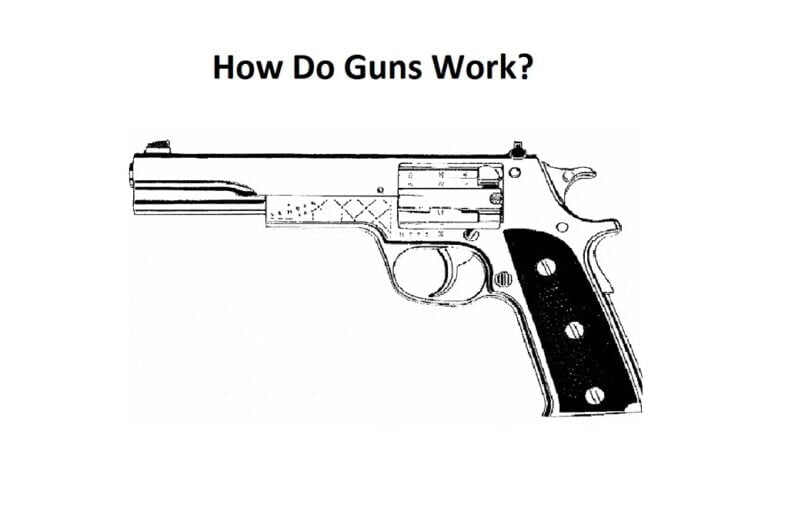
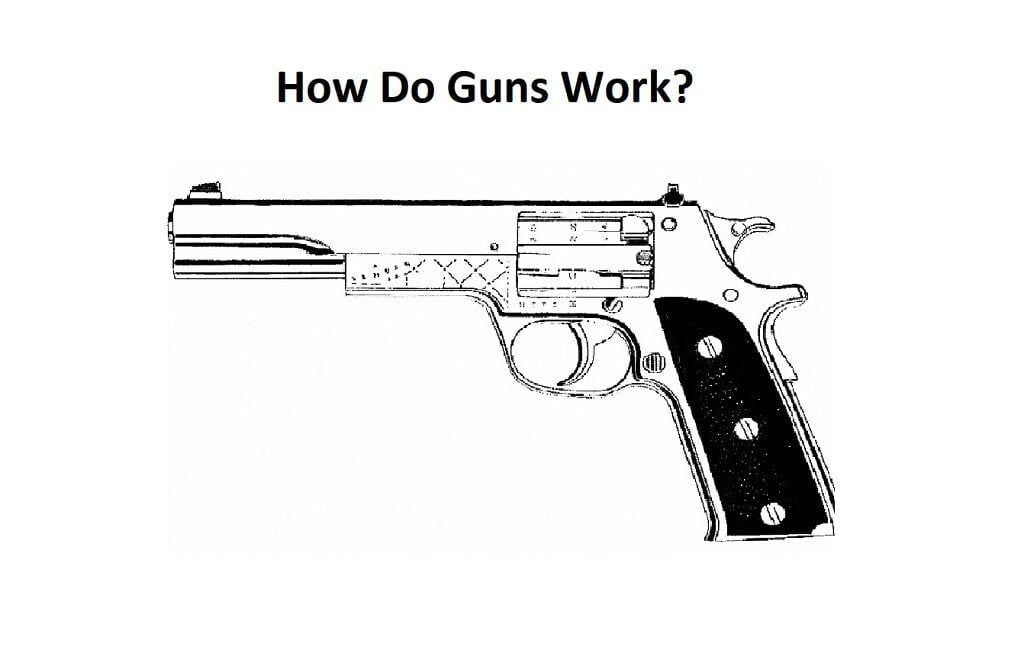
Unveiling the Mechanics: How Do Guns Work?

Table of Contents

Introduction: Exploring the Inner Workings of Firearms

Firearms have played a significant role in human history, serving purposes ranging from self-defense to sport shooting. Understanding how guns work is crucial for safe and responsible firearm ownership. In this article, we will delve into the mechanics behind firearms, explaining the essential components and the processes that enable them to function.

1. Basic Firearm Components

Barrel

When the firearm is fired, the bullet travels through the barrel, which is a long metal tube. It contains spiral grooves called rifling that impart spin to the bullet, stabilizing its flight.

Action

The action is the mechanism that loads, fires, and extracts cartridges. It encompasses several parts, including the bolt, slide, or cylinder, depending on the type of firearm.

Trigger

The trigger is a lever that initiates the firing process when pulled. It releases the hammer or striker, causing it to impact the firing pin, which then ignites the primer in the cartridge.

Magazine

The magazine is a container that holds cartridges and feeds them into the firearm’s action. It can be detachable or integral, depending on the firearm design.

Grip/Stock

The grip or stock provides a handle for the shooter to hold and stabilize the firearm. It houses the trigger and often contains the magazine well or ammunition storage.

2. Firing Process

Loading

The shooter loads the firearm by inserting a loaded magazine into the magazine well and chambering a round. This process varies depending on the firearm type.

Cocking the Firearm

Cocking the firearm prepares it for firing. In manual firearms, this involves manually pulling back the slide or hammer. In semi-automatic firearms, the cycling action typically cocks the firearm automatically.

Aiming

The shooter aligns the firearm’s sights with the target to achieve proper aim. This involves aligning the front and rear sights and ensuring they are in focus.

Squeezing the Trigger

When the shooter squeezes the trigger, it releases the hammer or striker, which strikes the firing pin. The firing pin then ignites the primer in the cartridge, igniting the propellant.

3. Types of Firearms

Pistols/Handguns

People can fire pistols with one hand as they are designed to be handheld firearms. They come in various configurations, including single-shot, revolvers, and semi-automatic pistols.

Rifles

Rifles are long-barreled firearms designed to be fired from the shoulder. They offer increased accuracy and longer effective ranges compared to handguns.

Shotguns

Shotguns are firearms designed to fire a pattern of multiple projectiles called shot. They are versatile and used for various purposes such as hunting, sport shooting, and self-defense.

4. Firing Mechanisms

Single-Action

In single-action firearms, pulling the trigger performs a single action: releasing the hammer or striker.

Double-Action

Double-action firearms have the ability to perform two actions simultaneously with a single trigger pull. These actions include both cocking the hammer or striker and releasing it.

Semi-Automatic

Semi-automatic firearms utilize the energy generated by firing a round to cycle the action, simultaneously extracting the spent casing and loading a fresh round from the magazine.

Bolt-Action

Bolt-action firearms, characterized by the manual manipulation of a bolt, are frequently utilized in precision shooting and hunting due to their inherent reliability and accuracy.

Pump-Action

Pump-action firearms, commonly found in shotguns, utilize a sliding pump mechanism to cycle the action and chamber a new round.

5. Ammunition

Cartridge Components

Ammunition consists of a cartridge, which contains the bullet, propellant, primer, and casing. The bullet is the projectile fired from the firearm.

Primer Ignition

When the firing pin strikes the primer, it creates a small explosion that ignites the propellant inside the cartridge case.

Propellant Ignition

As the propellant ignites, it generates rapidly expanding gas, which in turn propels the bullet down the barrel and out of the firearm.

6. The Cycle of Operation

Firing

When the shooter squeezes the trigger, the firing pin strikes the primer, igniting the propellant and firing the bullet.

Unlocking


Once the bullet exits the barrel, the firearm’s action initiates unlocking, enabling movement and preparation for the next round.

Extraction

The chamber extracts the empty or spent casing, preparing it for a new round.

Ejection

The firearm actively ejects the extracted casing through an ejection port, effectively clearing the way for the next round to be loaded.

Cocking

The action of the firearm cocks the hammer or striker, preparing it for the next trigger pull.

Feeding

Afresh round is fed into the chamber from the magazine or a new cylinder position, ready for the next firing cycle.

Chambering

The new round is fully seated and locked into the chamber, positioning it for firing when the trigger is pulled.

7. Safety Mechanisms

Firearms incorporate various safety mechanisms to prevent accidental discharges and enhance user safety. Some common safety features include:

  • Manual Safety: A switch or lever that physically blocks the trigger or firing mechanism, preventing the firearm from discharging.
  • Firing Pin Block: A mechanism that blocks the firing pin’s forward movement until the trigger is pulled, preventing an accidental discharge if the firearm is dropped.
  • Hammer Block: The safety feature actively blocks the hammer from striking the firing pin or the cartridge primer until the trigger is pulled.
  • Grip Safety: A safety feature typically found on semi-automatic pistols that requires the shooter to have a firm grip on the firearm for it to fire.

8. Cleaning and Maintenance

Regular cleaning and maintenance are essential for firearm longevity and optimal performance. The process involves:

Field Stripping

Disassembling the firearm into its major components for cleaning, inspection, and maintenance.

Cleaning and Lubricating

Thoroughly cleaning the barrel, action, and other parts with appropriate cleaning solvents, and subsequently lubricating them, is essential for ensuring smooth operation.

Inspection and Function Testing

Examining the firearm for wear, damage, or any issues that require attention. Performing function tests to ensure proper operation before reassembling the firearm.

9. Frequently asked questions

  1. Q: What is the purpose of the rifling in a gun barrel?
    A: The rifling in a gun barrel, characterized by spiral grooves, plays a crucial role in the bullet’s trajectory. By imparting spin to the bullet, it enhances both accuracy and range during flight.
  2. Q: How does a semi-automatic firearm cycle the action automatically?
    A: When firing a round, semi-automatic firearms utilize the energy generated to cycle the action. The expanding gas propels the bullet out of the barrel, while a portion of that energy unlocks and moves the action, extracts the spent casing, and loads a fresh round from the magazine.
  3. Q: What are the main differences between pistols, rifles, and shotguns?
    A: Pistols, also known as handguns, are designed for one-handed firing, offering various configurations such as single-shot, revolvers, and semi-automatic pistols. In contrast, rifles are firearms with long barrels intended for shoulder-fired use, delivering improved accuracy and longer effective ranges. Shotguns, on the other hand, find extensive applications in hunting, sport shooting, and self-defense, as they can discharge a pattern of multiple projectiles, commonly referred to as shot.
  4. Q: How does a pump-action firearm work?
    A: Featuring a sliding pump mechanism located under the barrel, pump-action firearms operate by the shooter manually sliding the pump forward and backward. This action serves to cycle the action, extracting the spent casing, ejecting it through an ejection port, and chambering a new round from the magazine.

10. Conclusion: Responsible Firearm Ownership

Understanding how guns work is fundamental to safe and responsible firearm ownership. By familiarizing yourself with the components, firing mechanisms, ammunition, and safety features, you can develop a comprehensive understanding of firearms. Remember to always prioritize safety, follow local laws and regulations, and seek proper training and guidance when handling firearms. Responsible firearm ownership entails ongoing education, regular practice, and a commitment to safety at all times.

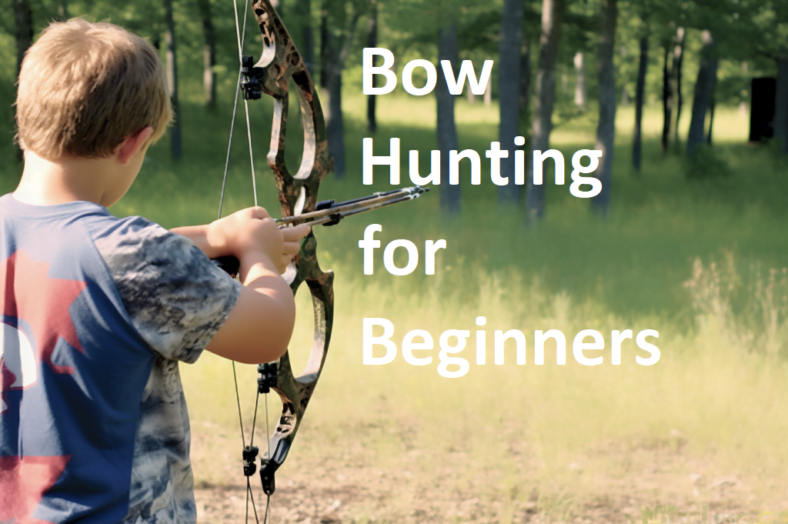
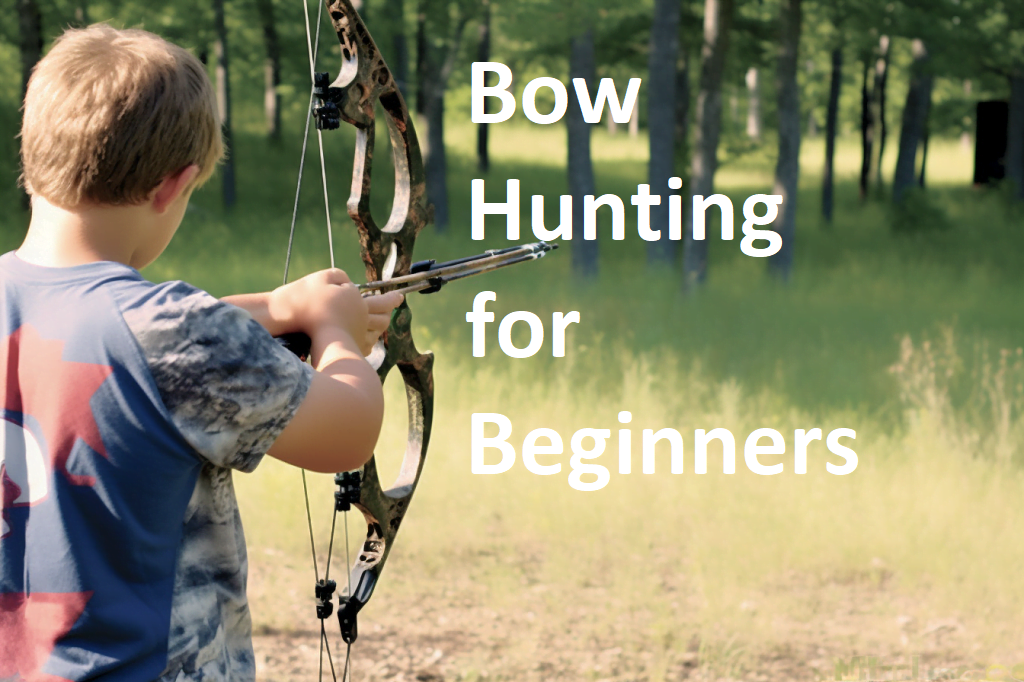
Bow Hunting for Beginners: A Comprehensive Guide to Getting Started

Bow hunting is a challenging and rewarding pursuit for beginners that requires skill, patience, and a deep connection to the natural world. If you’re new to bow hunting and eager to embark on this adventure, this comprehensive guide will provide you with the essential knowledge and tips to get started. From selecting the right equipment to mastering shooting techniques and understanding ethical hunting practices, you’ll gain the foundational understanding needed for a successful and fulfilling bow hunting journey.

Table of Contents

1. Introduction to Bow Hunting

Understanding the Appeal of Bow Hunting

Bow hunting offers a unique and immersive experience in the natural world for beginners. It requires hunters to get closer to their quarry, relying on stealth, skill, and patience to make ethical and successful harvests. Bow hunting allows for a deeper connection with nature, heightened senses, and a challenging pursuit that rewards both skill and intuition.

Benefits of Bow Hunting as a Hunting Method

Bow hunting provides several advantages over other hunting methods. It often offers extended hunting seasons, allowing hunters to enjoy more time in the field. Bow hunting requires hunters to develop a greater understanding of animal behavior and habitat, promoting a deeper appreciation for wildlife and conservation for beginners. Additionally, bow hunting can be a more intimate and quiet experience, enhancing the sense of connection with nature.

Familiarizing Yourself with Hunting Regulations

Before embarking on any hunting journey, it’s crucial to familiarize yourself with local hunting regulations and licensing requirements. Each region has specific rules and seasons that govern bow hunting. Understanding these regulations ensures compliance and contributes to responsible hunting practices.

Ensuring Safety in Bow Hunting

For beginners safety is paramount in bow hunting. It’s essential to follow safe practices, including proper handling and storage of bows and arrows, wearing appropriate protective gear, and adhering to hunting etiquette. Additionally, practicing ethical shot selection and ensuring a clear and safe shooting range is vital for the safety of yourself and others in the hunting area.

3. Selecting the Right Bow

Understanding Different Types of Bows

There are various types of bows available for bow hunting, including compound bows, recurve bows, and traditional longbows. Each type has its advantages and considerations. Understanding the differences between these bows and considering factors such as your physical abilities, hunting style, and budget will help you select the right bow for your needs.

Factors to Consider When Choosing a Bow

When choosing a bow, consider factors such as draw weight, draw length, and adjustability. Select a bow that matches your physical capabilities and provides a comfortable shooting experience. Additionally, consider the bow’s accuracy, noise level, and durability to ensure it meets your hunting requirements.

Seeking Professional Guidance in Bow Selection

When starting out in archery, it’s beneficial to seek guidance from experienced archers or visit a reputable archery shop. These resources can offer valuable assistance in choosing the right bow by helping determine your draw length, recommending suitable equipment, and providing insights based on their expertise.

4. Essential Gear and Equipment

Arrows: Materials, Spine, and Weight

Choosing the right arrows is crucial for bow hunting success. Consider factors such as arrow material (carbon, aluminum, or a combination), arrow spine (stiffness), and arrow weight. Select arrows that are suitable for your bow’s specifications and the type of game you intend to hunt.

Bow Accessories: Sights, Arrow Rests, and Releases

Bow accessories, such as sights, arrow rests, and releases, can enhance your shooting accuracy and consistency. Select accessories that align with your shooting style and preferences. Experiment with different options to find the accessories that best suit your needs.

Hunting Clothing and Camouflage

When it comes to bow hunting success, the selection of appropriate hunting clothing and effective camouflage is crucial. It’s important to choose clothing that offers comfort, flexibility, and camouflage patterns that blend seamlessly with your hunting environment. Additionally, dressing in layers allows you to adapt to changing weather conditions. To further enhance your hunting experience, consider utilizing scent-control products to minimize your scent footprint.

5. Learning Shooting Techniques

Proper Stance and Body Alignment

To achieve consistent and accurate shooting, it is crucial to develop a proper shooting stance. First and foremost, begin by positioning your feet, shoulders, and hips in alignment with the target, ensuring a solid foundation. Additionally, it is important to maintain a balanced and relaxed posture, as this contributes to improved stability and optimal shooting form. By practicing these techniques diligently, you can enhance your shooting skills and ultimately achieve more accurate results. Transition words like “first and foremost,” “additionally,” and “diligently” help to connect the different aspects of developing a proper shooting stance.

Nocking the Arrow and Gripping the Bow

To become proficient in archery, it is crucial to master the technique of properly nocking the arrow onto the bowstring. Firstly, take the time to practice gripping the bow in a consistent and relaxed manner, as this will contribute to a smooth and controlled release. Additionally, it can be beneficial to experiment with different grip styles to determine which one works best for you. By honing these skills diligently, you can enhance your archery performance and ultimately achieve greater precision in your shots. Transition words like “firstly,” “additionally,” and “diligently” help to connect the different aspects of mastering the technique of nocking the arrow and gripping the bow.

Aiming and Releasing the Shot

For beginners focus on your aiming technique and find a method that suits your shooting style in bow hunting. Experiment with different aiming techniques, such as gap shooting or using a sight, to find the approach that provides the best results for your shooting accuracy. Develop a smooth and controlled release to avoid torqueing the bow or introducing unnecessary movements.

Practicing Shooting Drills for Accuracy

Consistent practice is key to improving your shooting accuracy and overall proficiency as a bow hunter. Incorporate shooting drills into your practice sessions, such as shooting at different distances, shooting from elevated positions, or shooting from different shooting angles. Practice in various hunting scenarios to simulate real-world hunting conditions.

6. Understanding Bow Hunting Techniques

Scouting and Locating Game

Develop the skill of scouting and locating game in your hunting area. Learn to read signs of animal activity, such as tracks, scat, rubs, and feeding areas. Use trail cameras, maps, and observation techniques to identify high-traffic areas and patterns of movement.

Setting Up Hunting Stands and Ground Blinds

Hunting stands and ground blinds are effective strategies for bow hunting. Learn to set up stands or blinds in strategic locations, considering factors such as wind direction, visibility, and natural cover. Take into account the specific habits and behaviors of the game species you are pursuing.

Stealth and Scent Control Techniques

Master the art of moving silently and undetected in the hunting area. Learn techniques for walking quietly, minimizing noise from equipment, and blending into the natural surroundings. Implement scent control measures to minimize your scent profile, such as using scent-reducing clothing, cover scents, and practicing proper hygiene.

Tracking and Recovery of Harvested Game

To become a proficient hunter, it is important to develop the skills needed to track and recover harvested game. Take the time to learn how to read blood trails, analyze shot placement, and follow tracks, as these skills are crucial for ethical and efficient recovery. Additionally, gaining knowledge about the anatomy of the game species you hunt will greatly assist in determining the most effective shot placement for clean and humane kills. By honing these abilities, you will increase your chances of successful hunts and contribute to responsible hunting practices.

7. Ethical Considerations and Shot Placement

Understanding Ethical Hunting Practices

Ethical hunting practices prioritize the well-being of the game animal and respect for the environment. As a bow hunter, it is essential to adhere to ethical hunting principles, including only taking shots within your effective range, ensuring clean and humane kills, and following local hunting regulations for beginners. Practice patience and restraint, knowing when to pass up a shot if it does not meet ethical criteria.

Shot Placement for Quick and Humane Kills

Mastering shot placement is critical for ensuring quick and humane kills. Study the anatomy of the game species you are hunting to identify vital organs and aim for effective killing shots. Practice shooting at life-sized targets and understand the angles and positions that provide the best shot opportunities.

Tracking Wounded Game and Recovery

Despite the best efforts, it is possible to wound game animals. In such cases, it is essential to develop the skills necessary for tracking wounded animals and facilitating their recovery. Learn to interpret blood trails, use tracking dogs if available, and employ effective recovery techniques to ensure the ethical handling of wounded game.

8. Advanced Bow Hunting Skills

Judging Distance and Range Estimation

Develop the ability to judge distances accurately, as this skill is crucial for successful bow hunting. Practice estimating distances using natural landmarks, rangefinders, or by comparing distances to objects of known size. Continual practice will refine your judgment and enhance your shooting accuracy.

Calling and Attracting Game

For specific game species, learning calling techniques can be advantageous. Mastering different calls, such as bugles, grunts, or rattling, can attract game and provide opportunities for shots. Study the behavior and vocalizations of the species you are targeting and practice your calling techniques accordingly.

Field Dressing and Processing Harvested Game

Understanding field dressing and game processing techniques is essential for preserving the quality of the meat and ensuring safe consumption. Learn the proper methods for field dressing, quartering, and processing game animals in the field. Familiarize yourself with local regulations regarding the transportation and processing of harvested game.

9. Bow Maintenance and Tuning

Regular Maintenance and Inspections

Maintaining and inspecting your bow regularly is essential for optimal performance. Check for any signs of wear and tear, such as worn strings or cables, loose limb bolts, or damaged components. Regularly clean and lubricate your bow, ensuring that it remains in proper working condition.

Adjusting Bow Draw Weight and Length

As you progress in your bow hunting journey, you may consider adjusting the draw weight or draw length of your bow. Seek professional assistance to ensure that any modifications or adjustments are done correctly and safely. Adjusting the bow’s draw weight or length can optimize your shooting experience and accommodate your physical capabilities.

Fine-tuning Bow Accessories for Optimal Performance

Fine-tuning your bow accessories, such as sights, arrow rests, and releases, can improve shooting accuracy and consistency. Experiment with different settings and make incremental adjustments to find the optimal setup that suits your shooting style and preferences. Regularly test and sight in your bow to maintain peak performance.

10. Building Hunting Skills and Experience

Practicing Field Archery and 3D Target Shooting

Engage in field archery and 3D target shooting to simulate hunting scenarios and hone your shooting skills. These activities allow you to shoot at various distances, angles, and target placements, providing realistic practice for hunting situations. Participate in local archery clubs or events to connect with other bow hunters and gain valuable insights and experiences.

Participating in Hunting Education Programs and Workshops

Take advantage of hunting education programs, workshops, or seminars offered in your area. These programs provide valuable knowledge on hunting techniques, game species, conservation, and hunting ethics. Attend these events to learn from experienced hunters, gain practical tips, and connect with the hunting community.

Seeking Mentorship and Learning from Experienced Hunters

Finding a mentor or experienced hunter to guide you in your bow hunting journey can accelerate your learning and provide invaluable insights. Reach out to local hunting clubs or associations to connect with experienced hunters willing to share their knowledge and accompany you on hunting trips. Learning from someone with expertise can enhance your skills and confidence as a bow hunter.

11. Frequently Asked Questions (FAQs)

Q1: What is the effective range for bow hunting?

A1: The effective range for bow hunting depends on several factors, including the type of bow, the skill level of the archer, and the game being pursued. Typically, the effective range for most bow hunters ranges from 20 to 40 yards. It is important to practice shooting within your effective range and refrain from taking shots beyond your capabilities.

Q2: How can I improve my accuracy as a beginner bow hunter?

A2: Improving accuracy as a beginner bow hunter requires consistent practice and attention to proper shooting techniques. Focus on developing a stable shooting stance, maintaining a relaxed grip, and practicing proper aiming and release techniques. Regularly shoot at targets and incorporate shooting drills to enhance your accuracy and consistency.

Q3: What are the best hunting broadheads for bow hunting?

A3: The best hunting broadheads for bow hunting depend on personal preference and the game species you are hunting. Fixed-blade broadheads and mechanical expandable broadheads are commonly used. Research different brands and models, read reviews, and consider factors such as accuracy, penetration, and durability when selecting hunting broadheads.

12. Conclusion: Embracing the Bow Hunting Journey

Bow hunting is a challenging and deeply rewarding pursuit for beginners that connects us with nature and cultivates a profound appreciation for wildlife and conservation. By understanding the foundational knowledge, practicing essential shooting techniques, and adhering to ethical hunting practices, you can embark on a fulfilling and successful bow hunting journey. Remember, patience, respect for nature, and continuous learning are key as you develop your skills and experiences as a bow hunter. Enjoy the adventure and embrace the connection with the wild as you pursue game with a bow in hand.

Hunting Shooting: A Comprehensive Guide to Effective and Ethical Shooting in the Hunt

Hunting shooting is an integral part of the hunting experience, requiring skill, precision, and ethical judgment. Whether you’re a seasoned hunter or a novice venturing into the world of hunting, mastering the art of shooting is crucial for a successful and responsible hunt. In this comprehensive guide, we will explore the key aspects of hunting shooting, including firearm selection, shooting techniques, shot placement, and ethical considerations to ensure a humane and rewarding hunting experience.

Table of Contents

1. Introduction: The Essence of Hunting Shooting

The Importance of Shooting Skills

Hunting shooting is a fundamental aspect of the hunt, where accuracy and marksmanship play a crucial role in a successful harvest. Mastering shooting skills enables hunters to ethically and effectively take game animals, ensuring quick and humane kills.

Ethical Considerations in Hunting

Hunting carries ethical responsibilities, and shooting plays a pivotal role in maintaining ethical standards. Hunters must strive to minimize suffering, select appropriate shots, and respect the natural balance of ecosystems. Ethical hunting practices include respecting game species, conserving habitats, and following local hunting regulations.

2. Selecting the Right Firearm

Matching Firearm to Game

Choosing the appropriate firearm for your hunting pursuit is essential. Consider factors such as the size and behavior of the game, the hunting environment, and any legal restrictions. Different firearms, such as rifles, shotguns, or bows, are better suited for specific hunting scenarios.

Considerations for Rifle Selection

When selecting a rifle for hunting, consider factors such as caliber, action type, barrel length, and optic options. Ensure that the rifle is appropriate for the game you intend to hunt and that you are comfortable handling and shooting it accurately.

Choosing Shotgun or Bow for Specific Hunts

Shotguns are commonly used for bird hunting and small game, while bows are favored by archery hunters. Each requires specific skills and considerations. Select a shotgun with the appropriate gauge and choke for your desired game, or choose a bow with the appropriate draw weight and arrow setup for a challenging and rewarding hunting experience.

3. Shooting Techniques and Fundamentals

Proper Stance, Grip, and Breathing

Maintaining a stable shooting platform begins with a proper stance, ensuring balance and recoil management. Develop a consistent grip that allows for control and accuracy. Practice controlled breathing techniques to steady your aim and manage shot timing.

Sight Alignment and Sight Picture

Mastering sight alignment and sight picture is crucial for accurate shooting. Align the front and rear sights properly and consistently, ensuring the correct sight picture for the specific firearm and shooting scenario. Develop muscle memory through repetitive practice.

Trigger Control and Follow-Through

Smooth and controlled trigger manipulation is vital for accurate shots. Practice proper trigger control to avoid jerking or flinching, which can impact shot placement. Maintain focus and follow-through after the shot to ensure proper bullet or arrow flight.

4. Shot Placement: Maximizing Efficiency and Ethical Hunting

Understanding Vital Organs and Anatomy

Knowledge of game anatomy is crucial for ethical hunting. Study the vital organs and skeletal structure of the game species you hunt to identify high-percentage shot opportunities. Targeting vital organs ensures a quick and humane kill, minimizing suffering.

Targeting High-Percentage Shots

High-percentage shots are those that offer a clear and ethical opportunity to hit vital organs while minimizing the risk of wounding or maiming. Focus on broadside or quartering-away shots that present a clear target area for an effective and efficient kill.

Quick and Humane Kill Zones for Different Game

Different game species have unique kill zones. Familiarize yourself with these zones, including the heart, lungs, and other vital organs, for specific game animals. Aim for these areas to maximize the chances of a clean and ethical kill.

5. Judging Distance and Adjusting for Accuracy

Estimating Range in the Field

Accurately judging distance is crucial for precise shooting. Practice visual estimation techniques and utilize natural objects, landmarks, or rangefinders to determine the distance to your target. Consistent practice and familiarity with different terrain and environments will improve your distance estimation skills.

Utilizing Optics and Rangefinders

Optics, such as scopes or binoculars, aid in precise target acquisition and range estimation. Use quality optics appropriate for your hunting needs to improve accuracy. Rangefinders provide precise distance measurements, ensuring accurate shot placement.

Accounting for Bullet or Arrow Trajectory

Understanding the trajectory of your bullet or arrow is essential for accurate shooting at various distances. Different firearms and archery setups have specific trajectories that affect bullet drop or arrow flight. Practice at different distances and become familiar with the trajectory of your chosen firearm or bow setup.

6. Practice and Training for Hunting Shooting

Importance of Regular Practice

Regular and focused practice is key to developing and maintaining shooting proficiency. Dedicate time to practice shooting skills, including accuracy, target acquisition, and shooting from different positions and distances. Consistent practice builds muscle memory, confidence, and consistency in your shooting abilities.

Creating Realistic Hunting Scenarios

Simulate real hunting scenarios during practice to enhance your shooting skills. Practice shooting from various positions, such as standing, kneeling, or shooting from a blind or tree stand. Incorporate time constraints, movement, and shooting from different angles to replicate the challenges of hunting.

Shooting from Different Positions and Distances

Hunting situations may require shooting from various positions and distances. Practice shooting from standing, kneeling, sitting, and prone positions to ensure accuracy and stability in different scenarios. Experiment with shooting at varying distances to enhance your proficiency and confidence.

7. Mental Preparedness and Field Strategies

Calming Nerves and Managing Pressure

Hunting can induce excitement and adrenaline, potentially affecting shooting performance. Learn techniques to manage nerves, such as controlled breathing, positive visualization, and mental focus. Practice relaxation techniques to stay calm and focused during the shooting process.

Identifying Safe Shooting Opportunities

In hunting shooting, safety is paramount. Therefore, it is important to always ensure a safe shooting environment, free from obstructions and other hunters. Additionally, be aware of your surroundings, including identifying safe backstops and ensuring a clear line of sight. Lastly, adhere to local hunting regulations and ethical guidelines.

Adapting to Changing Conditions and Terrain

Hunting often takes place in diverse and unpredictable environments, and as a result, adaptability is crucial. It’s important to be prepared to adjust shooting techniques, compensate for wind or uneven terrain, and make quick decisions based on changing conditions. Additionally, it’s essential to familiarize yourself with the terrain and environmental factors of your hunting area.

8. Ethical Considerations in Hunting Shooting

Respect for Game and Conservation

Respect for the game you hunt is essential. Additionally, it is important to appreciate the natural world, value wildlife, and understand the significance of conservation. By engaging in responsible hunting practices, you can prioritize sustainable harvests, contribute to habitat preservation, and show respect for wildlife populations.

Selective and Humane Harvesting

To align the upper and lower receivers, first, ensure the proper fit and alignment of the takedown and pivot pins. Once aligned, securely fasten the receivers together, and then perform a function check to ensure proper operation and safety.

Following Local Hunting Laws and Regulations

To ensure compliance with hunting regulations, it is important to adhere to all local hunting laws, regulations, and licensing requirements. Additionally, staying informed about specific hunting seasons, bag limits, and weapon restrictions is crucial. Respecting private property rights and obtaining permission to hunt on private lands are also essential. By complying with hunting regulations, we contribute to the conservation of wildlife populations and preserve hunting traditions.

9. Frequently Asked Questions (FAQs)

Q1: What caliber rifle is best for hunting deer?

A1: Popular calibers for deer hunting include .243 Winchester, .270 Winchester, .308 Winchester, and .30-06 Springfield. The choice of caliber depends on factors such as hunting regulations, terrain, shooting distances, and personal preference.

Q2: Should I use expandable or fixed-blade broadheads for bowhunting?

A2: The choice between expandable and fixed-blade broadheads depends on personal preference and hunting conditions. Expandable broadheads offer accuracy and larger wound channels, while fixed-blade broadheads are known for their durability and penetration.

Q3: How can I improve my shooting accuracy in hunting scenarios?

A3: Regular practice is essential for improving accuracy. Additionally, focus on fundamental shooting techniques, maintain mental focus, and develop familiarity with your chosen firearm or bow setup. Shooting from various positions and distances will also contribute to your overall skill development.

10. Conclusion: The Art and Responsibility of Hunting Shooting

Hunting shooting is an essential skill for hunters, requiring dedication, practice, and ethical judgment. By selecting the right firearm, honing shooting techniques, understanding shot placement, and embracing ethical considerations, hunters can ensure humane and efficient kills while respecting wildlife and their natural habitats. Embrace the art and responsibility of hunting shooting, and enjoy the gratifying rewards of a well-executed hunt.

Types of Hunting Bows: Exploring the Different Options for Bowhunting

When it comes to bowhunting, selecting the right hunting bow is crucial for a successful and enjoyable hunting experience. There are various types of hunting bows available, each with its own unique characteristics and advantages. In this guide, we will explore the different types of hunting bows, their features, and the considerations to help you choose the bow that best suits your needs and preferences.

Table of Contents

1. Introduction: The Importance of Choosing the Right Hunting Bow

The Role of the Hunting Bow in Bowhunting

The hunting bow is the primary tool for bowhunters, and selecting the right bow is crucial for success in the field. A well-chosen hunting bow provides accuracy, power, and reliability, enabling hunters to make ethical and effective shots on game animals.

Factors to Consider When Selecting a Hunting Bow

When choosing a hunting bow, several factors come into play, such as personal preference, hunting style, skill level, and the specific requirements of the hunting environment. Understanding the different types of hunting bows available will help you make an informed decision that aligns with your needs and hunting goals.

2. Recurve Bows: Traditional Elegance with Simplicity

Features and Design of Recurve Bows

Recurve bows have a simple, elegant design characterized by their curved limbs that face away from the archer when the bow is unstrung. They have a traditional appeal and are often preferred by those who enjoy the simplicity and natural feel of traditional archery.

Advantages and Considerations of Recurve Bows for Hunting

Recurve bows offer portability, durability, and ease of maintenance. They can be effective for hunting various game species, provided the archer has sufficient skill and practice. Recurve bows require more physical strength to draw compared to compound bows, and their shorter effective range may require hunters to get closer to their targets.

3. Compound Bows: Power, Accuracy, and Technological Advancements

Features and Design of Compound Bows

Compound bows are modern marvels of archery technology, featuring a system of cables, pulleys, and cams that provide a mechanical advantage. They have a more complex design compared to recurve bows and offer various technological advancements such as let-off, adjustable draw length, and precision sights.

Advantages and Considerations of Compound Bows for Hunting

Compound bows provide significant advantages for hunting, including increased power, accuracy, and let-off, which reduces the holding weight at full draw. They offer longer effective ranges, making them suitable for hunters who prefer to take shots at a distance. However, compound bows can be more expensive and require regular maintenance due to their intricate components.

4. Longbows: A Classic Choice for Traditional Archery

Features and Design of Longbows

Longbows are iconic and have a rich historical heritage. They feature a simple, elegant design with long, straight limbs that are typically constructed from a single piece of wood. Longbows are renowned for their smooth draw and the traditional feel they provide to archers.

Advantages and Considerations of Longbows for Hunting

Longbows offer simplicity, reliability, and a connection to the traditions of archery. They require a high level of skill and practice to master but can be highly rewarding for those who enjoy the challenge of traditional archery. Longbows generally have a lower arrow speed and effective range compared to compound bows.

5. Hybrid Bows: Blending Tradition and Modernity

Features and Design of Hybrid Bows

Hybrid bows combine elements of both recurve and compound bows, creating a unique blend of traditional and modern features. They often feature recurve-style limbs with a riser and cam system similar to that of compound bows.

Advantages and Considerations of Hybrid Bows for Hunting

Hybrid bows offer a balance between the simplicity of recurve bows and the technological advancements of compound bows. They provide a smooth draw and increased power compared to recurve bows while maintaining some traditional appeal. Hybrid bows can be a suitable choice for archers who desire a mix of tradition and modernity in their hunting equipment.

6. Take-Down Bows: Versatility and Portability

Features and Design of Take-Down Bows

Take-down bows are designed to be easily disassembled into two or more pieces, allowing for convenient storage and transportation. They often feature interchangeable limbs that can be swapped to adjust the draw weight or change bow configurations.

Advantages and Considerations of Take-Down Bows for Hunting

Take-down bows offer versatility and portability, making them popular among hunters who frequently travel or require compact gear. They provide the flexibility to adjust draw weight and change limbs based on individual preferences or specific hunting situations. Take-down bows generally maintain the characteristics of their respective bow types (e.g., recurve, longbow) but with the added benefit of convenience.

7. Crossbows: Power and Ease of Use

Features and Design of Crossbows

Crossbows have a horizontal bow-like structure mounted on a stock, and they are designed to be shot horizontally. They feature a mechanism that allows the bowstring to be drawn and held in a cocked position until the trigger is released.

Advantages and Considerations of Crossbows for Hunting

Crossbows offer power, ease of use, and accuracy. They have a relatively short learning curve, making them accessible to beginners or those with physical limitations. Crossbows can generate significant arrow speeds and often have a scope or sight system for enhanced accuracy. However, they may be subject to specific legal restrictions in certain hunting regions.

8. Factors to Consider When Choosing a Hunting Bow

Your Skill Level and Experience

Consider your skill level and experience as a bowhunter. Some types of bows, such as compound bows, may have steeper learning curves than others. Select a bow that matches your skill level and allows for continuous growth as you refine your archery skills.

Purpose and Hunting Style

Consider the specific purpose and hunting style for which you intend to use the bow. Different types of bows may excel in particular hunting situations, such as spot-and-stalk, tree stand, or ground blind hunting. Choose a bow that aligns with your hunting style and objectives.

Draw Weight and Length

Ensure the selected bow’s draw weight and draw length are suitable for your physical abilities. The draw weight should be manageable, allowing you to maintain accuracy and make ethical shots. The draw length should match your body proportions for a comfortable and consistent shooting form.

Adjustability and Customization Options

Evaluate the adjustability and customization options offered by the bow. Some bows allow for adjustments in draw length, draw weight, and let-off, providing versatility and the ability to fine-tune the bow to your preferences. Consider the bow’s compatibility with accessories such as sights, stabilizers, and arrow rests.

9. Frequently Asked Questions (FAQs)

Q1: Are compound bows better than recurve bows for hunting?

A1: Both compound bows and recurve bows have their advantages and considerations for hunting. Compound bows offer higher arrow speeds, longer effective ranges, and technological advancements, while recurve bows provide simplicity, traditional appeal, and a greater challenge. Choose the bow that aligns with your skill level, preferences, and hunting requirements.

Q2: Can I hunt with a longbow?

A2: Yes, longbows can be used for hunting various game species. However, due to their shorter effective range and the skill required to shoot them accurately, longbow hunting may require hunters to get closer to their targets for ethical shots.

Q3: What are the advantages of a take-down bow for hunting?

A3: Take-down bows offer the advantage of portability and versatility. They can be easily disassembled and stored, making them convenient for travel or backcountry hunting. Additionally, the ability to change limbs allows for adjustability in draw weight and the option to configure the bow to suit different hunting situations.

10. Conclusion: Finding the Perfect Hunting Bow for Your Needs

Choosing the right hunting bow is a personal decision that depends on your individual preferences, skill level, and hunting style. Consider the features, advantages, and considerations of different bow types, such as recurve bows, compound bows, longbows, hybrid bows, take-down bows, and crossbows. By understanding your needs and conducting thorough research, you can find the perfect hunting bow that enhances your archery skills and maximizes your success in the field. Happy hunting!

Building an AR-15: A Guide to Crafting Your Custom Rifle

The AR-15 platform has become one of the most popular and versatile firearms in the world. Building your own AR-15 rifle allows you to customize every aspect to meet your specific needs and preferences. Whether you’re a firearms enthusiast, a competitive shooter, or a self-defense advocate, building an AR-15 offers a rewarding experience and the opportunity to create a rifle that is uniquely yours. In this article, we will provide a comprehensive guide to help you navigate the process of building your AR-15 from scratch.

Table of Contents

1. Introduction: The Appeal of Building an AR-15

Customization and Personalization

Building an AR-15 allows you to tailor every aspect of the rifle to your preferences. From the caliber and barrel length to the handguard and accessories, you have the freedom to create a rifle that suits your shooting style, intended use, and aesthetic preferences. Building an AR-15 is a highly rewarding process that allows you to take ownership of your firearm.

Understanding the AR-15 Platform

The AR-15 is a semi-automatic rifle that originated as a military firearm. It has since become popular among civilian shooters due to its modularity, reliability, and wide range of available accessories. Understanding the basic components and functionality of the AR-15 platform is essential before embarking on a build project.

Familiarizing Yourself with Local Laws

Before starting your AR-15 build, it is crucial to research and understand the specific laws and regulations governing firearms and rifle builds in your jurisdiction. Laws can vary, and compliance is essential to ensure your build is legal and within the required parameters.

Compliance and Building Regulations

Certain jurisdictions may have specific requirements or restrictions on building AR-15 rifles. This may include limitations on barrel length, magazine capacity, and other features. Ensure that your build adheres to all applicable regulations and compliance standards to stay within the bounds of the law.

3. Planning Your Build

Establishing the Purpose of Your Rifle

Consider the intended purpose of your AR-15 build. Are you building a rifle for home defense, target shooting, competition, or hunting? This will help guide your component selection and configuration choices to optimize the performance and capabilities of your rifle.

Selecting the Caliber and Configuration

Choose the caliber that best suits your shooting needs and preferences. The AR-15 platform supports various calibers, including the popular .223 Remington/5.56 NATO, as well as larger calibers like .300 Blackout and 6.5 Grendel. Determine whether you prefer a standard rifle configuration or a pistol or SBR (Short Barreled Rifle) setup, and select components accordingly.

4. Selecting the Components

Upper Receiver and Barrel

The upper receiver and barrel are critical components that determine the accuracy and performance of your AR-15. Choose a high-quality upper receiver matched with a barrel of the appropriate length, twist rate, and chamber specifications for your desired caliber and shooting goals.

Lower Receiver and Stock

Select a lower receiver that meets your quality and budget requirements. Consider factors such as material (typically aluminum alloy), compatibility with upper receiver components, and the presence of any additional features you desire. Choose a stock or brace that provides comfort, stability, and proper length of pull for your shooting preferences.

Handguard and Rail System

The handguard and rail system provide attachment points for accessories such as grips, lights, lasers, and optics. Consider the length, weight, and type (free-floating or drop-in) of the handguard, ensuring it accommodates your desired accessories and offers proper heat dissipation.

Trigger and Fire Control Group

The trigger and fire control group significantly impact the rifle’s trigger pull, reset, and overall shooting experience. Consider your shooting style and preferences when choosing a trigger system, whether it be a mil-spec trigger, single-stage match trigger, or two-stage trigger.

Bolt Carrier Group and Charging Handle

Select a reliable and high-quality bolt carrier group (BCG) for proper functioning and durability. Choose a BCG that is compatible with your chosen caliber and includes features such as enhanced coatings or lightweight materials. Also, select a charging handle that provides smooth operation and ergonomic design.

Sights, Optics, and Accessories

Consider your sighting preferences and shooting goals when selecting sights or optics. Whether you prefer iron sights, red dot sights, holographic sights, magnified optics, or a combination, choose a sighting system that suits your shooting needs. Additionally, select accessories such as slings, bipods, and grips that enhance ergonomics and support your shooting style.

5. Tools and Resources

Essential Tools for Assembly

Acquire the necessary tools to assemble your AR-15 properly. This may include punches, armorer’s wrenches, torque wrenches, vise blocks, and a bench vise. Having the right tools ensures a smooth and efficient assembly process.

Online Resources and Tutorials

Utilize online resources, guides, and video tutorials that provide step-by-step instructions on assembling an AR-15. These resources can offer valuable insights, tips, and visual demonstrations to help you navigate the assembly process successfully.

6. Step-by-Step Assembly Process

Installing the Lower Receiver Components

Follow the manufacturer’s instructions to properly assemble the lower receiver components, including the trigger, pistol grip, buffer tube, stock, and magazine release. Take care to ensure proper alignment, torque specifications, and functional testing of each component.

Assembling the Upper Receiver

Assemble the upper receiver components, including the barrel, gas system, handguard, and muzzle device. Follow the manufacturer’s instructions for proper installation, torque specifications, and alignment. Ensure all components are securely attached and properly indexed.

Joining the Upper and Lower Receivers

To align the upper and lower receivers, first, ensure the proper fit and alignment of the takedown and pivot pins. Once aligned, securely fasten the receivers together, and then perform a function check to ensure proper operation and safety.

Function Checking and Testing

After the assembly is complete, conduct a function check to verify that all components are installed correctly, the safety mechanism operates as intended, and the rifle cycles and functions smoothly. Perform a thorough inspection and, if necessary, seek assistance from a qualified gunsmith to address any issues or concerns.

7. Safety Measures and Precautions

Safe Handling and Assembly Practices

Throughout the assembly process, prioritize safety. Treat every firearm component as if it were loaded and follow safe handling practices. Ensure you are in a well-ventilated area with proper eye and ear protection when working on your build. Keep all ammunition separated and follow all recommended safety precautions.

Following Manufacturer Instructions

When installing each component, refer to the manufacturer’s instructions and guidelines. It is important to follow their recommendations for torque specifications, assembly techniques, and any specific instructions. This will ensure proper installation and functionality.

8. Frequently Asked Questions (FAQs)

Q1: Do I need any specialized knowledge or experience to build an AR-15?

A1: While prior knowledge and experience with firearms can be helpful, building an AR-15 is achievable for individuals with basic mechanical skills and the ability to follow instructions. Online resources and tutorials provide valuable guidance for the assembly process.

Q2: Can I use any combination of parts and components for my build?

A2: While the AR-15 platform offers modularity, it is essential to ensure compatibility among components. Some components may require specific matching parts, such as upper and lower receivers, to guarantee proper fit and functionality.

Q3: Are there any restrictions on building certain types of AR-15 rifles?

A3: Laws and regulations regarding AR-15 builds can vary by jurisdiction. Some regions may impose restrictions on barrel length, magazine capacity, or specific features. Familiarize yourself with local laws to ensure compliance and legality.

9. Conclusion: Crafting Your Perfect AR-15

Building an AR-15 allows you to create a rifle that perfectly matches your shooting needs, preferences, and style. With careful planning, proper component selection, and adherence to safety protocols, you can embark on a rewarding journey of crafting your custom AR-15 rifle. Enjoy the process, seek knowledge, and always prioritize safety as you bring your vision to life in the form of a personalized and high-performing firearm.

Endurance Hunting: Unleashing the Hunter Within

Endurance hunting, an ancient practice that predates modern weapons, taps into our primal instincts as hunters. It is a unique hunting technique that relies on the stamina and persistence of humans to chase down prey over long distances until it succumbs to exhaustion. In this article, we will explore the origins, methods, benefits, and ethical considerations of endurance hunting, shedding light on this captivating and challenging form of hunting.

Table of Contents

1. Introduction: Unleashing the Hunter Within

The Evolution of Hunting

Hunting has been an integral part of human survival for thousands of years. Our ancestors relied on their hunting skills to procure food and ensure the survival of their communities. Over time, hunting techniques evolved, adapting to changes in human society and technological advancements. Endurance hunting, one of the earliest forms of hunting, reflects the raw determination and physical prowess of our ancient predecessors.

Rediscovering Endurance Hunting

In modern times, endurance hunting has resurfaced as a unique and challenging hunting technique. It allows hunters to reconnect with their primal instincts, test their physical limits, and develop a deeper understanding of the natural world. Endurance hunting provides an opportunity to step back in time and experience the thrill of the chase, relying on human athleticism and strategic planning rather than advanced weaponry.

2. The Origins of Endurance Hunting

Hunting in Early Human Societies

Endurance hunting dates back to the early days of human civilization when our ancestors roamed the Earth as hunter-gatherers. They lacked the tools and weapons that are commonplace today, relying instead on their physical capabilities and intelligence to outwit their prey. This hunting was a means of survival, allowing early humans to secure food and sustain their communities.

The Survival Adaptation

Endurance hunting arose as a unique adaptation that leveraged the human body’s ability to cool itself through perspiration. Unlike most animals, humans have evolved to be exceptional long-distance runners, capable of maintaining a steady pace over extended periods. This advantage enabled early humans to chase down prey, gradually exhausting them until they could be captured or dispatched.

3. The Methodology of Endurance Hunting

Tracking and Persistence Hunting

Endurance hunting involves tracking prey over vast distances, relying on human endurance to wear down the animal over time. Hunters employ their tracking skills to identify fresh signs of the prey, such as footprints, droppings, or disturbed vegetation. Once on the trail, the hunter maintains a consistent pace, slowly closing the gap between them and the prey.

Persistence hunting requires careful observation and anticipation of the prey’s behavior. Hunters study the animal’s movements, identifying signs of fatigue and stress. As the chase progresses, the hunter capitalizes on these moments, ensuring a relentless pursuit that pushes the prey to its physical limits.

Utilizing Natural Advantages

Endurance hunting utilizes various natural advantages to increase the likelihood of success. Hunters often select hot and arid environments where animals are more susceptible to heat exhaustion. The strategy may also involve hunting during the hottest part of the day when prey animals are less active and more vulnerable to pursuit.

Furthermore, hunting in groups can enhance the effectiveness of this hunting. Hunters can take turns running while others rest, maintaining constant pressure on the prey and increasing the chances of a successful hunt.

4. The Benefits of Endurance Hunting

Physical Fitness and Stamina

Endurance hunting offers numerous physical benefits to hunters. The constant movement and prolonged exertion involved in the pursuit improve cardiovascular fitness, endurance, and overall physical stamina. Hunters engaging in this hunting develop strength, agility, and mental resilience, fostering a deep connection between mind and body.

Connection with Nature and Prey

Endurance hunting provides a unique opportunity to intimately engage with the natural environment and the prey being pursued. Hunters gain a deeper understanding of animal behavior, tracking skills, and ecological dynamics. The connection forged during the pursuit of an animal can instill a profound respect for nature and wildlife conservation.

5. Ethical Considerations

Respect for Animal Welfare

Endurance hunting raises ethical considerations related to animal welfare. It is crucial for hunters to prioritize humane practices, ensuring that the animal does not suffer unnecessarily during the pursuit. Responsible hunters must be skilled marksmen, capable of dispatching the animal swiftly and efficiently once it is exhausted.

Sustainable Hunting Practices

Sustainable hunting practices are vital to maintain ecological balance and preserve wildlife populations. Hunters engaging in endurance hunting must adhere to local hunting regulations, respect hunting seasons, and follow quotas set by wildlife management authorities. Additionally, hunters should prioritize selective harvesting, focusing on non-endangered species and avoiding the depletion of vulnerable populations.

6. Modern Adaptations and Challenges

Endurance hunting faces legal restrictions and regulations in many regions. Laws governing hunting practices vary, and hunters must be familiar with local regulations to ensure compliance. It is essential for hunters to engage in ethical hunting practices, respecting legal boundaries and demonstrating responsible stewardship of wildlife.

Sporting and Recreational Endurance Hunting

While traditional endurance hunting is limited in its practice, modern adaptations cater to sporting and recreational purposes. Sporting events and competitions centered around this hunting have gained popularity, providing opportunities for individuals to experience the thrill of the chase in a controlled and organized setting. These events often incorporate ethical guidelines and ensure the welfare of the animals involved.

7. Frequently Asked Questions (FAQs)

Q1: Which animals are commonly targeted in endurance hunting?

A1: Endurance hunting traditionally targeted game animals such as deer, antelope, and other ungulates. However, the specific prey targeted may vary depending on the region and local hunting traditions.

Q2: How long does an endurance hunt typically last?

A2: The duration of an endurance hunt can vary depending on factors such as the terrain, climate, and the fitness level of the hunter and prey. Hunts can last several hours to multiple days, depending on the circumstances.

Q3: Is endurance hunting legal in all regions?

A3: The legality of endurance hunting varies across jurisdictions. It is essential for hunters to research and understand local hunting laws and regulations before engaging in this hunting practices.

8. Conclusion: Reviving the Ancient Art of Endurance Hunting

Endurance hunting offers hunters a unique opportunity to connect with our ancient ancestors, harness our physical capabilities, and deepen our understanding of the natural world. While traditional hunting may be limited in its practice, modern adaptations allow individuals to experience the essence of the chase in a controlled and ethical manner. Whether for physical fitness, connection with nature, or a desire to embrace the primal instincts within us, this hunting invites us to explore our relationship with the natural world and the bonds that link us to our ancestral heritage.

Archery Hunting: Mastering the Art of Bowhunting

Archery hunting is a challenging and rewarding pursuit that requires skill, patience, and a deep connection with nature. As an ancient form of hunting, archery allows for a closer and more intimate hunting experience. In this comprehensive guide, we will delve into the world of archery hunting, exploring the equipment, techniques, and strategies that will help you become a successful and ethical bowhunter.

Table of Contents

1. Introduction: The Allure of Archery Hunting

The Rich History and Tradition of Bowhunting

Archery hunting has been practiced for thousands of years, deeply rooted in the history and traditions of many cultures. Engaging in archery hunting allows us to connect with our ancestors and embrace the time-honored methods of hunting with a bow and arrow.

Embracing the Close Connection with Wildlife

Archery hunting offers a unique opportunity to get up close and personal with wildlife. The intimacy of the hunt requires hunters to sharpen their senses, learn animal behavior, and become one with the environment. The close-range encounters foster a deep appreciation and understanding of nature.

2. Choosing the Right Bow for Archery Hunting

Understanding Different Types of Bows

There are various types of bows used in archery hunting, including recurve bows, compound bows, and traditional longbows. Each type has its advantages and considerations, such as simplicity, power, or technological advancements. Select a bow that matches your skill level, physical abilities, and hunting style.

Considerations for Draw Weight and Length

When choosing a bow, consider your physical strength and capabilities. Select a draw weight that allows you to draw the bow comfortably without sacrificing accuracy. Ensure the bow’s draw length is suitable for your arm length and shooting form.

Selecting the Proper Arrow and Broadhead

Choose arrows and broadheads that are appropriate for your bow and the game you intend to hunt. Consider factors such as arrow weight, spine stiffness, and broadhead type (fixed-blade or mechanical) based on your shooting style, desired game, and local hunting regulations.

3. Essential Archery Hunting Equipment

Bow Accessories: Sights, Releases, and Stabilizers

Equip your bow with accessories that enhance accuracy and performance. Consider adding a sight to improve aiming, a release aid for consistent and smooth releases, and a stabilizer to reduce bow vibration and improve balance.

Protective Gear: Arm Guards, Gloves, and Finger Tabs

Protective gear is essential for archery hunting. Wear an arm guard to prevent bowstring slap on your forearm, gloves to protect your fingers from repetitive shooting, and finger tabs to enhance consistency and control while drawing and releasing the bowstring.

Tracking and Recovery Tools: Binoculars, Range Finders, and Blood Trailing Kits

Carry essential tools to aid in tracking and recovering game. Binoculars help with spotting game from a distance, range finders assist in accurately judging distances, and blood trailing kits aid in finding wounded animals.

4. Archery Shooting Techniques and Form

Establishing a Consistent Stance and Anchor Point

Develop a consistent shooting stance that provides stability and balance. Find an anchor point on your face or body that allows for repeatable and accurate shot placement. Consistency in stance and anchor point contributes to shooting precision.

Mastering Proper Bow Grip and Release

Maintain a relaxed and consistent grip on the bow handle, allowing for a natural alignment of the bowstring. Practice various release techniques, such as using a finger release or a mechanical release aid, to find the method that suits you best.

Practicing Shooting Drills and Maintaining Accuracy

Regularly practice shooting drills to enhance accuracy and muscle memory. Engage in target practice at varying distances, angles, and conditions to simulate real hunting scenarios. Consistent practice is essential for maintaining shooting skills and confidence.

5. Scouting and Stand Placement Strategies

Understanding Wildlife Behavior and Habitat

Develop a deep understanding of the behavior, movement patterns, and habitat preferences of the game you are hunting. Study their feeding, bedding, and watering areas to identify high-traffic zones and strategize your hunting approach.

Identifying Game Trails, Rubs, and Scrape Lines

Scout for game trails, rubs (marks left by bucks on trees), and scrape lines (ground markings made by deer) as signs of animal activity. These indicators help you identify travel routes and determine suitable stand placements.

Selecting Strategic Stand Locations for Success

Choose stand locations based on your knowledge of game movement patterns and feeding areas. Look for natural features like funnels, pinch points, or water sources that concentrate animal activity. Set up stands downwind and out of sight to maximize stealth and scent control.

6. Camouflage and Concealment

Utilizing Camouflage Clothing and Gear

Invest in high-quality camouflage clothing that matches your hunting environment. Camouflage patterns help break up your silhouette and blend into the surroundings, increasing your chances of remaining undetected.

Concealing Scent and Sound

Minimize human scent by using scent-control products and taking precautions to reduce odor. Walk quietly and be aware of the noise you make, as animals have keen hearing. Utilize stalking techniques that minimize sound and movement.

Employing Natural Cover and Terrain to Stay Hidden

Utilize natural cover, such as trees, bushes, or terrain features, to conceal your presence while hunting. Use the landscape to your advantage, positioning yourself in locations that provide natural camouflage and enhance your stealth.

7. Shot Placement and Ethical Hunting

Understanding the Anatomy and Vital Organs of Game

Develop a thorough understanding of the anatomy and vital organs of the game you hunt. Focus on shot placement that ensures a quick, clean, and ethical kill. Target vital areas such as the heart, lungs, or liver to maximize effectiveness and minimize suffering.

Practicing Ethical Shot Selection for Quick and Humane Kills

Exercise patience and restraint, waiting for ethical shot opportunities that offer a clear and effective kill zone. Avoid taking shots that are beyond your effective range or when the animal is in a poor position. Make ethical decisions that prioritize a humane harvest.

Tracking and Recovering Wounded Game

In the event of a less-than-perfect shot, it is essential to have the skills and tools necessary for tracking and recovering wounded game. Learn blood trailing techniques and carry necessary equipment such as a blood trailing kit, flashlight, and markers to aid in the recovery process.

8. Hunting Techniques and Strategies

Still Hunting: Stalking Game on Foot

Still hunting involves slowly and quietly stalking game on foot, using cover and terrain to remain undetected. Move methodically, pausing frequently to observe and listen for signs of game activity. Use available cover and natural features to get within effective bow range.

Tree Stand Hunting: Utilizing Elevated Platforms

Tree stand hunting involves positioning yourself on an elevated platform, such as a tree stand or a hunting blind in a tree. Choose stand locations based on scouting observations and carefully consider wind direction and access routes. Tree stand hunting provides an advantage by placing you above the line of sight of game animals.

Ground Blind Hunting: Concealment at Ground Level

Ground blind hunting involves using a portable blind or natural cover to conceal yourself at ground level. Set up the blind in strategic locations and practice scent control and stealth while entering and exiting. Ground blind hunting offers excellent concealment and versatility in various hunting situations.

9. Archery Hunting Safety and Ethics

Prioritizing Safety in All Aspects of Archery Hunting

Safety should always be the top priority. Familiarize yourself with safe archery practices, including proper handling of bows and arrows, safe shooting areas, and understanding the capabilities and limitations of your equipment. Always wear protective gear, including a safety harness when using elevated stands.

Respecting Wildlife and Their Environment

As an archery hunter, it is crucial to have respect for wildlife and their natural environment. Observe and appreciate the wildlife around you, minimize disturbance to their habitat, and leave no trace. Adhere to ethical hunting practices, ensuring that you take only what you intend to consume and making efforts to minimize suffering.

Abiding by Local Hunting Regulations and Laws

Familiarize yourself with local hunting regulations and laws, including licensing requirements, hunting seasons, bag limits, and any specific rules regarding archery hunting. Complying with these regulations helps maintain wildlife populations and ensures the sustainability of hunting traditions.

10. Frequently Asked Questions (FAQs)

Q1: How far can an archer effectively shoot while hunting?

A1: Effective shooting distance can vary depending on factors such as skill level, equipment, and hunting conditions. However, most ethical bowhunters limit their shots to 30-40 yards or closer to ensure accuracy and ethical kills.

Q2: What are the advantages of archery hunting over firearm hunting?

A2: Archery hunting offers a more intimate and challenging experience compared to firearm hunting. It allows for a closer connection with nature, quieter hunting methods, and longer hunting seasons in many areas. Archery hunting also promotes improved shooting skills and a deep appreciation for the art of bowhunting.

Q3: Can I hunt different types of game with a bow?

A3: Yes, archery hunting provides opportunities to pursue various game species, including deer, elk, turkey, bear, and small game. Research and understand the specific regulations and requirements for each species and location to ensure compliance and a successful hunting experience.

11. Conclusion: Embrace the Challenge and Beauty of Archery Hunting

Archery hunting is a timeless pursuit that allows hunters to connect with nature, challenge their skills, and experience the thrill of a close-range hunt. By understanding the equipment, mastering shooting techniques, and employing effective hunting strategies, you can embark on a rewarding archery hunting journey. Embrace the challenge, respect the game, and enjoy the beauty of the natural world as you become a skilled and ethical bowhunter.

Sport Shooting: The Perfect Blend of Precision and Passion

Sport shooting is a captivating and dynamic discipline that combines precision, skill, and a passion for firearms. Whether it’s target shooting, clay pigeon shooting, or practical shooting competitions, this sport offers participants an opportunity to showcase their marksmanship abilities in a controlled and competitive environment. In this article, we will delve into the world of sport shooting, exploring its various disciplines, equipment, training, and the unique thrill it brings to shooting enthusiasts.

Table of Contents

1. Introduction to Sport Shooting

The Art of Precision

In the realm of sport shooting, precision and accuracy reign supreme. This discipline necessitates shooters to become well-versed in the fundamentals of marksmanship, such as maintaining the proper stance, grip, sight alignment, and trigger control. By dedicating themselves to relentless practice and training, shooters aim to consistently achieve their targets with pinpoint accuracy.

A Blend of Skill and Passion

Moreover, sport shooting transcends being a mere hobby; it is a passion that combines technical skill with a profound appreciation for firearms. As shooters delve into their chosen discipline, they cultivate a profound understanding, continuously refining their abilities and pushing their limits. The unwavering dedication and commitment required to excel in sport shooting forge a unique bond among enthusiasts.

Target Shooting

Target shooting, a popular activity among shooting enthusiasts, involves shooting at stationary paper or metal targets at various distances. It puts a shooter’s accuracy and precision to the test, as they must carefully aim and fire at designated scoring zones. Target shooting can be practiced both indoors and outdoors, offering a wide range of firearms categories, such as pistols, rifles, and shotguns.

Clay Pigeon Shooting

Clay pigeon shooting, also known as clay target shooting or skeet shooting, involves shooting at clay discs launched into the air. This dynamic discipline simulates the flight patterns of birds, challenging shooters to track and hit the moving targets. Clay pigeon shooting requires focus, hand-eye coordination, and quick reactions.

Practical Shooting

Practical shooting, also known as action shooting or IPSC (International Practical Shooting Confederation), is a dynamic sport that combines accuracy, speed, and movement. Shooters engage in scenario-based courses, where they must navigate through obstacles, engage multiple targets, and complete the course in the fastest time possible while maintaining accuracy.

3. Equipment and Gear

Firearms and Ammunition

The choice of firearms depends on the discipline and category of sport shooting. Pistols, rifles, and shotguns are the most common firearms used. Shooters, depending on their shooting style, preferences, and competition requirements, select firearms. Additionally, ammunition requirements differ based on the discipline, necessitating adherence to specific caliber and projectile regulations.

Safety Gear and Accessories

Safety is paramount in sport shooting. Shooters are required to wear protective gear, including shooting glasses and ear protection, to safeguard against potential hazards. Additionally, accessories such as holsters, magazine pouches, and shooting vests help shooters carry and access their equipment efficiently.

Optics and Sights

Optics and sights play a crucial role in sport shooting, enhancing accuracy and target acquisition. Red dot sights, scopes, and open sights are commonly used to assist shooters in aiming and engaging targets with precision. The choice of optics depends on the discipline and shooting distances involved.

4. Training and Skill Development

Safety and Range Etiquette

Safety serves as the foundation of sport shooting, as shooters must undergo safety training and adhere to strict safety protocols at all times. Range etiquette, such as respecting range rules, handling firearms responsibly, and communicating effectively with fellow shooters, is essential for a safe and enjoyable shooting experience.

Fundamentals of Shooting

In order to succeed in sport shooting, it is essential to master the fundamentals. Shooters devote their attention to developing proper stance, grip, sight alignment, trigger control, and follow-through. By engaging in regular practice and training sessions, shooters can hone these skills, leading to enhanced accuracy and consistency in their performance.

Mental Preparation and Focus

Sport shooting requires not only physical skill but also mental fortitude. Shooters learn to manage stress, maintain focus under pressure, and develop a resilient mindset. Mental preparation techniques, such as visualization, breathing exercises, and mental rehearsals, help shooters optimize their performance on the range.

5. Competitions and Events

Local and National Competitions

Sport shooting offers a range of competitions at local and national levels, providing shooters with opportunities to showcase their skills and compete against fellow enthusiasts. These competitions promote camaraderie, healthy competition, and personal growth. Shooters can participate in various disciplines and categories, allowing them to explore different shooting styles and challenges.

International Shooting Competitions

For those seeking a higher level of competition, international shooting events provide a platform to compete on a global scale. Shooters can represent their countries and challenge themselves against the world’s best marksmen. International shooting competitions foster cultural exchange, friendship, and a shared passion for the sport.

Olympic Shooting Events

Shooting has been a part of the Olympic Games since its inception in 1896. Olympic shooting events showcase the pinnacle of marksmanship, where elite athletes from around the world compete for gold, silver, and bronze medals. Olympic shooting disciplines include pistol, rifle, and shotgun events, each demanding exceptional precision and skill.

6. Benefits of Sport Shooting

Physical and Mental Discipline

Sport shooting offers both physical and mental benefits. The physical demands of shooting, such as maintaining stability, controlling breathing, and engaging muscles, improve overall physical fitness. Furthermore, the mental discipline required to focus, concentrate, and manage stress enhances cognitive abilities and promotes mental well-being.

Stress Relief and Relaxation

Engaging in sport shooting can provide stress relief and a sense of relaxation. The concentration required during shooting sessions allows shooters to temporarily disconnect from everyday concerns and immerse themselves in the present moment. The satisfaction of hitting targets and achieving personal goals brings a sense of accomplishment and joy.

Building Focus and Concentration

Sport shooting hones focus and concentration, as shooters must eliminate distractions and maintain unwavering attention on the task at hand. This heightened focus can translate to other areas of life, enhancing productivity, decision-making abilities, and overall mental acuity.

7. Safety Measures and Responsible Shooting

Firearm Safety Rules

Safety is of utmost importance in sport shooting. Shooters must adhere to strict firearm safety rules, including always treating firearms as if they are loaded, keeping fingers off the trigger until ready to shoot, and pointing the firearm in a safe direction. Familiarity with range-specific safety rules and protocols is crucial for a safe shooting environment.

Proper Range Practices

Shooting ranges have specific rules and regulations that shooters must follow to ensure the safety of everyone present. These practices may include designated shooting lanes, defined shooting positions, and range commands. Shooters should familiarize themselves with range rules and communicate effectively with range officers and fellow shooters.

Shooters must adhere to all legal requirements and regulations governing sport shooting in their respective jurisdictions. This includes obtaining the necessary licenses, permits, and adhering to local firearms laws. Additionally, ethical considerations, such as respecting private property, wildlife, and the environment, are integral to responsible shooting practices.

8. Frequently Asked Questions (FAQs)

Q1: What are the different types of firearms used in sport shooting?

A1: Sport shooting involves a variety of firearms, including pistols, rifles, and shotguns. The choice of firearm depends on the specific discipline and category of shooting.

Q2: Can anyone participate in sport shooting competitions?

A2: Sport shooting welcomes participants of various skill levels, ages, and backgrounds. However, individuals must meet the legal requirements and safety standards to participate in competitions.

Q3: How can I get started in sport shooting?

A3: To get started in sport shooting, it is advisable to seek training from qualified instructors or join shooting clubs and ranges that offer introductory courses. Familiarize yourself with the discipline you wish to pursue, acquire the necessary equipment, and practice regularly to develop your shooting skills.

9. Conclusion: A Journey of Skill and Passion

Sport shooting is an exhilarating and captivating sport that combines precision, skill, and a deep passion for firearms. From the discipline of target shooting to the thrill of clay pigeon shooting and the dynamic challenges of practical shooting, this sport offers a unique platform for shooters to showcase their marksmanship abilities. Through training, competitions, and responsible shooting practices, sport shooting enthusiasts embark on a journey of personal growth, camaraderie, and the endless pursuit of excellence. So, grab your firearm, take aim, and immerse yourself in the captivating world of sport shooting!

Exit mobile version