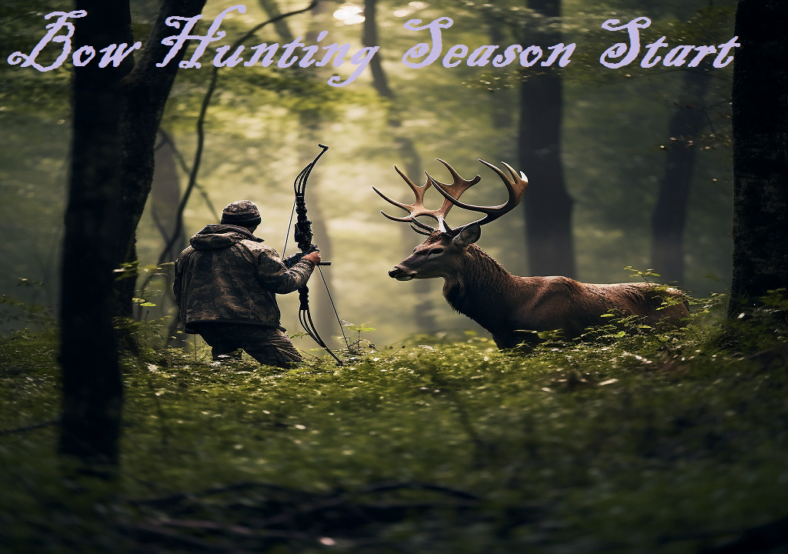
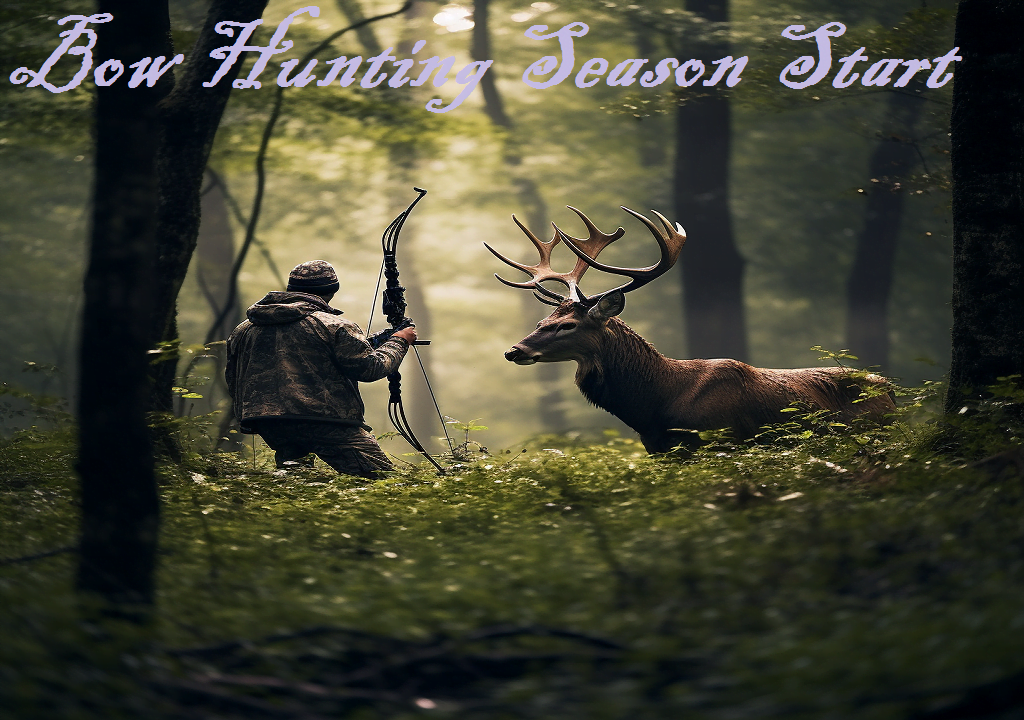
When Does Bow Hunting Season Start?

The Ultimate Guide to Understanding Bow Hunting Seasons and its Multifaceted Dimensions

Table of contents

Introduction

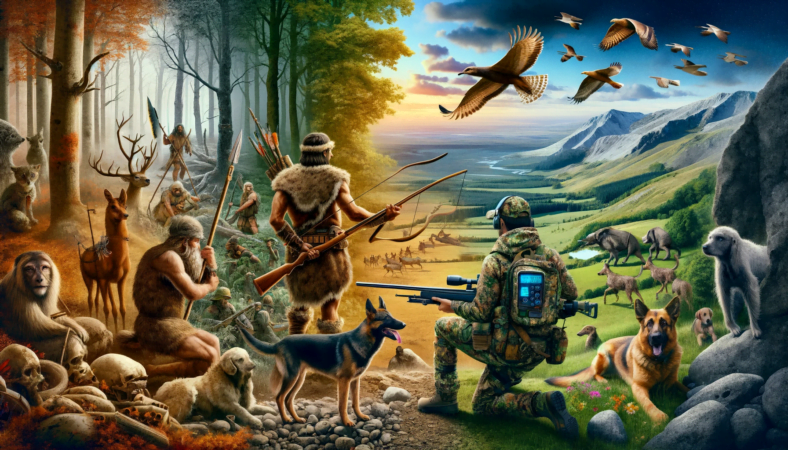
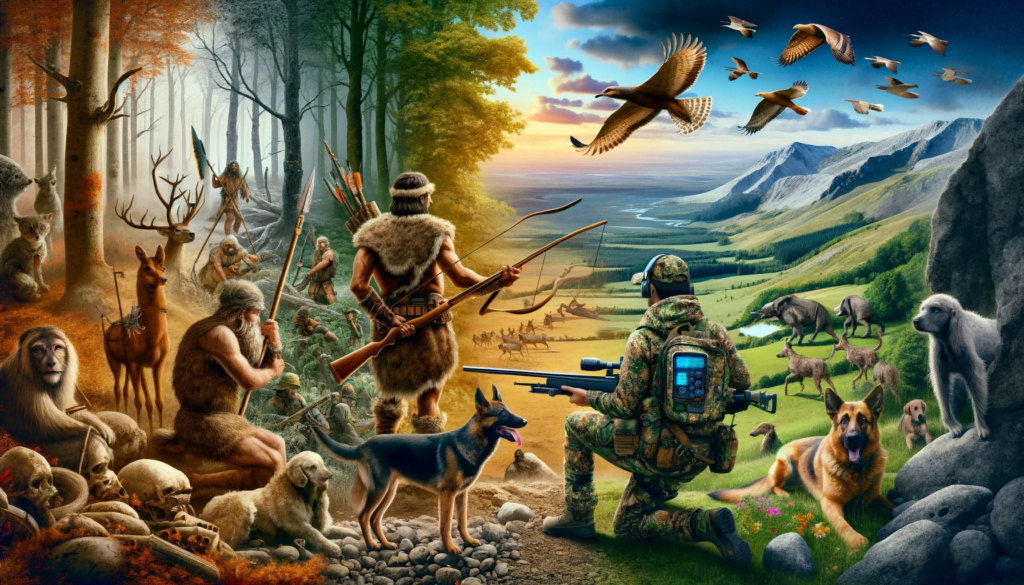
Bow hunting, an ancient art, intertwines the tapestry of survival, cultural heritage, sportsmanship, and conservation. For those passionate about it, understanding the hunting season isn’t just about dates—it’s about the entire ecosystem.

A Historical Overview of Bow Hunting

The Dawn of Archery

From cave paintings to historical scriptures, evidence suggests:

  • Early Beginnings: Man’s earliest recorded hunts used sharp stones tied to sticks.
  • Archery Evolution: Bows were an upgrade, allowing distance and precision.

Medieval Importance

  • Sieges & Conquests: Bows weren’t just for hunting; they were primary warfare weapons.
  • Cultural Impact: The legend of Robin Hood showcases both the skill and societal implications of archery.

Modern Transition

As civilization evolved:

  • Firearms Rise: Bows took a backseat.
  • Sportsmanship Emergence: Modern archery and bow hunting became more about sport and heritage.

The Intricacies of the Bow Hunting Calendar

Biodiversity & Seasons

  • Local Ecosystems: What species are indigenous? Their life cycle affects the hunting season.
  • Climate Impact: Harsh winters may push seasons earlier, while milder climates might see a later start.

Conservation Science

The science of conservation plays a part:

  • Animal Surveys: Regular population checks ensure species aren’t overhunted.
  • Ecosystem Health: It’s not just about animal numbers but the health of the entire ecosystem.

Zooming into Regions: A Global Analysis

North America

  • USA:
    • Southeast: With milder winters, bow hunting starts by late September.
    • Rocky Mountains: Elk bow hunting is popular, beginning usually in early September.
  • Canada: Given the varied topography, the seasons can range from August to October.

Europe

  • Germany: With a rich hunting tradition, bow hunting seasons are rigorously defined, often starting in early October.
  • Spain: The Iberian Peninsula offers unique game, like the Ibex, with seasons beginning around November.

Asia & Oceania

  • Japan: With a profound respect for nature, the archipelago sees deer hunting seasons commence by October.
  • Australia: Beyond kangaroos, the diverse ecosystem offers varied hunting opportunities, starting generally in March.

The Hunt Before The Hunt: Preparations

Skill Refinement

  • Archery Ranges: Regular practice is vital.
  • Bow Hunting Workshops: These focus not just on shooting but tracking and conservation knowledge.

Gear Assessment

  • Bow Upgrades: Modern bows offer incredible customization.
  • Camouflage & Scent Blockers: These can enhance the hunting experience and success rates.

Field Scouting

  • Terrain Knowledge: Familiarizing oneself with the hunting grounds can give an edge.
  • Animal Behavior: Recognizing signs, tracks, and trails are crucial.

Why Seasons Matter: Beyond the Dates

Economic Implications

  • Local Economies: Hunting seasons can boost local businesses – from gear shops to lodges.
  • Permit Revenues: Often funneled back into conservation efforts.

Cultural & Community Ties

  • Traditions: Many communities celebrate the start of hunting seasons.
  • Mentorship: Experienced hunters often guide the younger generation, passing down knowledge.

Conclusion

Bow hunting, a blend of skill, patience, and reverence for nature, offers a unique window into the balance of life. By understanding its seasons, one doesn’t just abide by the law but respects the intricate dance of nature.


Frequently Asked Questions (FAQs)

1. How do climate changes affect bow hunting seasons?
Climate shifts can affect animal behaviors, migrations, and breeding patterns, necessitating adjustments in hunting seasons.

2. What if I miss the designated bow hunting season in my region?
It’s crucial to wait for the next designated period or explore regions where the season is active, always respecting local laws.

3. Why are bows still popular given the rise of firearms?
Bows offer a traditional, stealthier, and often more challenging hunting experience. Many appreciate the skill and patience it demands.

4. Are there any global organizations overseeing bow hunting?
While no single global entity oversees bow hunting, many international organizations promote ethical hunting and conservation.

5. How do local communities benefit from bow hunting seasons?
Local communities can see boosts in tourism, sale of hunting permits, and increased business for local shops and lodges.


Through this expansive exploration, we hope to offer readers not just knowledge but an appreciation for the profound world of bow hunting.
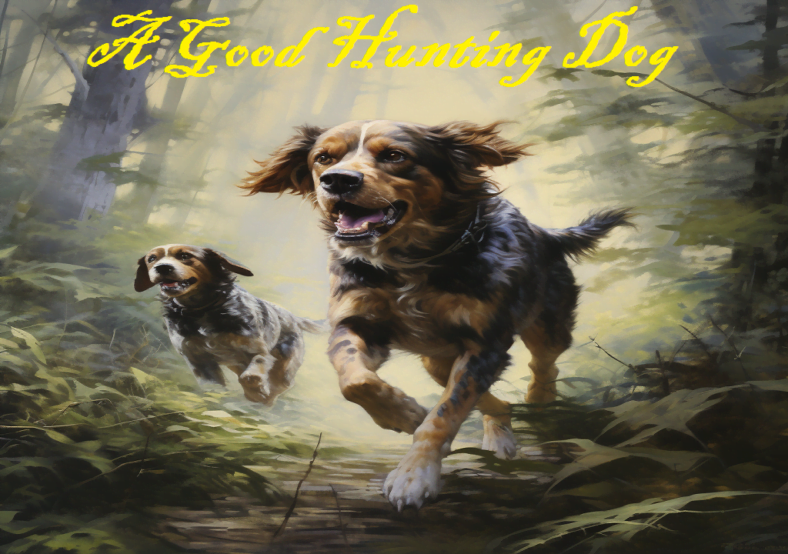
What is a good hunting dog?

Unraveling the Traits, Training, and Triumphs of Exceptional Hunting Canines.

Table of contents

1. Introduction to Hunting Dogs

Why do humans and dogs hunt together?

  • Historical Background: From ancient times, humans have harnessed the instincts of wolves, turning them into reliable hunting companions, leading to the domestication of dogs.
  • Evolution of Hunting Breeds: Over centuries, selective breeding has led to the creation of specific breeds for different hunting needs.

2. Key Qualities of a Good Hunting Dog

What makes some dogs stand out in the field?

  • Stamina and Endurance: Hunting requires dogs to be agile, especially during long hunts.
  • Trainability: A dog that can follow commands quickly is crucial. This stems from intelligence and a desire to please.
  • Sense of Smell: The ability to track based on scent is vital. Some dogs can differentiate between the subtlest of smells.

Delve into the breeds that have made their mark.

  • Labradors: Versatile hunters and known for their good temperament.
  • Pointers: Exceptional bird hunters, they can “point” towards the game.
  • Hounds: Known for tracking over long distances. Bloodhounds, for instance, have an impeccable scent memory.

4. Training a Hunting Dog

Crafting an ace hunting companion from a pup.

  • Starting Young: Introducing pups to the wilderness, and to scents can create an early love for hunting.
  • Advanced Techniques: Training in retrieving, pointing, and flushing takes time and patience. Using tools like decoys and scent trails can help.

5. Caring for Your Hunting Companion

Ensuring longevity and health.

  • Diet: A protein-rich diet can provide the energy required.
  • Regular Vet Visits: Early detection of potential health issues ensures longevity.
  • Mental Stimulation: Keeping them mentally engaged during off-seasons is crucial.

6. The Role of Scent in Hunting

The olfactory world of dogs.

  • Olfactory Cells: Dogs have up to 300 million olfactory cells compared to a human’s 6 million, making their sense of smell 40 times better than ours.
  • Differentiating Scents: A trained hunting dog can tell the difference between a fresh trail and an old one.

7. Ethical Considerations

Hunting in the modern age.

  • Fair Chase: Ensuring the hunt respects the animal, giving it a fair chance to escape.
  • Limiting Hunts: Ensuring populations of hunted animals remain stable.

8. The Bond Between Hunter and Dog

More than just companions.

  • Trust: Hunting often puts both in potentially dangerous situations. Trusting each other is vital.
  • Shared Triumphs: Celebrating a successful hunt together strengthens the bond.

9. Beyond Hunting: Dogs as Family

Life after the hunt.

  • Family Integration: Many hunting dogs are gentle and can adapt to family life seamlessly.
  • Off-season Activities: Engage in activities like hiking or fetch to keep them active.

10. The Future of Hunting Dogs

Where does the future lie?

  • Technological Impact: Drones and other tech might change hunting dynamics.
  • Breed Preservation: Ensuring the continuation of purebred hunting dogs might become a challenge.

Conclusion:

From ancient times to today, hunting dogs have remained a testament to the bond between man and dog. Their dedication, intelligence, and skills in the field make them invaluable. Yet, it’s their loyalty and companionship that truly make them special.


FAQs

  1. What age is best to start training?
    • While basic training can start as early as eight weeks, hunting-specific training is best started at around six months.
  2. How do I ensure my dog doesn’t harm non-game animals?
    • Proper training and consistent reinforcement of commands are essential to prevent unintentional chasing.
  3. Can old dogs be trained to hunt?
    • While younger dogs learn faster, older dogs can be trained, albeit with more patience and time.
  4. What are the signs of overexertion in hunting dogs?
    • Look out for heavy panting, limping, or a reluctance to move. Always ensure they’re hydrated.
  5. How do I transition my hunting dog to a family pet during off-seasons?
    • Gradual introduction to the home environment and consistent training can make the transition smooth.

Every hunter has a story about their faithful canine companion. These tales not only highlight the skills of these remarkable animals but also the deep bonds formed in the heart of nature.

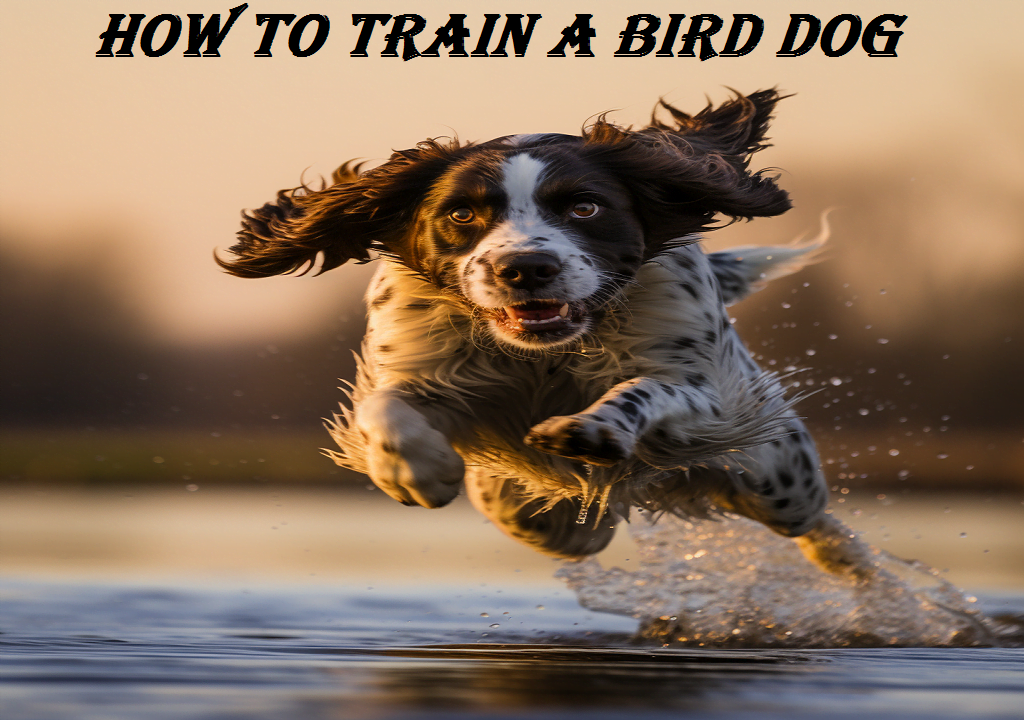
How to Train a Bird Dog: A Masterclass

Ah, bird dogs! They’re not just pets; they’re partners in the field. But how do we harness their raw energy? Let’s dive into the intricate world of training.

Table of contents

1. Understanding Bird Dogs

1.1. Instincts and Innate Abilities

All bird dogs come pre-programmed with certain instincts, like pointing or flushing. These are natural behaviors that don’t need to be taught, but they do need to be refined.

1.2. Breeds and Their Peculiarities

Pointer, Setter, Retriever, Spaniel — each breed has its strengths and quirks. Know your dog’s lineage to optimize its training.

1.3. The Role of Genetics

Just as in humans, a dog’s genetics play a huge role in its abilities. While training can do a lot, understanding its lineage can give insights into its strengths and weaknesses.

2. Starting Early

2.1. Puppyhood: The Golden Phase

Training should ideally start when they’re young. Introduce them to feathers, let them chase butterflies; make them curious about the world.

2.2. Socialization is Key

Take your puppy to different environments. Forests, lakes, fields — the more they experience, the more adaptable they become.

2.3. Positive Reinforcement: The Magic Wand

Young dogs respond to positive feedback. Always reward good behavior, be it with treats, praises, or belly rubs.

3. Basic Obedience

3.1. The Foundation of Commands

Commands form the basics of any training. The three essentials? “Sit,” “Stay,” and “Come.” Use verbal cues and hand signals for best results.

3.2. Consistency in Training

It’s not just about training; it’s about training consistently. Regular sessions, even if short, are crucial.

3.3. The Power of Repetition

Dogs learn by repetition. It helps reinforce commands and behaviors, making them second nature.

4. Field Work and Exposure

4.1. Introducing the Gun

Start with cap guns or distant noises. Gradually bring them closer to the real deal, always ensuring your dog associates the sound with positivity.

4.2. Birds: The Real Deal

Begin with dummies, then graduate to pen-raised birds. This ensures controlled exposures before real field situations.

4.3. The Terrain Matters

Dogs need to navigate various terrains. Train in woods, fields, and even marshes to ensure versatility.

5. Advanced Techniques

5.1. Steadying to Wing and Shot

It’s about balance. Your dog needs to stay put when a bird takes flight but also needs to be alert. Use whistle commands and gentle corrections.

5.2. Handling and Directing in the Field

Dogs should follow your lead. Using a combination of whistle, voice, and hand signals, guide your dog to the desired direction.

5.3. The Retrieve: Art and Science

Train your dog to retrieve to hand, ensuring it doesn’t damage the bird. Start with dummies, then shift to actual game.

6. Challenges and Solutions

6.1. When Fido is Too Fierce

Over-aggression can be tempered with calm assertiveness. A professional might be needed for extreme cases.

6.2. Distractions and Their Cure

Minimize distractions during initial training phases. As they become more trained, gradually introduce them to distractions to improve focus.

6.3. The Fear Factor: Overcoming Phobias

Be it water or loud noises, address fears gradually. Introduce them slowly, rewarding bravery.

7. Maintenance and Fitness

7.1. Diet: Fueling the Hunter

High-protein, quality dog food ensures stamina and health. Avoid table scraps and always keep fresh water available.

7.2. Exercise Regimes

Daily exercise keeps the dog in shape. Mix activities like fetching, swimming, and running for overall fitness.

7.3. Health Check-ups: Don’t Skip!

Regular vet visits will ensure your dog remains in peak condition, ready for the field.

8. Competitions and Beyond

8.1. Prepping for the Big League

Competitions require precision. Work with professional trainers, attend preparatory events, and ensure your dog is mentally ready.

8.2. Beyond Hunting: Other Fun Activities

Agility training, flyball, dock diving — bird dogs excel in various activities. It’s a great way to bond and keep them engaged off-season.

9. Aging and Retirement

9.1. When to Slow Down

Notice signs of slowing down or stiffness. Modify training and hunting sessions accordingly.

9.2. Keeping the Older Dog Engaged

Engage them in light activities. Nose work or simple fetch games can keep them mentally stimulated.

10. Community and Support

10.1. Finding Fellow Enthusiasts

Join local clubs or online forums. Share experiences, learn from veterans, and maybe even find hunting partners.

10.2. Professional Help: When and Why

If you hit a roadblock in training, don’t hesitate to seek a professional trainer. Their expertise can provide solutions and fresh perspectives.


Conclusion

Training a bird dog is an art, a dance between instinct and discipline. It’s a rewarding journey that strengthens the bond between man and his best friend. Here’s to many successful hunts and a bond that lasts a lifetime!


FAQs

  1. How long does it typically take to train a bird dog?
    Answer: While basics can be covered in 6-8 months, full proficiency might take 1-2 years.
  2. Can older dogs be trained as bird dogs?
    Answer: Yes, with patience and modified expectations. The saying “You can’t teach an old dog new tricks” isn’t entirely true!
  3. How often should I train my bird dog?
    Answer: Daily sessions are ideal. Short, consistent training is more effective than occasional intense sessions.
  4. Do females or males make better bird dogs?
    Answer: All genders have their strengths. Choose based on individual temperament rather than gender.
  5. What if my dog is afraid of guns?
    Answer: Gradual exposure, associating gun sounds with positive experiences, can help. Take baby steps and be patient.

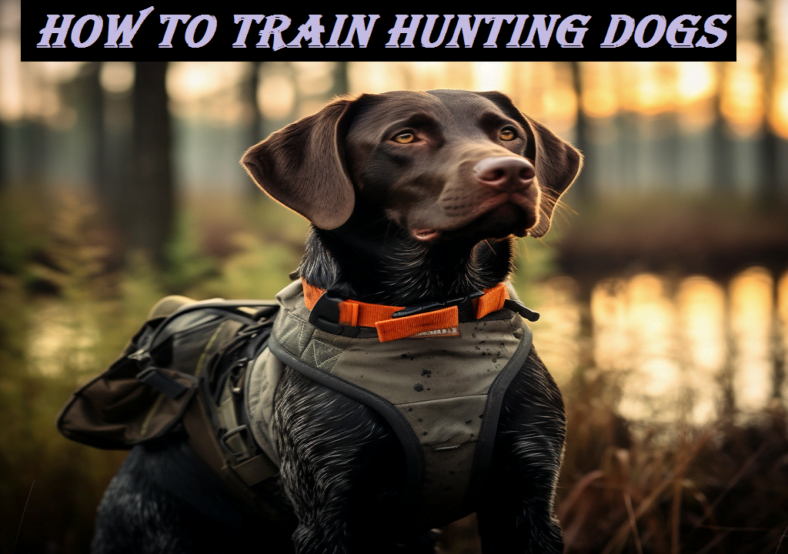
How to Train Hunting Dogs: Mastering the Art

Table of contents

Introduction

From ancient civilizations to modern times, hunting dogs have played a pivotal role in assisting hunters in capturing their prey. But what goes into molding an enthusiastic pup into a focused, obedient hunting partner? This guide will delve into the nuances of training hunting dogs, examining the tools, techniques, and dedication required.

1. Understand the Basics

  • 1.1. Choosing the Right Breed
    • Different breeds possess unique skill sets. From the precise pointing of the English Setter to the relentless retrieving of a Labrador, selecting the right breed determines your hunting success.
    • Research is pivotal. For waterfowl, retrievers like Labradors or Golden Retrievers are preferred. For upland game, pointers or setters might be more apt.
  • 1.2. Age Matters
    • Begin with socialization as soon as you bring the puppy home. Familiarize them with various sights, sounds, and environments.
    • Formal training should start at about 6 months, but basic obedience can start as early as 8 weeks.

2. Essential Equipment for Training

  • 2.1. Training Collars and Leads
    • E-collars can correct behavior from a distance. While they can be effective, they should be used judiciously and never as a form of punishment.
    • Leads guide dogs during initial training sessions, teaching them boundaries and obedience.
  • 2.2. Training Dummies and Birds
    • Dummies help simulate real-life hunting scenarios. They come in various shapes, sizes, and even scents.
    • Transitioning to real birds (like pigeons) can help hone the dog’s tracking and retrieving skills.

3. The Training Process

  • 3.1. Obedience is the Key
    • Start with commands such as ‘sit,’ ‘stay,’ and ‘come.’ Reinforce them daily.
    • Consistency in commands and your reaction to the dog’s responses is crucial.
  • 3.2. Field Training
    • Start in a controlled environment. Gradually introduce distractions to train focus.
    • Recall training ensures that the dog returns to the hunter after making a find.

4. Advanced Training Techniques

  • 4.1. The Art of Retrieving
    • A ‘soft mouth’ ensures the game is returned without damage. This can be trained using dummies, rewarding gentle behavior.
    • Returning to the handler is as important as fetching. Train with positive reinforcements.
  • 4.2. Scent Work and Tracking
    • Begin with familiarizing the dog with basic scents.
    • Introduce layers of complexity, like tracking in diverse terrains.

5. Addressing Common Challenges

  • 5.1. Overexcitement and Impulsiveness
    • Overenthusiastic dogs can scare away the game. Train patience using ‘stay’ and ‘wait’ commands.
    • Establish yourself as the pack leader. This helps control impulsive behaviors.
  • 5.2. Fear and Anxiety
    • Counter-conditioning can be effective. Associate the fearful stimulus with something positive.
    • Repeated exposure (desensitization) to mild versions of the fear source can also help.

6. Continuous Learning and Adapting

  • 6.1. Adapting to Different Prey
    • A versatile hunting dog can switch between game types. This requires separate training sessions focusing on the behavior of different animals.
    • Observe the dog’s reaction and adapt the training methods accordingly.
  • 6.2. Off-Season Training
    • Mental and physical stimulation is vital. Engage them in fetch games or scent tracking.
    • Reinforce old commands and introduce new ones.

7. The Hunter’s Ethics

  • 7.1. Safe Hunting Practices
    • Train the dog to stay behind firearms and be cautious around water bodies.
    • Ensure they have protective gear, especially in dense terrains.
  • 7.2. Respect for Wildlife
    • Encourage non-lethal retrievals during training.
    • Familiarize yourself with local wildlife protection regulations and adapt training accordingly.

8. Bonding: More Than Just Training

  • 8.1. Building Trust and Understanding
    • Spend time outside of training sessions. Play, walk, or simply relax together.
    • Understand the dog’s cues, as they often communicate through body language.
  • 8.2. The Role of Play
    • Games stimulate the dog’s natural instincts and can be educational.
    • ‘Hide and seek’ can hone their tracking skills, while fetch games improve retrieval.

9. Nutrition and Care for Hunting Dogs

  • 9.1. Special Dietary Needs
    • High-protein diets support their energy needs. Consult a vet for dietary advice.
    • Ensure they are hydrated, especially during long hunts or training sessions.
  • 9.2. Regular Vet Check-ups
    • Routine checks can preemptively address health issues.
    • Vaccinations and parasite controls are essential for dogs that spend time outdoors.

10. Celebrating Successes and Milestones

  • 10.1. Recognizing Achievements
    • Rewards, be it treats or praises, reinforce positive behavior.
    • Document milestones. They serve as motivation and a reminder of the journey.
  • 10.2. Continuous Improvement
    • Training is an ongoing process. Regularly evaluate the dog’s performance and address any gaps.
    • Stay updated with new training techniques or equipment.

Conclusion

The journey of training a hunting dog is filled with challenges, milestones, and memorable moments. While it requires patience, the end result—a loyal, skilled, and responsive hunting companion—is worth every effort.

FAQs

  1. What age should I start training my hunting dog?
    • Ideally, training starts as early as a few weeks old with basic obedience and socialization. Formal hunting training typically begins around six months.
  2. Do all breeds have the instinct for hunting?
    • While some breeds are naturally predisposed to hunting, every dog has a basic prey drive. It’s about harnessing and refining that instinct.
  3. How do I address aggressive behavior in my hunting dog?
    • Aggression needs to be addressed immediately. Consult with a professional trainer, and focus on positive reinforcement techniques.
  4. Can a hunting dog also be a family pet?
    • Absolutely! With the right training, a hunting dog can be a loving and obedient family member.
  5. How long does it take to fully train a hunting dog?
    • It varies depending on the dog and the specific hunting skills. Generally, expect anywhere from a few months to a couple of years for comprehensive training.

Training a hunting dog is a journey. It’s filled with challenges, but the bond and partnership you form with your dog make it all worthwhile. Happy hunting!

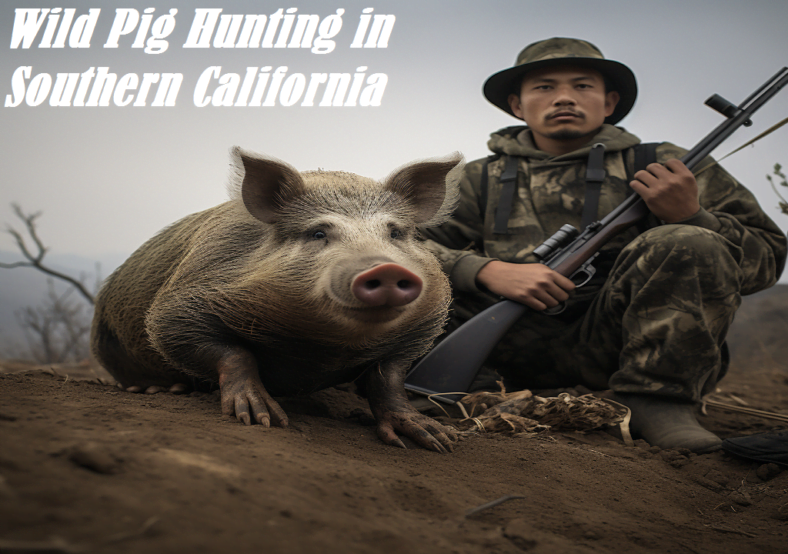
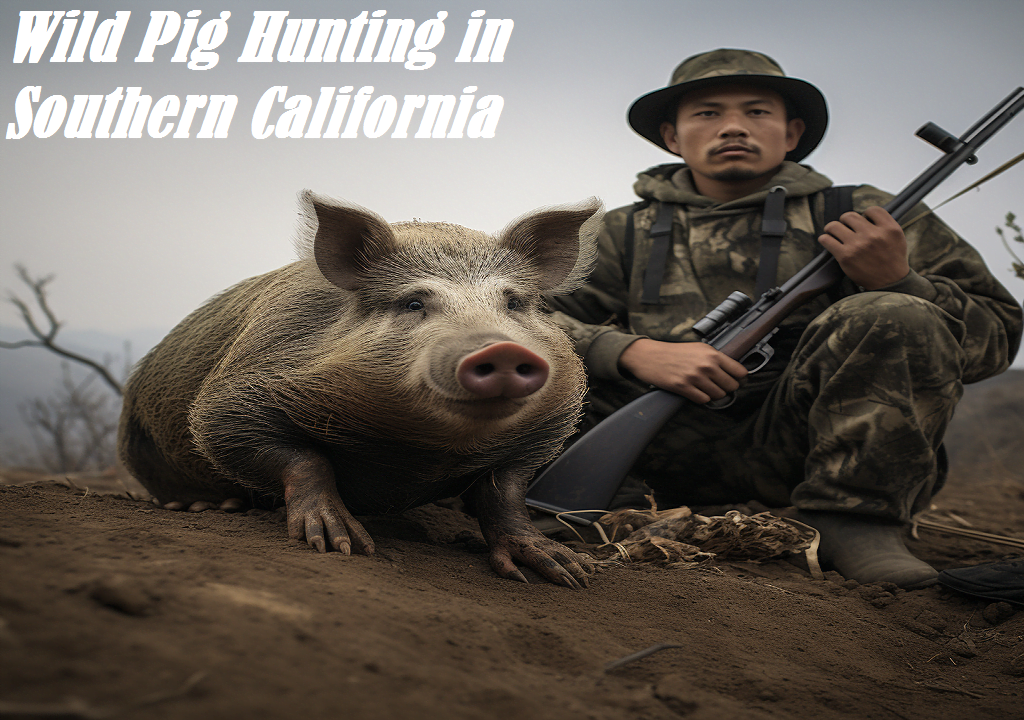
Wild Pig Hunting in Southern California: An Uncharted Adventure

Table of contents

When it comes to thrilling experiences in the wild, hunting wild pigs in Southern California ranks high. But what makes this hunting experience so unique, and how can you embark on this exhilarating journey safely and ethically? Let’s delve deep!

1. Introduction: The Lure of the Wild Pig

  • Why Hunt Wild Pigs?
    Ever thought about what draws people to hunting wild pigs? The answer lies in the thrill, the challenge, and the deep-rooted human connection to nature.
  • Southern California’s Hunting Landscape
    With its diverse topography and abundant wildlife, SoCal provides the ideal hunting ground for those seeking adventure.

2. Understanding Your Quarry: The Wild Pig

  • Physical Characteristics
    Know the beast! Recognizing a wild pig’s features can make your hunting trip more fruitful.
  • Habitual Patterns
    Observing their daily routines can give you the edge.

3. Pre-Hunt Preparations

  • Essential Gear to Pack
    From rifles to binoculars – what’s in the bag of a seasoned pig hunter?
  • Safety Measures to Follow
    In the wild, safety comes first.

4. Ethical Hunting: The Respectful Approach

  • Why Ethical Hunting Matters
    As stewards of nature, we have a responsibility. But what does ethical hunting look like?
  • Best Practices for Humane Harvesting
    Ensuring a swift and painless end is paramount.

5. Tips & Tricks for a Successful Hunt

  • Best Times to Hunt
    Early bird gets the worm, but what about the wild pig?
  • Locating the Perfect Spot
    Terrain, water sources, and other secrets to finding your quarry.

6. Processing Your Prize

  • Field Dressing 101
    Once you’ve secured your pig, the real work begins.
  • Cooking Ideas
    From roasts to stews – wild pig is a delicacy!

7. Legalities & Licensing

  • Understanding California’s Hunting Laws
    Stay on the right side of the law.
  • Acquiring the Necessary Permits
    A step-by-step guide to becoming a licensed hunter in Southern California.

8. Benefits of Wild Pig Hunting

  • Ecological Impacts
    Did you know that hunting wild pigs can be beneficial for the environment?
  • Personal Growth & Development
    Beyond the thrill, there’s a world of learning in every hunt.

9. Common Misconceptions

  • Busting Myths
    Not everything you hear about wild pig hunting is true.
  • Understanding the Risks
    With great adventure comes great responsibility.

10. Conclusion: The Call of the Wild

The allure of wild pig hunting in Southern California goes beyond mere sport. It’s a journey, a lesson, and a testament to the primal bond between man and nature.

FAQs

  1. How long is the wild pig hunting season in Southern California?
    The season typically runs year-round, but it’s essential to check local regulations for any changes.
  2. Are there any age restrictions for hunters?
    Yes, hunters under 16 require a Junior Hunting License and must be accompanied by a licensed adult.
  3. Can I hunt on private land?
    Only with explicit permission from the landowner.
  4. What’s the average size of a wild pig in Southern California?
    Adult wild pigs weigh between 150 to 300 pounds, though some can grow even larger.
  5. Is wild pig meat safe to eat?
    Absolutely! As long as it’s adequately processed and cooked, wild pig meat is delicious and safe.

Remember, while wild pig hunting can offer an adrenaline-pumping experience, always approach the sport with respect for the animal and the environment. Happy hunting!

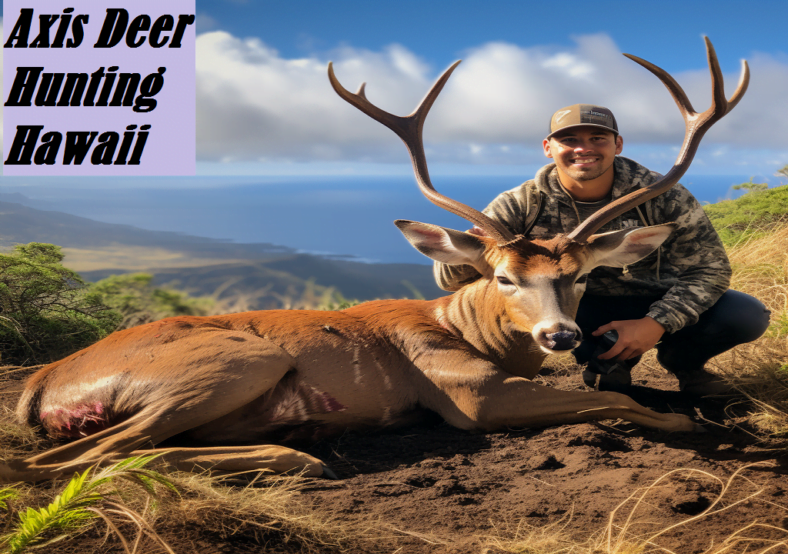
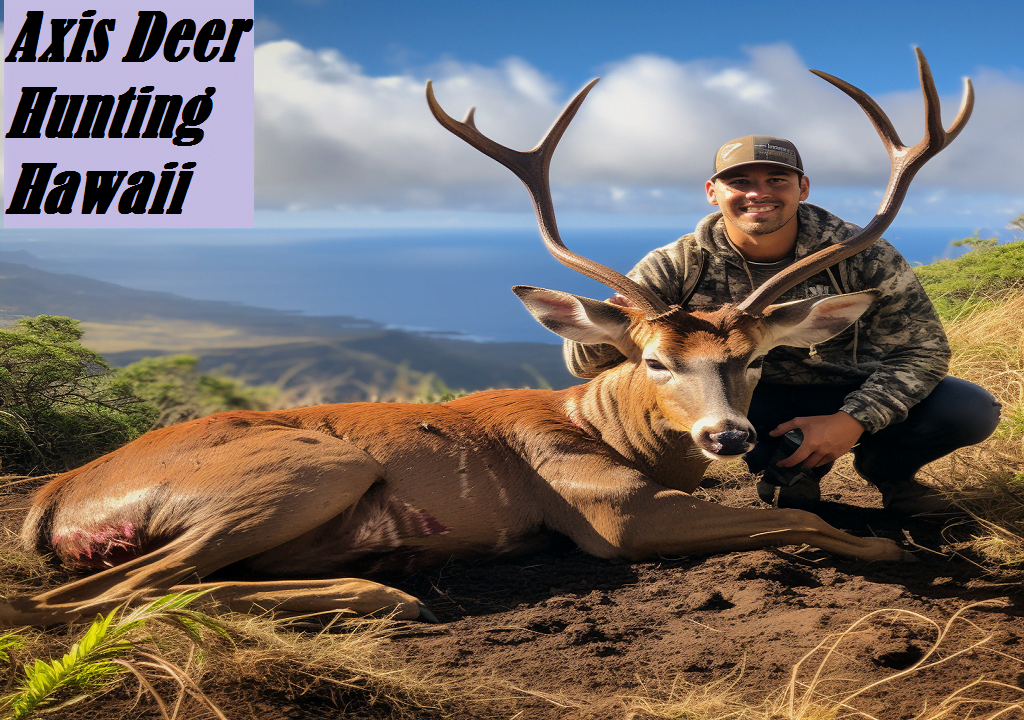
Axis Deer Hunting in Hawaii: An Island Adventure

Table of contents

The verdant landscapes of Hawaii, with its diverse terrains and tropical allure, have long been a magnet for tourists. But apart from its pristine beaches and lush rainforests, Hawaii presents a unique hunting opportunity: the axis deer.

The Arrival of the Axis Deer

Origins and Background

Originally from India, the axis deer, also known as the chital, was introduced to Hawaii in the 1860s as a gift to King Kamehameha V. Unlike its mainland counterparts, the axis deer in Hawaii has a special role in the ecological balance of the island.

The Growth and Spread

Over the years, with no natural predators, their population surged, leading to both ecological concerns and an increased interest in hunting them.

Why Hunt Axis Deer in Hawaii?

Eco-Responsibility

Hunting axis deer aids in managing their burgeoning population and mitigating the environmental challenges they pose. Isn’t it fascinating how man’s intervention in an ecosystem can sometimes lead to a need for further intervention?

Unique Hunting Experience

Where else can you combine the thrill of hunting with the beauty of an island paradise? Imagine stalking your prey with the backdrop of a setting Hawaiian sun, the air thick with the scent of plumeria.

Gourmet Delight

Prized for its tender, flavorful meat, axis deer provide a leaner alternative to domesticated meats. Ever considered hosting a Hawaiian-themed BBQ with venison on the menu?

Hunting Techniques and Tips

Know the Terrain

Hawaii’s landscapes vary from dense forests to open grasslands. Familiarizing oneself with the terrain can be the difference between success and disappointment.

Stalk or Stationary?

While some prefer the thrill of stalking their prey, others may find success in waiting at a choice location. Remember, patience is a virtue, especially in hunting.

Equip Right

The unique terrains of Hawaii might require specific equipment. It’s not just about the weapon; think about the shoes, the camouflage, and even the local weather.

Permits and Seasons

Like all hunting, it’s imperative to have the right permits and to hunt during the designated seasons.

Respect the Land

Hawaii is a land of rich cultural heritage and ecological diversity. Ensuring you leave no trace and respect local customs is paramount.

Safety First

While hunting is an adventure, ensuring personal and environmental safety should be a top priority.

Stories from the Field

The One That Got Away

Every hunter has a tale of the one that slipped away. Hawaii, with its diverse landscapes, offers some of the most thrilling (and sometimes humorous) stories.

First-Timers in Paradise

Imagine being on your first hunt and that too in Hawaii! Many recall their initial experiences with a mix of awe and nostalgia.

Conclusion

Axis deer hunting in Hawaii offers a blend of ecological responsibility and adventure. With the right preparation and respect for the land and its creatures, it can be an experience of a lifetime.

FAQs

  1. How did axis deer reach Hawaii?
    Introduced as a gift to King Kamehameha V in the 1860s, the axis deer has since become an integral part of Hawaii’s ecosystem.
  2. Are there specific seasons for axis deer hunting?
    Yes, hunting seasons are designated to ensure sustainable hunting practices. Always check local regulations.
  3. Is it true that axis deer meat is leaner than regular venison?
    Absolutely! Many hunters and chefs prize axis deer for its tender, flavorful, and leaner meat.
  4. Do I need a special permit for hunting axis deer in Hawaii?
    Yes, like all hunting activities, you’ll need the appropriate permits and adhere to specific regulations.
  5. Can I hire a guide for my hunting trip?
    Of course! There are many experienced guides and outfitters in Hawaii who can enhance your hunting experience.

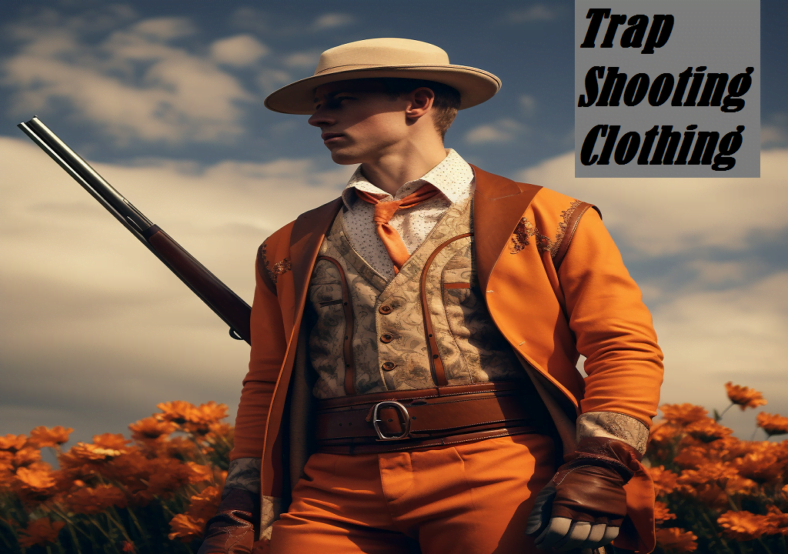
Mastering Trap Shooting Clothing: The Perfect Blend of Performance and Style

Table of contents

Introduction: Dressing for Success on the Trap Shooting Range

Imagine the thrill of standing on a trap shooting range, shotgun in hand, eyes locked on the target soaring through the air. In the dynamic world of trap shooting, your clothing is more than just an outfit; it’s a vital component of your performance. Join us as we delve into the world of trap shooting clothing, where functionality meets fashion, and comfort is seamlessly fused with precision.

The Art of Equipping Yourself

Beyond the Basics: Clothing as a Tactical Asset

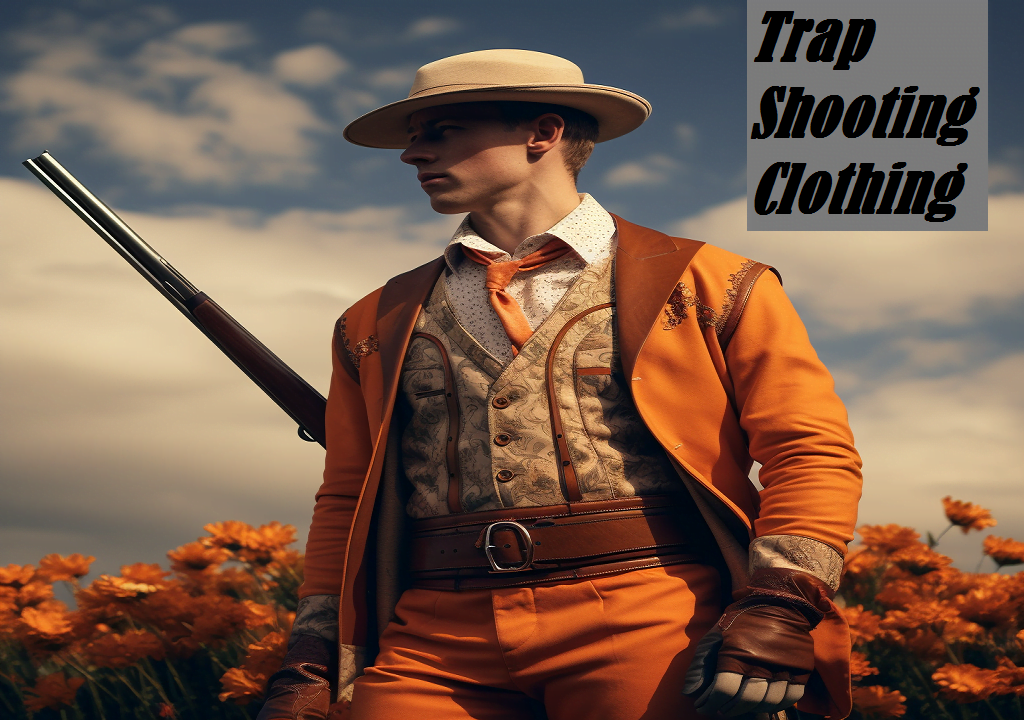
Step onto the trap shooting range with confidence, knowing that your attire plays a pivotal role in your shooting performance. Trap shooting clothing isn’t just about adhering to a dress code; it’s about optimizing movement, minimizing distractions, and ensuring your comfort while taking precise shots. Elevate your shooting experience with attire that complements your skill.

Mobility and Comfort

Freedom to Perform: Clothing for Seamless Movement

Picture attire that feels like a second skin, enabling unrestricted motion – that’s the hallmark of effective trap shooting clothing. Your clothing should provide a comfortable fit that allows you to smoothly mount your shotgun and execute your shots effortlessly. Look for shooting jackets and shirts with ergonomic designs that cater to the fluid motions required for trap shooting.

Temperature Regulation

Keeping Cool Under Pressure: Breathable Fabrics

Imagine garments that keep you comfortable even in intense shooting sessions – that’s the magic of moisture-wicking fabrics. Opt for trap shooting clothing made from breathable materials that efficiently manage moisture, ensuring you stay dry and comfortable. Moisture-wicking shirts and lightweight pants help maintain your body temperature and prevent discomfort during extended shooting sessions.

Adaptable Layering

Conquering Changeable Weather: The Importance of Layering

Imagine being prepared for all weather conditions – that’s the power of layering in trap shooting clothing. The unpredictable nature of weather demands adaptable clothing. Begin with a moisture-wicking base layer, add an insulating layer, and top it off with a windproof and waterproof outer shell to shield you from the elements.

Recoil Management

Absorbing Impact: Recoil-Reducing Clothing

Imagine clothing that actively minimizes the impact of recoil – that epitomizes the genius behind recoil-reducing trap shooting attire. Repetitive shooting generates recoil, which can cause discomfort or even injury. However, specialized shooting vests and shirts come with cushioning pads that absorb and distribute this recoil, reducing shoulder strain and letting you zero in on your shots.

Vest Essentials

Smart Storage: The Utility of Trap Shooting Vests

Envision a vest, specifically designed for your needs, which seamlessly integrates compartments for all your shooting essentials. First and foremost, these vests offer strategically placed pockets for your shotgun shells. Additionally, there are dedicated pouches for ear protection and shooting glasses. Moreover, they ensure that other vital accessories are also accommodated. Consequently, with everything conveniently positioned and within arm’s reach, you’re empowered to concentrate wholly on your shots, eliminating any potential distractions.

Eye Protection

Crystal Clear: Shooting Glasses for Safety and Precision

Picture shooting glasses that enhance your visual clarity – that’s the significance of eye protection in trap shooting. Shooting glasses not only shield your eyes from debris but also enhance contrast and clarity. Opt for lenses that minimize glare and improve target visibility, ensuring your shots are precise and on target.

Hearing Safeguard

Preserving Sound: Ear Protection on the Range

Imagine safeguarding your hearing without impeding communication – that’s the role of shooting earmuffs and earplugs. Protecting your ears from the deafening sound of repeated shots is essential for maintaining your long-term hearing health. Consider electronic earmuffs that suppress loud noises while allowing you to hear range commands and hold conversations.

Merging Style and Substance

Confident Elegance: Fashionable Trap Shooting Attire

Picture attire that embodies both style and functionality – that’s the charm of modern trap shooting clothing. Contemporary trap shooting clothing offers a diverse array of styles, colors, and designs that allow you to express your personality while adhering to safety and functionality. From classic tones to vibrant hues, you can find clothing that resonates with your unique identity.

The Finishing Touches

Completing the Ensemble: Selecting the Right Accessories

Imagine adding the final touches to your appearance – that’s the last step in assembling your trap shooting attire. A broad-brimmed hat offers protection from the sun and enhances visibility, while shooting gloves enhance your grip and minimize hand fatigue. Don’t overlook the significance of a sturdy belt to support your gear’s weight and ensure a secure fit.

Conclusion: Your Victory Ensemble

In the realm of trap shooting, clothing isn’t just an afterthought; it’s an indispensable part of your performance and enjoyment. The right clothing ensures optimal movement, maximizes your comfort, and fine-tunes your accuracy. As you stand on the trap shooting range, dressed in an ensemble that merges both style and function, you epitomize the fusion of precision and flair that distinguishes the modern trap shooter.


FAQs (Frequently Asked Questions)

Q1: Can I use regular sportswear for trap shooting?
A1: While regular sportswear can be used for trap shooting, specialized trap shooting clothing offers enhanced functionality. Trap shooting attire is designed to provide comfort, unhindered movement, and specific features like recoil reduction and convenient shell storage.

Q2: Are there recommended colors for trap shooting clothing?
A2: While there aren’t strict color rules, it’s advisable to choose subdued colors that won’t distract you or other shooters on the range. Classic neutrals and earth tones are popular choices, blending harmoniously with the natural surroundings.

Q3: Are there safety requirements for trap shooting clothing?
A3: Although there are no stringent safety requirements, eye protection and hearing protection are vital for your safety on the range. Shooting glasses shield your eyes from debris, and earmuffs or earplugs protect your ears from the loud noise generated by repeated shots.

Q4: Can I find trap shooting clothing suitable for different weather conditions? A4:
Yes, trap shooting clothing is available for various weather conditions. Seek out moisture-wicking and breathable fabrics for warm weather, as well as layering options for colder temperatures. Waterproof and windproof outer shells are also accessible to shield you from rain and wind.

Q5: Are there specific brands that specialize in trap shooting clothing?
A5: Several brands specialize in trap shooting clothing, offering a wide range of options for people. Browning, Beretta, Winchester, and Shoot Like A Girl are some of the popular brands. Exploring different brands allows you to find clothing that aligns with your preferences and style.

Mastering the Art of Hunting Techniques: From Stealth to Strategy

Table of contents

Introduction: Unveiling the Hunter’s Craft

Imagine a world where humans channel their primal instincts to track, pursue, and capture elusive prey. Hunting, an ancient practice, has evolved into a delicate blend of skill, strategy, and respect for nature. Join us as we embark on a journey into the realm of hunting techniques, where the hunter’s craft takes center stage, from stalking to trapping, from camouflage to marksmanship.

The Hunter’s Code

Ethics and Responsibility: Hunting’s Moral Foundation

Step into the hunter’s shoes and explore the fundamental principles that govern ethical hunting. Respect for the environment, conservation of wildlife, and adherence to legal regulations form the backbone of responsible hunting practices, ensuring that nature’s balance remains intact.

Stalking the Shadows

Stealth and Patience: The Art of Stalking

Imagine becoming one with the surroundings, moving silently through the wilderness – that’s the essence of stalking. Hunters master the art of blending in, using cover, camouflage, and wind direction to get close to their prey unnoticed. Stalking demands patience, keen observation, and an intimate understanding of animal behavior.

Camouflage Mastery

Nature’s Disguise: The Power of Camouflage

Picture an artist using colors to create a masterpiece – that’s the essence of camouflage in hunting. With specialized clothing and gear, hunters transform into the landscape, using patterns and colors that match the environment. Effective camouflage diminishes the hunter’s visibility, creating an advantage for a successful approach.

Tracking and Trailing

Reading the Earth: Following Nature’s Clues

Consider this: deciphering a story from footprints, scents, and broken twigs – that’s the essence of tracking in hunting. Furthermore, hunters utilize their keen observational skills to trace the path left behind by the prey. Moreover, from analyzing tracks to recognizing scat and other telltale signs, tracking metamorphoses the landscape into a narrative beckoning to be unraveled.

Baiting and Ambush

Laying the Trap: Baiting and Waiting

Picture a spider weaving its web – that’s the hunter’s approach to baiting and ambush. By setting up attractants such as food or scent, hunters draw prey to a specific location. They then position themselves in concealed spots, awaiting the opportune moment to strike when the prey least expects it.

Aiming True

Precision and Skill: The Art of Marksmanship

Imagine an archer hitting a bullseye – that’s the essence of marksmanship in hunting. Whether with a rifle, bow, or other weapon, hunters hone their accuracy through practice. Mastering factors like distance, wind speed, and target movement ensures a humane and effective shot.

The Chase is On

Pursuit and Stamina: Chasing Down Prey

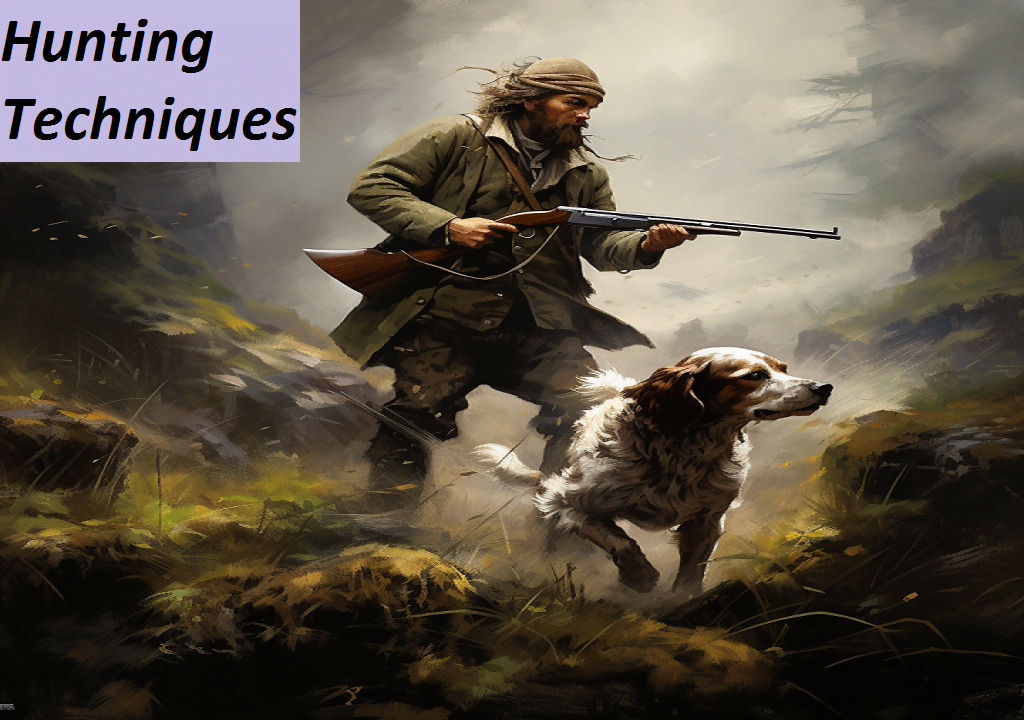
Picture a sprinter racing toward the finish line – that’s the hunter in pursuit. When hunting involves chasing after fast-moving prey, like game birds or hares, endurance and speed become essential. Hunters employ dogs to aid in the chase, leveraging the canines’ speed, agility, and tracking abilities.

Calling and Decoying

Whispers in the Wind: The Art of Vocalization

Imagine a hunter mimicking the calls of birds and animals – that’s calling and decoying. Hunters use devices, such as calls or decoys, to mimic the sounds or appearances of prey. By effectively imitating the calls of animals in distress or in mating season, hunters attract curious prey within range.

Precision Tools and Technology

Beyond the Basics: Harnessing Modern Hunting Gear

Moreover, picture a craftsman using specialized tools – that encapsulates the role of modern gear in hunting. From rangefinders that measure distance to thermal imaging devices that detect heat signatures, technology has seamlessly elevated hunting to new heights, ensuring precision, safety, and efficiency.

Conservation and Sustainability

Balancing Act: Hunting for Ecosystem Health

Imagine a puzzle where each piece plays a vital role – that’s the role of hunting in conservation. Responsible hunting contributes to population control, prevents overgrazing, and maintains balanced ecosystems. Hunters actively engage in habitat preservation and support programs that ensure the sustainability of wildlife.

The Hunter’s Legacy

Passing Down Wisdom: A Tradition of Skill

Consequently, envision a mentor instructing a disciple; this captures the essence of how hunting techniques have been transmitted through the ages. Hunters bequeath their expertise, methodologies, and reverence for the environment to the next generation, forging a connection that spans both history and the present moment.

Conclusion: The Harmonious Hunt

In the realm of hunting techniques, the hunter’s artistry seamlessly merges skill, respect, and an innate reverence for nature’s complex tapestry. Similarly, as a work of art is birthed from deliberate and careful strokes, hunting methods converge to celebrate the profound connection between humans and the wild.


FAQs (Frequently Asked Questions)

Q1: Is hunting still relevant in the modern world? A1: Hunting remains relevant for various reasons, including wildlife management, conservation, and cultural heritage. Responsible hunting contributes to maintaining healthy populations and balanced ecosystems, while also respecting traditional practices.

Q2: Are there different techniques for hunting different types of game? A2: Yes, different types of game require specific hunting techniques. For example, stalking and camouflage are effective for animals with keen senses like deer, while calling and decoying are more suitable for attracting waterfowl.

Q3: How do hunters ensure ethical and sustainable hunting practices? A3: Ethical hunting involves following legal regulations, respecting hunting seasons, and adhering to bag limits. Sustainable hunting contributes to conservation efforts, promoting responsible harvests that don’t negatively impact wildlife populations.

Q4: How can hunters contribute to habitat preservation? A4: Hunters often support organizations and initiatives focused on habitat restoration and conservation. Many hunting groups collaborate with conservationists to ensure that habitats are preserved for both wildlife and future generations of hunters.

Q5: Are there cultural variations in hunting techniques? A5: Yes, hunting techniques vary across cultures and regions. Traditional hunting practices reflect local ecosystems, available game, and the cultural significance of hunting. These techniques are often passed down through generations, preserving unique hunting traditions.

Hunting Techniques: Mastering the Art of the Hunt

Introduction to Hunting

The Essence of Hunting

Hunting has evolved from a means of survival to a recreational activity deeply rooted in conservation and wildlife management. It’s about understanding the natural world and our place in it.

Hunting Today: Ethics and Sustainability

Modern hunting is defined by a strong ethical framework focused on sustainability and respect for nature. It’s crucial for hunters to adhere to these principles for the future of the sport and the environment.

Preparation: The Key to Success

Understanding Your Quarry

Knowledge about the animal you’re hunting is vital. This includes habits, habitats, and patterns. It’s not just about the hunt; it’s about understanding the ecosystem.

Essential Gear Checklist

The right gear can make or break your hunt. We’ll provide a comprehensive checklist, from clothing to weaponry, ensuring you’re fully prepared for any situation.

Hunting Techniques: From Basic to Advanced

Still Hunting: The Silent Stalker

This method involves moving slowly and quietly through an animal’s habitat, looking for signs and sounds. It’s a test of patience and stealth.

Spot and Stalk: The Game of Patience

Spot and stalk hunting requires identifying your quarry from a distance, then carefully moving into a position for a shot. It’s a challenging but rewarding technique.

Calling and Decoying: The Art of Deception

Using calls and decoys can lure animals into range. This section covers the different types of calls and strategies for various species.

Bow Hunting: A Test of Skill and Precision

Bow hunting is a traditional and challenging method that tests your skill, patience, and precision. We’ll discuss techniques, equipment, and strategies for successful bow hunting.

Rifle Hunting: Mastering the Shot

Rifle hunting is about precision and understanding ballistics. We’ll cover everything from choosing the right rifle to shot placement and tracking.

Advanced Tactics: Elevating Your Hunting Skills

Reading Animal Signs and Tracking

Understanding animal signs and tracks is essential for locating your quarry. We’ll teach you how to read the wilderness like a book.

Camouflage and Concealment: Blending In

The art of camouflage is crucial in getting close to wildlife. We’ll explore various techniques and gear to help you blend seamlessly with your surroundings.

Wind and Weather: Using Nature to Your Advantage

Weather and wind can significantly impact your hunting success. Learn how to use these elements to your advantage.

Safety and Ethics: A Hunter’s Responsibility

Safety Protocols in Hunting

It is paramount in hunting. This section covers essential safety practices to ensure a safe hunting experience for everyone involved.

Ethical Hunting Practices

Ethical hunting is about respect for wildlife and the environment. We discuss the principles of fair chase and the importance of sustainable hunting practices.

Conclusion: The Future of Hunting

As we conclude, we reflect on the evolving nature of hunting and its future, emphasizing the role of responsible hunters in wildlife conservation.

Frequently Asked Questions

Q1: What is the Best Time of Day for Hunting?

A1: The best time of day for hunting largely depends on the species you’re targeting. However, many animals are most active during dawn and dusk, making these times particularly effective for hunting. It’s essential to understand the specific patterns of the animal you’re hunting for optimal results.

Q2: How Important is Wind Direction in Hunting?

A2: Wind direction is crucial in hunting. Animals have a keen sense of smell, and your scent can alert them to your presence. Always hunt with the wind in your face or crossing you, so your scent is blown away from the animal. This reduces the chances of the animal detecting you.

Q3: What are the Key Elements of Ethical Hunting?

A3: Ethical hunting involves fair chase, respect for wildlife and nature, and adherence to hunting laws and regulations. It also includes ensuring a quick and humane kill, avoiding wastage of meat, and contributing to wildlife conservation efforts.

Q4: How Do I Choose the Right Hunting Gear?

A4: Choosing the right hunting gear depends on the type of hunting, the environment, and personal preference. Essential factors include appropriate clothing for weather conditions, the right weapon for your quarry (bow, rifle, etc.), and necessary safety equipment. Research and seek advice from experienced hunters to make informed choices.

Q5: Is It Necessary to Take a Hunter Education Course?

A5: Yes, a hunter education course is highly recommended, and often required, for new hunters. These courses cover important topics like hunting laws, safety procedures, ethics, wildlife management, and first aid. They are crucial for responsible and safe hunting practices.

For more please visit: shooting gears

How to Go Hunting for the First Time: A Deep Dive into the Wilderness Experience

Table of contents

Into the Wild: Preparing for and Embracing Your First Hunt

1. Introduction: Why Hunt?

  • The Evolutionary Connection
    • Tracing our hunting roots: from the stone age to modern times.
    • The therapeutic effects of returning to ancestral activities.
  • Responsible and Ethical Hunting
    • Navigating the debate: Sport vs. subsistence.
    • Ethical dilemmas: How hunting can be both an art and a responsibility.

2. Picking Your Prey: Big Game vs. Small Game

  • The Big Game Challenge
    • Grasping the endurance required for hunting larger animals.
    • The anatomy of popular big game animals: Understanding your target.
  • Dynamics of Small Game Hunting
    • The allure of swift decisions and rapid pursuits.
    • A survey of popular small game: Habits, habitats, and hunting techniques.

3. Mindset Matters: Respecting the Hunt

  • Cultivating a Hunter’s Instinct
    • Embracing the calm: The meditative side of hunting.
    • Emotional readiness: Dealing with the kill.
  • The Value of Life
    • Honoring the animal: Taking only what you can consume or use.
    • Celebrating the circle of life: The spiritual side of hunting.

4. Learn Before You Leap: Education First

  • Navigating the Landscape of Hunter Safety Courses
    • Choosing the right course: Online vs. in-person.
    • Examining course contents: From firearm basics to first aid.
  • Role of Mentorship
    • Learning the ropes from seasoned hunters.
    • Building a relationship: Finding a hunting mentor that aligns with your goals.

5. Scouting Locations: Home Base Decisions

  • Demystifying Public vs. Private Lands
    • Weighing pros and cons: Freedom vs. exclusivity.
    • Navigating permissions: Permits, fees, and friendly neighbors.
  • Ideal Spots and Hidden Gems
    • Researching topographical maps and digital resources.
    • Listening to local legends: Leveraging community knowledge.

6. Equipping the Modern Hunter

  • Decoding the Arsenal: Firearms, Bows, and Beyond
    • A deep dive into different firearms: Bolt-action, semi-automatic, and muzzleloaders.
    • Archery for beginners: Recurve bows, compound bows, and crossbows.
  • Safety First: Gear Beyond the Weapon
    • The unsung heroes: First aid kits, fire starters, and emergency whistles.
    • Camouflaging effectively: Blending with diverse terrains.

7. Dress for Success and Survival

  • Understanding Camouflage Techniques
    • Adapting to environments: Seasonal changes and their implications.
    • High-tech clothing: Using scent blockers and infrared reflectors.
  • Weathering the Elements
    • Preparing for extreme temperatures and unexpected rain or snow.
    • Selecting materials: Breathable, insulating, and waterproof choices.

8. Making Camp: Your Wilderness Home

  • Temporary Set-ups vs. Extended Stays
    • Advantages and disadvantages of pop-up blinds and hunting tents.
    • Exploring rustic lodges and cabins: Comfort in the wild.

9. Delving into Animal Behavior

  • Mastering Animal Tracking
    • The science of tracks: Differentiating based on size, shape, and gait.
    • Nature’s alarms: Recognizing signs of disturbances in the wilderness.
  • Night-time Nuances
    • Nocturnal habits of common game.
    • The challenge and thrill of hunting under the stars.

10. Fair Chase: The Gold Standard of Ethical Hunting

  • Maintaining a Respectful Distance
    • Evaluating animal stress signals.
    • Resisting the urge to over-technologize: Traditional vs. tech-assisted hunts.
  • Quick and Humane Techniques
    • Targeting vital organs: Ensuring a swift end.
    • The debate on trapping: Ethical considerations and alternatives.

11. Hunting for the First Time with Essential Tools: Beyond the Basics

  • Tool Mastery: More Than Just Weapons
    • Spotlight on multipurpose tools: From hatchets to multi-tools.
    • Importance of optics: Rangefinders, spotting scopes, and their applications.
  • The Digital Hunter
    • Mobile apps and gadgets that can aid in tracking, navigation, and safety.

12. Techniques of the Trade: Stalking and Ambushing

  • Mastering the Art of Stealth
    • Perfecting the silent walk: Tips and exercises.
    • Using natural cover effectively: Behind bushes, trees, and terrains.
  • Patience Pays: The Ambush Strategy
    • Setting up near water sources and game trails.
    • Deciphering the best times: Dawn, dusk, and beyond.

13. Unexpected Twists: Being Ready for Anything

  • Nature’s Curveballs
    • Coping with sudden weather changes.
    • Encounters with predators: Staying safe in shared territories.
  • When the Hunt Doesn’t Go as Planned
    • Coping with missed shots and lost trails.
    • Ensuring mental resilience: Dealing with disappointment.

14. Hunting for the First Time Safety in the Wilderness

  • Avoiding Natural Hazards
    • Crossing streams and rivers: Techniques and precautions.
    • Heightened alertness: Recognizing and avoiding venomous creatures.
  • Back to Basics: Traditional Navigation
    • Reading the sky: Navigating using the sun and stars.
    • Trusty tools: Compasses and their undying value.

15. After the Shot: Preserving Your Prize

  • Field Dressing Deep Dive
    • Anatomy-focused techniques for different game.
    • Sanitation and hygiene: Preventing contamination.
  • Transport Tactics
    • Using game carts and slings.
    • Packing meat effectively for the journey back.

16. Post-Hunt Rituals

  • Gear Aftercare
    • Cleaning weapons, tools, and clothing.
    • Proper storage techniques to ensure longevity.
  • Reflect and Recalibrate
    • Analyzing what went well and areas for improvement.
    • Chronicling the journey: Maintaining a hunting diary.

17. From Wilderness to Kitchen: Culinary Delights

  • Game Cooking Techniques
    • Smoking, grilling, stewing: Unearthing delicious methods.
    • Ageing meat: The secret to tender game dishes.
  • Pairing and Presentation
    • Wine and sides that complement game.
    • Serving techniques for an impressive feast.

18. Chronicling the Hunt: A Picture is Worth a Thousand Words

  • Nature Photography 101
    • Techniques for steady shots in the wild.
    • Respecting the subject: Ethical considerations in wildlife photography.

19. Building Bonds: The Hunting Community

  • Networking and Knowledge Sharing
    • Engaging in online forums, local groups, and conventions.
    • Respectful debates: Diverse perspectives within the hunting community.

20. The Road Ahead: Planning Subsequent Hunts

  • Diversifying Your Hunting Portfolio
    • Exploring international hunting destinations.
    • Delving into variations: Bowfishing, falconry, and more.

21. Conservation: A Hunter’s Duty

  • Modern Conservation Initiatives
    • Citizen science projects and data contribution.
    • Restoration projects: How hunters can play a part.

22. Hunting for the First Time Lessons Learned: Avoiding Pitfalls

  • Regulatory Navigation
    • Updates and changes in local laws.
    • The implications of hunting protected species by mistake.

23. A Lifetime Commitment to Respectful Hunting

  • Treading Lightly: The Leave No Trace Principle
    • Reducing environmental impact during and post-hunt.
    • Campsite restoration: Leaving it better than you found it.

24. Reflecting on the Hunter’s Journey

  • Internal Transformations
    • Embracing patience, humility, and gratitude.
    • The lifelong pursuit of mastery and learning in hunting.

25. Going Beyond: Advanced Resources

  • In-depth Reads and Viewings
    • A curated list of books, documentaries, and podcasts for the hunting enthusiast.
    • Workshops and hands-on experiences to refine skills.

Conclusion

Embarking on the hunting journey is about much more than the pursuit of game. It is an exploration of self, a deepened connection with nature, and an unwavering commitment to respect and conservation. With each hunt, you write a new chapter in your wilderness story, laden with lessons, experiences, and a profound appreciation for the circle of life.

Extended FAQs

  1. What role does conservation play in hunting?
    • Ethical hunters play a key role in maintaining ecological balance, helping control overpopulated species, and funding wildlife conservation through permits and licenses.
  2. Is hunting sustainable?
    • Yes, when practiced responsibly. Properly managed hunting helps ensure that animal populations remain sustainable and habitats are preserved for future generations.
  3. How do I handle confrontations with anti-hunting advocates?
    • Engage in respectful dialogue, share the conservation benefits of ethical hunting, and emphasize personal growth and connection to nature.
  4. How do I ensure the quality of meat from my hunt?
    • Proper field dressing, cool storage, and mindful cooking techniques ensure the quality and safety of game meat.
  5. Can children accompany me on hunts?
    • Children can be introduced to hunting at an age deemed appropriate by guardians, but always ensure their safety and emotional preparedness.
  6. How can I explore hunting outside my country for the First Time?
    • Research hunting regulations in the desired country, engage with local hunting communities, and always prioritize ethical practices.
  7. What’s the next step after mastering basic hunting for the First Time?
    • Consider specialization in a particular type of hunting, explore hunting in diverse terrains, or delve into advanced tracking and wilderness survival skills.

May your journey into the wilderness be filled with respect, patience, and a deep appreciation for the intricate balance of nature.

Exit mobile version