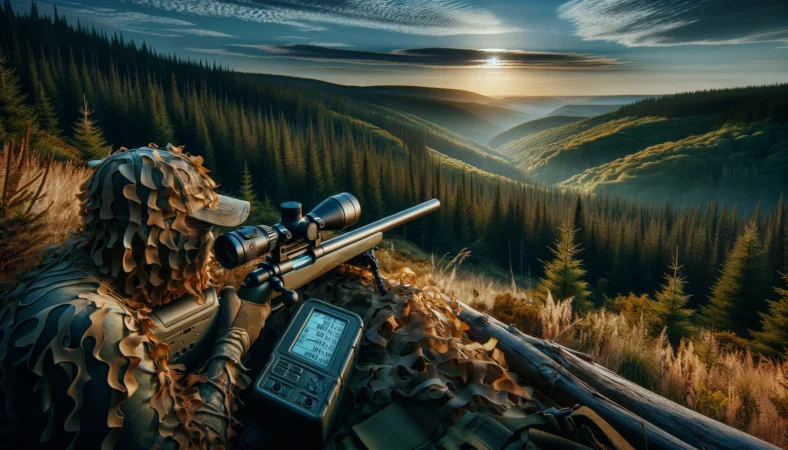
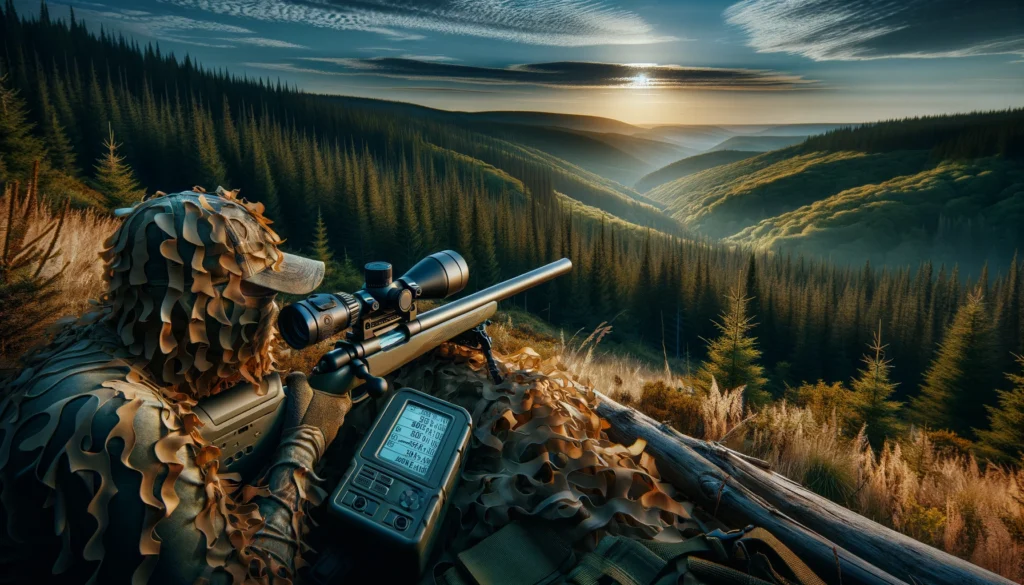
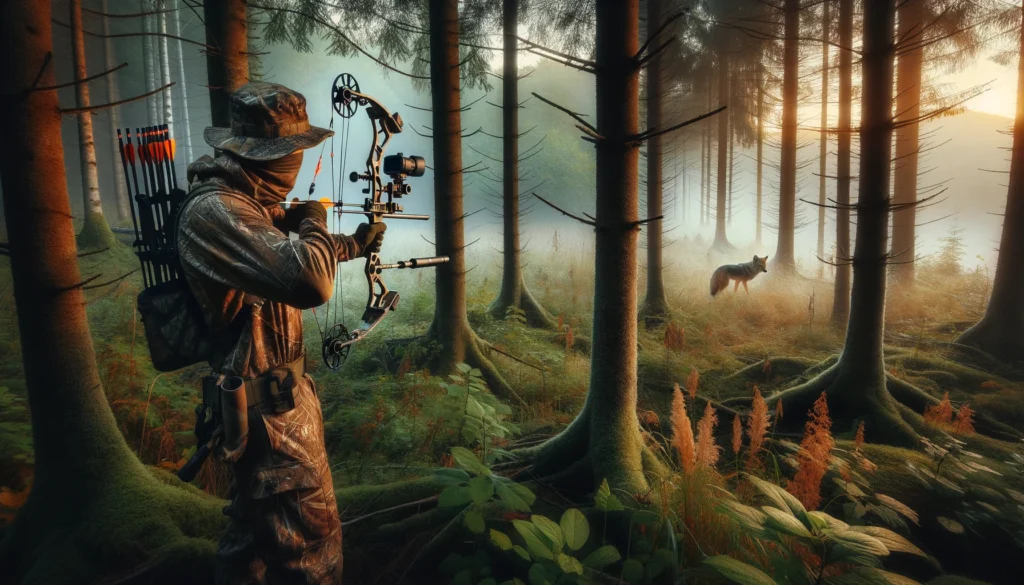
Elevating Your Game: The Path to Becoming a Better Hunter

Introduction

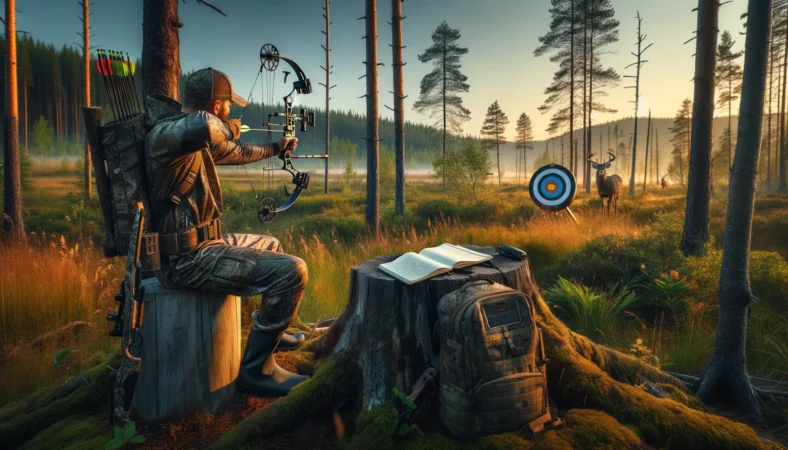
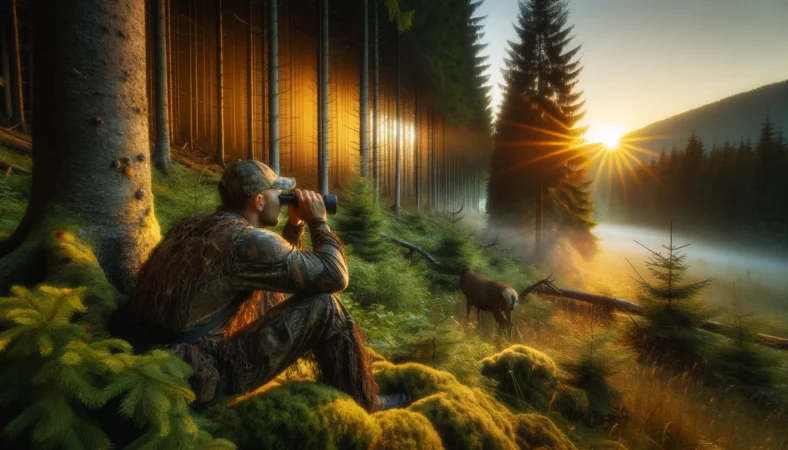
The journey to becoming a better hunter is as much about personal growth as it is about skill enhancement. It involves a commitment to learning, ethical hunting practices, and a deep respect for the natural world. This guide outlines key areas where you can focus your efforts to not only improve your hunting skills but also enrich your overall hunting experience.


1. Continuous Learning and Skill Development

1.1 Master Your Equipment

  • Practice Regularly: Spend time familiarizing yourself with your hunting gear. Regular practice with your chosen weapon, be it a rifle, bow, or another, ensures proficiency and confidence in the field.

1.2 Stay Informed

  • Educate Yourself: Keep up to date with the latest hunting techniques, regulations, and conservation news. Attend workshops, seminars, and hunter education courses to expand your knowledge.

2. Understanding Your Quarry

2.1 Study Animal Behavior

  • Learn Patterns: A deep understanding of the animals you hunt, including their habits, feeding patterns, and seasonal movements, can dramatically increase your success rates.

2.2 Track and Sign Reading

  • Sharpen Your Tracking Skills: Learn to identify and interpret animal tracks, trails, and signs. Tracking skills not only help in locating game but also in understanding animal behavior.

3. Ethical Hunting Practices

3.1 Know and Respect the Laws

  • Follow Regulations: Adherence to hunting laws and regulations is fundamental. They are in place to ensure sustainable wildlife populations and ethical hunting practices.

3.2 Aim for a Quick, Humane Harvest

  • Ethical Shot Placement: Strive for clean, ethical shots that ensure a quick and humane harvest. This respects the animal and minimizes suffering.

4. Environmental Stewardship

4.1 Practice Leave No Trace

  • Minimize Impact: Take all necessary steps to minimize your impact on the natural environment. This includes packing out what you bring in and leaving habitats undisturbed.

4.2 Participate in Conservation

  • Give Back: Engage in wildlife and habitat conservation efforts. This can range from participating in habitat restoration projects to supporting wildlife management initiatives.

5. Physical and Mental Preparation

5.1 Stay in Good Physical Shape

  • Physical Fitness: Hunting often requires stamina and strength. Regular exercise and conditioning can prepare your body for the physical demands of hunting.

5.2 Mental Resilience

  • Cultivate Patience and Persistence: Mental toughness is as crucial as physical readiness. Hunting can test your patience and resilience, qualities that are essential for success.

6. Networking and Mentorship

6.1 Learn from Experienced Hunters

  • Seek Guidance: Don’t hesitate to seek advice from more experienced hunters. Mentorship can be a valuable source of practical knowledge and insights.

6.2 Share Your Experiences

  • Contribute to the Community: Sharing your experiences, successes, and failures can help others learn while strengthening your understanding and appreciation of hunting.

7. Advanced Scouting Techniques

7.1 Utilize Technology Wisely

7.2 Field Scouting

  • Boots on the Ground: There’s no substitute for physically scouting your hunting area. Time spent in the field not only helps you understand the terrain but also connects you deeply with the natural environment you’re operating in.

8. Embracing Silence and Stillness

8.1 The Art of Being Unseen

  • Camouflage Beyond Clothing: True camouflage involves managing noise levels and minimizing movements. Practice moving silently and remaining motionless for extended periods to blend into your surroundings.

8.2 Mindfulness in the Wild

  • Presence and Awareness: Develop mindfulness practices that enhance your awareness and presence in the natural world. This can improve your ability to detect wildlife and make ethical decisions in the moment.

9. Nurturing a Conservationist’s Mindset

9.1 Educate Yourself on Local Ecosystems

  • Beyond the Hunt: Gain a broad understanding of the ecosystems where you hunt. Knowledge of native plant species, wildlife habitats, and ecological challenges enriches your experience and fosters a deeper respect for nature.

9.2 Active Participation in Conservation

  • Volunteer and Advocate: Actively participate in conservation efforts, whether through volunteer work with local wildlife agencies or advocacy for policies that support sustainable hunting and biodiversity.

10. Enhancing Mental Toughness and Patience

10.1 Building Resilience

  • Embrace Challenges: View difficult hunting experiences as opportunities for growth. Building resilience comes from facing and overcoming the challenges inherent in hunting.

10.2 Cultivating Patience

  • A Hunter’s Virtue: Patience is a critical skill in hunting. Develop practices that enhance your ability to wait, observe, and act judiciously, recognizing that some of the best hunting outcomes come from waiting for the right moment.

11. Commitment to Continuous Improvement

11.1 Self-Reflection and Learning

  • Journaling and Review: Keep a hunting journal to reflect on each hunting trip. Note what worked, what didn’t, and how you can improve. This self-reflection is invaluable for continuous growth.

11.2 Seeking Feedback and Education

  • Lifelong Learning: Remain open to feedback from peers and mentors. Attend advanced hunting courses, seminars, and workshops to stay updated on best practices and innovations in hunting techniques and conservation.

Conclusion

Becoming a better hunter is a lifelong journey of improvement, respect, and stewardship. By dedicating yourself to learning, ethical practices, and contributing positively to the environment and hunting community, you enhance not only your own hunting experience but also the broader tradition of hunting. Embrace the process, and let each hunting adventure teach you something new.


Frequently Asked Questions (FAQs)

How can I improve my accuracy for hunting?

  • Regular, focused practice under varied conditions can improve accuracy. Also, consider professional coaching to refine your technique.

What’s the best way to learn animal behavior?

  • Spend time in the field observing wildlife. Reading scientific literature on animal behavior and watching documentaries can also provide valuable insights.

How important is camouflage in hunting?

  • Camouflage can be crucial in not being detected by game. It’s important to choose patterns that match the environment you’ll be hunting in.

Can technology make me a better hunter?

  • Technology, when used appropriately, can enhance your hunting experience. GPS devices, ballistic calculators, and trail cameras can provide useful information and improve your chances of success. However, technology should complement, not replace, fundamental hunting skills and knowledge.

The Last Frontier: A Non-Resident’s Guide to Hunting in Alaska

Introduction

Alaska, often referred to as “The Last Frontier,” is a dream destination for hunters worldwide. Its vast wilderness offers unparalleled hunting opportunities, from the majestic moose to the elusive Dall sheep. However, hunting in Alaska presents unique challenges, especially for non-residents. This guide aims to navigate the complexities of planning a hunting trip to Alaska, ensuring a memorable and successful adventure.


Understanding Alaska’s Hunting Regulations

License and Tags

  • Mandatory Requirements: All non-resident hunters must obtain an Alaska hunting license. Additionally, specific tags are required for certain game species, which can vary in availability and price.
  • Regulated Seasons: Hunting seasons and bag limits are strictly enforced to ensure sustainable wildlife populations. Always check the current regulations for your target species and area.

Selecting Game Species

Big Game Opportunities

  • Diverse Options: Alaska offers a variety of big game species including moose, caribou, brown bear, black bear, Dall sheep, and mountain goat. Each species requires specific strategies and considerations.

Small Game and Bird Hunting

  • Abundant Variety: For those interested in smaller game or bird hunting, Alaska provides excellent opportunities for ptarmigan, grouse, waterfowl, and hare.

Choosing a Hunting Area

Vast Public Lands

  • Access and Opportunity: Much of Alaska’s hunting grounds are on public lands, including national forests and wildlife refuges. Private land hunting requires explicit permission from landowners.

Remote Wilderness

  • Logistical Planning: Many of Alaska’s best hunting areas are remote and accessible only by small aircraft, boat, or on foot. Planning your hunt with a reputable outfitter can be invaluable.

Hiring Guides and Outfitters

  • Non-Resident Regulations: Alaska law requires non-residents hunting brown/grizzly bear, Dall sheep, or mountain goat to be accompanied by a licensed guide or a relative within the second degree of kindred who is an Alaska resident.

Choosing the Right Outfitter

  • Research and References: Selecting an experienced and reputable outfitter is crucial. Look for reviews, ask for references, and ensure they are licensed and insured.

Gear and Preparation

Adapting to Alaska’s Conditions

  • Layered Clothing: Weather in Alaska can be unpredictable. Dress in layers and be prepared for sudden weather changes.

Survival Gear

  • Safety First: Satellite phones, GPS devices, first aid kits, and bear deterrents are essential safety items for any Alaskan hunting trip.

Travel and Logistics

Transportation to Alaska

  • Planning Your Journey: Consider the logistics of traveling to Alaska, including flights to Anchorage or Fairbanks, and subsequent transportation to your hunting area.

Meat and Trophy Transport

  • Returning Home: Plan ahead for the transportation of meat and trophies back home. This may involve charter flights, shipping services, and understanding airline regulations.

Respecting Alaska’s Indigenous Cultures

Understanding Local Customs

  • Cultural Sensitivity: Many hunting areas in Alaska are near Indigenous lands or communities. Hunters should strive to understand and respect local customs, traditions, and the significance of the land and wildlife to these communities.

Engaging with Local Communities

  • Positive Interaction: Where appropriate, engaging with local communities can enrich your hunting experience. Purchasing local supplies or hiring local guides not only supports the economy but fosters mutual respect and understanding.

Wildlife Conservation Efforts

Participating in Conservation

  • Sustainable Practices: Hunters can contribute to Alaska’s conservation efforts by adhering to ethical hunting practices, participating in wildlife management programs, and supporting conservation organizations that work to preserve Alaska’s natural heritage.

Data Collection and Reporting

  • Citizen Science: Reporting sightings of certain species, especially those under study or conservation, can provide valuable data to wildlife researchers. Hunters can play a role in citizen science initiatives by sharing their observations.

Advanced Hunting Ethics

Taking Ethical Shots

  • Responsibility to Wildlife: Beyond legal requirements, ethical hunters take shots only when they are confident of a clean, humane kill. This respects the animal and ensures that suffering is minimized.

Waste Minimization

  • Utilization of Harvest: Ethical hunters make every effort to utilize as much of their harvest as possible, whether through personal use, sharing with local communities, or donating to food banks when regulations permit.

Emergency Preparedness and Wilderness Survival

Preparation for the Unexpected

  • Survival Skills: Given Alaska’s remote and challenging environment, hunters should be prepared with basic wilderness survival skills. This includes knowing how to signal for help, build a shelter, and stay warm in emergency situations.

Wildlife Encounters

  • Bear Safety: Alaska is home to brown and black bears. Hunters should be knowledgeable about bear behavior and take precautions to avoid unwanted encounters, including carrying bear spray and understanding how to use it.

Navigating Alaska’s Varied Terrain

Geographical Challenges

  • Terrain Familiarity: The state’s terrain varies from coastal rainforests to high mountain peaks. Familiarizing yourself with the specific challenges of your chosen hunting area can help in planning safe and successful routes.

Impact of Weather

  • Weather Readiness: Alaska’s weather can change rapidly. Hunters must be prepared for severe conditions by carrying appropriate gear and having contingency plans for weather-related delays or emergencies.

Conclusion

Hunting in Alaska is an unparalleled experience that draws hunters from all over the globe. By thoroughly understanding the regulations, selecting the right gear, and planning your trip with safety and sustainability in mind, non-residents can embark on an unforgettable hunting adventure in “The Last Frontier.” Remember, respect for the wildlife, the land, and local cultures is paramount to ensuring that Alaska remains a pristine hunting destination for generations to come.


Frequently Asked Questions (FAQs)

Do I need a permit to hunt on federal lands in Alaska?

  • Specific federal lands may require additional permits or have specific regulations. It’s essential to check with the managing agency of the land you plan to hunt on.

Can non-residents hunt alone in Alaska?

  • Non-residents can hunt alone for certain species but must be accompanied by a licensed guide or eligible relative for others, such as brown bear, Dall sheep, and mountain goat.

How can I ensure ethical hunting practices in Alaska?

  • Ethical hunting in Alaska means adhering to regulations, ensuring quick and humane kills, minimizing waste, and respecting the natural environment and local communities.

What’s the best way to learn about hunting opportunities in Alaska?

  • The Alaska Department of Fish and Game website is an excellent resource, offering detailed information on species, regulations, and hunting areas. Additionally, hunting forums and outfitters can provide valuable insights.

The Virtue of Patience: Key to Success in Hunting

Introduction

Patience, often heralded as a virtue in many aspects of life, finds its true embodiment in the realm of hunting. Beyond skill, knowledge, and preparation, patience stands as the cornerstone of a successful hunt. This exploration delves into why patience is not just a virtue but a necessity in hunting, offering insights into its transformative impact on the hunter’s experience.


Understanding Patience in Hunting

Waiting for the Perfect Moment

  • Timing and Observation: Patience allows hunters to observe animal behavior, understand patterns, and wait for the optimal moment to make a move or take a shot, ensuring a respectful and ethical harvest.

The Art of Stillness

  • Minimizing Disturbance: Remaining motionless and silent over extended periods can be challenging, yet it’s crucial for not alarming wildlife. Patience in maintaining stillness enhances one’s ability to blend into the natural surroundings.

Patience and Wildlife Conservation

Sustainable Hunting Practices

  • Selective Harvesting: A patient hunter is more likely to take mature, selective animals, contributing to the health and sustainability of the game population and ecosystem.

Impact on Natural Behaviors

  • Minimal Disruption: Patient hunters minimize their impact on wildlife, ensuring that natural behaviors and patterns are preserved. This respect for nature underscores ethical hunting practices.

The Psychological Benefits of Patience

Mental Resilience

  • Coping with Uncertainty: The uncertainty of hunting outcomes teaches hunters to cope with disappointment and reinforces mental resilience, fostering a mindset of perseverance and optimism.

Enhanced Awareness

  • Connection with Nature: Patience encourages a deeper immersion in the natural environment, heightening sensory awareness and fostering a profound connection with the wilderness.

Cultivating Patience

Practice and Preparation

  • Routine and Discipline: Incorporating patience into practice sessions and everyday routines can enhance this skill. Visualization and mindfulness exercises can also prepare one mentally for the field.

Learning from Experience

  • Reflective Practice: Each hunting experience, successful or not, offers lessons in patience. Reflecting on these experiences and identifying moments where patience was key can reinforce its value.

The Role of Patience in Pre-Hunt Preparation

Scouting and Research

  • Long-Term Observation: The patience exercised in pre-hunt scouting—studying animal movements, tracking weather patterns, and learning the terrain—lays the groundwork for successful hunts. This slow, deliberate preparation allows hunters to make informed decisions when the moment to act arrives.

Gear Preparation and Practice

  • Methodical Readiness: A patient approach to preparing gear and practicing with your weapon ensures that when an opportunity presents itself, you’re ready not just physically but mentally. This includes the meticulous sighting of scopes, care for the bowstring, or the sharpening of knives.

Patience During the Hunt

Embracing the Waiting Game

  • The Uncertainty Principle: Hunting is inherently filled with uncertainty. Embracing this aspect rather than resisting it can transform waiting from a passive to an active state, where every moment of observation adds to your understanding and appreciation of the natural world.

Adapting to the Unpredictable

  • Flexibility in Plans: Conditions can change rapidly in the field, from sudden weather shifts to unexpected animal behavior. Patience fosters adaptability, allowing hunters to adjust their strategies on the fly without frustration or haste.

Patience and the Post-Hunt Process

Processing and Reflection

  • Mindful Recovery: After the hunt, patience plays a crucial role in the careful processing of game, ensuring respect for the animal and attention to detail that honors its life. Furthermore, reflecting on the hunt, acknowledging what was learned, and how experiences can shape future approaches, requires a patient, thoughtful mindset.

Sharing and Storytelling

  • The Legacy of Patience: Sharing stories of the hunt with others, particularly novices, can impart the importance of patience. Through storytelling, experienced hunters can inspire the next generation to value waiting and watching as much as the act of hunting itself.

Strategies for Cultivating Patience in Hunting

Mindfulness and Meditation

  • Centering Practices: Engaging in mindfulness or meditation can enhance a hunter’s capacity for patience. Practices focusing on breath control and present moment awareness can be directly applied in the field to manage emotions and maintain focus.

Learning from Nature

  • Observational Exercises: Spend time in nature without the express purpose of hunting. Observe the rhythms and cycles of the natural world, recognizing that each component moves at its own pace, illustrating the power and necessity of patience.

Conclusion

Patience in hunting transcends mere waiting; it’s an active, engaging process that shapes the hunter, the hunt, and the relationship with nature. It demands discipline, respect for wildlife, and a commitment to ethical hunting. As hunters cultivate patience, they not only increase their chances of success but also enrich their experiences, drawing deeper connections with the natural world and understanding the true essence of hunting.


Frequently Asked Questions (FAQs) About The Key to Success in Hunting

How can I improve my patience while hunting?

  • Start with short, focused sessions of stillness and observation in nature. Gradually increase the duration, practicing mindfulness and breathing techniques to stay calm and focused.

Does patience always guarantee a successful hunt?

  • While patience significantly increases the chances of a successful hunt, there are no guarantees in hunting. The unpredictability is part of the challenge and allure of the sport.

Can impatience affect my hunting skills?

  • Yes, impatience can lead to premature movements or decisions, potentially spoiling a hunt. It can also impact your ability to learn from and enjoy the hunting experience fully.

How does patience benefit wildlife conservation?

  • Patience leads to more selective hunting practices, which can help maintain balanced and healthy wildlife populations. It also minimizes disturbance to the animals and their habitat.

Precision in the Field: Mastering the Proper Shot Sequence in Hunting

Introduction

A successful hunt hinges not just on locating and stalking your quarry but also on executing a precise and ethical shot. Mastering the proper shot sequence is essential for hunters aiming to ensure a quick, humane harvest. This guide breaks down the components of an effective shot sequence, from preparation to follow-through, focusing on rifle hunting for clarity and universality.


Chapter 1: Pre-Shot Preparation

1.1 Mental Preparation

  • Calm and Focus: Cultivate a calm mindset and focus on the task at hand. Deep breathing can help manage adrenaline and steady your aim.

1.2 Positioning and Stance

  • Stable Foundation: Whether standing, kneeling, or using a rest, ensure your body is aligned and stable. Practice various stances to find what works best for you in different scenarios.

1.3 Rifle and Optic Setup

  • Equipment Check: Before heading out, confirm that your rifle is sighted in and your optics are clear. Familiarize yourself with your equipment’s adjustments for windage and elevation.

Chapter 2: Identifying the Target

2.1 Target Acquisition

  • Using Optics: Use binoculars to spot and identify your target, conserving rifle scope use for when you’re ready to aim. Ensure the animal is within ethical shooting distance and that you have a clear line of sight.

2.2 Ethical Consideration

  • Shot Placement: Identify the vital areas (heart and lung zone) for a quick, humane kill. Avoid speculative shots that might result in wounding the animal.

Chapter 3: Taking the Shot

3.1 Aiming and Breathing Control

  • Breath Control: Exhale slowly and pause briefly to take the shot at the natural respiratory pause, reducing movement for better accuracy.

3.2 Trigger Discipline

  • Smooth Pull: Squeeze the trigger gently with the pad of your index finger to avoid jerking the gun. Maintain focus on your target and aim point throughout.

Chapter 4: Follow-Through and Post-Shot Actions

4.1 Maintaining Aim

  • Follow-Through: Keep your rifle aimed at the target even after firing to ensure accuracy. This also helps you see where the shot hit.

4.2 Observing the Animal

  • Immediate Reaction: Watch the animal’s reaction to gauge the effectiveness of your shot. A well-placed shot usually results in a quick collapse or a short run.

4.3 Post-Shot Evaluation

  • Assessment: If the animal runs, mark the last seen location and wait for a while before following to give the animal time to expire and to avoid pushing it further.

Enhancing Accuracy Through Technology

Ballistic Calculators

  • Customized Projectile Trajectories: Utilize ballistic calculators to input specific data about your firearm, ammunition, and environmental conditions. This technology can significantly improve shot accuracy by providing precise aiming points adjusted for distance, wind, and elevation.

Range Finders

  • Accurate Distance Measurement: A range finder is indispensable for determining the exact distance to your target. Knowing the precise range helps in making necessary adjustments to your scope, ensuring that your shot placement is as accurate as possible.

Environmental and Situational Awareness

Wind Reading Skills

  • Impact on Bullet Trajectory: Develop the skill to read and compensate for wind, understanding how crosswinds can alter the path of your bullet. Practice in varied conditions to enhance your ability to make on-the-spot judgments.

Light and Shadow Considerations

  • Visual Clarity: Be mindful of how light and shadows affect your visibility and aiming. Early morning and late afternoon hunts may offer the best light for visibility but also present challenges with glare and shadow.

Mental Conditioning and Stress Management

Visualization Techniques

  • Mental Rehearsal: Regularly practice visualizing successful shot sequences, including the calm before the shot, the moment of trigger pull, and the follow-through. This mental preparation can help manage stress and improve performance when the moment of truth arrives.

Coping with Buck Fever

  • Managing the Adrenaline Rush: ‘Buck fever’—the rush of adrenaline at the sight of game—can unsettle even experienced hunters. Practice deep, controlled breathing and focus on the process rather than the outcome to maintain composure.

Post-Shot Reflection and Learning

Immediate Review

  • Analyzing the Shot: After the shot and follow-up, take time to reflect on the entire shot sequence. Consider what went well and areas for improvement. Did environmental factors play a role? How was your emotional and physical state?

Journaling for Continuous Improvement

  • Recording Experiences: Maintain a hunting journal detailing conditions, shot placements, outcomes, and personal reflections. Over time, this log will become a valuable tool for identifying patterns in your hunting practices and areas for growth.

Conclusion

Mastering the proper shot sequence is a critical aspect of responsible hunting, ensuring that each harvest is as humane and efficient as possible. By dedicating time to practice and internalize each step of the sequence, from mental preparation to post-shot actions, hunters can enhance their skills, ethics, and respect for the game they pursue. The journey of a hunter is one of continuous learning and improvement, with each hunt offering lessons to refine and perfect the art of the shot.


Frequently Asked Questions (FAQs)

How can I practice improving my shot sequence?

  • Regularly visit a shooting range to practice your stance, aiming, breathing, and trigger pull. Using a shooting simulator can also help in off-season.

What should I do if I’m unsure about a shot?

  • If you doubt the shot’s safety, ethicality, or effectiveness, it’s always better to wait for a clearer opportunity. Patience is key in hunting.

How important is shot placement?

  • Shot placement is crucial for ensuring a quick, humane kill. It requires knowledge of anatomy and practice to consistently hit the vital zones.

Can adrenaline affect my shot?

  • Yes, adrenaline can impact your steadiness and focus. Learning to manage your excitement and nerves through breathing and mental preparation can mitigate these effects.

Rising from the Ashes: Ethical Hunting Strategies in Post-Fire Ecosystems

Introduction

Wildfires and controlled burns can dramatically alter the landscape of hunting areas, impacting habitat, wildlife patterns, and accessibility. While such events might initially seem detrimental to hunting prospects, they also offer unique opportunities for adaptation and discovery. This guide explores strategies hunters can employ to navigate and capitalize on hunting areas affected by sudden burns.


Understanding the Impact of Burns

Immediate Effects on Wildlife

  • Habitat Disruption: Fires can temporarily displace wildlife, pushing them to adjacent areas with more cover and food availability. However, many species quickly return as new growth emerges.

Long-Term Ecological Benefits

  • Regeneration and Biodiversity: Over time, burns can enhance habitat quality, encouraging new growth that attracts a variety of wildlife, making these areas potentially more vibrant for hunting.

Scouting Post-Burn Areas

Revisiting Scouting Basics

  • Adapted Scouting Techniques: Utilize satellite imagery and on-the-ground scouting to assess the changes. Look for surviving patches of cover, water sources, and new growth areas that attract wildlife.

Identifying New Hotspots

  • Edge Habitats: The edges where the burn meets unburned areas often become hotspots for activity, as they provide both cover and emerging food sources.

Adjusting Hunting Strategies

Adapting to Altered Landscapes

  • Visibility and Movement: Open landscapes post-burn may offer increased visibility, allowing for longer-range spotting but also requiring more stealth in approach due to the lack of cover.

Leveraging New Growth

  • Attracting Game: Focus on areas where new vegetation is sprouting. These spots can be particularly attractive to herbivores and, subsequently, to predators.

Safety and Ethical Considerations

Navigating Hazards

  • Remaining Vigilant: Be aware of potential hazards in burned areas, such as unstable trees, ash pits, and uneven ground.

Respect for Regeneration

  • Minimizing Impact: Practice Leave No Trace principles to avoid disturbing the regenerating ecosystem. Stick to established paths and avoid damaging new growth.

Community Engagement and Support

Collaboration with Land Managers

  • Stewardship Opportunities: Engage with local land management agencies to participate in post-fire recovery efforts, such as replanting projects or habitat enhancement initiatives.

Sharing Knowledge

  • Educating Fellow Hunters: Share your observations and learnings about post-burn hunting opportunities and strategies, contributing to a collective understanding of fire’s role in habitat management.

Utilizing Technological Advancements

Geospatial Analysis for Habitat Changes

  • Mapping the New Terrain: Advanced mapping technologies can help you understand how fires have altered the terrain. Use GIS data and satellite imagery to identify new game trails, water sources, and green-up areas post-burn.

Trail Cameras for Real-Time Monitoring

  • Wildlife Activity Tracking: Deploying trail cameras in strategic locations can provide insights into how wildlife is adapting to the burned area. Monitor these cameras regularly to track the return and movement patterns of game species.

Engaging in Post-Burn Conservation Efforts

Participating in Reforestation Projects

  • Active Ecosystem Recovery: Join reforestation and habitat restoration projects to accelerate the recovery of game habitats. These efforts not only benefit wildlife but can also enhance future hunting opportunities.

Wildlife Population Surveys

  • Contributing to Research: Volunteer for wildlife surveys conducted by conservation groups or agencies. These surveys help assess the impact of fires on wildlife populations and guide management decisions.

Adapting Gear and Equipment for Burned Areas

Choosing the Right Camouflage

  • Blending into a Charred Landscape: The traditional camouflage might not be effective in a post-burn landscape. Consider gear that matches the altered environment, such as ash-gray patterns or minimalist designs that blend with the sparse vegetation.

Safety Gear for Rugged Terrains

  • Protective Clothing and Footwear: Navigating a burned area can expose you to sharp objects, unstable ground, and ash pits. Wear durable, protective clothing and footwear to mitigate these risks.

Building Knowledge and Awareness

Understanding Fire Ecology

  • The Role of Fire in Ecosystems: Educate yourself about the ecological role of fires. Understanding fire’s benefits can shift the perception of burned areas from devastated landscapes to ecosystems undergoing rejuvenation.

Regulations and Legal Considerations

  • Staying Informed on Access and Restrictions: Post-fire regulations can change. Stay updated on legal considerations, access restrictions, and hunting guidelines for burned areas through local wildlife agencies or hunting organizations.

Conclusion

Sudden burns present both challenges and opportunities for the hunting community. By understanding the ecological impact of fires, adapting scouting and hunting strategies, and prioritizing safety and ethical considerations, hunters can continue to enjoy and contribute positively to their favorite pastimes, even in landscapes touched by fire. Embracing the changes and the new dynamics of post-burn areas can lead to unexpected and rewarding hunting experiences.


Frequently Asked Questions (FAQs) About Ethical Hunting Strategies in Post-Fire Ecosystems

How soon after a fire can I hunt in the area?

  • Answer: It depends on the severity of the burn, regrowth progress, and local regulations. Always check with land management agencies for access restrictions and safety advisories.

Will hunting in post-burn areas scare off returning wildlife?

  • Answer: Wildlife adapts quickly to post-fire environments. Responsible hunting practices and minimal disturbance can ensure wildlife continues to thrive in these areas.

Are certain game species more attracted to post-burn areas than others?

  • Answer: Yes, herbivores may be drawn to the area by new plant growth, which in turn can attract predators. Species attraction will vary based on the stage of regrowth and the type of vegetation emerging.

Can I participate in habitat restoration in burned areas?

  • Answer: Absolutely. Many organizations and agencies welcome volunteer participation in restoration efforts. It’s a great way to contribute to the habitat you enjoy hunting in.

The Art of Ambush: Advanced Predator Hunting Tactics

Introduction

Predator hunting is a challenging and thrilling pursuit that requires a blend of skill, patience, and strategy. Unlike hunting ungulates, predators present a unique set of challenges due to their keen senses, intelligence, and often nocturnal habits. This guide delves into advanced tactics that can elevate your predator hunting success, focusing on techniques for coyotes, bobcats, and other common predatory species.


Understanding Predator Behavior

Keen Senses

  • Sight, Sound, and Smell: Predators have highly developed senses. Effective tactics often involve minimizing your scent, moving quietly, and using camouflage to blend into the environment.

Territorial Nature

  • Leveraging Territorial Instincts: Predators are highly territorial. Using calls that mimic intruders or prey in distress can trigger a predator’s territorial or predatory instincts, bringing them into range.

Tactical Approaches

1. Calling Techniques

  • Variety and Realism: Use a mix of electronic and mouth calls to simulate prey animals or territorial challenges. Changing calls and patterns can keep predators engaged and curious.

2. Decoy Use

  • Visual Attraction: Pairing calls with visual decoys can significantly increase attraction. Decoys simulating small animals or even rival predators can add an element of realism to your setup.

3. Ambush Sites

  • Strategic Placement: Choose your hunting spot based on wind direction, cover, and visibility. Elevated positions can offer a better view and reduce scent dispersion.

Equipment Essentials

Optics

  • High-Quality Glass: Invest in quality optics for spotting and identifying predators at a distance, especially in low light conditions.

Camouflage and Scent Control

  • Stealth Gear: Use camo patterns appropriate for the terrain and season. Scent control sprays and clothing can help mask human odor.

Firearms and Ammunition

  • Precision Shooting: Choose a rifle or bow that you are comfortable with for long-range precision. Ammunition should be selected for its stopping power and accuracy.

Night Hunting Strategies

Utilizing Light and Night Vision

  • Tactical Illumination: Use red or green lights for minimal disturbance. For a more high-tech approach, night vision scopes and thermal imaging can provide a significant advantage.

Sound Discipline

  • Quiet Operation: Noise discipline is crucial. Keep movements and gear noise to a minimum to avoid alerting wary predators.

Ethical Considerations

Respect for Wildlife

  • Humane Practices: Ensure that all shots are taken with the intention of a quick and humane harvest. Understanding predator anatomy is crucial for effective shot placement.

Conservation Mindset

  • Population Management: Recognize the role of predator hunting in maintaining balanced ecosystems. Work with local wildlife agencies to understand population dynamics and hunting regulations.

Conclusion

Advanced predator hunting tactics require not just mastery of equipment and calling but also an in-depth understanding of predator behavior and habitat. By applying these strategies with respect and consideration for wildlife conservation, hunters can enjoy the challenges and rewards of pursuing these intelligent and elusive animals. Remember, success in predator hunting comes not just from the harvest but from the experience, knowledge gained, and contributions to ecosystem health.


Frequently Asked Questions (FAQs)

What’s the best time of day for predator hunting?

  • Predators are most active during dawn and dusk, making these ideal times. However, nocturnal hunting can also be highly effective, especially with the right equipment.

How long should I wait between calling sequences?

  • Start with 15-20 minute sessions, varying the intensity and type of calls. Observation and experience will guide adjustments to this timing based on predator responses.

Is baiting effective for predator hunting?

  • While baiting can attract predators, its legality varies by region and species. Always check local regulations before using bait.

How can I practice for long-range shots?

  • Regularly practice at a shooting range, gradually increasing distances. Use ballistic calculators and apps to understand how environmental factors affect your shooting.

Can predator hunting impact local ecosystems?

  • When conducted responsibly and within regulation, predator hunting can help maintain balanced ecosystems by preventing overpopulation and associated issues.

Top Broadheads for Crossbows

An effective broadhead is crucial for ensuring a successful and ethical hunt, especially when using a crossbow. The right broadhead can make the difference between a clean kill and a wounded animal.

Crossbows, with their unique mechanics and high kinetic energy, require broadheads that can withstand high impact speeds and deliver maximum penetration without sacrificing accuracy.

In this introduction, we’ll explore the top broadheads specifically designed for crossbow hunting, focusing on their designs, materials, and the technology behind them that enhances their effectiveness in the field.

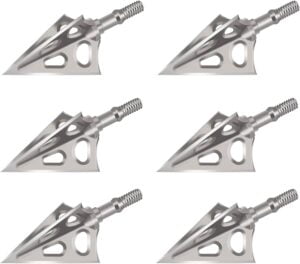
Broadheads for crossbows come in various designs, including fixed-blade, mechanical (or expandable), and hybrid models. Each type has its own advantages and is suited to different hunting scenarios and preferences.

Fixed-blade broadheads are renowned for their reliability and durability, making them a favorite among traditionalists and those hunting larger game.

Mechanical broadheads, on the other hand, offer larger cutting diameters and improved accuracy, making them ideal for hunters looking for quick and humane kills. Hybrid models combine elements of both, aiming to offer the best of both worlds.

Why Broadhead Choice Matters

Broadheads are the hunter’s first point of contact with their target, making their selection paramount. The right broadhead leads to a cleaner, more humane kill, reducing the animal’s suffering and increasing your success rate.

Whether you’re a seasoned hunter or a novice, understanding the impact of your broadhead choice can significantly affect your hunting outcome.

Top Broadheads for Crossbows

1.Rage Crossbow X Mechanical

The Rage Crossbow X Mechanical broadhead is a high-performance option designed specifically for crossbow use, emphasizing precision, impact, and reliability for hunters. Here’s a brief overview based on the details gathered.

Mechanism: It utilizes a mechanical design, known for its ability to create larger wound channels upon impact due to expandable blades that deploy upon contact with the target.

Blade Features: The broadhead is equipped with .035” stainless steel blades that open to a 2” cutting diameter, which is substantial for ensuring a significant cutting path and enhancing the chance of a quick, humane kill.

Deployment System: It incorporates the Shock Collar system for consistent rear-deployment of blades. This system is designed to prevent premature blade deployment while in flight, ensuring that the blades only open upon impact with the target.

Design and Construction: Although closely related to the standard Rage 2-blade model, the Rage Crossbow X has adaptations, possibly in its deployment mechanism, to optimize it for crossbow use, addressing the unique demands of crossbow shooting such as higher shooting speeds and the need for stability during flight.

This broadhead is highlighted for its match-grade accuracy, massive cutting diameter, and the ability to deliver bone-breaking impact. The combination of its mechanical blade system, robust construction, and precise deployment mechanism makes it a favored choice among crossbow hunters seeking efficiency and reliability.


For those looking to ensure maximum impact and quick animal recovery, the Rage Crossbow X Mechanical broadhead appears to be a top contender, providing the performance features necessary for a successful hunt.

2.Excalibur Boltcutter

The Excalibur Boltcutter is a robust, fixed blade broadhead designed specifically for crossbow use, combining strength, durability, and accuracy. Here’s a concise overview of its features and benefits based on available information:

Weight and Design: It is a heavy-duty broadhead, weighing in at 150 grains, which contributes to its stability and accuracy at high speeds.

The choice of a heavier grain is intended to improve accuracy, especially for crossbows capable of shooting over 300 fps, by increasing the front of center (FOC) balance.

Blade Configuration: The Boltcutter features a 3-blade design, made entirely of high-strength stainless steel, which is built to withstand the high kinetic energy impacts typical of modern crossbows.

This construction ensures deep penetration and durability, even through tough bone and tissue.

Construction and Durability: Its stainless steel construction not only provides the strength needed for demanding hunting situations but also offers corrosion resistance, maintaining sharpness over time and reducing the need for frequent maintenance.

Accuracy and Performance: The design of the Excalibur Boltcutter, including its weight and blade configuration, aims at offering a sweet balance between the robustness of fixed blades and the speed and accuracy of mechanical broadheads.

This makes it particularly suitable for hunters looking for reliable performance without sacrificing speed and accuracy.

Unique Features: One notable feature is its center locking system, which enhances stability on the bolt, ensuring it flies straighter and more accurately through the air.

This system reduces the likelihood of the broadhead being knocked off course upon entry into the target, which is particularly beneficial for fast crossbows prone to arrow drift​​​​.

The Excalibur Boltcutter is recommended for hunters who demand a heavy, durable, and accurate broadhead for big game hunting. Its design caters to the unique demands of crossbow hunting, ensuring reliable performance and effectiveness.

3.Muzzy Trocar Crossbow

The Muzzy Trocar Crossbow broadhead is designed for hunters seeking superior penetration and accuracy from their crossbow setup. Here’s a brief overview based on the gathered information:

Design and Construction: The Muzzy Trocar features a helix design with a right-hand twist, enhancing stabilization and accuracy while offering less resistance to wind. This design is particularly effective at maintaining consistent flight characteristics at higher speeds.

It is constructed with a solid stainless steel ferrule and three blades that ensure durability and deep penetration, even through bone​​.

Blade Sharpness and Penetration: With its trocar tip, a very sharp, three-cornered tip often used in surgical tools, this broadhead is engineered for maximum penetration.

This tip, combined with the broadhead’s overall design, is meant to punch through tough exterior and bone without deformation, ensuring that your shot reaches the vital organs for a quick and ethical kill​​.

Weight Options and Compatibility: Available in both 100 and 125-grain weights, the Muzzy Trocar broadheads offer versatility for hunters to match their broadhead weight with their crossbow and bolt preferences.

The .035″ thick blades provide a balance of durability and cutting efficiency, with a cutting diameter of 1-3/16″, making them suitable for a wide range of hunting scenarios. Additionally, the broadheads are designed for easy maintenance, with replaceable blades that can be easily swapped out if damaged​​.

Performance: Designed specifically for crossbow use, the Muzzy Trocar broadheads are known for their exceptional performance, combining high-speed accuracy with lethal penetration.

They are a popular choice among hunters for their reliability and effectiveness in the field, capable of taking down big game with precision​​.

The Muzzy Trocar Crossbow broadhead is a testament to Muzzy’s commitment to quality and performance, offering crossbow hunters a reliable choice for achieving deep penetration and consistent accuracy on their hunts.

4.NAP Spitfire Crossbow

The NAP Spitfire Crossbow is a mechanical broadhead designed to offer crossbow hunters exceptional performance, combining reliability, sharpness, and cutting efficiency. Here’s an overview based on available details:

Blade Design: It features a 3-blade configuration that is renowned for its reliability and the ability to create significant wound channels. The blades are crafted using NAP’s patented Diamize sharpening process, ensuring they are razor-sharp for maximum effectiveness.

Deployment System: The Spitfire utilizes a mechanical spring clip retention system to secure the blades, preventing them from deploying prematurely during flight. This design eliminates the need for O-rings, making blade maintenance simpler and more reliable.

Penetration and Impact: With a hardened-steel Trophy Tip, the Spitfire is engineered to maximize penetration and decrease the chance of deflection upon hitting bone, making it highly effective for hunting larger game.

Cutting Diameter: The broadhead is available in both 100 and 125-grain weights, featuring a cutting diameter of 1-1/2 inches, which is optimized for creating substantial entrance and exit wounds, ensuring quick and humane kills.

Accuracy and Performance: The micro-grooved ferrule is designed to improve flight accuracy, ensuring that the broadhead flies true to its target. Hunters have reported excellent accuracy and superior performance, citing the reliability of the retention system and the lack of premature blade deployment​​.

The NAP Spitfire Crossbow broadhead is celebrated for its cutting-edge design, reliability, and performance, making it a favored choice among hunters seeking mechanical broadheads for their crossbow hunting endeavors.

5.QAD Exodus Crossbow Full Blade Broadhead

The QAD Exodus Crossbow Full Blade Broadhead is designed for versatility and effectiveness, making it a popular choice among crossbow hunters for its strength, accuracy, and penetration capabilities. Here’s an overview of its key features:

Construction and Design: The Exodus boasts a robust build with replaceable blades, which is a significant advantage for longevity and cost-effectiveness. Its design includes a cutting-edge construction that promises deep penetration and a wide wound channel.

Blade Features: It features full blades that are engineered for maximum cutting ability, ensuring significant tissue damage and blood trails, which aids in tracking and retrieving game.

Versatility: This broadhead is noted for its versatile fit, capable of being used with a wide range of crossbow bolts. This adaptability makes it suitable for hunters with various crossbow models, enhancing its appeal.

Weight and Cutting Diameter: Offering options in both 100 and 125 grains, the QAD Exodus allows hunters to select the weight that best matches their hunting needs and crossbow specifications.

The 1.25-inch cutting diameter is designed to balance the need for a noticeable blood trail with the aerodynamics required for accurate flight.

Trocar Tip: The inclusion of a trocar tip is designed to improve penetration, making it capable of piercing through tough hide and bone, which is crucial for ensuring a clean and ethical kill.

The QAD Exodus Crossbow Full Blade Broadhead is celebrated for its combination of affordability, durability, and performance. Its replaceable blades and versatile fit make it an excellent value, providing the strength, accuracy, and penetration needed for successful hunting experiences​​.

6.The Original Muzzy 3 Blade

The Original Muzzy 3 Blade broadhead is a classic in the hunting community, revered for its durability, reliability, and effective design. Here’s an overview of its key features:

Blade Design and Material: It features three stainless steel blades that ensure deep penetration and create a broad wound channel for quick and ethical kills. The blades are sharp, removable, and easy to sharpen, offering hunters the convenience of maintainin

Trocar Tip: The broadhead is equipped with a hardened steel trocar tip, designed to pierce through tough hide and bone. This tip enhances the broadhead’s penetration capabilities, making it suitable for hunting big game.

Construction: The Muzzy 3 Blade’s construction includes an aluminum ferrule, contributing to its lightweight yet sturdy design. The interlocking system for the blades adds to the overall stability of the broadhead, ensuring accurate flight and impact.

Cutting Diameter: With a cutting diameter of just 1-3/16 inches, it offers a balance between creating a sufficient wound channel and maintaining aerodynamics for accuracy.

While the smaller diameter might result in less dramatic blood trails, it aids in achieving more precise shots, especially beneficial for beginners or those taking long-distance shots.

Weight Options: Available in 100 grain and 125-grain versions, it allows hunters to choose the right weight for their setup, ensuring optimal flight characteristics and impact force.

Suitability: The Original Muzzy 3 Blade is especially recommended for those using Barnett crossbows but works well with a wide range of crossbow speeds and power profiles.

Its design makes it effective for hunting most sizes of game, offering a combination of accuracy, penetration, and durability​​.

This broadhead is a testament to Muzzy’s commitment to quality and performance, embodying the traits that hunters look for in a reliable broadhead for various hunting scenarios.

7.Muzzy Trocar 125

The Muzzy Trocar 125 is recognized for its precision engineering and lethal efficiency, designed to meet the demands of serious hunters using crossbows. This broadhead combines several features that make it stand out in the market:

Blade Design: It employs a helix design with three blades, enhancing flight stability and wind resistance, leading to improved accuracy. The design ensures that the broadhead flies straight and true to its target, mimicking the flight characteristics of field points.

Material and Construction: The blades are made from stainless steel, ensuring durability and the ability to maintain sharpness over time. The solid steel ferrule supports the structure, providing the strength needed to penetrate through bone and tough tissue.

Weight and Penetration: As suggested by its name, the Muzzy Trocar 125 weighs 125 grains, which is a popular choice for hunters seeking a balance between speed and kinetic energy for deeper penetration.

Cutting Diameter: With a cutting diameter of 1-3/16 inches, it is designed to create significant wound channels for quick and humane kills, without sacrificing flight stability and accuracy.

Versatility and Efficiency: Available in both 100 and 125-grain options, it offers versatility to hunters to match their broadhead to their specific hunting needs and crossbow capabilities.

The trocar tip is especially noted for its ability to ensure clean passes through the game, maximizing the impact and effectiveness of each shot.

The Muzzy Trocar 125 is appreciated for its robust design, ease of use, and effectiveness in the field, making it a preferred choice for hunters aiming for reliability and superior performance during their hunting expeditions​​.

8.OTW Hunting Broadheads

Absolutely, I’d be delighted to provide an overview of OTW Hunting Broadheads, combining both technical specifications and the real-world applicability that makes them a favored choice among hunting enthusiasts.

Perfect Hunt: OTW Hunting Broadheads are designed with the serious hunter in mind, blending lethal efficiency with cutting-edge technology to ensure maximum performance in the field.

Known for their durability, precision, and effectiveness, these broadheads are a testament to meticulous engineering and a deep understanding of a hunter’s needs.

Cutting-Edge Design : The design of OTW Hunting Broadheads is focused on achieving deep penetration and a wide cutting path, ensuring quick and humane kills. Made from high-quality materials, these broadheads feature sharp, durable blades that maintain their edge even after repeated use.

The aerodynamic shape allows for flight stability and accuracy at long distances, making every shot count.

Versatility Across Game Sizes: Whether targeting small game or larger prey, OTW Broadheads are versatile enough to handle various hunting scenarios.

Their construction allows for easy adaptation to different bow setups, ensuring compatibility and performance across a wide range of draw weights and speeds.

Types and Options: OTW offers a variety of broadhead types, including fixed-blade and mechanical designs, to cater to personal preferences and hunting conditions. The fixed-blade models are renowned for their reliability and ease of use, while the mechanical versions provide larger cutting diameters upon impact.

User Experiences and Reviews: Feedback from the hunting community often highlights the effectiveness of OTW Broadheads in field conditions.

Hunters appreciate the broadheads’ ability to cause significant damage to the target, ensuring a swift and ethical kill. The ease of sharpening and maintenance also receives positive mentions, alongside the broadheads’ durability over multiple hunts.

9.Sinbadteck Hunting Broadheads

Certainly! Sinbadteck Hunting Broadheads are popular among bowhunters for their quality, reliability, and effectiveness.

They are designed to meet the diverse needs of hunters, offering a range of options to suit various hunting scenarios and preferences. Here’s a brief overview that highlights their key features:

High-Quality Construction: Sinbadteck broadheads are crafted with durability in mind, utilizing strong materials that can withstand the impact of hitting game and the elements encountered in outdoor environments. This ensures that the broadheads remain sharp and effective over multiple uses.

Cutting Precision: One of the standout features of Sinbadteck Hunting Broadheads is their sharpness. They are designed to offer clean and deep penetration, maximizing the potential for a quick and humane kill by causing significant damage to vital organs.

Variety of Designs: Sinbadteck offers a broad selection of broadhead designs, including fixed-blade and mechanical types. This variety allows hunters to choose the right broadhead based on their specific hunting technique, target game size, and personal preference.

Aerodynamic Efficiency: These broadheads are engineered for optimal flight stability, ensuring that arrows fly straight and true towards the target. This precision enhances the hunter’s accuracy, increasing the likelihood of a successful hunt.

Easy Installation and Compatibility: Sinbadteck Hunting Broadheads are designed for easy installation on various types of arrows and crossbow bolts. This user-friendly feature makes them a versatile choice for many hunters, regardless of their preferred archery equipment.

Frequently Asked Questions

How do I choose the right broadhead for my crossbow?

Choosing the right broadhead for your crossbow depends on several factors, including the type of game you’re hunting, the draw weight of your crossbow, and your personal preferences. Fixed-blade broadheads offer reliability and penetration, while mechanical broadheads provide a larger cutting diameter for greater wound channels. Assessing your needs and consulting with experienced hunters or retailers can help you make the best choice.

Can I use the same broadheads for crossbows and compound bows?

While many broadheads are marketed as compatible with both crossbows and compound bows, it’s important to consider the specific design and velocity of your crossbow. Crossbows typically generate higher speeds and kinetic energy, which can affect the performance of a broadhead. Manufacturers often design crossbow-specific broadheads to withstand these forces, so it’s advisable to use those for optimal performance.

Are heavier or lighter broadheads better for crossbow hunting?

The choice between heavier or lighter broadheads for crossbow hunting depends on your target game and shooting distance. Heavier broadheads, generally above 100 grains, offer better penetration and stability for larger game and longer distances. Lighter broadheads, on the other hand, can provide faster speeds and flatter trajectories, suitable for smaller game and shorter ranges. Balancing weight with your specific hunting scenario is key.

How often should I replace my crossbow broadheads?

The lifespan of a crossbow broadhead depends on its use, care, and the materials it’s made from. Broadheads should be inspected for damage or dullness after every use. Replace your broadheads if you notice significant wear, damage to the blades, or after a successful hunt to ensure maximum performance and safety. Regular maintenance, like sharpening blades and checking for alignment, can extend the life of your broadheads.

Conclusion

Selecting the top broadheads for your crossbow is a crucial decision that directly impacts your hunting success and experience. The market is brimming with options, each offering unique features and benefits tailored to different hunting scenarios and preferences.

Whether you opt for the reliability and penetration of fixed-blade broadheads or the wide cutting diameters provided by mechanical ones, the key is to choose a product that aligns with your specific needs, including the type of game you’re targeting and the specifications of your crossbow.

Remember, the best broadhead is one that complements your skills and enhances your confidence in the field. Keep abreast of the latest innovations and feedback from the hunting community to ensure your arsenal includes the very best broadheads for crossbows, ensuring a more humane, efficient, and successful hunt.


The Explorer’s Edge: Mastering the Art of Scouting a New Hunting Area

Introduction

Venturing into a new hunting area is like opening a book to an unwritten chapter, filled with potential adventures and discoveries. Mastering the art of scouting is crucial for hunters aiming to understand the lay of the land, animal behavior, and the most promising spots for a successful hunt. This guide provides a comprehensive approach to scouting new territories, ensuring that you’re well-prepared for the hunting season.


Chapter 1: Pre-Scouting Research

1.1 Utilizing Digital Resources

  • Satellite Imagery and Maps: Before setting foot in the area, use satellite imagery to identify water sources, feeding areas, trails, and potential bedding sites. Tools like Google Earth can provide valuable insights into the terrain and vegetation.

1.2 Local Knowledge

  • Consult Local Hunters and Land Managers: Local hunters and wildlife managers can offer insights that aren’t apparent from maps or satellite images. They can share information about animal movements, pressure areas, and even specific spots worth investigating.

Chapter 2: On-the-Ground Exploration

2.1 Initial Walk-Through

  • Broad Area Assessment: Your first visit should be a broad assessment. Look for signs of animal activity, including tracks, droppings, rubs, and feeding areas. Take note of wind patterns and potential stand locations.

2.2 Detailed Area Analysis

  • Focus on Key Features: Once you have a general sense of the area, focus on key features identified during your pre-scouting. Investigate water sources, natural corridors, and thick cover areas more closely.

Chapter 3: Seasonal and Time-of-Day Considerations

3.1 Understanding Seasonal Movements

  • Seasonal Patterns: Animals change their patterns based on the season. Understanding these shifts can help you predict where they might be during hunting season. For example, deer might use different bedding areas in summer versus winter due to temperature and cover changes.

3.2 Timing Your Scouting

  • Avoid Disturbance: Time your scouting to minimize disturbance to the wildlife. Late winter to early spring is often ideal, as it minimizes impact on animals and allows you to see last season’s sign.

Chapter 4: Technology in Scouting

4.1 Trail Cameras

  • Monitor Animal Activity: Use trail cameras to monitor animal activity in your area of interest. Place cameras near trails, food sources, or water to capture the patterns of game without needing to be physically present.

4.2 Mobile Apps

  • Digital Tracking: Several mobile apps can help you mark waypoints, track your routes, and even log sightings. This digital log can be a valuable resource as you refine your hunting strategy.

Chapter 5: Ethical Considerations

5.1 Respect for the Land

  • Leave No Trace: Practice Leave No Trace principles during scouting. Your presence should not disrupt the natural habitat or leave any lasting impact on the area.

Chapter 6: Integrating Historical Data

6.1 Historical Weather Patterns

  • Weather Impact on Wildlife: Understanding how historical weather conditions have influenced wildlife movement in the area can offer predictive insights. For example, prolonged drought conditions might influence water source availability and animal concentration around remaining water.

6.2 Past Hunting Pressure

  • Adjusting to Pressure Patterns: Analyzing the hunting pressure in previous seasons can help predict animal behavior changes. Areas heavily hunted in the past may lead to more nocturnal patterns in game or shifts in their usual routes.

Chapter 7: The Significance of Topography

7.1 Elevation and Animal Behavior

  • High Ground Advantage: Animals often use elevated areas for bedding due to the vantage point and wind advantage it provides. Identifying these elevated spots can be key to locating game.

7.2 Terrain Features as Natural Funnels

  • Leveraging the Lay of the Land: Terrain features such as saddles, ridges, and valleys can act as natural funnels, directing animal movement. Positioning yourself near these features can increase encounter chances.

Chapter 8: Building a Scouting Toolkit

8.1 Essential Gear

  • Toolkit Essentials: Your scouting toolkit should include durable footwear, a topographical map and compass (or GPS device), binoculars, a notebook for observations, and a camera or smartphone for capturing visual references.

8.2 Digital Documentation

  • Leveraging Tech for Records: Utilize digital tools for documenting findings. Apps that allow for geo-tagging photos and notes can create a rich database of information to reference over time.

Chapter 9: Ethical Engagement with Wildlife

9.1 Minimizing Disturbance

  • Observation Without Interference: Practice observing wildlife without disturbing their natural activities. This can involve using binoculars or scopes from a distance and avoiding areas of high animal sensitivity during key times, like breeding seasons.

9.2 Promoting Conservation

  • Advocating for Habitat Preservation: Use the insights gained from scouting to advocate for the preservation of natural habitats and support conservation efforts that ensure the sustainability of wildlife populations.

Chapter 10: Continuous Learning and Adaptation

10.1 Embracing a Learner’s Mindset

  • Openness to New Insights: Recognize that each scouting trip is an opportunity to learn something new about the environment, wildlife, and your own hunting practices.

10.2 Flexibility in Strategies

  • Adapting to Findings: Be prepared to adjust your hunting strategies based on scouting findings. Flexibility can be the difference between a successful hunt and a missed opportunity.

Conclusion

Scouting a new hunting area is an exciting and foundational aspect of successful hunting. It requires a mix of diligent research, fieldwork, and respect for nature. By thoroughly understanding your hunting area, you equip yourself with the knowledge to hunt ethically and effectively, increasing your chances of a rewarding season.


Frequently Asked Questions (FAQs) About Scouting a New Hunting Area

How often should I scout a new area before hunting season?

  • Regular visits can be beneficial, but aim to minimize disturbance. A comprehensive scouting trip pre-season, supplemented by trail camera monitoring, can provide substantial insight without overly pressuring the area.

Can I scout too much?

  • Yes, excessive human presence can alert and pressure wildlife, altering their natural movements. Balance thoroughness with discretion.

What’s the most common mistake when scouting a new area?

  • Overlooking the importance of wind direction and not considering how your scent can alert wildlife to your presence. Always scout with the wind in your favor.

How important is it to scout at different times of the day?

  • Very. Animals have varying activity patterns throughout the day. Understanding these patterns can help you plan the best times for hunting.

Should I scout alone or with a partner?

  • Both have benefits. Scouting alone allows for stealth and focus, while a partner can offer a second perspective and additional safety.

Silent Predators: Mastering Bowhunting Coyotes in the Off-Season

Introduction

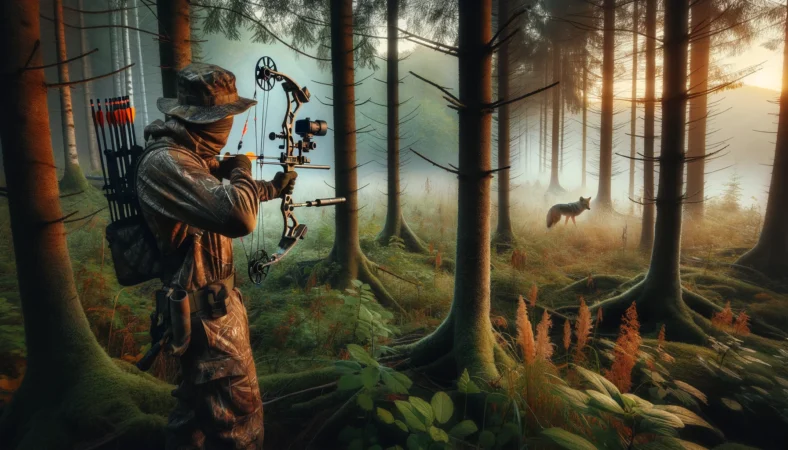
Bowhunting coyotes during the off-season is not just a challenging pursuit but also a valuable conservation effort that helps manage coyote populations and protect other wildlife. This guide delves into the strategies, equipment, and ethical considerations essential for the bowhunter seeking to engage in this demanding yet rewarding hunting discipline.


Understanding Coyote Behavior

Habitat and Patterns

Coyotes are adaptable and can thrive in a variety of environments, from rural farmlands to suburban areas. They are primarily nocturnal but can be active during the day, especially in less disturbed areas.

Social Structure

Understanding the social structure of coyotes, including their territorial nature and pack dynamics, is crucial. During the off-season, coyotes may be less wary, providing opportunities for bowhunters to capitalize on.


Strategies for Success

Scouting and Location

  • Scouting: Use the off-season to scout for coyote signs such as tracks, scat, and den locations. Trail cameras can be invaluable for monitoring activity patterns.
  • Location Selection: Choose hunting spots near known food sources, water bodies, or travel corridors. Edges of fields and wooded areas are often productive.

Calling Techniques

  • Mimicking Prey: Utilize calls that mimic prey animals or distressed coyotes to attract individuals or packs. Experiment with different calls and sequences to determine what’s most effective in your area.

Decoy Use

  • Realism: A moving decoy can add an element of realism to your setup, especially when combined with vocal calls. Decoys representing small mammals or even a rival coyote can provoke curiosity or territorial aggression.

Bowhunting Equipment

Choosing the Right Bow

  • Compound vs. Recurve: While compound bows offer greater power and easier aiming, traditional recurve bows challenge your skills and can enhance the hunting experience. Select a bow that fits your proficiency level and hunting style.

Arrows and Broadheads

  • Broadhead Selection: Opt for broadheads designed for maximum penetration and damage, ensuring a quick and humane kill. Fixed-blade broadheads are generally recommended for their reliability.

Camouflage and Concealment

  • Blending In: Use camouflage that matches the environment and season. Utilize natural cover and minimize movement to remain undetected.

Ethical Considerations

Respect for the Animal

  • Ethical Shots: Aim for vital areas to ensure a quick, ethical kill. Practice shooting at various ranges to hone your accuracy.

Population Management

  • Conservation Role: Understand the role of coyote management in maintaining ecological balance. Bowhunting in the off-season can aid in controlling populations, benefiting other wildlife species.

Advanced Stalking Techniques

Understanding Wind Patterns

  • Wind Advantage: Always position yourself downwind of the anticipated coyote path. Coyotes have an exceptional sense of smell, and your scent can alert them to your presence long before you get a shot.

Silent Approach

  • Stealth Movement: Master the art of moving quietly through various terrains. Practice stepping lightly and using natural cover to approach your calling location or to stalk a spotted coyote.

Effective Use of Terrain

Elevation Advantage

  • High Ground: Seek out elevated positions that offer a clear view of the surrounding area. Being higher than your target can provide both a visibility advantage and a strategic shooting angle.

Natural Funnels

  • Ambush Points: Identify natural landscape features that coyotes might use as travel corridors, such as valleys, riverbanks, or the edges of dense cover. Setting up near these funnels can increase encounter rates.

Seasonal and Environmental Considerations

Weather Influences

  • Adapt to Conditions: Coyote behavior can vary with weather conditions. For example, they may be more active during warmer periods in colder months. Adjust your hunting times accordingly.

Vegetation and Cover

  • Seasonal Camouflage: Adapt your camouflage and concealment strategies to match seasonal changes in vegetation. In winter, consider snow camo patterns to blend into snowy landscapes.

Safety and Communication

Inform Others

  • Safety Check: Always let someone know your hunting location and expected return time. Hunting in remote areas carries risks, and it’s vital to have a safety plan in place.

Hunting Communication

  • Use of Signals: When hunting with a partner, establish clear hand signals or use whisper radios for silent communication. Maintaining stealth is crucial for success.

Reflecting on the Hunt

Journaling

  • Record Experiences: Keep a hunting journal to record details of each hunt, including weather conditions, coyote responses, and tactics used. Reviewing this journal can provide insights and patterns that refine your approach over time.

Ethical Reflection

  • Conservation Mindset: Reflect on the role of hunting in wildlife management and personal ethics. Considering the impact of your actions on coyote populations and the ecosystem encourages responsible hunting practices.

Conclusion

Bowhunting coyotes in the off-season is a complex but fulfilling activity that demands skill, patience, and an ethical approach. By understanding coyote behavior, employing effective strategies, and utilizing appropriate equipment, bowhunters can contribute to wildlife management while enjoying the unique challenges of this hunting discipline. Remember, the true success of a hunt is measured not only by the harvest but also by the experience and respect for nature’s balance.


Frequently Asked Questions (FAQs)

  • Regulations vary by location. Always check with local wildlife authorities to ensure compliance with hunting laws and off-season restrictions.

How effective are electronic calls for coyotes?

  • Electronic calls can be highly effective due to their ability to produce a variety of realistic sounds. Adjust volume and frequency based on your observation of coyote responses.

Can I hunt coyotes alone, or should I have a partner?

  • While hunting alone is feasible, having a partner can increase safety and effectiveness. A partner can help with calling, spotting, and managing equipment.

How can I practice for bowhunting coyotes?

  • Practice shooting at targets from various distances and angles to mimic real hunting scenarios. Use 3D coyote targets for more realistic preparation.

What should I do with a coyote after a successful hunt?

  • Utilize the fur, if possible, and dispose of the remains responsibly. Some hunters participate in pelt trading or tanning as part of their hunting tradition.

The Silent Stalk: A Comprehensive Guide to Bowhunting for Predators

Introduction

Bowhunting for predators combines the primal thrill of hunting with the challenge of using a bow, demanding stealth, precision, and a deep understanding of the quarry. This guide dives into the essential strategies, equipment, and ethical considerations for bowhunters aspiring to pursue predators such as coyotes, bobcats, and even larger carnivores.


Chapter 1: Understanding Your Quarry

1.1 Species Habits and Habitats

  • Habitat Preferences: Different predators thrive in varying environments. Coyotes are adaptable, found in deserts, forests, and urban fringes, while bobcats prefer dense cover in wooded or brushy areas.
  • Behavioral Patterns: Learning the daily and seasonal behaviors of your target species is crucial. Predators are often more active during dawn and dusk, periods known as the crepuscular hours.

1.2 Signs and Tracking

  • Identifying Signs: Look for tracks, scat, and signs of feeding to locate predator territories. Understanding these can help in setting up an ambush point or stalking effectively.

Chapter 2: Bowhunting Gear Essentials

2.1 Selecting the Right Bow

  • Bow Types: While compound bows are popular for their ease of use and power, traditional bows like recurves or longbows offer a challenging but rewarding experience. Choose one that fits your skill level and hunting style.
  • Arrow and Broadhead Selection: Use arrows and broadheads suitable for the size and toughness of the predator. Fixed-blade broadheads are often recommended for their reliability and penetration.

2.2 Camouflage and Concealment Gear

  • Adapting to the Environment: Your camouflage should match the hunting environment to blend seamlessly. Consider 3D camo patterns for added depth and realism.
  • Scent Control: Predators have keen noses, so scent control through special clothing or sprays is a must.

Chapter 3: Tactics for Success

3.1 Stalking and Ambush

  • Stalking Techniques: Move slowly and use natural cover to approach within shooting range. Patience and silence are your allies.
  • Setting an Ambush: Use knowledge of predator paths and habits to set up ambush points near trails, dens, or known feeding areas.

3.2 Calling Predators

  • Using Calls: Electronic or mouth calls mimicking prey or distress signals can attract curious or hungry predators. Experiment with different calls and sequences to find what works best.

Chapter 4: Ethical Considerations and Safety

4.1 The Ethical Shot

  • Shot Placement: Aim for vital areas to ensure a quick, humane kill. Practice shooting at various distances and angles to improve accuracy.
  • Respecting the Quarry: Only take shots you’re confident in making. If in doubt, it’s better to wait for a clearer opportunity.

4.2 Safety in Predator Hunting

  • Be Prepared: Carry a first aid kit and let someone know your hunting plans. Always be aware of your surroundings, especially when hunting in areas with large carnivores.

Chapter 5: Advanced Scouting Techniques

5.1 Utilizing Technology for Scouting

  • Trail Cameras: Deploy trail cameras around suspected predator trails or known water sources. Analyzing the photos and videos can provide insight into predator habits and prime activity times.

5.2 Understanding Wind and Weather Patterns

  • Wind Direction: Always keep the wind in your face when stalking or setting up an ambush. Predators rely heavily on their sense of smell; hence, your scent should not drift towards them.
  • Weather Influence: Weather conditions can significantly affect predator behavior. For example, predators may be more active during cooler parts of the day in hot weather. Adjust your hunting times accordingly.

Chapter 6: Specialty Equipment for Predator Bowhunting

6.1 Range Finders

  • Precision Distance Measurement: A range finder can be invaluable for ensuring your arrow’s flight path matches the required trajectory for a clean kill, especially when dealing with varying terrain elevations.

6.2 Specialized Clothing

  • Silent Apparel: Invest in high-quality hunting apparel designed to minimize noise, allowing you to move more stealthily through your environment.

Chapter 7: Fieldcraft and Stealth

7.1 Mastering the Art of Silence

  • Movement Discipline: Learn to move quietly and efficiently through different terrains. Even the slightest noise can alert a predator to your presence.

7.2 Concealment Tactics

  • Natural Cover: Use the terrain and vegetation to your advantage. Positioning yourself in shadowed areas or behind natural barriers can help you remain unseen.

Chapter 8: Post-Hunt Responsibilities

8.1 Handling and Conservation

  • Ethical Handling: Properly handling your harvest is a mark of respect for the animal. This includes appropriate field dressing, meat preservation, and, if desired, trophy preparation.

8.2 Data Collection and Reporting

  • Contribution to Conservation: Participate in local wildlife management programs by reporting your hunt details. This data helps in the effective management of predator populations and habitat conservation efforts.

Conclusion

Bowhunting for predators is an adventure that tests all your hunting skills. By preparing thoroughly, respecting the animals and the environment, and committing to continuous improvement, you can enjoy the unique challenges and rewards this type of hunting offers. Remember, success is not just in the harvest but in the experience and the stories you bring back.


Frequently Asked Questions (FAQs)

How do I practice for bowhunting predators?

Practice shooting at life-sized targets from various distances and angles. Familiarize yourself with your equipment, and consider using 3D targets for more realistic practice.

Can I use decoys for predator hunting?

Yes, decoys can be effective, especially when combined with calls. They can provide a visual lure to accompany the auditory one, increasing your chances of success.

What’s the most challenging aspect of bowhunting for predators?

The challenge often lies in getting close enough for an ethical shot. Predators have keen senses and can be spooked easily, requiring stealth and patience from the hunter.

Is it necessary to hunt predators?

Predator management is a crucial aspect of wildlife conservation, helping to maintain balanced ecosystems. Hunters play a vital role in these efforts through regulated hunting.

How do I handle a predator after the kill?

Approach cautiously, ensuring the animal is deceased. Follow local regulations for tagging and reporting, if necessary. Wear gloves during field dressing to prevent any potential transmission of diseases.

Exit mobile version