Bear Baiting Essentials: Tips for Successful Bear Hunting

Introduction

Bear baiting, where legal, is a method used by hunters to attract bears to a specific area. It requires understanding bear behavior, patience, and responsible management to ensure ethical practices. This guide provides tips for effective bear baiting, emphasizing safety, ethics, and sustainability.


1. Understanding Bear Behavior

1.1 Study Local Bear Habits

  • Seasonal Preferences: Learn about the feeding patterns, movement routes, and hibernation periods of bears in your hunting area.
  • Food Sources: Identify natural food sources; this knowledge can help you choose the most appealing bait.

2. Choosing the Right Bait

2.1 Diverse Menu

  • Variety: Bears have a varied diet. Offer a mixture of baits, including meats, sweets, and fruits, to appeal to their omnivorous nature.
  • Scent and Visibility: Use strong-smelling baits to attract bears from a distance. Positioning bait so it’s visible can also be effective.

2.2 Sustainable Practices

  • Non-Wasteful Baiting: Use food items that are consumable and won’t harm the bear or the environment.

3. Bait Site Selection

3.1 Strategic Location

  • Access and Wind Direction: Choose a site that’s easy for you to access but not too close to human settlements. Consider wind direction to keep your scent away from the bait site.

3.2 Safety Measures

  • Bear Activity Monitoring: Set up trail cameras to monitor bear activity. This also helps in identifying the size and behavior of visiting bears.

4. Consistency and Timing

4.1 Regular Re-baiting

  • Habituation: Keep your bait site stocked regularly to habituate bears to the location. Consistency is key to maintaining interest.

4.2 Prime Feeding Times

  • Schedule: Focus on baiting in the early morning and late evening, aligning with bears’ natural feeding times.

5. Ethical Considerations

  • Regulations: Always follow local laws and regulations regarding bear baiting and hunting. Obtain necessary permits and understand restricted practices.

5.2 Respect for Wildlife

  • Minimize Impact: Practice baiting and hunting methods that minimize stress and impact on bears and other wildlife. Avoid habituating bears to human presence beyond the hunting season.

6. Safety and Preparedness

6.1 Personal Safety

  • Bear Encounter Knowledge: Be prepared for bear encounters. Carry bear spray, know how to store food and bait safely, and have an emergency plan.

6.2 Hunting Ethics

  • Fair Chase Principles: Engage in bear baiting and hunting practices that honor the principles of fair chase. Respect the animal and the sport by ensuring a quick and humane harvest.

7. Effective Bait Placement Techniques

7.1 Elevate Your Bait

  • Accessibility: Consider elevating your bait to make it more challenging for bears to access quickly. This can prolong the bear’s stay at the bait site, offering better opportunities for observation and ethical shots.

7.2 Secure Bait Containers

  • Prevent Easy Takeaways: Use barrels or heavy containers that bears can’t easily carry off or destroy. Securing your bait in this manner encourages bears to return to the site, as they can’t remove the food source in one visit.

8. Minimizing Non-Target Visitors

8.1 Target-Specific Bait Choices

  • Selective Attraction: Choose baits that are more appealing to bears and less so to non-target species such as raccoons or birds. For example, larger, heavier food items that smaller animals can’t easily access or carry away.

8.2 Site Maintenance

  • Cleanliness: Regularly clean up spilled bait and debris around the site to avoid attracting non-target wildlife. This practice also helps in minimizing environmental impact.

9. Utilizing Natural Cover

9.1 Concealment for Hunters

  • Strategic Positioning: When setting up your bait site, consider natural cover and camouflage for your hunting spot. Ensure you have a clear line of sight to the bait, while remaining concealed from the approaching bears.

9.2 Using Natural Features

  • Enhance Bait Site Appeal: Incorporate natural features such as logs, stumps, or boulders into your bait site setup. These can make the site more visually appealing to bears and provide natural anchors for securing bait containers.

10. Record Keeping and Observation

10.1 Maintain a Logbook

  • Tracking Visits: Keep detailed records of bear activity at your bait sites, including times of day, bear sizes, and behaviors. This information can be invaluable for planning your hunting strategy and understanding bear movements.

10.2 Use of Trail Cameras

  • Monitoring Wildlife: Trail cameras are essential tools for monitoring your bait site. They provide insights into the bear population in the area and help identify the prime time for hunting. Ensure cameras are positioned to capture clear images without spooking wildlife.

11. Community Engagement and Responsibility

11.1 Sharing Insights

  • Collaboration with Local Hunters: Engage with the local hunting community to share insights and tips about bear baiting and hunting. This collaboration can lead to more successful hunting strategies and enhance communal knowledge about bear behavior.

11.2 Promoting Ethical Practices

  • Advocacy for Responsible Hunting: Be an advocate for ethical bear baiting and hunting practices within your community. Encourage discussions on sustainable and respectful approaches to wildlife management and conservation.

Conclusion

Bear baiting can be an effective method for attracting bears, but it requires thorough preparation, a deep understanding of bear behavior, and a commitment to ethical hunting practices. By choosing the right bait, selecting an appropriate site, maintaining consistency, and prioritizing safety and legality, hunters can increase their chances of a successful bear hunt while respecting wildlife and the environment.


Frequently Asked Questions (FAQs)

How often should I check my bait site?

  • Regularly, every 2-3 days, to ensure the site is active and to replenish bait as needed. Adjust based on bear activity and consumption rates.

Can bear baiting affect bear behavior long-term?

  • Yes, bear baiting can lead to bears becoming accustomed to human-provided food sources, which can alter natural foraging behaviors. It’s crucial to manage bait sites responsibly to mitigate these effects.

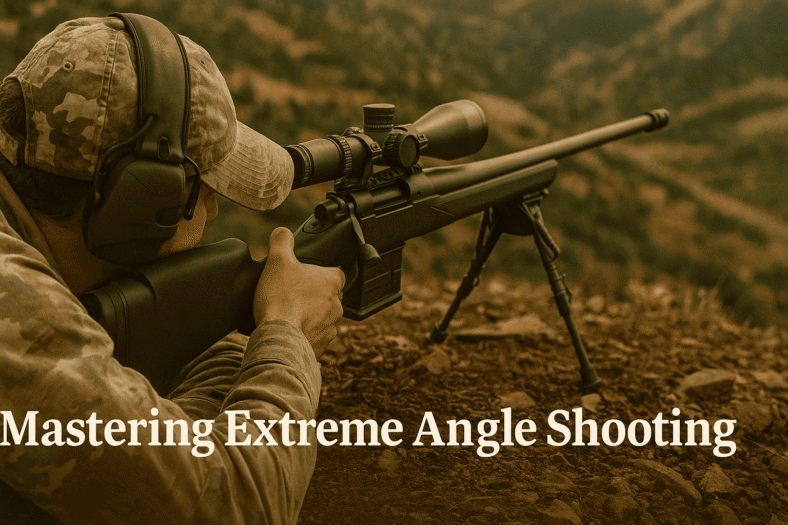
Mastering Extreme Angle Shooting: Techniques for Accuracy Beyond the Flat Range

Introduction

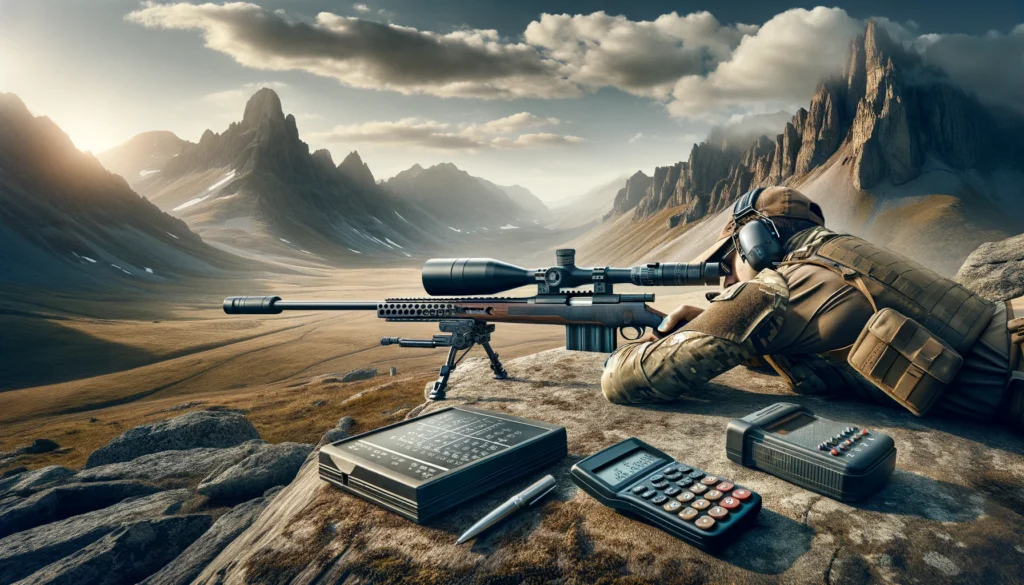
Shooting at extreme angles, whether uphill or downhill, presents unique challenges that go beyond the skills required for flat terrain shooting. These scenarios are common in hunting, tactical operations, and competitive shooting, necessitating an understanding of how gravity and angle affect bullet trajectory. This guide explores key techniques and considerations to improve accuracy in extreme angle shooting.

1. Understanding Ballistic Trajectory

1.1 Gravity’s Influence

  • Vertical Component: Gravity acts directly downward, affecting only the vertical component of the bullet’s trajectory. This means bullets will drop less than expected in both uphill and downhill shooting scenarios, requiring adjustments to aim.

1.2 Projectile Path

  • Curved Trajectory: Bullets travel in a curved path. When shooting at an angle, the distance over which gravity acts is shorter than the line-of-sight distance, leading to less bullet drop over the effective range.

2. Calculating the Angle

2.1 Angle Measuring Tools

  • Utilizing Technology: Devices like laser rangefinders with built-in angle compensation can provide accurate angle measurements, crucial for making precise shooting adjustments.

2.2 Manual Calculation

  • Cosine Method: For those without technology at hand, understanding the cosine of the angle can help in manual calculations to adjust for effective shooting distance.

3. Adjusting Your Aim

3.1 Using Angle Compensation

  • Compensated Distance: Once the angle is determined, use the compensated distance (horizontal distance to target) for your shot calculation instead of the actual line-of-sight distance.

3.2 Practice with Purpose

  • Real-World Application: Regularly practice at ranges that offer varied terrain or use targets set at different angles to develop an intuitive understanding of how much adjustment is needed.

4. Equipment Considerations

4.1 Scope Adjustments

  • Dialing for Elevation: Ensure your rifle scope is capable of making precise elevation adjustments or has a reticle designed for holdover points, aiding in angle shooting.

4.2 Stable Shooting Platform

  • Maintaining Stability: When shooting at extreme angles, maintaining a stable shooting position is more challenging. Use bipods, shooting sticks, or other stabilizing equipment to help manage recoil and maintain accuracy.

5. Emphasizing Safety

5.1 Beyond the Target

  • Awareness of Trajectory: Always be aware of what lies beyond your target, especially when shooting at angles, as bullets can travel significantly farther if they miss or pass through the target.

5.2 Environmental Awareness

  • Considerations for Angle Shooting: Pay attention to environmental factors like wind speed and direction, which can further complicate angle shots. Crosswinds can have a more pronounced effect on bullet drift when shooting at an incline or decline.

6. Training and Simulation

6.1 Simulation Software

  • Technological Aids: Leverage ballistic simulation software to understand how various angles and environmental conditions affect your bullet’s trajectory. This theoretical knowledge complements practical experience.

6.2 Dry-Firing Practice

  • Skill Refinement: Dry-firing with your firearm can be particularly beneficial for practicing trigger control and stability in shooting positions tailored for extreme angles. Ensure your firearm is unloaded and pointed in a safe direction.

7. Mental Preparation

7.1 Visualization Techniques

  • Anticipating Scenarios: Mental rehearsal is as crucial as physical practice. Visualize different shooting angles and scenarios to mentally prepare for the adjustments needed for each.

7.2 Managing Pressure

  • Staying Focused: Whether in competition or hunting, shooting at extreme angles often comes with added pressure. Developing strategies to manage stress and maintain focus can improve performance under pressure.

8. Understanding Your Limitations

8.1 Knowing When to Shoot

  • Ethical Considerations: Recognize situations where a shot is not feasible or ethical due to angle, distance, or environmental conditions. The safety of others and the humane treatment of animals should always come first.

8.2 Continuous Learning

  • Seeking Improvement: Mastery in extreme angle shooting is a continuous journey. Always look for ways to learn and improve, whether through personal practice, mentorship, or advanced courses.

9. Community Engagement and Learning

9.1 Learning from Others

  • Sharing Experiences: Engage with a community of shooters and hunters who specialize in extreme angle shooting. Forums, social media groups, and local clubs can be excellent resources for tips and shared learning experiences.

9.2 Participating in Workshops

  • Hands-On Learning: Attend workshops and training sessions focused on extreme angle shooting. Direct instruction and the opportunity to ask questions can accelerate your learning curve.

Conclusion

Mastering extreme angle shooting demands a blend of theoretical knowledge, practical skill, and the right equipment. By understanding the effects of gravity, learning to calculate shooting angles accurately, and practicing under varied conditions, shooters can significantly improve their precision in challenging terrains. Remember, safety and ethical shooting practices should always be paramount.

Frequently Asked Questions (FAQs)

How often should I practice extreme angle shooting?

  • Practice as often as you can, especially in the terrain types where you most frequently shoot or hunt. This could range from monthly sessions to more frequent practice if preparing for a specific event or season.

Can extreme angle shooting skills be transferred between different firearms?

  • Yes, the principles of angle shooting apply across different firearms, but remember that each type of firearm and ammunition may require unique adjustments or considerations.

Is there a maximum angle at which shooting becomes too unpredictable?

  • The predictability of a shot decreases as the angle becomes more extreme, typically beyond 30 degrees. However, with modern ballistics software and highly accurate equipment, shooters can still achieve remarkable accuracy at steep angles. Always prioritize safety and be aware of your limits and the capabilities of your equipment.

Archery Essentials: Setting Up Your Bow for Optimal Performance

Introduction

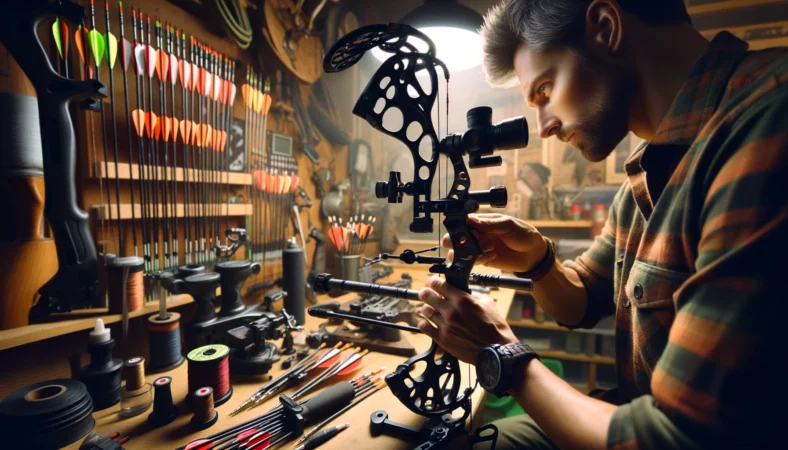
Setting up your bow correctly is crucial for achieving precision, consistency, and safety in archery. Whether you’re a beginner or an experienced archer, fine-tuning your equipment to suit your needs can significantly enhance your shooting experience. This guide will walk you through the essential steps to setting up your bow, focusing on recurve and compound bows, the two most popular types among archers.


1. Choosing the Right Bow

1.1 Determine Your Dominant Eye

  • Eye Dominance: Before selecting a bow, determine your dominant eye, as this will influence whether you should use a right or left-handed bow.

1.2 Bow Type and Size

  • Fit for Purpose: Choose between a recurve or compound bow based on your archery activities. Ensure the bow size and draw weight are appropriate for your strength and stature.

2. Assembling Your Bow

2.1 Attaching the Limbs (Recurve)

  • Securely Fasten: For recurve bows, attach the limbs to the riser ensuring they are tightly secured and aligned correctly.

2.2 Installing the Bow String

  • Proper Stringing: Use a bow stringer for recurve bows to avoid twisting the limbs. Compound bows should come pre-strung but check for proper tension and alignment.

3. Setting the Nocking Point

3.1 Finding the Sweet Spot

  • Vertical Alignment: The nocking point is where the arrow clips onto the bowstring. It should be set so the arrow sits at a 90-degree angle to the string, with a slight tilt upwards for recurve bows.

3.2 Using a Bow Square

  • Precision Measurement: Use a T-shaped bow square to accurately measure and set the nocking point on the bowstring.

4. Tuning the Brace Height

4.1 Importance of Brace Height

  • Optimal Performance: The brace height, or the distance from the deepest part of the bow grip to the string, affects the bow’s performance and the shooter’s comfort.

4.2 Adjusting for Best Results

  • Manufacturer’s Recommendations: Refer to the manufacturer’s recommendations for the ideal brace height for your bow and adjust accordingly using the bowstring.

5. Aligning the Sight

5.1 Sight Installation

  • Mounting the Sight: Attach the sight to the bow, ensuring it is firmly fixed and properly aligned with the center of the bow.

5.2 Calibration

  • Adjustments: Calibrate the sight for accuracy at different distances, starting at a shorter range and gradually increasing.

6. Choosing and Installing Accessories

6.1 Arrow Rest

  • Stable Platform: Install an arrow rest that provides a stable platform for the arrow, reducing friction during release.

6.2 Stabilizers and Dampeners

  • Balance and Noise Reduction: Attach stabilizers to reduce bow movement upon release, and dampeners to minimize vibration and noise.

7. Customizing Your Grip

7.1 Grip Comfort and Consistency

  • Personal Preference: The way you grip your bow can significantly impact your shooting accuracy. Some archers prefer to customize their grip for a more comfortable and consistent hold. Experiment with different grip styles and materials to find what works best for you.

7.2 Avoiding Torque

  • Steady Hold: A proper grip helps in minimizing hand torque, which can twist the bow upon release and affect arrow flight. Practicing a relaxed grip with minimal pressure can enhance stability and accuracy.

8. Peep Sight Adjustment (Compound Bows)

8.1 Peep Sight Alignment

  • Clear Line of Sight: The peep sight on a compound bow helps in aiming by offering a clear line of sight when the bow is at full draw. Adjust the peep sight so that it aligns perfectly with your eye and the bow sight at full draw.

8.2 Size and Position

  • Optimal Visibility: Choose a peep sight size that offers a balance between ample light intake and a focused view of the sight pins. Position the peep sight at a height that feels natural when you’re in your shooting stance.

9. Arrow Selection

9.1 Matching Arrows to Bow

  • Compatibility: The right arrows can make a significant difference in your shooting performance. Ensure your arrows are compatible with your bow in terms of length, spine (stiffness), and weight.

9.2 Fletching and Nock

  • Flight Stability: Pay attention to the fletching type and orientation, as this affects the arrow’s flight. Likewise, ensure the nock fits snugly on the bowstring without being too tight or loose.

10. Practice and Patience

10.1 Regular Practice

  • Skill Improvement: Consistent practice is key to becoming proficient with your bow. Dedicate time to practice not only shooting but also your setup and tuning adjustments.

10.2 Learning Curve

  • Patience is Virtue: Remember, mastering archery and understanding how to set up and adjust your bow is a process. Be patient with yourself as you learn and improve.

11. Safety Checks

11.1 Pre-Shooting Inspection

  • Equipment Safety: Always perform a pre-shooting inspection of your bow and accessories. Check for any signs of wear or damage to prevent equipment failure and ensure safety.

11.2 String and Limb Integrity

  • Maintenance: Regularly inspect the bowstring and limbs for fraying, cracks, or other damage. Replace parts as necessary to maintain your bow in safe, working condition.

Conclusion

Setting up your bow correctly is a foundational step in archery that can significantly impact your accuracy and overall shooting experience. By carefully selecting your equipment, properly assembling your bow, and making precise adjustments, you can ensure your setup is tailored to your shooting style and preferences. Remember, periodic maintenance and adjustments are key to maintaining optimal performance as you grow and evolve as an archer.


Frequently Asked Questions (FAQs)

How often should I check and adjust my bow setup?

  • It’s advisable to check your bow setup before every shooting session and make adjustments as needed. Periodic comprehensive checks are also recommended, especially after extensive use or if any part of the bow has been altered.

Can I set up my bow on my own, or do I need professional help?

  • While many archers learn to set up and adjust their bows independently, beginners may benefit from professional assistance initially. This can ensure the setup is done correctly and safely. Over time, gaining knowledge and experience will allow you to make adjustments on your own.

The Backpacker’s Guide: How to Organize Your Backpack for Efficiency and Comfort

Introduction

Whether you’re setting out for a day hike or a multi-day backpacking adventure, how you pack your backpack can significantly impact your comfort, mobility, and accessibility to essential items. An efficiently packed backpack not only makes carrying a load easier but also ensures that you can access what you need without having to unpack everything. Here’s a step-by-step guide to organizing your backpack for maximum efficiency and comfort.


1. Choose the Right Backpack

  • Capacity and Fit: Start with selecting a backpack that suits the length of your trip and fits your body well. Backpacks are measured in liters, indicating their carrying capacity. Ensure that the backpack has an adjustable harness system to fit your torso length and a hip belt to distribute weight evenly.

2. Categorize Your Gear

  • Essentials, Non-essentials, and Luxuries: Categorize your items into essentials (navigation, shelter, water, food, clothes), non-essentials (tools, repair kits, health and hygiene items), and luxuries (camera, book). This helps in prioritizing what needs to be most accessible.

3. Use the Three-Zone Packing Strategy

Bottom Zone (Low Priority)

  • Sleeping Gear: Place lightweight, non-essential items like your sleeping bag and sleeping pad at the bottom. These are typically needed last at camp.

Core Zone (Medium Priority)

  • Heavier Items: Pack your heaviest items, such as food stash (bear canister if required), cooking gear, and water reservoir, in the middle close to your back. This centralizes weight and maintains balance.

Top Zone (High Priority)

  • Frequently Used Items: Place items you’ll need access to throughout the day, like rain gear, first aid kit, snacks, and a headlamp, at the top or in external pockets.

4. Utilize Side Pockets and Attachment Points

  • Quick Access Needs: Use side pockets for water bottles, maps, trekking poles, or an umbrella. Attachment points can be used for items like sleeping pads or tent poles that don’t fit inside the pack.

5. Balance the Weight

  • Even Distribution: Ensure the pack’s weight is evenly distributed to avoid strain. Adjust items so that the pack doesn’t lean to one side, which could cause discomfort or imbalance.

6. Compression and Accessibility

  • Compression Sacks and Bags: Use compression sacks for clothing and sleeping bags to minimize volume. Pack items in the order of use, ensuring the first things you’ll need are the easiest to access.

7. Practice and Adjust

  • Trial Runs: After packing, wear your backpack around the house or on a short walk to see how it feels. Adjust straps as necessary and repack if certain items cause discomfort.

8. Waterproofing Your Gear

8.1 Protecting Sensitive Items

  • Dry Bags and Liners: Utilize dry bags or a backpack liner (even a heavy-duty garbage bag can suffice) to keep sensitive items like clothes, electronics, and sleeping gear dry. This is crucial in unpredictable weather or wet environments.

8.2 External Rain Cover

  • Extra Layer of Protection: An external rain cover provides an additional layer of defense against rain and mud, helping to keep your pack and its contents dry.

9. Food and Hydration Management

9.1 Organizing Food Supplies

  • Day-wise Packing: Organize your food supplies by day, using separate bags or containers. This method simplifies meal planning and ensures you consume the heaviest items first, lightening your load as days pass.

9.2 Hydration Systems

  • Ease of Access: If your backpack has a built-in hydration reservoir, make use of it for easy access to water. Alternatively, ensure water bottles are in side pockets where they can be easily reached without removing the pack.

10. Personalizing Your Packing List

10.1 Tailoring to the Trip

  • Specific Needs: Adjust your packing list based on the specific conditions and requirements of your trip. Consider factors such as the duration, the remoteness of the location, and the weather forecast.

10.2 Checklists

  • Avoiding Overpacking: Create a checklist tailored to your adventure to ensure you pack only what you need. This helps in avoiding unnecessary weight and maintaining pack organization.

11. Maintenance and Care of Your Backpack

11.1 Post-Trip Care

  • Cleaning and Storage: Properly clean and dry your backpack after each trip to maintain its condition. Store it in a dry place out of direct sunlight to prevent fabric degradation.

11.2 Regular Checks

  • Wear and Tear: Periodically check your backpack for signs of wear and tear, such as fraying straps or loose stitching. Early detection and repair can extend the life of your pack.

12. Learning from Experience

12.1 Reflecting on Each Trip

  • Continuous Improvement: After each trip, take time to reflect on what worked well and what didn’t in terms of packing and organization. Use these insights to refine your approach for next time.

12.2 Sharing Tips with Fellow Backpackers

  • Community Learning: Share packing tips and learn from the experiences of fellow backpackers. The backpacking community is a great resource for discovering new and innovative packing strategies.

Conclusion

Efficiently organizing your backpack is key to a comfortable and enjoyable adventure. By following these guidelines, you can ensure that your load is balanced, your essentials are easily accessible, and you’re prepared for whatever the trail throws your way.


Frequently Asked Questions (FAQs)

How do I know if my backpack is too heavy?

  • A general rule is that your loaded backpack should not weigh more than 20% of your body weight for hiking. For intense treks, aim to carry less.

Can I attach items to the outside of my backpack?

  • While attaching items to the outside can save space, it can also lead to snagging or imbalance. Limit this to lightweight items and secure them well.

How should I pack for a trip with variable weather?

  • Layer your clothing and pack versatile items that can handle different conditions. Waterproof bags can keep electronics and important documents safe.

Best Hunting GPS Under $200

Finding the best hunting GPS under $200 might sound like a challenge, but believe it or not, it’s absolutely doable. Whether you’re tracking deer deep in the woods or navigating rough terrain, a reliable GPS can be your best companion, ensuring you always find your way back.

In this article, we’ll explore the top options available that won’t break the bank.

The Importance of a Good Hunting GPS

Why is a good hunting GPS so crucial, you ask? Imagine you’re in the middle of nowhere, and your sense of direction starts to falter. A reliable GPS does more than just guide you back; it ensures your safety, enhances your hunting experience, and, most importantly, keeps you focused on the hunt rather than worrying about navigation.

Top Picks for Hunting GPS Under $200

Diving into the top picks, let’s look at what makes each stand out. We’ve curated a list based on durability, accuracy, battery life, and user-friendliness all without exceeding the $200 mark.

1.Garmin eTrex 22x, Rugged Handheld GPS Navigator, Black/Navy

The Garmin 010-02256-00 eTrex 22x is a rugged, handheld GPS navigator designed to offer reliability, ease of use, and affordability for outdoor enthusiasts. With its compact size and durable black/navy casing, it is ideal for a wide range of outdoor activities including hiking, cycling, camping, and more. Here’s a quick overview of its key features:

  • Screen Size and Display: The device features a 2.2-inch sunlight-readable color display with a resolution of 240 x 320 pixels. This ensures improved readability in various lighting conditions, making it easier to navigate and read the map details.
  • Mapping and Navigation: It comes preloaded with TopoActive maps that include routable roads and trails for cycling and hiking. These maps provide detailed topographical information, which is essential for planning your outdoor adventures.
  • Satellite Connectivity: With support for both GPS and GLONASS satellite systems, the eTrex 22x offers enhanced tracking capabilities, allowing for more accurate location tracking in challenging environments where GPS alone might not be sufficient.
  • Memory and Storage: The device includes 8 GB of internal memory for map downloads and also features a microSD card slot for additional storage. This flexibility allows users to expand their map library and tailor it to their specific needs.

Overall, the Garmin eTrex 22x is a feature-rich GPS navigator that offers a great balance of functionality, durability, and affordability. It’s an excellent choice for anyone looking to explore the great outdoors with confidence and reliability.

2.Magellan eXplorist 350H Handheld GPS

The Magellan eXplorist 350H Handheld GPS, designed specifically for hunters, stands out in the Magellan lineup with its robust set of features tailored for outdoor adventures.

This model comes equipped with a 3.5-inch, sunlight-viewable, high-contrast color TFT LCD screen, one of the largest available on a rugged handheld GPS device.

Its design focuses on providing a clear and easily navigable display, even in direct sunlight, enhancing the outdoor experience whether you’re trekking through the woods or waiting in a hide.

  • Water Resistance: The device is built to withstand the elements, offering water-resistant capabilities that protect it during inclement weather or if accidentally dropped in water.
  • Connectivity: Utilizes serial connectivity, allowing for the transfer of data between the device and other compatible hardware, such as a personal computer, for the management of maps and waypoints.
  • Map Storage: With 30MB of internal memory and an expandable memory option through a built-in SD card reader/writer, the eXplorist 350H offers ample storage for all your mapping needs. This feature ensures that users can carry a wide range of detailed maps, enhancing navigation and situational awareness during hunts.

The Magellan eXplorist 350H Handheld GPS exemplifies the blend of ruggedness, advanced technology, and user-friendly design. It’s engineered to meet the demands of serious hunters looking for a reliable GPS companion that offers detailed mapping capabilities, durability against the elements, and specialized features for hunting.

Whether used for camping, boating, fishing, or navigating the backcountry, the eXplorist 350H is designed to enhance the outdoor experience by providing critical navigational support in a wide range of environments.

3.Bushnell 360500 Back Track Hunt

The Bushnell 360500 Back Track Hunt, known as the Bushnell BackTrack Mini GPS, is designed for adventurers who trek into areas where cell coverage is unreliable or non-existent.

This compact and rugged device is your safeguard against getting lost in the wilderness, whether you’re hiking, backpacking, or hunting.

  • Screen Size and Display: With a 2-inch screen, the device offers an easy-to-read display that’s designed to be user-friendly, even in challenging outdoor conditions.
  • Durability and Battery Life: It’s built to be waterproof and rugged, ensuring it can withstand the rigors of outdoor activities. The battery life is remarkable, lasting up to 35 hours on a single charge, ensuring reliability for extended trips.
  • Power Source: Unlike devices that require the frequent purchase of batteries, the BackTrack Mini is rechargeable via Micro USB, adding convenience and saving costs in the long run.
  • Included Components: The device comes with everything you need to get started, including the BackTrack Mini GPS itself, an adapter plate, and a carabiner for easy attachment to your gear.

The Bushnell BackTrack Mini GPS is a versatile and durable navigator designed for the outdoors. Its blend of robust features with the convenience of rechargeable batteries and Bluetooth connectivity makes it a must-have for anyone venturing into remote areas.

4.Garmin Foretrex 601, 2 inches

The Garmin 010-01772-00 Foretrex 601 is a robust wrist-mounted GPS navigator designed to meet military standards (MIL-STD-810G), ensuring durability and reliability in the most demanding environments.

It’s compatible with night vision goggles and offers Bluetooth connectivity for seamless integration with other devices. This model stands out for its compatibility with multiple satellite systems – GPS, GLONASS, and Galileo – providing accurate positioning anywhere in the world.

  • Multi-Satellite Support: Ensures reliable location tracking by connecting to GPS, GLONASS, and Galileo satellite systems.
  • Navigation Sensors: Equipped with a 3-axis accelerometer, 3-axis compass, and a barometric altimeter for comprehensive navigation data.
  • Smart Notifications: Allows you to receive emails, texts, and alerts directly on the device, keeping you connected without having to access your smartphone.
  • Exceptional Battery Life: Offers over 48 hours of navigation mode, up to one week in UltraTrac mode, and up to one month in watch mode, minimizing the need for frequent recharging.
  • Rugged Design: Built to military specifications, it is durable enough to withstand extreme conditions and compatible with night vision goggles for operations in low-light conditions.

The Garmin Foretrex 601 is not just a GPS navigator but a comprehensive outdoor tool that offers advanced navigation features, connectivity options, and durability for adventurous individuals, military personnel, and outdoor enthusiasts. Its wrist-mounted design ensures that vital navigation data is always at hand, and its extensive battery life makes it ideal for extended expeditions in remote areas.

5.Bad Elf 2200 GPS Pro

The Bad Elf 2200 GPS Pro is a high-performance, Bluetooth-enabled GPS receiver designed to enhance the navigation capabilities of up to five devices simultaneously, including iPhones, iPads, and iPod touch devices.

This makes it a versatile companion for a variety of outdoor activities such as boating, walking, cycling, running, and more.

  • Connectivity: It can connect to up to five devices at once via Bluetooth, ensuring that everyone in your group can have access to accurate location data. It is also compatible with devices through cellular and Wi-Fi connections, as well as USB for charging and data transfer.
  • Accuracy and Speed: The device boasts a 66-channel WAAS GPS with an accuracy of 2.5m (9ft) and fast satellite lock times, ensuring reliable and precise location tracking.
  • Battery Life: With an extended battery life of up to 35 hours, it supports long periods of use without the need for frequent recharging, making it ideal for extended outdoor adventures.

Conclusion

the best hunting GPS under $200 demonstrates that it’s entirely possible to find a device that offers reliability, accuracy, and durability without breaking the bank.

While affordability is a key factor, our exploration emphasizes the importance of not compromising on essential features such as battery life, ease of use, and satellite reception.

By prioritizing these aspects, hunters can ensure they are equipped with a tool that not only enhances their hunting experience but also ensures safety in the wilderness.

The options highlighted show that with careful consideration and research, finding a high-quality hunting GPS within this price range is not only feasible but can also meet the varied needs of modern hunters. This balance of cost and functionality makes the pursuit for the ideal hunting companion both exciting and rewarding.

Practicing for Success: The Key to Mastery in Any Field

Introduction

Success in any discipline, whether it be sports, music, academics, or a professional field, is not just a result of talent but also of dedicated practice. Mastery is achieved through the consistent application of effort, strategic planning, and an understanding of how to practice effectively. This guide explores the principles of practicing for success, offering insights on how to maximize the impact of your efforts.


1. Setting Clear Goals

1.1 Specific and Measurable Objectives

  • Goal Clarity: Define what success looks like in clear, achievable terms. Setting specific and measurable goals helps in tracking progress and maintaining motivation.

1.2 Short-term and Long-term Goals

  • Balanced Focus: While long-term goals provide a vision, short-term goals act as milestones that keep you on track and provide a sense of achievement along the journey.

2. Deliberate Practice

2.1 Focused Effort

  • Quality over Quantity: Deliberate practice involves focused efforts on areas that need improvement, rather than mindless repetition. It’s about challenging yourself just beyond your current abilities.

2.2 Immediate Feedback

  • Learning from Mistakes: Incorporate mechanisms for immediate feedback into your practice routines. Understanding what you’re doing wrong is crucial for making corrections and improving.

3. Consistency and Routine

3.1 Regular Practice Schedule

  • Discipline: Consistency beats intensity when it comes to practice. Establishing a routine ensures regular engagement with the material or skill you’re trying to master.

3.2 Rest and Recovery

  • Balancing Act: While regular practice is essential, so is rest. Adequate recovery prevents burnout and allows for mental and physical rejuvenation.

4. Cross-Training and Diversification

4.1 Complementary Skills

  • Broadening Horizons: Engaging in activities or learning skills outside of your primary area of focus can provide fresh perspectives and stimulate creativity.

4.2 Adaptability

  • Versatility: Diversifying your skill set makes you more adaptable and can uncover unique approaches to challenges in your main area of expertise.

5. Mindset and Mental Preparation

5.1 Growth Mindset

  • Embrace Challenges: Cultivate a growth mindset that views challenges as opportunities to learn and grow rather than obstacles to success.

5.2 Visualization and Mental Rehearsal

  • Mental Practice: Visualization techniques can complement physical practice, allowing you to mentally rehearse and refine skills.

6. Seeking Guidance and Collaboration

6.1 Mentors and Coaches

  • Expert Insights: Learning from someone who has already achieved success in your field can accelerate your growth and help avoid common pitfalls.

6.2 Peer Support

  • Collective Wisdom: Collaborating with peers provides moral support, facilitates knowledge exchange, and can inspire new ideas.

7. Embracing Technology and Innovation

7.1 Leveraging Digital Tools

  • Tech-Assisted Learning: Utilize software, apps, and online platforms designed to enhance practice and learning. Technology can offer personalized feedback, virtual simulations, and access to a global community of peers and mentors.

7.2 Staying Updated

  • Continuous Learning: In a rapidly evolving world, staying abreast of the latest developments, techniques, and innovations in your field is crucial. This ensures your practice is both current and relevant.

8. Reflective Practice and Journaling

8.1 Self-Reflection

  • Insightful Review: Regularly reflect on your practice sessions. What worked? What didn’t? Reflection helps in identifying areas for improvement and adjusting strategies accordingly.

8.2 Keeping a Practice Journal

  • Documenting Progress: A detailed journal can track progress, patterns, setbacks, and breakthroughs, serving as a valuable tool for motivation and future planning.

9. Integrating Mindfulness and Well-being

9.1 Mindful Practice

  • Focused Attention: Incorporate mindfulness into your practice routine to enhance concentration, reduce stress, and increase the quality of your practice sessions.

9.2 Physical and Mental Health

  • Holistic Approach: A healthy body supports a healthy mind. Incorporate physical activities, proper nutrition, and adequate sleep into your lifestyle to support your practice goals.

10. Experimentation and Creative Thinking

10.1 Trying New Techniques

  • Innovative Approaches: Don’t be afraid to experiment with new methods or techniques in your practice. Innovation often comes from the willingness to take risks and try something different.

10.2 Creative Problem-Solving

  • Thinking Outside the Box: Use practice sessions not just for repetition but for creative problem-solving. Apply your skills in new, unconventional ways to foster a deeper understanding and versatility.

11. Building Resilience and Overcoming Setbacks

11.1 Developing Grit

  • Perseverance: Mastery requires resilience. Develop the grit to push through challenges, failures, and plateaus in your progress.

11.2 Learning from Failure

  • Valuable Lessons: View setbacks not as discouragements but as learning opportunities. Every failure has a lesson that can pave the way for future success.

Conclusion

Practicing for success is more than just putting in the hours; it’s about how intelligently and efficiently you use that time. By setting clear goals, engaging in deliberate practice, maintaining consistency, embracing cross-training, preparing mentally, and seeking guidance, you can significantly enhance your journey towards mastery in any field. Remember, the path to success is a marathon, not a sprint, and it’s the quality of your practice that will ultimately determine how far you go.


Frequently Asked Questions (FAQs)

How long should I practice each day?

  • There’s no one-size-fits-all answer, as it depends on your field, goals, and personal capacity. However, focus on the quality and effectiveness of your practice sessions rather than just duration.

Can I achieve mastery without natural talent?

  • Yes, while talent can give you a head start, dedicated practice and the right strategies are far more critical in achieving mastery and long-term success.

How do I stay motivated during periods of slow progress?

  • Revisit your goals, celebrate small victories, and remember why you started. Sometimes, taking a short break can also help rejuvenate your motivation.

Understanding the Maximum Effective Range: Essentials for Hunters and Marksmen

Introduction

The concept of maximum effective range is crucial for hunters and marksmen, defining the furthest distance at which a shooter can reasonably expect to hit a target accurately and deliver sufficient power for a humane kill. This range varies significantly based on the weapon, ammunition, environmental conditions, and the shooter’s skill.


Factors Influencing Maximum Effective Range

1. Weapon Type and Specifications

  • Firearms: Characteristics such as barrel length, caliber, and action type affect velocity and accuracy, thus influencing the effective range.
  • Bows and Crossbows: The draw weight, arrow type, and bow design play critical roles in determining how far and accurately an arrow can be shot.

2. Ammunition and Projectiles

  • Ballistics: The design and weight of bullets or arrowheads, along with the powder load (in firearms), impact the trajectory, stability, and energy retention over distance.
  • Aerodynamics: The aerodynamic efficiency of a projectile influences how it will perform against air resistance, affecting its effective range.

3. Environmental Conditions

  • Wind and Weather: Wind speed and direction can alter a projectile’s path, while extreme temperatures and humidity can affect projectile velocity and flight stability.
  • Altitude: Higher altitudes, with thinner air, can extend the effective range by reducing air resistance.

4. Shooter’s Skill and Experience

  • Accuracy and Precision: A shooter’s ability to aim and control their breathing and trigger pull significantly affects the maximum effective range.
  • Judgment: Experience and skill in judging distances, wind speed, and elevation changes are critical for estimating the effective range in varied terrains.

Calculating and Testing Maximum Effective Range

Ballistic Calculators and Software

  • Utilize ballistic calculators and software to input specific data about your weapon, ammunition, and environmental conditions to estimate effective range.

Range Practice and Field Testing

  • Practice at a range to test the limits of your equipment and skills in controlled conditions.
  • Field testing in conditions similar to your hunting or shooting environment provides real-world insights into your effective range.

Ethical Considerations in Determining Effective Range

Responsible Shooting

  • Understanding the maximum effective range is essential for ethical hunting practices, ensuring humane kills without causing unnecessary suffering to the animal.

Safety

  • Knowledge of your weapon’s effective range is also a safety consideration, helping prevent accidental harm to unintended targets beyond the anticipated point of impact.

Expanding on the complexities of understanding and optimizing the maximum effective range in hunting and shooting, let’s delve deeper into additional strategies and considerations that can enhance a shooter’s or hunter’s proficiency and ethical engagement with their sport.


5. Optics and Sighting Systems

5.1 Importance of Quality Optics

  • Enhanced Accuracy: High-quality scopes and sighting systems can significantly improve accuracy over long distances, helping shooters make more informed and precise shots within their effective range.

5.2 Calibration and Maintenance

  • Regular Check-ups: Regularly calibrating your optics and maintaining them in pristine condition ensures that they perform optimally when you need them most.

6. Understanding Animal Anatomy

6.1 Vital Zone Knowledge

  • Ethical Harvesting: For hunters, knowledge of an animal’s anatomy and vital zones is paramount to ensure that shots at the edge of the effective range still have the potential for a humane kill.

6.2 Practice and Simulation

  • Target Practice: Using 3D animal targets or simulations can help hunters practice shot placement, adjusting for different distances and angles to mimic real hunting scenarios.

7. Mental Preparation and Decision Making

7.1 Situational Awareness

  • Quick Thinking: Being mentally prepared to assess the viability of a shot quickly, considering the maximum effective range and current conditions, is crucial for ethical decision-making.

7.2 Stress Management

  • Under Pressure: Learning to manage the adrenaline and stress of a hunting or shooting scenario can help maintain clarity and judgment, ensuring decisions fall within the bounds of safe and effective range practices.

8. Continuous Education and Training

8.1 Advanced Courses and Certifications

  • Lifelong Learning: Engaging in advanced hunting and shooting courses, as well as obtaining relevant certifications, can provide deeper insights into extending and accurately determining your effective range.

8.2 Learning from Experts

  • Mentorship: Seeking advice and learning from experienced hunters and marksmen can offer practical tips and strategies that textbooks and courses may not cover.

9. Legal and Ethical Responsibilities

9.1 Staying Informed on Laws and Regulations

  • Compliance: Keeping abreast of local, state, and federal regulations regarding hunting and shooting distances ensures that practices remain within legal parameters.

9.2 Advocacy for Ethical Practices

  • Community Engagement: Being an advocate for responsible and ethical hunting and shooting within the community promotes a culture of respect and care for wildlife and public safety.

Conclusion

The maximum effective range is a dynamic concept influenced by multiple factors, requiring ongoing assessment and understanding. Hunters and marksmen should continuously strive to know their capabilities and limitations, aiming to make ethical, accurate, and safe shots in every scenario.


Frequently Asked Questions (FAQs)

How can I improve my effective range?

  • Regular practice, advanced training, and using quality equipment can help extend your effective range. Additionally, studying ballistics and environmental effects will enhance your understanding and capabilities.

Does the effective range differ for moving targets?

  • Yes, moving targets require anticipation and adjustment in aiming, reducing the effective range due to the increased difficulty in making a precise shot.

Can technological advancements significantly extend a weapon’s effective range?

  • Innovations in firearm and ammunition technology, as well as in archery equipment, continue to push the boundaries of effective range, offering improved accuracy and power at longer distances.

Bowstring Installation: Why It Belongs at a Pro Shop


Installing a bowstring is one of the most safety-sensitive jobs in archery, and for compound bows it almost always requires a proper bow press plus a string built to the exact specifications for that bow. A string under draw stores a lot of energy, and a string installed with the wrong length, wrong material, or while the bow was improperly held can fail under tension or send the bow into a sudden release, risking injury and damage. The single most important rule across all archery is simple: never dry fire a bow. This overview explains why string work needs the right tools and specs, the real risks of improvising, and when to bring the bow to a pro shop. It does not provide a press tutorial or step-by-step string installation, because an incorrect attempt can fail under load.

Table of contents

The First Rule: Never Dry Fire a Bow

Never dry fire a bow, meaning never release the string without an arrow. With no arrow to absorb the stored energy, that force goes back into the bow and can crack limbs, break cams, snap the string, and injure you or bystanders. This rule applies to all bows and is doubly important around string work, where a bow can be left in an unstable state. If you are not certain a bow is safe to handle or draw, stop and take it to a professional.

Archery governing bodies and instructors treat safe handling as the foundation of the sport. General safety and instruction resources from USA Archery reinforce that bows store significant energy and must be handled with care.

Why String Work Needs a Bow Press and Correct Specs

A compound bow holds its limbs under heavy tension even at rest. To change a string safely, that tension has to be relieved in a controlled way using a bow press designed for that bow’s limb type, which lets the string and cables be removed and replaced without the limbs or cams snapping back. Doing this without the correct press, or with a press that does not suit the bow, is how limbs and cams get damaged and people get hurt.

Specifications matter just as much as tools. A bowstring must match the bow’s required length, strand count, and material, and many bows have specific cable and string lengths from the manufacturer. A string of the wrong length or build changes the bow’s geometry, draw, and safety margins. The correct specifications come from the bow manufacturer, and the install belongs to someone equipped to do it. This overview does not describe how to operate a press or measure and install a string, because an error here can fail under draw.

The Real Risks of Improvising

Improvising string work, such as using makeshift presses, boards, or step-through methods, is a common cause of serious injury and ruined equipment. The specific dangers include the following.

  • Sudden release of stored energy if an improvised hold slips, sending limbs and cams snapping back.
  • Cracked or broken limbs from uneven or incorrect pressing, which can fail later even if they look fine.
  • A string that fails under draw, because of wrong length, poor installation, or damage during the attempt.
  • Loss of tune and timing on a compound, where cam timing and string-to-cable relationships must be correct for safe, accurate shooting.

A failure can happen not at install but later at full draw, which is the worst time for it. That delayed risk is why this is not a place to experiment.

Compound, Recurve, and Longbow Differences

Different bow types carry different risk levels, but all benefit from correct specs and careful handling.

Compound Bows

Compound bows are the highest-risk case. Their cams and high let-off systems hold heavy tension and require a proper press and correct timing. String and cable replacement on a compound is a pro shop job for most owners.

Recurve and Longbows

Takedown recurves and longbows use simpler string systems, and many archers learn to string them with the manufacturer-recommended method and a proper bow stringer tool. Even so, the string must be the correct length and type for the bow, and using the maker’s recommended stringing method matters. When unsure, a pro shop or qualified instructor should guide the first attempts.

When to Use a Pro Shop

For most archers, especially with compound bows, string and cable work belongs at an archery pro shop. Use a pro shop when any of the following are true.

  • You have a compound bow that needs a string or cable change.
  • You do not own the correct press for your bow’s limb type.
  • You are unsure of the exact string specifications the manufacturer requires.
  • The bow needs tuning, cam timing, or serving work after a string change.
  • Anything about the bow’s condition or safe handling is uncertain.

A pro shop installs the correct string, presses the bow safely, and tunes and checks the bow so it shoots correctly. That verification is a large part of the value, because a string that is installed but not properly tuned and checked is not necessarily safe.

String Care You Can Do Safely at Home

While installation is best left to professionals, routine string care is reasonable to do yourself and extends string life.

  • Inspect regularly for fraying, fuzzing, separated strands, or worn serving, and have a worn string replaced before it fails.
  • Wax the string as the maker recommends to protect the strands, avoiding the served sections.
  • Store the bow properly, out of extreme heat and direct sun, which degrade string material.
  • Have it checked at a pro shop if you see damage or the bow feels or sounds different when shot.

If inspection shows real wear, do not keep shooting it; a string that breaks at full draw is dangerous. Replacement is the safe answer, done with the right tools and specs.

Frequently Asked Questions

Can I install a bowstring without a bow press?

For a compound bow, no; it needs a proper press to safely relieve limb tension, and improvising is a common cause of injury and damage. Some recurves and longbows can be strung with the maker’s recommended method and a proper stringer tool. When unsure, use a pro shop.

What happens if a bowstring is the wrong length?

A wrong-length string changes the bow’s geometry, draw, and safety margins and can fail or cause poor tune. Strings must match the manufacturer’s required length, strand count, and material for that exact bow. Get the correct specs from the maker.

Why is dry firing so dangerous?

Without an arrow to absorb the energy, the stored force returns into the bow and can crack limbs, break cams, snap the string, and cause injury. Never dry fire a bow, and be especially careful around string work where the bow may be in an unstable state.

How often should a bowstring be replaced?

It depends on use, shot count, and condition rather than a fixed schedule. Inspect regularly and replace when you see fraying, separated strands, or worn serving. A pro shop can assess wear and install the correct replacement.

Final Takeaway

Bowstring installation is a safety-critical job that depends on the right press, the correct manufacturer specifications, and proper handling, which is why compound string work in particular belongs at an archery pro shop. Never dry fire a bow, never improvise a press, and never shoot a string that shows real wear. Inspect, wax, and store your string at home, but leave installation and tuning to professionals who can verify the bow is safe before you draw it.

The Call of the Wild: Accepting the Challenge of Western Hunting

Introduction

Western hunting offers an unparalleled adventure that tests the limits of hunters, inviting them into vast landscapes teeming with game ranging from mule deer to Rocky Mountain elk. This journey is not just about the pursuit of game but about embracing the challenges and learning from the rugged environment itself. Let’s explore what it takes to rise to the occasion and make the most of western hunting.


1. Understanding the Terrain

1.1 Vast Open Spaces

  • Navigational Skills: Western hunting grounds are known for their expansive territories. Mastering navigational skills using both GPS and traditional compass and map is crucial to avoid getting lost in the wilderness.

1.2 Elevation Changes

  • Physical Preparedness: The dramatic elevation changes require hunters to be in top physical condition to traverse steep mountainsides and high-altitude environments.

2. Adapting to the Weather

2.1 Unpredictable Conditions

  • Layered Clothing: Weather in the West can change swiftly from scorching heat to freezing temperatures. Dressing in layers allows for quick adaptation to changing conditions.

2.2 Hydration and Protection

  • Staying Hydrated: The dry climate and higher elevations increase dehydration risks. Carrying sufficient water and knowing how to find water sources are vital.

3. Mastering Long-Range Shooting

3.1 Skill Development

  • Practice Makes Perfect: The open terrain often necessitates long-range shots. Proficiency with high-caliber rifles and understanding ballistics for long distances are essential.

3.2 Equipment Optimization

  • Choosing the Right Optics: Investing in high-quality optics can make a significant difference in successfully spotting and stalking game at long distances.

4. Wildlife Knowledge and Conservation

4.1 Species-Specific Strategies

  • Habitat and Behavior: Understanding the specific habits and habitats of target species, from elk to antelope, enhances your chances of a successful hunt.

4.2 Ethical Hunting Practices

  • Conservation Efforts: Participating in conservation and management efforts is a responsibility that comes with the privilege of hunting in these pristine areas.

5. Preparing for Self-Sufficiency

5.1 Survival Skills

  • Backcountry Readiness: Basic survival skills, including fire-making, shelter-building, and emergency signaling, are critical for safety in remote hunting areas.

5.2 Pack Essentials

  • Packing Smart: Besides hunting gear, your pack should include first aid supplies, a water purification method, emergency food rations, and navigation tools.

6. Embracing the Hunting Community

6.1 Learning from Others

  • Shared Knowledge: The hunting community is a valuable resource. Engaging with experienced western hunters can provide insights and tips that are not found in books or online.

6.2 Respect and Camaraderie

  • Building Relationships: Respecting fellow hunters and the local communities near hunting areas fosters camaraderie and ensures the continued welcome for hunters in these regions.

7. Efficient Backcountry Camping

7.1 Lightweight and Functional Gear

  • Strategic Selection: Opting for lightweight, multi-functional gear can significantly reduce your load while ensuring you have the essentials for overnight stays in the backcountry.

7.2 Leave No Trace Principles

  • Environmental Stewardship: Embracing Leave No Trace principles during camping and hunting activities is critical to preserving the natural beauty and ecological balance of western wilderness areas.

8. Advanced Scouting Techniques

8.1 Utilizing Technology

  • Digital Scouting: Beyond traditional scouting methods, the use of satellite imagery and trail cameras can offer a competitive edge in understanding animal movements and terrain features before setting foot in the area.

8.2 In-Person Scouting

  • Seasonal Preparation: Visiting your intended hunting area during the off-season can provide valuable insights into animal behavior, potential campsites, and water sources, setting the stage for a successful hunt.

9. Navigating Legalities and Regulations

9.1 Staying Informed

  • Regulatory Compliance: Western states have specific regulations that can change annually. Staying informed about licensing, tag draw systems, and area-specific rules is crucial for legal and ethical hunting practices.

9.2 Respect for Game Laws

  • Ethical Consideration: Adhering to game laws not only ensures the sustainability of wildlife populations but also honors the tradition of hunting by fostering respect among the public and conservation communities.

10. Mental and Emotional Preparedness

10.1 Embracing Solitude

  • Solace in Solitude: Western hunting often involves long periods of solitude. Embracing these moments can offer a profound connection to nature and personal reflection that enriches the hunting experience.

10.2 Coping with Challenges

  • Resilience Building: The inevitable challenges and occasional failures encountered in western hunting are opportunities for growth. Developing a resilient mindset is key to overcoming obstacles and learning from each experience.

11. Commitment to Conservation and Community

11.1 Contributing to Conservation Efforts

  • Active Engagement: Participate in local and state conservation programs and initiatives. Your involvement can contribute to habitat restoration, wildlife research, and the future of hunting.

11.2 Fostering Hunting Heritage

  • Mentorship and Education: Share your knowledge and passion for western hunting with newcomers. Mentoring aspiring hunters can help preserve the hunting heritage and ensure its ethical continuation.

Conclusion

Accepting the challenge of western hunting is about more than testing your skills against the elements and the game; it’s a journey of personal growth, learning, and contributing to the preservation of some of the most breathtaking landscapes on Earth. By preparing thoroughly, respecting the environment and wildlife, and engaging with the hunting community, you can ensure that your western hunting adventure is an unforgettable and rewarding experience.


Frequently Asked Questions (FAQs)

How do I choose a western hunting guide or outfitter?

  • Research thoroughly, read reviews, and ask for references. Ensure they are licensed, experienced in the specific game and area you’re interested in, and share your values regarding conservation and ethical hunting.

What’s the most important piece of gear for western hunting?

  • While all gear is important, high-quality footwear designed for rugged terrain might be the most crucial. Comfortable, durable boots can make a significant difference in your ability to navigate challenging landscapes.

Can I hunt in western states without prior mountain hunting experience?

  • Yes, but preparation is key. Consider hiring a guide for your first few hunts, and invest time in physical conditioning, skills development, and learning about the specific challenges of mountainous terrain.

What are the common mistakes new western hunters make?

  • Underestimating the physical demands, overpacking or underpacking essential gear, neglecting the importance of navigation skills, and overlooking the need for advanced shooting practice are common pitfalls.

The Physical Demands of Hunting: How to Prepare Safely

Hunting can be physically demanding because it combines uneven terrain, long walks, awkward shooting positions, weather, heavy clothing, gear weight, and sometimes packing meat or equipment back out. You do not need to train like an athlete to hunt responsibly, but you do need enough stamina, balance, strength, and preparation for the type of hunt you plan. This guide explains the main physical demands and how to prepare safely before the season.

Table of contents

Quick Answer

The biggest physical demands of hunting are walking on uneven ground, climbing slopes or stands, carrying gear, staying warm or cool, holding steady in real shooting positions, and recovering after long days. The best preparation is simple and specific: walk regularly, add hills or stairs, practice with your hunting pack, break in boots, stretch enough to move safely, and build a realistic plan for weather, water, and fatigue.

This article is general outdoor fitness education, not medical advice. If you have heart, joint, balance, breathing, heat, cold, or other health concerns, ask a qualified professional before increasing activity. For general adult activity context, the CDC physical activity guidance is a useful starting point.

For group hunts, be honest about pace and recovery needs before the day starts. A slower, safer plan is better than pushing too hard and creating a problem far from the truck, camp, or trailhead.

What Makes Hunting Physically Demanding

Hunting is rarely a smooth gym workout. You may walk through mud, snow, brush, sidehills, creek crossings, crop edges, timber, or rocky ground while carrying a pack and wearing heavier clothing. You may sit still for hours, then suddenly need to move carefully, kneel, draw a bow, shoulder a rifle, or help recover game. That mix of stillness and effort can surprise people who only train on flat ground.

The demand also changes by hunt type. A short blind hunt near a field edge is very different from a mountain hunt, public-land walk-in, waterfowl setup, or late-season cold-weather sit. Prepare for your actual hunt, not an imagined average.

Walking, Climbing, and Uneven Ground

Most hunters benefit from more walking before the season. Start with flat walks if needed, then add hills, stairs, or uneven trails. Wear the boots you plan to hunt in once they are broken in, and pay attention to hot spots before they become blisters. If you hunt from a treestand, practice safe climbing habits and use the proper fall-arrest system every time.

Balance matters

Stepping over logs, crossing ditches, walking sidehill, and moving in low light all require balance. Simple balance work, careful foot placement, and trekking poles where appropriate can reduce risk. Do not rush through difficult ground just because daylight is fading.

Pack Weight and Gear Carry

A hunting pack feels different after several miles than it does in the garage. Water, food, layers, optics, ammunition, field dressing tools, game bags, safety gear, and emergency items add up. Train with the pack weight you realistically expect to carry, then trim items that are redundant or unnecessary.

If you may pack out meat, plan for it before the shot. Know the route, daylight, weather, distance, and whether help is available. Overloading yourself after a tiring hunt is one of the easiest ways to get hurt.

Weather Stress and Clothing

Cold, heat, wind, and rain all change how hard a hunt feels. Cold weather can stiffen hands and make movement harder, while heat raises hydration and pacing concerns. The National Weather Service cold-safety guidance is useful context for late-season hunts where wet clothing and wind chill can become serious.

Layer for movement and waiting

Many hunters overdress for the walk in and then sweat, which makes the sit colder later. Use layers you can vent or remove while moving, then add insulation after you stop. For wet conditions, our waterproof hunting clothing guide can help with planning.

Shooting Positions and Mobility

Range accuracy from a bench does not always transfer to field positions. Practice kneeling, sitting, standing with support, using shooting sticks, or drawing a bow from realistic stances. Mobility matters too: stiff hips, tight shoulders, or poor balance can make it harder to get steady without excess movement.

Practice should stay safe and controlled. Use unloaded practice for movement and position work when appropriate, follow range rules, and keep your realistic effective range conservative. See our guide on how to become a better hunter for a broader skill framework.

Recovery, Hydration, and Pacing

Fatigue affects judgment. Tired hunters are more likely to stumble, skip gear checks, rush shots, forget water, or make poor route decisions. Carry enough water, eat before you are depleted, and pace the day so you still have energy for the walk out.

Sleep matters too. If you are camping, keep your sleep system warm and dry; our sleeping bag warmth and dryness guide covers that part of recovery.

How to Prepare Before the Season

  • Walk several days per week and gradually add distance.
  • Add hills, stairs, or uneven trails if your hunt includes terrain.
  • Train with your hunting boots before opening day.
  • Carry your pack during some walks and build up slowly.
  • Practice getting into safe field shooting positions.
  • Stretch hips, calves, shoulders, and back enough to move comfortably.
  • Plan water, food, layers, and emergency communication before the trip.

Progress gradually. A sudden jump in distance, pack weight, or hill work can cause injury before the season even starts. Small consistent preparation beats a last-minute cram.

Health and Safety Notes

Do not ignore chest pain, dizziness, confusion, severe shortness of breath, heat illness signs, or cold-related symptoms. Turn around early if conditions exceed your plan. Tell someone where you are going, when you expect to return, and how to contact help if you do not check in.

Hunting fitness is not about proving toughness. It is about having enough capacity to hunt safely, make ethical decisions, and get home with energy left for the unexpected.

Frequently Asked Questions

How fit do I need to be for hunting?

It depends on the hunt. A short blind hunt may require basic walking and sitting comfort, while mountain or public-land hunts can require significant endurance, balance, and pack strength. Train for the terrain and distance you expect.

What is the best exercise for hunters?

Walking with gradual hills or stairs is one of the best foundations. Add pack walks, mobility work, and realistic position practice as the season gets closer.

Should I train with my hunting pack?

Yes, but build up slowly. Start light, then add weight and distance. Pack training helps you find strap problems, boot issues, and gear weight mistakes before the hunt.

Can fatigue affect shot decisions?

Yes. Fatigue can make you rush, shake, misjudge distance, or ignore warning signs. If you are too tired to make a steady and ethical shot, pass and reset.

Final Takeaway

The physical demands of hunting are manageable when you prepare for the actual hunt ahead. Walk, climb, carry your pack, practice field positions, plan for weather, and pace the day. Better fitness is not about ego; it is about safety, steadier decisions, and having enough energy to finish the hunt responsibly.

Exit mobile version