



If you are wondering where to shoot a bear with a bow, the safest ethical answer is: wait for a calm broadside or slightly quartering-away bear, stay inside your proven bow range, and aim only when the path is clear and you are confident in the shot. If the angle, distance, light, brush, or the bear’s behavior is wrong, pass the shot.
Bear bowhunting is not a place for rushed guesses. A bear’s heavy hair, rounded body, and different posture can make the aiming point harder to read than on a deer. This guide focuses on shot selection, when to wait, and when to walk away so the decision is ethical, legal, and realistic.
Table of Contents
Quick Answer
For most bowhunters, the best bear shot is a broadside or slightly quartering-away shot at a calm animal. The aiming point should be selected from the bear’s body position, not from hair outline alone. Keep the shot inside the range you can repeat accurately under hunting pressure, and avoid any angle that forces the arrow through heavy shoulder structure, brush, or too much body before reaching the vital area.
That does not mean every broadside bear is automatically a shot opportunity. Wind, legal rules, distance, light, recovery access, and the bear’s behavior all matter. State wildlife agencies may also have season, bait, tagging, sex, cub, and recovery rules, so check your current state bear regulations before hunting. Florida’s official bear hunting information is one example of why state-specific rules matter.
Before You Think About Aiming
The first decision is not where to hold the pin. It is whether you should take the shot at all. A responsible bowhunter should already know the legal season, have a sharp broadhead that matches the bow setup, understand the recovery plan, and know the maximum distance they can shoot cleanly without stretching.
Use a rangefinder before the bear steps into the opening if possible. Pick clear landmarks, know your shooting lanes, and decide your pass-shot limits before adrenaline shows up. If you are hunting from a stand, account for the downward angle and practice from that type of position before the season. If you cannot explain your plan calmly before drawing, wait.
Why Bears Are Different From Deer
Bears can look bigger and lower than they really are because of hair, fat, and a rounded body shape. The leg position can also be harder to read, especially on a dark bear in shade. That is why experienced hunters often warn new bear hunters not to aim by the outline of the hair. Study the body angle, shoulder line, and leg position instead.
There is also a bigger judgment issue: bear behavior and identification matter. Do not take a shot if you are unsure whether cubs are nearby, if the bear is alert and about to move, or if the situation feels rushed. Resources like Bear Smart’s bear education material are useful background because ethical hunting starts with understanding the animal, not just the equipment.

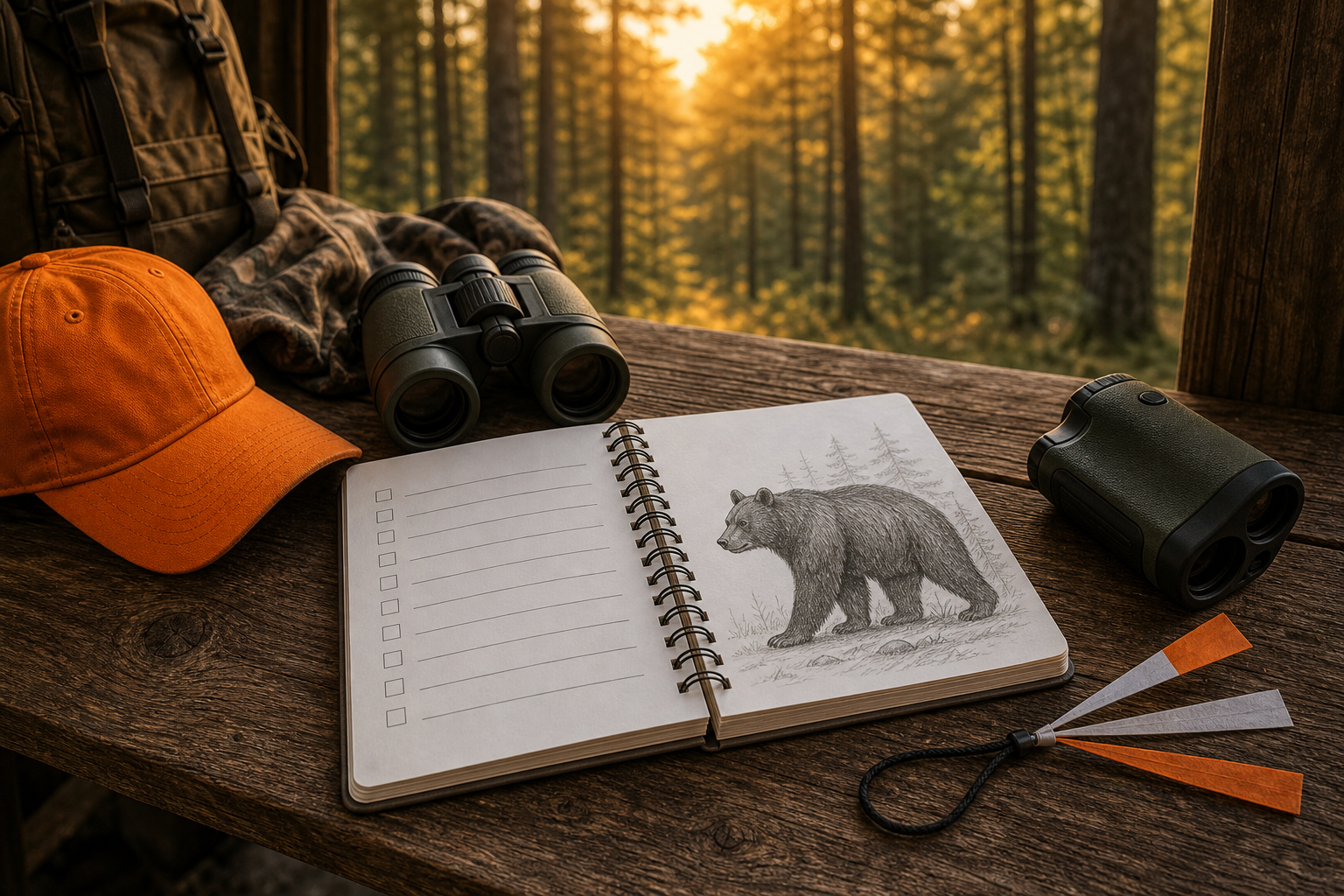
Best Bowhunting Shot Angles
The right shot angle is the one that gives your arrow a clean path and gives you a realistic recovery. The best options are usually simple, patient shots. Complicated angles are where wounded animals, lost recovery trails, and unsafe follow-up decisions happen.
Broadside
A broadside bear is usually the clearest bow shot because the body angle is easiest to read. Wait until the near-side front leg is not blocking the path. Pick a clean lane, settle the pin, and avoid drifting too far forward into heavy shoulder structure or too low into hair and body outline.
The key is patience. If the bear is walking, turning, or stretching, let it settle. A calm standing bear gives you time to confirm the angle and distance. If the bear never gives you that calm position, passing is the right decision.
Slightly Quartering Away
A slight quartering-away shot can be ethical when the angle is mild and the arrow path is clear. Think about where the arrow needs to travel through the body, not just where it touches the near side. If the angle becomes steep, or the shot would need to drive through too much body before reaching the vital area, do not force it.
This is where many hunters make mistakes by treating every quartering-away animal the same. Slight is different from hard quartering. When the angle is hard, wait for a turn or pass the shot completely.
Elevated Stand Angles
From a treestand, the contact point and exit path matter more than the pin picture alone. A steep downward shot can make the arrow path narrower and less forgiving. Practice from elevated positions, use a rangefinder with angle awareness if you trust it, and avoid steep shots that look tempting but reduce recovery confidence.
Bowhunter education resources often stress patience, controlled shot execution, and understanding your limits. If you need a refresher on bowhunting fundamentals, start with a reputable hunter-education source such as Bowhunter Ed, then apply your own state’s current rules.
Shots to Pass
A strong bear hunter knows which shots not to take. Passing is not failure; it is part of ethical hunting. The shots below are the ones most likely to create poor penetration, unclear recovery, or unsafe follow-up.
Frontal Shots
Do not take frontal bow shots on a bear. The target window is small, the structure is heavy, and the margin for error is too narrow. Wait for the bear to turn broadside or quarter slightly away.
Hard Quartering-To
A hard quartering-to bear usually protects the clean path you need. Even if the range is close, this is a shot to pass. Let the animal move, or let the opportunity go.
Running or Alert
Never rush a shot at a running, nervous, or alert bear. The animal can move during your shot sequence, and a small aiming error becomes a major recovery problem. Draw only when the situation is calm enough to finish the shot cleanly.
Brush, Obstructed, or Too Far
Do not shoot through brush, branches, grass, or uncertain cover. Do not stretch the range because the bear is impressive or because the hunt has been slow. Your field range is not your best range on a perfect practice day; it is the distance you can repeat when your heart rate is high.
Bear Bowhunting Shot Checklist
Before drawing, run through a short checklist. Is the bear legal? Is the distance known? Is the bear calm? Is the angle broadside or slightly quartering away? Is the shooting lane clear? Is your recovery plan realistic? If one answer is no, wait.
- Legal: Season, tag, area, bait rules, and bear identification are confirmed.
- Distance: The bear is inside your proven bow range, not just your hopeful range.
- Angle: Broadside or slight quartering-away only.
- Lane: No brush, limbs, grass, or other animals in the path.
- Behavior: The bear is calm enough that you can finish the shot cleanly.
- Recovery: You have light, help, permissions, and a plan for follow-up.
After the Shot and Recovery
After the shot, watch and listen carefully. Mark the spot where the bear stood and the last place you saw it. Do not climb down or start moving immediately unless your state rules, safety, or specific situation require it. If you are unsure about the hit, slow down and get help instead of pushing too fast.
Recovery rules and best practices vary by state, property, terrain, weather, and available tracking help. Plan this before the hunt. Know who you can call, what lights or marking tape you carry, and what your local regulations allow. A good recovery plan is part of ethical shot selection, not an afterthought.
Common Mistakes
The most common mistake is rushing because the bear finally appeared. Another is aiming from the hair outline instead of reading the body. A third is using deer habits without adjusting for bear shape, hair, and behavior. Good bear bowhunting is slower than that. You wait, verify, breathe, and only shoot when the answer is clear.
Another mistake is letting gear confidence replace judgment. Sharp broadheads, a tuned bow, and solid arrows matter, but they do not make a bad angle ethical. Equipment supports the decision; it does not rescue the wrong one.
FAQ
What is the best shot angle for a bear with a bow?
A calm broadside bear is usually the clearest bow shot. A slight quartering-away angle can also work when the arrow path is clean and the angle is not steep.
Should you shoot a bear facing you?
No. A frontal bow shot on a bear has too little margin for error. Wait for the bear to turn or pass the shot.
How far should you shoot a bear with a bow?
Stay inside the distance you can repeat accurately under field pressure. That number is different for each hunter, and it should be based on honest practice, not hope.
Is bear shot placement the same as deer shot placement?
No. Bear hair, body shape, posture, and shoulder structure can make the aiming picture different. Do not aim from the hair outline alone.
What should you do if the shot does not feel right?
Do not shoot. Passing a questionable shot is the ethical choice, especially with a powerful animal and a difficult recovery situation.
Final Recommendation
The best place to shoot a bear with a bow is not a single magic dot. It is the right shot opportunity: legal bear, calm behavior, known distance, broadside or slight quartering-away angle, clear lane, and a recovery plan. If those pieces are not present, pass the shot and wait for a better one.
That mindset protects the animal, the hunter, and the quality of the hunt. A bear you pass today is better than a bear you cannot recover tomorrow.