


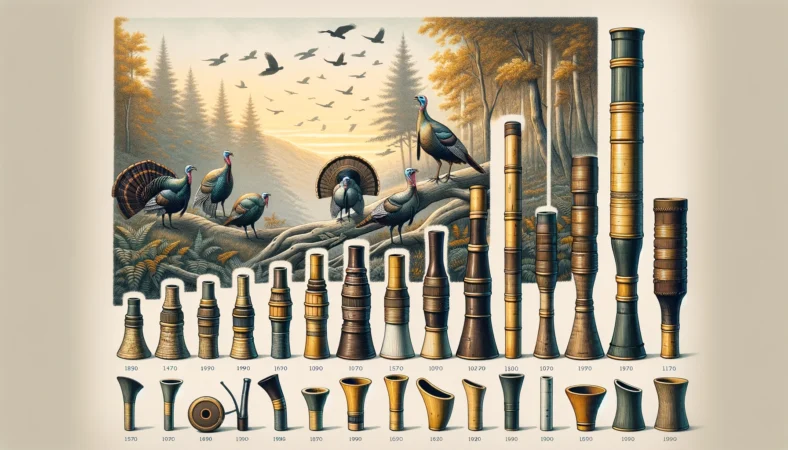
Tube turkey calls remain useful because they can make a wide range of turkey sounds from a small, simple device. A tube call uses a hollow body and a stretched reed or latex surface to create yelps, clucks, purrs, cuts, and even gobbles when the caller learns mouth pressure, air control, and hand position.
The story of tube calls is less about one invention date and more about hunters refining simple sound-making tools over time. Early homemade calls, modern synthetic reeds, better bodies, and cleaner tuning all serve the same purpose: imitate real turkey vocalizations well enough to communicate, not just make noise.
Table of contents
- Quick Answer
- What Is A Tube Turkey Call?
- Why Tube Calls Still Matter
- Early Turkey Calling And Homemade Tools
- How Materials Changed Tube Calls
- Turkey Sounds A Tube Call Can Make
- Why Tube Calls Take Practice
- When To Use A Tube Call
- Calling Ethics And Field Judgment
- Common Tube Call Mistakes
- FAQ
- Final Takeaway
Quick Answer
A tube call is a small turkey call that uses a stretched reed over a hollow tube or barrel. It has evolved from simple homemade calling tools into a more refined modern call with better materials, more consistent reeds, and easier tuning. It is valued because one call can produce several turkey vocalizations, but it takes more practice than many beginner-friendly box or push-pull calls.
For hunters, the biggest advantage is versatility. The biggest downside is consistency. A tube call can sound excellent in skilled hands, but it can also sound harsh or unnatural if the caller blows too hard, stretches the reed poorly, or overcalls.
What Is A Tube Turkey Call?
A tube turkey call is a hollow calling device with a reed or latex material stretched across part of the opening. The hunter pushes air across the reed and shapes the sound with lips, tongue, throat, and hand position. The turkey call reference overview describes tube calls as devices that use a small hollow barrel with latex fixed across part of the top.
The tube call is different from a box call or pot call because the caller’s mouth and air control do much of the work. That makes it expressive, but it also raises the learning curve.
Why Tube Calls Still Matter
Tube calls remain popular with many turkey hunters because they can cover soft and loud calling from one compact tool. They can be carried easily, adjusted quickly, and used to create emotion in the call: pleading yelps, sharp cuts, soft purrs, and aggressive gobbles.
They also help hunters learn the rhythm of turkey language. Realism is not only the sound itself. It is timing, volume, spacing, and knowing when to stop. A simple call used well often beats a louder call used too much.
Early Turkey Calling And Homemade Tools
Turkey hunters have long built calls from available materials. Some calling traditions used wingbones, wood, reeds, slate, boxes, and other handmade tools. Tube-style calls fit that same practical pattern: hunters wanted a compact tool that could imitate turkey vocalizations without carrying several different calls.
Because many early calls were homemade or regional, the exact history is not always cleanly documented. What matters for today’s hunter is the same principle those early callers understood: the call should sound like a turkey, fit the situation, and not overpower the woods.
How Materials Changed Tube Calls
Body Material
Tube bodies can be made from wood, plastic, metal, acrylic, or other materials. The body shape, chamber size, and edge design all influence tone and volume. Modern manufacturing makes calls more consistent than many homemade versions, but hand-tuned calls still appeal to hunters who like a custom feel.
Reed Material
Reed material is central to the call. Latex and similar materials make it easier to tune tension and replace worn reeds. A fresh, properly stretched reed can sound lively. A damaged or poorly stretched reed can make the call difficult to control.
Tuning And Consistency
Modern tube calls often make reed replacement and tuning easier. That helps hunters keep a call consistent across a season. Still, the user matters more than the hardware. A well-tuned call needs practice before opening morning.
Turkey Sounds A Tube Call Can Make
Wild turkeys use many vocalizations, including yelps, clucks, purrs, cuts, cackles, kee-kees, putts, and gobbles. The wild turkey overview notes a wide range of turkey calls and vocal behavior. A tube call can imitate many of these sounds, but not every caller will master all of them quickly.
Yelps
Yelps are one of the most useful turkey sounds. A tube call can make plain yelps, excited yelps, and pleading yelps depending on air pressure and rhythm.
Clucks And Purrs
Soft clucks and purrs are useful when birds are close or calm. These require control. Too much air can turn a soft call into a sharp, unnatural sound.
Cuts And Gobbles
Tube calls can produce sharp cuts and gobbles, but hunters should use them carefully. Gobbling can be unsafe on public land or around other hunters because it may attract people as well as turkeys.
Why Tube Calls Take Practice
A tube call is sensitive to reed tension, lip seal, air direction, and hand position. Small changes can make the call sound better or worse. This is why beginners may struggle at first even if the call itself is good.
The best practice method is simple: listen to real turkeys, practice short sequences, record yourself, and focus on rhythm before volume. Calling louder is rarely the fix for poor calling. Better timing and less calling usually help more.
When To Use A Tube Call
- When you want one compact call that can make several sounds.
- When birds are vocal and you need expressive yelps or cuts.
- When you want a different sound from common box or pot calls.
- When you have practiced enough to control volume and tone.
- When wet conditions make some friction calls less reliable.
For newer hunters, tube calls pair well with a simpler box or pot call. Use the easier call as a baseline, then add the tube call when you can make clean, controlled sounds.
Calling Ethics And Field Judgment
Good turkey calling is not about making constant noise. It is about reading the bird, terrain, pressure, and safety situation. Overcalling can educate birds, pull them away from natural movement, or make the setup feel unnatural.
Safety matters too. Avoid gobbling on public land or near other hunters. Follow current seasons, legal methods, and local rules. If you are new to turkey hunting, combine calling practice with basic field planning from our crossbow turkey hunting essentials guide and broader wildlife context from our North American game birds article.
Common Tube Call Mistakes
Using Too Much Air
Blowing too hard can make the call harsh. Start with controlled air and build volume only when the sound stays clean.
Ignoring Reed Condition
A worn, loose, torn, or poorly stretched reed can ruin tone. Check the reed before the hunt and carry a backup call.
Overcalling
Too much calling can sound unnatural. Call, listen, and let the bird respond. Silence is part of the conversation.
Practicing Only During The Hunt
Tube calls reward practice. Learn the call before opening day so you can use it calmly when a bird is close.
FAQ
Are tube turkey calls good for beginners?
They can be, but they require practice. Many beginners find box calls or push-pull calls easier at first, then add a tube call after learning basic turkey sounds.
What sounds can a tube call make?
A tube call can make yelps, clucks, purrs, cuts, cackles, and gobbles when tuned and used correctly. Control matters more than volume.
Do tube call reeds need replacement?
Yes, reeds can wear, stretch, tear, or lose tone. Replace or retune the reed when the call becomes hard to control or sounds flat.
Is it safe to gobble with a tube call?
Use caution. Gobbling can attract other hunters, especially on public land. Many hunters avoid gobbling for safety reasons unless they are in a controlled private-land situation.
Final Takeaway
The evolution of tube calls shows how a simple hunting tool can stay useful across generations. Better materials and tuning have improved consistency, but the real value still comes from the hunter’s ear, restraint, and practice. Learn real turkey sounds, call less than you think you need to, and use the tube call as one part of a safe, ethical turkey hunting setup.