Good wingshooting is built on safe gun handling, a smooth mount, steady footwork, clean target focus, and enough practice to make the swing feel natural. Whether you hunt ducks, pheasants, quail, dove, or grouse, the basics stay the same: identify the bird, know your safe zone of fire, move smoothly, keep the gun moving, and take only responsible shots.
This guide covers practical wingshooting tips for hunters. It is not a substitute for formal instruction, local regulations, or hunter education. Always follow firearm safety rules, season rules, species limits, and property requirements before hunting.
Table of contents
- Quick Answer
- Start With Safe Zones Of Fire
- Build A Consistent Shotgun Mount
- Use Better Footwork And Balance
- Focus On The Bird, Not The Bead
- Understand Lead And Follow-Through
- Judge Distance Before Shooting
- Match Choke And Load To The Hunt
- Read Bird Behavior And Habitat
- Practice With Purpose
- Wingshooting Field Checklist
- Common Mistakes
- FAQ
- Final Takeaway
Quick Answer
To improve wingshooting, practice mounting the shotgun the same way every time, keep your eyes locked on the bird, swing smoothly through the target, and follow through after the shot. In the field, safety and shot selection matter more than speed. If the bird is too far, the angle is unsafe, or the target is not clearly identified, do not shoot.
Most misses come from stopping the gun, lifting the head, rushing the mount, misjudging range, or trying to measure lead instead of moving naturally with the bird.
Start With Safe Zones Of Fire
Before thinking about lead or choke, know where it is safe to shoot. In a group hunt, every hunter needs a clear zone of fire and a shared understanding of where people, dogs, roads, buildings, and property boundaries are located. Never swing through another hunter or take a shot where the background is uncertain.
The Hunter Ed zone-of-fire guidance is a useful refresher for safe shooting lanes in the field. For bird hunters, that safety discipline should happen before the flush, not after the bird is already in the air.
Build A Consistent Shotgun Mount
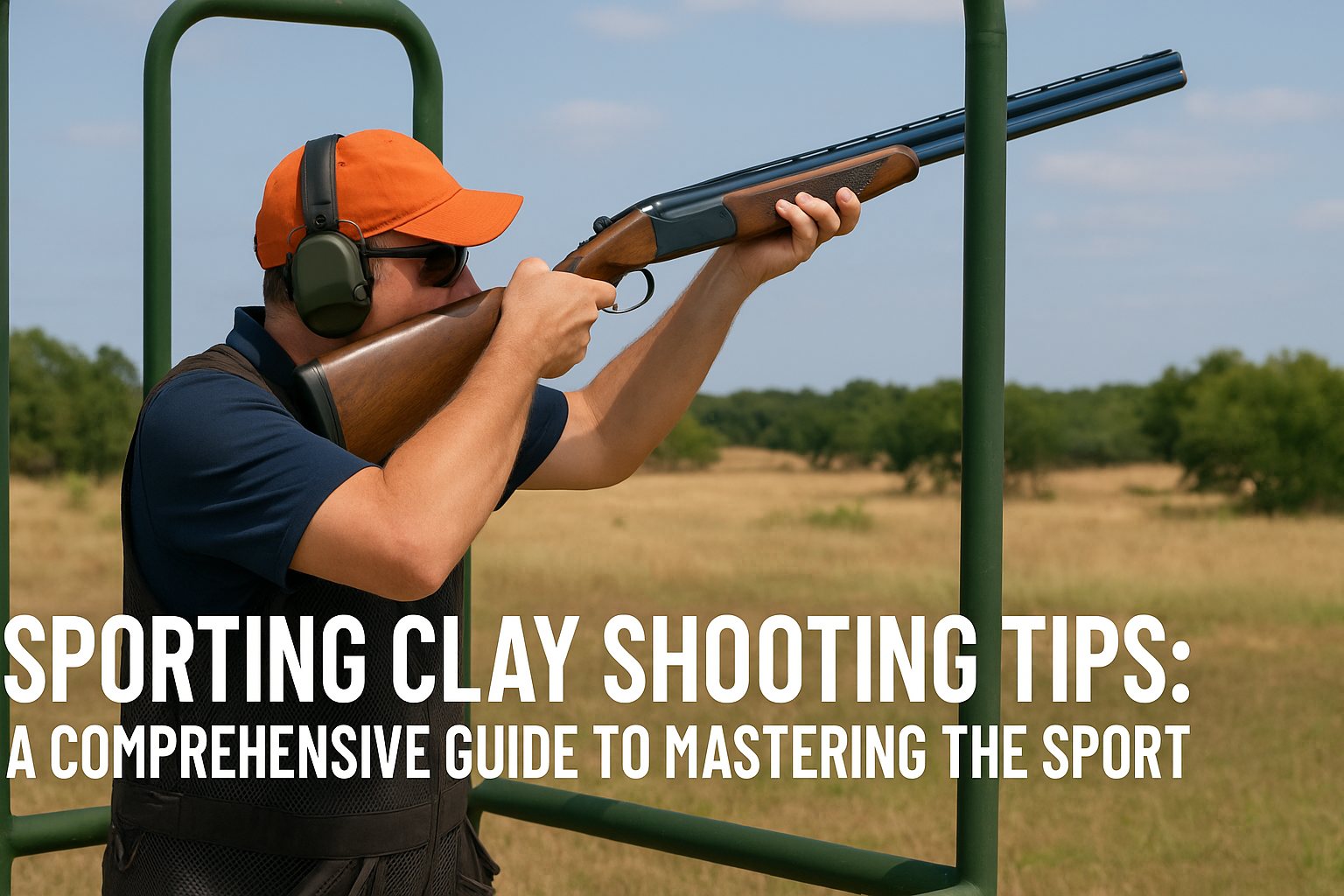
A consistent mount helps your eye line up naturally with the rib and target. The gun should come to your cheek and shoulder smoothly instead of being thrown upward in a rushed motion. If your head lifts off the stock or the butt lands in a different place each time, your pattern will not follow your eyes.
Practice unloaded at home only after confirming the firearm is safe and ammunition is stored away. Work slowly: eyes on a safe spot, muzzle controlled, cheek to stock, shoulder pocket, and balanced finish. Speed should come after repeatability.
Use Better Footwork And Balance
Wingshooting is easier when your body can rotate with the bird. Keep your feet balanced, knees slightly flexible, and upper body free to swing. If your feet are locked in the wrong direction, your swing may stop before the shot or pull off line.
In upland hunting, you often have little time to set your feet after a flush. In waterfowl hunting, you may have more time to prepare, but bulky clothing, blinds, and uneven ground can still affect balance. Build a stance that lets the muzzle move without forcing your shoulders.
Focus On The Bird, Not The Bead
Many hunters miss because they look back at the shotgun bead instead of staying visually locked on the bird. The bead can help confirm alignment, but wingshooting is driven by target focus. Your eyes should read the bird’s line, speed, and angle while your hands move the gun with it.
Pick a precise visual point. On a crossing bird, that may mean focusing on the head or front edge instead of the whole bird. On a flushing bird, lock onto the bird before mounting and keep your head down through the shot.
Understand Lead And Follow-Through
Lead is the space you allow in front of a moving bird so the shot pattern and bird arrive at the same place. The amount changes with distance, bird speed, angle, wind, and your shooting method. Trying to calculate it in the field can make the shot feel stiff.
For many hunters, the simplest approach is to start behind the bird, swing through it, fire as the muzzle passes the front edge, and keep the gun moving. Follow-through matters because stopping the gun at the trigger pull is a common reason shots land behind the bird.
Judge Distance Before Shooting
Ethical wingshooting depends on range. Birds that are too far away may be outside your effective pattern, even if they look tempting. Learn how your shotgun patterns at realistic distances and avoid skybusting or low-percentage shots.
Use landmarks before the hunt starts. In a blind, note the distance to decoys, brush lines, fence posts, or water edges. In upland cover, be honest about how quickly the bird is getting away and whether you still have a clean, safe shot window.
Match Choke And Load To The Hunt
Choke and load should match the species, expected range, legal requirements, and habitat. Open chokes can help on close flushing birds, while tighter chokes may be useful for longer controlled shots. Non-toxic shot may be required for many waterfowl situations, so check current rules before hunting. Shotgun fit matters too; our bird hunting shotgun fit guide explains why comfort and alignment affect field performance.
Pattern your shotgun with the load you actually plan to use. A load that looks good on paper may not pattern evenly in your gun. Patterning also helps you understand your practical range, which supports cleaner decision-making in the field.
Read Bird Behavior And Habitat
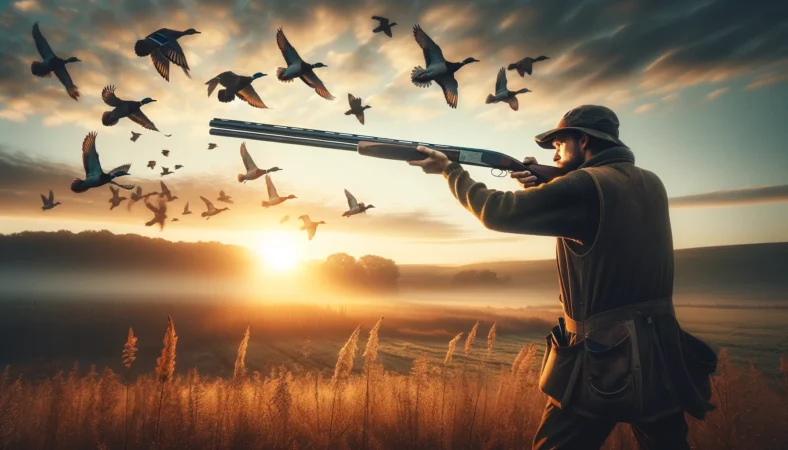
Different birds create different shooting opportunities. Pheasants may flush hard from cover, quail may rise quickly and scatter, ducks may cup into decoys, and doves may cross fast with sudden angle changes. Study the species you hunt and adjust your ready position, footwork, and shot timing.
Habitat tells you where birds are likely to move. Food, water, cover, wind, pressure, and weather all matter. For a broader bird-hunting reference, see our guide to North American game birds.
Practice With Purpose
Clay target practice helps most when it reflects real field problems. Practice crossing shots, quartering birds, going-away targets, surprise presentations, and safe mount timing. Do not only shoot the targets you already like.
Keep practice focused. Pick one skill for the day, such as keeping your head down, finishing the swing, or calling the hold point before the target appears. A few deliberate rounds can teach more than a long session full of repeated mistakes.
Wingshooting Field Checklist
Identify The Bird
Know the species and confirm it is legal before raising the gun.
Confirm A Safe Zone
Check hunters, dogs, roads, buildings, and background before swinging.
Stay Inside Effective Range
Take shots your pattern, skill, and conditions can support responsibly.
Plan For Recovery
Mark the fall, communicate with partners, and recover birds carefully.
Common Mistakes
Stopping The Gun
If the muzzle stops when you pull the trigger, the shot often lands behind the bird. Keep swinging through the shot.
Lifting Your Head
Peeking over the stock changes alignment. Keep your cheek planted until the shot is complete.
Rushing Unsafe Shots
Fast shots are not always good shots. If identification, angle, or background is uncertain, pass.
Ignoring Fit And Pattern
A shotgun that does not fit or a load that patterns poorly can make good technique harder to repeat.
FAQ
What is the best way to practice wingshooting?
Clay targets are the most common practice tool. Focus on realistic target angles, safe gun handling, smooth mounting, target focus, and follow-through instead of only chasing scores.
How do I improve wingshooting accuracy?
Improve the fundamentals first: gun fit, stance, mount, visual focus, swing, lead, and follow-through. Then practice at known distances so you learn what your shotgun and load can do.
What shotgun is best for wingshooting?
The best shotgun is one that fits you, functions reliably, and matches the birds and conditions you hunt. A properly fitting shotgun usually matters more than the action type.
Should beginners get wingshooting instruction?
Instruction can help a beginner fix mount, eye dominance, stance, and follow-through problems early. Even experienced hunters can benefit from a coach watching what happens during the shot.
Final Takeaway
Better wingshooting comes from safe field judgment and repeatable fundamentals. Know your safe zone, mount smoothly, keep your eyes on the bird, swing through the target, pattern your shotgun, and practice with purpose before the season.