


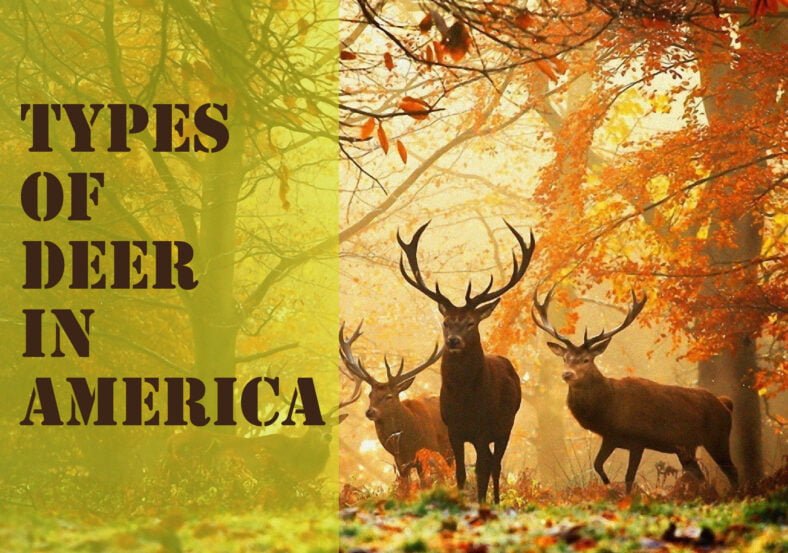
North America has several deer species, and each one fits a different habitat, body size, and range. The most familiar are white-tailed deer and mule deer, but hunters and wildlife watchers may also hear about black-tailed deer, elk, moose, caribou, and introduced species such as axis deer.
This guide gives a plain-language overview of deer and deer relatives in America. It is meant for wildlife education and hunting context, not as a state regulation guide. Seasons, tags, and legal definitions vary by location.
Table of contents
Quick Answer
The main deer species and deer relatives in America include white-tailed deer, mule deer, black-tailed deer, elk, moose, caribou, and several introduced species in limited areas. White-tailed deer are the most widespread in the United States, while mule deer and black-tailed deer are more associated with western habitats.
For hunters, identification matters because rules, seasons, tags, and legal harvest opportunities can differ by species and state. Always check your state wildlife agency before hunting.
White-Tailed Deer
White-tailed deer are common across much of the United States and parts of Canada, Mexico, and Central America. They are named for the white underside of the tail, which is often raised like a flag when the deer is alarmed.
Whitetails live in forests, farm edges, brush, suburbs, river bottoms, and mixed habitats. They are adaptable, which is one reason they are so familiar to hunters and landowners. The National Park Service overview of white-tailed deer is a useful high-authority reference for general biology.
Mule Deer
Mule deer are named for their large mule-like ears. They are strongly associated with western North America and often live in open country, foothills, sagebrush, mountains, and broken terrain.
Compared with whitetails, mule deer often have a different body profile, ear shape, tail pattern, and escape style. They are known for a stiff-legged bounding movement called stotting. Our mule deer vs whitetail deer guide goes deeper on that comparison.
Black-Tailed Deer
Black-tailed deer are closely related to mule deer and are generally found along the Pacific Coast and nearby western regions. They are often associated with thick coastal forests, brushy terrain, and edge habitats.
Identification can be tricky in areas where ranges and subspecies overlap. Look at tail pattern, ear size, habitat, body size, and local wildlife-agency guidance rather than relying on one feature alone.
Elk
Elk are one of the largest members of the deer family in North America. Bulls can carry large antlers, and herds may use mountains, forests, meadows, and open ranges depending on season and region.
Elk are not just “big deer” in practical hunting terms. Their size, habitat, movement, and legal tags are different from whitetails or mule deer. For planning context, see our elk hunting pack article if you are researching field gear separately.
Moose
Moose are the largest members of the deer family. They are associated with northern forests, wetlands, willow areas, and cold-region habitat. Their long legs, large bodies, hanging nose, and broad antlers on mature bulls make them visually distinct.
Moose should be respected from a distance. They are powerful animals and can be dangerous when stressed, especially cows with calves or bulls during the rut.
Caribou
Caribou, also known as reindeer in domestic contexts, are deer of northern regions. In North America, caribou are associated with tundra, boreal forest, and migratory herds, depending on the population.
The U.S. Fish and Wildlife Service caribou profile is a good source for conservation-focused information. Hunting opportunities and protections vary widely by location and population.
Introduced Deer Species
Some areas of the United States have introduced or non-native deer species, such as axis deer, fallow deer, sika deer, or other exotics on private lands or localized ranges. These species are not evenly distributed across America.
Because introduced species are managed differently by state and property type, do not assume standard deer rules apply. Check current regulations and landowner rules before hunting any exotic or non-native deer species.
Why Deer Identification Matters
Correct identification helps hunters follow the law, choose the right tag, and make ethical decisions. It also helps wildlife watchers understand what they are seeing. A quick glance is not always enough, especially in low light, thick cover, or regions where species overlap.
When you are uncertain, slow down and use multiple clues: tail, ears, body size, antler shape, movement, habitat, and location. For hunting, uncertainty should mean no shot.
Habitat Clues By Deer Type
Habitat will not identify every animal by itself, but it can narrow the possibilities. Whitetails are comfortable in mixed woods, agriculture, river bottoms, brush, and suburban edges. Mule deer are more associated with western open country, sage, foothills, canyons, and mountain terrain. Blacktails often use dense coastal cover and brushy western habitats.
Elk may use meadows, timber, burns, high basins, and migration corridors depending on the season. Moose are often tied to willows, wetlands, boreal forest, lakes, and cold northern habitat. Caribou are more specialized and connected to northern tundra or boreal ecosystems, depending on the herd.
Use habitat as a clue, not proof. Local range maps and wildlife-agency resources are still the best way to confirm which species are expected in a specific area.
Management goals can also differ by species. One state may focus on whitetail population balance, another may manage mule deer migration corridors, and another may protect sensitive caribou habitat. That is another reason current local information matters more than a generic national summary.
For beginners, studying photos before the season helps, but field identification should always be slow, deliberate, and confirmed through several visible clues.
How To Identify Deer In The Field
- Tail: Whitetails often flag a white tail; mule deer and blacktails have different tail patterns.
- Ears: Mule deer usually have larger ears than whitetails.
- Habitat: Whitetails are adaptable; mule deer are strongly western; moose and caribou are northern or region-specific.
- Body size: Elk and moose are much larger than deer like whitetails and mule deer.
- Antlers: Antler shape can help, but it should not be the only identification feature.
For field observation skills, our guide on tracking animals and reading sign can help you connect tracks, habitat, and behavior.
FAQ
What is the most common deer in America?
White-tailed deer are generally the most widespread and familiar deer species in the United States.
Are mule deer and whitetail deer the same?
No. They are different deer species with different ears, tails, body traits, behavior, and common habitats.
Are elk and moose types of deer?
Yes. Elk and moose are members of the deer family, but they are much larger and managed differently than animals commonly called deer.
Are deer hunting rules the same for every species?
No. Rules vary by state, species, season, tag, weapon type, and property. Always check current wildlife-agency regulations before hunting.
Final Takeaway
The main deer types in America include white-tailed deer, mule deer, black-tailed deer, elk, moose, caribou, and localized introduced species. Learn the key identification traits, respect local regulations, and use reliable wildlife-agency sources before turning species knowledge into a hunting plan.