


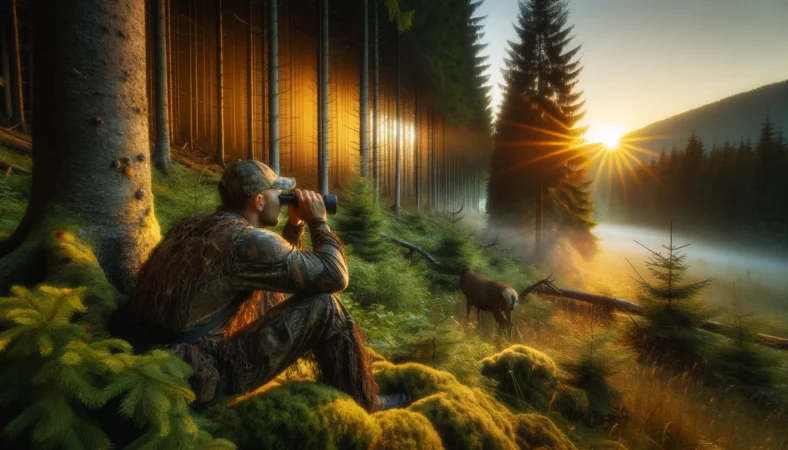
Patience is one of the biggest keys to hunting success because it keeps you from moving too soon, taking poor shots, ignoring wind, or abandoning a good plan before the woods have time to settle. Patient hunters still scout, practice, and adapt, but they make fewer rushed decisions. They wait for better information, better shot angles, and better conditions instead of forcing a hunt to happen.
Table of contents
Quick Answer
The key to success in hunting is not patience alone, but patience applied to the right fundamentals: safe handling, legal responsibility, scouting, wind, quiet movement, shot discipline, and learning from each hunt. A patient hunter does not simply sit longer. A patient hunter waits with a reason, watches carefully, and changes plans only when the evidence supports it.
Formal hunter education is still the foundation. Resources like Hunter-ed.com can help reinforce safety and responsibility, but every hunter should verify current rules with the state wildlife agency where they hunt.
Why Patience Matters in Hunting
Most hunting mistakes happen when a hunter rushes. They walk too fast, check the wind once and forget it, leave a good spot too early, force a shot angle, or make noise because they are bored. Patience slows those mistakes down. It gives you time to hear small movement, notice changes in animal behavior, and decide whether a situation is truly improving or getting worse.
Patience also helps with ethics. Passing a questionable shot is not failure. Waiting for a clear angle, a legal animal, and a safe backstop is part of hunting well.
Patience During Scouting
Good scouting is careful, not frantic. Instead of walking every trail in one day, study maps first, choose likely food, water, bedding, funnels, or access routes, then confirm them with low-impact field checks. The goal is to learn without spreading scent and pressure everywhere.
Slow down around fresh sign
When you find tracks, droppings, rubs, beds, feathers, trails, or feeding sign, stop and read the area. Ask where the animal came from, where it may be going, what wind makes sense, and whether the sign is fresh enough to matter. Our tracking animals guide can help with that process.
Patience on Stand or in a Blind
Sitting still is harder than it sounds. A good stand or blind setup can take time to produce, especially when animals move later than expected or other hunters change pressure. Before leaving, ask whether the wind, entry route, visibility, and recent sign still support the spot. If they do, leaving early may cost you the best movement window.
Plan your waiting window before you climb in or settle into the blind. For example, you might decide to stay through the first two hours of daylight, the last legal-light window, or a known transition period based on fresh sign. A pre-decided window helps you avoid leaving just because the middle of the sit feels slow.
Control movement and noise
Small movements matter. Prepare snacks, rangefinder, calls, gloves, and layers so you do not fumble at the wrong time. Move when wind or cover noise helps you, and avoid unnecessary phone checks or gear shuffling.
Patience When Stalking or Still-Hunting
Still-hunting and stalking reward slow movement. Take a few steps, stop, scan, listen, and let the woods settle. Many hunters move again just as an animal is about to reveal itself. A patient rhythm gives your eyes and ears time to catch details.
Wind matters more than speed. If the wind is wrong, patience may mean circling, waiting, or backing out rather than pushing ahead and educating every animal in the area.
Patience and Shot Discipline
Shot discipline is where patience becomes most important. Wait for a clear target, legal animal, safe background, and a shot angle you have practiced. Do not let a long slow hunt pressure you into taking a shot you would reject at the range.
- Know your realistic effective range before the hunt.
- Do not shoot through brush you cannot clearly read.
- Wait for the animal to stop or present a better angle when possible.
- Pass shots when you are winded, shaking hard, or unsure.
- Follow up legally and carefully after the shot.
For a broader skill framework, see our guide on how to become a better hunter.
When to Stay and When to Adjust
Patience does not mean stubbornness. If the wind shifts badly, access gets compromised, hunting pressure changes, or sign no longer matches the plan, adjust. The difference is that a patient hunter changes based on evidence, not boredom.
Use a simple decision check
Before moving, ask three questions: Is the wind still workable? Is this location still connected to fresh sign or likely movement? Will moving improve the hunt or only satisfy impatience? If the answers favor staying, stay. If they favor a better plan, move carefully.
How to Build Patience Before the Season
Patience gets easier when you trust your preparation. Practice realistic shooting positions, scout early, organize gear, break in boots, and make a plan for wind and access. A hunter who feels prepared is less likely to force bad decisions.
Keep a field journal after each hunt. Record wind, weather, sightings, sign, pressure, movement times, and what you changed. Over time, notes turn patience into pattern recognition instead of blind waiting.
That journal also helps you avoid repeating the same impatient mistakes. If you leave early every time the woods feel quiet, note what happened after you left, what the wind was doing, and whether your original plan had enough evidence behind it. The goal is not to stay forever; it is to make changes for a clear, practical field reason.
Frequently Asked Questions
Is patience really the most important hunting skill?
Patience is one of the most important skills, but it works only with safety, scouting, legal knowledge, and shot discipline. Waiting without a plan is just sitting. Waiting with a good plan is a hunting skill.
How long should I sit in one hunting spot?
It depends on wind, sign, pressure, season, and your entry route. If the wind is good and the spot connects to fresh sign or likely movement, give it time. If conditions turn against you, adjust carefully.
How do I stop getting bored while hunting?
Give yourself observation tasks: watch wind, scan specific lanes, listen for small sounds, note bird and squirrel behavior, and record conditions. Active observation makes patience easier.
Can impatience ruin a hunt?
Yes. Impatience can make you move too soon, make noise, ignore the wind, or take a poor shot. A slower decision process often prevents the mistakes that end a hunt early.
Final Takeaway
Patience is a hunting advantage when it is tied to preparation and judgment. Scout carefully, trust your plan, watch the wind, move slowly, pass poor shots, and adjust only when evidence says the plan has changed. That kind of patience makes you safer, more ethical, and more effective over a full season.