


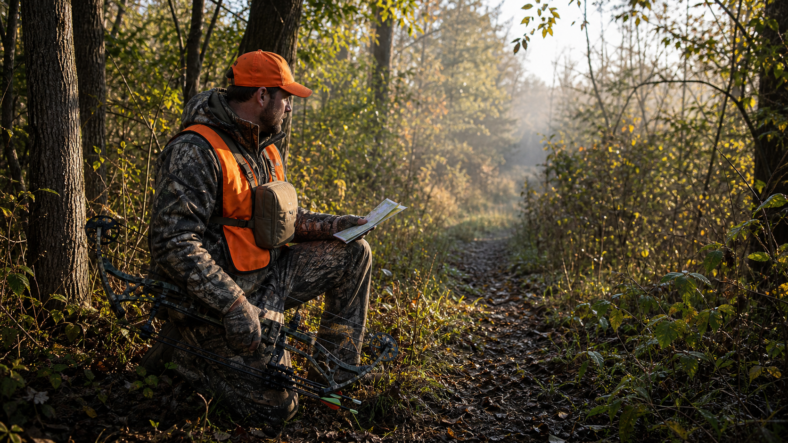
Bowhunting whitetails in thick cover is mostly a discipline problem: confirm the rules, scout for safe visibility, plan entry and exit, and pass any shot that is obstructed or uncertain. Dense cover can hold deer, but it also shortens sight lines and makes poor decisions easier to justify in the moment.
This is a safety-first and ethics-first guide, not a guarantee of hunting success. Seasons, legal methods, hunter-orange rules, access rules, baiting, cameras, stands, and reporting requirements vary by state and property, so verify current official regulations before every hunt.
Table of Contents
- Quick Answer: How To Bowhunt Thick Cover Safely
- Check Rules Before Planning A Thick-Cover Hunt
- Scout For Visibility, Wind, And Safe Access
- Use Shot Discipline In Dense Cover
- Hunt Ethically Around Pressure And Habitat
- Thick-Cover Bowhunting Checklist
- Common Mistakes In Thick Cover
- Related Bowhunting And Deer Guides
- Frequently Asked Questions
Quick Answer: How To Bowhunt Thick Cover Safely
Bowhunting thick cover safely means checking current rules first, scouting for visibility and safe access, reading the wind honestly, and committing to pass on any obstructed, low-light, or low-confidence shot. The limited sight lines reward patience and clear identification, not aggressive tactics.
Think of thick cover as a place where small mistakes compound. A poor entry route bumps deer. A bad wind exposes your position. A narrow lane tempts a rushed shot. The solution is preparation before the hunt and restraint during the hunt.
Check Rules Before Planning A Thick-Cover Hunt
Rules come before tactics. Do not assume last year’s deer season dates, legal methods, access rules, hunter-orange requirements, or reporting rules still apply. Start with your state wildlife agency’s current regulations for the exact place and season you plan to hunt.
Seasons, Legal Methods, Hunter Orange, And Access
Season timing, legal equipment, blaze-orange requirements, public-land access, and tagging/reporting rules are location-specific. This article intentionally avoids state-specific claims because those details change. Use official current sources for your state and property, and use hunter education as your safety foundation. IHEA-USA is a helpful starting point for hunter-education context.
Baiting, Stands, Cameras, And Property Rules
Rules around baiting, attractants, trail cameras, treestands, ground blinds, trimming lanes, and vehicle access vary widely. Private land also requires clear permission and known boundaries. If you are unsure whether a practice is allowed, treat it as unapproved until an official source or landowner confirms it.
Scout For Visibility, Wind, And Safe Access
Good thick-cover scouting is less about finding a dramatic spot and more about finding a spot you can enter safely, hunt ethically, and leave without creating avoidable pressure. Look for a few workable lanes, a clear route, and wind conditions that do not force a bad setup.
Also think about recovery before you ever hunt the spot. Thick cover can make visibility and follow-up decisions harder, so your setup should leave you with clear landmarks, safe walking paths, and a conservative plan for when you will back out and seek help. A responsible hunt is planned around the shot you might pass as much as the shot you hope to take.
Entry And Exit Routes
Plan entry and exit before dark. Thick cover can become confusing in low light, so carry a light, navigation, and a plan someone else knows. A careful route reduces both safety risk and the chance of bumping bedded deer before you ever settle in.
Shooting Lanes Without Over-Clearing
A few clear lanes inside your practiced range are more useful than a large cleared opening. Over-clearing can change deer movement, violate property rules, or damage habitat. Your goal is to see and identify the deer clearly, not to turn thick cover into open ground.

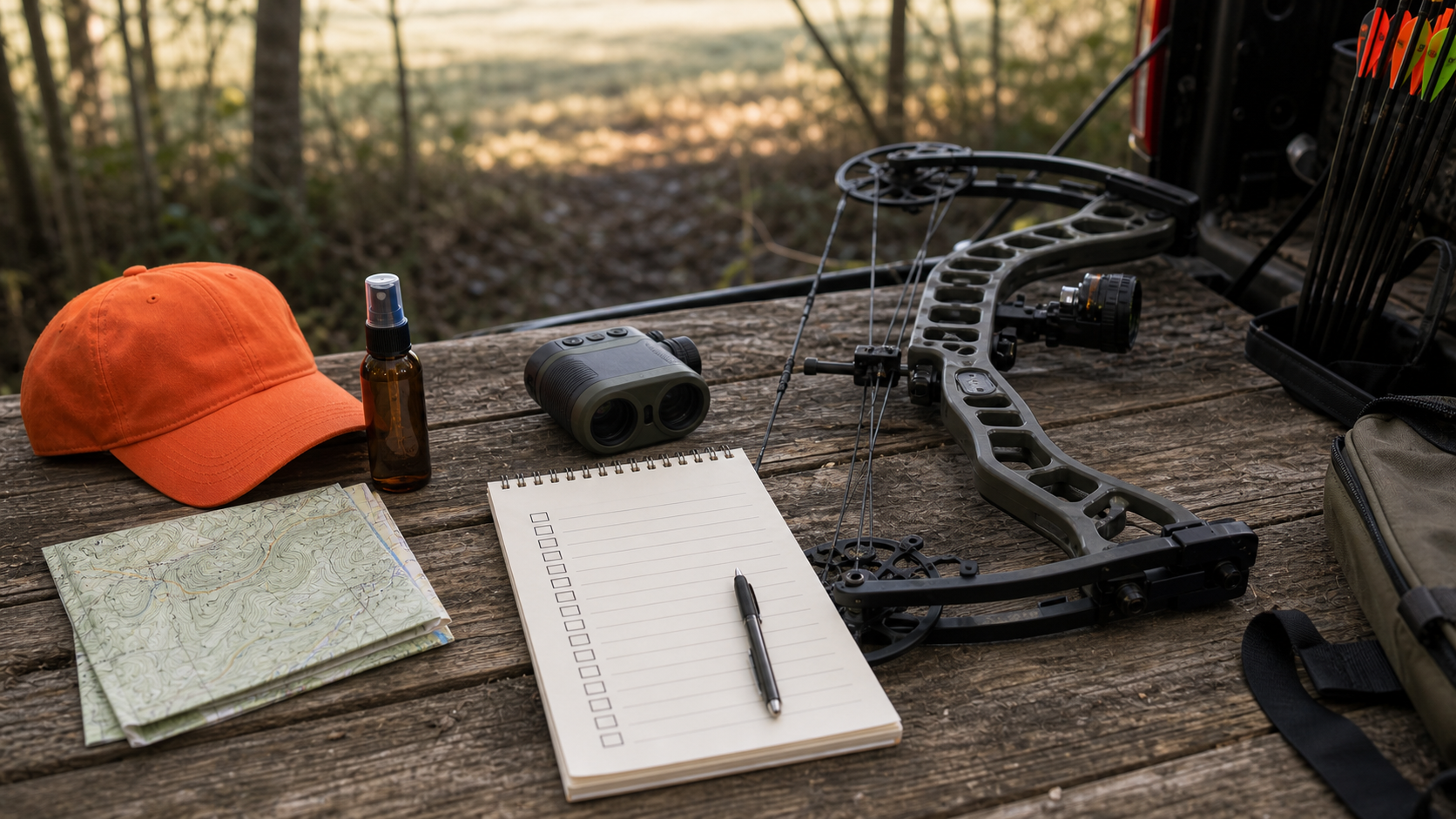
Wind And Thermal Checks
Wind can swirl in cover, draws, creek bottoms, and terrain breaks. Check wind often and be honest about what it means. If the only good lane requires a bad wind, it is usually better to wait, shift, or choose a different sit than to force the hunt.
Use Shot Discipline In Dense Cover
Shot discipline is the most important thick-cover skill. Before drawing, identify the deer, the lane, the angle, and what is beyond. Never shoot at sound, movement, or a partial silhouette in brush. Hunter education resources such as Hunter-Ed’s hunter education overview reinforce the same safety-first mindset.
Pass on brushy, low-light, hurried, or low-confidence shots. Passing is not failure. In thick cover, passing is often the decision that protects the animal, the hunter, and the integrity of the hunt.
Hunt Ethically Around Pressure And Habitat
Thick cover often exists because deer use it for security. Hunt it with respect for the habitat and the other hunters who may share the area. Avoid crowding, leave minimal impact, follow property rules, and do not let pressure push you into unsafe shortcuts.
Ethical hunting is not just about whether something is legal. It is also about restraint, preparation, and respect for the resource. That matters even more when cover limits visibility and decision time.
Thick-Cover Bowhunting Checklist
| Before The Hunt | What To Confirm | Why It Matters |
|---|---|---|
| Rules | Season, legal method, orange, reporting, access | Prevents outdated or location-wrong assumptions |
| Property | Permission, boundaries, trimming, cameras, stands | Keeps the hunt legal and respectful |
| Access | Safe entry, exit, light, navigation, contact plan | Reduces risk in dense terrain and low light |
| Visibility | Clear identification and limited lanes in practiced range | Prevents obstructed or uncertain shots |
| Wind | Wind and thermals fit the setup | Avoids forcing a marginal sit |
| Discipline | Plan to pass low-confidence shots | Protects safety and hunting ethics |
Common Mistakes In Thick Cover
The biggest mistakes are assuming rules, over-clearing lanes, ignoring wind, entering carelessly, and taking obstructed shots. Another common mistake is treating thick cover like open woods. It is not. You usually have less time, less visibility, and fewer clean options.
Do the boring work first: verify the rules, know the access, mark the safe lanes, and decide ahead of time what shots you will pass. That is the part that makes the hunt more responsible.
Related Bowhunting And Deer Guides
- Deer hunting tips for beginners
- Public land deer hunting
- Crossbow deer hunting tips
- Safety rules for archery
- How to ask for hunting permission
- Bow hunting for beginners
Frequently Asked Questions
How do you bowhunt whitetails in thick cover?
Start by checking current rules and access, then scout for safe entry, visibility, wind, and a few clear lanes inside your practiced range. During the hunt, pass on any obstructed, low-light, or uncertain shot.
Is thick cover good for deer hunting?
Thick cover can hold deer because it provides security and bedding, but it also limits visibility and safe shot options. That tradeoff makes planning and restraint especially important.
What is the most important rule for shooting in thick cover?
Clearly identify the deer and what is beyond before you draw. Never shoot at sound, movement, or a partial silhouette in brush. If you are not sure, do not shoot.
Do I need to clear shooting lanes in thick cover?
A few clear lanes can help, but do not over-clear. Confirm what trimming is allowed on the property, and keep lanes limited to places where you can clearly identify the deer and the background.
Are thick-cover hunting rules the same everywhere?
No. Seasons, legal methods, hunter-orange rules, baiting, cameras, stands, access, and reporting requirements vary by state and property. Always check current official regulations for the exact place you hunt.