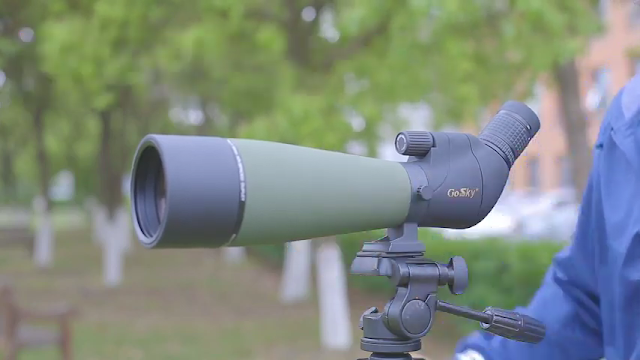
Gosky 20-60 X 80 Porro Prism Spotting Scope

If you’re looking for a spotting scope that is suitable for capturing distant views and good at micro-level observation, you can consider the Gosky 20-60 X 80 Porro Prism Spotting Scope for sure.

One of the best spotting scopes available in the market best serves your bird watching, watching the scenery, and wildlife purposes. Please read the following review thoroughly to explore the more exciting feature of this spotting scope.

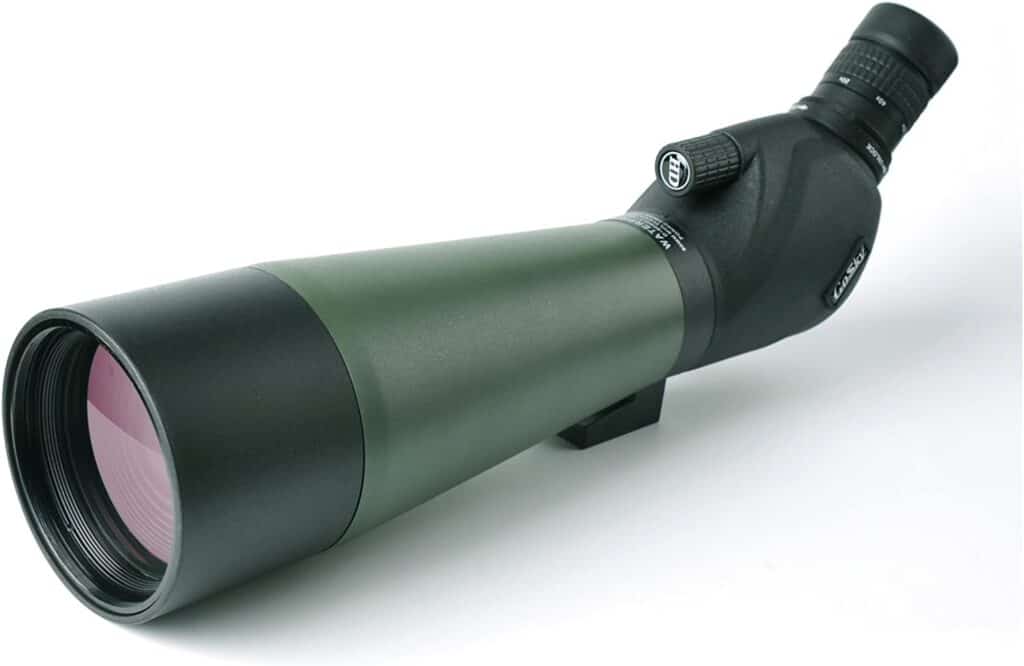
Gosky 20-60 X 80 Porro Prism Spotting Scope

Package Details

This spotting scope comes with the following attachments-

Lens Cap
Digiscoping adapter
Handy Straps
Carrying Bag
Cleaning Cloth
Tripod
Manual

Gosky 20-60 X 80 Porro Prism Spotting Scope

Design and Construction

This spotting scope comes with tight-fitting waterproof construction. Thus, it can provide maximum protection in the worst weather conditions. Also, its shock-absorbing body of Magnalium framework and rubber armor features stretch able eyepiece shield to protect the eyepiece.

Optics 

This excellent piece of scope comes with an 80 mm multi-coated green objective lens with 20x to 60x magnification. Besides, it also features a high-end prism and eyepiece, which can deliver crisp, clear images with a brighter view. This easy to zoom spotting scope is best for watching the scenery, wildlife and birds.

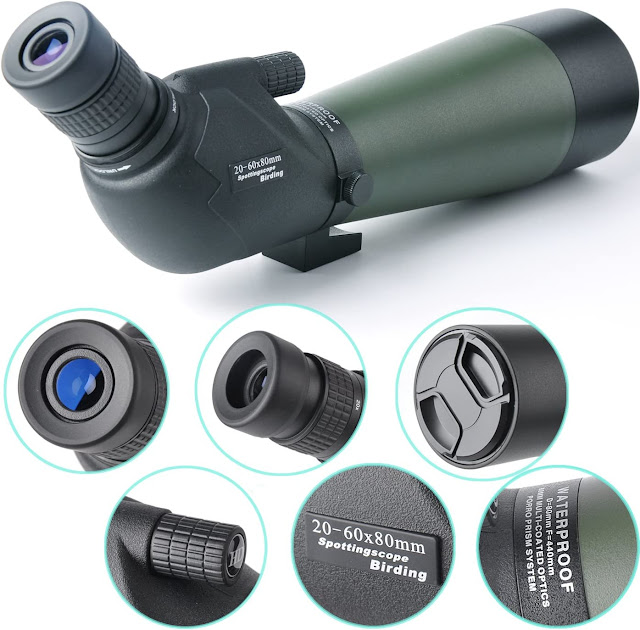
BAK-4 Glass

The spotting scope’s prism assembly is constructed of BAK-4 glass. Its refractive index is somewhat greater than BK-7’s. Consequently, BAK-4 glass is more costly than BK-7 for spotters.

Sunshade and Tripod

Additionally, its retractable sun shade helps to reduce glare. Moreover, by simply moving the adjustment collar on the body’s center, you can change the 45-degree eyepiece design to any viewing position.

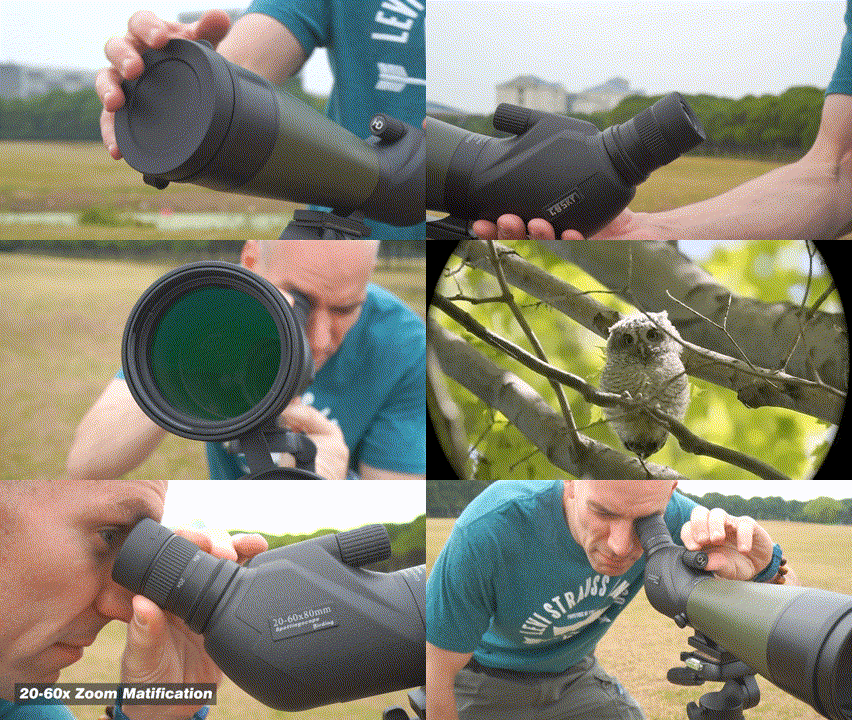
Digiscope Adapter

The ocular of this spotting scope comes with a digiscoping adapter to hold and mount a smartphone. To take photos, record movies, and observe with even greater magnification on your phone, you can line your cell phone’s camera with the exit pupil.

Pros
Deliver clear, bright and crisp image
Can withstand worst weather conditions
It features a stretchable eyepiece shield to protect the eyepiece
Tough Magnalium Framework with water-resistant feature
20x to 60x magnification and easy to zoom
Cons
Its full zoom may disappoint you a bit 

Usage

The scope’s ability to hit the target with pinpoint accuracy will astound you. In the field, you can easily observe the archery target spotters and scoring discs of the scope.

You can watch birds with this spotting scope on roofs, balconies, parks, and forests, or anywhere you can find a bird. Additionally, thanks to its high-quality vision, it is feasible to observe the moon’s crater and have fun.

Final Verdict

Overall, the Gosky 20-60X80 Spotting Scope is an excellent value for money. You’re getting a lot of extra items that would generally cost you more than $100 more. With this spotting scope, you’re OK to go for spotting out several hundred yards.

Besides, you can rotate the eyepiece of this spotting scope in various directions to meet the user’s needs. Staying within the100 yards needs no use of maximum magnification for accuracy.

Frequently asked questions

Question: What is a spotting scope?
Answer: A spotting scope is a telescope designed for terrestrial observation, providing magnified views of distant objects for birdwatching, hunting, and target shooting.

Question: What is the Gosky 20-60 x 80 Porro Prism Spotting Scope?
Answer: The Gosky 20-60 x 80 Spotting Scope has a 20-60x magnification range and an 80mm objective lens. It is waterproof and durable, perfect for outdoor use.

Question: What is the magnification range of the Gosky 20-60 x 80 Spotting Scope?
Answer: It offers a 20-60x magnification range for clear and detailed viewing of distant objects.

Question: What is the objective lens diameter of the Gosky 20-60 x 80 Spotting Scope?
Answer: The spotting scope features an 80mm objective lens, providing bright images even in low light.

Question: Is the Gosky 20-60 x 80 Spotting Scope waterproof?
Answer: Yes, it is waterproof and suitable for use in wet conditions.

Question: What is the weight of the Gosky 20-60 x 80 Spotting Scope?
Answer: It weighs approximately 1.76 kilograms (3.88 pounds), making it lightweight and portable.

Question: Does the Gosky 20-60 x 80 Spotting Scope come with a tripod?
Answer: Yes, it comes with an easy-to-set-up tripod for stable viewing.

Question: What is the field of view of the Gosky 20-60 x 80 Spotting Scope?
Answer: The field of view ranges from 39-19 meters (131-63 feet) at 1000 meters (3280 feet), depending on the magnification.

Question: Is the Gosky 20-60 x 80 Spotting Scope suitable for birdwatching?
Answer: Indeed, the Gosky 20-60 x 80 Spotting Scope is ideal for birdwatching and nature observation, thanks to its high-quality optics and rugged design.

Question: What is the warranty period for the Gosky 20-60 x 80 Spotting Scope?
Answer: It comes with a lifetime warranty and excellent customer service for long-lasting enjoyment.

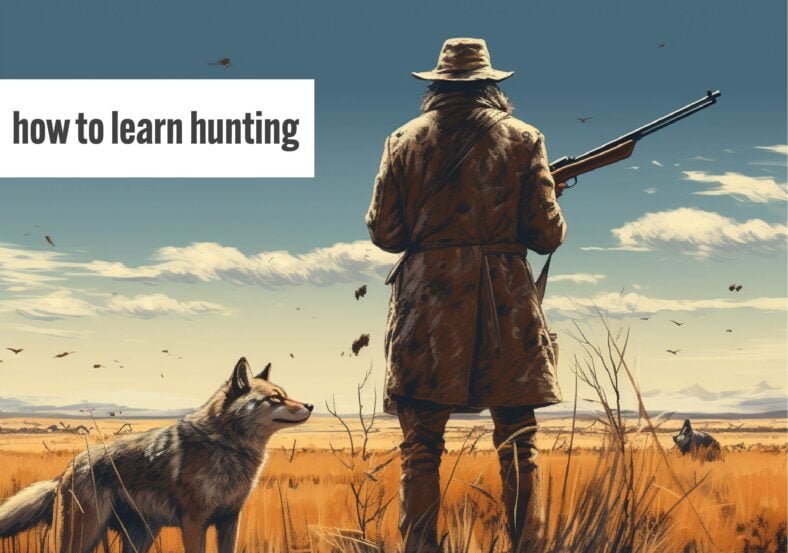
How to Learn Hunting: A Comprehensive Guide for Beginners

Table of contents

Introduction

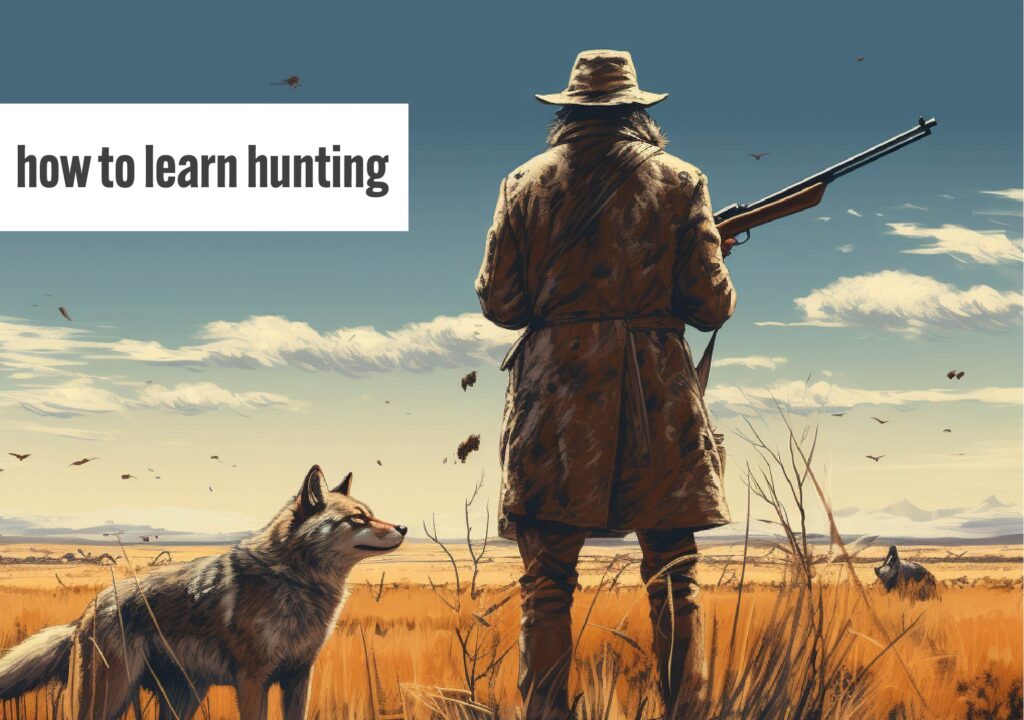
So, you’ve decided to learn hunting? That’s fantastic! Hunting is an ancient practice, deeply ingrained in human history, serving as both a means of survival and a test of skill. But how does a novice transition from a complete beginner to a skilled hunter? Let’s navigate this path together.

Why Learn Hunting?

You may be wondering, “Why would I want to learn hunting in the modern age?” Hunting isn’t just a hobby; it’s a journey into nature, a test of patience and skill, and, above all, a way to contribute to wildlife conservation. When practiced ethically, hunting helps manage animal populations and supports local economies.

The Ethical Hunter

Indeed, hunting is about more than just skill and strategy. An ethical hunter respects local laws, understands the importance of conservation, and values the life of their game. Hunting should never be about the thrill of the kill but rather a profound appreciation for nature.

Hunting and the Law

Different regions have different laws regarding hunting. It’s essential to understand your local hunting regulations, including license requirements, hunting seasons, and restrictions on certain animals. Legal hunting ensures the sustainability of wildlife populations and keeps you on the right side of the law.

Types of Hunting

Hunting comes in many forms: bow hunting, rifle hunting, trap hunting, and even spear hunting. Each type requires different skills and gear. Some hunters may prefer the traditional appeal of bow hunting, while others might appreciate the accuracy provided by a rifle. Experiment and find out which style suits you best!

Choosing Your Hunting Weapon

Choosing your hunting weapon is a personal decision based on your preferred hunting style, game, and comfort level. Whether you choose a bow, rifle, or trap, remember that the weapon is an extension of the hunter, not the other way around.

Getting Fit for the Hunt

Hunting can be physically demanding. It requires stamina, strength, and agility. Consider implementing a fitness regime that includes cardiovascular exercises and strength training to prepare your body for the hunt.

Understanding Your Prey

A successful hunter understands their prey: their habits, habitats, diet, and behavioral patterns. This knowledge allows you to predict their movements, choose the right weapon and strategy, and respect the life you’re pursuing.

The Art of Stalking

The art of stalking involves moving stealthily through the wilderness to get close enough to your prey for a clean shot. It requires patience, observance, and an understanding of wind direction and noise control.

Survival Skills for the Hunter

Hunting involves stepping into the unknown, and unexpected situations can arise. Basic survival skills, such as navigation, first aid, shelter building, and fire making, are crucial. They can mean the difference between life and death in extreme situations.

Hunting Gear Essentials

Apart from your hunting weapon, you’ll need appropriate clothing, a good pair of boots, a hunting backpack, binoculars, a compass, and other tools that aid in tracking and killing the game. Remember, the right gear can significantly enhance your hunting experience.

The Hunt: What to Expect

Your first hunt can be both thrilling and intimidating. It’s a game of patience and persistence. There might be long periods of inactivity, followed by short, intense moments. Embrace the process, and remember, every hunter started where you are now.

Reading Animal Signs

Reading animal signs such as tracks, scat, and feeding sites, is an essential hunting skill. It allows you to track your prey, understand their habits, and predict their movements.

Handling Your Kill

Once you’ve made a kill, the real work begins. You need to field dress the animal to preserve the meat and prevent spoilage. This process might be uncomfortable initially, but it’s a crucial part of ethical hunting.

Post-Hunt Procedures

After your hunt, there are specific procedures to follow, like reporting your kill to local wildlife authorities and properly storing your meat. Understanding these processes ensures that you remain a responsible and ethical hunter.

Trophy Hunting: Yay or Nay?

Trophy hunting, the practice of hunting an animal for its body part, is a contentious topic. While some argue that it can contribute to conservation efforts if regulated correctly, others believe it promotes animal cruelty. It’s a complex issue that deserves consideration.

Cooking Your Game

One of the rewards of hunting is cooking and eating your game. It offers a connection to your food that’s hard to find in our modern world. Plus, wild game is lean, healthy, and delicious when prepared correctly!

The Future of Hunting

The future of hunting may see advancements like improved gear and sustainable hunting practices. However, one thing is certain: the need for responsible, ethical hunting will always be paramount.

Conclusion

Learning to hunt is a rewarding, though challenging, venture. It requires patience, skill, respect for nature, and a continuous desire to learn. As you embark on this journey, remember to take your time, respect your surroundings, and above all, enjoy the process.

FAQs

Is Hunting Dangerous?

Hunting can be dangerous if not conducted responsibly. But with the right skills, equipment, and respect for nature, it’s generally safe.

What’s the Best Age to Start Learning Hunting?

There’s no “best” age. However, it’s beneficial to start learning about nature and wildlife at a young age. Formal hunting can be introduced when the individual is mentally and physically prepared.

Do I Need a License to Hunt?

Yes, you typically need a license to hunt. Regulations vary by region, so check with your local wildlife agency.

What if I Can’t Make a Kill?

Hunting isn’t just about making a kill. It’s about the journey, the learning experience, and the connection with nature. Every hunting trip provides invaluable lessons, kill or no kill.

Can Hunting Be a Full-Time Profession?

While hunting can’t usually sustain a full-time profession, there are related careers like wildlife management, conservation, and outdoor education.

The Comprehensive Guide to Bear Hunting: Navigating the Wilderness With Caution and Respect

Table of contents

Introduction

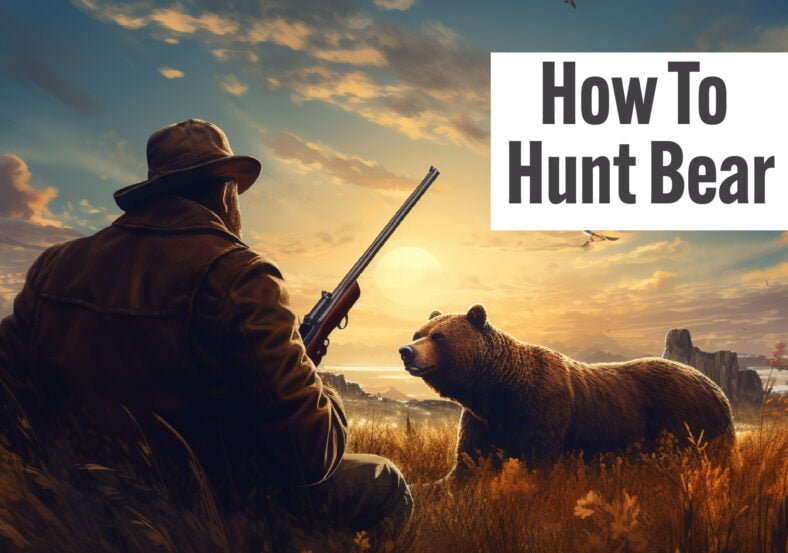
Welcome, fellow adventurers, to the captivating world of bear hunting. This age-old practice, steeped in tradition and respect for the land, offers a unique connection to our natural environment. As we traverse through this comprehensive guide, remember that we tread in the footsteps of ancient hunters, honoring a tradition that stretches back millennia. We must approach it with the same reverence and respect that our ancestors did.

Understanding the Prey

Before we venture into the wild, it’s crucial to understand the bear species we may encounter, their behaviors, and their habitats.

Bear Species and Habitats

North America hosts three primary bear species – black bears, brown bears, and polar bears. Each has unique behaviors and habitats, and their vast differences are as fascinating as they are important for hunters to understand.

Black bears, the most common species, inhabit forests across the continent. These are the most adaptable of bears, capable of living in a range of environments from swamps to mountains.

Brown bears, including grizzlies, are found in the North and Western regions, preferring areas with dense cover where they can hide during the day.

The polar bear, the largest and most powerful of the three, roams the icy expanse of the Arctic, a harsh and unforgiving environment.

Bear Behavior 101

Understanding bear behavior is critical for a safe and successful hunt. Bears, although often solitary, are intelligent animals with complex behaviors. They exhibit remarkable resourcefulness in their quest for food, and their cycles of activity revolve around the availability of food sources. Knowledge of their feeding habits, mating cycles, and signs of aggression can greatly increase your hunting success.

Preparing for the Hunt

Preparation is the cornerstone of a successful bear hunt. It encompasses a range of factors, from physical fitness to gathering the right gear and familiarizing oneself with the hunting terrain and local regulations.

Essential Gear

A successful bear hunt requires robust gear. Your primary tool will be a large-caliber rifle or bow, designed to bring down these large animals with a clean, ethical shot. Hunting knives are crucial for field dressing the bear, while camouflage clothing helps you blend into the environment.

Scent cover can mask human odor and prevent bears from detecting your presence. Binoculars are vital for spotting bears from a distance, and a sturdy backpack will carry all your gear.

Personal safety equipment, such as bear spray and a first-aid kit, are also essential. Bear spray can deter a bear in case of an unexpected encounter, while a first-aid kit is a must-have for any outdoor activity.

Hunting Licenses and Regulations

Before you embark on your hunting adventure, ensure you have the necessary hunting licenses and that you’re familiar with the local hunting regulations. These rules are designed to protect both the hunter and the bear populations, ensuring sustainable hunting practices. Regulations can vary greatly across regions, so thorough research is key.

Techniques and Tactics

Bear hunting is a strategic endeavor that requires mastery of several techniques. Each method has its strengths and challenges, and choosing the right one often depends on the specific circumstances of your hunt.

Spot and Stalk Hunting

Spot and stalk hunting is a test of patience and sharp eyes. This technique involves locating a bear from a distance and then stealthily approaching for a clear shot. It requires knowledge of bear behavior, physical fitness, and the ability to move quietly through the wilderness.

Hunting with Bait

Hunting with bait is another commonly used method. This involves luring bears with food to a predetermined spot. While this method can be highly effective, it is controversial and not allowed in all regions due to ethical concerns. It’s essential to understand local laws and the ethical considerations of baiting.

Hunting with Dogs

Hunting with dogs is a traditional method, where trained dogs are used to track and corner the bear until the hunter can approach for a shot. This method requires highly trained dogs, a deep understanding of bear behavior, and a keen sense of teamwork.

Safety Precautions

Bear hunting is not without its risks, and safety should always be a top priority. An understanding of bear behavior and appropriate safety measures can reduce the risks involved.

Avoiding Bear Encounters

Being aware of your surroundings, making noise while moving through dense vegetation, and storing food properly can help avoid non-essential bear encounters. If an encounter does happen, knowing how to respond can make the difference between a dangerous situation and a fascinating wildlife experience.

Navigating the Wilderness

Bear hunting often takes place in remote wilderness areas. Basic survival skills, such as navigation, shelter-building, fire-making, and first aid, are essential for any bear hunter.

After the Hunt

The end of the hunt does not mark the end of responsibilities. A successful hunt is followed by the careful work of field dressing, meat preparation, and hide utilization.

Field Dressing

Field dressing is the process of removing the internal organs of the hunted bear. This should be done as soon as possible to preserve the meat and prevent spoilage. It requires a sharp hunting knife and knowledge of the animal’s anatomy.

Bear Meat Preparation

Bear meat, when prepared correctly, can be a delicious reward for a successful hunt. It’s crucial to cook bear meat thoroughly, as it can carry parasites. Bear meat can be used in a variety of recipes, and its rich, unique flavor is something every hunter should experience.

Utilizing the Hide

Bear hide is a durable and versatile material. With proper care, it can be tanned and used to make a range of items, such as rugs, clothing, or wall hangings.

Ethical Considerations

As hunters, we have a responsibility to hunt ethically and respect the wildlife we pursue.

Sustainable Hunting Practices

Responsible hunting practices help maintain bear populations and contribute to their conservation. Always adhere to bag limits and only hunt in designated seasons. Remember that the goal is not only to hunt but also to contribute positively to the ecosystem.

Respect for Wildlife

Bear hunting is about more than just the pursuit. It’s about understanding and respecting the bears and their habitat. Always approach the practice with reverence for the life you’re taking and the wilderness you’re entering.

Conclusion

Bear hunting is an experience like no other, a test of skill, patience, and respect for nature. As we’ve journeyed through this guide, I hope you’ve gained a deeper understanding of the challenges and rewards that await in the wilderness.

Frequently Asked Questions (FAQs)

Here are the answers to the most common questions about bear hunting.

  1. The best time to hunt bears is in the spring or fall when they are most active.
  2. The most effective method depends on your skills, the local regulations, and the specific circumstances of the hunt.
  3. Yes, bear meat can be eaten and is often compared to pork or venison in flavor. It should be cooked thoroughly to kill any potential parasites.
  4. The dangers include accidental encounters with mother bears and cubs, getting lost in the wilderness, and the potential for a bear attack.
  5. Bear hunting can contribute to wildlife conservation by helping control bear populations and funding conservation efforts through licensing fees.

In the end, bear hunting is a profound experience that connects us with nature and our ancestors. It’s an adventure that demands respect, knowledge, and preparation. So prepare well, stay safe, and happy hunting.

How to Hunt Coyotes: A Comprehensive Guide

Table of contents
Introduction

Coyote hunting is a thrilling pastime that offers hunters both challenge and adventure. It can also play a vital role in maintaining balance in local ecosystems. But how do you get started? What do you need to know to hunt coyotes successfully? This guide will explore everything you need to know to get started with coyote hunting.

Understanding Coyotes

Before you can hunt coyotes, it’s essential to understand their behavior and habitat. Coyotes are cunning, adaptable animals. They can live in a variety of environments, from deserts to forests, and have even been spotted in urban areas.

Coyote Behavior

Coyotes are mainly nocturnal, though they can also be active during the day. They have sharp senses and are very wary of humans. This makes them particularly challenging to hunt.

Coyote Habitat

Coyotes are highly adaptable to different habitats. From the open prairies to dense forests, and even suburban neighborhoods, coyotes have learned to survive and thrive.

Hunting Basics

Before you embark on your first hunt, you need to understand the legal considerations, what gear you need, and some basic hunting skills.

The legal status of coyote hunting varies depending on the location. Always check with your local Department of Wildlife or similar organization to understand the hunting regulations in your area.

Essential Gear for Coyote Hunting

You’ll need various tools for coyote hunting. This includes a reliable rifle or shotgun, a camouflage suit, and coyote calls, among others.

Basic Hunting Skills Needed

Coyote hunting requires patience, precision, and a keen understanding of the animal’s behavior. Skills like tracking, stalking, and proper shot placement are crucial.

Strategies for Hunting Coyotes

Scouting for Coyote Signs

In-depth knowledge of the physical signs left behind by coyotes can greatly increase your hunting success. This includes understanding their tracks, which are usually oval-shaped with claw marks present. Droppings or scat can also give you an idea about the diet and size of the coyote. Lastly, signs of feeding like remnants of prey, disturbed undergrowth, and hair can help indicate the presence of coyotes.

Right Timing for Hunting

While coyotes can be active at any time, their movement often peaks during dawn and dusk. This is known as the crepuscular activity period. However, in areas with high human activity, coyotes may shift their activity to nighttime to avoid humans. Seasonal changes can also affect their activity. During the winter mating season, for example, coyotes are more active and bold.

Calling Techniques

There are two main types of coyote calls: distress calls and coyote vocalizations. Distress calls mimic the sounds of a prey animal in distress, such as a rabbit scream, which can draw in coyotes looking for an easy meal. Coyote vocalizations, on the other hand, can be used to challenge, locate, or lure in coyotes using various sounds like howls, yips, and barks.

Spotting and Stalking

Spotting and stalking coyotes require a blend of patience, skill, and a deep understanding of the terrain. Coyotes have excellent vision, so it’s crucial to move slowly, stay downwind, and use the terrain to your advantage.

Decoy Usage

Decoys can help distract a coyote’s attention away from the hunter, making them an effective tool for close-range hunting situations. The most common types of decoys are those that mimic potential prey, such as rodents.

Safety Measures

Hunting any animal comes with risks. It’s essential to take safety precautions to protect yourself and others.

Safety While Hunting

Always identify your target clearly before taking a shot, and be aware of what’s beyond your target.

Dealing with Wounded Coyotes

Wounded coyotes can be dangerous. Always approach with caution, and never attempt to handle a wounded animal barehanded.

Post-Hunting Activities

After a successful hunt, you’ll need to know how to process your quarry and understand the potential uses for a coyote.

Processing the Hunt

Field dressing your coyote promptly is essential to maintain the quality of the meat and hide.

Uses of Coyote

Coyote fur is highly valued and can be sold or used in various crafts. Some hunters also use the meat, though it’s less common.

Advanced Hunting Techniques

Hunting at Night

Hunting at night brings its own set of challenges but can also be rewarding. Coyotes are often more active and less wary after dark. Essential tools for night hunting include a good-quality flashlight or spotlight, night vision scopes, or thermal imaging equipment.

Long Distance Shots

Long-distance shots are a game of skill, patience, and having the right equipment. A flat-shooting, high-velocity rifle is usually the best choice for long-range coyote hunting. In addition, a quality riflescope with a high magnification range and a clear reticle can significantly improve your accuracy.

Additional Tips for Successful Coyote Hunting

Understanding Wind and Scent Control

Coyotes have an exceptional sense of smell, so hunters must pay particular attention to wind direction and scent control. Use the wind to your advantage and consider using scent-eliminating products to reduce your odor.

Coyote Hunting and Weather

Weather can greatly influence your hunting success. For example, coyotes are usually more active during cooler weather conditions and less active when it’s hot. After a fresh snowfall, tracking coyotes becomes easier, and the animals may be more active during daylight hours.

Camouflage and Concealment

Effective camouflage can break up your outline and help you blend into the environment, making it harder for coyotes to spot you. Also, consider your movement and silhouette against the skyline, as coyotes can easily detect unnatural shapes and movement.

Practice Shooting

Regular shooting practice is essential to maintain accuracy and confidence in your shooting skills. It’s not enough to simply own a rifle; proficiency in its use can be the determining factor between a successful hunt and a failed one.

Using Electronic Calls

Electronic calls can offer a variety of sounds at the push of a button, and some even come with remote controls. While some hunters prefer mouth calls for their authenticity and control, electronic calls can be a valuable tool, especially for beginners.

Conclusion

Coyote hunting is a complex, rewarding hobby that requires knowledge, skill, and respect for the natural world. Whether you’re a seasoned hunter or a novice, we hope this guide has provided valuable insights to enhance your hunting experience.

FAQs

  • Q1: What is the best time of year to hunt coyotes?A1: Coyotes can be hunted year-round in many places, but winter often provides the best hunting as the animals are more active during daylight hours.
  • Q2: Is it legal to hunt coyotes everywhere?A2: Laws vary by location. Always check local hunting regulations before heading out.
  • Q3: What kind of gear do I need to start hunting coyotes?A3: You’ll need a firearm, ammunition, camouflage clothing, and a coyote call at the minimum. Other helpful tools can include binoculars, a decoy, and a hunting knife.
  • Q4: How dangerous is coyote hunting?A4: Like all hunting, coyote hunting has inherent risks. Always prioritize safety, including proper firearm handling and being cautious when approaching wounded animals.
  • Q5: Can coyote hunting help control their population?A5: Yes, hunting can help manage coyote populations in areas where they’re abundant or causing problems. However, hunting must be conducted responsibly to maintain balance in the ecosystem.

How to Hunt Duck: A Beginner’s Comprehensive Guide

Table of contents

Introduction

The Allure of Duck Hunting

Duck hunting is a richly rewarding pursuit, a combination of skill, patience, and connection to nature. Whether it’s the thrill of the hunt, the camaraderie with fellow hunters, or the simple pleasure of being in the great outdoors, hunting has a unique appeal.

Why Hunt Duck?

Ducks offer a challenging target for hunters due to their speed and agility in flight. Moreover, waterfowl hunting contributes to conservation efforts, helps control populations, and provides a source of organic, free-range meat.

Understand Your Quarry: The Duck

Recognizing Different Duck Species

Knowing your duck species is fundamental to a successful hunt. Mallards, teal, and pintails are some of the most commonly hunted ducks. Each species has unique characteristics and behaviors.

Understanding Duck Behavior

Ducks are typically active during early morning and late afternoon, known as the “fly times”. They also have preferred habitats, often near bodies of water.

Legalities and Ethics of Duck Hunting

Getting the Right Licenses and Permits

Ensure that you possess the necessary permits and licenses for hunting . Requirements can vary by location, so check with your local wildlife agency.

Duck Hunting Regulations

Regulations can dictate when you can hunt, bag limits, hunting methods, and more. Abiding by these rules ensures sustainable hunting practices.

Ethics of Duck Hunting and Conservation

Ethical hunters respect their quarry and adhere to regulations. They also recognize their role in conservation, helping to maintain balanced duck populations.

Duck Hunting Gear

The Right Firearms for Hunting

Shotguns are the go-to firearm for hunting. The gauge of the shotgun and type of ammunition will depend on the species you are hunting and the range of your shots.

Choosing Your Hunting Clothing

Choose weather-appropriate, waterproof clothing. Camouflage patterns that match your hunting environment can make you less noticeable to ducks.

Decoys, Calls, and Other Gear

Decoys and calls can attract ducks to your location. Other useful gear includes a blind for concealment and a retriever dog to fetch downed ducks.

Duck Hunting Techniques

Finding a Hunting Spot

Location is crucial. Ducks favor water bodies with abundant food and cover. Scouting ahead of time can help you pinpoint the best hunting spots.

Duck Calling and Decoy Setup

Successful calling and decoy placement can mimic natural duck behaviors and lure ducks into range. Practice and experience will perfect these skills.

The Art of the Shot

Shooting a fast-moving duck requires skill and timing. A common technique is “swing-through” shooting, where the hunter starts behind the duck, swings through it, and fires ahead of it.

Safety Measures and Tips for Hunting

Gun Safety

Always treat a firearm as if it’s loaded. Keep the safety on until you’re ready to shoot, and never point the gun at anything you don’t intend to shoot.

Weather Safety and Hypothermia Prevention

Hunting often exposes you to cold, wet conditions. Wear appropriate clothing, stay dry, and be aware of the signs of hypothermia.

Conclusion: The Reward of Duck Hunting

Duck hunting offers a unique blend of challenge, camaraderie, and connection with nature. As hunters, we should always strive to be ethical, respectful, and safe in our pursuit.

FAQs

  • What is the best time of day for duck hunting? Early morning and late afternoon, during “fly times,” are typically the most productive.
  • Do you need a dog for duck hunting? While not essential, a well-trained retriever can be a valuable asset for fetching downed ducks, especially in water.
  • How to clean and cook a duck after hunting? Plucking and gutting is the traditional method of cleaning a duck. There are various ways to cook duck, from roasting to grilling, depending on personal preference.
  • What is the duck hunting season? This can vary based on your location and the species of duck. Check with your local wildlife agency for precise dates.
  • Can I hunt ducks in any weather? While ducks can be hunted in various weather conditions, safety should always be a priority. Severe weather might not be suitable for hunting.

With the right preparation, gear, and knowledge, you can embark on the rewarding adventure that is hunting. Always remember, hunting is not just about the pursuit, but also about respect for nature and wildlife. Happy hunting!

How to Grouse Hunt: A Guide to Pursuing the Elusive Upland Game Bird

Introduction

Calling all upland game hunters and outdoor enthusiasts! If you seek a thrilling and challenging pursuit in the wilderness, grouse hunting offers an exhilarating adventure. Grouse, known for their swift flights and elusive nature, provide an exciting challenge for hunters of all skill levels. In this comprehensive guide, we’ll walk you through the essential steps to become a successful grouse hunter, from selecting the right hunting gear and identifying grouse habitats to employing effective hunting techniques and ensuring safety in the field. So, let’s gear up and venture into the woods for an unforgettable grouse hunting experience!

1. Know Your Grouse: Species and Characteristics

Ruffed Grouse (Bonasa umbellus)

Forest Dwellers

Ruffed Grouse, also known as partridge, thrive in wooded habitats, favoring mixed forests with young growth, shrubs, and underbrush.

Camouflaged Plumage

The mottled brown and gray plumage of Ruffed Grouse provides excellent camouflage, making them challenging to spot amidst the forest floor.

Distinctive Drumming Display

During the mating season, male Ruffed Grouse create a mesmerizing drumming sound by rapidly beating their wings, a display that attracts females and asserts their territory.

2. Selecting the Right Gear

Shotguns and Ammunition

For grouse hunting, a lightweight shotgun in 20 or 12-gauge is ideal for maneuvering through dense cover. Opt for smaller shot sizes, such as No. 7.5 or No. 8, for more effective shots at close range.

Hunting Clothing and Boots

Wear clothing in earthy tones to blend with the forest environment. Sturdy hunting boots with good traction are essential for navigating uneven terrain.

Safety Equipment

Don’t forget to wear blaze orange or other highly visible clothing to enhance safety and visibility to other hunters in the field.

3. Identifying Grouse Habitats

Seek Young Forests

Grouse are often found in young forests or areas with early successional growth, where they can find a variety of food sources and cover.

Edge Habitats

Look for edges between different habitat types, such as where mature forests meet clearings, as these transitions provide ideal locations for grouse to feed and seek cover.

4. Hunting Techniques

The Walk and Stop Method

A common grouse hunting technique involves walking through the woods for short distances, then pausing to stand quietly for a few minutes. This allows grouse to feel at ease and resume their normal activities, potentially flushing within range.

Flushing Dogs

Well-trained flushing dogs, such as English Setters and Pointers, can be valuable assets in locating and flushing grouse from cover.

Silent Approach

Move quietly and deliberately through the woods, as grouse are easily spooked by sudden movements and loud noises.

5. Timing Your Hunt

Early Morning and Late Afternoon

Grouse are most active during the early morning and late afternoon, making these the prime hunting hours.

Fall Season

The fall season, specifically September through November, is the best time to hunt grouse, as they are more active and accessible during this period.

6. Ethical Hunting Practices

Safety First

Always prioritize safety while hunting grouse. Be aware of your surroundings, and avoid shooting at low-flying birds or in the direction of other hunters.

Respect Wildlife and Habitat

Adopt ethical hunting practices by respecting wildlife and their habitats. Follow all hunting regulations and adhere to bag limits to ensure sustainable hunting.

Conclusion

Grouse hunting is a challenging and rewarding pursuit that immerses hunters in the beauty of the wilderness. By understanding grouse behavior, selecting the right gear, identifying ideal habitats, and employing effective hunting techniques, you can enhance your chances of a successful and unforgettable grouse hunting experience. As you venture into the woods, savor every moment spent in nature and embrace the thrill of the hunt as you seek out the elusive and majestic grouse.

FAQs (Frequently Asked Questions)

1. Are there different species of grouse besides the Ruffed Grouse? Yes, there are several species of grouse found in various regions, including the Spruce Grouse, Sage Grouse, and Sharptail Grouse, among others.

2. Can grouse be hunted in public lands, or are they mainly found on private properties? Grouse can be found in both public lands and private properties, depending on the region and habitat. Always check local hunting regulations and obtain necessary permits before hunting on public lands.

3. What is the average range for shooting grouse with a shotgun? Grouse are typically flushed at relatively close ranges, often within 20 to 30 yards. However, this can vary based on the cover and terrain.

4. How can I improve my ability to identify grouse habitats while scouting? Learning to identify specific habitat features, such as young forests and edge habitats, is key. Spending time in the field, observing grouse behavior and their preferred environments, will help you become more proficient in identifying their habitats.

5. Can grouse hunting be done alone, or is it better to hunt in a group? Grouse hunting can be enjoyed both solo and in a group. Hunting in a group can provide a more social experience and enhance safety in the field. However, solo hunting allows for a more intimate connection with nature and a quieter approach to flushing grouse.

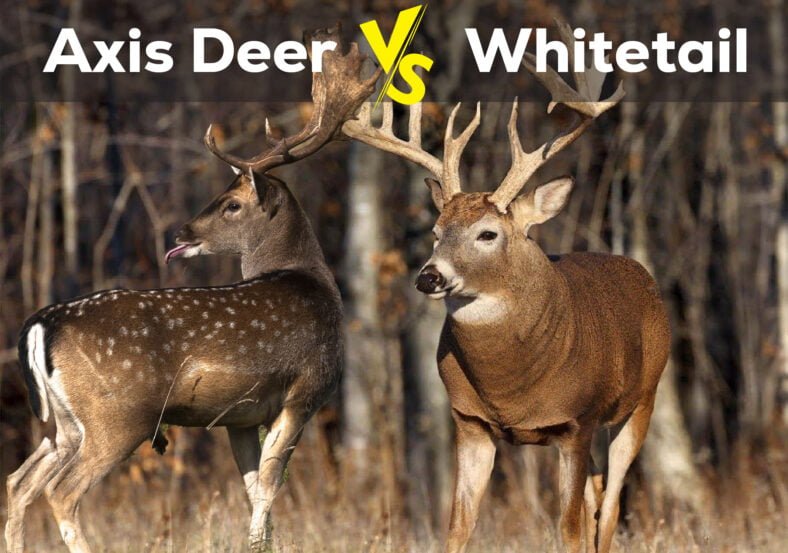
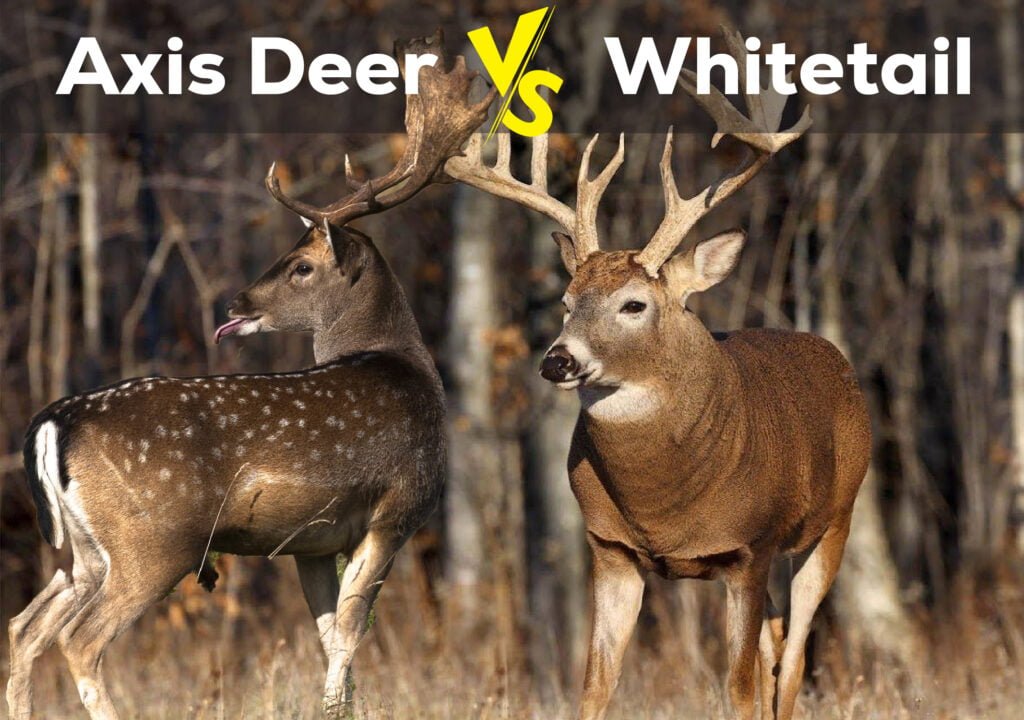
Axis Deer vs. Whitetail: A Comparison of Two Iconic Deer Species

Table of contents

Introduction

For avid hunters and wildlife enthusiasts, encounters with deer are a common and cherished experience. In North America, two prominent deer species stand out: the Axis Deer and the Whitetail Deer. Each possesses unique characteristics, habitats, and behaviors that set them apart. In this comparative guide, we’ll delve into the key differences between Axis Deer and Whitetail Deer, providing insight into their appearances, distributions, behaviors, and hunting characteristics. So, let’s embark on a journey to explore the distinct worlds of these two iconic deer species!

1. Physical Characteristics

Axis Deer (Axis axis)

The bizarre Elegance

Axis Deer, also known as Chital or Spotted Deer, hail from India and Sri Lanka. Their most distinct feature is their beautiful reddish-brown coat adorned with white spots, reminiscent of a regal coat of arms.

Majestic Antlers

Male Axis Deer grow impressive antlers, which are typically three-pronged and can reach lengths of up to 30 inches. Female Axis Deer, on the other hand, lack antlers.

Whitetail Deer (Odocoileus virginianus)

Graceful Beauty

Whitetail Deer are native to North America and are renowned for their elegant and graceful appearance. Their coat color varies with the seasons, transitioning from reddish-brown in summer to a grayish-brown in winter.

White Tails and Antlers

Whitetail Deer derive their name from the distinctive white underside of their tails, which they raise as a warning signal when alarmed. Both male and female Whitetail Deer can grow antlers, with males typically having larger and more complex antlers.

2. Habitat and Distribution

Axis Deer

Introduction to New Lands

Axis Deer were introduced to various countries worldwide, including the United States, where they thrive in states like Texas and Hawaii. They prefer habitats that offer a mix of open grasslands, dense forests, and water sources.

Whitetail Deer

North American Natives

Whitetail Deer are indigenous to North America and have one of the most extensive distributions of any large mammal on the continent. They inhabit a wide range of environments, including forests, grasslands, and suburban areas.

3. Behavior and Social Structure

Axis Deer

Social Herds

Axis Deer are known for their social nature, often forming herds that include individuals of various ages and sexes. These herds can range from a few individuals to larger groups.

Vocalization

Axis Deer communicate through various vocalizations, including barks and alarm calls, especially when they sense danger.

Whitetail Deer

Solitary and Family-Oriented

Whitetail Deer are typically solitary animals, except during the mating season and when females are rearing fawns. They establish territories and communicate through scent marking and vocalizations, including grunts and snorts.

Alertness and Vigilance

Whitetail Deer are highly alert and vigilant, relying on their keen senses, especially their exceptional sense of smell and hearing, to detect predators.

4. Hunting Characteristics

Axis Deer

A Prized Game

Axis Deer are a popular game species for hunters in regions where they have been introduced. Their beauty and elusive nature make them a sought-after trophy.

Thrilling Pursuit

Hunting Axis Deer often involves stalking through diverse terrains, adding an element of excitement to the hunt. Their sharp senses and swift movements pose a challenge for hunters.

Whitetail Deer

The Quintessential American Game

Whitetail Deer are the most popular and widely hunted big game species in North America. Their abundance, challenging behavior, and delicious venison make them a cherished hunting opportunity.

Hunting Styles

Whitetail Deer can be hunted using various methods, including stand hunting, spot-and-stalk, and still hunting. Their adaptability and varied habits provide hunters with diverse hunting experiences.

Conclusion

While Axis Deer and Whitetail Deer share the allure of the deer family, they stand apart as unique representatives of their respective regions. The Axis Deer’s fascinating elegance and social herds bring a touch of India to new lands, while the Whitetail Deer’s graceful beauty and widespread presence define the American hunting experience. As hunters and wildlife enthusiasts, we celebrate the distinctive attributes and behaviors of these two iconic deer species, cherishing every opportunity to encounter them in the wild and participate in responsible and sustainable hunting practices.

FAQs (Frequently Asked Questions)

1. Are Axis Deer considered invasive in regions where they have been introduced? Yes, in some regions, Axis Deer populations have grown to the point of being considered invasive. They can impact local ecosystems and compete with native wildlife for resources.

2. Do Axis Deer and Whitetail Deer interbreed when their habitats overlap? Interbreeding between Axis Deer and Whitetail Deer is unlikely due to their geographic separation and genetic differences.

3. Can Axis Deer and Whitetail Deer coexist in the same habitat without competition? While both species prefer different habitats, they could potentially coexist in regions with diverse ecosystems and ample resources.

4. Which deer species is more challenging to hunt, Axis Deer, or Whitetail Deer? The level of difficulty in hunting Axis Deer or Whitetail Deer depends on various factors, including the environment, population densities, and the hunter’s skills. Both species offer unique hunting challenges and rewarding experiences.

5. Are there specific regulations for hunting Axis Deer and Whitetail Deer in different states? Yes, hunting regulations and seasons for Axis Deer and Whitetail Deer vary by state. Hunters must obtain the necessary licenses, adhere to bag limits, and comply with specific regulations set by each state’s wildlife management agencies.

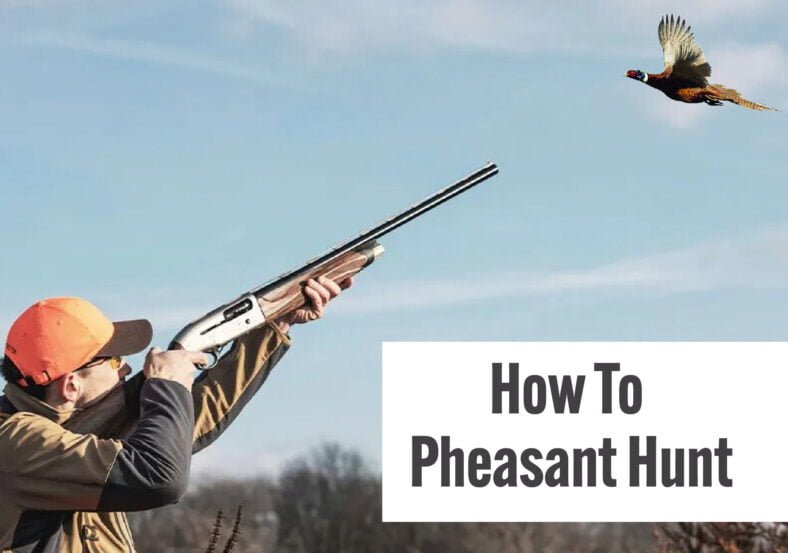
How to Pheasant Hunt: A Comprehensive Guide to a Thrilling Upland Adventure

Table of Contents

Introduction

Calling all upland game hunting enthusiasts! If you’re looking for an exhilarating outdoor pursuit, pheasant hunting is a rewarding and challenging experience. Pursuing these elusive and colorful birds through fields and cover can be both exciting and humbling. In this comprehensive guide, we’ll walk you through the essential steps to become a successful pheasant hunter, from selecting the right gear and scouting locations to adopting ethical hunting practices and ensuring safety in the field. So, load up your shotgun and let’s embark on a thrilling pheasant hunting adventure!

Understanding Pheasant Hunting

What is Pheasant Hunting?

Pheasant hunting is a traditional outdoor sport where hunters track and shoot wild pheasants. These beautiful birds, known for their flashy coloration and swift flight, have been a popular target for hunters for centuries.

Why is Pheasant Hunting Popular?

Pheasant hunting is an enjoyable pastime that brings you close to nature. It challenges your patience, resilience, and sharpens your hunting skills. Moreover, it’s a social event where friends and families often bond and create lifelong memories.

Understand Pheasant Behavior and Habits

Pheasant Characteristics

Before heading into the field, familiarize yourself with pheasant characteristics. Male pheasants, called roosters, have colorful plumage, while females, known as hens, are more camouflaged. Pheasants prefer areas with sufficient cover, such as tall grasses, brush, and crop fields.

Learn Their Calls

Pheasants are vocal birds, and learning their calls can significantly improve your chances of locating them. The “crowing” sound of a rooster at dawn and dusk is an iconic indicator of their presence.

Obtain the Right Gear

Shotguns and Ammunition

Choose a shotgun suitable for upland hunting, typically in 12 or 20-gauge, with a modified or improved cylinder choke for more extended shots. Use non-toxic shot, such as steel or tungsten, to comply with regulations and promote environmental stewardship.

Blaze Orange and Safety Gear

Wear blaze orange clothing to ensure visibility to other hunters in the field. Don’t forget essential safety gear, including eye and ear protection.

Scouting for Pheasant

Identify Hunting Areas

Look for areas with dense cover, such as grasslands, agricultural fields, and shelterbelts, as these are prime pheasant habitats. Seek permission from landowners before entering private property.

Scour the Fields

During pre-hunting days, scout the fields for signs of pheasant activity, such as tracks, droppings, and feathers. Pay attention to areas with ample food sources, such as grain fields and weed patches.

Plan Your Hunt

Choose the Right Time

Pheasants are most active during the early morning and late afternoon. Plan your hunt accordingly, taking advantage of these peak activity hours.

Weather Considerations

Weather can significantly impact pheasant behavior. Hunting after a light rain or during overcast days may increase your chances of flushing out pheasants.

Hunting Techniques

The Line Formation

Pheasant hunting is often done in a line formation with fellow hunters spread out evenly, walking through fields and cover to flush out birds. This technique ensures comprehensive coverage of the area and safety among hunters.

Flushing Dogs

Well-trained flushing dogs, such as Labrador Retrievers and English Springer Spaniels, can be invaluable assets in locating and flushing pheasants from cover.

Aiming and Shooting

When a pheasant flushes, stay calm and track the bird with your shotgun. Lead the bird slightly with your shot, as pheasants can fly quickly. Always follow proper firearm safety rules and only shoot within your effective range.

Ethical Hunting Practices

Safety First

Ensure the safety of yourself and others at all times. Always be aware of your surroundings and the location of other hunters in the field.

Respect Wildlife and Property

Practice ethical hunting by respecting wildlife and their habitats. Follow all hunting regulations and obtain necessary permits. Additionally, treat private property with respect and gratitude for the landowners’ permission to hunt.

Conclusion

Pheasant hunting is a thrilling and rewarding outdoor activity that allows you to connect with nature and appreciate the beauty of upland game birds. By understanding it’s behavior, selecting the right gear, scouting for prime hunting locations, and adopting ethical hunting practices, you can enhance your chances of a successful and memorable hunting experience. So, embrace the challenge and adventure as you pursue these beautiful birds through the fields, and remember to savor every moment spent in the great outdoors.

FAQs (Frequently Asked Questions)

1. Do I need a hunting license to pheasant hunt?
Ans. Yes, a hunting license is required to legally hunt pheasants in most states. Additionally, some states may have specific pheasant stamps or permits that you need to obtain.

2. Can I hunt pheasants on public lands?
Ans. Yes, pheasant hunting is allowed on many public lands, such as wildlife management areas and state parks. However, it’s essential to check the specific regulations and seasons for each location.

3. What is the best shotgun choke for pheasant hunting?
Ans. For pheasant hunting, a modified or improved cylinder choke is generally recommended. These chokes provide a good balance of shot spread and range, making them suitable for upland game hunting.

4. Is it necessary to use a hunting dog for pheasant hunting?
Ans. While using a hunting dog can significantly enhance your pheasant hunting experience, it is not a strict requirement. However, a well-trained flushing dog can help locate and flush pheasants from dense cover, improving your chances of a successful hunt.

5. Can I hunt pheasants alone, or is it better to hunt in a group?
Ans. Pheasant hunting can be enjoyed both solo and in a group. Hunting in a group allows for a more organized approach and safer experience. However, solo hunting can provide a more intimate and self-reliant experience in the field.

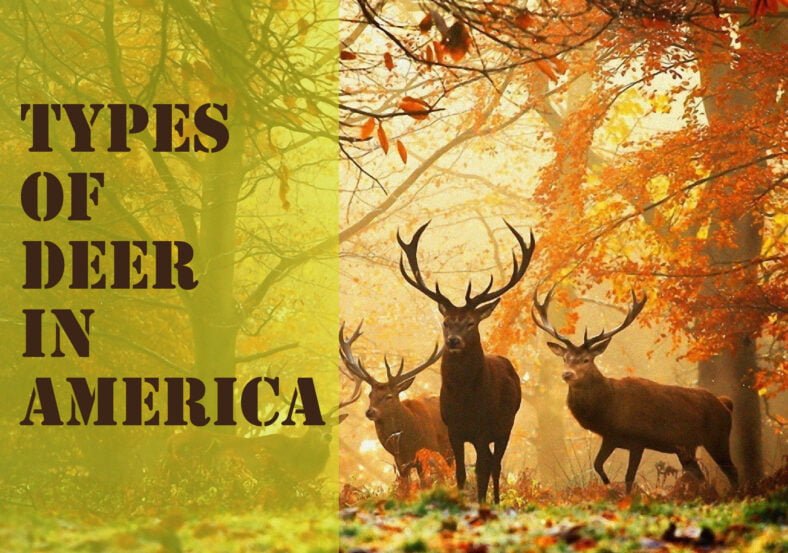
Types of Deer in America: A Comprehensive Guide to North American Cervids

Introduction

Welcome to the enchanting world of deer in America! From the majestic Rocky Mountains to the lush forests of the East, North America is home to an impressive variety of deer species, collectively known as cervids. These graceful creatures have captivated the hearts of nature enthusiasts and hunters alike. In this comprehensive guide, we’ll traverse the diverse landscapes of America, exploring the unique characteristics, habitats, and behaviors of the different deer species found across the continent. So, grab your binoculars and join us on this journey of discovery the types of deer in America.

Types of Deer in America : The Majestic Elk

Rocky Mountain Elk – Monarchs of the Mountains

Meet the Rocky Mountain Elk, also known as Wapiti, the largest and most iconic deer species in North America. With their impressive antlers and noble stature, these magnificent creatures roam the western mountain ranges. Their bugling calls echo through the valleys during the rutting season, leaving a lasting impression on all who hear them.

Roosevelt Elk – Lords of the Coastal Forests

Named after President Theodore Roosevelt, the Roosevelt Elk are native to the coastal forests of the Pacific Northwest. With dark brown coats and sprawling antlers, they captivate wildlife enthusiasts, thriving in the wet and dense forests.

Tule Elk – Survivors of the Golden State

Endemic to California, the Tule Elk holds the distinction of being the smallest elk species in North America. Their survival story is an inspiring tale of resilience, as they once faced near-extinction in the 1800s. However, thanks to dedicated conservation efforts, these magnificent elk now thrive in select regions of California, providing a delightful sight for those fortunate enough to observe them. Witnessing these majestic creatures in their native habitat is not only a rewarding experience but also a poignant reminder of the importance of preserving our natural heritage. The success of their conservation exemplifies the positive impact of collective dedication to protecting vulnerable species.

Types of Deer in America : The Graceful Deer

White-tailed Deer – Icons of North America

The White-tailed Deer are the most widely distributed deer species in North America. Their name originates from the white undersides of their tails, visible when they raise them in alarm. From the eastern woodlands to the southwestern deserts, these deer captivate with their elegant leaps and ability to adapt to various habitats.

Mule Deer – Enchanting Antlered Wanderers

Mule Deer, named for their large mule-like ears, gracefully inhabit the western regions of North America. These magnificent deer are renowned for their distinctive bounding gait, which sets them apart in the animal kingdom. Adorned with branching antlers, mule deer are not only sought-after trophies for hunters but also treasured sights for wildlife enthusiasts. Observing these majestic creatures in their natural habitat evokes a sense of wonder and admiration for the beauty of the wilderness. With their unique characteristics and widespread presence, mule deer play an integral role in the ecosystems they call home.

Coues Deer – Ghosts of the Mountains

Spotting the elusive Coues Deer in the southwestern mountains is like encountering a ghostly apparition. These deer are small and incredibly well-camouflaged, blending seamlessly into their surroundings. Their keen senses and cautious nature make them a challenging quarry for hunters.

Types of Deer in America : The Unique Moose

Moose – Giants of the Northern Wilderness

The Moose, boasting massive bodies and broad, palmate antlers, proudly claim the title of the largest deer species globally. Flourishing in North America’s boreal and northern forest regions, they gracefully navigate marshes and lakes to savor aquatic vegetation. For any nature lover, witnessing a moose in the wild is an undeniably unforgettable and awe-inspiring encounter. The sheer magnitude of these majestic creatures and their ability to harmoniously exist in diverse ecosystems leave an indelible impression. As they roam through their natural habitats, moose exemplify the resilience and beauty of wildlife, serving as ambassadors for the preservation of these precious ecosystems.

Conservation and Management

Habitat Preservation

Preserving natural habitats and migration corridors is vital for the survival of all deer species in America. Conservation efforts focus on maintaining the delicate balance between wildlife and human activities, ensuring future generations can continue to admire these majestic creatures.

Hunting Management

Hunting assumes a significant role in deer population control and management, strategically overseen by state wildlife agencies. Through meticulous regulation of hunting seasons, bag limits, and antler point restrictions, a delicate balance is achieved to sustain robust deer populations and ensure well-balanced ecosystems. This careful approach to wildlife management reflects a comprehensive understanding of the interconnectedness between species and their environments. By employing responsible and sustainable hunting practices, we contribute to the preservation of healthy deer populations while supporting the overall ecological equilibrium. The conscientious measures implemented by state agencies underscore a commitment to both the welfare of the deer populations and the conservation of their habitats. Through such thoughtful management, hunting continues to be an essential tool in fostering a harmonious coexistence between humans and the natural world.

Roadway Safety

As human populations expand, interactions between deer and vehicles have become a concern. Implementing measures like wildlife crossings and reduced speed limits in known deer crossing areas helps prevent collisions and protects both deer and motorists.

Conclusion

The diverse array of deer species in America showcases the richness of its natural heritage. From the towering elk of the mountains to the swift and graceful deer of the woodlands, each species has a unique role in the ecosystems they inhabit. As we continue to appreciate and admire these magnificent creatures, let us also embrace our responsibility to preserve their habitats and ensure their survival for generations to come. Whether you’re a hunter or a wildlife enthusiast, the world of North American deer offers endless opportunities for discovery and admiration.

FAQs (Frequently Asked Questions)

1. Are all deer species in North America native to the continent?
Ans: No, not all deer species in North America are native. Some, like the Axis Deer and Fallow Deer, are introduced species that now inhabit specific regions of the continent.

2. Are deer dangerous to humans?
Ans: While deer are generally not aggressive towards humans, it’s essential to exercise caution and maintain a safe distance, especially during their breeding season or when encountering a mother with fawns.

3. Can I observe deer in the wild without hunting them?
Ans: Absolutely! Many wildlife reserves, national parks, and public lands offer opportunities to observe deer and other wildlife in their natural habitats without any hunting involved.

4. What can I do to contribute to deer conservation efforts?
Ans: You can support deer conservation by participating in or donating to reputable wildlife organizations, supporting habitat preservation initiatives, and practicing responsible outdoor recreation to minimize human impact on deer habitats.

5. Are there any endangered deer species in North America?
Ans: Yes, the Key deer, a subspecies of the White-tailed Deer found in the Florida Keys, is listed as endangered. Conservation efforts are in place to protect and restore their population and habitat.

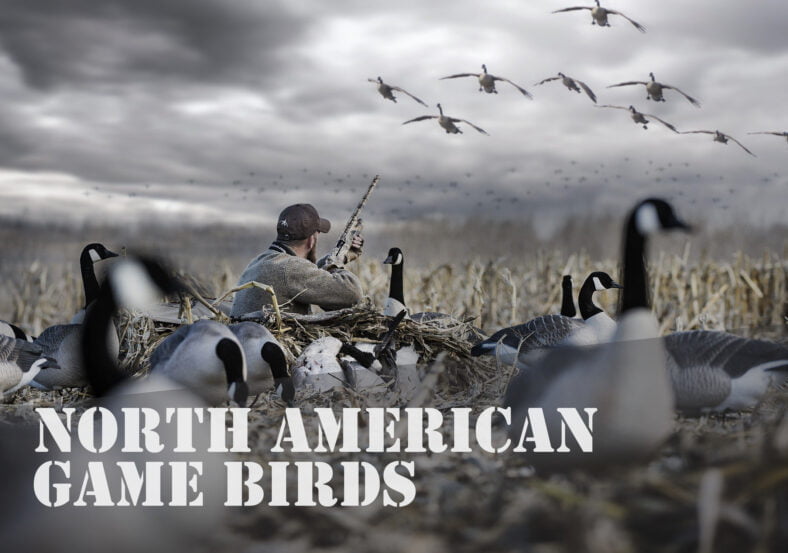
North American Game Birds: A Hunter’s Guide to the Wild Skies

Table of contents
Introduction

Calling all hunting enthusiasts and bird watchers! If you have a passion for outdoor adventures and a fascination for winged creatures, get ready to explore the world of North American game birds. From the majestic waterfowl to the elusive upland game birds, North America offers a diverse array of avian species for both hunters and wildlife enthusiasts to appreciate. In this comprehensive guide, we’ll take flight into the realm of game birds, learn about their habitats, hunting seasons, and conservation efforts, and discover why these feathered beauties hold a special place in the hearts of nature lovers and hunters alike.

The Iconic Waterfowl

Mallards – The Quintessential Ducks

Meet the Mallards, the most recognizable and abundant ducks in North America. With their striking emerald heads and distinct quacks, they are a common sight in ponds, lakes, and marshes. Their migration patterns provide ample opportunities for waterfowl hunters to test their skills.

Canada Geese – The Honking Flock

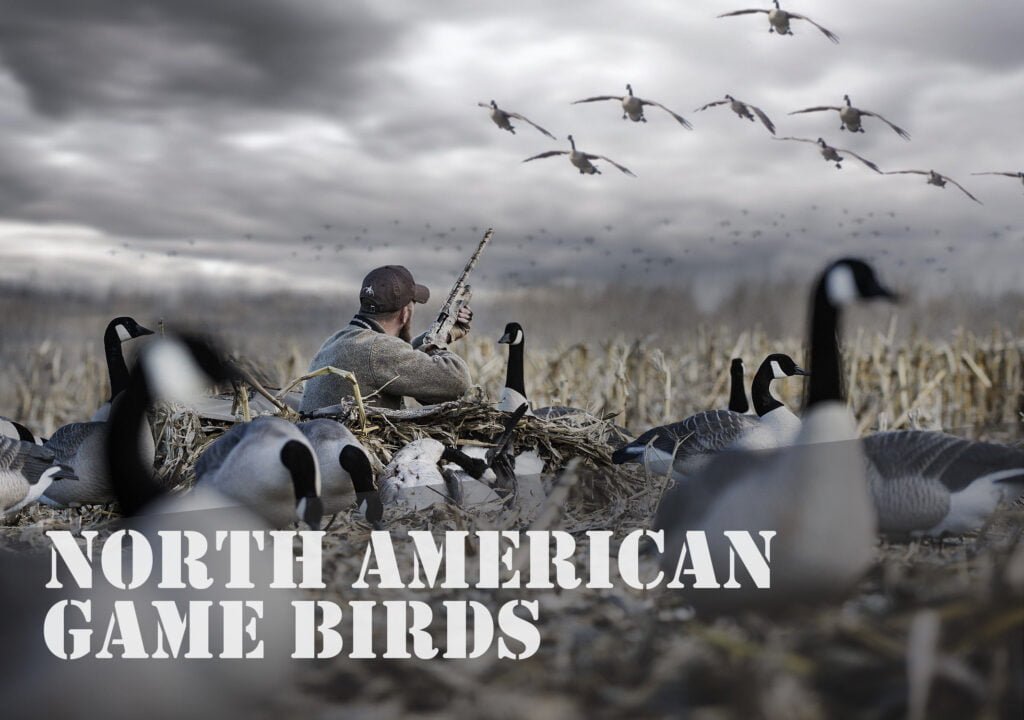
When autumn arrives, the skies echo with the honking calls of Canada Geese as they embark on their annual migration. These large and vocal birds present a challenge to waterfowl hunters, requiring strategic decoy setups and proficient calling techniques.

Wood Ducks – Nature’s Masterpiece

Admire the stunning Wood Ducks, also known as Carolina Ducks, as they flaunt their vibrant plumage of greens, blues, and chestnut. Their preference for wooded swamps and tranquil ponds makes them a sight to behold for both hunters and birdwatchers.

The Upland Game Birds

Ring-necked Pheasants – The Colorful Runners

Native to Asia, Ring-necked Pheasants were introduced to North America for hunting purposes. With their long tails and iridescent plumage, they add a touch of fascinating beauty to the countryside. Stalking these wily runners through grasslands and agricultural fields is a thrilling experience.

Ruffed Grouse – The Drummers of the Forest

Venture into the wooded expanses, and you might encounter the elusive Ruffed Grouse. These forest-dwelling birds rely on camouflage and swift take-offs to evade predators, making them a challenging target for hunters and a delight for bird watchers.

Wild Turkeys – The Kings of Thanksgiving

Gobbling through the woodlands, the Wild Turkeys hold cultural significance in North America, especially during Thanksgiving feasts. Turkey hunting requires strategic calling and stealthy approaches, adding excitement to the spring and fall seasons.

Hunting Seasons and Regulations

Migratory Bird Hunting Regulations

For waterfowl hunting, including ducks and geese, hunters must adhere to the federal migratory bird hunting regulations. These regulations specify hunting seasons, bag limits, and species restrictions, designed to ensure sustainable populations of these migratory birds.

Upland Game Bird Hunting Seasons

Each state in North America sets its own upland game bird hunting seasons and bag limits. These seasons are typically based on the specific breeding and nesting patterns of the game birds in that region.

Hunter Education and Licensing

Before taking flight on a hunting adventure, aspiring hunters must complete a hunter education course to learn about safety, ethics, and conservation practices. Additionally, obtaining the appropriate hunting licenses and permits is crucial to comply with state regulations.

Conservation Efforts for Game Birds

Habitat Conservation

Protecting and preserving the habitats of game birds play a vital role in ensuring their sustainable populations. Wetland conservation, reforestation projects, and maintaining grasslands are all essential for providing suitable breeding and nesting grounds.

Hunting Organizations and Initiatives

Numerous hunting organizations, such as Ducks Unlimited and Pheasants Forever, actively contribute to game bird conservation efforts. These groups fund habitat restoration projects and advocate for policies that support sustainable hunting practices.

Ethical Hunting Practices

Responsible hunters play a key role in game bird conservation by adhering to ethical hunting practices. This includes harvesting within legal limits, using non-toxic shot for waterfowl hunting, and respecting the habitats of game birds and other wildlife.

Conclusion

North American game birds offer an exciting blend of natural beauty and hunting challenges for enthusiasts across the continent. Whether you’re donning camouflage in pursuit of waterfowl or hiking through woodlands for upland game birds, each hunting experience presents an opportunity to connect with nature and appreciate the wonders of the wild skies. As we embrace the thrill of the hunt, let us also embrace the responsibility to protect and conserve these magnificent birds for generations to come. Happy hunting and birdwatching!

FAQs (Frequently Asked Questions)

1. Can I hunt game birds in multiple states during their respective seasons? Yes, you can participate in hunting seasons for game birds in different states as long as you possess the necessary licenses and follow each state’s regulations.

2. Are there restrictions on the type of shotgun ammunition used for waterfowl hunting? Yes, for waterfowl hunting, hunters are required to use non-toxic shot to prevent lead poisoning in waterfowl and protect the environment.

3. What is the bag limit for different game bird species? Bag limits vary by species and location, and they are put in place to ensure sustainable hunting practices. Check the specific regulations for the game bird species you intend to hunt in your area.

4. Can I hunt game birds on public lands, or are private lands the only option? Game bird hunting is permitted on both public and private lands, but it’s essential to be aware of specific regulations and obtain any necessary permits or permissions, especially on private property.

5. How can I support game bird conservation efforts even if I’m not a hunter? You can contribute to game bird conservation by supporting reputable hunting and wildlife conservation organizations financially or by volunteering for habitat restoration projects in your local area.

Exit mobile version