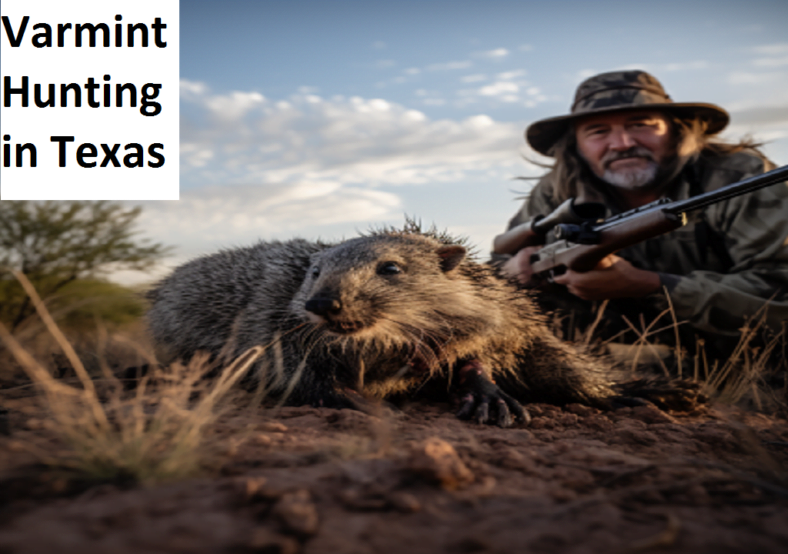
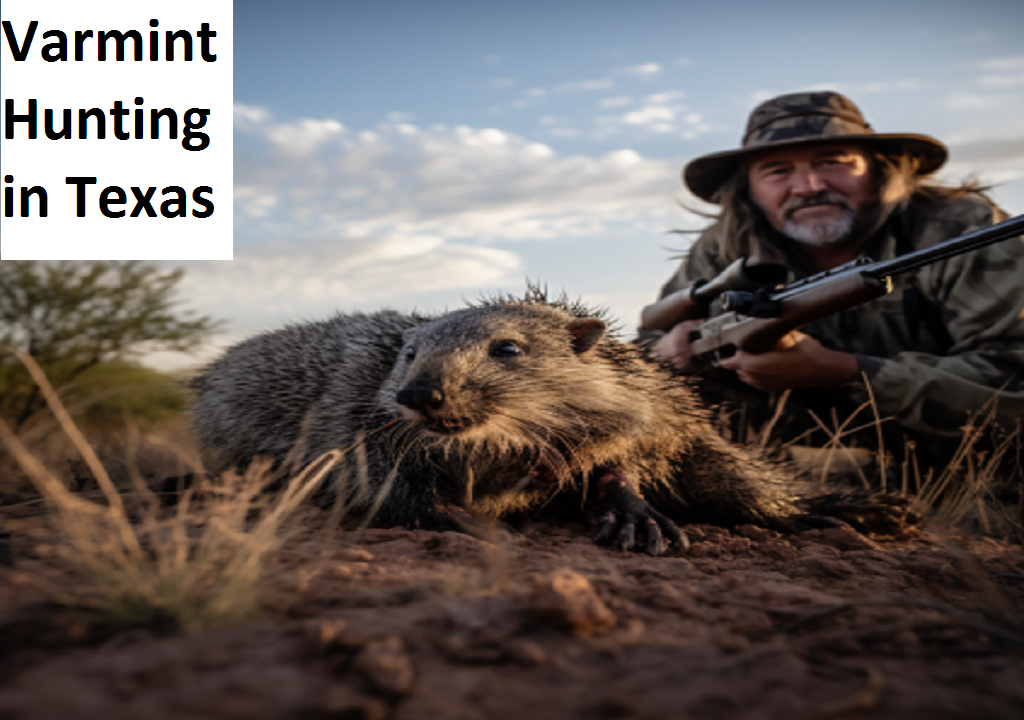
Varmint Hunting in Texas: A Tradition and Necessity

Vast, sprawling, and diverse, Texas’s landscapes have been a sanctuary for hunters and wildlife enthusiasts for ages. Among the myriad activities one can pursue here, varmint hunting stands out as both a tradition and an essential tool for managing certain wildlife populations.

Table of contents

1. Unmasking the Varmints of Texas

1.1 The Definition of a Varmint

At its core, a varmint is essentially a wild animal considered detrimental, either due to its potential to cause damage or spread diseases. From the burrowing prairie dogs to the stealthy coyotes and the invasive feral hogs, Texas has its fair share.

1.2 Their Notorious Reputation

Varmints have earned their reputation primarily due to their large numbers and the havoc they wreak. This can range from garden and crop destruction to preying on livestock, leading to substantial economic losses.

2. The Unwavering Appeal of Varmint Hunting

2.1 Embracing the Challenge

Varmints, by nature, are elusive. Their smaller stature combined with agile movements presents a challenge that many hunters find irresistible.

2.2 A Tool for Balance

Hunting varmints is not just a sport; it’s a tool. By keeping certain populations in check, hunters aid in maintaining a balance in the ecosystem and minimizing damages.

3. Gearing Up for the Hunt

3.1 Precision is Key

Varmint rifles, unlike standard hunting rifles, are crafted for accuracy over longer distances. With varmints being smaller targets, a miss could mean a lost opportunity.

3.2 The Eyes of the Hunter

A good spotting scope magnifies the distant lands, enabling hunters to identify and track their quarry even before taking the shot.

3.3 Melding with the Environment

To be successful, a hunter must become part of the landscape. Camouflage clothing, combined with realistic calls, can turn the tables in the hunter’s favor.

4. The Moral Compass in Hunting

4.1 A Humane Approach

Regardless of an animal’s “pest” status, the approach should always be respectful. Quick, clean kills minimize suffering.

Texas has an intricate web of hunting laws. Knowing them is crucial, not only for ethical reasons but also for ensuring the sustainability of the sport.

5. Profiling Texas’s Most Hunted Varmints

5.1 The Elusive Coyote

Coyotes, with their keen senses, are a challenging hunt. Their pelts, however, are valuable, making them a prime target.

5.2 The Burrowing Prairie Dog

Prairie dogs might seem innocuous, but their burrowing can compromise large tracts of land. Moreover, their quick reflexes make them challenging targets.

5.3 Feral Hogs: The Unwanted Invaders

Not native to Texas, feral hogs have proliferated exponentially. Their foraging habits can devastate vast stretches of agricultural lands, making them a major concern.

6. Expert Tips for an Effective Hunt

6.1 Knowledge is Power

By delving into the preferred habitats, behaviors, and habits of varmints, one can significantly enhance their success rates.

6.2 The Virtue of Patience

In hunting, sometimes the wait can be longer than the action. A comfortable perch and patience can make all the difference.

6.3 Prioritize Safety

From firearm safety to being wary of the terrains and potential threats (like snakes), safety should always be a hunter’s top concern.

7. The Ripple Effects in the Economy

7.1 A Boost to Localities

With hunters flocking to Texas from various regions, local businesses, especially those in rural areas, witness a surge in revenue.

7.2 Opportunities Abound

Hunting generates a demand for guides, gear shops, and lodging, providing ample employment opportunities.

8. The Two Sides of the Varmint Hunting Coin

8.1 Ecological Impacts

While hunting helps control populations, over-hunting can tip the balance. It’s crucial to find the sweet spot.

8.2 A Divided Public Perception

As with many hunting practices, varmint hunting has its proponents and detractors. Understanding their concerns is vital for a meaningful dialogue.

9. Being Part of the Varmint Hunting Fraternity

9.1 Local Groups: A Wealth of Knowledge

In Texas, there are numerous hunting clubs and associations. Furthermore, joining them can provide invaluable insights and, additionally, foster a sense of camaraderie.

9.2 The Digital Age of Hunting

Online forums, social media groups, and apps dedicated to hunting can be treasure troves of information and community-building tools.

10. Reflection

The tapestry of varmint hunting in Texas is rich and multifaceted. It’s a blend of tradition, necessity, and passion. And as with any pursuit, the key lies in understanding, respect, and balance.


Frequently Asked Questions (FAQs)

Q1: Are night hunts for varmints allowed in Texas?
A: Yes, certain varmints can be hunted at night, but specific regulations apply, and permissions might be required.

Q2: How does the introduction of new species impact varmint populations?
A: New species can either compete with or prey on varmints, affecting their numbers and behavior.

Q3: What’s the economic damage caused by varmints annually in Texas?
A: The numbers fluctuate, but damages, especially from feral hogs, can run into millions.

Q4: How do local farmers and ranchers view varmint hunting?
A: Many see it as a necessary tool to protect their lands and livelihoods, though opinions vary.

Q5: Are there specific techniques to hunt each varmint?
A: Yes, techniques can vary based on the animal, its behavior, and the terrain. Research and guidance from seasoned hunters can be invaluable.
The Enigmatic World of Varmint Animals

Delving into a detailed study of varmint animals, often labeled as pests, we uncover their profound and intricate roles within global ecosystems.

Table of contents


1. Deciphering the Varmint Enigma

1.1. Etymology of “Varmint”
Tracing back to Old World terminologies, and then transitioning through various linguistic changes, the word has ultimately evolved into its present-day lexicon.

1.2. Taxonomic Overview
In light of this, which species are included in this category, and what is the scientific reasoning supporting it?

1.3. Cultural Variances in Classification
In examining various cultures, it becomes evident how differently each society interprets and categorizes varmints.

1.4. Evolutionary Traits of Common Varmints
Delving deeper, it’s fascinating to examine the unique evolutionary developments that these creatures exhibit.


2. Unraveling the Varmint-Human Dynamic

2.1. Historical Chronicles
In examining ancient texts, observing artworks, and delving into legends, we often come across references to varmint animals interactions with humans.

2.2. Agricultural Impacts: A Global Perspective
Initially, we’ll delve into the issue of crop losses caused by varmints. Subsequently, we’ll examine the challenges of storage issues they present. Lastly, we’ll explore the farmland degradation resulting from their activities.

2.3. Health Implications
In addition to their often pesky behavior, varmints have been documented to transmit various diseases. Consequently, it’s crucial to recognize the symptoms of these diseases. Moreover, understanding preventive measures can mitigate the risks associated with them.

2.4. Varmints and Urbanization
Moreover, grasping the complexities and subtleties of varmints living in urban areas requires a deep understanding.


3. Spotlight on North American Varmints

3.1. Prairie Dogs: The Burrowed Life
Firstly, their intricate underground cities stand out. Additionally, their social behaviors are captivating. Furthermore, their interactions with other species are noteworthy.

3.2. The Coyote Paradox
While recognizing the presence of coyotes in the wilderness, it’s crucial to also comprehend their dual role in the urban-wild interface.

3.3. Raccoons: Nighttime Bandits
Due to their uncanny intelligence, combined with their nocturnal escapades, and further highlighted by their adaptability in urban landscapes, they are truly remarkable.

3.4. The Role of Skunks
Delving beyond the infamous odor: examining their diets, exploring their habitats, and dispelling prevalent misconceptions.


4. A Global Odyssey of Varmints

4.1. Europe’s Squirrel Duality
Starting with the native reds and then transitioning to the invasive grays, this is a tale of two squirrels.

4.2. Asia’s Monkey Business: Macaques in Urban Settings
In Asian cities, while there is a deep-seated reverence, there is also a delicate balance that teeters on the brink of conflict.

4.3. Australia’s Rabbit Calamity
Consequently, when introducing a non-native species, one must consider the profound ecological implications.

4.4. African Civets: From Coffee Producers to Urban Dwellers
In examining African ecosystems, it becomes evident that civets play a multifaceted and pivotal role.


5. Human Engagements: From Mythology to Modern Day

5.1. Varmints in Mythology
Examining how ancient civilizations illustrated these creatures, it becomes evident through their myths and legends.

5.2. Varmint Management Practices
Reviewing both traditional and modern measures in handling varmint populations.

5.3. The Rise of Urban Planning with Wildlife in Consideration
In light of recent trends, modern city designs are increasingly prioritizing coexistence.

5.4. Varmint Tourism
Furthermore, destinations and experiences that focus on varmint observation and appreciation have emerged.


6. Multimedia’s Role in Shaping Varmint Perceptions

6.1. Hollywood’s Take
Through the lens of cinema, we can observe how varmints have often been either vilified or glorified over the years.

6.2. The Digital Age: Varmints Go Viral
From meme-worthy moments to viral video stars: the Internet’s favorite varmints.

6.3. Varmint Education in Augmented and Virtual Realities
Leveraging the latest advancements in technology, we can delve deeper into the world of varmints, enhancing our understanding through an immersive learning experience.


7. Conservation, Ethics, and the Way Forward

7.1. The Conservationist’s Perspective
Furthermore, it’s essential to underscore key initiatives that focus on varmint preservation.

7.2. Ethical Debates Around Varmint Control
Balancing human needs with ethical treatment of varmint animals.

7.3. The Global Shift: Rewilding and Coexistence
In light of global developments, it’s important to note how rewilding projects around the world are influencing the populations of varmint animals.


Conclusion

The path to harmonious coexistence demands a blend of understanding, respect, and innovative solutions.


FAQs

Q1. Are there any beneficial varmints in farming?
A1. Many varmints, such as certain birds, can help regulate pest populations in farms.

Q2. How can households deter varmints without causing harm?
A2. Using natural repellents, secure trash management, and habitat modifications can deter varmints safely.

Q3. Is relocation a humane solution for varmint management?
A3. Relocation can be stressful for animals and may introduce them into unfamiliar territories, potentially causing more harm.

Q4. How are climate changes influencing varmint behavior?
A4. Rising temperatures, altered rain patterns, and habitat loss are causing shifts in varmint ranges and behaviors.

Q5. Are there any global treaties or agreements on varmint conservation?
A5. While not specific to varmints, many conservation agreements address species and habitat protection, which includes varmints.

Why is Hunting Bad for the Environment?

Table of contents


1. Introduction

  • Why the Debate?
    Hunting, an activity rooted deep in human history, served primarily as a means of sustenance. Today, it also exists as a form of recreation, creating a controversial intersection between tradition, ecological preservation, and ethics.

2. Disturbance to the Ecosystem

  • Predator-Prey Balance
    Every ecosystem relies on a delicate predator-prey balance. Removing predators can lead to overpopulation of certain prey species, which may exhaust their food sources and create an imbalance. Conversely, overhunting prey can cause predator species to starve.
  • Implications of Overhunting
    Historically, the extinction of the passenger pigeon serves as a glaring example of the repercussions of unchecked hunting. Similarly, the near-extinction of the American bison underscores the gravity of these consequences. Moreover, beyond the mere loss of species, overhunting interferes with the intricate network of interactions within an ecosystem. Consequently, this leads to a decrease in biodiversity and unforeseen alterations in habitat characteristics.

3. Impact on Animal Behavior

  • Altering Natural Behaviors
    Firstly, persistent hunting pressures can cause animals to modify their behaviors. Consequently, this may lead to altered migration routes. Additionally, there might be shifts in nocturnal activities. Furthermore, these pressures can result in changes in social dynamics. Ultimately, all of these adjustments can have cascading effects on other species within the ecosystem.
  • Fear Dynamics
    While hunters are present, wildlife can experience elevated stress hormones due to the associated fear. Consequently, this chronic stress can lead to reduced birth rates. Furthermore, it can heighten vulnerability to diseases and, ultimately, result in shortened lifespans for these animals.

4. Genetic Implications

  • Selective Hunting and Gene Pools
    Trophy hunting often targets animals with the most desirable traits – the largest, strongest, or most impressive specimens. Removing these individuals can mean that the best genes are not passed on, leading to potential declines in the overall health and vitality of future populations.
  • Loss of Genetic Diversity
    A diminished population due to hunting can result in a reduced gene pool. This genetic bottleneck can increase vulnerability to diseases and reduce the population’s ability to adapt to changing environmental conditions.

5. Fragmentation of Habitats

  • Breaking Up Territories
    Hunting often necessitates infrastructure for the environment is– roads, lodges, and clearings. This fragmentation can disrupt migration paths, breeding areas, and feeding grounds. Fragmented populations can face challenges in finding mates and may result in inbreeding, with its associated genetic challenges.
  • Impacts on Plant Life
    Animals play key roles in their ecosystems, from seed dispersal to pollination. Displaced or reduced animal populations can cause some plants to proliferate unchecked, while others may struggle to reproduce without their primary pollinators or seed dispersers.

6. Economic Consequences

  • Local Communities and Dependency
    While hunting can provide economic boons in the short term for the Environment, it may also foster a form of economic dependency. If game populations decline or hunting falls out of favor, communities that rely heavily on hunting-related tourism can face economic hardships.
  • Tourism vs. Hunting
    Many regions are discovering that living wildlife can be more valuable than hunted wildlife. Eco-tourism, focused on wildlife watching and photography, can provide sustainable, long-term economic benefits without reducing animal populations.

7. Wastage and Bykill

  • Unintended Victims
    It’s not just the targeted species that suffer. Traps, snares, and stray bullets can wound or kill non-target species, a phenomenon known as bykill. This unintended harm can have unforeseen ecological consequences.
  • Resource Wastage
    Not all parts of hunted animals are used. This wastage not only means that the animal’s life was not fully honored but also can alter local ecosystems by providing scavengers with an unnatural abundance of food.

8. Lead Ammunition and Toxins

  • Environmental Contamination
    Traditional lead-based ammunition can fragment upon impact, leaving small lead particles that can be ingested by scavengers. Beyond the immediate toxicity to these animals, lead can leach into soil and waterways, posing broader ecological and public health risks.
  • Water and Soil Impacts
    As lead enters aquatic and terrestrial ecosystems, it bioaccumulates. This means animals at the top of the food chain, including humans, can ingest dangerous levels of toxins, even if they’re not directly exposed to the original source.

9. The Cultural Impact

  • Shifting Perceptions
    The global narrative around hunting is evolving. Many societies are becoming more ecologically conscious, viewing hunting through a critical ethical and environmental lens. This shift affects policy, conservation strategies, and societal values at large.
  • Tradition vs. Modern Ecology
    Reconciling traditional hunting practices with contemporary ecological knowledge presents challenges for the Environment. Practices once deemed sustainable due to lower human populations and more abundant wildlife might now be viewed as harmful in our current context.

10. Alternatives to Hunting

  • Conservation Efforts
    Protected areas, wildlife sanctuaries, and proactive interventions like animal rescue and rehabilitation can play significant roles in species preservation.
  • Community-Based Solutions
    Empowering local communities to take the lead in wildlife management can foster practices that are both ecologically sustainable and economically beneficial. Localized knowledge can inform unique strategies tailored to specific ecosystems and cultural contexts.

Conclusion

Initially, the conversation regarding hunting and its environmental repercussions appears multifaceted. Historically, it has been interwoven with time-honored practices. Furthermore, it’s closely linked to economic realities. Simultaneously, there’s a tie-in with ecological imperatives. Given the evolving global perspectives, it’s clear that as our planet’s ecosystems confront mounting challenges, delving into and addressing these intricate ties is increasingly paramount.


FAQs

  1. Is all hunting bad for the environment?
    Not universally. While unregulated or trophy hunting can be detrimental, regulated hunting or culling might benefit certain ecosystems.
  2. How do hunting regulations help?
    Regulations can enforce quotas, seasons, and methods that ensure species aren’t overhunted and that ecological balances are maintained.
  3. What can everyday people do to mitigate the negative effects of hunting?
    Educating oneself, supporting conservation efforts, promoting eco-tourism, and making informed consumer choices can all make a difference.
  4. Are there sustainable forms of hunting?
    Yes. Community-based hunting, where indigenous practices are combined with modern ecological knowledge, can be sustainable.
  5. Why is trophy hunting particularly controversial?
    Beyond the ethical concerns of hunting for sport, trophy hunting can disproportionately target animals that are crucial for genetic diversity and ecosystem stability.

The Renaissance of Hunting with Black Powder: A Comprehensive Guide

Table of contents


1. Introduction: The Allure of Black Powder Hunting

  • The Romanticism of Yesteryears
    • From the days of old when hunting was a rite of passage, black powder hunting evokes a sense of nostalgia and connection to ancestral hunters. It’s an opportunity to relive an era where every shot counted, and the tools were just as crucial as the technique.
  • Why Hunters Choose Black Powder
    • Beyond the nostalgic factor, black powder hunting offers a challenge not found in modern hunting. With only one shot at a time and a more hands-on process, it’s both an art and a skill.
    • Each hunt becomes an immersive experience, emphasizing patience, skill, and strategy.
  • Environmental Impact and Sustainability
    • Unlike modern cartridges, black powder produces minimal waste. The biodegradability and absence of plastic components make it a more eco-friendly choice for environmentally-conscious hunters.
    • Additionally, the slow rate of fire ensures more intentional and ethical shots, promoting sustainable hunting practices.

2. A Brief History of Black Powder

  • Origins and Early Use
    • Black powder, often referred to as gunpowder, dates back to ancient China, where it was initially used for medicinal and mystical purposes. Its explosive properties soon led to its use in warfare and, eventually, hunting.
    • As European nations adopted gunpowder, innovations like the musket and flintlock rifle emerged, revolutionizing hunting techniques.
  • Black Powder in Modern Times
    • With the advent of cartridge ammunition, black powder hunting became less mainstream. However, recent decades have seen a resurgence amongst enthusiasts seeking authenticity and challenge.
    • Modern black powder hunters often combine old-world techniques with current conservation principles, advocating for ethical and sustainable hunting.

3. Preparing for a Black Powder Hunt

  • Choosing Your Weapon
    • Differentiating between the types: Musket, flintlock, and caplock. Each has unique advantages. For instance, while flintlocks are traditional and have a vintage appeal, caplocks are known for their reliability.
    • Maintenance is crucial. Black powder firearms require regular cleaning to prevent corrosion and ensure safety.
  • Packing Essentials for the Hunt
    • Your black powder kit should include powder, patches, balls or shot, a powder measure, cleaning supplies, and tools for gun maintenance.
    • Safety first: Eye and ear protection are crucial. Additionally, knowing the signs of overloading can prevent dangerous misfires.

4. The Skills: From Loading to Shooting

  • Mastering the Muzzleloader
    • Loading a muzzleloader is a multi-step process, demanding precision. Starting with priming and ending with ramming the ball, each step is crucial for accuracy.
    • Unlike modern rifles, black powder firearms have a unique firing behavior. Recognizing the delay between the trigger pull and firing can drastically improve accuracy.
  • Tracking and Stalking with Black Powder
    • Due to the limited range, hunters must get closer to their prey, honing their stalking skills.
    • Understanding animal behavior, wind direction, and using natural cover becomes paramount for success.

5. The Ethics of Black Powder Hunting

  • Respect for the Hunted
    • The black powder community often emphasizes fair chase, advocating for hunting methods that respect animal welfare and ensure a quick and humane harvest.
    • An ethical hunter recognizes the importance of shot placement, ensuring minimal suffering.
  • Sustainability and Environmental Concerns
    • Many black powder hunters are conservationists at heart, participating in habitat restoration projects and wildlife population control in a balanced manner.
    • The reduced rate of fire and minimal waste production also play a part in making black powder hunting a more eco-friendly activity.

6. Challenges and Limitations

  • Range and Accuracy
    • Most black powder firearms have a maximum effective range of 100-150 yards, demanding closer proximity to the target.
    • Indeed, consistent practice is crucial. Furthermore, conducting shooting sessions at diverse distances allows a hunter to gain a deeper understanding of their weapon’s ballistics.
  • Weather and Environmental Factors
    • Black powder is hygroscopic and can absorb moisture, potentially causing misfires. Hunting in damp or rainy conditions requires extra precautions.
    • Carrying a cow’s knee (a leather cover) can protect the firearm’s lock from moisture during wet conditions.

7. The Community: Black Powder Hunting Clubs and Organizations

  • The Bond Among Enthusiasts
    • Just like other niche hobbies, black powder hunters often form tight-knit communities, sharing stories, techniques, and advice.
    • From online forums to local clubs, there are numerous platforms where enthusiasts can connect and share.
  • Events and Competitions
    • Black powder rendezvous and shooting competitions are popular events that celebrate the heritage and skills associated with muzzleloading.
    • These events often include historical reenactments, trade fairs, and shooting challenges.

8. The Future of Black Powder Hunting

  • Innovations and Evolutions
    • Modern advancements in black powder substitutes offer improved performance and reduced fouling.
    • Some hunters now combine traditional black powder rifles with modern optics for enhanced accuracy.
  • Legislation and Conservation Efforts
    • While black powder hunting is permitted in most regions, it’s vital to stay updated with local regulations and season dates.
    • As ambassadors of the sport, black powder hunters can play a pivotal role in conservation efforts, working alongside authorities for sustainable hunting policies.

9. Tips for Aspiring Black Powder Hunters

  • Training and Mentorship
    • Seasoned hunters often offer workshops and training sessions. These can be invaluable for understanding the nuances of black powder hunting.
    • Reading books and watching online tutorials can also provide a wealth of information.
  • Investing in Quality Equipment
    • While starting, it’s tempting to opt for cheaper equipment. However, investing in quality firearms and accessories can improve safety and overall experience.
    • Trusted brands and manufacturers have a reputation for reliability and performance.

10. Concluding Thoughts: Embracing the Legacy and Future of Black Powder Hunting

  • A Timeless Connection
    • Black powder hunting is not merely about the sport; it’s a heartfelt connection to our history, traditions, and nature. It offers a raw and pure hunting experience that few modern methods can rival.
  • The Challenge and the Reward
    • Every aspect, from loading the muzzleloader to getting closer to the prey, presents a unique challenge. Overcoming these challenges brings unparalleled satisfaction and a sense of accomplishment. It’s not just about the hunt but the journey and the story that unfolds.
  • A Forward-Looking Perspective
    • As the world becomes increasingly digital, black powder hunting stands as a testament to the value of preserving traditions. Yet, it’s also evolving, incorporating modern conservation ethics, technology, and practices. It’s a bridge between the old and new, showing that traditions can thrive alongside innovation.
  • Becoming Ambassadors of the Art
    • Every black powder hunter has the responsibility to be an ambassador of this art. By upholding ethical practices, promoting sustainability, and sharing the knowledge, we ensure that the legacy of black powder hunting continues for future generations.

Frequently asked questions (FAQs)

Q1: Is black powder hunting safer than hunting with modern firearms?
A1: Black powder hunting, when done correctly, is just as safe. However, it requires a more hands-on approach and understanding of the gun’s mechanics.

Q2: How long does it take to master black powder hunting?
A2: Like any skill, it varies from person to person. Regular practice and learning from experienced hunters can expedite the process.

Q3: Can I use black powder firearms for other types of shooting sports?
A3: Yes, many enthusiasts use black powder firearms for target shooting and even competitions.

Q4: How do I store black powder safely?
A4: Black powder should be stored in a cool, dry place, away from open flames or sparks. It’s also crucial to keep it out of the reach of children.

Q5: Are there age restrictions for black powder hunting?
A5: Most jurisdictions have age restrictions similar to other types of firearms. Always check local regulations and ensure proper supervision for younger enthusiasts.

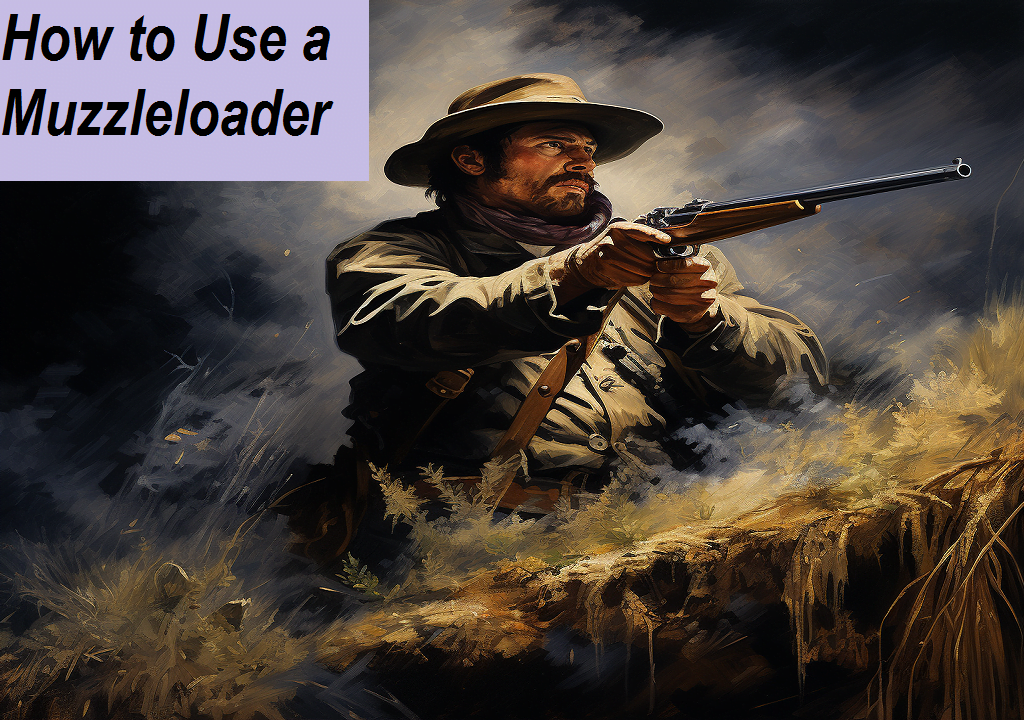
How to Use a Muzzleloader: A Comprehensive Step-By-Step Guide

Muzzleloaders: An epitome of age-old firearms, capturing the essence of pioneers, mountain men, and Revolutionary War soldiers. Let’s embark on an enriching journey to understand this piece of history, ensuring you’re well-equipped to use one.

1. Understanding Muzzleloaders

1.1. What Exactly is a Muzzleloader?

While muzzleloaders are firearms that are loaded from the front, specifically the muzzle, this design historically served as a precursor to the advanced breech-loaded firearms we see today.

1.2. The Attraction to Muzzleloaders

Their unique challenge and historical allure make them popular. Also, several regions have extended hunting seasons exclusively for muzzleloader enthusiasts.

1.3. The Evolution of Muzzleloaders

From the early matchlocks to flintlocks and the later percussion caps, muzzleloaders have seen a fair share of evolution.

2. The Basics of Loading

2.1. Prioritizing Safety

First and foremost, always regard a muzzleloader, as well as any other firearm, as if it’s loaded. Moreover, safety should never be taken for granted.

2.2. Delving into Components

In the realm of muzzleloading, one begins with the foundational black powder, followed by the introduction of a cloth patch. Subsequently, a lead ball is added, and on occasion, the ensemble is completed with a percussion cap or primer. The harmonious interplay of these elements truly orchestrates the enchanting performance.

2.3. Accurate Powder Measurement

Consequently, guaranteeing the appropriate quantity of powder is vital. However, an inaccurate measurement can lead to inefficiencies, and in some instances, it might even precipitate accidents.

3. The Detailed Loading Process

3.1. Precision in Pouring the Powder

Directly introduce the powder down the barrel, ensuring minimal to no spills.

3.2. Patch and Ball Placement

A correctly positioned patch and ball create an airtight seal, optimizing projectile propulsion.

3.3. Mastering the Ramrod

The ramrod is not just a stick; it’s a tool to compact the loaded components. Use it with finesse.

4. Firing with Precision and Safety

4.1. Aiming with Perfection

Just like any firearm, it demands focus. But with a muzzleloader, you’re not just aiming; you’re living history.

4.2. The Art of the Trigger Squeeze

A seamless squeeze seamlessly translates to heightened accuracy, making each shot a captivating story in itself.

4.3. Handling the Recoil

The kickback from a muzzleloader has its uniqueness. Preparing for it ensures you don’t get caught off-guard.

5. Maintenance: A Labor of Love

5.1. Thorough Cleaning Routines

Considering the corrosive nature of black powder residues, cleaning transcends mere necessity; it becomes a ritual.

5.2. Storing with Care

Additionally, by ensuring that your muzzleloader is stored in an environment free from moisture, you can significantly extend its longevity.

5.3. Addressing Wear and Tear

Consistently conducting inspections and promptly addressing necessary repairs will effectively maintain your firearm in a pristine condition.

6. Advanced Insights for the Enthusiast

6.1. Navigating Powder Varieties

Different powders have varying burn rates and consistencies. Picking the right one can make a world of difference.

6.2. Personalizing Your Muzzleloader

Incorporating personalized stocks, adding intricate engravings, or even opting for a custom barrel – all these modifications can transform your muzzleloader, ultimately making it a true representation of your individuality.

6.3. Joining the Brotherhood

Muzzleloading, more than just a hobby, serves as a tight-knit community. Consequently, by diving into this world, you can discover your society and seamlessly exchange stories and skills.

7. Conclusion

Muzzleloading is a blend of art and science. It offers a unique bridge between past eras and present-day shooting practices. Whether for hunting, target shooting, or simply relishing its history, mastering the muzzleloader promises an enriching experience.

Frequently Asked Questions (FAQs)

  1. Are muzzleloaders less accurate than modern firearms?
    • While they might not match the precision of today’s rifles, with practice, one can achieve remarkable accuracy.
  2. How do I pick the right muzzleloader for me?
    • It’s a mix of purpose (hunting, reenactment, etc.), budget, and personal preference in terms of design and era.
  3. What’s the range of a muzzleloader?
    • Typically, they’re effective within 100-150 yards, but advancements have extended this in some models.
  4. Is it challenging to find ammunition and components?
    • While not as common as modern ammunition, many specialty stores and online platforms cater to muzzleloading enthusiasts.
  5. Can muzzleloaders be used in all weather conditions?
    • While they can be used in various conditions, moisture is a concern. Wet powder doesn’t ignite, so ensure your powder stays dry.

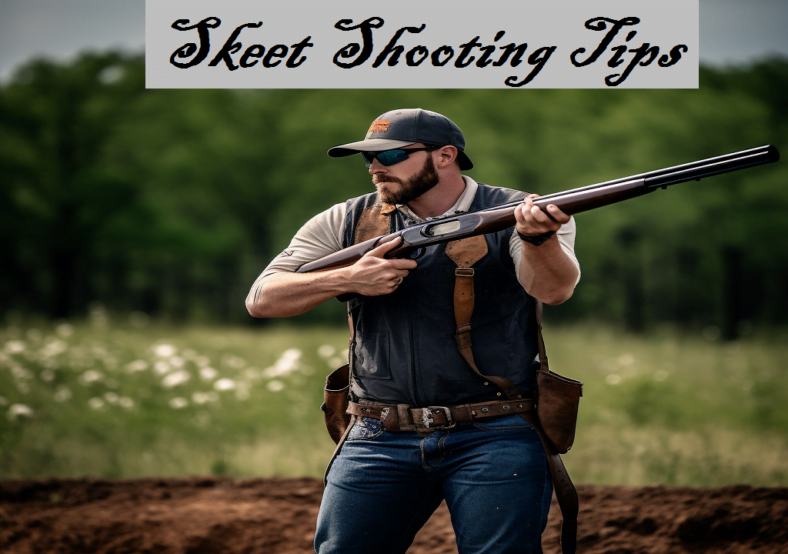
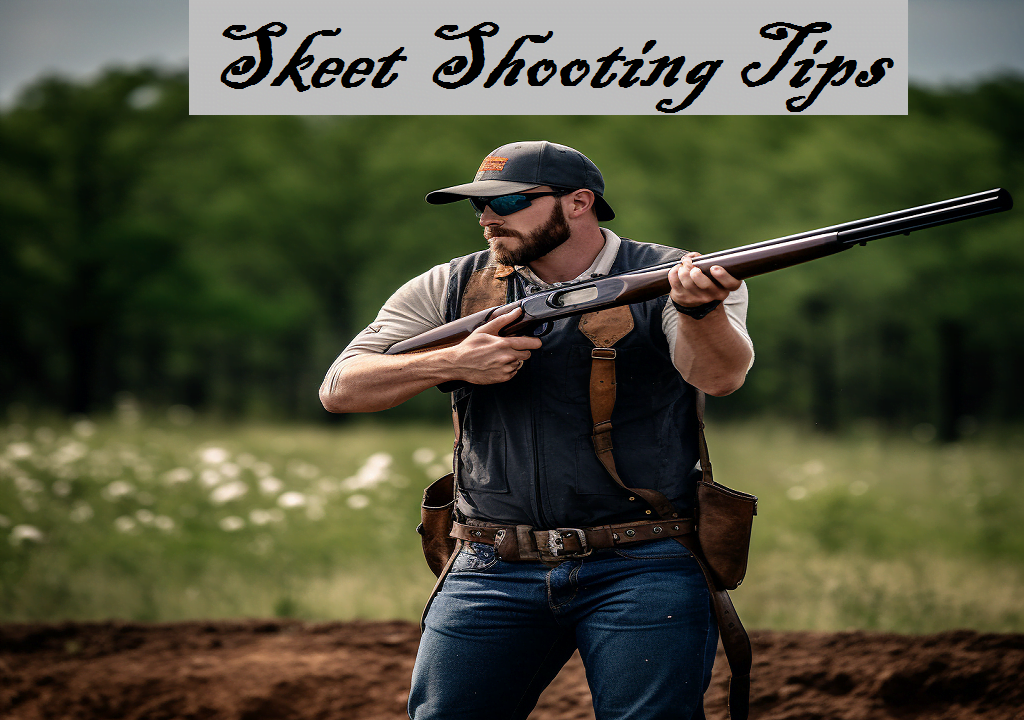
Skeet Shooting Tips: A Deep Dive into Enhancing Your Skills

Whether you’re a seasoned shooter or a rookie looking to dive into the exhilarating world of skeet shooting, mastering the art is a continuous journey. In this in-depth guide, we’re exploring every nuance of the sport. So, prepare to up your game!

Table of contents


1. Grasping the Foundations

  • 1.1. Defining Skeet Shooting Originating from the desire to simulate bird shooting, skeet shooting involves participants breaking clay targets hurled in various directions.
  • 1.2. A Brief Journey Through Time Initially called “shooting around the clock”, the sport was born in Massachusetts in the 1920s. Its evolution to modern-day skeet is fascinating!
  • 1.3. Essential Gear From high-quality shotguns, protective eyewear, to comfortable shooting attire, getting the right gear is the first step.

2. The Shotgun Debate

  • 2.1. Over-Under Shotguns Favored by many due to their balance and reliability. It offers a quick second shot and eliminates the worry of ejection.
  • 2.2. Semi-Automatics Renowned for quick follow-up shots, they are often lighter and can reduce felt recoil.
  • 2.3. Shot Size and Chokes Opt for #9 shot for skeet. As for chokes, a skeet choke or improved cylinder typically does the job.

3. The Art of Stance and Grip

  • 3.1. Perfecting Your Stance Your feet should be shoulder-width apart, with weight evenly distributed. Lean slightly forward, letting your front foot lead.
  • 3.2. Mastering Gun Mounting Ensure the butt of the gun sits tight against your shoulder to avoid a “kick”.
  • 3.3. Grip Tips Your dominant hand should grip the gun’s handle while the other supports the gun’s weight.

4. The Eyes Have It

  • 4.1. Unraveling Eye Dominance Even if you’re right-handed, your left eye might be dominant. Find out with the “pointing test”.
  • 4.2. Enhancing Tracking Use the “flashlight exercise” at night. Follow the light’s path to mimic tracking a target.
  • 4.3. Mastering the Lead Remember, you’re intercepting the target’s path. Visualizing the bird’s speed and direction is key.

5. Skeet Shooting Tips: Pre-Shot Rituals

  • 5.1. Routine’s Importance A consistent pre-shot routine ensures your mind and body are in sync.
  • 5.2. Calm with Breathing Deep, rhythmic breaths can calm nerves, ensuring a steadier shot.
  • 5.3. Setting A Focal Point Decide your starting point for each shot, aiding in better reaction times.

6. Stations: Where the Action Happens

  • 6.1. Station Dynamics Every station presents its challenges. From hard angle shots to straightforward ones.
  • 6.2. Perfecting Mid-Field Often tricky, mastering mid-field shots can dramatically improve scores.
  • 6.3. Conquering Stations 7 & 8 The final stations. Adjust your lead and stay focused.

7. Taming the Mind

  • 7.1. Combatting Nerves Visualization and positive self-talk are essential.
  • 7.2. Laser Focus Mental exercises, like meditation, can enhance concentration levels.
  • 7.3. Mistake Management Analyze, learn, and move on. Dwell not on the missed shots.

8. Skeet Shooting Tips: Embrace Constant Practice

  • 8.1. Essential Drills From station-specific drills to random clay releases, change things up.
  • 8.2. The Magic of Dry Firing Without ammunition, practice mounting and swinging your gun.
  • 8.3. Learn from Legends Attend professional events. Watching pros can be incredibly educational.

9. Safety Above All

  • 9.1. Gear Up Right Ensure your eyewear is impact-resistant. Ear protection is vital due to the decibels of a gunshot.
  • 9.2. Gun Etiquette Always treat guns as loaded. Keep them pointed downrange.
  • 9.3. Situational Awareness Familiarize yourself with range commands and always stay alert.

10. Skeet Shooting Tips: The Community Spirit

  • 10.1. Club Benefits Clubs offer a sense of camaraderie, expert guidance, and better facilities.
  • 10.2. Competitive Edge Engage in local tournaments. It’s an excellent way to benchmark skills.
  • 10.3. Never Stop Learning From online courses, workshops to personal coaching, always seek knowledge.

Conclusion

Skeet shooting is as much about skill as it’s about passion and mindset. As you delve deeper, remember, each clay shattered represents progress, and each miss is a lesson. Aim high, and enjoy the journey!


FAQs

  • Q1: Is skeet shooting beginner-friendly?
    • Yes, with the right guidance and safety precautions, anyone can begin.
  • Q2: Skeet vs. Trap – What’s the difference?
    • Mainly, it’s the angle and direction of the clay’s release. Skeet offers more varied angles.
  • Q3: Initial costs for skeet shooting?
  • Q4: What’s the Olympic skeet shooting format?
    • Shooters fire at a total of 125 targets (men) or 75 targets (women) over different rounds, with the top shooters advancing to the finals.
  • Q5: Finding a local skeet range?
    • A quick online search or reaching out to national shooting organizations can help locate nearby ranges.

Dive into the world of skeet shooting with this knowledge, and remember – practice, persistence, and patience will make you a pro. Happy shooting!

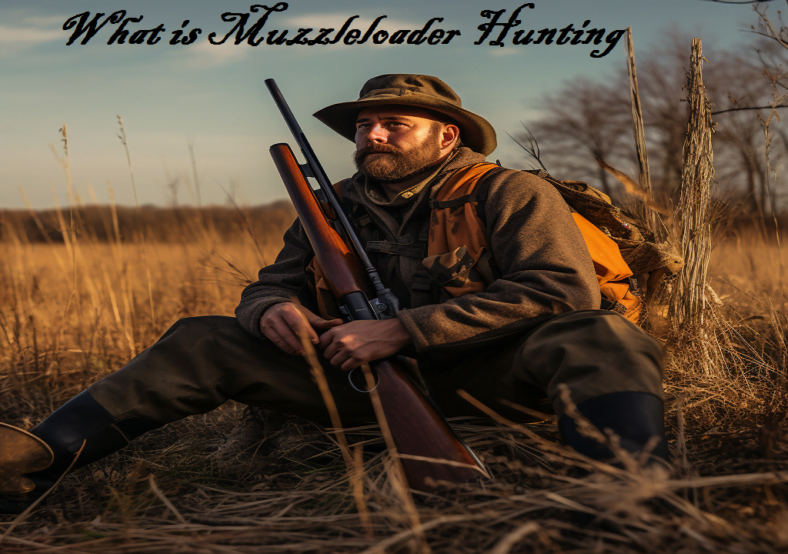
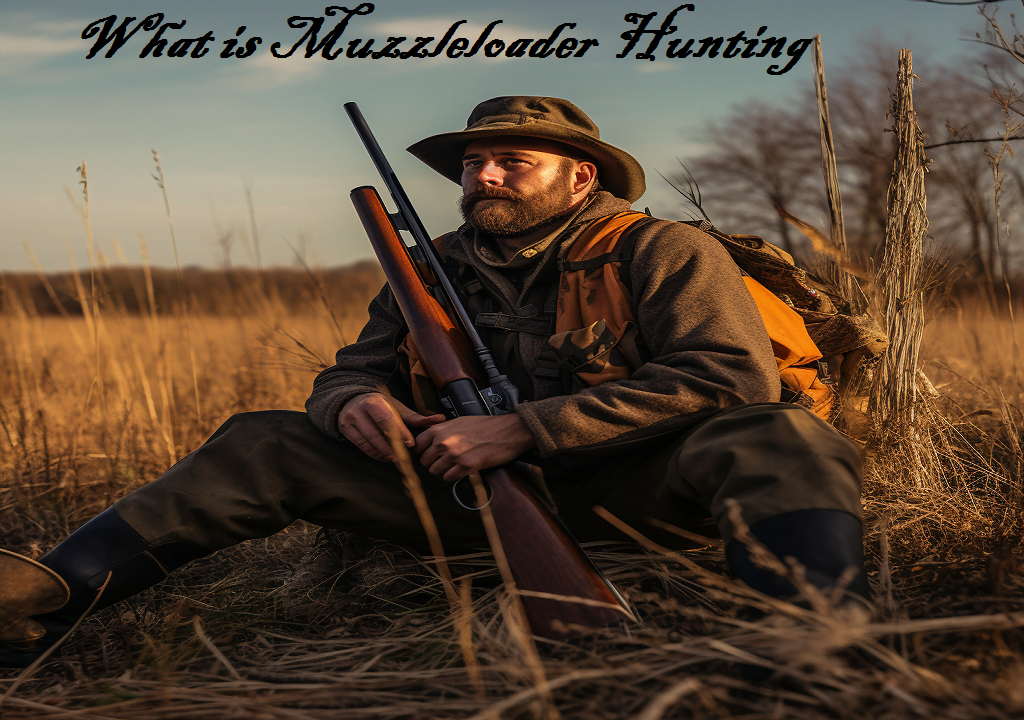
What is Muzzleloader Hunting?

Muzzleloader hunting is not just a form of hunting; it’s an art, an ancient skill, and a tribute to the hunters of yesteryears.

Table of contents

1. A Journey Through Time

1.1. Historical Context

Muzzleloaders began their journey in the 16th century, marking the transition from matchlocks to flintlocks. By the 19th century, they became the firearm of choice before breech-loaders took the stage.

1.2. Renaissance of Muzzleloading

While the 20th century was marked by rapid advancements in hunting technology, conversely, the 21st century has seen a resurgence of this age-old technique, primarily influenced by hunting purists and history aficionados.

1.3. Competitions and Events

Indeed, as the sport has evolved, there are now numerous national and international muzzleloading competitions, highlighting the increasing popularity of this discipline.

2. Dive into the Gear

2.1. Anatomy of the Muzzleloader

Initially focusing on the lock mechanism that ignited the powder, subsequently, attention shifts to the barrel rifling, which imparts spin to the bullet; each component, in turn, boasts its distinct narrative.

2.2. The Evolution of Gunpowder

Initially utilizing traditional black powder, the progression toward the cleaner-burning Pyrodex has marked a significant shift. Consequently, this evolution in powder selection now provides enhanced consistency and notably diminishes fouling.

2.3. Traditional Vs. Modern Projectiles

While round balls were the initial choice, today, hunters can choose between them, conical bullets, or even sabot rounds that offer greater accuracy and distance.

2.4. Supplementary Tools

Initially, essential tools such as the ball starter, cleaning kits, and priming flasks were fundamental for the hunt. However, today, these tools have modern counterparts, which, while retaining the hunt’s authenticity, also add a layer of convenience.

3. Nuances of the Hunt

3.1. The Art of Loading

Firstly, measuring the powder, followed by seating the bullet, the deliberate process ultimately transforms into a meditative ritual for the hunter.

3.2. Shot Strategy

Without the luxury of a quick follow-up shot, muzzleloader hunters must be especially strategic, often waiting for that perfect opportunity.

3.3. Ethical Considerations

Additionally, muzzleloading hunters frequently emphasize the importance of understanding an animal’s anatomy and behavior, ensuring they take extra care for a clean, humane kill.

4. Muzzleloading in the Modern World

4.1. Technological Advancements

Utilizing materials such as stainless steel and fiberglass, coupled with the integration of advanced ignition systems, and furthermore ensuring compatibility with high-powered scopes, epitomizes the advancements of the modern era.

4.2. Safety Protocols

From reinforced barrels to clearer manuals, the muzzleloading industry prioritizes user safety more than ever.

4.3. Training and Certifications

Many institutions now offer dedicated courses in muzzleloader hunting, ensuring new enthusiasts are well-prepared.

5. Challenges and Rewards

5.1. Embracing the Limitations

While the one-shot limitation, susceptibility to weather, and intricate loading process can be challenging, they also add depth to the experience.

5.2. Rewards Beyond the Kill

The real reward lies in the connection with nature, understanding of history, and personal growth through patience and skill development.

6. Resources and Learning

6.1. Books and Publications

Drawing from a rich historical tapestry, many books seamlessly transition into exploring the techniques, ultimately culminating in riveting anecdotes from muzzleloading legends.

6.2. Online Communities

Transitioning from forums to specialized YouTube channels, the digital realm abundantly offers resources, and there’s a vibrant community always keen to impart their knowledge.


Conclusion

Muzzleloader hunting transcends being just a sport; it’s a bond with history, a testament to human innovation, and a deeply personal experience. In a rapidly advancing world, it serves as a beautiful reminder of where we came from, while still allowing room for modern innovations.

FAQs

Q1: How often should I clean my muzzleloader?
A1: After every use, especially if you’re using corrosive black powder. Regular maintenance ensures longevity and accuracy.

Q2: Can I use smokeless powder in my muzzleloader?
A2: No, smokeless powder can generate dangerous pressures in a muzzleloader and should be avoided.

Q3: How can I improve accuracy with my muzzleloader?
A3: Regular practice, understanding your firearm, using consistent powder measures, and choosing the right bullet can enhance accuracy.

Q4: What’s the best season for muzzleloader hunting?
A4: Many states have specific muzzleloader seasons, often in late fall or early winter. Always consult local regulations.

Q5: Why is there a separate season for muzzleloader hunting in some regions?
A5: This provides an opportunity for traditional hunting enthusiasts to hunt in a less crowded environment and aligns with deer’s rutting season in many areas, offering a unique challenge.


May your journey into muzzleloader hunting be rich with experiences, insights, and memorable hunts.

How to Train a Dog to Shed Hunt: The Ultimate Guide

Shed hunting, the art of searching for naturally shed antlers in the wild, has seen a surge in popularity among outdoor enthusiasts. And what could be a better companion for this adventure than your four-legged friend? Training your dog to shed hunt not only enhances your outdoor experience but also provides your furry companion with mental and physical stimulation. In this comprehensive guide, we’ll explore the steps and techniques to effectively train your dog for shed hunting.


1. Introduction to Shed Hunting

Shed hunting involves searching for antlers that deer, elk, and other antlered animals have naturally shed. It’s an environmentally friendly and non-invasive way to enjoy wildlife artifacts. But why do it alone when you can train your dog to be the perfect shed hunting partner?

2. Choosing the Right Dog for Shed Hunting

Not all dogs are naturally inclined to shed hunt, but many can be trained. Breeds like Labrador Retrievers, German Shorthaired Pointers, and even mixed breeds can excel in this activity. The key is to look for traits like a keen sense of smell, high energy levels, and a willingness to please.

3. Fundamentals of Dog Training for Shed Hunting

3.1. Basic Obedience

Start with basic commands like ‘sit’, ‘stay’, ‘come’, and ‘heel’. These commands form the foundation of any successful training program and are essential for safety in the field.

3.2. Introduction to Antlers

Introduce your dog to shed antlers in a controlled environment. Let them sniff and explore the antler, associating it with positive experiences like treats or praise.

4. Advanced Training Techniques

4.1. Scent Training

Dogs primarily use their nose to find sheds, so scent training is crucial. Use real antlers for training and consider applying a scent product that mimics the smell of real antlers.

4.2. Field Training

Once your dog is familiar with antlers and their scent, it’s time to move to outdoor training. Start in a small, enclosed area and gradually increase the complexity and size of the training grounds.

5. Health and Safety Considerations

Ensure your dog is physically fit for shed hunting. Regular veterinary check-ups, vaccinations, and a healthy diet are crucial. Be mindful of the terrain and weather conditions during your hunts.

6. Gearing Up: Essential Equipment

Invest in quality gear for both you and your dog. A good harness, a GPS collar, and appropriate outdoor clothing can make your shed hunting trips more enjoyable and safer.

7. Troubleshooting Common Challenges

Address issues like lack of interest, distractions, or overexcitement. Be patient and consistent in your training approach, adjusting techniques as needed.

8. Celebrating Your Dog’s Successes

Reward and celebrate your dog’s successes, no matter how small. This positive reinforcement encourages them to keep improving.

9. Conclusion

Training your dog to shed hunt can be a rewarding experience that strengthens your bond and adds excitement to your outdoor adventures. With patience, consistency, and the right approach, you can turn your furry friend into an expert shed hunter.


Frequently Asked Questions (FAQs)

Q1: At what age can I start training my dog for shed hunting?

A: The ideal age to start training a dog for shed hunting is around 6 to 8 months. However, this can vary depending on the individual dog. It’s essential to begin with basic obedience training and gradually introduce your dog to shed hunting concepts as they grow and develop.

Q2: How long does it take to train a dog for shed hunting?

A: The training duration varies based on the dog’s breed, age, and learning pace. Generally, it can take several months to a year to fully train a dog for shed hunting. Consistency and patience are key factors in the training process.

Q3: Can any breed of dog be trained for shed hunting?

A: While certain breeds like Labradors, German Shorthaired Pointers, and Vizslas are known for their hunting and scent-tracking abilities, many other breeds and mixed breeds can also be trained for shed hunting. The most important traits are a good sense of smell, willingness to learn, and physical fitness.

Q4: Is it necessary to use real antlers for training?

A: Real antlers are the most effective for training because they provide the most authentic experience. However, you can start with artificial training antlers, especially for puppies, to prevent injuries and then gradually introduce real antlers.

Q5: How do I keep my dog safe while shed hunting?

A: Ensure your dog is in good physical condition and up-to-date with vaccinations. Use a GPS tracker or a brightly colored vest for visibility. Be aware of the terrain and weather conditions, and always carry water and a first-aid kit.

Q6: What should I do if my dog loses interest in shed hunting?

A: If your dog loses interest, take a break and reduce the training sessions’ intensity or duration. Try to make the training more fun and engaging. Sometimes changing the training location or introducing new challenges can reignite their interest.

Q7: Can shed hunting affect my dog’s behavior in other aspects?

A: Shed hunting can actually have positive effects on your dog’s overall behavior. It provides mental stimulation, physical exercise, and strengthens the bond between you and your dog. However, it’s crucial to maintain a balance and not let shed hunting training overshadow other important aspects of your dog’s life and training.

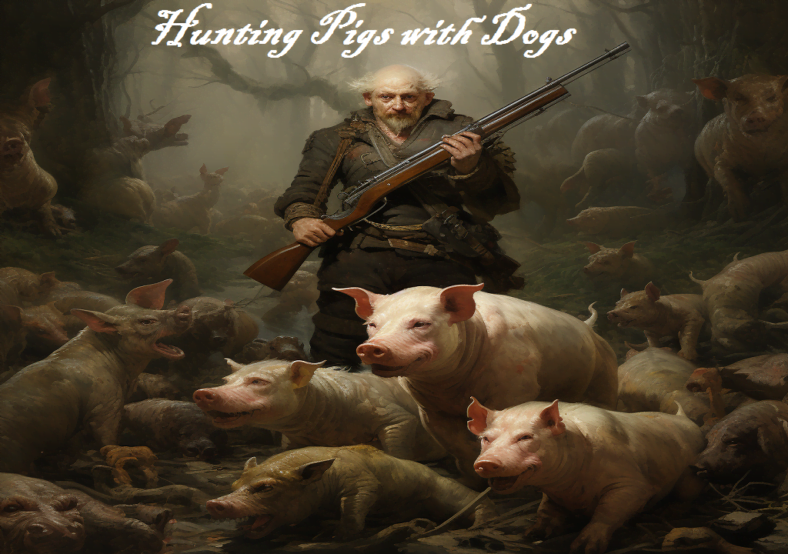
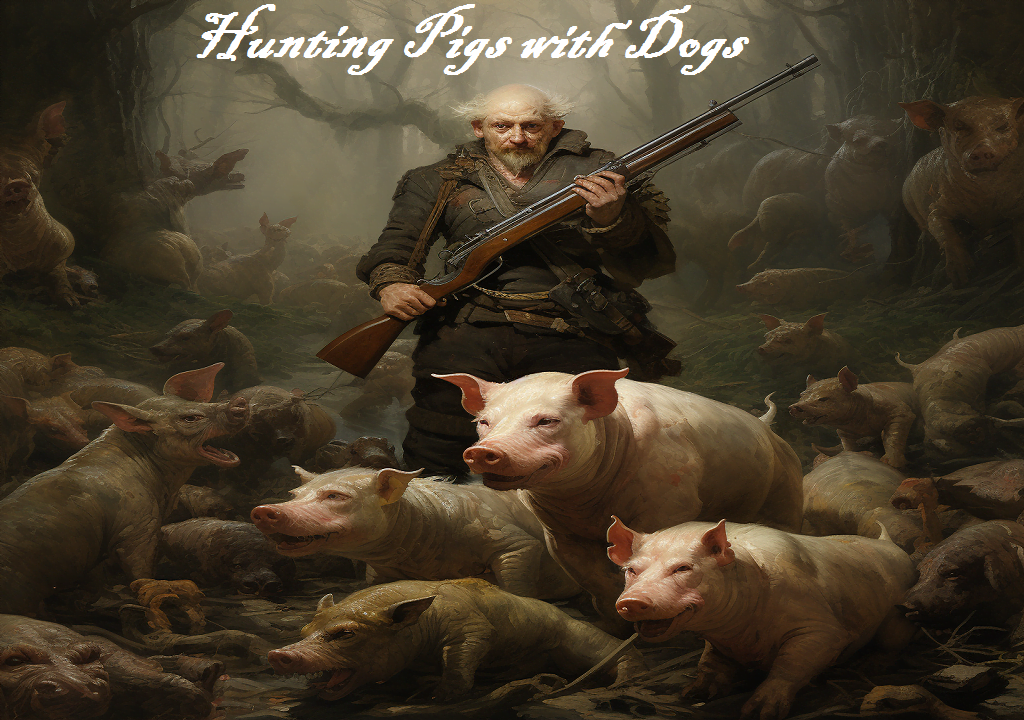
Hunting Pigs with Dogs: An In-depth Exploration

Table of contents

1. The Historical Connection

  • The Ancient Sport: Before modern conveniences, cohorts relied on hunting pigs with dogs for sustenance and community bonding, using rudimentary tools and rudimentary dog breeds.
  • Evolving Tradition: As societies changed, so did hunting methods. From survival to sport, the evolution reflects changing societal norms and needs.
  • Geographical Spread: Originating perhaps in Europe or Asia, this method spread globally, adapting to local cultures and terrains.

2. The Dogs: Breeds & Training

  • Breeds: The Catahoula and Bull Arab are favorites, but breeds like the Bay dog and Pitbulls have been historically involved too, chosen for their stamina, strength, and natural hunting instincts.
  • Training Regimens: Starting as puppies, these dogs undergo rigorous training. From basic obedience to tracking and holding, every step is crucial.
  • Safety and Care: Beyond training, ensuring a dog’s health, regular vaccinations, and proper diet is essential for its performance and well-being.

3. The Hunt: Techniques & Tactics

  • The Tracking Stage: Dogs are first released to pick up on the pig’s scent, a process that can take hours or even days.
  • The Bail and Hold: While one set of dogs “bails” the pig—keeping it cornered—another might be dispatched to hold the pig, preventing escape.
  • Hunter’s Role: Beyond tracking, hunters must also ensure safety, make on-spot decisions, and usually perform the final catch or kill.

4. Ethical Considerations

  • Animal Welfare Concerns: Detractors argue that the method can cause undue stress to both pigs and dogs, leading to potential injury or death.
  • Conservation Efforts: In places like Hawaii, wild pigs harm native ecosystems, and hunting is a method of control.
  • Balancing Act: How does one weigh the thrill and tradition of the hunt against the undeniable ethics of animal welfare?

5. The Challenges of the Hunt

  • Terrain and Climate: From the muggy forests of the American South to Australia’s arid outback, hunting techniques adapt to local conditions.
  • Pig Behavior: Wild pigs are smart and can be aggressive. Their unpredictable nature adds to the challenge.
  • Dog Safety: From snake bites to aggressive pigs, myriad dangers lurk. Proper training and protective gear are vital.

6. Gear and Equipment

  • Protective Gear for Dogs: Modern kevlar vests, protective collars, and boots shield dogs from tusks and rough terrains.
  • Hunter’s Arsenal: From knives to firearms, hunters have a range of tools. The choice often depends on local regulations and personal preferences.
  • Tracking Tools: GPS collars and drones have revolutionized the hunt, ensuring both efficiency and safety.

7. The Cultural Significance

  • Ceremonial Hunts: In many cultures, a successful hunt signals the transition from boyhood to manhood.
  • Community and Camaraderie: The hunts foster deep bonds among participants, creating stories that are retold for generations.
  • Literature and Folklore: From Homer’s “Odyssey” to indigenous tales, these hunts have always captured human imagination.

8. Controversies & Criticisms

  • Animal Rights Perspective: Many believe hunting for sport, especially using dogs, is cruel and outdated.
  • Hunter’s Perspective: Proponents argue about tradition, conservation, and the deep respect they have for both the dogs and the wild pigs.
  • Finding Common Ground: Sustainable hunting methods, like ensuring a quick end for the pig, might be a middle ground.

9. The Future of Pig Hunting with Dogs

  • Modern Adaptations: With technology and changing societal norms, how will this age-old practice evolve?
  • Conservation Efforts: With growing pig populations in certain areas, the practice might see a resurgence—but with more ethical considerations.
  • Community Engagement: Workshops and training programs can help ensure a new generation of ethical, informed hunters.

10. Personal Stories & Anecdotes

  • Close Calls: Veteran hunters share tales of hunts that went awry, teaching lessons to novices.
  • Dog Heroes: Celebrating dogs that have shown extraordinary courage or intelligence during a hunt.
  • The Bond: Heartwarming tales that underscore the inseparable bond between a hunter and his canine companion.

Conclusion

Pig hunting with dogs is a complex tapestry of tradition, sport, ethics, and survival. While the future is uncertain, what remains is the undeniable connection between humans, dogs, and the wild.

FAQs

  1. Why not use traps or snares?
    Ans. Traps can be non-selective and may lead to the unintentional capture of non-target animals.
  2. How long has this method been around?
    Ans. For thousands of years, differing based on region and culture.
  3. How do hunters ensure their dogs’ safety during the hunt?
    Ans. Training, protective gear, and constant vigilance.
  4. Is there a specific season for pig hunting?
    Ans. This varies by region. Some places have designated seasons, while others allow it year-round due to overpopulation.
  5. Do all hunters eat the pigs they catch?
    Ans. Many do, viewing it as a sustainable food source and respecting the animal by using as much of it as possible.

With this in-depth exploration, we’ve journeyed through history, across terrains, and into the heart of the hunt itself. As with many traditions, its future lies in the balance between respect, evolution, and ethics.

Why Hunting is Good?

Hunting has been woven into the very fabric of human evolution and survival. Today, with industrialization and urban sprawl, its role has been questioned and sometimes dismissed. But is it fair to do so without acknowledging its multifaceted benefits?

Table of contents

1. Ecological Balance

a. Predator Control

In regions where natural predators like wolves and mountain lions have dwindled due to factors like urbanization, deer and other prey often overpopulate. What’s the fallout? An ecosystem out of balance. Excessive grazing leads to degraded land, making it difficult for other animals and vegetation to thrive. Hunting offers a means of controlling these populations.

b. Habitat Restoration

When certain species overpopulate, it can lead to the degradation of habitats. Overgrazing, for example, can cause soil erosion and affect water sources. By controlling populations through hunting, habitats can be preserved and restored.

c. Conservation Funding

Believe it or not, hunters are some of the biggest contributors to wildlife conservation. Through the purchase of hunting licenses, permits, and taxes on gear, billions are funneled into conservation projects. And this isn’t about protecting just game animals; it covers the entire ecosystem.

2. Organic and Sustainable Meat Source

a. Health Benefits

The debate between store-bought meat and wild game tips in favor of the latter. Wild game, being free of antibiotics, hormones, and commercial feed, is leaner and richer in essential nutrients. It’s truly nature’s organic offering.

b. Ethical Eating

Industrial farming often involves cramped spaces, unnatural diets, and premature slaughter. Hunting, by contrast, involves animals that have lived freely, consumed a natural diet, and often have longer lifespans. Which meat journey sits better with your conscience?

c. Connection to Food

The modern disconnect from our food sources is alarming. Hunting bridges this gap, making individuals more cognizant of the food they consume and the process it entails.

3. Economic Benefits

a. Job Creation

Beyond the solitary image of a hunter in the woods, there’s a buzzing industry. Manufacturers of hunting gear, local guides, outfitters, and even hunting education professionals all owe their livelihood to hunting.

b. Tourism Boost

Consequently, areas recognized for their hunting prospects frequently experience a surge in local tourism. Not only do lodges benefit, but local dining establishments also thrive, leading to a notable economic uplift due to the influx of hunters.

c. Community Support

The ripple effect of hunting touches local communities too. Funds from hunting licenses often go back into local projects, enhancing infrastructure and community facilities.

4. Cultural Significance

a. Heritage and Tradition

For many communities, hunting is more than a sport. It’s a generational tradition, carrying stories, skills, and values from one generation to the next.

b. Skills and Discipline

Hunting isn’t merely about taking a shot. Firstly, it instills patience in individuals. Furthermore, it hones observation skills. Lastly, it imparts a profound understanding of nature. Consequently, doesn’t this offer a holistic approach to learning?

c. Spiritual Connection

In the midst of nature, while tracking an animal, many hunters often experience a deep spiritual connection. Moreover, this intimate bond with nature engenders a profound appreciation for life. Consequently, they develop a heightened sense of the interconnectedness of all beings.

5. Mental and Physical Benefits

a. Exercise

Maneuvering through diverse terrains, tracking, and even the act of setting up camp offers physical challenges that are both rigorous and rewarding.

b. Stress Reduction

Nature has a calming effect. The serenity, combined with the focus hunting requires, often serves as an antidote to the stressors of modern life.

c. Boosting Survival Skills

From tracking skills, understanding weather patterns, to even basic first aid – hunting is a comprehensive lesson in survival.


Conclusion

Hunting, when approached with respect, knowledge, and responsibility, offers manifold benefits to individuals, communities, and the environment. Like any tool, it’s the user’s intent and understanding that defines its impact.


Frequently Asked Questions (FAQs)

  1. Isn’t hunting cruel?
    While some argue this point, when done ethically and responsibly, ensures quick and humane kills. It’s arguably more humane than factory farming.
  2. What about endangered species?
    Ethical hunters avoid endangered species. In fact, hunters often contribute to conservation efforts to protect these species.
  3. How does hunting compare to other forms of wildlife control?
    Methods like relocation or sterilization can be stressful and less effective. It provides a quick solution, maintaining the ecological balance.
  4. How can hunting be sustainable?
    Through regulated seasons, quotas, and conservation efforts, This can be both an ecological and sustainable practice.
  5. Aren’t there non-lethal methods to maintain ecological balance?
    While there are, methods like relocation often come with their own set of challenges. It remains one of the most direct and effective ways.
  6. How do hunters ensure they don’t overhunt?
    Regulated hunting seasons, limits on the number of animals that can be taken, and age/sex restrictions are among the measures in place.
  7. Isn’t trophy hunting harmful?
    Trophy hunting, when mismanaged, can be harmful. However, when properly regulated, the funds from it can be directed towards conservation efforts.
  8. Are there educational programs for ethical hunting?
    Absolutely! Numerous programs teach hunters about ethical practices, wildlife conservation, and responsible hunting.
  9. How does hunting tie into local cultures?
    Many indigenous and local communities have hunting at the core of their traditions, using it as a means of sustenance, storytelling, and cultural preservation.
  10. Is hunting a sport or a necessity?
    It can be both. For some, it’s a means of sustenance, while for others, it’s a sport. The key lies in the approach and the intent behind it.
Exit mobile version